360 Cameras
Insta360 X5 vs X4: Which 8K 360 Camera Makes Sense for Riders
A practical look at the Insta360 X5 and the older X4: what the larger sensor, low light mode and replaceable lens change, and which camera suits your riding.
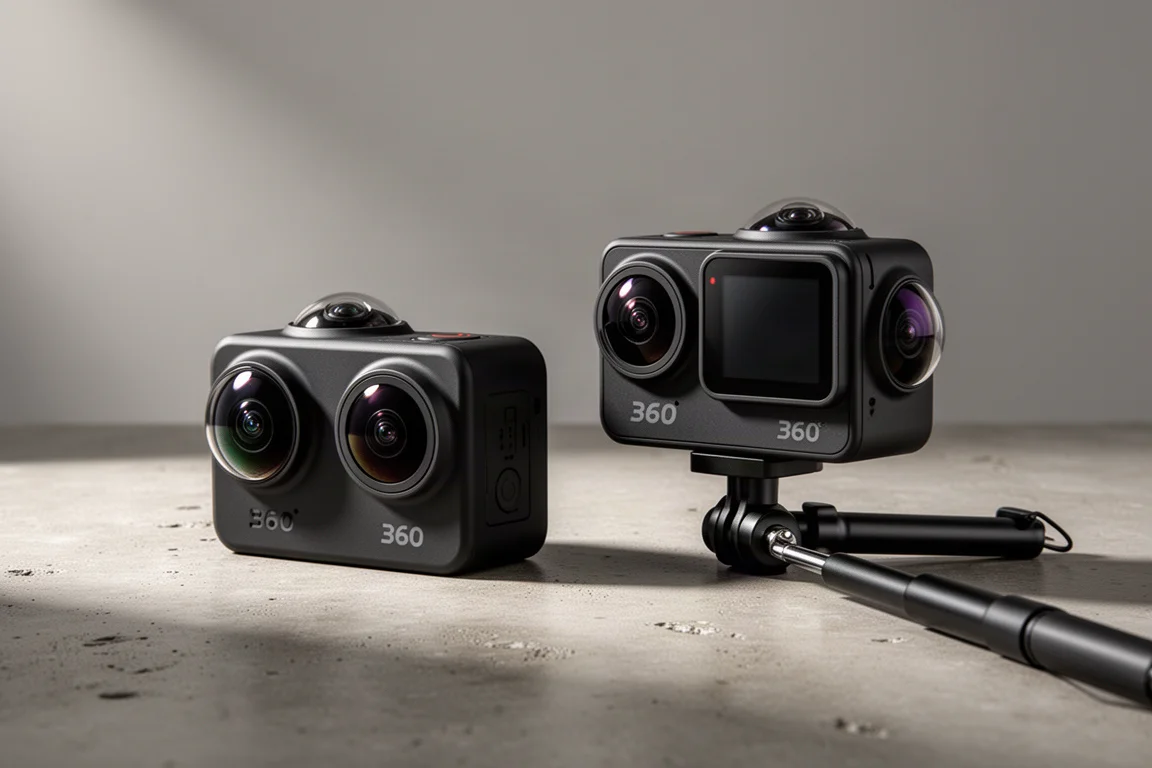
Introduction
One recording, every angle, and the freedom to decide later what the shot should look like. That is the appeal of a 360 camera on a bike, and it is the idea the Insta360 X5 refines rather than reinvents. The X5 keeps 8K capture but adds a much larger sensor, a dedicated low light mode and a lens that can finally be replaced if it gets scratched.
The Insta360 X4, now the previous generation, stays in the conversation because it remains close in quality and is often the better value. This guide looks at what actually changed, where the older camera still holds up, and which one makes sense for the way you ride.
Why a 360 Camera Suits Real Riding
A conventional action camera gives you one field of view, fixed at the moment you press record. A 360 camera captures everything around it, so the interesting part of a ride is never lost to a framing decision made too early. Mount it on the handlebars under the bike computer, press record when the road opens up, and reframe the footage afterwards in the desktop studio app or on a phone.
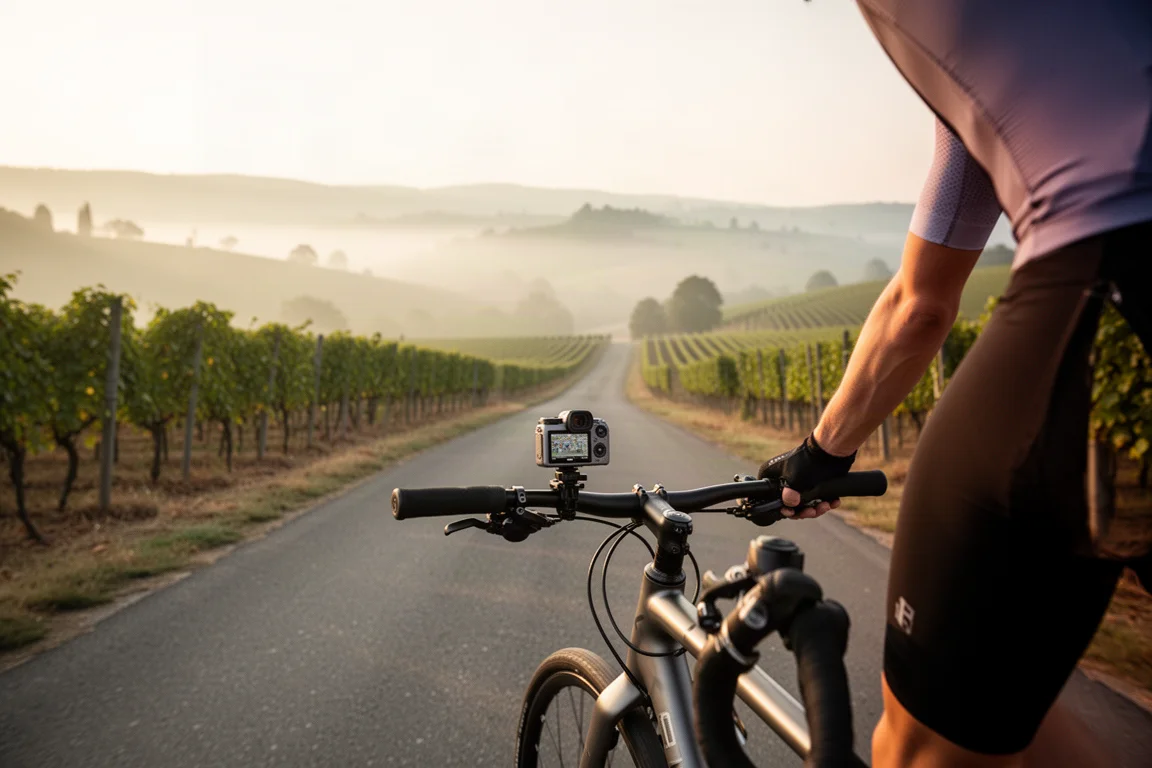
The flexibility shows up in the edit. You can cut to a point-of-view shot of the road ahead, hold a rider in frame as they come past, or swing the view sideways for something more creative. Ride alone with a selfie stick and the same footage can be framed to look like an aerial shot following the bike. Wide or tight, the choice is made at the desk rather than on the road.
Insta360 X5: The New Flagship
The X5 still records in 8K, so the headline number has not moved. What has changed is everything feeding it. The sensor is 144% larger than the one in the X4, and three AI chips process the footage, which together lift low light performance. A dedicated low light and night mode, the first of its kind in this series, is now available for filming after dark or under heavy cloud.
InstaFrame mode is new as well. It records 360 footage and a flat frame at the same time, so both versions are waiting for you at the end of a ride. Audio benefits from a wind guard that cuts wind noise at speed, leaving more of the tyres, drivetrain and surroundings in the recording.
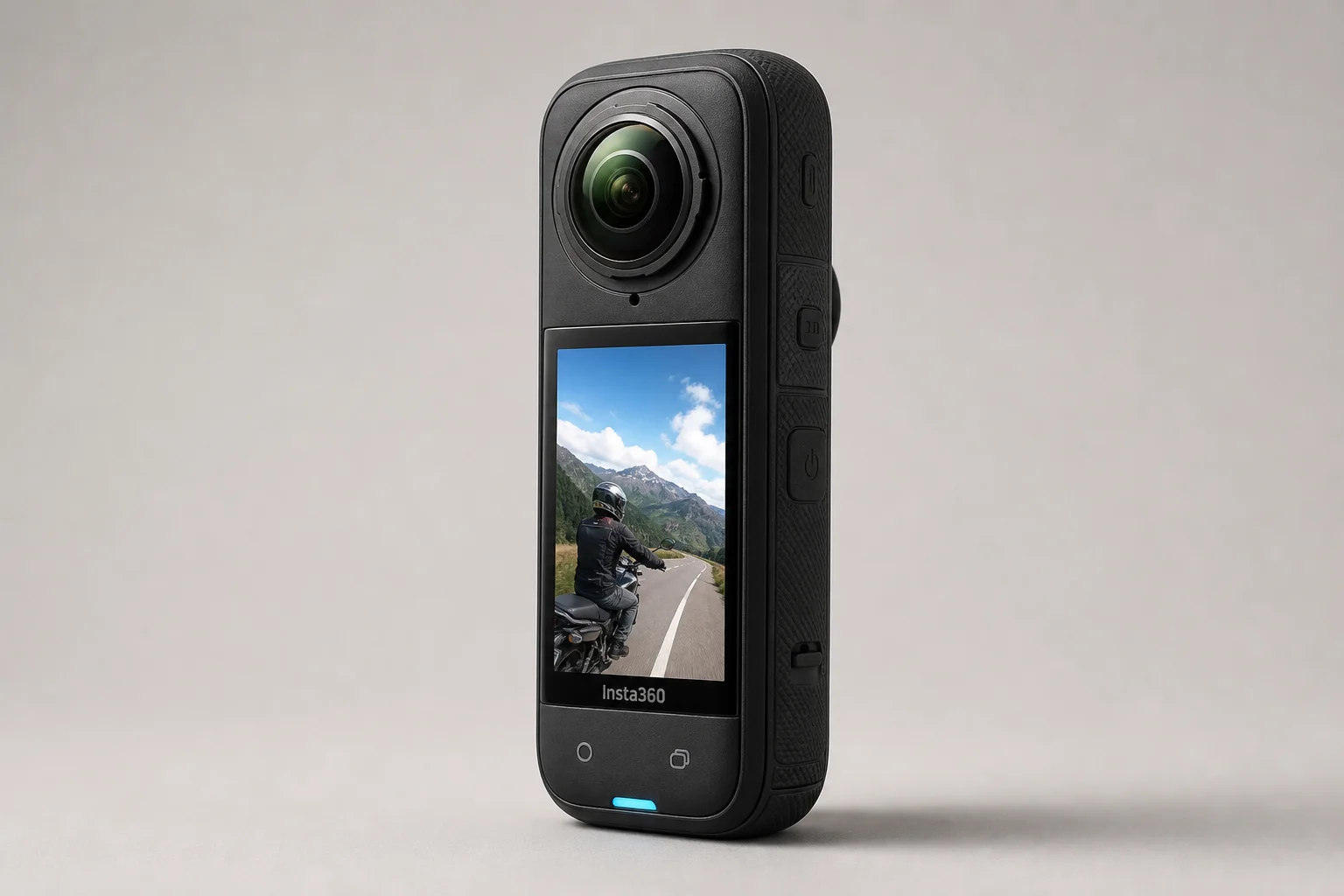
The lens is made from tougher glass and, for the first time in the X series, is replaceable. That removes the need for a lens guard, which until now was the only real protection against a scratch and came at a cost to image quality. Battery life improves too, with an endurance mode rated at up to 185 minutes and USB-C charging to 80% in around 20 minutes.
Insta360 X4: Still a Strong 8K Camera
The X4 is the camera the X5 is measured against, and it remains a capable 8K 360 camera. Its lens cannot be replaced, so a standard or premium lens guard is the usual safeguard, and that guard visibly affects image quality. Battery runtime is shorter, at around 135 minutes, and low light footage falls apart sooner than the X5’s.

In good light the two cameras are close. The X4 is still a fantastic camera and roughly 95% as good as the new model, which makes it a sensible purchase for anyone who finds it at a discount, or who already owns one and is happy with it.
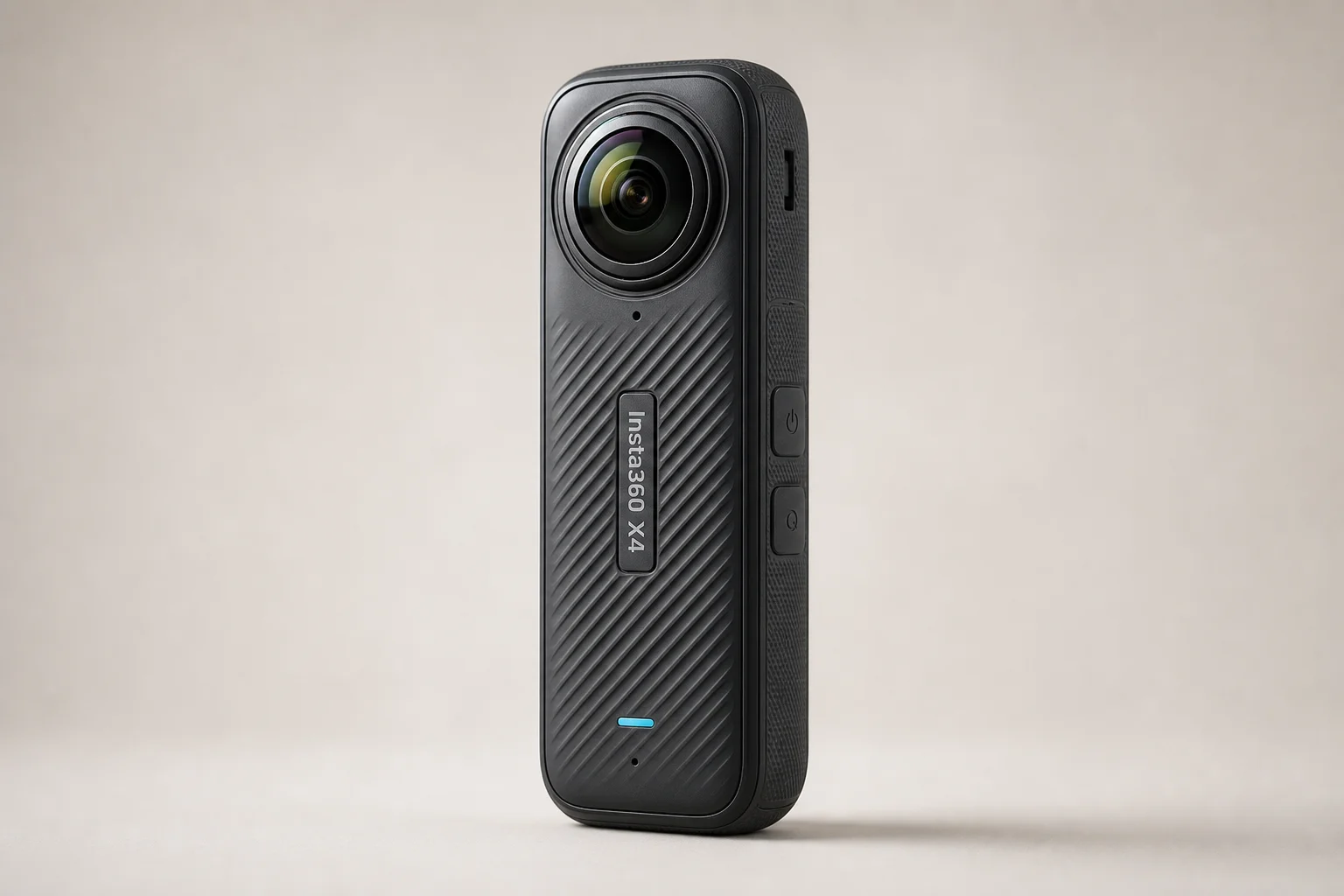
Image Quality and Audio Improvements
Resolution alone does not tell the story here. In side-by-side use on the same roads in the same light, the X5 holds its quality for longer and produces a sharper, punchier image with more clarity, particularly in cloudy and low light conditions. The difference is noticeable rather than subtle, even though both cameras record at 8K.
Audio takes a similar step forward. The wind guard on the back of the X5 reduces the noise that normally forces you to cover a fast descent with music, so the sound of the ride itself survives the edit.
Low Light and Night Filming
Low light is where the X5’s larger sensor and AI processing do the most visible work. The dedicated low light and night mode is built to keep image quality from breaking down when the light drops, whether that means riding at dusk, under thick cloud, or through tree cover on a gravel or mountain bike route.
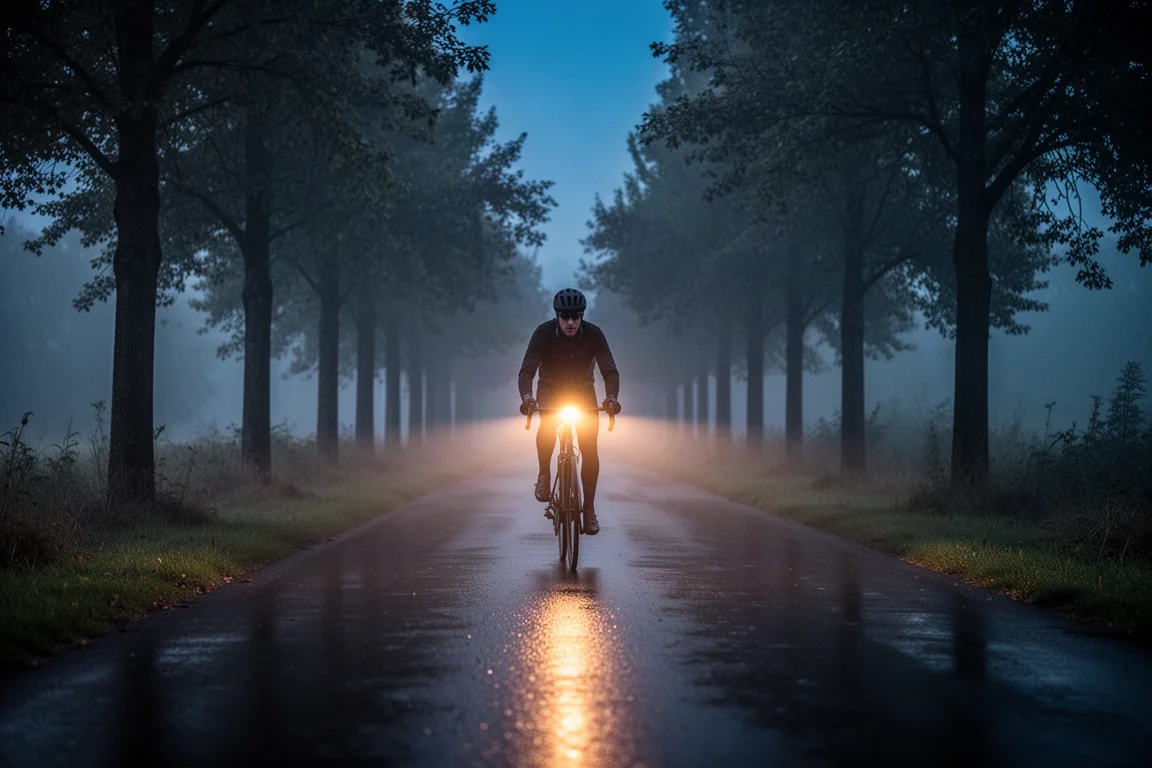
The X4 has no equivalent mode, and its footage degrades sooner in the same conditions. For riders who film early, late, or under a grey sky for much of the year, this is the single most meaningful upgrade in the X5.
Battery Life, Lens Durability and Everyday Use
Endurance mode on the X5 is rated at up to 185 minutes, up from around 135 minutes on the X4, and a 20-minute USB-C top-up takes the battery to 80% before you head out. The replaceable lens changes daily habits as much as it changes repair costs. With tougher glass and a swap-in part, the lens guard can stay at home, and the rubber cap is enough protection in a pocket or bag.
Both cameras share the same editing workflow. Footage transfers to the smartphone app or the desktop studio app, where clips can be reframed manually, aspect ratios and fields of view changed, or handled by an AI quick edit that adds music and titles. Vertical cuts for social platforms take only a few taps. On the bike, the camera sits stable under the computer without rattling or bouncing, and its weight makes no difference to how the ride feels.
Buying Advice: Which Camera Fits Your Riding
If you want the best footage available, especially in low light, the X5 is the camera to choose. It is a high quality piece of kit, and the replaceable lens and longer battery life make it easier to live with over a full season of riding.
If you already own an X4, there is no urgent reason to replace it. It remains a fantastic 8K 360 camera and delivers around 95% of what the X5 does. Riders new to 360 filming who spot the X4 at a discount will still get excellent results, as long as they accept the lens guard and the shorter battery life.
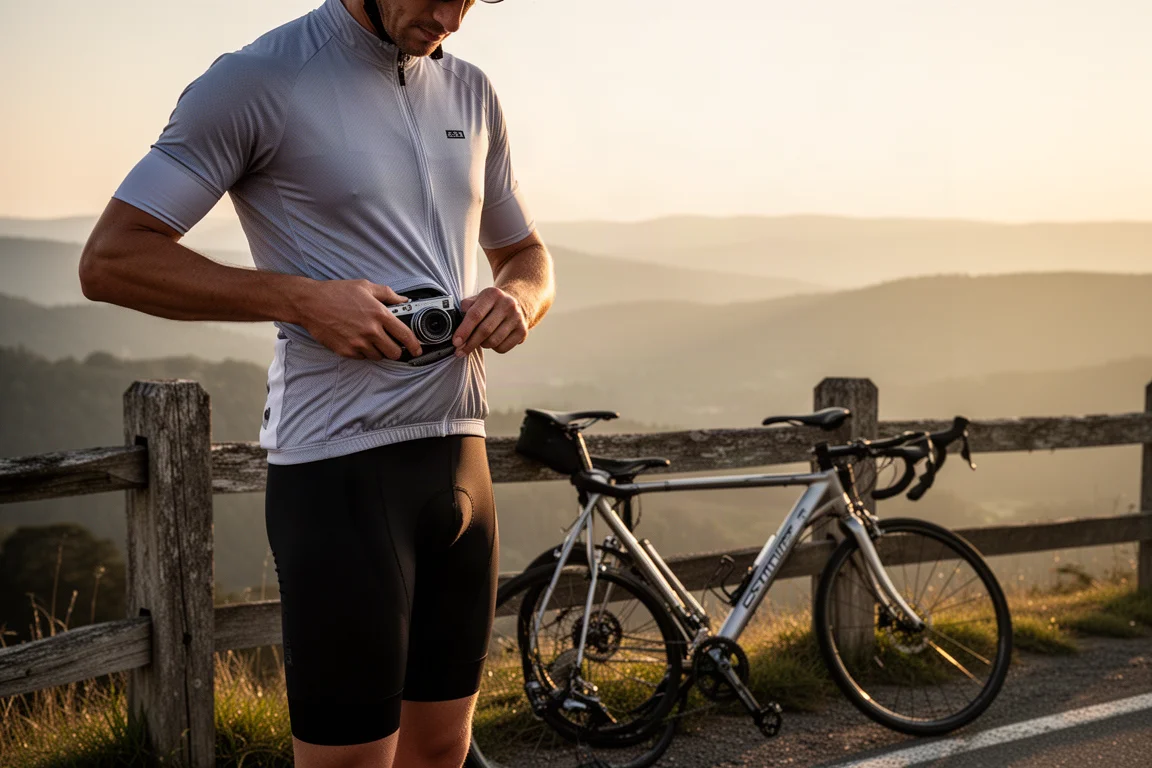
Either way, the format is the real draw: one camera, one recording, and as many angles as you want when you get home.
Conclusion
The Insta360 X5 is a meaningful refinement rather than a reinvention. The larger sensor, the low light mode, the improved audio and the replaceable lens all address real frustrations, while the 8K resolution and the bulky body carry over unchanged from the X4. Riders who want the best 360 footage available have a clear choice, and riders who already own the X4 can keep riding with confidence.
Further reading
Related Reviews
360 Cameras
DJI Osmo 360 Review: A Compact 8K 360 Camera for Riders and Creators
A close look at the DJI Osmo 360, covering its 1-inch 360 sensor, native 8K capture, magnetic mounting, battery life, built-in storage, and single-lens mode.
360 Cameras
Insta360 X4 Review: 8K 360 Capture Built for Bike Riders
A practical look at the Insta360 X4, covering 8K capture, reframing workflow, battery life, and the accessories that matter for riders.
360 Cameras
Insta360 X5 Review: A 360 Camera for Hiking and Self-Filmed Footage
A practical look at the Insta360 X5 for hikers who film their own trips, including where it replaces a heavy mirrorless setup and where it does not.