360 Cameras
Insta360 X5 Review: A 360 Camera for Hiking and Self-Filmed Footage
A practical look at the Insta360 X5 for hikers who film their own trips, including where it replaces a heavy mirrorless setup and where it does not.
Introduction
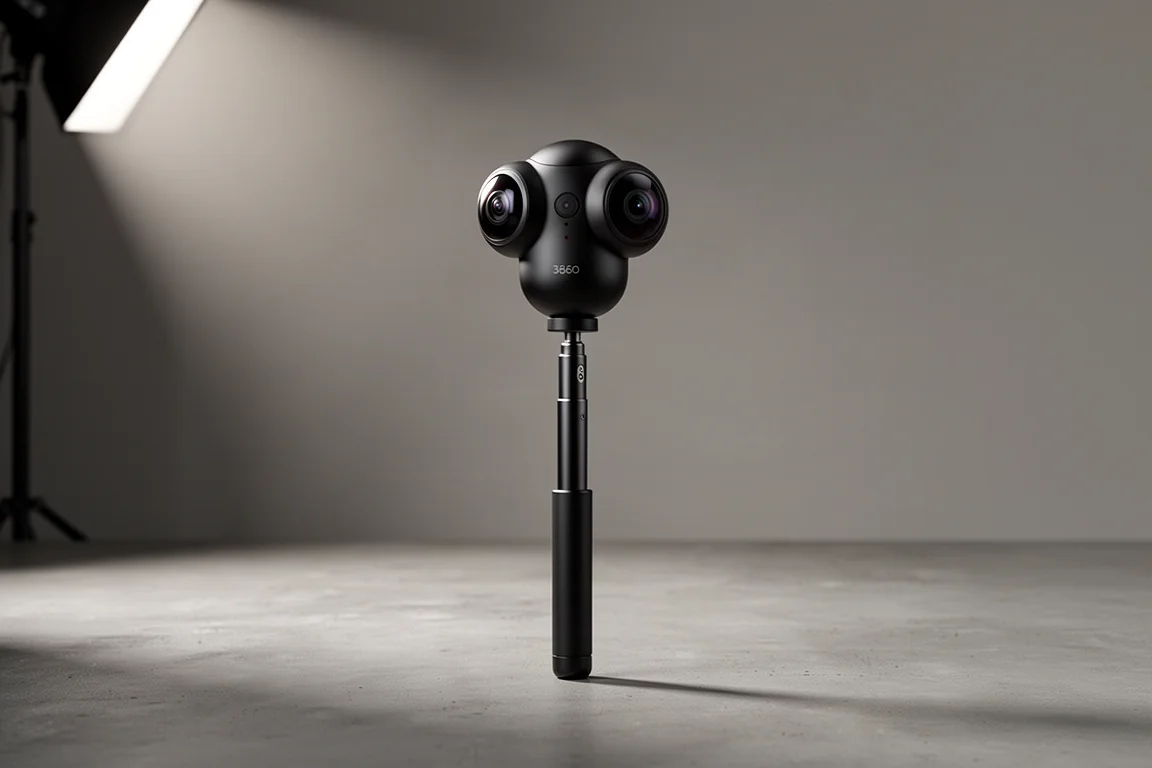
360 cameras have spent most of their existence on the edges of serious shooting. The usual pitch is spectacle: extreme perspective, spinning horizons, and a novelty shot that gets attention and then gets forgotten. The Insta360 X5 is more interesting than that, because it can be used as a working camera rather than a party trick.
The question that matters for anyone who films their own hikes is whether a compact 360 camera can stand in for a heavy mirrorless rig. One practical way to answer it is to shoot the same hiking sequence twice in the rugged canyons of Utah, once with a mirrorless setup costing around $5,000 and once with the X5, then compare the two results directly.
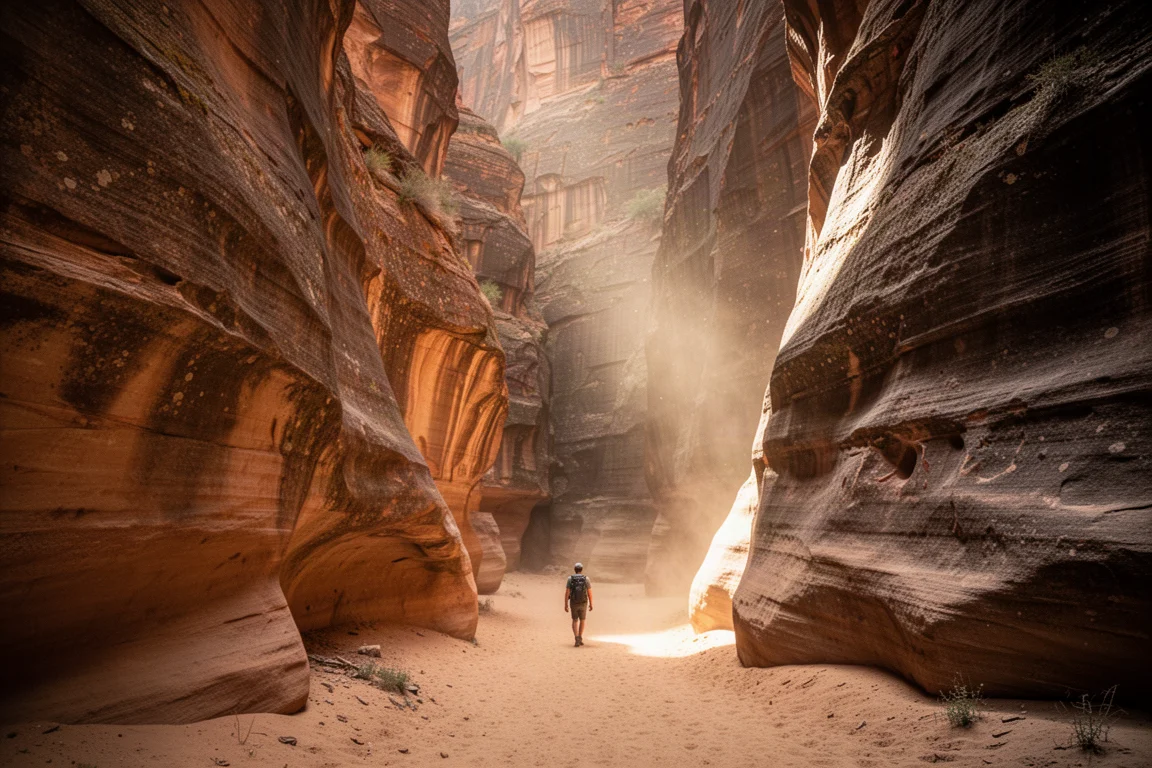
That comparison is the reason this camera deserves a close look. It is not really about which camera wins. It is about what you are willing to carry over miles of rough terrain, and how much gear you want to manage while you are out there.
Who This Camera Is For
The X5 suits hikers, backpackers, and anyone who films their own trips alone. When you are both the subject and the operator, your own reach sets the limit on how much of a scene you can include, which in practice means a wide-angle lens. The X5 covers that ground without a lens change.
It also suits people who would rather experience a hike than manage one. A small, light camera that starts recording with a single press leaves room to walk, climb, and look around. On a long day, that matters more than any specification.
This is not a camera for someone whose work depends on interchangeable glass. It is a camera for someone who wants one small device to handle a wide, stabilized record of a day outdoors.
Main Strengths
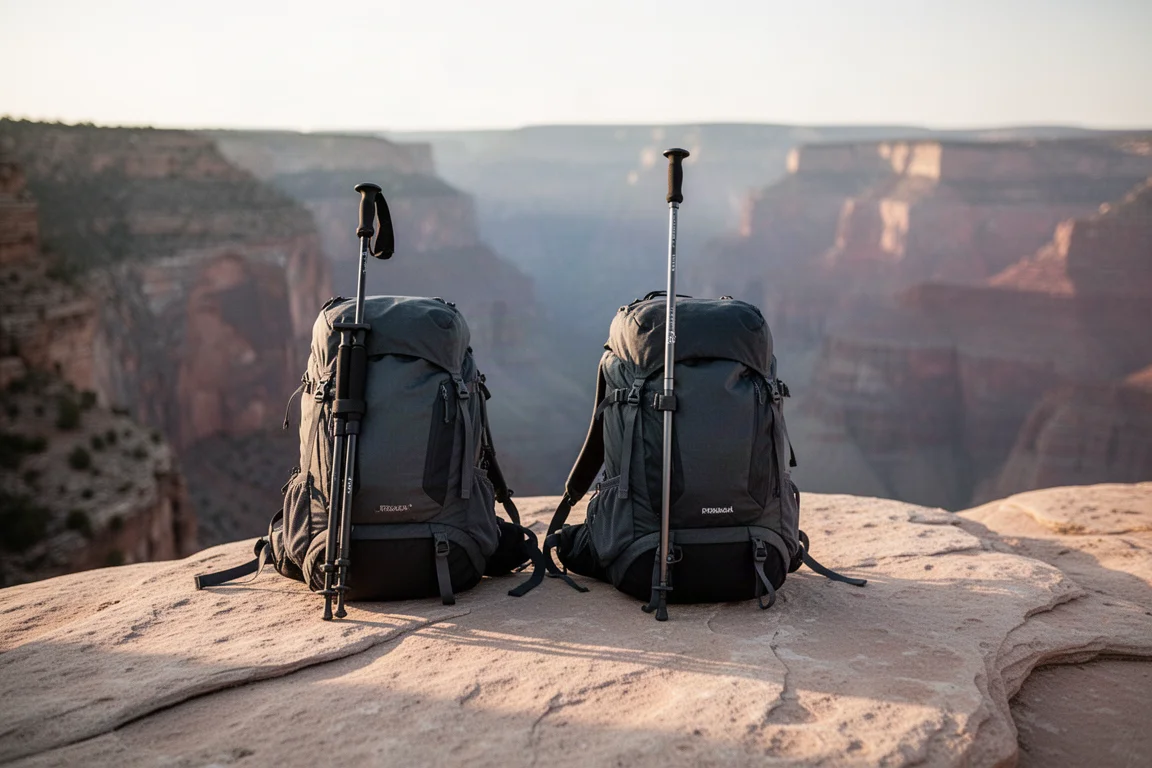
The strongest argument for the X5 is the one you feel on your shoulders. It is light, compact, and simple to operate. Carrying a large body, a wide zoom, a stabilizer, and a microphone over rough ground gets tiring, and the X5 removes most of that weight and setup.
Because it records in every direction at once, framing stops being a decision you make before you press record. You can start recording, keep walking, and choose the composition afterwards. That changes the character of a hike: instead of managing a camera, you are experiencing the hike and capturing it at the same time.
All-direction capture also protects the moments you cannot plan for. A water crossing that turns out to be deeper than expected, a sudden change in the route, movement off to the side of the trail: if it happens near the camera, it is on the recording, even if the camera was not pointed that way.
Stabilization Without a Gimbal
On a mirrorless camera, steady handheld footage generally means a gimbal. Gimbals are expensive and demanding. A unit priced near $500 adds weight, makes the camera awkward to hold, needs its own batteries, and starts vibrating when it is not balanced correctly. It is the kind of accessory that gets bought once and left at home.
The X5 avoids that entire category of gear. It stabilizes footage automatically because it captures in every direction, so there is no stabilizer to carry, charge, or balance. For a hiker covering uneven ground, that is a meaningful simplification.
Audio and Color Straight Out of Camera
A mirrorless camera practically requires an external microphone, and covering different environments can mean carrying more than one: a small, inexpensive mic for quiet conditions and a more expensive lavalier for noisy places such as a waterfall. In a direct comparison against a lavalier costing around $300, the X5’s built-in microphone holds its own.
Color is the other place where the X5 simplifies the workflow. Footage from the mirrorless camera was recorded in a log color space that requires post-production correction, and matching the vivid look of the 360 camera would take a skilled colorist. The X5 produces a more saturated, ready-to-use image straight out of camera.
If color grading is the part of the process you like least, that difference is worth more than any line on a spec sheet. It removes a step between the trail and a finished clip.
Things to Consider Before Buying
The X5 does not have interchangeable lenses. It uses a fixed super-wide lens and digital zoom rather than optics. Digital zoom can be pushed too far and will not satisfy everyone, though within a normal zoom range it remains practical.
For context, a single 16-35mm lens can cost around $2,000 on its own, and its zoom range is limited by physics in a way the X5’s super-wide lens is not. That same super-wide view is what makes the small planet style shots possible, and it is the reason the X5 rarely needs a second lens.
If your work depends on optical zoom, longer focal lengths, or interchangeable glass, the X5 will feel like a companion rather than a replacement. That is a genuine limitation rather than a small detail, and it is worth being honest about before buying.
Buying Advice
Add up the gear an X5 can replace for a self-filmed hiking setup: a mirrorless body with a wide zoom, a gimbal, and at least one external microphone. A comparable mirrorless setup can run around $5,000, with a wide zoom near $2,000, a gimbal near $500, and microphones between roughly $50 and $300. The X5 condenses much of that into one small device that fits in a pack pocket.
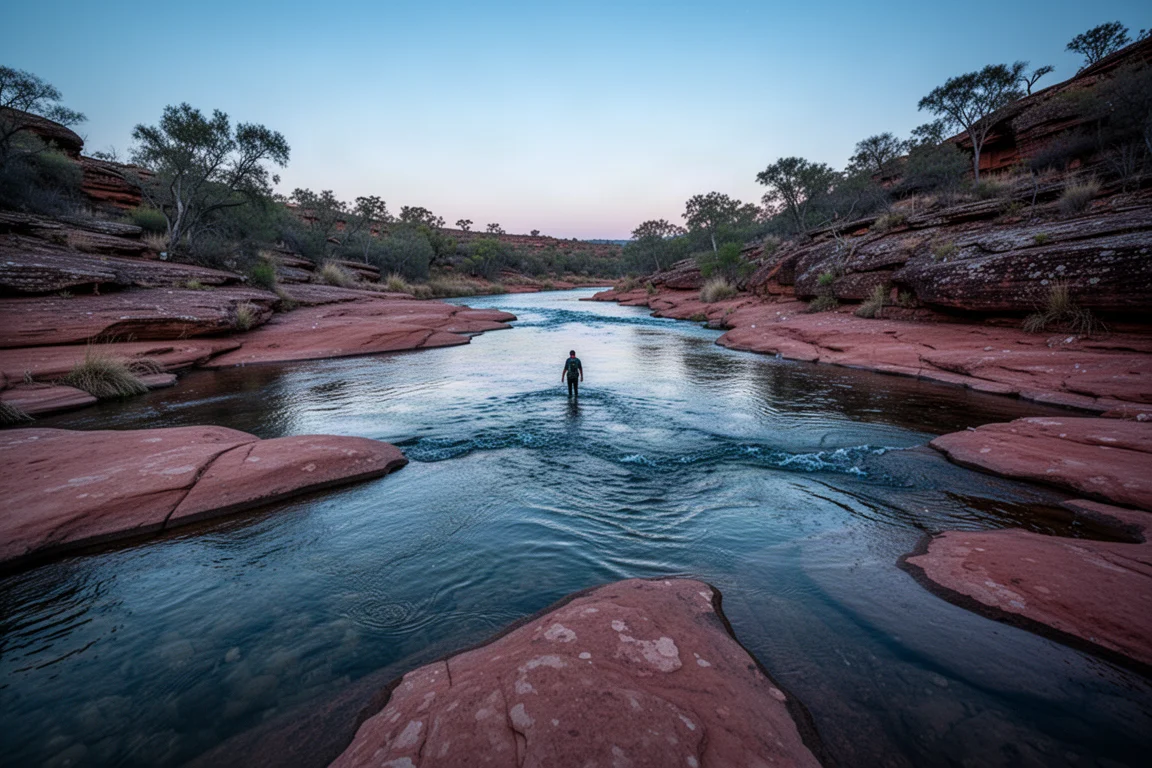
Buy it if you film your own hikes and want to carry less. It is at its best when the priority is a wide, stabilized, all-direction record of a day outdoors, with usable audio and vivid color that does not need a grading session. Look elsewhere, or plan to pair it with a mirrorless camera, if interchangeable lenses and optical reach are central to what you shoot.
Conclusion
The X5 does not outperform a mirrorless camera in every situation, and it is not trying to. Where it wins is on the trail: lighter, simpler, and far more forgiving when the day does not go the way you planned. For hikers who film themselves, that combination can matter more than any lens you could have carried instead.
Product link
View more details for Insta360 X5
This product is mentioned in the review. Check the specifications, options, and compatibility before buying.
View more details for Insta360 X5Further reading
Related Reviews
360 Cameras
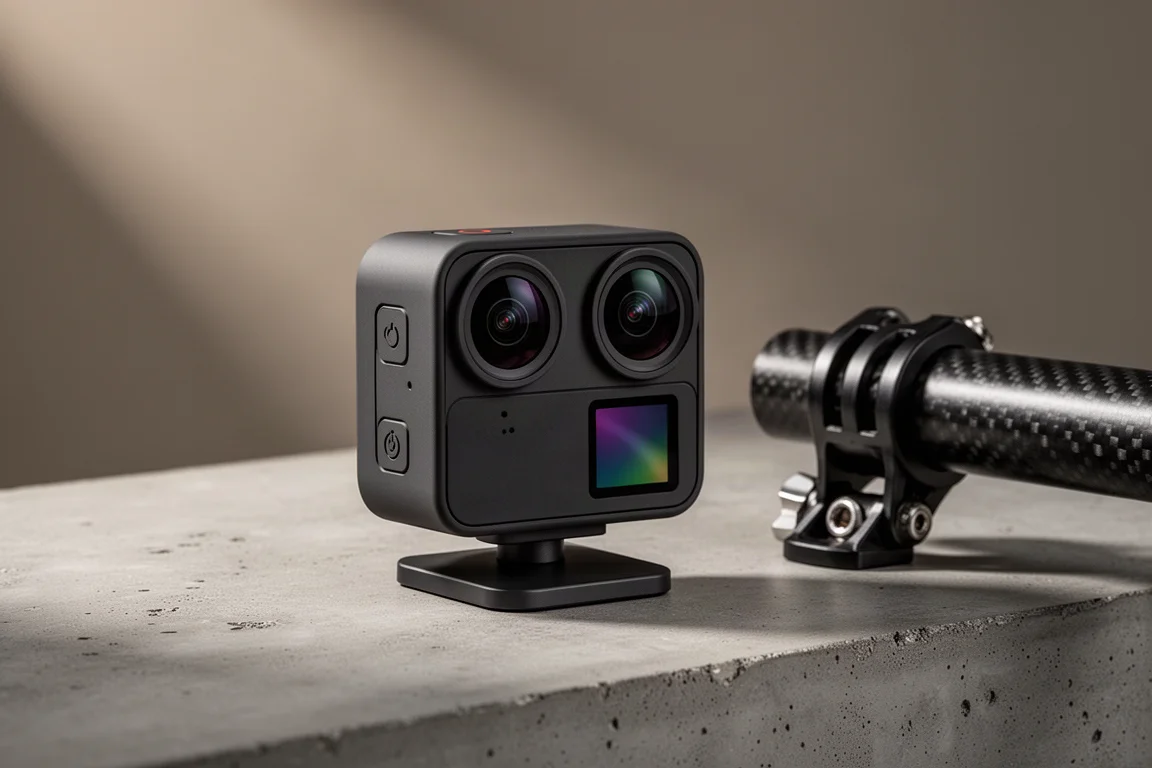
DJI Osmo 360 Review: A Compact 8K 360 Camera for Riders and Creators
A close look at the DJI Osmo 360, covering its 1-inch 360 sensor, native 8K capture, magnetic mounting, battery life, built-in storage, and single-lens mode.
360 Cameras
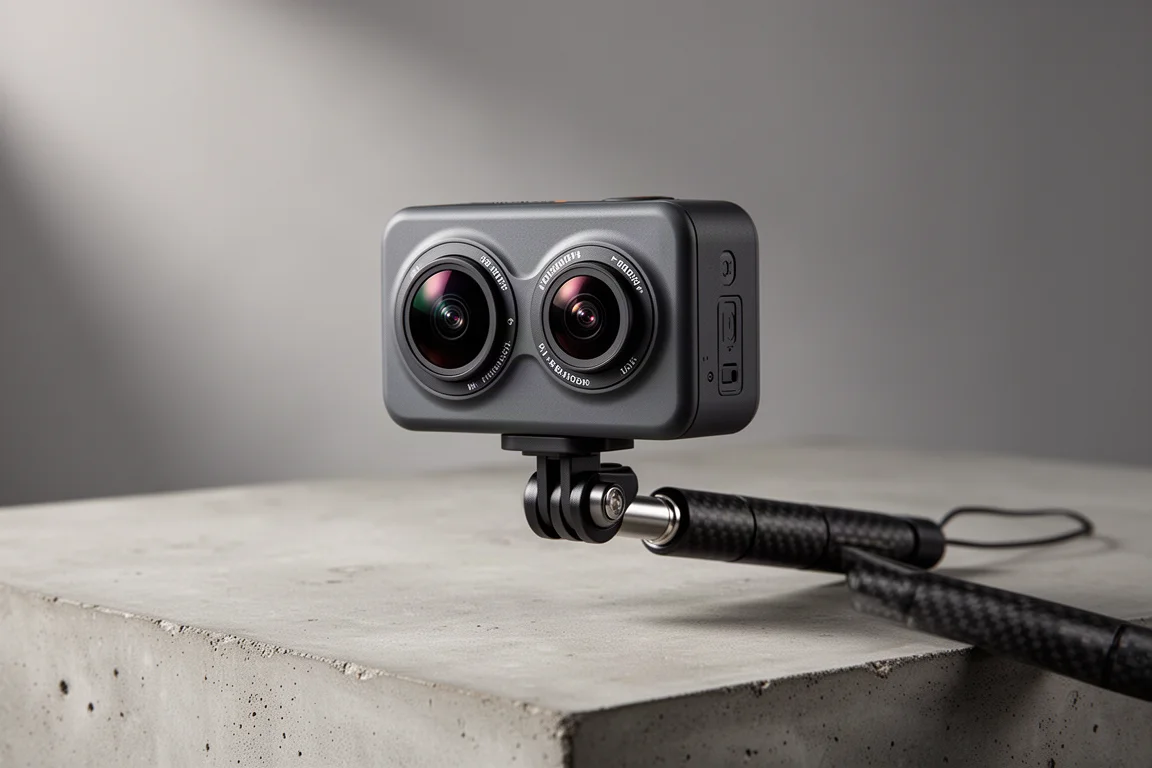
Insta360 X4 Review: 8K 360 Capture Built for Bike Riders
A practical look at the Insta360 X4, covering 8K capture, reframing workflow, battery life, and the accessories that matter for riders.
360 Cameras
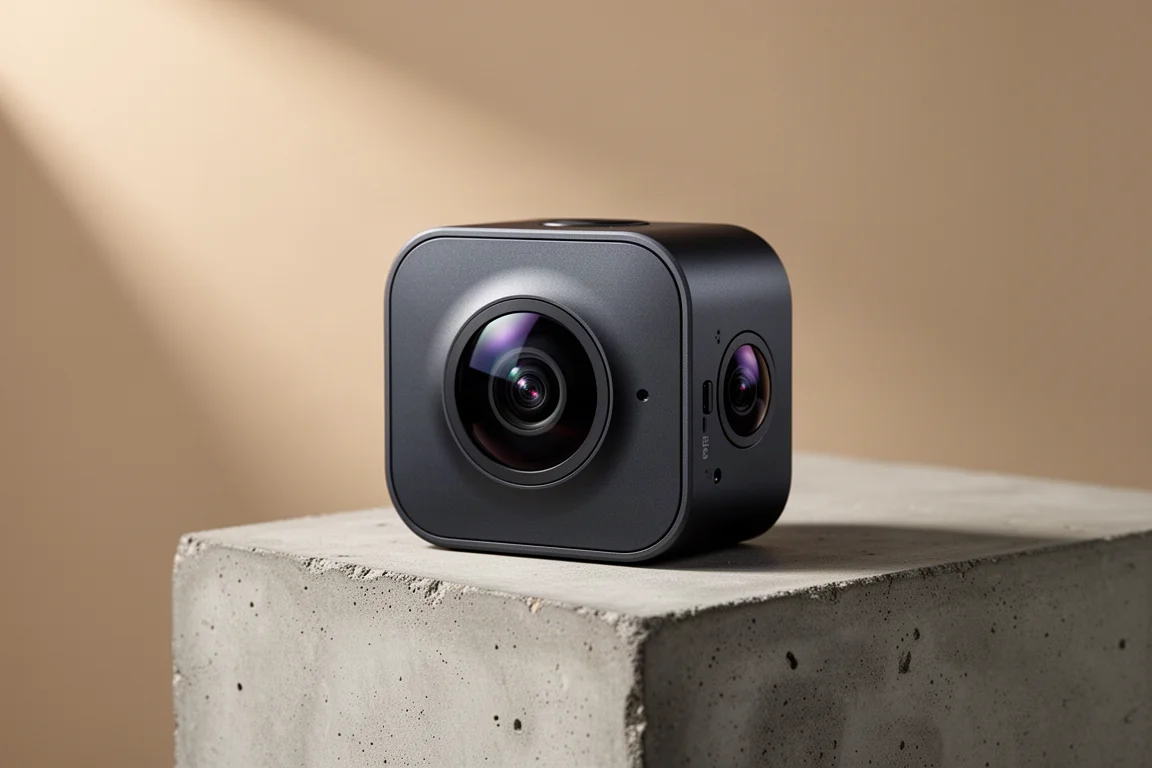
Insta360 X5 Review: 8K 360 Capture for Drone-Style Shots Without the Drone
A practical look at the Insta360 X5, an 8K 360 camera with a larger sensor, 13.5 stops of dynamic range, and AI-assisted reframing built for creators who need variety fast.