360 Cameras
DJI Osmo 360 Review: A Compact 8K 360 Camera for Riders and Creators
A close look at the DJI Osmo 360, covering its 1-inch 360 sensor, native 8K capture, magnetic mounting, battery life, built-in storage, and single-lens mode.
Introduction
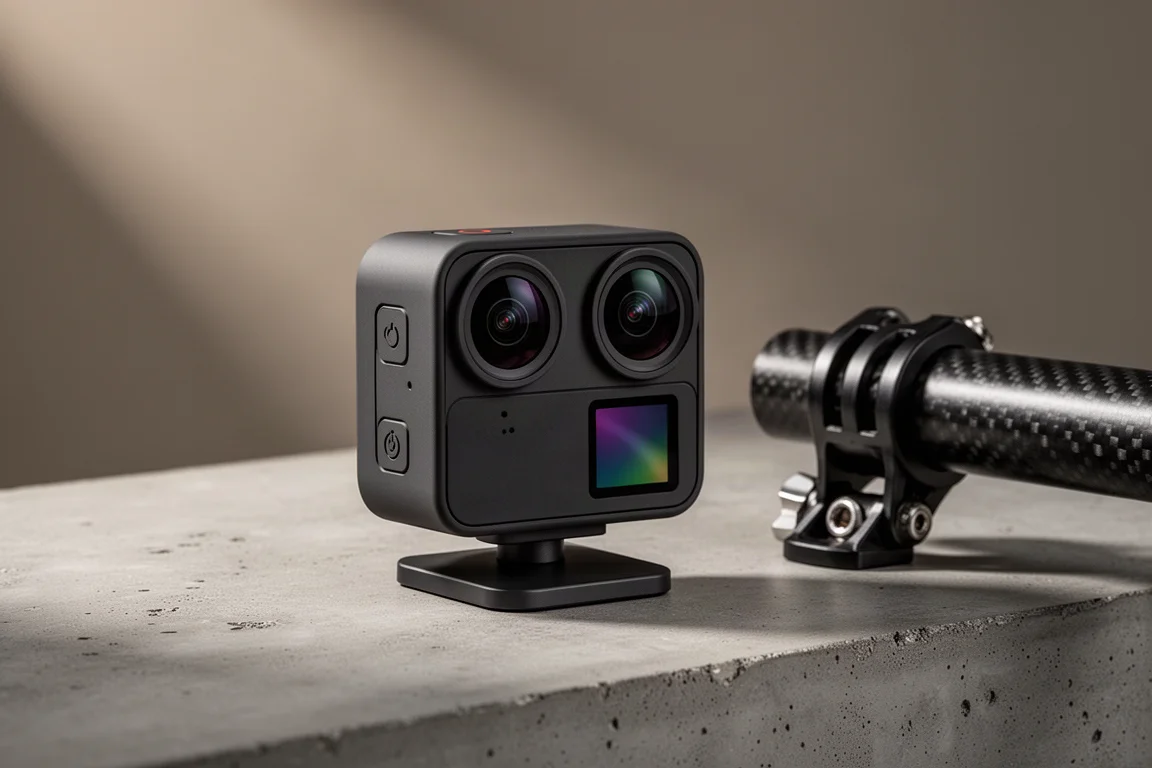
DJI has spent the past few years reshaping the action camera market, so the arrival of its first 360-degree model has been a long time coming. The DJI Osmo 360 fills that gap, and the specification list reads like a flagship: a 1-inch 360-degree imaging square sensor, an f/1.9 aperture, native 8K capture, and a body small enough to disappear into a handlebar mount.
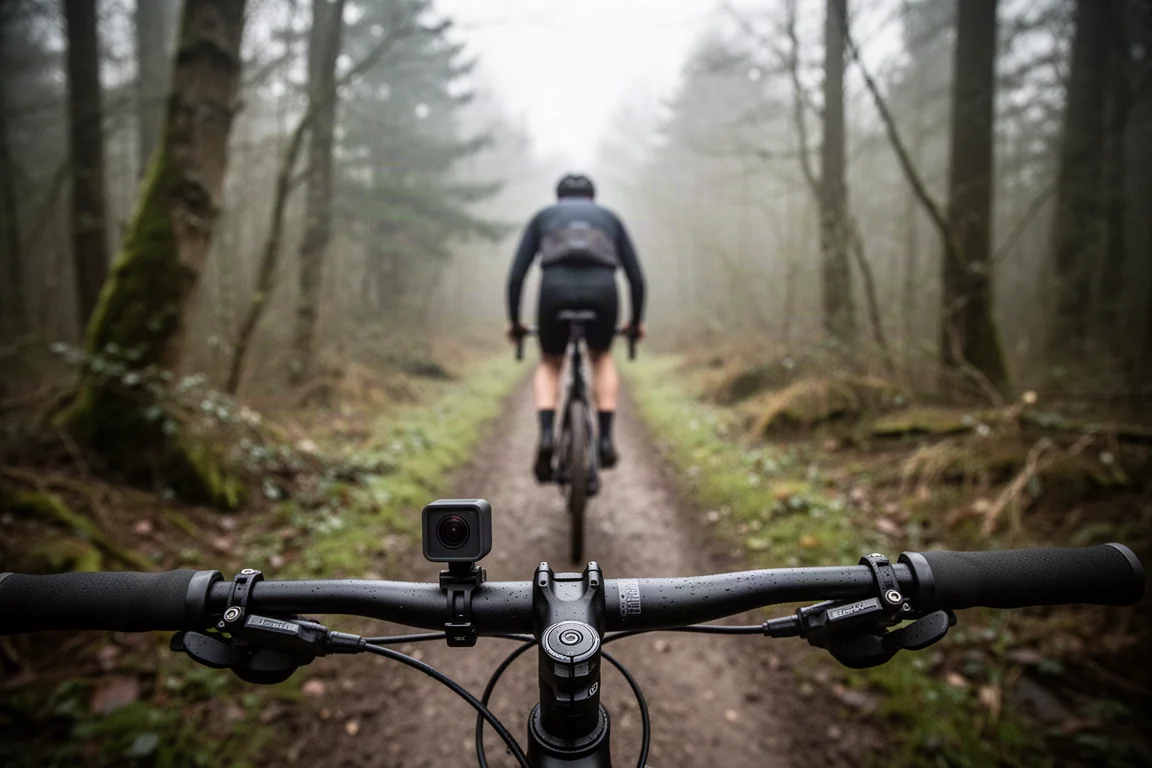
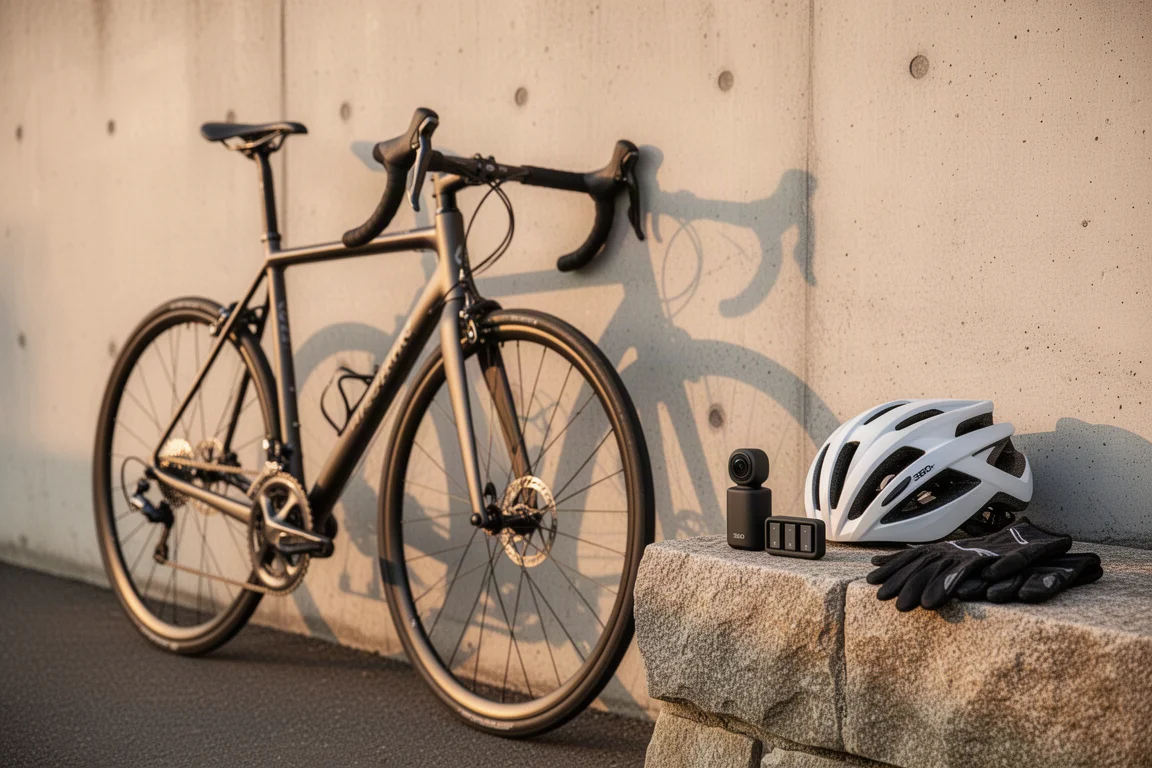
The appeal of a 360 camera for riders is simple. With a lens on each side of the body, the camera records everything around it, so there is no chance of missing a shot because the camera was angled too high or too low. Fix it to the bike, a helmet, or a chest harness and the footage is captured regardless. The Osmo 360 pairs that freedom with a compact body, magnetic mounting, and the option to shoot as a conventional single-lens action camera when you want a more familiar workflow.
This article covers what the camera does well, how it fits into a riding setup, and the points worth considering before you commit.
Who the DJI Osmo 360 Is For
The Osmo 360 suits riders and creators who want one camera that covers both panoramic and traditional action footage. In dual-lens mode it captures fully spherical video, which moves the framing decision from the trail to the edit. In single-lens mode it behaves like a standard action camera, shooting up to 5K at 60 frames per second with a 170-degree field of view, matching the kind of coverage the Osmo Action 5 Pro delivers.
That combination is most valuable for mountain bikers, gravel riders, and road cyclists who want to capture a descent without stopping to check the angle. It also works well for anyone filming scenery, travel, or family moments where the best view only becomes obvious afterwards. If all you want is a straightforward forward-facing shot, a regular action camera remains simpler to live with.
Riders already using DJI action cameras get an extra benefit, because the magnetic mount on the base is the same design used on the Osmo Action 5 Pro, and the two cameras share the same battery. That lowers the cost of adding the Osmo 360 to an existing kit.
Design, Size, and Mounting Options
One of the first things you notice about the Osmo 360 is its size. It is noticeably smaller than other 360 cameras currently on the market, which matters when you are mounting it on a bike. At 183 g it stays light on a handlebar, a helmet, or a chest harness.
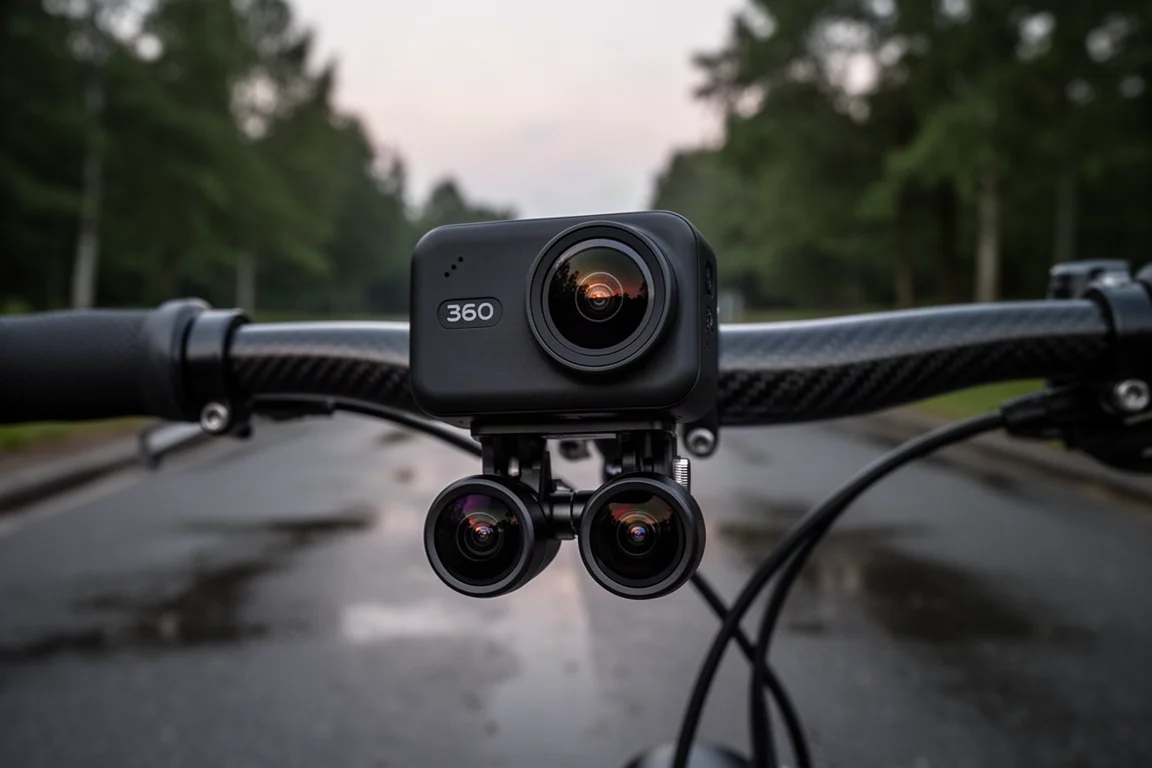
The magnetic base is the same system used across DJI’s action camera range, and it holds securely across mountain bike, gravel, and road riding. Attaching and removing the camera takes a moment, which makes it easy to move between a handlebar, a chest mount, and a helmet during the same ride.
DJI has also introduced a mount with a tripod thread on the bottom and an adjustable angle. On bikes with a one-piece carbon fibre handlebar and stem, it screws into place underneath an out-front cycling computer mount, which positions the camera below the bar. From there you can frame the road or trail ahead, or angle it back towards the rider to see how the bike is moving underneath you. Swapping the mount for a selfie stick opens up a different set of shots, and pointing a selfie stick forward from the handlebar produces a drone-like angle without the drone.
Main Strengths
The Osmo 360’s strengths are closely tied to its sensor, its mounting system, and how quickly it gets out of the way once you start riding.
8K 360 Capture and Low-Light Performance
The headline specification is a 1-inch 360-degree imaging square sensor, the first of its kind in a 360 camera. Combined with an f/1.9 aperture, it produces high quality stills and video across a wide range of light conditions, and it holds up particularly well in low light. That matters on wooded trails and overcast days, where the image does not break up or deteriorate as the light drops.
Native capture runs at 8K up to 50 frames per second, with 4K up to 120 frames per second for slow motion. The camera also offers 10-bit recording and D-Log, which gives editors more room to work with the footage later. In practice the results show good dynamic range, contrast, and saturation, and the camera handles the shift from bright sunlight into shaded woodland without the image falling apart.
Shooting at 8K gives you more resolution than most riders will ever need, but it has a practical benefit: you can crop into the footage afterwards, or shoot at 5K or 4K when file size matters more than headroom.
Magnetic Mounting and Fast Power-Up Recording
The magnetic base makes the camera quick to move between mounts, but the more useful everyday feature is how fast it starts. Press the button and the camera powers up and begins recording immediately, with no delay, using whatever settings you have configured in the menu. Press it again and recording stops and the camera shuts down.
That rhythm suits riding well. You pedal along, spot a good trail section or a stretch of road, press once, record for twenty or thirty seconds, then press again. Battery life and memory card space both go further across a long ride or event.
The screen is large enough to work through the menus comfortably, and the interface is responsive and intuitive. Settings, playback, and camera angle are all easy to find, and the layout is clear enough that you can get going without reaching for a manual. There is also a connection for a DJI microphone if you want cleaner audio.
Single-Lens Mode and the Editing Workflow
The Osmo 360 does not have to be a 360 camera. Switch to single-lens mode and it shoots up to 5K at 60 frames per second with a 170-degree field of view, putting it in the same territory as the Osmo Action 5 Pro for image quality and coverage. That makes it a genuinely versatile option: panoramic capture when you want it, a conventional wide-angle action camera when you do not.
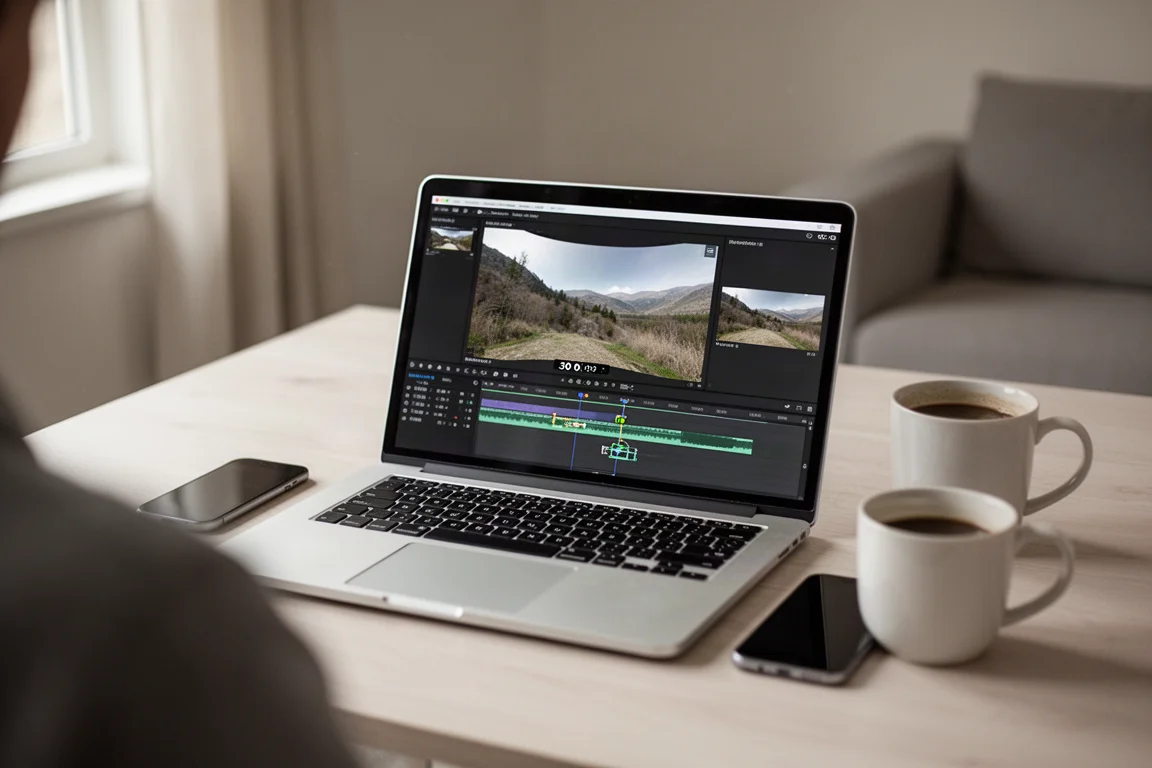
Editing is handled through the DJI app on a computer or a smartphone. You add clips, then reframe the shot by choosing the angle you want and zooming in and out. Keyframes let you record a different view and the video transitions smoothly from one to the next, and intelligent tracking follows a subject automatically. For 360 footage, which always needs reframing, the process is painless.
Battery, Storage, and Everyday Practicality
Battery runtime is rated at 100 minutes, and an endurance mode stretches that considerably further, to roughly 185 to 190 minutes. For long days out, the endurance setting is the one that matters.
Storage is handled two ways. The camera includes 105 GB of built-in storage, and there is also an SD card slot for expansion. Starting a ride with internal memory already available is a small convenience that adds up over a season.
The battery itself is shared with the Osmo Action 5 Pro, so riders who already own that camera do not need a second set of spares. An optional battery pack holds three batteries and charges them together through a USB-C port on the side.
In terms of size and weight, the Osmo 360 sits at 183 g, which is lighter than the Insta360 X5 at roughly 200 g, and its body is smaller too. Both cameras offer endurance modes that extend runtime to around 185 to 190 minutes, though the Insta360 X5 uses a different battery, so spares are not interchangeable between the two.
Things to Consider Before Buying
The main consideration is the workflow. A 360 camera always needs reframing in post, which is an extra step compared with a standard action camera that you simply point and shoot. The DJI app makes that step quick, but it is still a step.
Resolution is the second point. Native 8K capture is more than most people need, and the files are large. The camera can shoot at 5K or 4K, and many riders will find those settings perfectly adequate for sharing footage, so it is worth deciding in advance how much resolution you actually want to manage.
It is also worth thinking about how you will mount the camera. The Osmo 360 works well on a handlebar, a helmet, or a chest harness, and the under-bar mount gives a particularly clean angle, but getting the best from a 360 camera does reward a little experimentation with position.
Buying Advice
If you want one camera that can film a full 360 view and also work as a conventional wide-angle action camera, the Osmo 360 covers both jobs in a body that is smaller than most of its rivals. The 1-inch sensor and f/1.9 aperture give it a genuine advantage in low light, and the combination of 105 GB of built-in storage, magnetic mounting, and instant recording makes it easy to live with on a ride.
Riders who already own an Osmo Action 5 Pro have a particularly easy decision, since the batteries and magnetic mount carry over. For everyone else, the question is whether you value the freedom to choose your angle after the ride. If you do, the Osmo 360 makes a strong case for itself. If you would rather point a camera and be done, a simpler action camera will serve you just as well.
Conclusion
The DJI Osmo 360 answers a question riders have been asking for a while, and it answers it well. A 1-inch 360-degree imaging square sensor, native 8K capture, strong low-light performance, and a compact magnetic body add up to a camera that is genuinely useful on a bike, whether you are chasing a descent or simply recording a ride.
The trade-offs are the ones that come with 360 capture itself: footage needs reframing, and 8K files are bigger than most people need. Accept those and the Osmo 360 delivers a level of flexibility that a standard action camera cannot match.
Product link
View more details for DJI Osmo 360
This product is mentioned in the review. Check the specifications, options, and compatibility before buying.
View more details for DJI Osmo 360Further reading
Related Reviews
360 Cameras
Insta360 X4 Review: 8K 360 Capture Built for Bike Riders
A practical look at the Insta360 X4, covering 8K capture, reframing workflow, battery life, and the accessories that matter for riders.
360 Cameras
Insta360 X5 Review: A 360 Camera for Hiking and Self-Filmed Footage
A practical look at the Insta360 X5 for hikers who film their own trips, including where it replaces a heavy mirrorless setup and where it does not.
360 Cameras
Insta360 X5 Review: 8K 360 Capture for Drone-Style Shots Without the Drone
A practical look at the Insta360 X5, an 8K 360 camera with a larger sensor, 13.5 stops of dynamic range, and AI-assisted reframing built for creators who need variety fast.