360 Cameras
Insta360 X4 Review: 8K 360 Capture Built for Bike Riders
A practical look at the Insta360 X4, covering 8K capture, reframing workflow, battery life, and the accessories that matter for riders.
Introduction
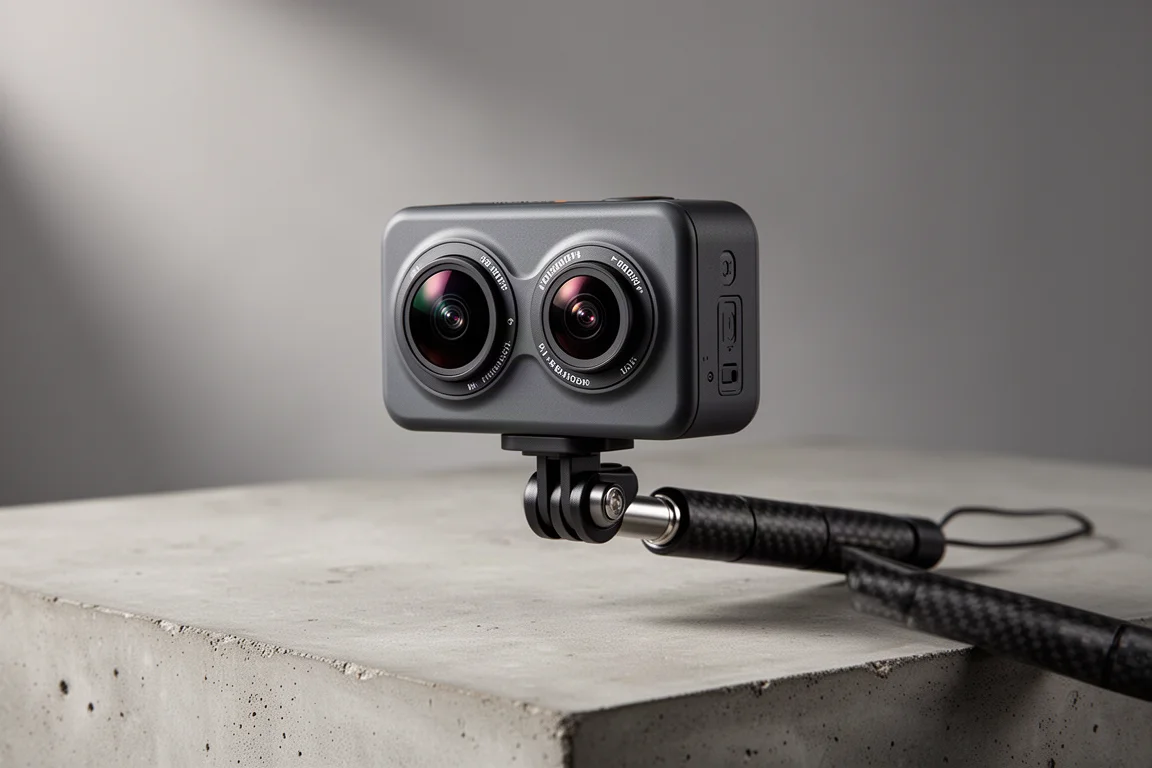
The Insta360 X4 is a 360-degree camera built around a single practical idea: record everything around you in one pass, then decide the framing afterwards. It follows the earlier X3 and brings a meaningful jump in capture resolution to 8K at 30 frames per second, along with a larger battery and a bigger front screen.
For anyone who films while riding, the appeal is easy to understand. Mount the camera on a handlebar, a chest harness, or a helmet, ride your route, and choose the angles once you are back home instead of guessing at the trailside. This review covers what the X4 does well, where it still asks something of you, and who gets the most out of it.
Who the Insta360 X4 Is For
The X4 is aimed at people who shoot on the move and do not want to babysit a camera angle. Two lenses, one on each side, capture a full sphere that is stitched together into a 360-degree view. That removes the most common source of ruined footage, because a camera that has been nudged slightly down or up no longer spoils the shot.
It suits riders across road, mountain, and gravel riding, along with vloggers and anyone filming general action. The same camera also works as a conventional single-lens action camera, so it covers both jobs without a second device.
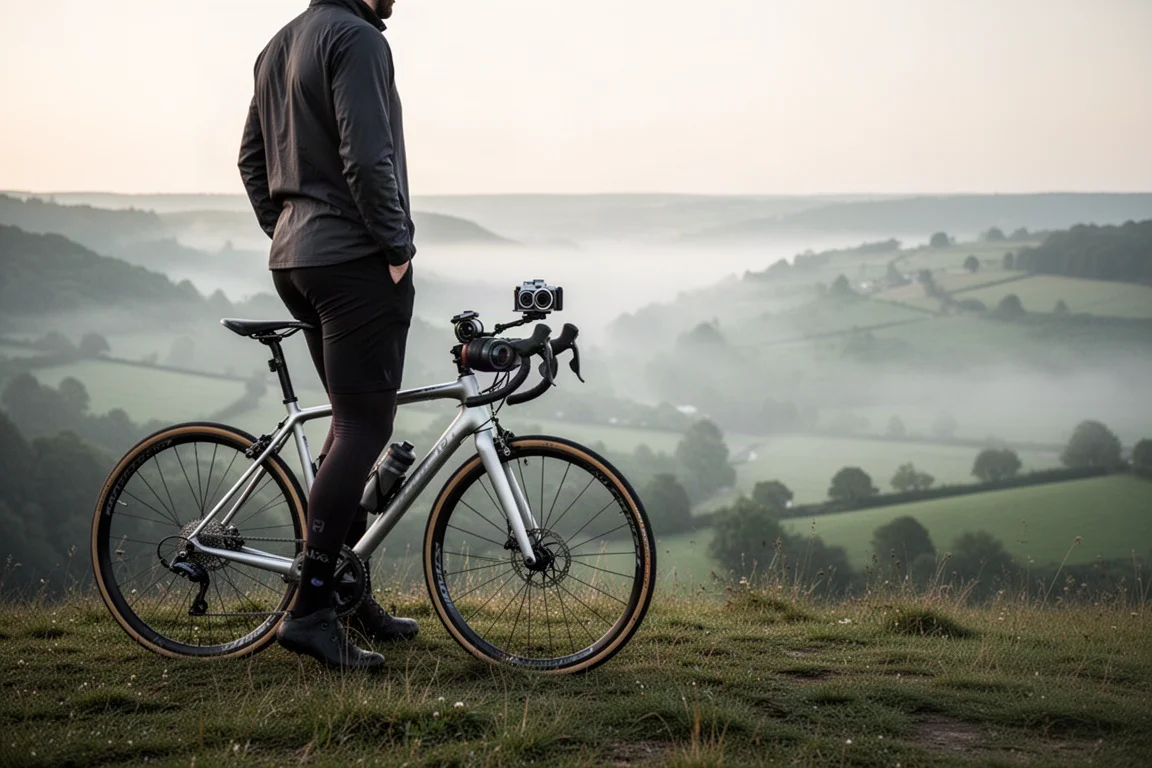
Riders who already own a fixed-lens action camera will notice the difference most on technical descents and busy trails, where stopping to check framing is simply not an option.
Main Strengths: 8K Capture and Sharper Reframing
The headline change is 8K recording at 30 frames per second, up from 5.7K on the previous generation. That matters more than a number on a spec sheet, because a 360-degree workflow only ever uses a section of the full sphere when you reframe. More pixels across the sensor means the section you actually export carries more detail.
Footage comes out smooth and clear with good saturation, and it holds up alongside 4K material from a dedicated camera rather than looking like a compromise. The camera also captures 72 megapixel photos, and a MegaView option reduces distortion towards the edges of the frame, which helps when you want a cleaner, more natural-looking crop.
Single-Lens Mode and Everyday Versatility
Single-lens mode turns the X4 into a regular action camera shooting in 4K from one lens. In practice that means one device covers 360-degree capture and conventional point-and-shoot filming, which is useful for vlogs, straightforward riding clips, or any situation where a standard wide-angle view is all you need.
Switching between the two is handled through the camera’s shooting modes, so the decision can be made before a ride rather than in the middle of one. Having both options in the same body is the main reason the camera stays useful beyond the novelty of 360-degree footage.
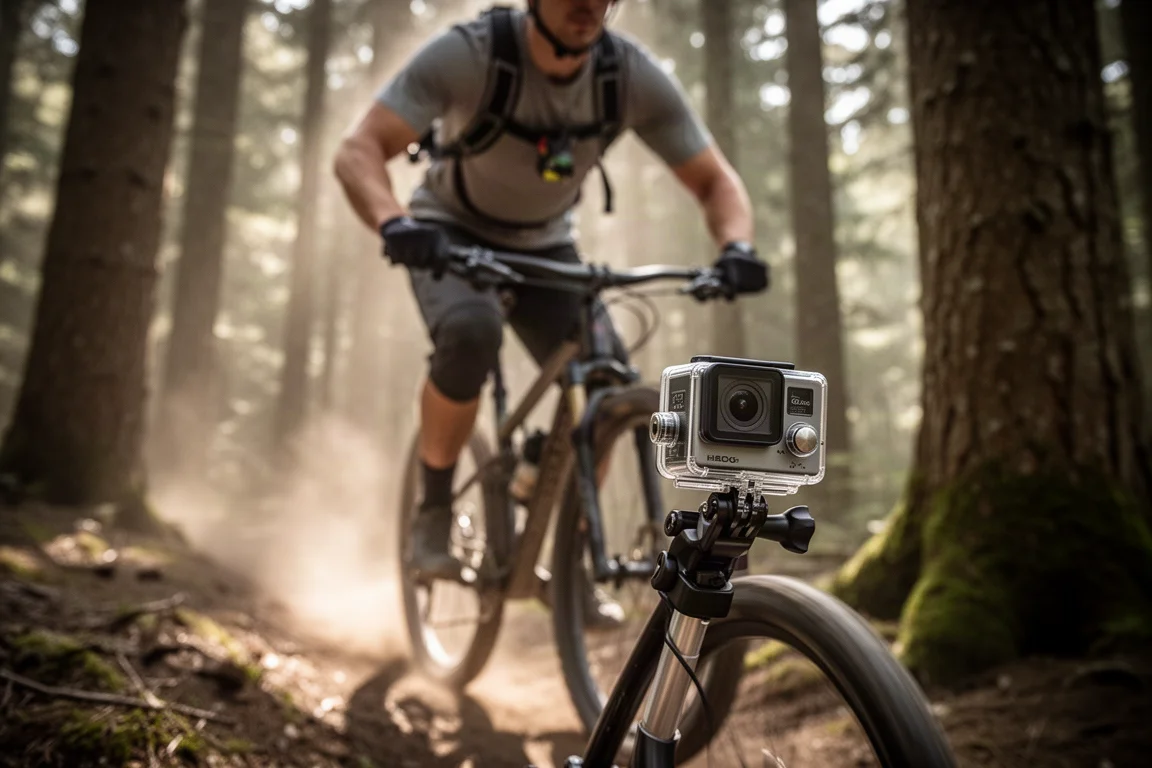
For riders who only occasionally want a full 360 view, this flexibility is what justifies carrying the X4 instead of a simpler fixed-lens camera.
Battery Life and the Bigger Touchscreen
Runtime is now quoted at 135 minutes, a 67 percent increase over the previous model, and comfortably ahead of the roughly 90 minutes a typical action camera manages. For longer rides that difference is the gap between a full day of clips and running out halfway through.
The larger battery is also the reason the body is slightly taller than before, though the width is unchanged. The front screen has grown from 2.29 inches to 2.5 inches, and it is bright, sharp, and responsive to touch, with an intuitive menu layout for switching shooting modes, reviewing clips, and adjusting settings. Setup is straightforward: power on, pair with the smartphone app, and start shooting without working through a manual.
Accessories and Mounting Options
A standard lens guard is included in the box, which is worth having if you ride off-road where branches and grit are a constant risk to the exposed lenses. A premium lens guard is available separately: it clips neatly onto the front of the body and screws into place for stronger protection, and it can be removed when you want the best possible image quality.
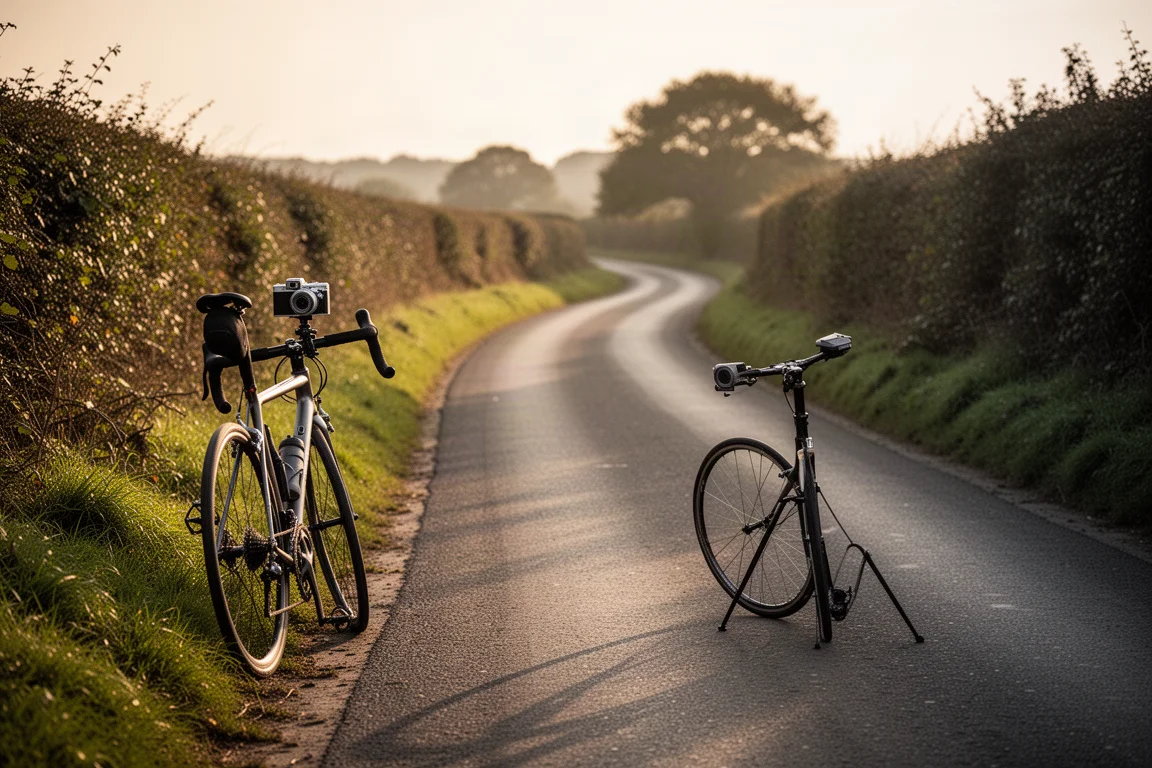
The bike headset cap mount replaces the top cap on the stem and stays secure even on rough woodland trails, giving a clean view of the trail or road ahead without extra hardware on the handlebar. A cage-style body adds tripod mounts on the top and bottom plus GoPro-style tabs, and there are adapters for connecting to a phone or a microphone, along with a wind muffler for cleaner audio. Selfie stick options range from a compact carbon fibre model that fits in a jersey pocket to a jumbo version that extends to nearly 3 metres for a drone-like angle.
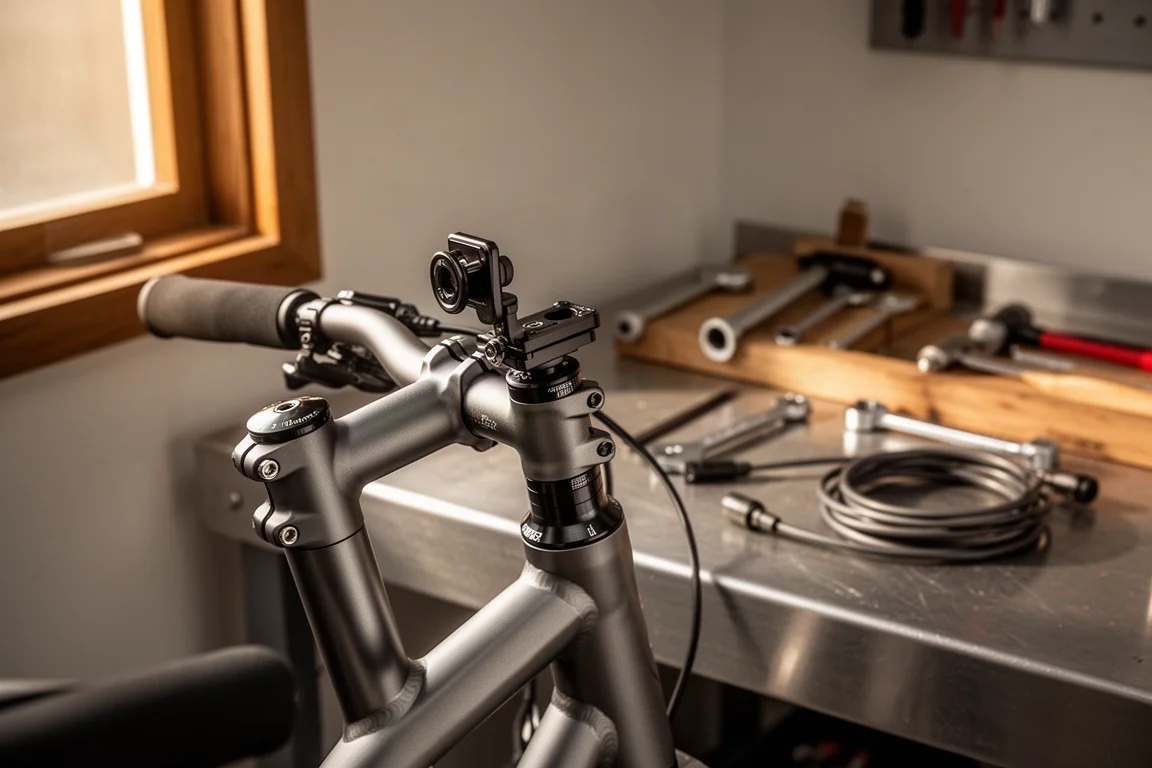
Because the mounting system sits at the centre of the bike rather than on the bars, the footage tends to feel steadier and the cockpit stays uncluttered.
Things to Consider Before Buying
The X4 is a little taller than the previous generation, so anyone mounting it in a tight space should check clearance. Many of the most interesting accessories, including the premium lens guard and the larger selfie stick, are optional extras rather than included items.
Reframing also adds a step to the workflow. The smartphone app makes it quick, with AI-assisted edits, subject tracking that follows a chosen person or animal, and a virtual joystick for manual camera moves, while the desktop app is easier for precise work on a larger screen. Aspect ratio is chosen after capture too, whether horizontal for standard video, vertical for short-form platforms, or square for social posts. If you would rather not edit at all, that flexibility comes at the cost of some time.
Buying Advice
Choose the X4 if you want one camera that can record a full ride without framing decisions and then produce clean, high-resolution clips afterwards. The 8K resolution and longer battery are the two upgrades that change day-to-day use the most, and they are the strongest reasons to move on from the X3.
On accessories, start with the included lens guard and the headset cap mount if you film from the bike, then add the premium lens guard or a larger selfie stick only if your riding or the shots you want actually call for them. Syncing Garmin or Apple data lets you overlay speed, power, heart rate, and other ride information, which adds context to footage without any extra hardware.
If your priority is simply capturing long rides with less to carry and less to think about, the combination of 360 capture and single-lens 4K covers most situations well.
Conclusion
The Insta360 X4 is a clear step forward for the series. The move to 8K at 30 frames per second lifts image quality to the point where the footage sits comfortably next to dedicated 4K cameras, the battery now lasts through long rides, and the touchscreen and app workflow make the whole process approachable. Riders who want to record freely and frame later will find it does exactly that, with a genuinely useful single-lens mode as a bonus.
Product link
View more details for Insta360 X4
This product is mentioned in the review. Check the specifications, options, and compatibility before buying.
View more details for Insta360 X4Further reading
Related Reviews
360 Cameras
DJI Osmo 360 Review: A Compact 8K 360 Camera for Riders and Creators
A close look at the DJI Osmo 360, covering its 1-inch 360 sensor, native 8K capture, magnetic mounting, battery life, built-in storage, and single-lens mode.
360 Cameras
Insta360 X5 Review: A 360 Camera for Hiking and Self-Filmed Footage
A practical look at the Insta360 X5 for hikers who film their own trips, including where it replaces a heavy mirrorless setup and where it does not.
360 Cameras
Insta360 X5 Review: 8K 360 Capture for Drone-Style Shots Without the Drone
A practical look at the Insta360 X5, an 8K 360 camera with a larger sensor, 13.5 stops of dynamic range, and AI-assisted reframing built for creators who need variety fast.