360 Cameras
Insta360 X5 vs X4 vs X3: Which 360 Camera Makes Sense for Your Filming
A practical comparison of the Insta360 X5, X4, and X3, with the X5's replaceable lens standing out as the biggest reason to choose one over the others.
Introduction
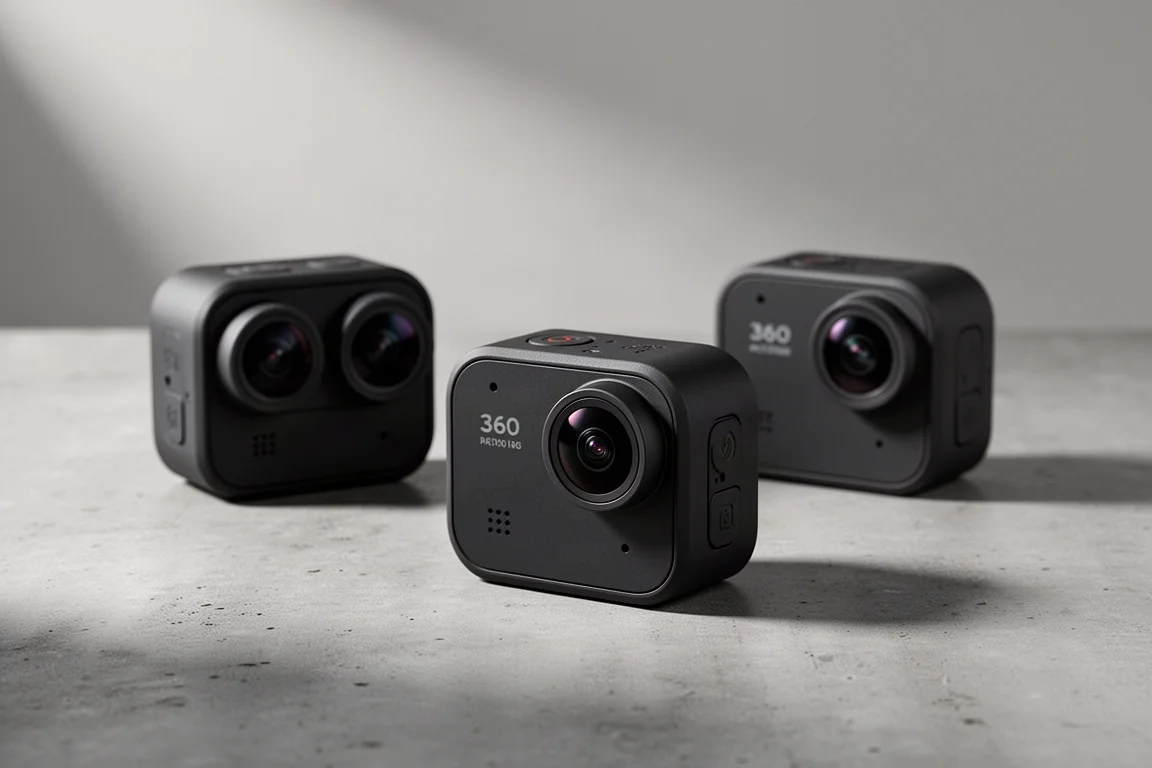
Over several years of filming action sports, the Insta360 X series has become one of the most relied-upon tools in the entire workflow. The X3, X4, and now the X5 have each made solo filming easier, letting a single person capture immersive third-person shots on the mountain without needing deep filming skills. The cameras turn complicated footage into something that looks polished with minimal effort, and each generation has brought incremental gains in quality and usability.
The question most buyers face now is simple: which one is worth your money? The short answer is that the X5 is the strongest overall pick, the X4 is still excellent if you find a good deal and protect the lenses, and the X3 only makes sense as a bargain entry point. Here is how they break down.
Evaluation Criteria
The comparison here focuses on the things that actually matter for action filming: durability and lens protection, image quality and processing, battery life, audio, workflow, and long-term value. Rather than chasing spec sheets, the emphasis is on which camera survives real use and keeps producing usable footage season after season.
Insta360 X5: The Obvious Winner for New Buyers
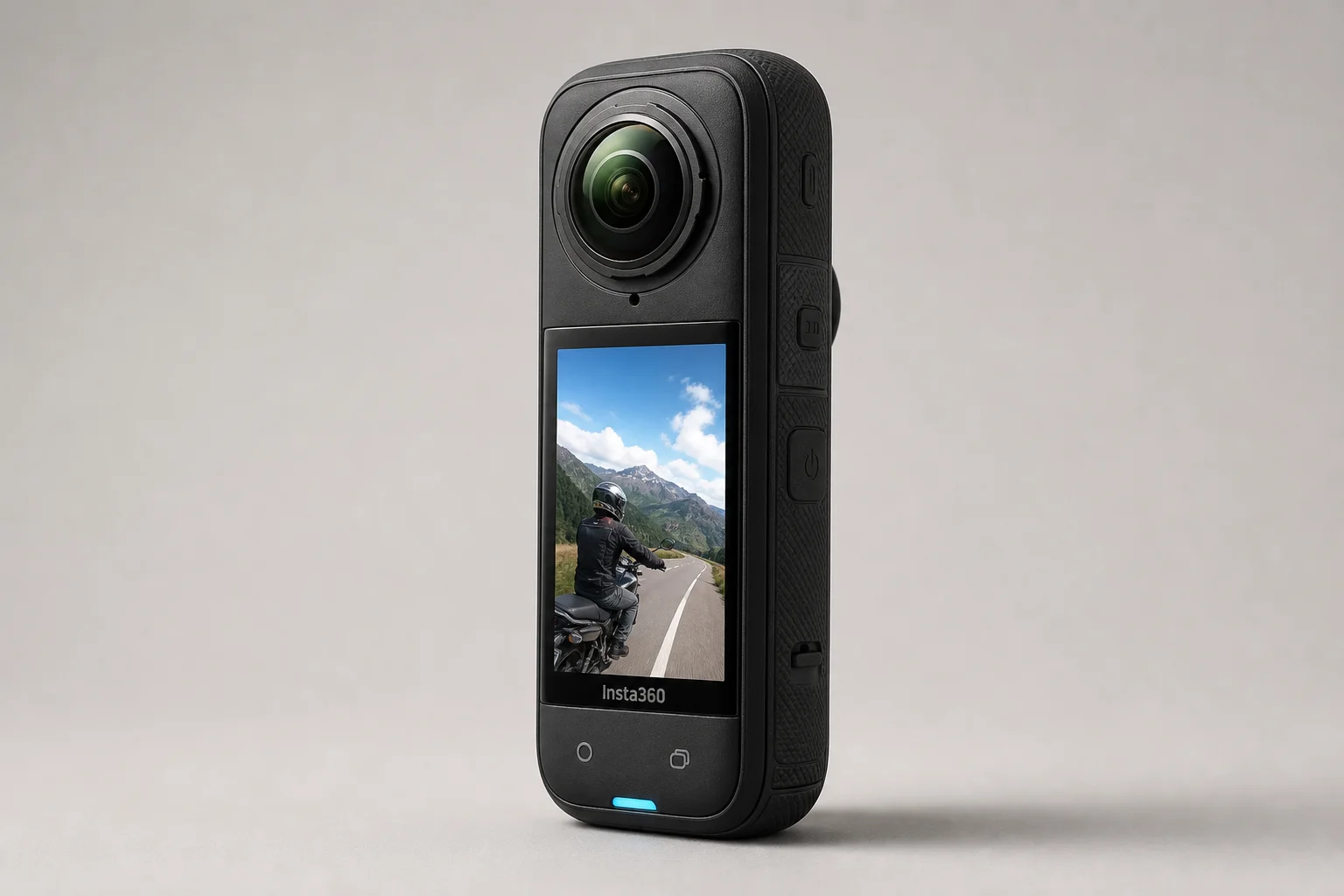
The X5 is described as the greatest improvement in the Insta360 360 camera lineup since its inception, and notably, that has nothing to do with the fact that it can film in 8K. The headline feature is the replaceable lens. 360 cameras are inherently vulnerable because their lenses protrude from the body, and in previous generations a badly scratched lens effectively meant buying a whole new camera. With the X5, the lens can be swapped out using a simple, cost-effective replacement kit.

Insta360 also strengthened the lens itself, making it significantly more durable and scratch resistant than the X4’s lens. For anyone filming around trees, on a selfie stick, or in the kind of chaotic conditions where knocks are inevitable, that combination of toughness and replaceability is the single biggest differentiator.
Why the Replaceable Lens Changes Everything
This feature deserves its own section because it reframes the entire buying decision. On the X2 and X3 generations, scratched lenses were a recurring frustration, and there was no fix short of replacing the camera. The X5 removes that risk entirely. A scratched lens becomes a minor, affordable repair instead of a total loss.
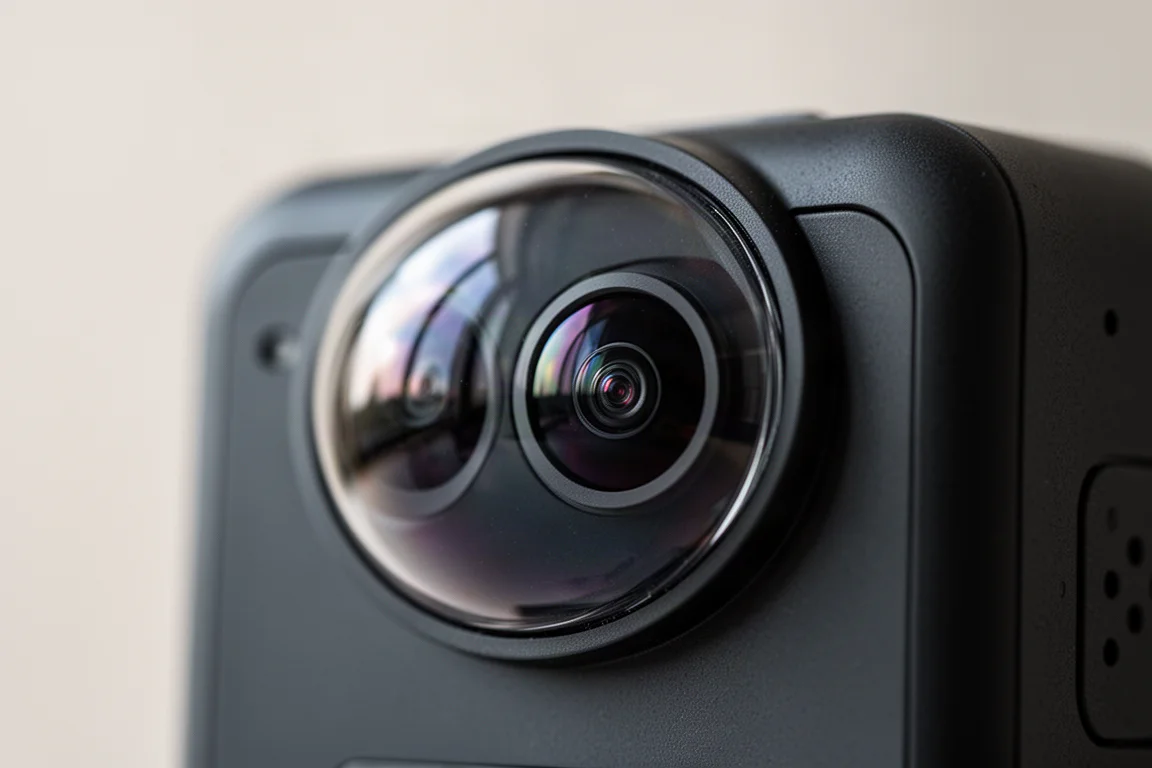
The replacement process is straightforward and far cheaper than buying a new camera, which means the X5 should remain usable for as long as replacement lenses are made. If you do not own any 360 camera, this alone makes the X5 the one to buy. Even a heavily discounted X3 or X4 becomes a worse long-term proposition, because one deep scratch can leave you hooped.
View more details for Insta360 X5
Insta360 X4: Still a Strong Camera If the Deal Is Right
The X4 remains a fabulous camera. Its footage captures the natural state of a scene remarkably well, and coming through shadowy terrain it still performs convincingly, even if the shadows are where it struggles a little. For most viewers, especially after the compression that comes with uploading to video platforms, the day-to-day difference between X4 and X5 footage is subtle.
The X5 does improve on it meaningfully in processing: a dual one-over-1.28-inch sensor paired with a triple AI chip delivers more dynamic range and cleaner handling of mixed light and shadow, which is most noticeable in trees, on cloudy days, and when bright snow meets darker terrain. The X4 lacks the replaceable lens, though, so the same scratch risk applies.
If you already own an X4 and the lenses are intact, there is little reason to upgrade. But if you are shopping purely on price and find a screaming deal on an X4 with unscratched lenses, it will work beautifully, provided you treat those protruding lenses with care.
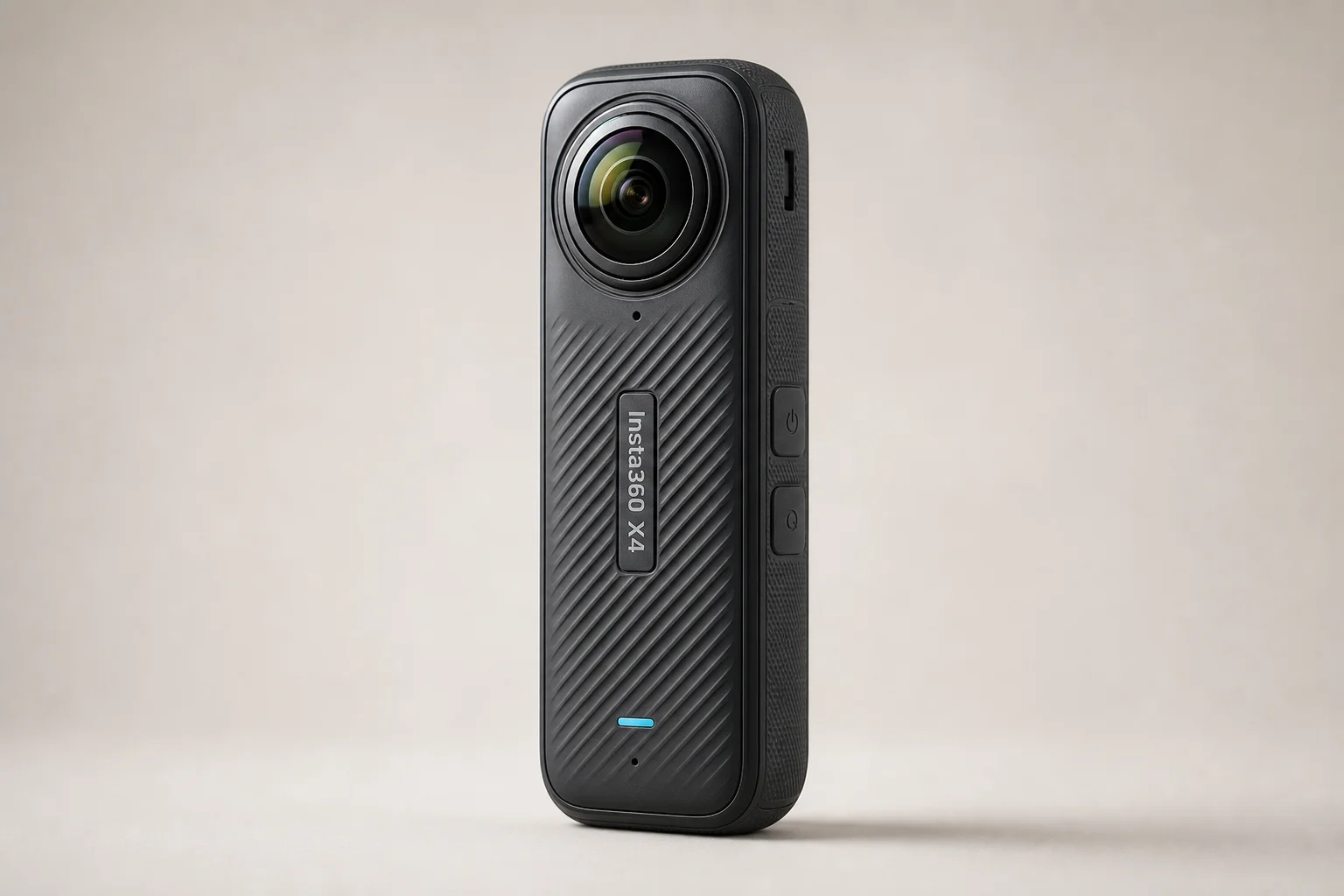
Insta360 X3: A Bargain with a Clear Ceiling
The X3 is the oldest of the three and shows its age in the footage. Early X3 clips look slightly grainy and laggy by comparison, struggling to make sense of shadows and flatter light, although later X3 footage with dialled-in export settings looks considerably better, especially in bright sun. It is still a solid camera, and the same core 360 workflow applies.
The crucial limitation is the same as the X4: the lens cannot be replaced. A single bad scratch can turn a bargain purchase into a sunk cost. The X3 makes sense mainly for buyers on a tight budget who find a genuinely low price, accept the image quality gap, and commit to protecting the lenses meticulously.
Battery, Audio, and Workflow on the X5
The X5’s battery lasts around 208 minutes in ideal conditions at 5.7K 24fps, and it holds up well in cold conditions. For most people filming the highlights of a day rather than every single run, one charge covers most or all of a ski day. The trade-off is weight: the bigger battery means a heavier camera on your head, and some users would rather carry spare batteries and a lighter camera.
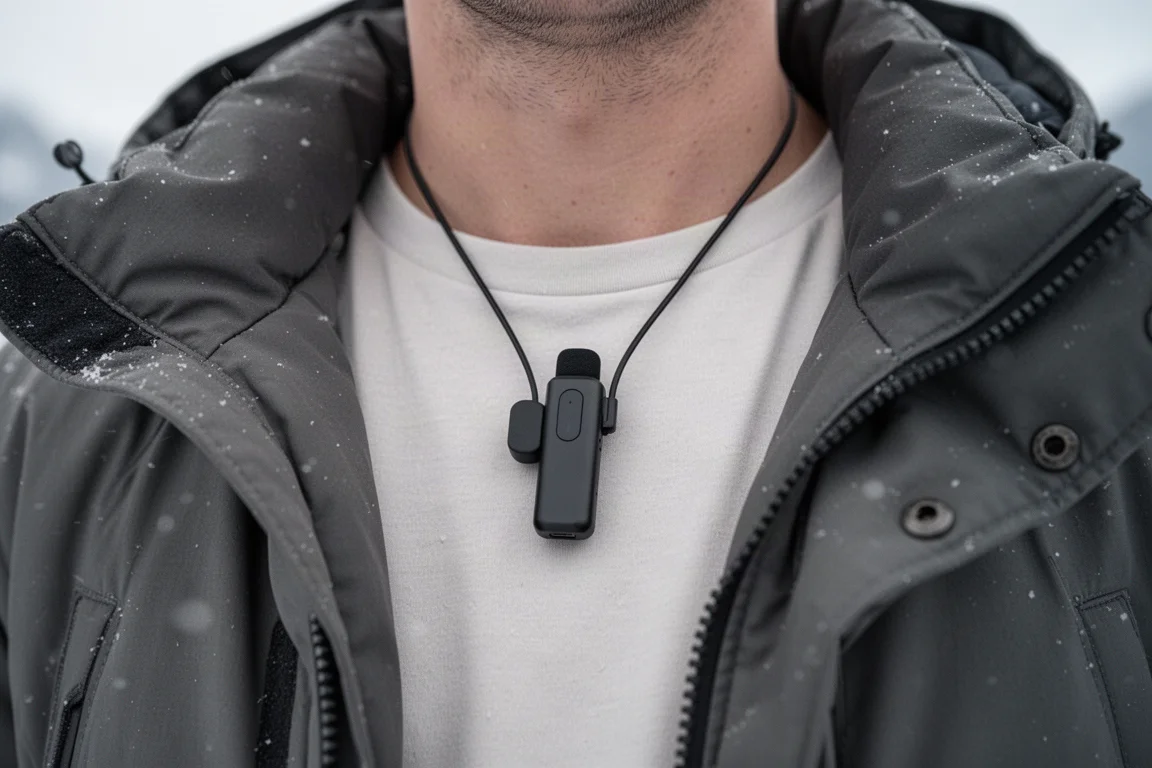
Audio is another clear step forward. The X5 gets the best sound of any 360 camera thanks to an attached wind muff on the front and integrated wind guards on the sides, replacing the stick-on foam muffs that tended to fall off. Wind reduction levels are adjustable, and the internal mic performs well when there is no wind, though the voice can distort at high wind-reduction settings. Pairing the camera with the Insta360 Mic Air over Bluetooth solves most remaining audio issues: it clips to clothing, records dual-track audio alongside the internal mic so you can choose the better take, and removes the need for bulky wired mic attachments.

On the workflow side, the desktop studio app is where reframing and keyframing happen, exporting at high quality with a smooth pipeline. InstaFrame mode keeps your chosen frame so no reframing is needed at all, and there are AI reframing options, gesture, twist, and voice controls for those who want them. The accessory ecosystem is equally mature: a low-profile head mount on the forehead gives the best POV shot, a top-of-helmet placement works for climbing and touring, and the Invisible Selfie Stick delivers selfie, reverse, and follow-cam third-person shots with excellent stabilization.
View more details for Insta360 X5
Buying Advice: Which One Should You Actually Get
If you do not own an X3 or X4, jump straight to the X5. The replaceable lens means the camera can keep serving you for much longer, and the improved sensor, processing, battery, and audio make it the most complete package. Right now is also a strong time to buy, since the X5 has been offered at 15% off during a limited-time Black Friday sale with some extra goodies included.
If you already own an X3 or X4 with undamaged lenses, hold off on upgrading. Those are powerful, capable cameras, and unless you are deeply dialed into the technical differences, you will not notice a dramatic gap. The sensible strategy is to keep filming with what you have and only move to the X5 when you physically break the lens. A comparison against competing 360 cameras from other brands was not evaluated here, so no claims are made about how the X5 stacks up against them.
Conclusion
The Insta360 X5 earns its place as the clear recommendation for new buyers, driven less by raw image specs and more by the practical genius of a replaceable, more durable lens. The X4 remains a wonderful camera for deal hunters who will protect their lenses, and the X3 is strictly a budget fallback with real limitations. Whichever you choose, matching the camera to how you actually film, and how likely you are to scratch a lens, matters more than any single spec.
Further reading
Related Reviews
360 Cameras
DJI Osmo 360 Review: A Compact 8K 360 Camera for Riders and Creators
A close look at the DJI Osmo 360, covering its 1-inch 360 sensor, native 8K capture, magnetic mounting, battery life, built-in storage, and single-lens mode.
360 Cameras
Insta360 X4 Review: 8K 360 Capture Built for Bike Riders
A practical look at the Insta360 X4, covering 8K capture, reframing workflow, battery life, and the accessories that matter for riders.
360 Cameras
Insta360 X5 Review: A 360 Camera for Hiking and Self-Filmed Footage
A practical look at the Insta360 X5 for hikers who film their own trips, including where it replaces a heavy mirrorless setup and where it does not.