360 Cameras
Insta360 X5 Review: A Compact 360 Camera for Hiking and Solo Filming
A practical look at the Insta360 X5 for hikers and solo creators, covering all-direction capture, built-in stabilization, image quality trade-offs, and who should buy it.
Introduction
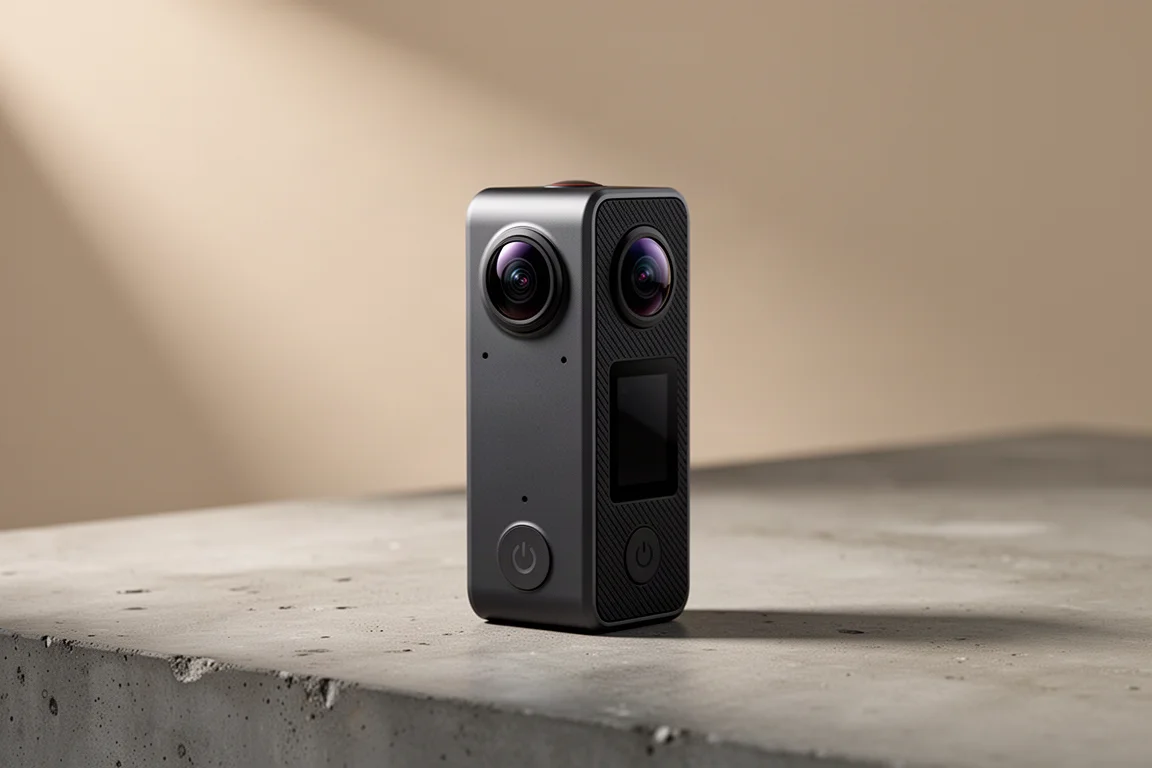
360 cameras have a reputation for novelty shots, but the Insta360 X5 is built around a more practical idea: record everything around you and decide on the framing later. For anyone who films while hiking, that changes the whole workflow. Instead of carrying a bulky rig with a wide-angle lens, a gimbal, and external microphones, you can carry one compact camera and keep moving.
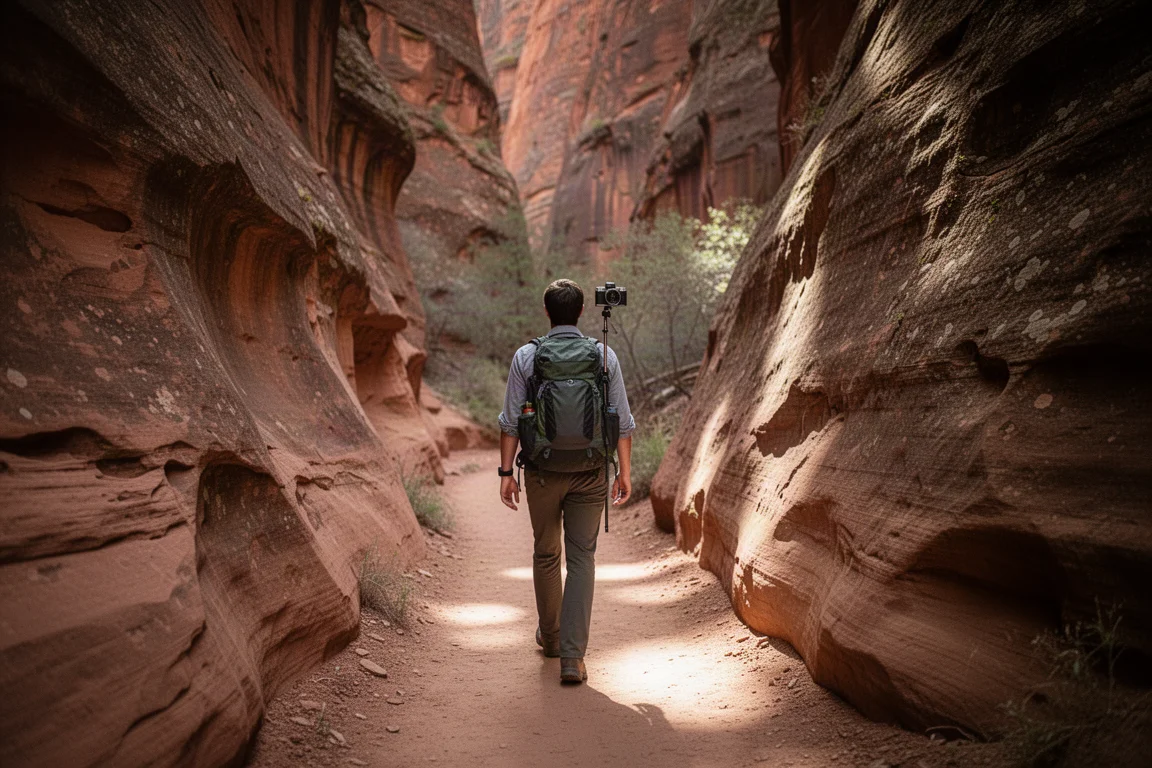
The trade-offs are just as real, and they are worth understanding before you buy. The X5 does not take interchangeable lenses, and its zoom is digital rather than optical. Whether those limits matter depends entirely on what you shoot, how you edit, and how much weight you are willing to carry up a hill.
Who the Insta360 X5 Is For
The X5 makes the most sense for solo creators and hikers who film themselves. Anyone filming alone is limited by their own reach, which is why a wide-angle lens is usually the practical choice anyway. The X5 goes further than a wide-angle lens by capturing in every direction at once, so you never have to stop and check where the camera is pointing.
It also suits people who want usable color without a heavy grading session. If post-production color work is the part of editing you enjoy least, a camera that delivers a more vivid look straight out of the box removes a step from your workflow.
It is less suited to anyone who needs long focal lengths, shallow depth of field, or the specific character of a particular lens. Those are the reasons people still carry larger systems.
Main Strengths
The first benefit is simply size. The X5 is light, compact, and easy to use, and that matters over long distances on rough terrain. Carrying a heavy rig for miles gets tiring, and a smaller camera can be the difference between filming your hike and actually experiencing your hike.
Because it records in all directions, you can press record, walk, and think about framing afterwards. That single change removes most of the small decisions that slow down a shoot.
All-Direction Capture Without Framing Worries
Pointing a conventional camera means committing to a shot. The X5 removes that commitment. You can start recording and continue with what you are doing, because the footage covers everything around you.
That has a second, less obvious advantage: unexpected moments. If something happens behind you or off to the side, you will not miss it, because the camera was already covering that direction. A deeper-than-expected water crossing in a canyon is exactly the kind of thing a fixed lens would have missed entirely.
The very wide lens also opens up creative options such as the tiny planet style shots that 360 cameras are known for, which are difficult to replicate with a standard wide-angle lens.
Built-In Stabilization Instead of a Gimbal
Steady footage on a mirrorless camera usually means adding a gimbal. That brings its own problems: extra weight, an awkward grip, its own batteries, and behaviour that turns erratic if the balance is not set correctly. Plenty of people buy one, use it once, and leave it at home.
The X5 stabilises automatically because it has an omnidirectional field of view. There is no balancing step and no separate device to charge, which makes it far easier to actually bring the camera along and use it.
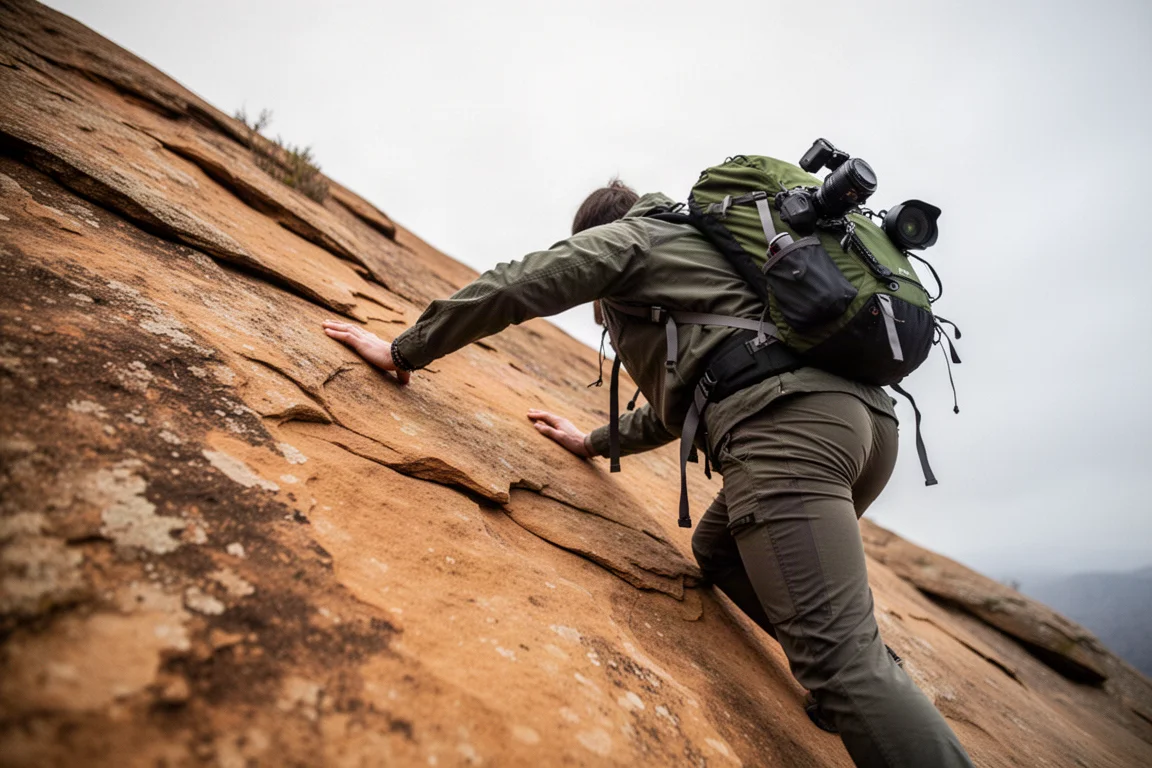
For handheld filming while walking, that is a meaningful difference in practice, not just on a specification sheet.
A Simpler Color and Audio Workflow
Color is one of the clearest practical differences between a compact 360 camera and a larger system. Larger cameras often record in a log color space that requires correction in post, and grading is genuinely difficult to do well. The X5 produces a more vivid look that needs far less work to look finished.
Audio follows the same pattern. A mirrorless setup effectively requires external microphones, and choosing between them is its own compromise: a cheap lavalier picks up every background sound, while a more expensive one handles noisy environments better. The X5 has a built-in microphone, so there is nothing extra to pack, mount, or power.
Things to Consider Before Buying
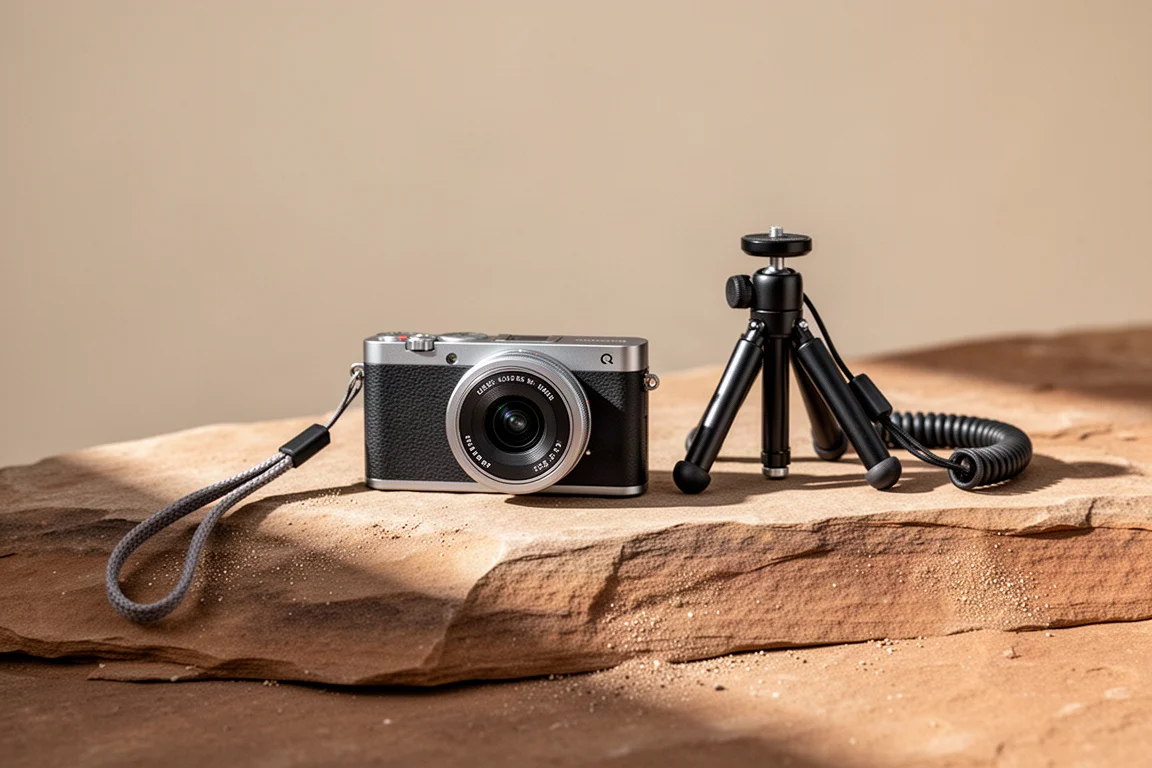
The most important limitation is the lens situation. You do not get interchangeable lenses, and the zoom is digital rather than optical. Pushing a digital zoom too far will degrade the image, which rules the camera out for anyone who regularly needs reach.
Within a normal zoom range, though, the practicality holds up well, and the underlying lens is wide enough to cover the framing that most solo filming requires.
There is also a workflow consideration. Capturing in every direction means you decide what to keep during editing rather than on location, so it helps to be comfortable with that style of post-production.
Finally, think about what you are giving up. A large mirrorless setup costs far more once you add a wide-angle lens, a gimbal, and microphones, but it also offers optical quality and lens flexibility that a compact 360 camera does not attempt to match.
Buying Advice
The right answer depends entirely on what you film. If you are primarily shooting hiking content and you do not want to deal with the weight, bulk, and expense of a large camera, gimbal, and microphone setup, the X5 is a coherent alternative that keeps the kit small enough to carry comfortably.
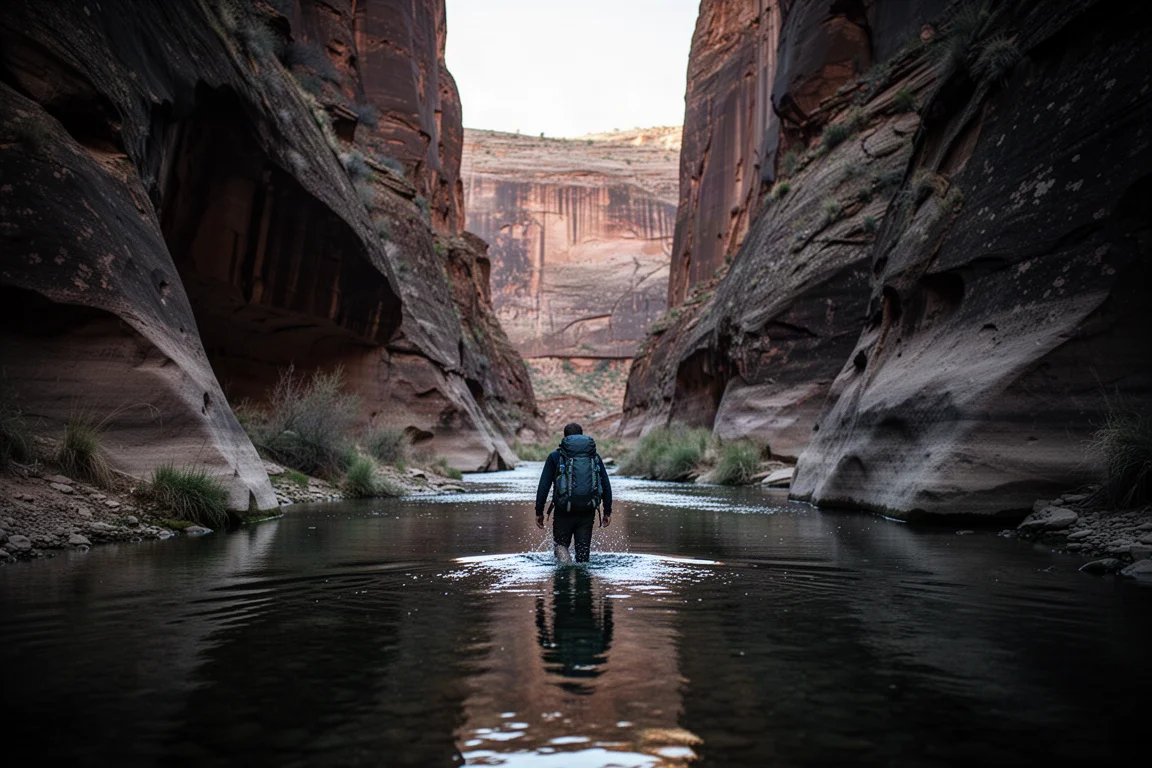
If your work depends on optical reach, specific lens rendering, or heavy manual control, a mirrorless system remains the better tool, and no amount of convenience will change that. The sensible approach is to match the camera to the way you actually shoot rather than to the best-case scenario you imagine.
For most people filming themselves outdoors, the practical question is simple: which camera will you still be willing to carry at the end of a long day? That is where the X5 makes its strongest case.
Conclusion
Is a 360 camera going to outperform a mirrorless camera? It depends on what you are doing. For hiking content, where weight, bulk, and cost all work against a big rig, the X5 is a genuinely practical choice with all-direction capture, automatic stabilization, and a simpler color and audio workflow.
Its limits are clear and worth accepting deliberately: no interchangeable lenses, and a digital zoom that should not be pushed too far. Buy it for the workflow it enables, and it will earn its place in your pack.
Product link
View more details for Insta360 X5
This product is mentioned in the review. Check the specifications, options, and compatibility before buying.
View more details for Insta360 X5Further reading
Related Reviews
360 Cameras
DJI Osmo 360 Review: A Compact 8K 360 Camera for Riders and Creators
A close look at the DJI Osmo 360, covering its 1-inch 360 sensor, native 8K capture, magnetic mounting, battery life, built-in storage, and single-lens mode.
360 Cameras
Insta360 X4 Review: 8K 360 Capture Built for Bike Riders
A practical look at the Insta360 X4, covering 8K capture, reframing workflow, battery life, and the accessories that matter for riders.
360 Cameras
Insta360 X5 Review: A 360 Camera for Hiking and Self-Filmed Footage
A practical look at the Insta360 X5 for hikers who film their own trips, including where it replaces a heavy mirrorless setup and where it does not.