360 Cameras
Insta360 X5 Review: 8K 360 Capture and How the X3 Compares
A close look at the Insta360 X5's 8K sensor, 13.5 stops of dynamic range, and AI reframing, plus how the previous-generation Insta360 X3 compares for practical video work.
Introduction
A drone is one way to open a video with a sweeping aerial view. It is not the only one. A 360 camera mounted on a long selfie stick can produce a similar floating perspective, and it does so without the propeller noise, the permits, or the restrictions that apply in national parks and wilderness areas.
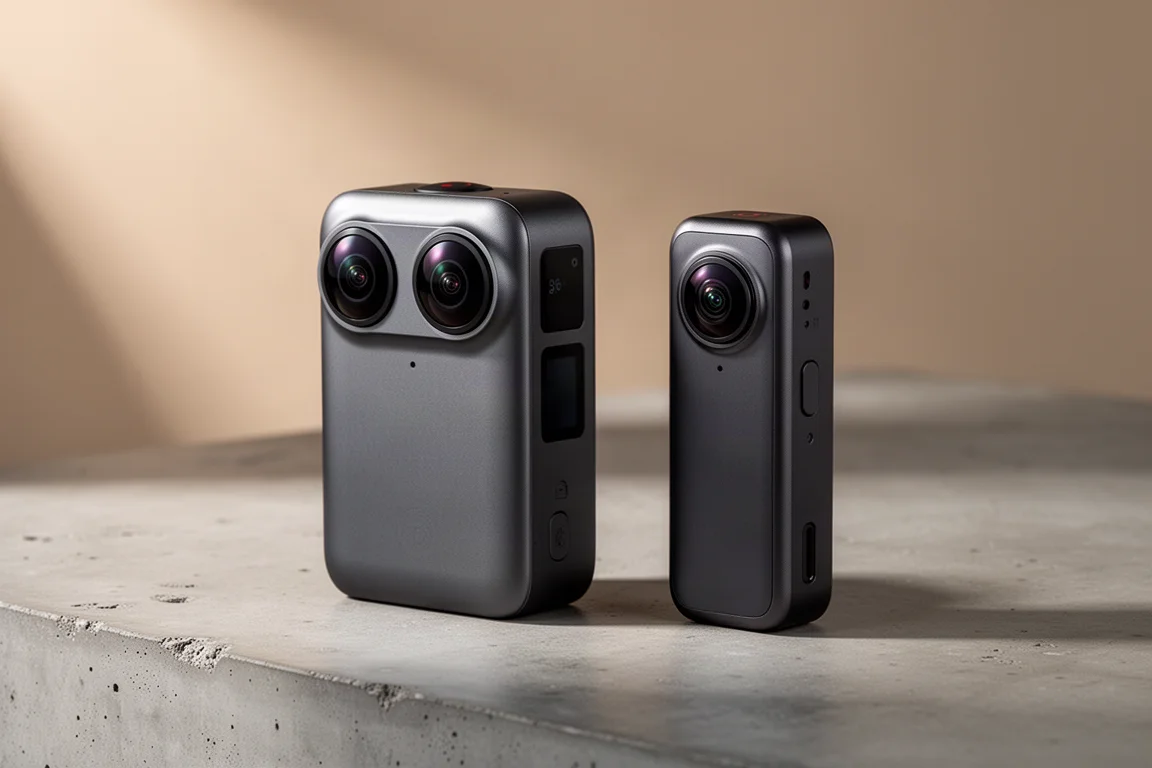
That idea sits at the centre of the Insta360 X5, the current flagship in the company’s 360 line, and it is also why the previous-generation Insta360 X3 still comes up whenever compact video gear is discussed. Both cameras record everything around them at once and remove the selfie stick from the final image, so the camera appears to hover in mid-air.
This guide covers what each camera offers, where the newer model pulls ahead, and which one makes more sense depending on how you shoot.
Why 360 Cameras Suit Modern Video Production
Good video lives or dies on b-roll, the footage that plays while nobody is talking. A common framework for capturing enough of it asks for nine shots: two establishing shots, two wide shots, two medium shots, two close-ups, and one unique shot. The goal is simple. When you sit down to edit, you have options.
Two of those categories are where a 360 camera earns its place. Establishing shots set the scene and give everything else context, and they are usually the reason people reach for a drone. Unique shots are the opposite extreme: an angle the audience has never seen, such as the inside of a cook pot, the underside of a car, or the space beneath a rock.
A 360 camera handles both without much fuss. Because it records in every direction, framing becomes a decision you can postpone. Position it, hit record, and choose the angle and zoom level later. One take can therefore yield several of the nine shots rather than just one.

The second advantage is the selfie stick itself. Mount the camera on a long pole and the software removes the pole from the finished frame, leaving a view that looks like it came from the air. There is no launch, no flight restriction, and no propeller noise to work around.
Insta360 X5: 8K Capture and a Larger Sensor
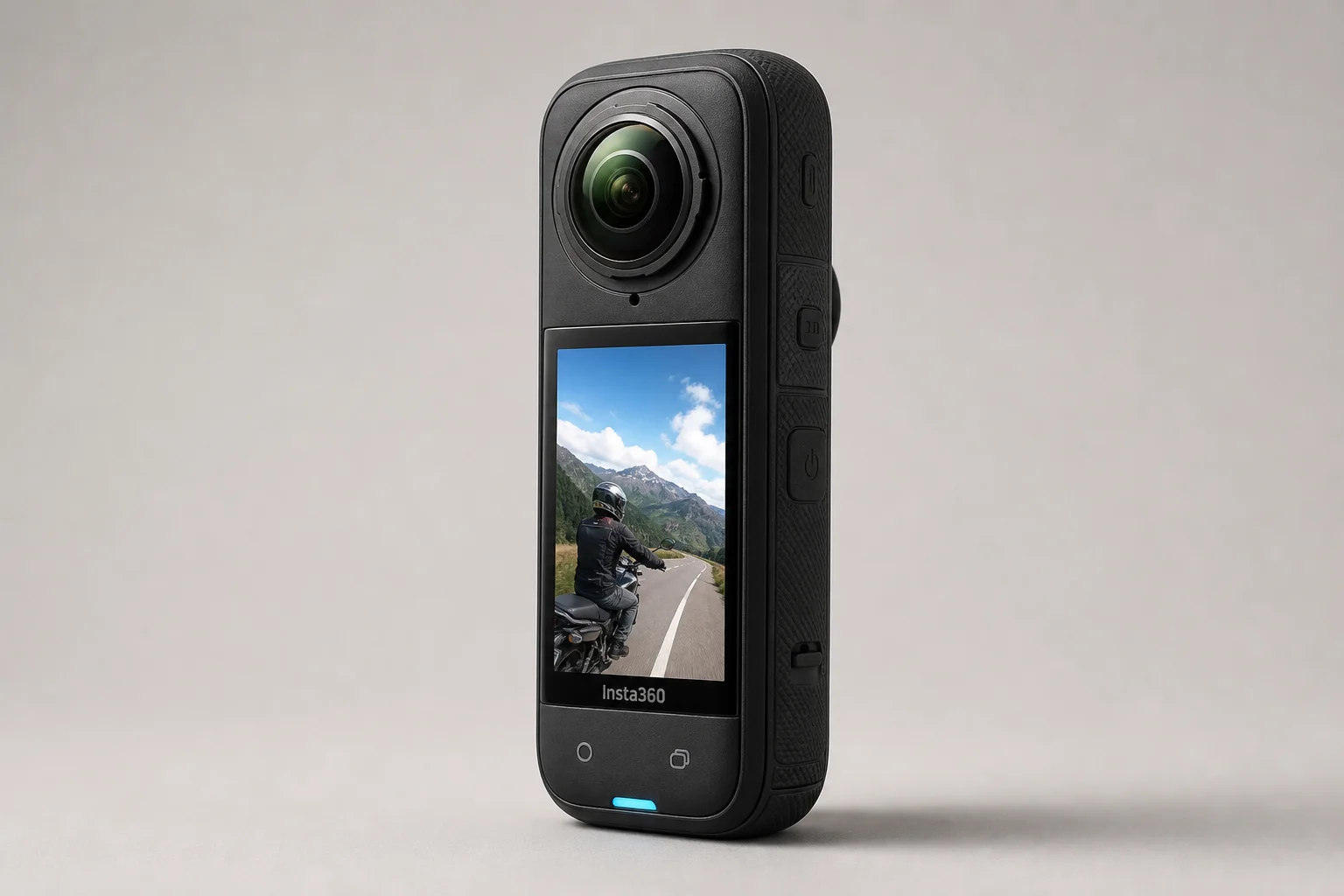
The Insta360 X5 is built around an 8K sensor that is considerably larger than the one in the previous generation. A bigger sensor gathers more light, and behind it sit three AI-powered chips that process the image to reduce noise and produce a cleaner, crisper result. Image quality is beginning to rival what high-end professional cameras deliver, which is a meaningful shift for a camera this small.
Resolution is only part of the story. The X5 also brings substantial improvements in video quality, low-light performance, and digital processing compared with the X3. That combination is what makes the format far more viable as a primary shooting tool rather than a novelty for occasional shots.
Low-Light Performance and Dynamic Range
Low light is where compact cameras usually fall apart, and it is one of the areas the X5 was clearly designed to address. The larger sensor is more sensitive to light, and the camera delivers a full 13.5 stops of dynamic range. That range matters in scenes with bright windows and dark interiors, or in a sunset where the sky and the ground sit several stops apart.
A 5K high dynamic range mode adds another option for high-contrast situations, preserving detail in both highlights and shadows. For anyone shooting interiors, evening city scenes, or anything with mixed lighting, this part of the specification list deserves attention.

It is also a reminder that 360 capture is not only for bright outdoor adventures. The same camera that films a mountain descent at noon can be used indoors after dark, which widens the range of projects it can handle.
Insta360 X3: The Previous Generation
The Insta360 X3 is the model that came before, and it is still the reference point many shooters already have in their kit. It offers the same core idea: 360-degree capture, automatic selfie-stick removal, and the freedom to choose framing after the fact.
Where it falls short is image quality. Video from older 360 cameras has not been especially strong, and low-light footage in particular has been a weak point. The X5 addresses both with its larger sensor and additional processing, which makes the generational gap more meaningful than a specification sheet alone would suggest.
If you already shoot with an X3 and know its workflow, the appeal of the newer model is straightforward: the same flexibility with noticeably better footage.
Audio, Battery Life, and Lens Practicalities
Image quality gets most of the attention, but audio and endurance decide whether a camera is practical on a real shoot. The X5 includes built-in wind noise reduction, designed to keep on-camera audio usable when you are filming outside. For dialogue-heavy work, a dedicated external microphone remains a sensible companion, since it gives you more control over the final result.
Battery life reaches up to 185 minutes, and the camera supports fast charging, so top-ups between setups are quick. The outer lens is replaceable, a practical detail for anyone who has ever scratched a front element against a rock or a handlebar.
For action sports, the X5 can record GPS data such as speed and acceleration, giving you numbers to reference or overlay in the edit.
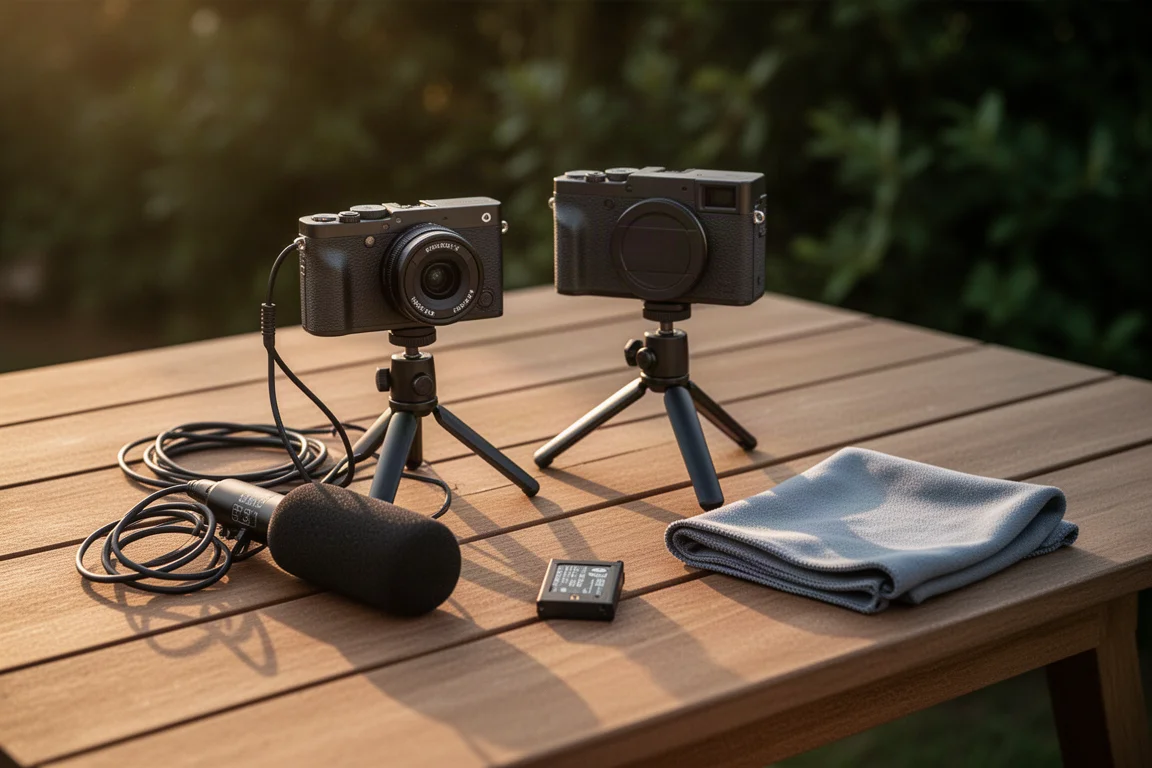
Together these details matter more than they look on paper. A camera that runs for a long session, survives a scratch, and captures usable sound in the wind is one you will actually take with you.
Editing 360 Footage: Reframing and AI Tools
The traditional knock on 360 footage is that it is not beginner-friendly. Getting a usable clip used to mean placing multiple keyframes by hand and animating the camera’s view across the frame.
Insta360 now uses AI algorithms to reframe footage automatically. The camera can follow an individual, switch to a selfie view, or hold a fixed point of interest, which removes a great deal of manual work. You can still select the angle and the zoom level yourself, and a single recording can produce several different shots, but the starting point is much closer to finished.
That shift lowers the barrier to the format. You no longer need to be an experienced editor to get a clean, well-framed result from a 360 file.
Waterproofing, Mounting, and Accessories
The X5 is fully submersible down to 49 ft without a housing, which covers far more than most people will ever need and makes underwater footage a realistic option. The small body also fits into places a full-size camera cannot go, which is exactly what the unique shot in a b-roll set requires.
Mounting is where the system opens up. A long selfie stick remains the signature accessory, and a wide range of additional accessories helps you get the most from 360 footage in different shooting situations.
Which Insta360 Camera Fits Your Workflow?
If you are choosing between the two, the decision comes down to how much image quality matters to you.
The Insta360 X5 is the camera to pick if you want the best footage the 360 format can currently offer: 8K resolution, a larger sensor, 13.5 stops of dynamic range, AI-assisted reframing, and underwater capability without a housing. It is the version that makes 360 capture viable as a primary camera.
The Insta360 X3 makes more sense if you already work in the 360 workflow and mainly need the flexibility of shooting first and framing later. It shares the selfie-stick removal trick and the post-production freedom, but it will not match the newer model in video quality or low-light performance.
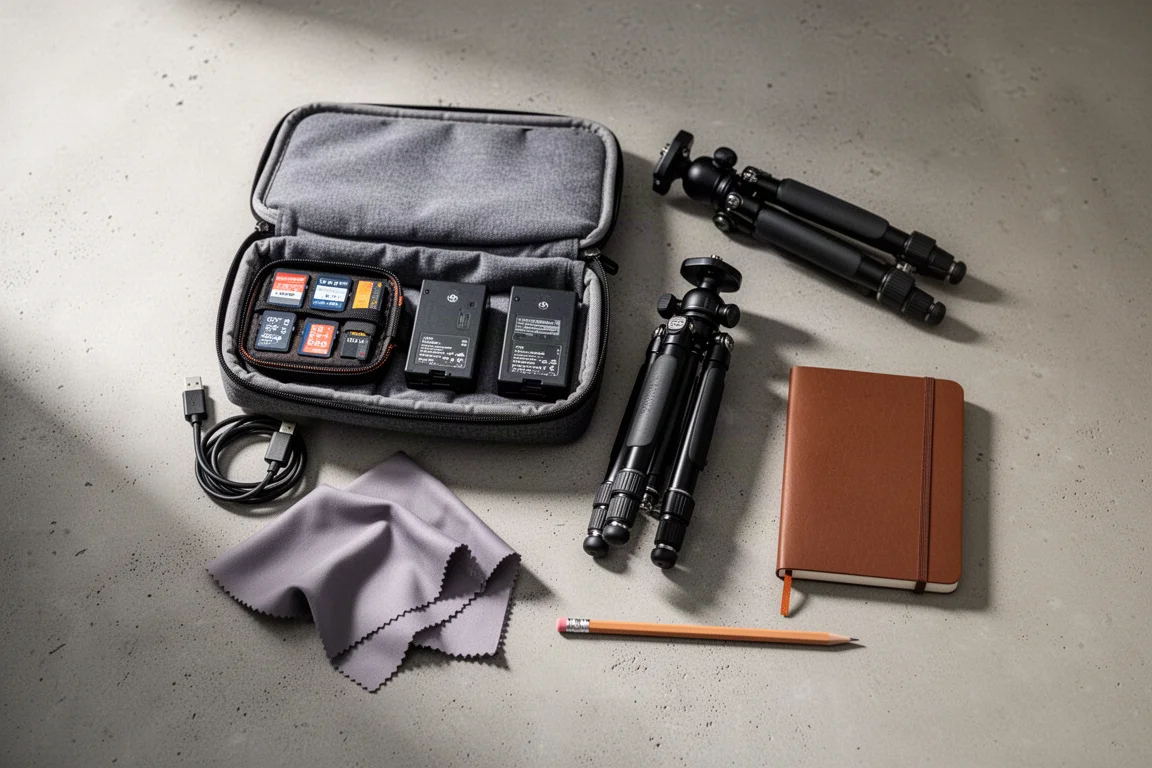
Either way, the same principle applies. The value of a 360 camera is not in one perfect frame but in the number of usable shots you come home with, and that is what makes the format a natural fit for a nine-shot b-roll plan.
Conclusion
A 360 camera will not replace every tool in a kit, but it solves a specific problem well. It gets you an establishing shot without a drone, a unique angle without a rig, and several usable clips from a single take.
The Insta360 X5 is the more capable of the two, with 8K capture, a larger sensor, strong dynamic range, and AI tools that simplify the edit. The Insta360 X3 still does the core job, capturing everything around it and removing the selfie stick, though its footage does not reach the same standard.
If your priority is the best possible image from a 360 camera, the X5 is the clear choice. If you simply want the flexibility of the format and already understand its workflow, the X3 remains a familiar way in.
Further reading
Related Reviews
360 Cameras
DJI Osmo 360 Review: A Compact 8K 360 Camera for Riders and Creators
A close look at the DJI Osmo 360, covering its 1-inch 360 sensor, native 8K capture, magnetic mounting, battery life, built-in storage, and single-lens mode.
360 Cameras
Insta360 X4 Review: 8K 360 Capture Built for Bike Riders
A practical look at the Insta360 X4, covering 8K capture, reframing workflow, battery life, and the accessories that matter for riders.
360 Cameras
Insta360 X5 Review: A 360 Camera for Hiking and Self-Filmed Footage
A practical look at the Insta360 X5 for hikers who film their own trips, including where it replaces a heavy mirrorless setup and where it does not.