360 Cameras
Insta360 X5 Review: 8K 360 Capture for Drone-Style Shots Without the Drone
A practical look at the Insta360 X5, an 8K 360 camera with a larger sensor, 13.5 stops of dynamic range, and AI-assisted reframing built for creators who need variety fast.
Introduction
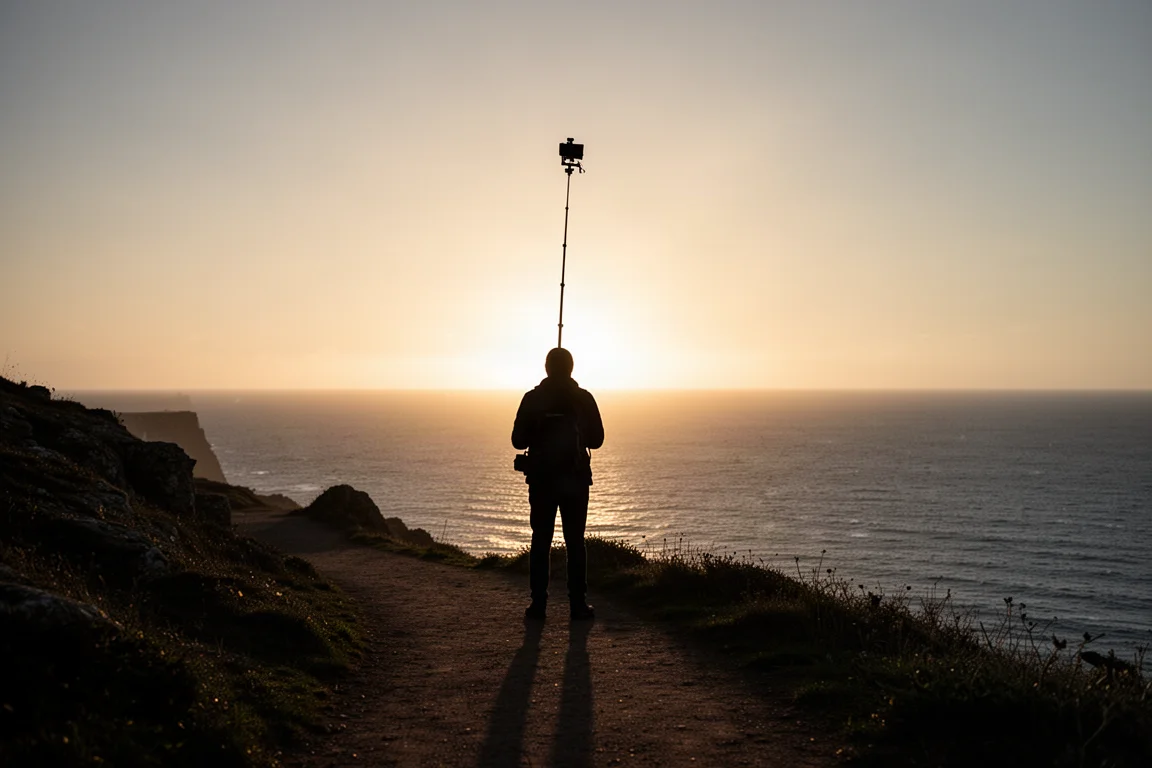
Wide floating shots that glide above a landscape are usually the work of a drone. They are also loud, restricted in many places, and banned outright in national parks and wilderness areas, which is why a growing number of filmmakers reach for a 360 camera on a long selfie stick instead.
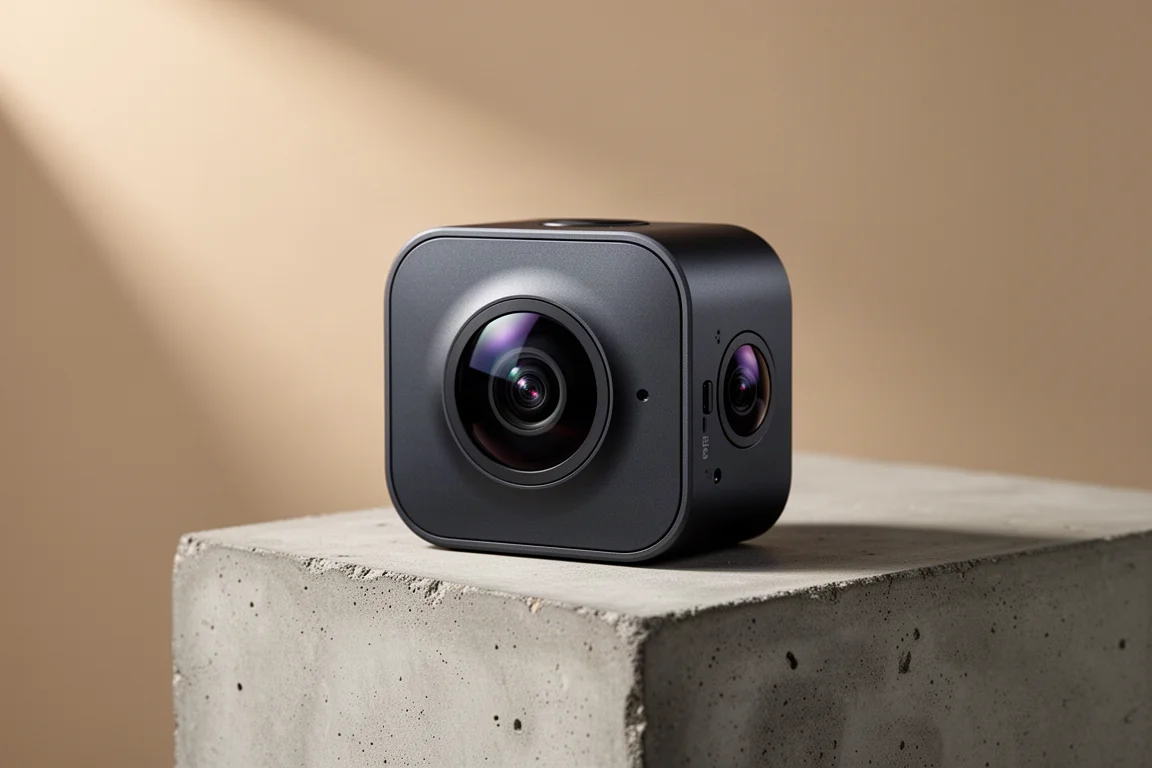
The Insta360 X5 is the newest version of that idea. It is an 8K 360-degree camera that records everything around it at once, then removes the selfie stick in processing so the shot appears to float. It also brings a larger sensor, a claimed 13.5 stops of dynamic range, and AI-assisted reframing that shortens the editing work that used to make 360 footage intimidating.
That matters most for a common shooting approach known as the nine shot rule, which asks for two establishing shots, one unique shot, two wide shots, two medium shots, and two close-ups. The X5 is unusually well suited to two of those categories, and useful across the rest.
Who the Insta360 X5 Is For
This is a camera for people who shoot alone and move quickly: travel creators, action sports riders, hikers, and anyone who wants a broad set of b-roll angles from a single take. Because the camera captures the full sphere, you do not have to decide exactly where to point it before you press record. You can choose the angle and the zoom level later, which is a meaningful advantage when the moment is happening fast.
It is also a sensible fit for anyone who has wanted drone-style establishing shots without the noise, the paperwork, or the access restrictions that come with flying. The small body gets into places a full-size interchangeable-lens camera cannot go.
For shooters who already own a large camera, the X5 is best understood as a specialist tool rather than a replacement. It covers the shots that are awkward, risky, or simply impossible with a bigger rig.
Main Strengths: 8K Resolution and a Larger Sensor
The headline change is image quality. The X5 records at 8K resolution and uses a considerably larger sensor than earlier 360 cameras, which makes it more sensitive to light. Combined with a claimed 13.5 stops of dynamic range, that gives noticeably more room to hold detail in bright skies and shaded foregrounds at the same time.
Behind the sensor, three AI-powered chips process the image to reduce noise and produce a cleaner, crisper result. The practical effect is a camera that sits much closer to high-end professional footage than previous generations did, with clear improvements in video quality, low-light performance, and digital processing compared with the earlier X3.
Establishing Shots Without a Drone
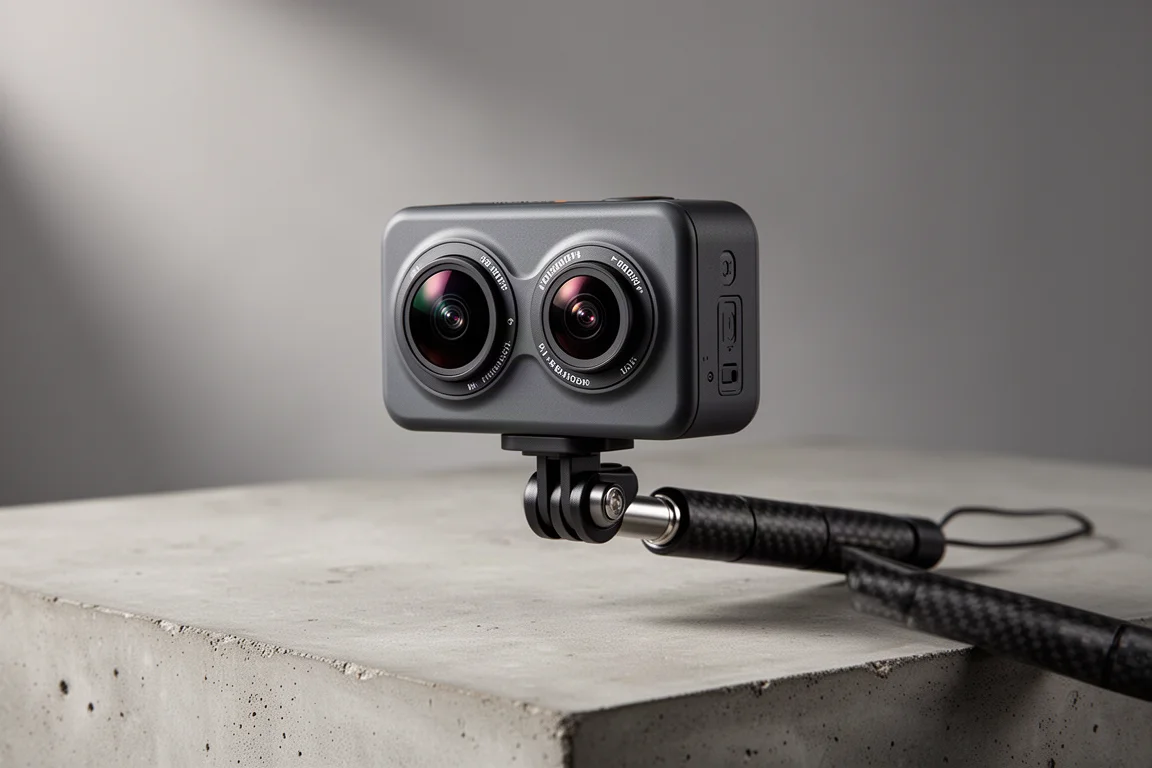
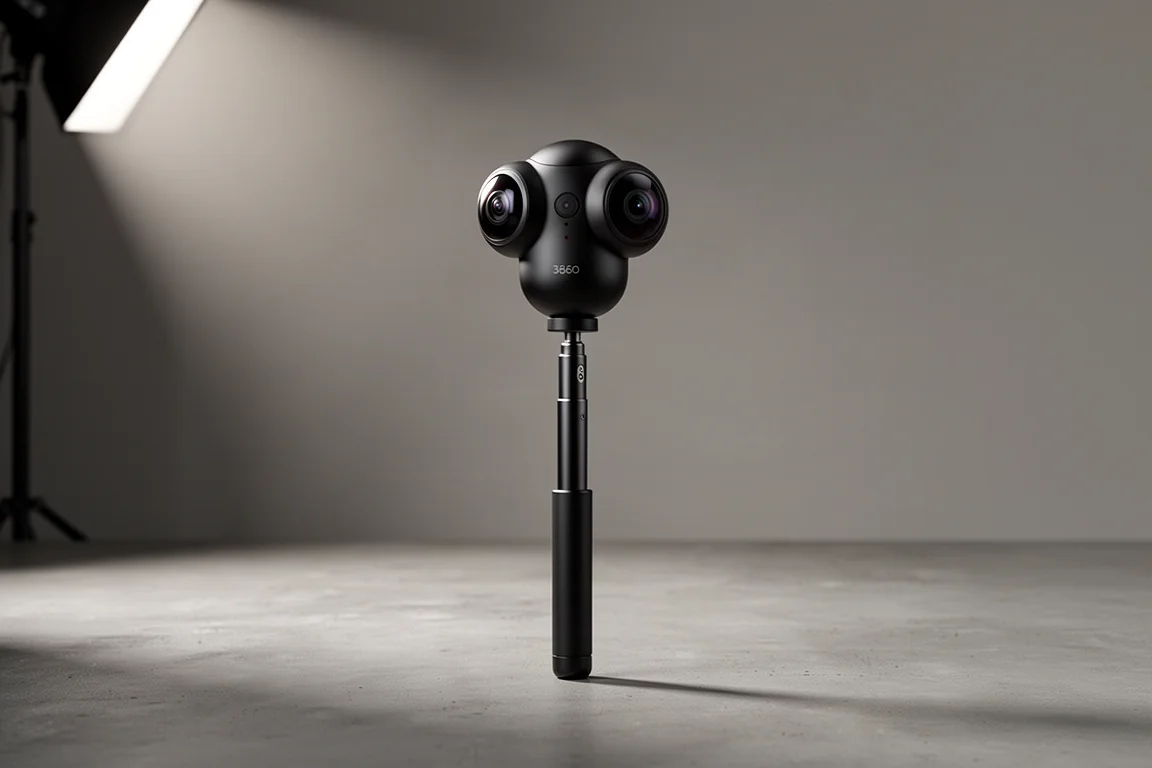
An establishing shot sets the scene and gives context for everything that follows. The traditional way to get one is to fly, which brings cost, noise, and legal friction. The 360 approach is simpler: mount the camera on a very long selfie stick, raise it, and record.
Because the camera films in every direction, the stick is automatically removed during processing, so the footage reads as a floating viewpoint rather than a camera on a pole. You do not need to worry about framing or aim, and you get the whole scene every time you hit record.

Two establishing shots are part of a complete b-roll set, and this is the fastest way to collect them. It is also the single most common use for a 360 camera in a creator workflow, precisely because it removes the logistics that make aerial coverage difficult.
Unique Angles and Underwater Shots
The nine shot rule also calls for at least one unique shot, meaning an angle the audience is not used to seeing. This is where the X5’s size does the most work. It can be placed inside a cook pot, tucked underneath a car, or wedged under rocks, and it still captures everything around it.
The camera is also fully submersible down to 49 feet, which opens up underwater footage without a separate housing. In high-contrast situations it can record 5K high dynamic range footage that holds detail in both the brightest and darkest parts of the frame. For anyone shooting water, weather, or fast-changing light, that combination is genuinely useful.
AI Reframing Makes 360 Editing Easier
The long-standing complaint about 360 footage is that it is not beginner-friendly. Reframing a flat, watchable shot from a sphere used to mean placing multiple keyframes by hand, adjusting each one, and hoping the result felt natural.
The X5 leans on AI algorithms to automate much of that. It can reframe footage to follow an individual, switch into selfie mode, or hold on a fixed point of interest. The result is far less manual work and a faster path from raw clip to finished shot.
You still have to move the camera around and think about what you are capturing, but the burden of deciding the exact frame shifts to the edit. That is a real change for anyone who has previously avoided 360 cameras because the workflow looked heavy.
Audio, Battery, and Everyday Handling
Audio is the part of any camera that decides whether footage is usable. The X5 includes built-in wind noise reduction, which helps in outdoor conditions where wind would otherwise dominate the track. For spoken narration, though, an external lapel mic remains the safer choice if you want consistent, close-sounding voice audio, and it is worth budgeting for one.
For action sports, the camera can record GPS speed, acceleration, and related data, which adds a layer of context to fast footage. Battery life runs up to 185 minutes with fast charging support, and the outer lens is replaceable if it gets scratched, which is a practical detail on a camera likely to be used close to rocks, water, and grit. There is also a broad accessory ecosystem built around getting more from 360 footage.
Things to Consider Before Buying
A 360 camera is not a direct substitute for a conventional camera. You are trading deliberate framing and lens choice for flexibility and reach, and the footage still needs a different kind of edit to become a finished video. If most of your work happens in a controlled setting with a fixed subject, a standard camera may be simpler to live with.
It is also worth being realistic about the learning curve. AI reframing reduces the effort considerably, but understanding how to place a 360 shot in a timeline, and when a reframed clip looks natural, still takes practice. Budget for the external microphone as well if narration is central to your videos.
Buying Advice
The X5 makes the most sense if you regularly need establishing shots, unique angles, or multiple perspectives from one take. Creators who shoot travel, action sports, or outdoor footage will get the most value, because those are the situations where a small, submersible, self-stick-removing camera outperforms a large rig on practicality rather than on paper.
If your priority is cleaner low-light footage and more usable b-roll variety than an older 360 camera can provide, the larger sensor and processing improvements are the reasons to consider this generation rather than an earlier one. If you already own a capable main camera and only occasionally want a floating wide shot, the case is narrower.

A useful way to decide is to count how many of the nine shot types you currently struggle to capture. If establishing shots and unique angles are the weak points in your footage, this is a direct solution to both. If your existing setup already covers them, the upgrade is optional rather than essential.
Conclusion
The Insta360 X5 is a focused answer to a specific problem: getting creative, varied footage when you are shooting alone and cannot fly a drone. It pairs 8K resolution and a larger sensor with genuinely improved low-light performance, adds 5K HDR and 49-foot water resistance, and uses AI-assisted reframing to make the editing side far less daunting than it used to be.
It will not replace a full-size camera for every job, and spoken-word audio still benefits from an external mic. As a second camera that unlocks establishing shots, unusual angles, and multiple framings from a single take, it earns its place in a kit.
Product link
View more details for Insta360 X5
This product is mentioned in the review. Check the specifications, options, and compatibility before buying.
View more details for Insta360 X5Further reading
Related Reviews
360 Cameras
DJI Osmo 360 Review: A Compact 8K 360 Camera for Riders and Creators
A close look at the DJI Osmo 360, covering its 1-inch 360 sensor, native 8K capture, magnetic mounting, battery life, built-in storage, and single-lens mode.
360 Cameras
Insta360 X4 Review: 8K 360 Capture Built for Bike Riders
A practical look at the Insta360 X4, covering 8K capture, reframing workflow, battery life, and the accessories that matter for riders.
360 Cameras
Insta360 X5 Review: A 360 Camera for Hiking and Self-Filmed Footage
A practical look at the Insta360 X5 for hikers who film their own trips, including where it replaces a heavy mirrorless setup and where it does not.