360 Cameras
Insta360 One X3 Review: A Great 5K 360 Camera Held Back by One Big Missing Feature
The One X3 brings a bigger screen, larger sensors, and 5K video, but the loss of 3K at 100fps slow motion is a serious compromise for runners and creators.
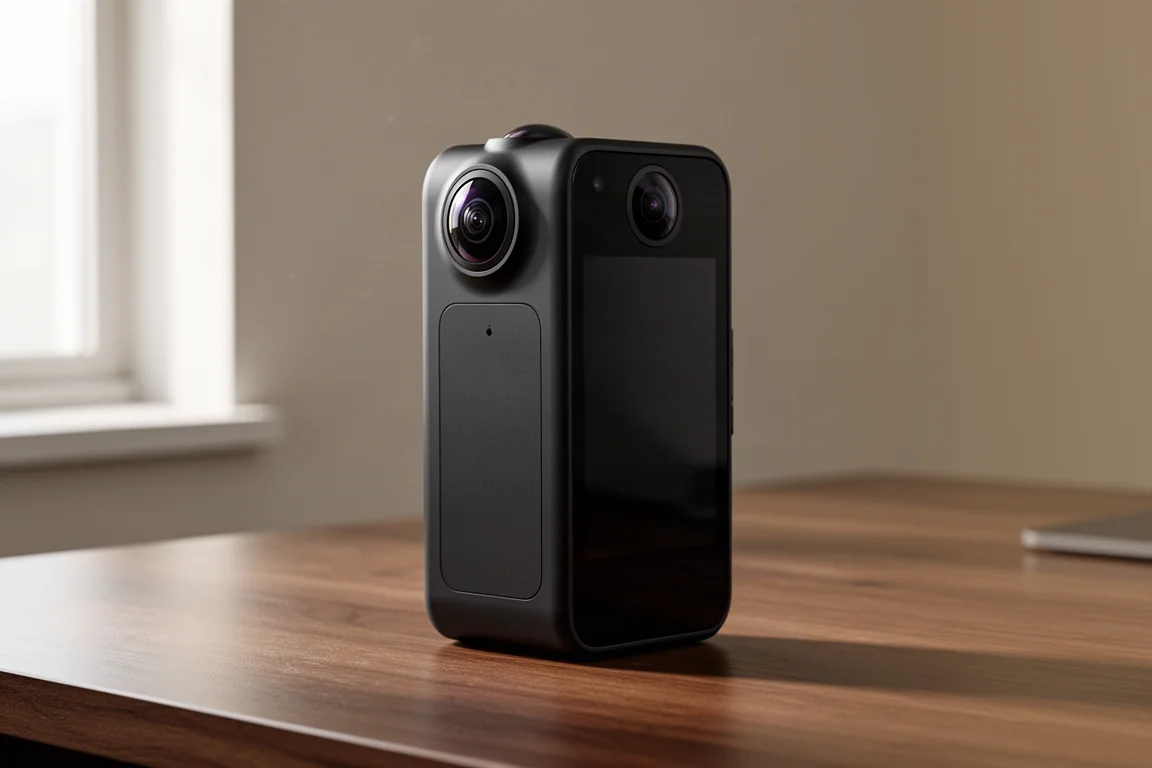
Introduction
The Insta360 One X3 is the third generation of the 360 camera I fell in love with back when the original One X launched. I bought that first camera three times over because it was not water resistant and I kept breaking it. The One X2 finally made it waterproof, which turned it into a genuinely dependable running and action companion. The One X3 brings bigger sensors, a much better screen, and 5K video, but it also drops a feature that matters more to me than almost anything else: the 3K at 100fps high-frame-rate mode. This review looks at the X3 from a runner’s perspective, where all three of these cameras were bought with my own money and used on real miles.
Who This Camera Is For
Like its predecessors, the One X3 works by capturing two overlapping fisheye views at the same time and stitching them into a full 360 image afterward. You can pan and zoom through the footage like a map, or reframe it later and choose exactly what the viewer sees, without worrying about pointing the camera correctly while filming.
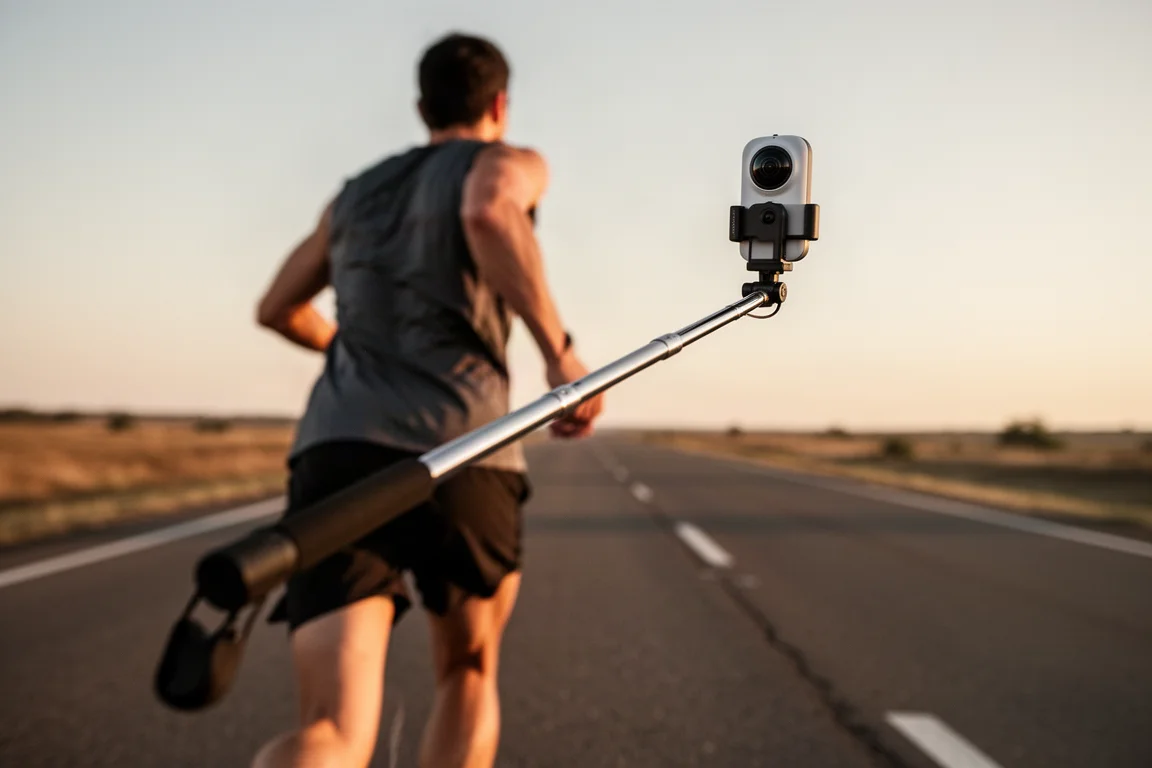
Because the two lenses see more than 180 degrees each, the software can also detect and automatically erase the selfie stick from your footage. That is the trick behind those seemingly impossible floating-camera shots, and it remains one of the most fun features on any action camera today.
Main Strengths
The biggest visible change is the new large vertical touchscreen on the front. The original had a tiny text-only LCD, the X2 added a small round touch display, and the X3 goes all in with a big, bright, full rectangular screen for navigating menus and previewing shots.

Behind the glass, the X3 now uses two half-inch sensors, one per lens, which is meant to deliver noticeably better image quality. The 5K footage does look great, and 4K at 60fps remains a strong, usable everyday setting.
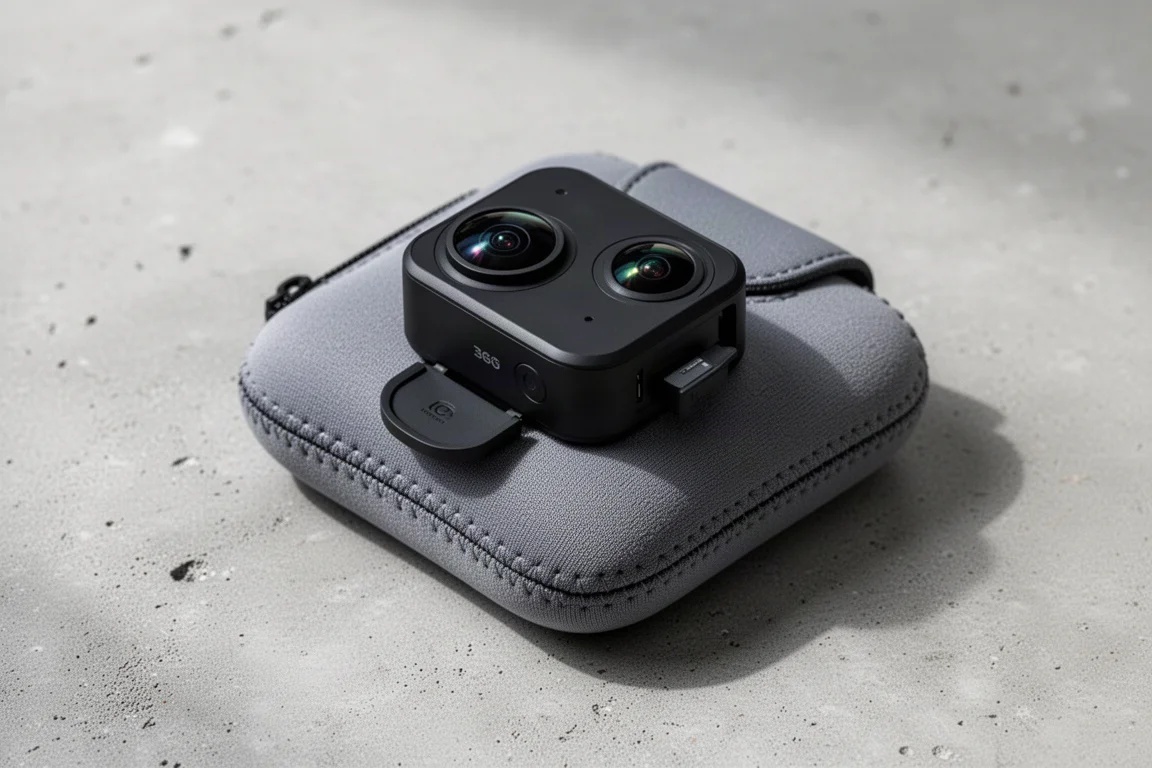
Other hardware improvements are genuinely welcome. The side charging door now sits on a real hinge instead of a fragile plastic tab that popped out and could get twisted, and a cutout in the included neoprene case lets you charge the camera without removing it, reducing the risk of lens scratches. The quick capture mode is another favorite: press the shutter while the camera is off and it powers on and starts recording automatically, then shuts itself down when you press it again. There is also a dedicated preset button that brings up your custom shooting profiles, and a quarter-20 mount at the base for attaching selfie sticks.
Things to Consider Before Buying
All of that progress comes at a cost in size and weight. The X3 measures 6.3 ounces against 5.3 ounces for the X2, a substantial jump you can feel immediately in hand. It is also thicker and slightly taller. The lens covers appear to be the same shockingly fragile glass as before, so you will still want to set the camera down on its case every time.
Then there is the core disappointment: frame rates. The X3 tops out at 5K at 30fps and 4K at 60fps, and it drops the 3K at 100fps mode the X2 offered. For anyone who loves slow motion, that is a deal breaker. 4K at 60 slows to half speed, but that does not feel like real slow motion in an era when other action cameras have been offering 4K at 120fps. Even single-lens modes cap out at 60fps. The HDR video mode is interesting but locks you to 30fps or less, which makes it a non-starter for anything motion-heavy. If processing or storage were the bottleneck, single-lens 1080p at 100fps would have been a reasonable compromise, but it simply is not there.
Audio is the other letdown. The original One X used two microphones recording to separate channels, so on a windy day you could salvage usable sound from the sheltered side. With more microphones added since the X2, isolating a clean channel has become nearly impossible, and the X3’s audio feels just as mediocre. The desktop software includes noise reduction modes, but they often make things worse.
Buying Advice
Here is how the decision breaks down. If you already own the Insta360 One X2, stay put. The upgrades here do not add up to a necessary jump, and you lose the 3K high-frame-rate mode in the process.
If you own no 360 camera and you do not care about slow motion, the X3 is a good buy. The 5K resolution and 4K 60 footage are genuinely impressive, and the reframing workflow is still the easiest way to get creative, shareable shots without thinking about framing while you film. If you want real slow motion, however, the One X2 remains the better choice in this lineup because of its 3K at 100fps.
If you own no action camera at all and want one to capture training and races, I would not start with any 360 camera. As much as this generation is pitched as a universal vlogging tool, two lenses still add complexity, and the point-and-shoot simplicity and shareability of a traditional action camera make it a better first step.
Conclusion
The Insta360 One X3 is a capable, polished 360 camera with a brilliant screen, bigger sensors, and excellent 5K footage, but the loss of 3K at 100fps keeps it from being a clear upgrade for anyone coming from the X2. For first-time 360 buyers who do not need slow motion, it is easy to recommend. For everyone else, patience for the next generation is not a bad plan.
Product link
View more details for Insta360 One X3
This product is mentioned in the review. Check the specifications, options, and compatibility before buying.
View more details for Insta360 One X3Further reading
Related Reviews
360 Cameras
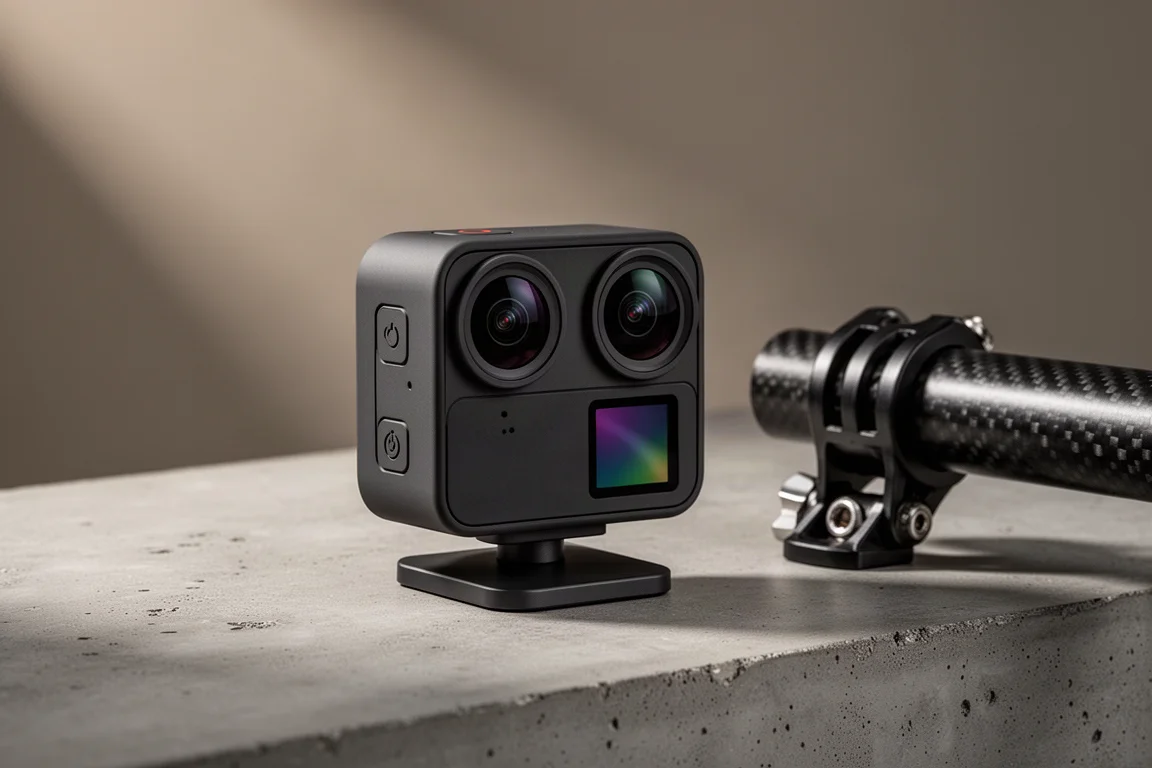
DJI Osmo 360 Review: A Compact 8K 360 Camera for Riders and Creators
A close look at the DJI Osmo 360, covering its 1-inch 360 sensor, native 8K capture, magnetic mounting, battery life, built-in storage, and single-lens mode.
360 Cameras
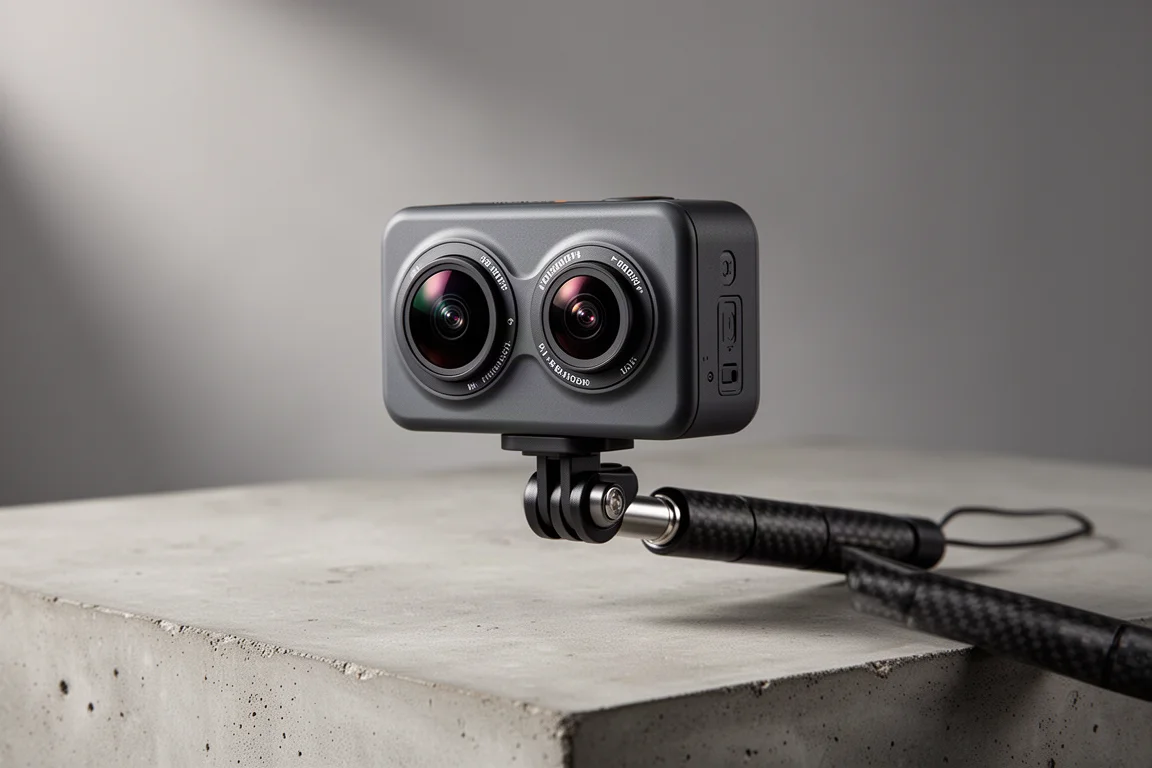
Insta360 X4 Review: 8K 360 Capture Built for Bike Riders
A practical look at the Insta360 X4, covering 8K capture, reframing workflow, battery life, and the accessories that matter for riders.
360 Cameras
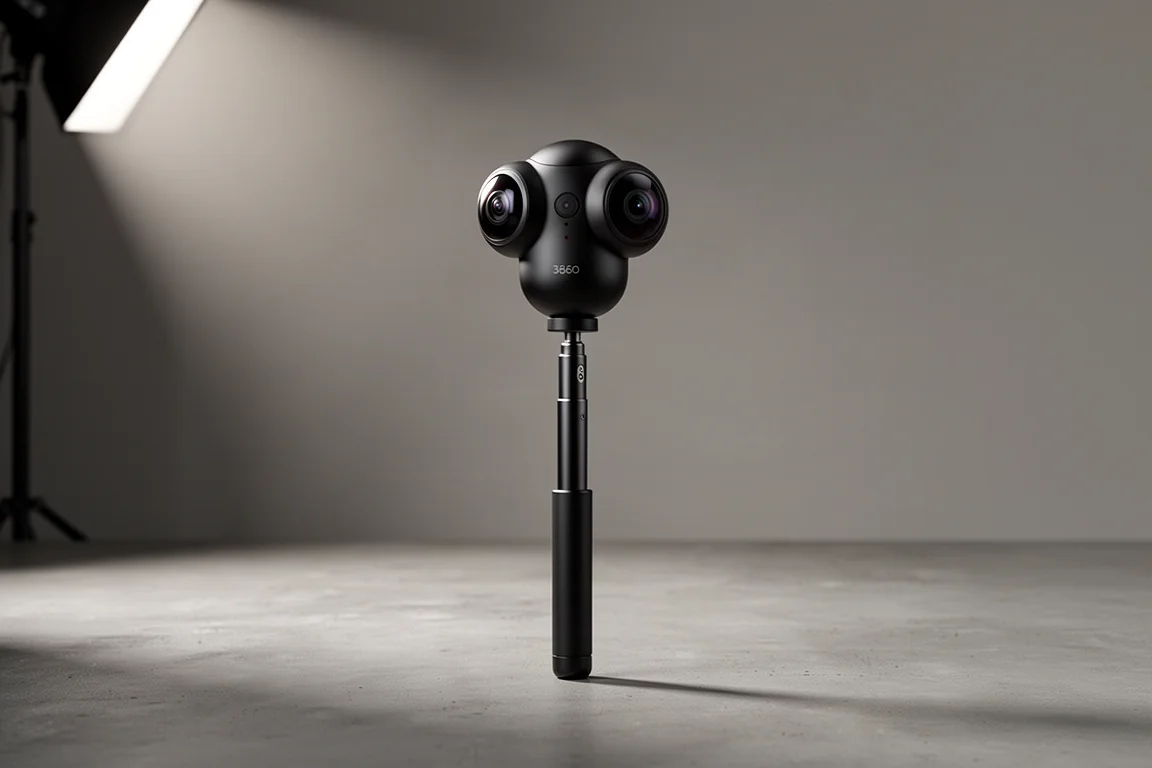
Insta360 X5 Review: A 360 Camera for Hiking and Self-Filmed Footage
A practical look at the Insta360 X5 for hikers who film their own trips, including where it replaces a heavy mirrorless setup and where it does not.