Cycling Components
Inside a Championship Hill Climb Build: Six Components Worth Knowing
A 5.66 kg national-level hill climb build broken down into its frameset, wheels, tires, drivetrain and power meter, plus the trade-offs behind every choice.
Introduction
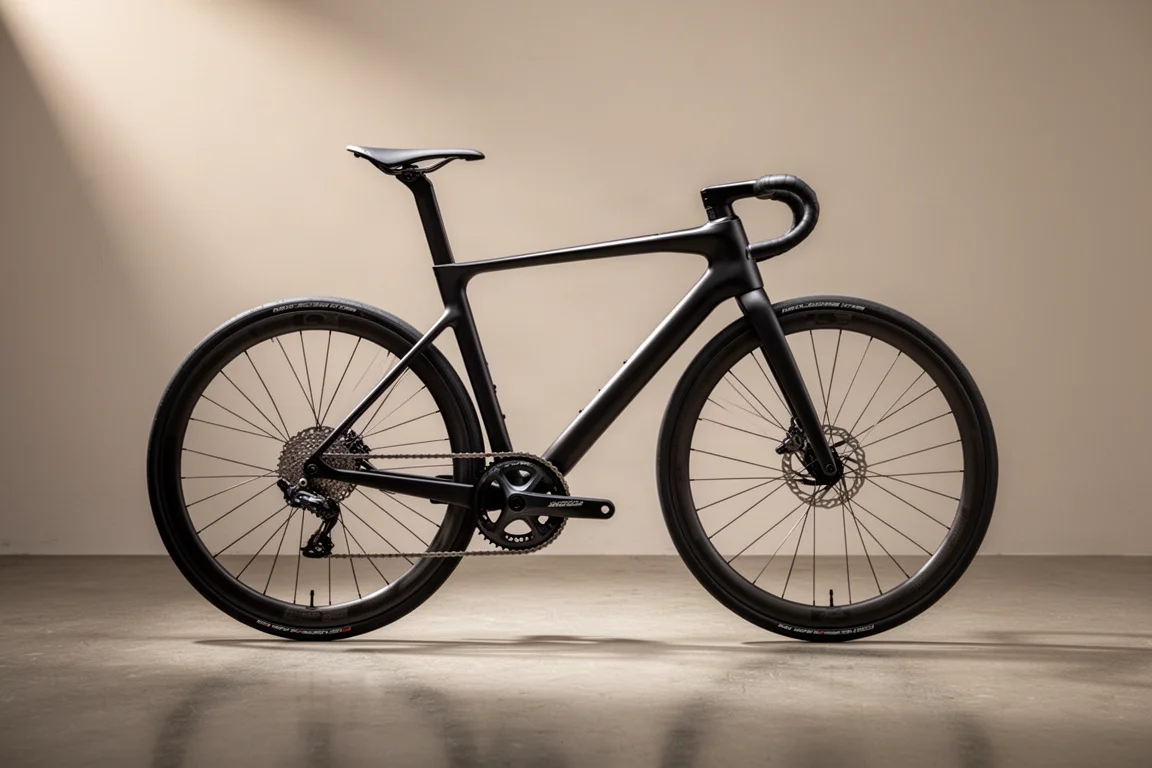
Hill climb racing rewards a very specific kind of bike: one stripped of everything that does not help you get up a gradient faster. This build, campaigned at national championship level, tips the scales at 5.66 kg, and it does so with disc brakes rather than the rim brakes that once dominated the discipline. That combination is the interesting part. Disc brakes normally mean a weight penalty, yet the whole bike came in only around 250 g heavier than the previous rim-brake build, rather than the kilogram or more that riders once feared.
What follows is a walk through the six parts that define the build: the frameset, the wheels, two very different tire choices, the drivetrain and the power meter. Each one was picked for a reason, and in most cases that reason involves a trade-off rather than a straightforward upgrade.
What This Build Is Trying to Achieve
Hill climb courses are not uniform. The championship route in question is steep for most of its length, sitting around 12 to 13 percent, but roughly a quarter of it is either flat or descending. That single fact shapes almost every decision on the bike.
The result is a build that is not purely about the lowest possible number on the scales. Gear range matters, because a descent at the top of the climb means the rider cannot simply run a handful of cogs. Chain retention matters, because the drivetrain is a 1x setup without a clutch. Aerodynamics matter a little, because the false flat and the descent are ridden at speed. Comfort and leverage matter too, which is why the cockpit is deliberately wide and upright rather than low and narrow.
Weight, in other words, is the headline, but it is not the whole story. The build is a negotiation between grams and the practical demands of the course.
Cannondale SuperSix EVO Hi-MOD LAB71: The Frameset
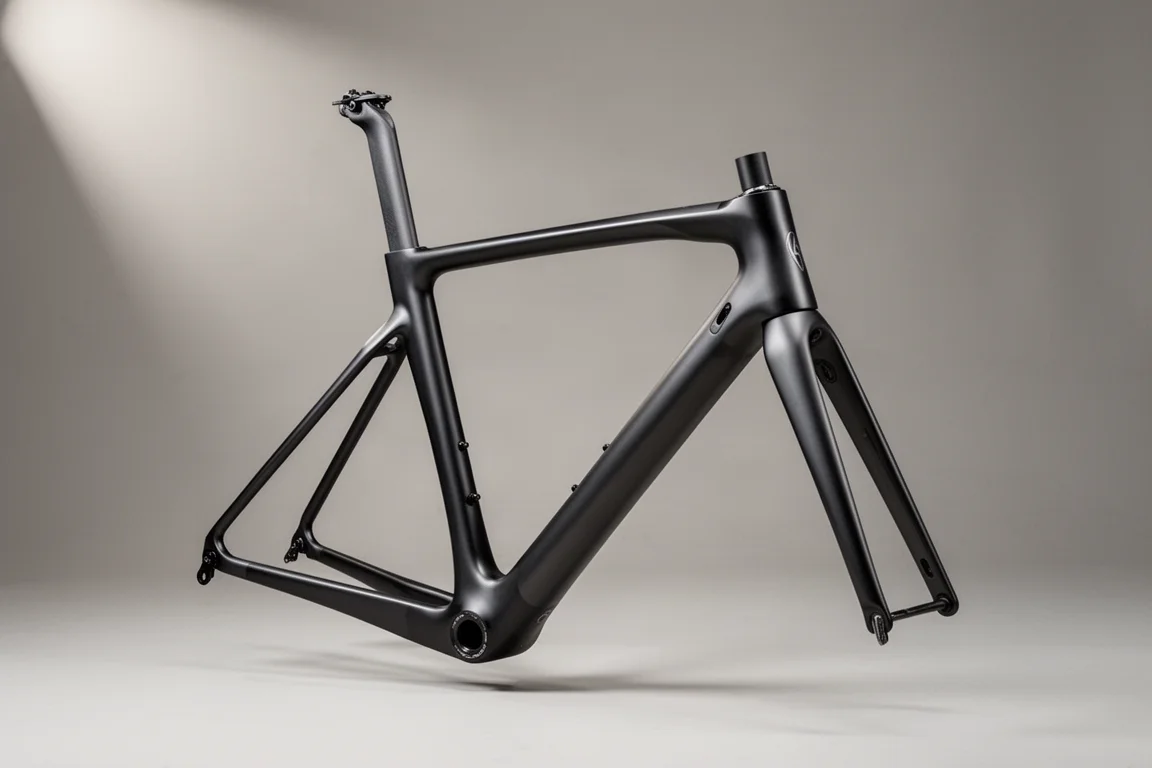
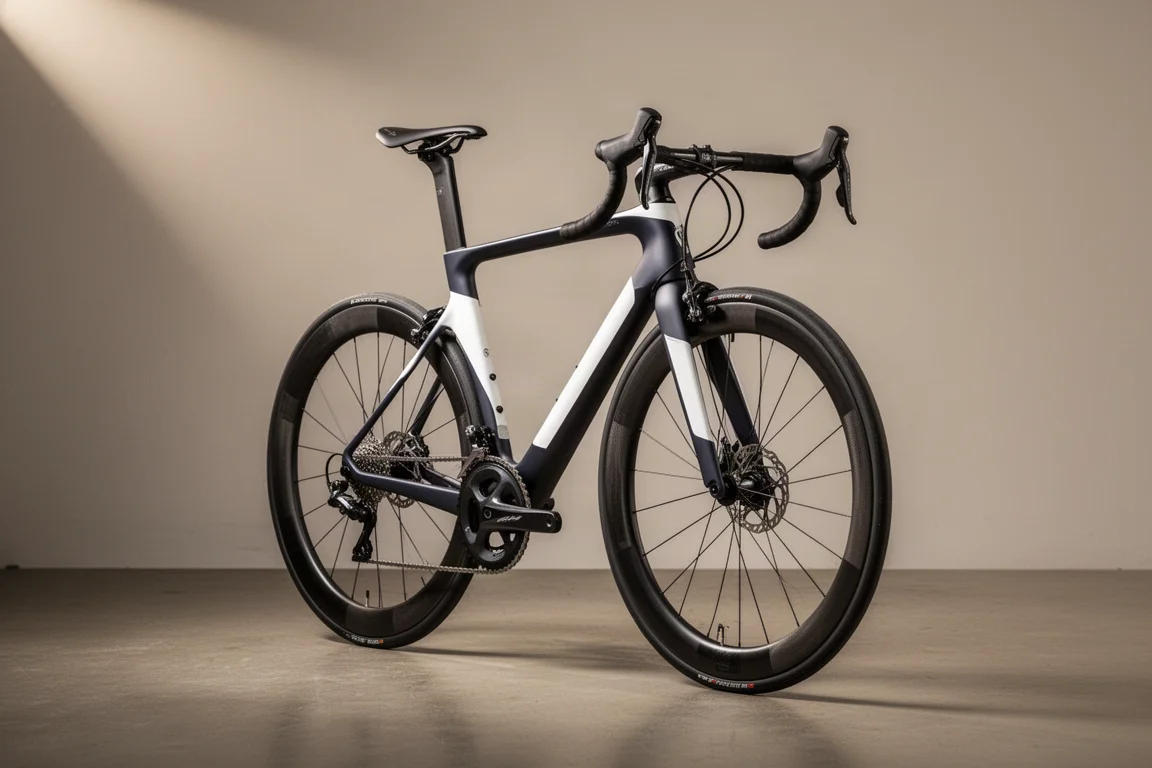
The frame is the top-end LAB71 version of the SuperSix EVO Hi-MOD, quoted at around 770 g for a size 56. This particular bike is a size 54, so the production figure is a little conservative for what is actually on the road. The previous frame, once stripped down and weighed, came in at 840 g, so the swap is a genuine step down in mass before a single component is bolted on.
Stiffness is the other half of the story. The frame is very stiff and very light, which is exactly the combination a hill climb bike needs when the rider is out of the saddle and throwing the bike side to side on a steep ramp. It also carries aero frame features, which would be an odd priority on a pure uphill machine but makes sense on a course with a flat section and a descent in it.
The move to disc brakes is part of a broader shift in the discipline. It costs weight, but this build shows how far that penalty can be clawed back with careful component choices.
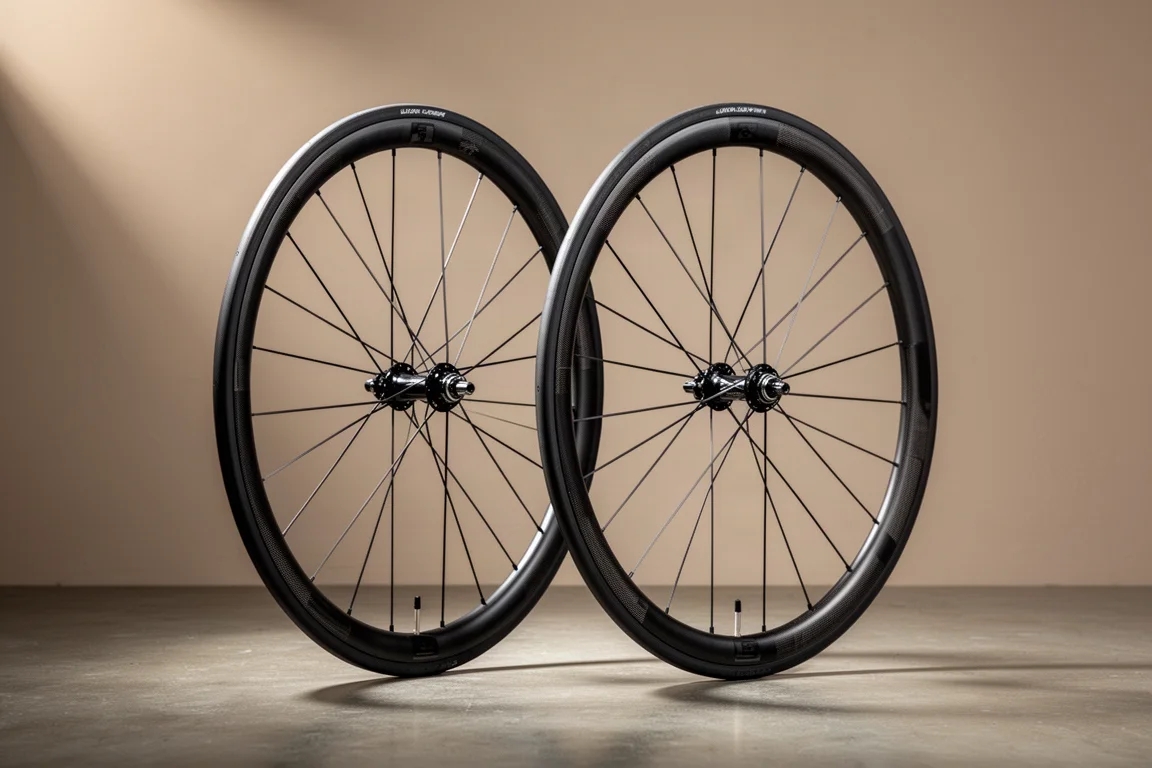
Hunt Hill Climb Wheels: The Lightweight Rolling Stock
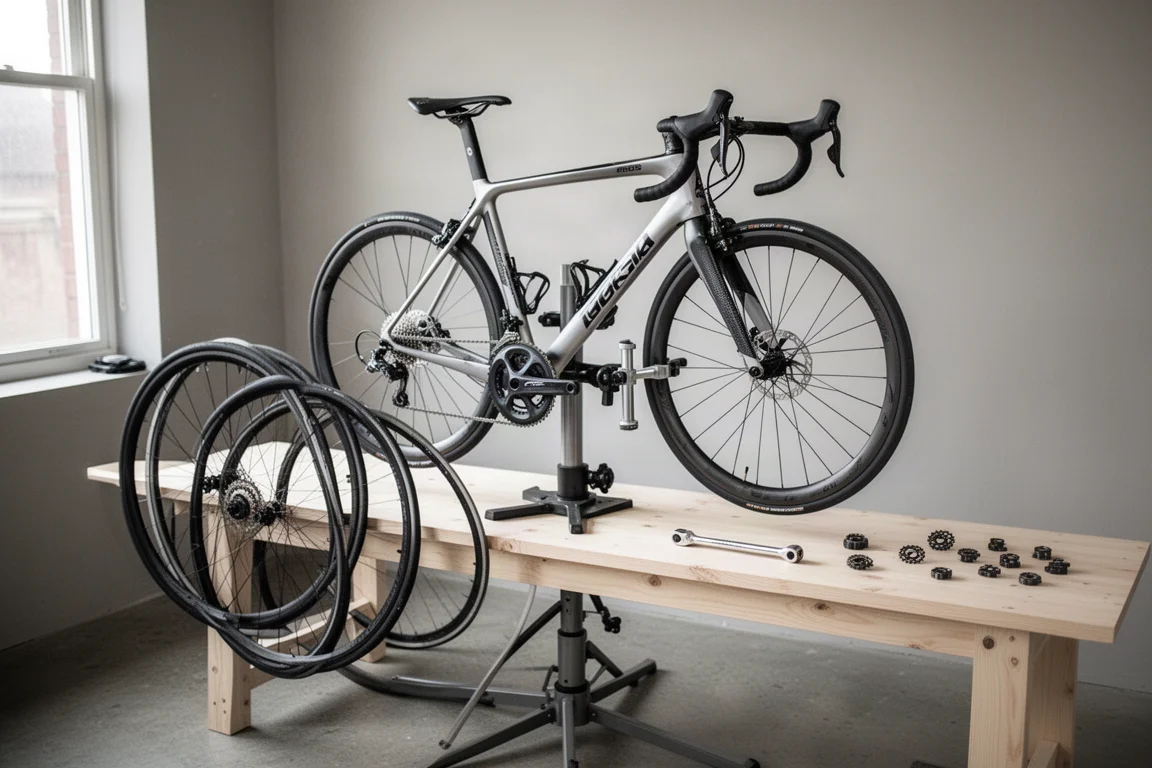
The wheels are a purpose-built hill climb set with carbon spokes, and they come in under a kilogram, at roughly 960 g for the pair. That is exceptionally light for a disc-brake wheelset, and the carbon spokes are a large part of why they feel as stiff as they do despite the low mass. Across five or six hill climbs in a season they have performed well.
The disc-brake hardware has been pared back to match. The rotors are titanium units weighing around 49 g each, and because they are six-bolt rotors on centre-lock hubs, adapters are needed. Standard adapters would have given back most of the saving, so lighter aftermarket adapters were used instead, roughly halving the adapter weight to around 25 g. All in, each rotor and adapter combination lands somewhere around 70 to 75 g.
That is the pattern across the whole build: a weight penalty is accepted in one place and then worked back out somewhere else. It is also a reminder that on a bike this light, small parts stop being small.
Vittoria Pista: The Race-Day Tire
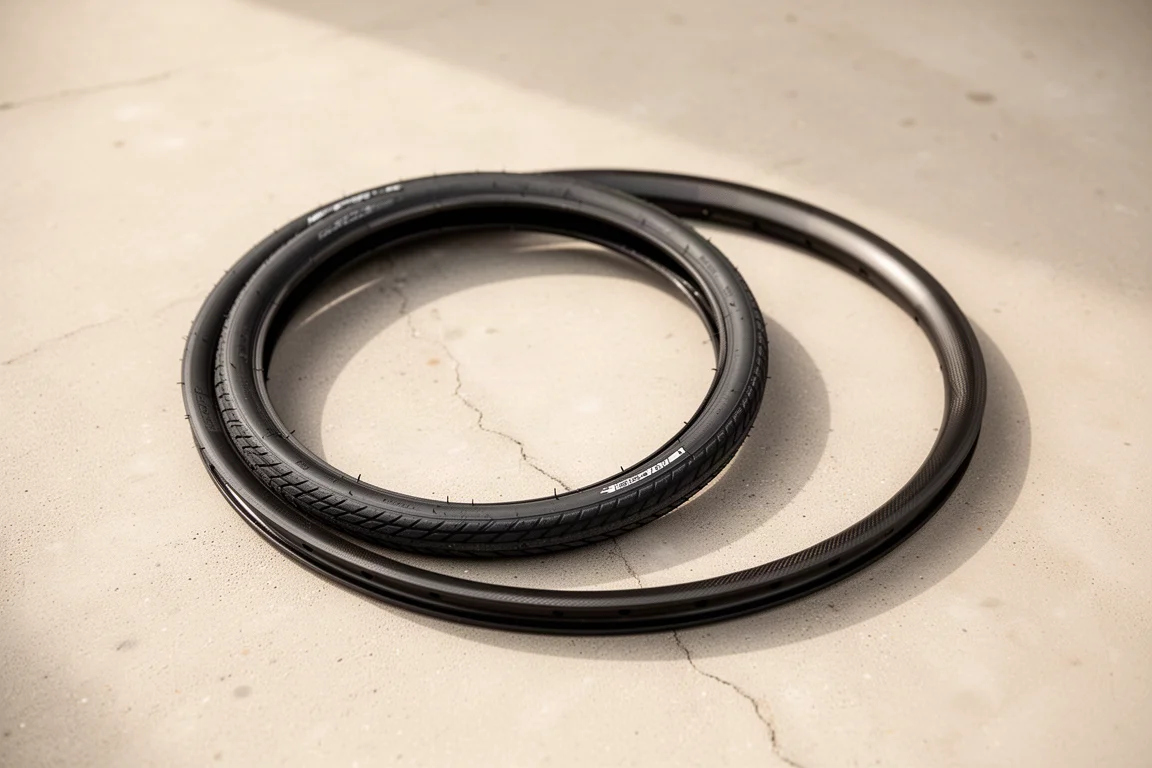
The race-day tire is a track-specific model weighing around 165 g per tire. It is tubular, extremely light, and about as far from a durable training tire as it is possible to get: the construction is fragile and there is effectively no puncture protection at all.
The width is narrow, nominally 23 mm, and measured in the workshop at 22 mm. On smooth tarmac that is fine. On a rough hill climb surface it is a calculated risk, and the tire is very much a race-day-only proposition.
What it buys is a meaningful reduction in rotating weight at the point on the bike where it matters most. For a rider chasing a personal best on a steep, clean gradient, that trade can be worth making.
Schwalbe Pro One TT: The Wet-Weather Option
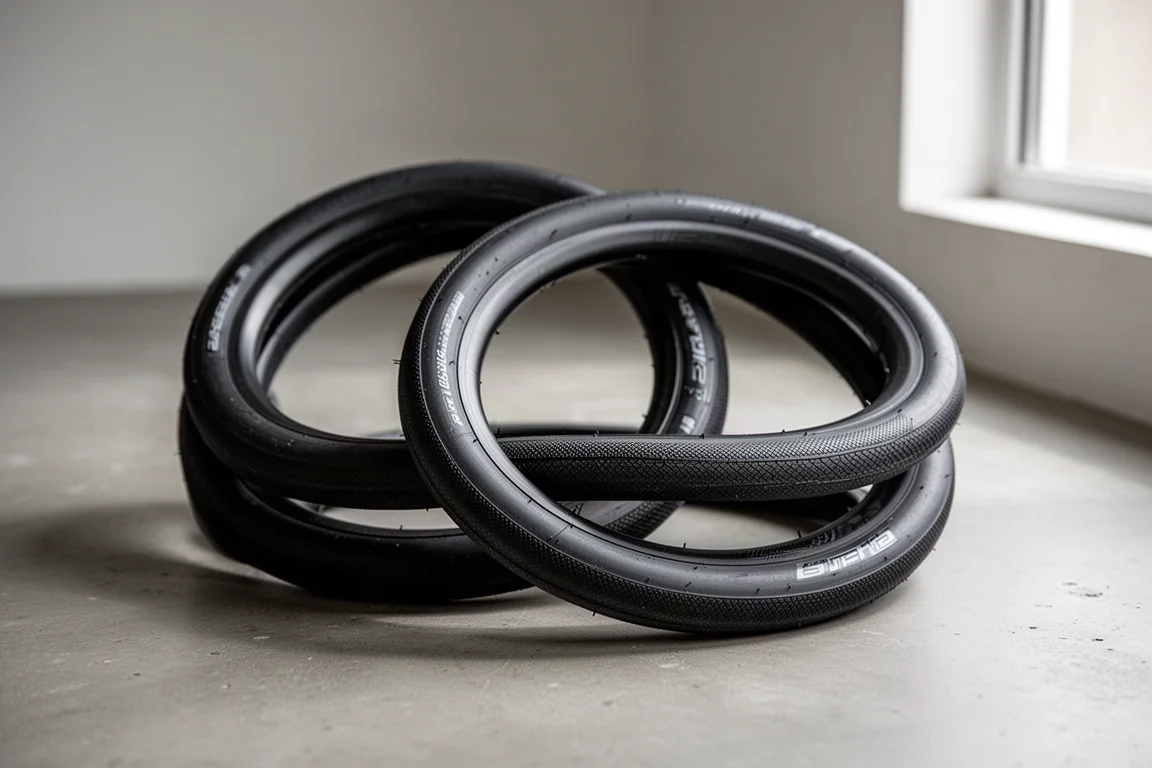
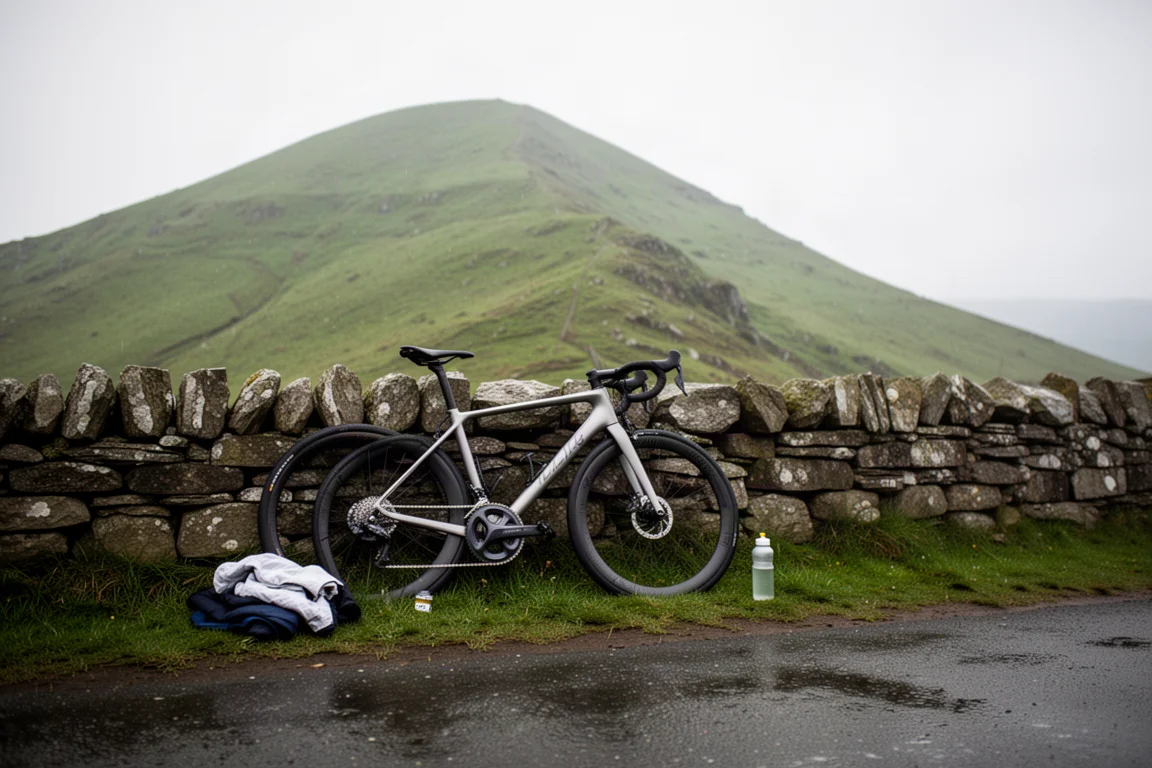
The second tire setup is the wet-weather choice: a tubeless 25 mm road tire that is noticeably wider than the race-day option. The extra width allows lower pressures, and lower pressures mean more grip, particularly at the rear wheel where a hill climb rider is putting down serious power on surfaces that are not always well maintained.
In wet conditions, pressures have to be dropped substantially to find that grip, and the same approach applies here. The tire feels grippy to the touch even though the tread does not look especially aggressive, and a good deal of wet-weather confidence comes down to trusting the setup rather than the tread pattern alone.
Running two tire options means a decision has to be made before the race, and it is a decision that depends on the weather and on testing both on the actual course.
Shimano Dura-Ace: The Drivetrain
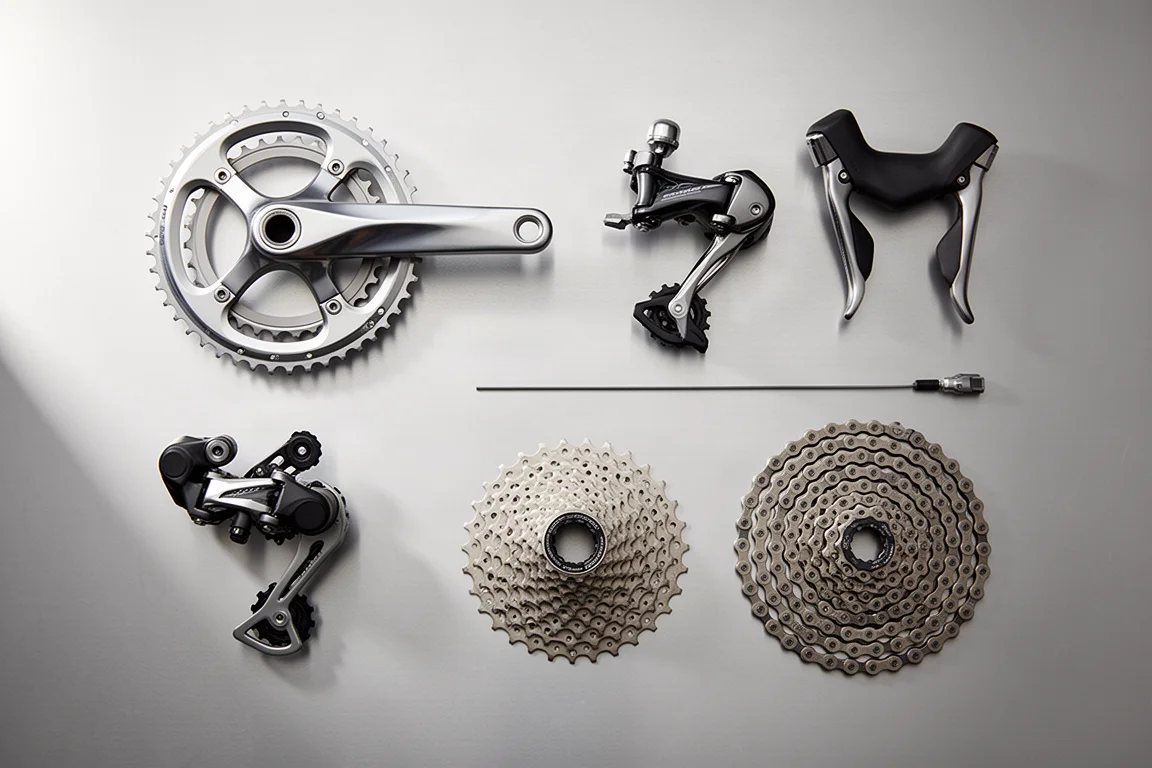
The drivetrain is a 12-speed Dura-Ace build run as a 1x setup with an 11-30T cassette. A single chainring saves the weight of a front derailleur and a second ring, but on a course with a flat section and a descent, the full cassette range is needed rather than the pared-back block of cogs that pure uphill specialists sometimes run. With only one chainring at the front, the gear ratios are always going to be a compromise somewhere.
There is a second compromise here, and it is the riskiest part of the bike after the tires. Because a narrow-wide chainring is not available in the required fitment, the build runs a standard chainring, and the rear derailleur has no clutch and there is no chain catcher. In practice the setup has felt secure on test rides, but the margin for error is thinner than it would be on a two-ring bike.
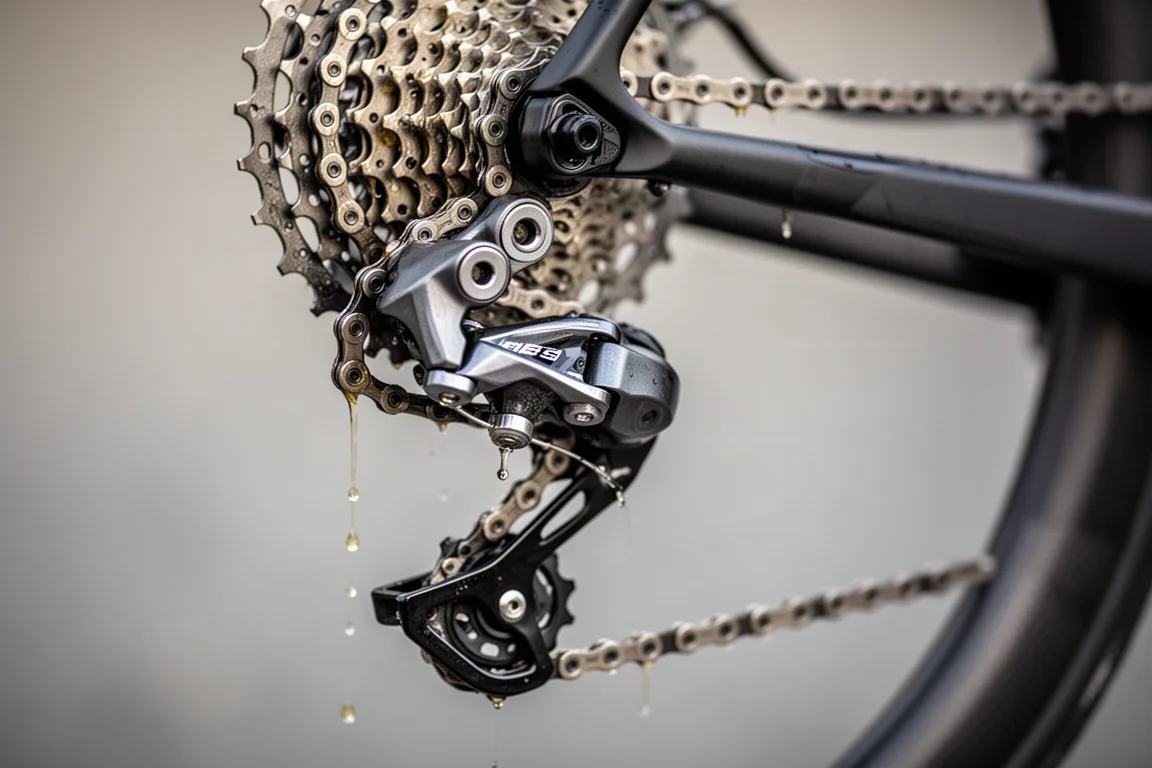
The chain is waxed, which is a first for this rider. The difference shows up in how smooth the drivetrain feels, and waxing is also claimed to free up a small amount of drivetrain friction.
Rotor INspider: The Power Meter
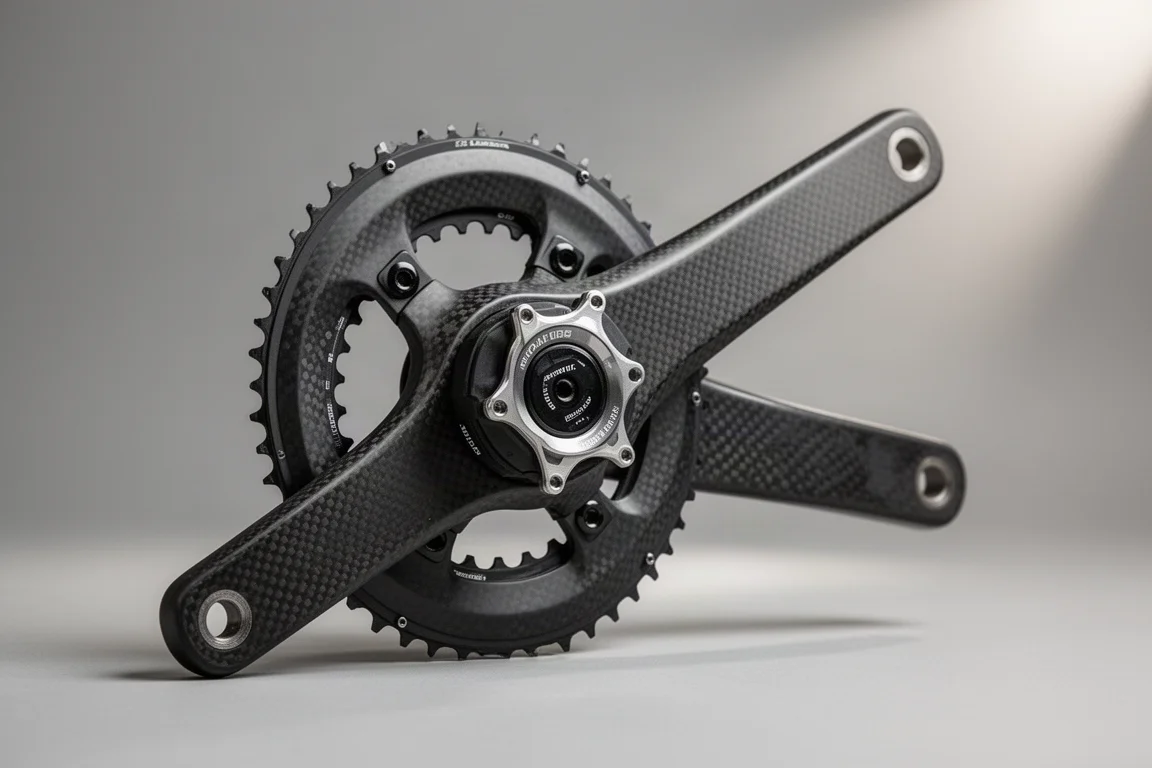
The power meter is a spider-based unit that has been carried over from previous seasons, and that continuity is deliberate. Keeping the same meter means power data can be compared directly from one year to the next, which matters more than a marginal weight saving when training and race efforts are being benchmarked against each other.
The cranks, however, are new. They have moved from aluminium to carbon, which trims weight and adds stiffness at the same time. Together with the frame, wheels and drivetrain, the crankset completes a build where every structural component has been chosen with the same question in mind: does this make the bike faster up a gradient?
Overall Buying Advice
Most riders do not need a 5.66 kg hill climb bike, and the honest way to think about this build is as a set of lessons rather than a shopping list.
If you race hill climbs, the frameset is the sensible place to start, because it determines how the bike feels under load and how much weight you have left to remove elsewhere. Wheels are the next most efficient place to spend, since rotating mass and stiffness both show up immediately on a steep gradient. Tires are where the biggest gains and the biggest risks live: the race-day option here is genuinely fragile, and it only makes sense if you are comfortable accepting that.
The drivetrain choice is the one worth copying most carefully. A 1x setup with a wide cassette is a good fit for mixed-gradient courses, but the lack of a clutch or chain catcher is a real consideration, and riders who value reliability over the last few grams should weigh that up honestly. The disc-brake conversion, meanwhile, is simply the direction the discipline is moving, and this build shows that the weight cost can be managed with attention to the small parts.
Conclusion
A hill climb bike at this level is not a machine you buy off the shelf. It is a series of decisions, each one trading something away. Disc brakes cost weight, so the rotors and adapters are made as light as possible. A single chainring saves a derailleur, so the cassette has to cover more range. A 165 g track tire is fast, so it offers no protection at all. What makes the build worth studying is that those trade-offs are made deliberately, and the result is a 5.66 kg bike that is still practical enough to race on a course with a descent in it.
Further reading
Related Reviews
Cycling Components
A 20,000-Mile Budget Race Bike Build: Five Parts Worth Knowing
A rim brake race bike assembled from low-cost components and ridden for 20,000 miles. Here is what delivered real speed, what caused problems, and what to weigh before copying the formula.
Cycling Components
7 Bike Fit Products Fitters Avoid: What to Check Before You Buy
Seven bike components that regularly cause knee, foot and saddle problems, with the specific concerns behind each one and what to look for instead.
Cycling Components
Four Affordable Bike Upgrades That Improve Ride Feel
Four low-cost cycling products that make a real difference to ride feel, plus the free setup changes worth trying first.