Backpacking Gear
Six Innovative Ultralight Backpacking Gear Picks Worth Knowing
Six small, light backpacking items that handle digging, firewood, tinder, coffee, camp footwear, and camp power without adding bulk to your pack.
Introduction
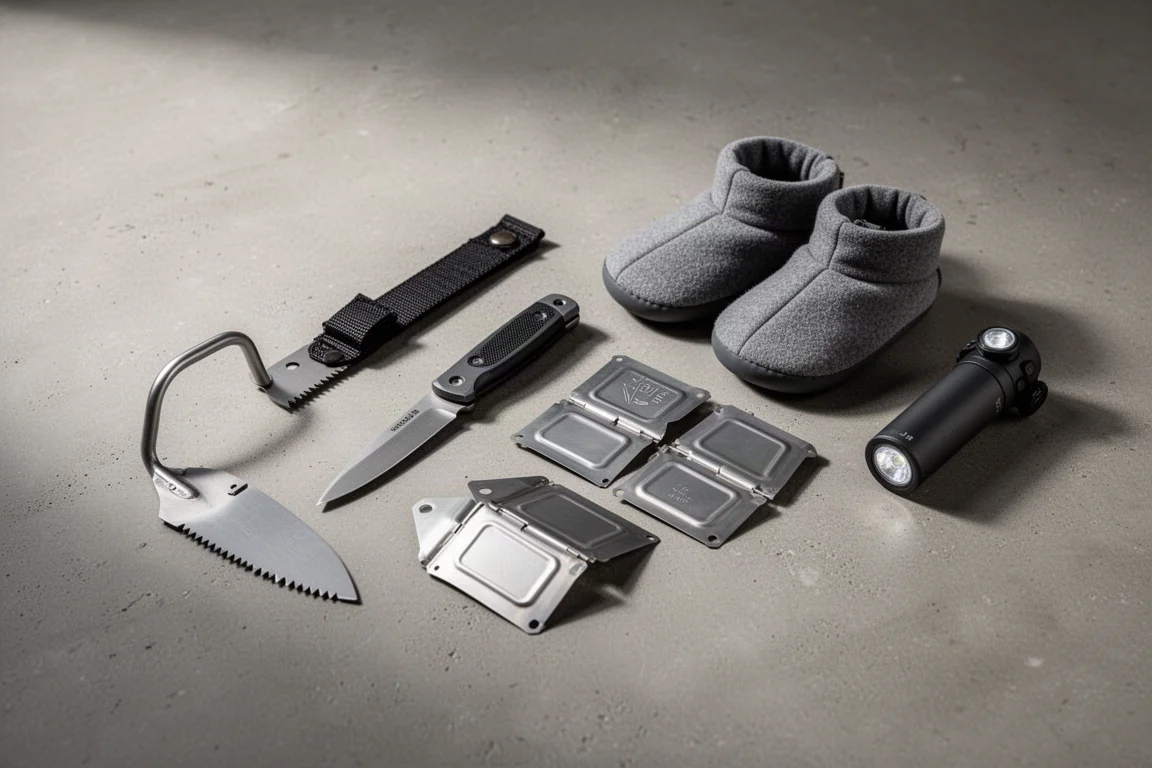
Ultralight backpacking gear keeps getting smaller, and the most interesting pieces are often the ones that replace a heavier tool with something that weighs less than a snack bar. The six items below cover the small jobs that come up on almost every trip: digging a cat hole, processing firewood, cutting tinder, making coffee, keeping your feet comfortable around camp, and covering light plus power.
Each one is light enough to justify the space it takes and specific enough to earn a place in a pack. Together they weigh between 13 and 100 grams per item, and each solves a narrow problem properly rather than trying to do everything.
What to Look For in Ultralight Backpacking Gear
Three questions separate a genuinely useful ultralight item from a novelty. First, how much weight does it replace? A 13 gram trowel that stands in for a 32 gram model, or a 21 gram saw that stands in for a folding saw over 200 grams, changes what you are willing to carry on a longer trip. Second, can it be repaired or refitted? Tools that accept standard, replaceable parts tend to stay in service far longer than sealed, single-purpose designs.
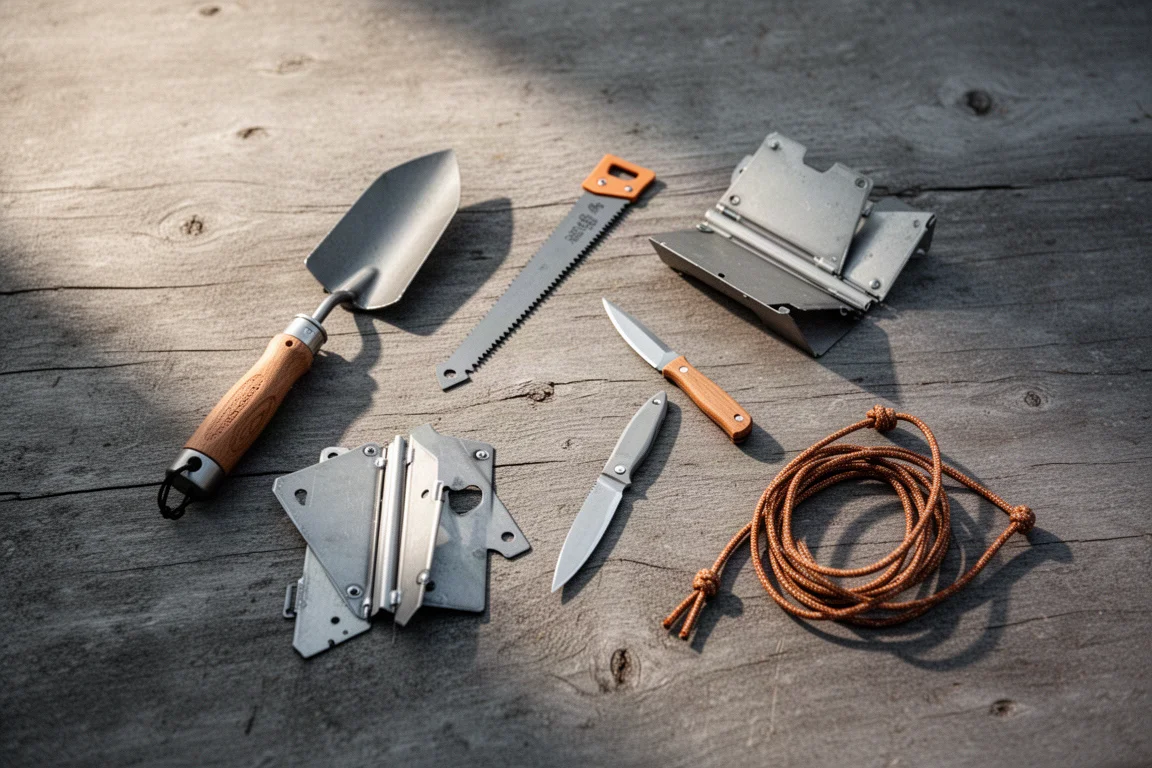
Third, does it match the trips you actually take? A saw sized for three to four inch limbs is ideal for a hot tent stove or a small campfire, while a tool built for larger timber is heavier and rarely needed. The same logic applies to footwear and camp lighting: the right item is the one sized for the conditions you meet most often, not the most extreme trip you can imagine.
A fourth consideration is the quality of the interface rather than the headline feature. Handles, end caps, cinches, and magnetic connections decide whether a light item still feels pleasant to use after a full season. Warranties are worth checking too, since a lifetime warranty on a simple hand tool is a strong signal that the maker expects it to last.
Bogler Trowel: A 13-Gram Digging Tool
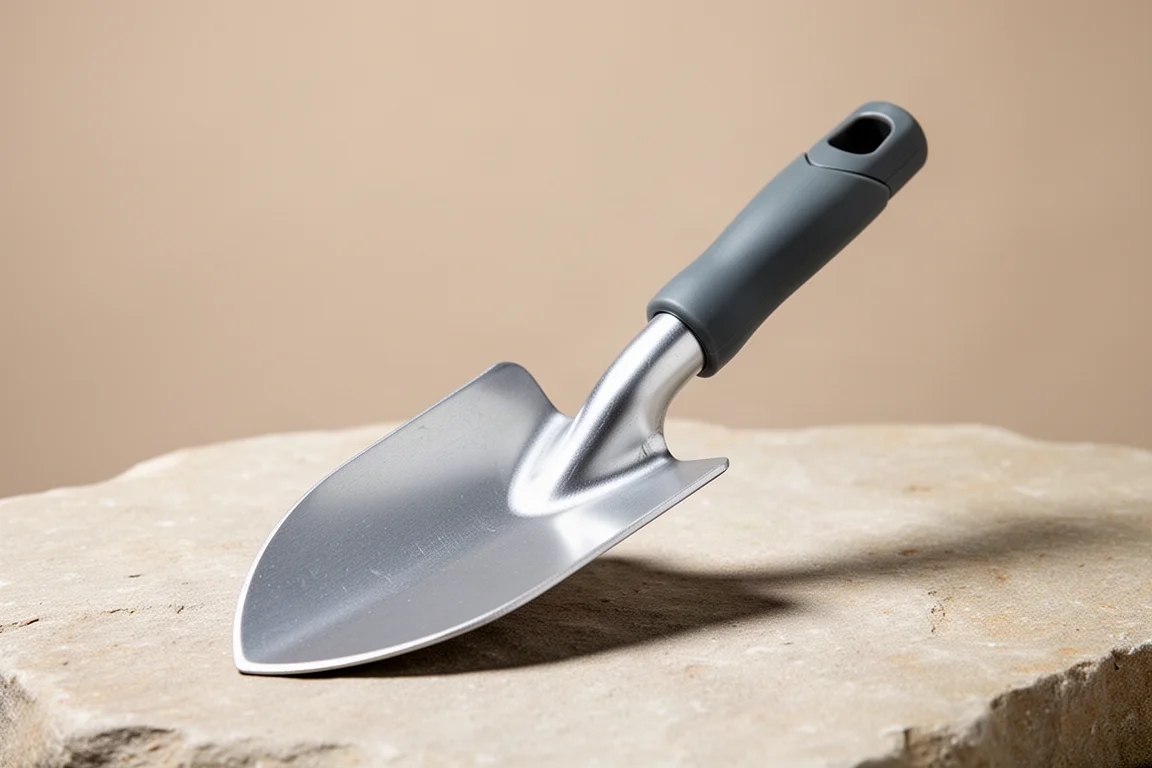
The Bogler Trowel weighs 13 grams and costs $18.50, which makes it less than half the weight of a 32 gram Vargo Dig Dig Trail trowel. It keeps the feature that matters most in rooted soil: a serrated section running along one full edge, so you can cut through roots instead of fighting them. The handle end carries a cap that gives you something solid to push against when the ground is firm.
Small holes run through the body to trim weight and add a little grip, and the edges are slightly curved so the tool sits more comfortably in the hand. The design has been through a long series of iterations, and the result is a simple, solid device. It has handled hard snow with ease and doubled as a repotting tool at home, although it has not yet been tested in soil.
The trowel also comes with a lifetime warranty, which is a meaningful detail on a tool this minimal. For backpackers who dig a cat hole most mornings, that combination of low weight, serrated cutting, and a comfortable push surface covers the essentials.
Renegade Microlight Saw: Small Fires, Small Weight
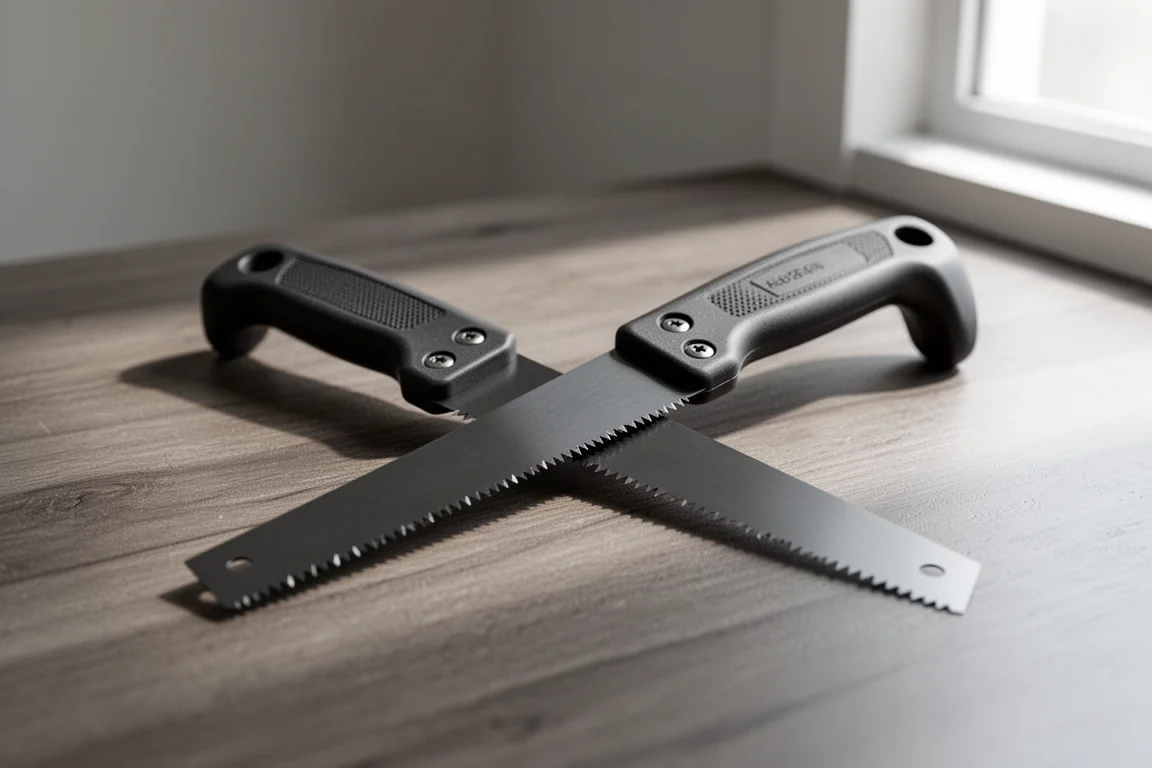
The Renegade Microlight Saw costs $22 and weighs 21 grams, against more than 200 grams for a Silky Pocketboy folding saw. It will not process a large tree, but it handles three to four inch thick limbs, which is enough for a hot tent stove or a modest campfire. The handle is made from a strong nylon and has held up without durability problems.
The most useful detail is the blade standard. The saw runs on T-shank jigsaw blades, so you can fit longer 10 inch or 12 inch blades, or swap in metal cutting blades and use the same handle for small hacksaw jobs around the house. Replacement blades are inexpensive and easy to find, which turns a tiny camp saw into a tool that keeps earning its keep long after the trip.
That flexibility is what separates it from a fixed folding saw. You are not locked into one blade length or one material, and a worn blade is a cheap part rather than a replacement tool.
Renegade Ultralight Knife: A Razor Blade in a Nylon Handle
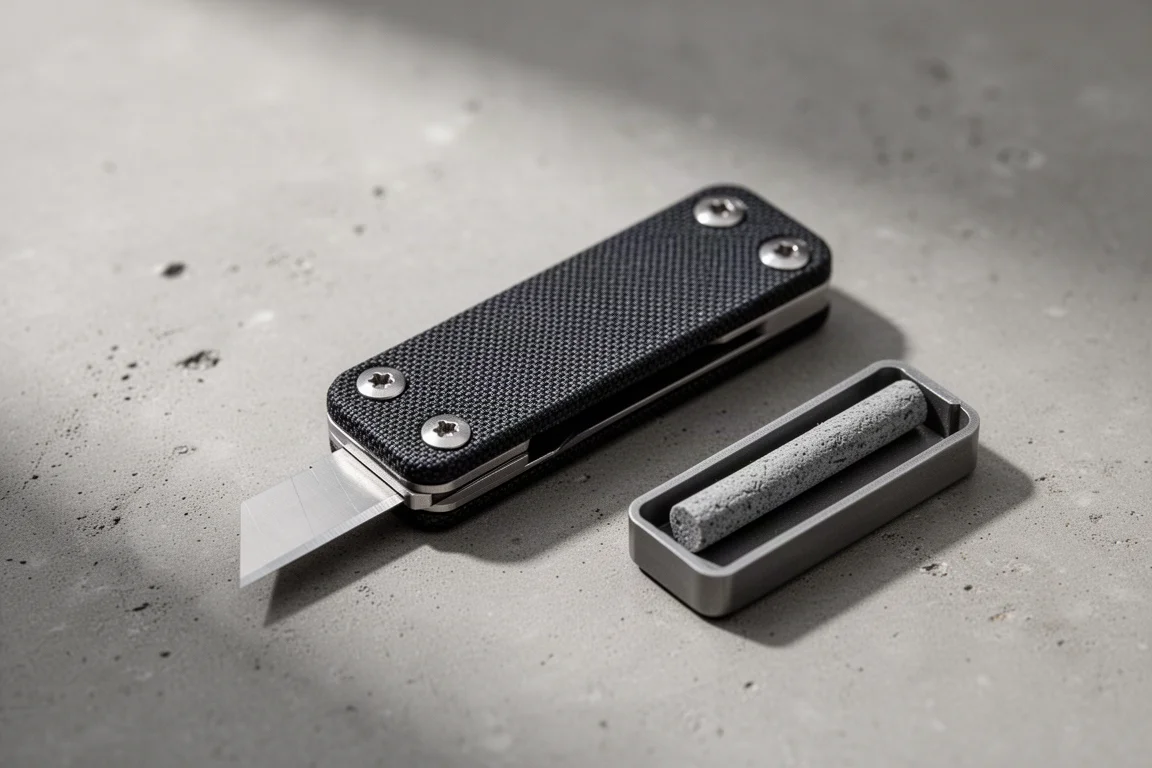
The Renegade Ultralight Knife uses the same robust nylon as the saw, with a razor blade locked into the handle by three screws. At $18 and 18 grams, it is lighter than a folding knife over 30 grams. It is not as robust as a heavier folding knife, but it handles small camp tasks well: shaving wood to start a fire, cutting food, and general tinder preparation.
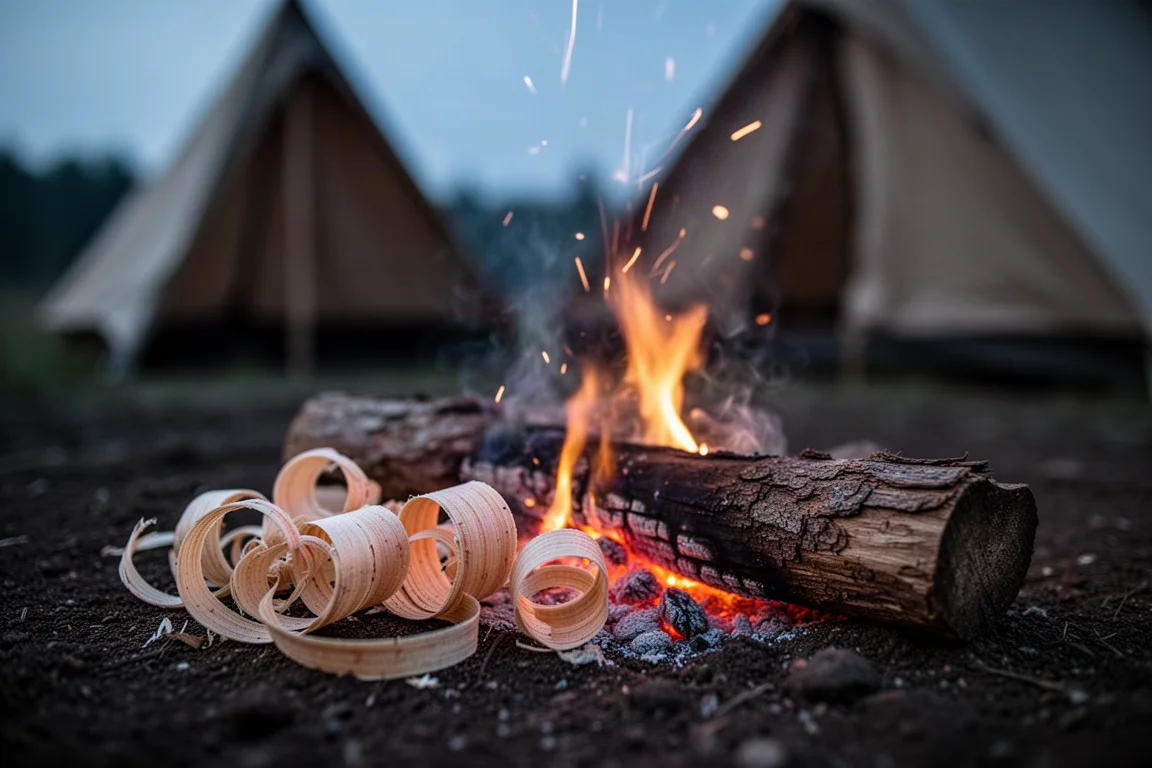
The detail that makes it more than a blade holder is the cap. The cover for the blade carries a ferro rod, so the same tool that shaves tinder can also throw sparks onto a fire starter. Combined with replaceable blades and a handle you can re-tighten with a screwdriver, it works as a compact cutting tool and fire kit in one.
For anyone who already carries a heavier knife, this is a supplement rather than a replacement. For lightweight trips where the knife only needs to open packaging, prep tinder, and start a fire, it covers all three jobs at a fraction of the weight.
Suluk 46 Coffee Drip: Four Titanium Panels
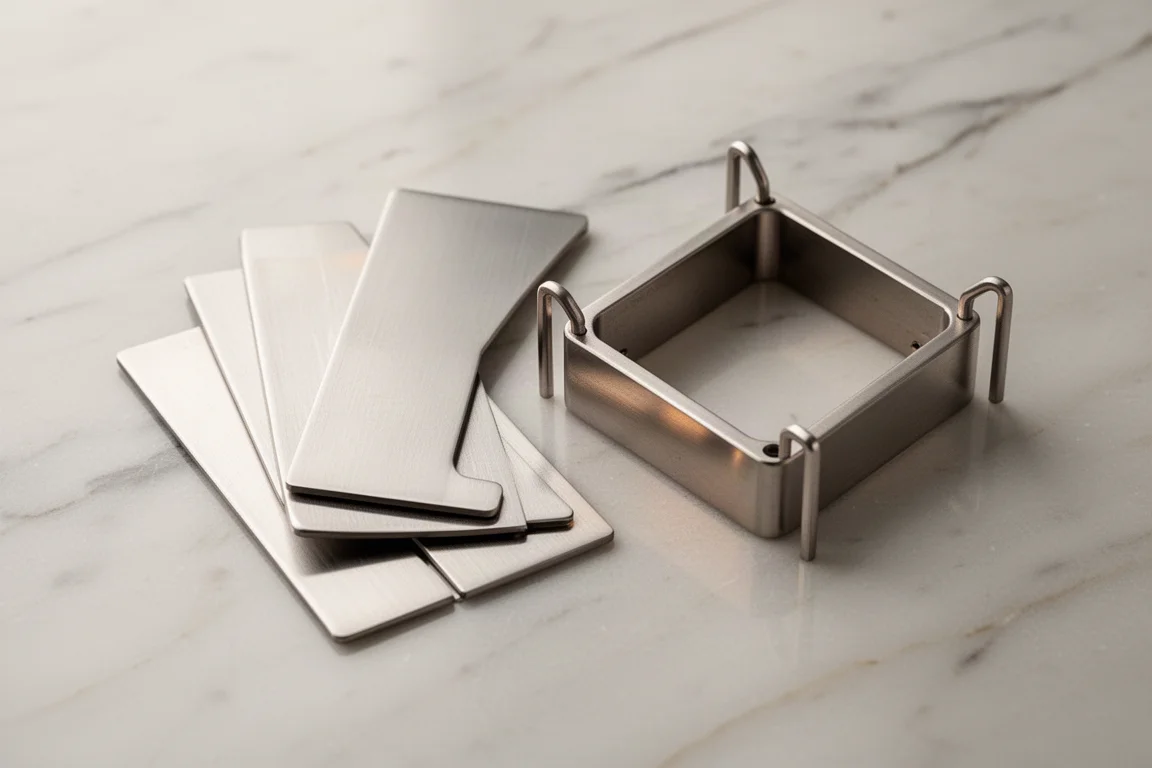
The Suluk 46 Coffee Drip is built from four titanium panels that slide together into a square dripper with arms on each side. The full set weighs 42 grams and costs $44. The arms rest on the rim of your mug, a number 2 coffee filter drops into the frame, and you pour hot water over the grounds to brew a proper cup in camp.
The filter choice is yours. A reusable cloth filter weighs about 5 grams and avoids waste on every trip, while compostable paper filters can go straight into the fire afterwards. Once brewing is done, the whole setup packs down flat, and a used stuff sack makes a tidy place to store the damp filter.
The upfront cost is higher than a jar of instant coffee, but the trade is real coffee in the backcountry for very little carried weight. For backpackers who have never been happy with instant options, this is one of the simplest comfort upgrades available.
Goose Feet Over Booties: Camp Footwear That Packs Small
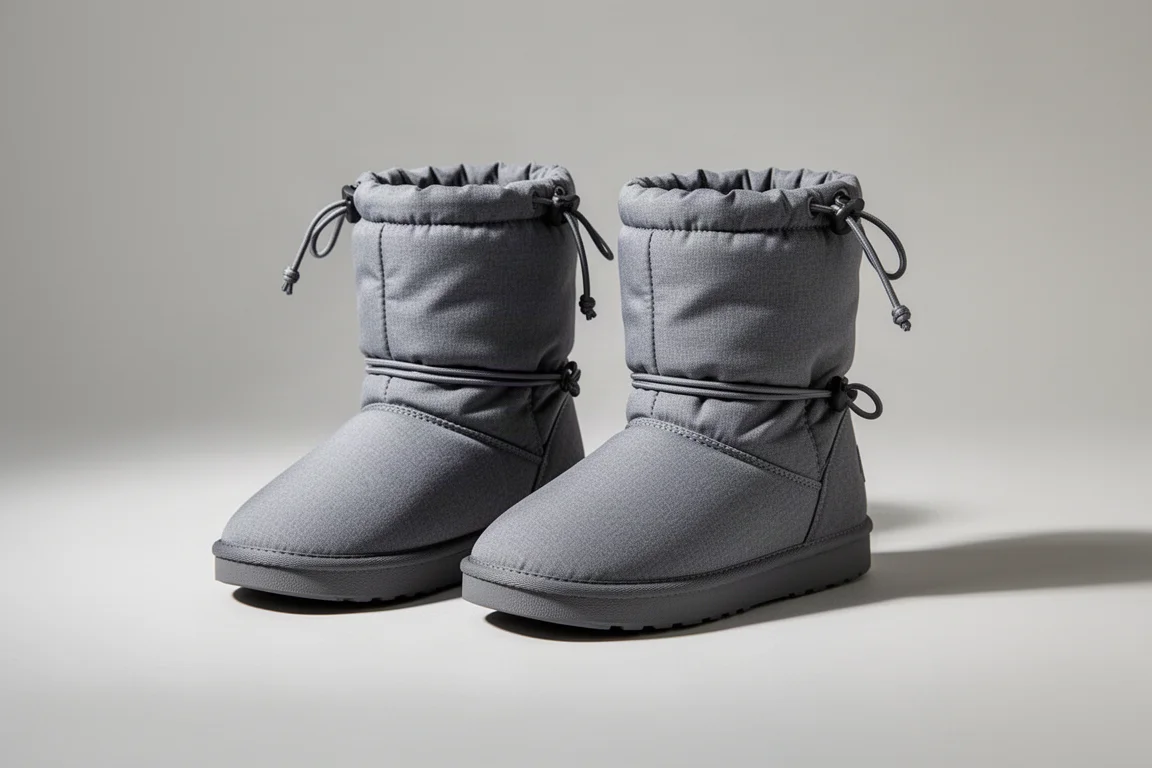
The Goose Feet Over Booties weigh 62 grams for the pair, or 31 grams each, and they exist for one purpose: protecting the insulation booties you wear inside your sleeping bag. They are designed to layer over a down or synthetic bootie, so you can walk around camp or make a middle of the night trip outside without grinding dirt and moisture into your sleeping insulation.
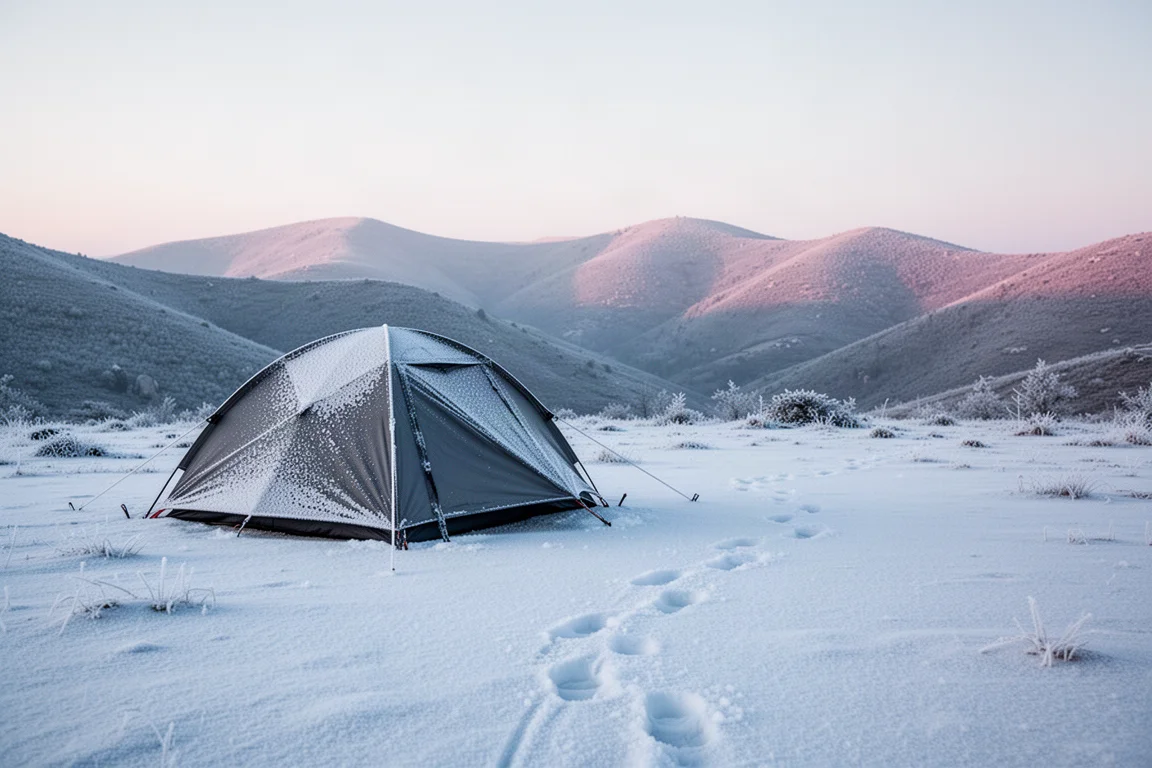
The fabric is waterproof, and a thin layer of synthetic insulation underfoot adds a little warmth and separation from cold ground. Two cinches handle the fit: one at the top to close the opening against deep snow, and one around the ankle to lock the bootie in place. For full waterproofing you will want to seam seal them yourself.
They are a narrow solution, but a genuinely useful one for cold weather camping. If you already carry insulation booties, adding a shell layer this light keeps them clean, dry, and usable for far longer.
Nitecore 21700 iBS Intelligent Battery System: Light and Power in One
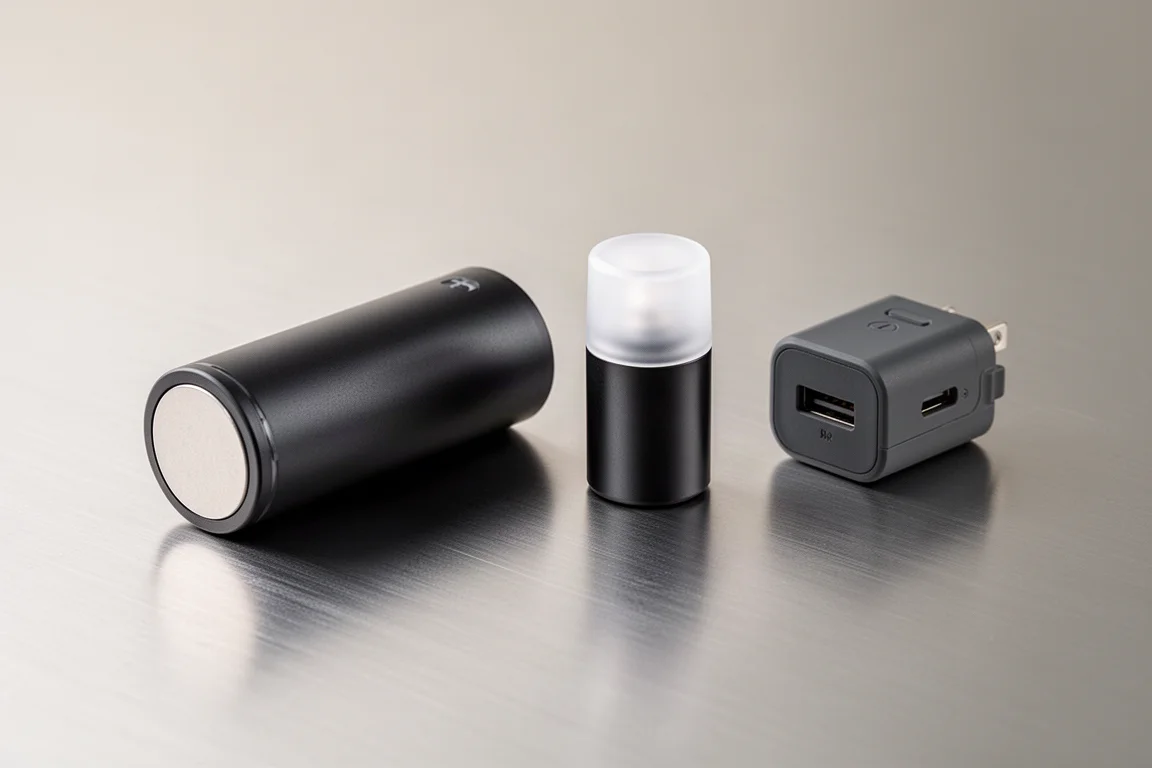
The Nitecore 21700 iBS Intelligent Battery System is three components that connect magnetically: a 5,000 milliamp hour battery at 75 grams, a light attachment at 13 grams, and a charging attachment at 12 grams, for 100 grams in total. Magnets sit at either end of the battery, so the light snaps onto one end and the charging attachment onto the other.
In camp, the light attachment works as a small lantern. Hanging it inside a tent gives soft ambient light, and the same light doubles as a glow stick when you want something less harsh than a headlamp beam. Remove the light, fit the charging attachment, and the battery becomes a power source: a USB-A port lets you charge a phone, a headlamp, or another small device.
The trade off is speed. The system charges slowly and discharges slowly, so it suits topping up small devices overnight rather than fast charging a phone. As a light and a battery in one 100 gram package, though, it covers two camp needs with a single item.
Overall Buying Advice
Work backwards from the trips you take. If you dig cat holes in rooted soil, the trowel’s serrated edge is the feature that saves you time and frustration. If you run a hot tent stove or build small fires, the saw’s ability to cut three to four inch limbs is the practical limit that matters, and the knife adds tinder prep plus a spark source in 18 grams.
Cold weather campers should think about the booties as part of a system rather than as a standalone accessory. They only make sense alongside an insulation bootie, and they need seam sealing to reach full waterproofing, so budget the time for that before your first winter trip. Coffee is the easiest upgrade to justify, since the drip panels replace the ongoing cost and weight of premium instant coffee.
The battery system earns its place if you already carry a separate camp light and a separate power bank, because it collapses two items into one. If you carry neither, it is a new purchase rather than a saving, and it is worth being honest about which category you fall into before buying.
None of these items is expensive in absolute terms, and the two cheapest also replace the most weight. If you are building an ultralight kit from scratch, start with the tools that solve a problem you face on every single trip, then add the comfort items once the basics are covered.
Conclusion
Small, specific gear is often the best value in a pack. The six items here each weigh between 13 and 100 grams, cost between $18 and $44 where a price is quoted, and handle one narrow job well. The trowel and the saw replace the most weight, the knife adds fire starting in almost nothing, the coffee drip buys real comfort, the booties protect expensive insulation, and the battery system consolidates light and power.
Pick the ones that match your own trips, and the grams you save will be the ones you notice least and appreciate most.
Further reading
Related Reviews

Backpacking Gear
Building a 10 lb Base Weight: An Ultralight Backpacking Gear List
A practical walkthrough of the ultralight pieces behind a 10 lb base weight, from a 765 g pack and a roomy one-person tent to a full camp chair and a dependable water filter.
Backpacking Gear
A 15-Pound Lightweight Backpacking Gear List for Solo Trips
A beginner-friendly 15-pound backpacking setup built from easy-to-find gear, with notes on what each piece does, how it packs, and where to spend your attention.
Backpacking Gear
8 Ultralight Backpacking Gear Upgrades Worth Carrying
Eight small, affordable backpacking upgrades that solve real trail annoyances, from a pillow that stays put to a fuel valve that rescues leftover canister gas.