Backpacking Gear
Innovative Backpacking Gear 2026: Five Field-Tested Picks for Cold, Wet Trips
Five new backpacking items tested in cold, damp conditions, with the strengths, the trade-offs, and who each one actually suits.
Introduction
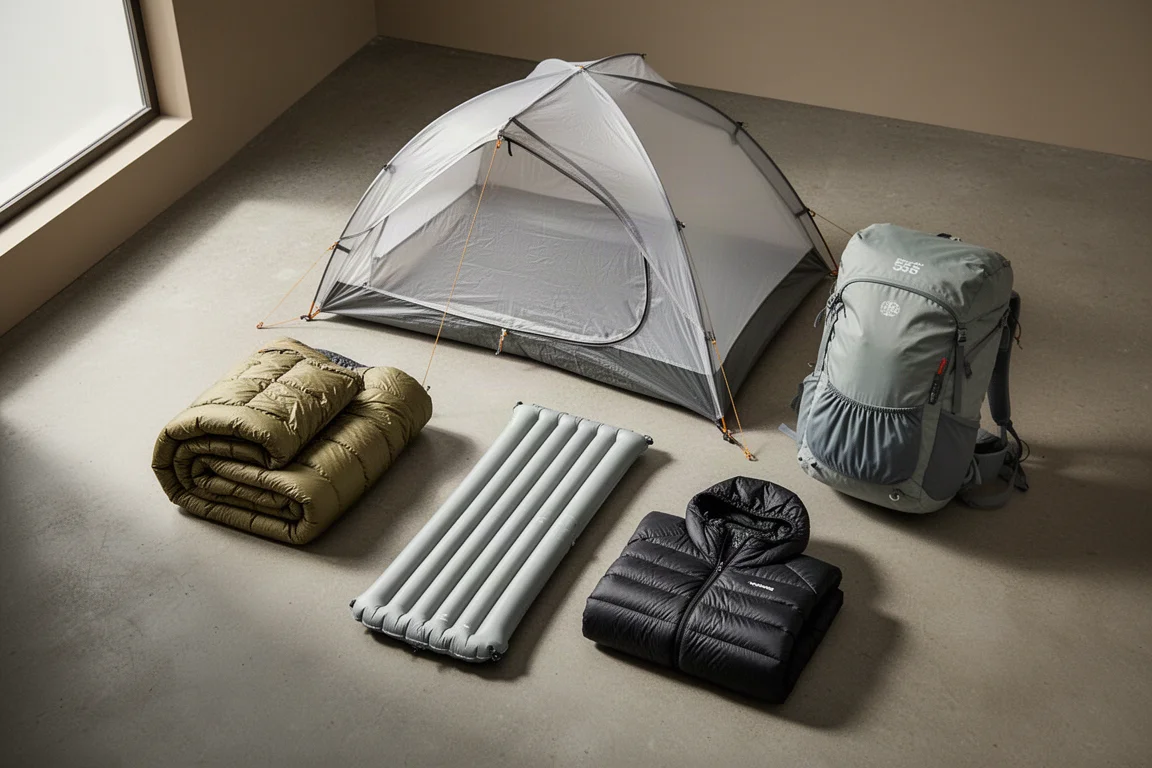
Some of the most interesting backpacking gear right now comes from brands willing to try a different approach. The five items below were tested together on an overnight trip in windy, wet conditions with an overnight low of about -3°C, which is a fair test for insulation, condensation management and load carry.
Each one takes a design risk somewhere: a tent that pitches without trekking poles, a pack with a suspension built for heavier loads, a light pad with a high R-value, a down jacket with an unusual construction, and a synthetic quilt built to be genuinely packable. Not every risk pays off, but most of them do.
What These Five Items Have in Common
All five sit in the lightweight rather than the extreme ultralight bracket, and each one makes a specific trade to get there. The tent saves weight by using a single arch pole instead of a full pole set. The pack spends weight on a frame and hip belt that carry heavy loads comfortably. The pad spends weight on insulation that pushes its R-value to 6.2. The jacket keeps its feature list short to stay at 430 g. The quilt uses synthetic insulation, which is heavier per unit of warmth than down, in exchange for better behaviour in damp conditions.
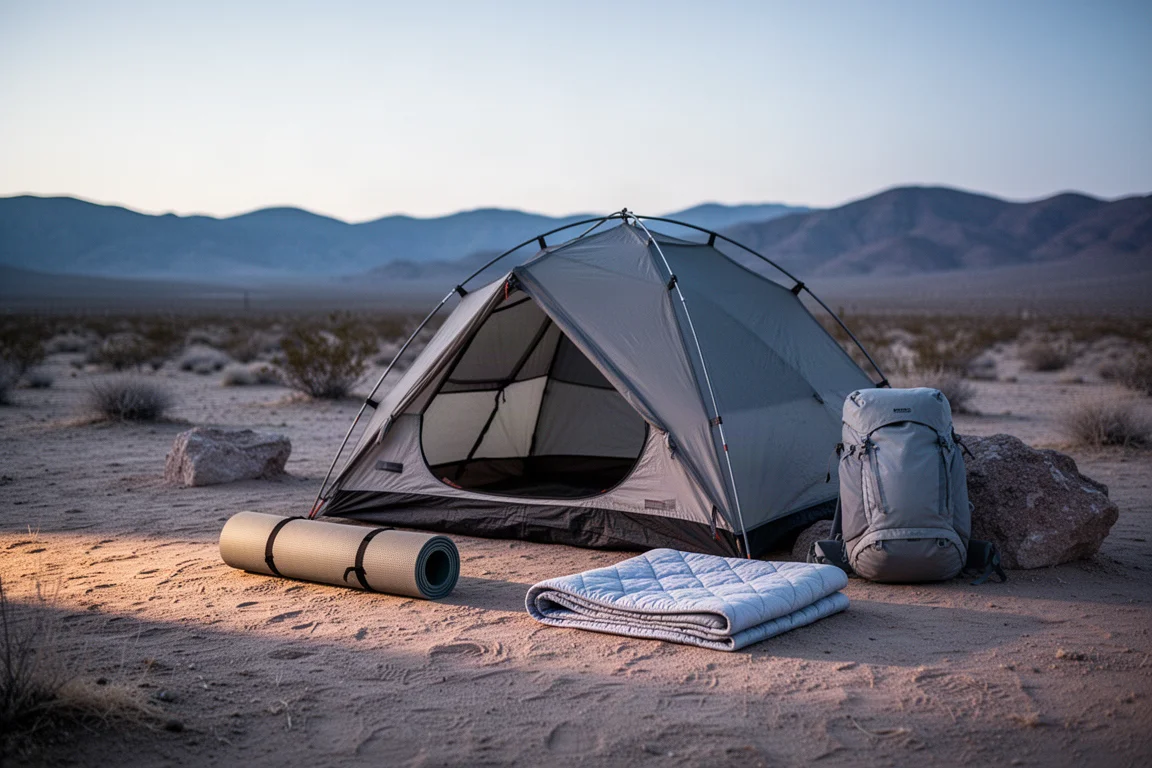
That pattern is useful when you are shopping. Every item here is trying to solve one problem well, so the question is not whether it is good in the abstract, but whether its particular trade matches the trips you actually take.
Big Agnes Pitch Pine VST 1.5: A Single-Arch Tent That Pitches Fast
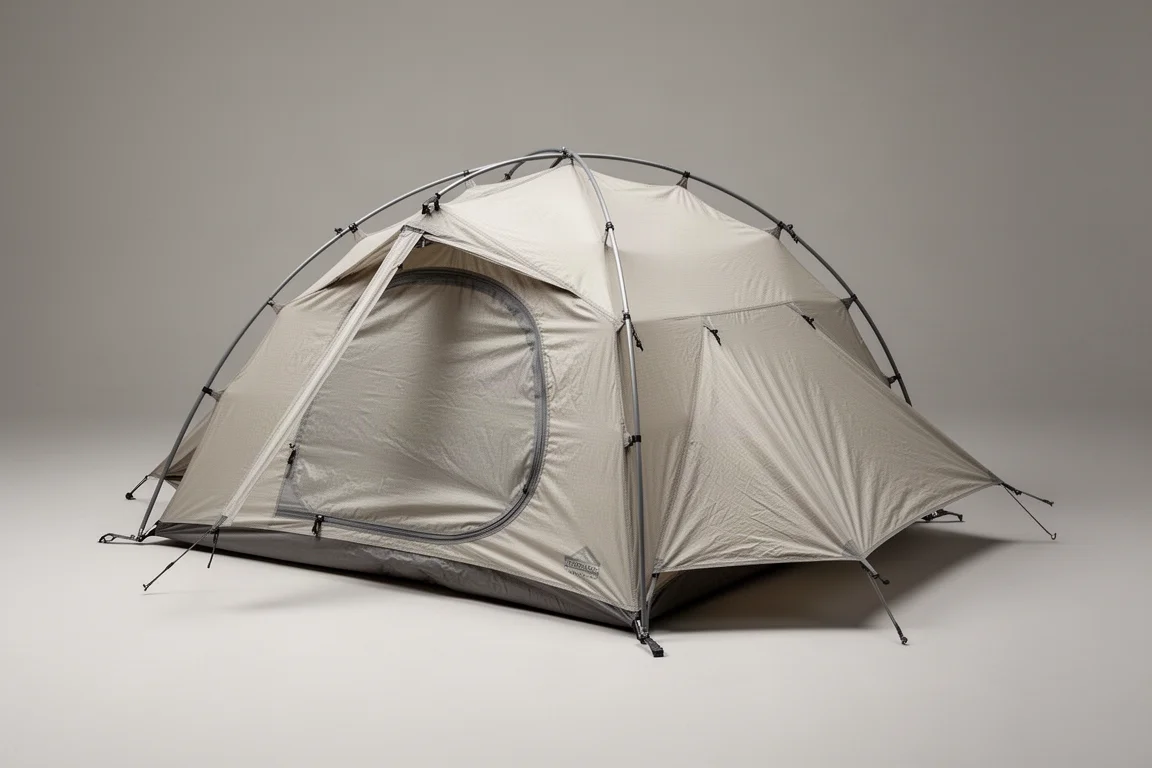
The Pitch Pine VST 1.5 is the most unusual item in this group. It weighs 781 g, sleeps one and a half people, and uses a single arch pole instead of trekking poles, so you do not need to carry or deploy poles to pitch it. It is not freestanding. With no stakes in the ground the shelter has no structure at all, so you set four corner stakes first, attach the brow pole, then add two more pegs and two optional guy-out points.
Once you have practised the sequence a couple of times it goes up quickly and consistently, and the payoff is a very small ground footprint compared with trekking pole shelters, which is genuinely useful on tight pitches.
Ventilation is the second design idea. The tent is effectively single wall, with mesh only at the door and a small amount around the base, and Big Agnes describes it as a modified double wall. Two large vents run along the top, and in moving air they should pull moisture out of the shelter. In testing, condensation did form on the inner walls, although the conditions were about as bad as they get: still, humid air after rain. Importantly, the 20 denier silpoly fly did not absorb water, sag or stretch, which is a strong result for a mainstream brand. The floor is 15 denier nylon.
Two things are worth knowing before you buy. The foot end is tight, and with a regular length pad a footbox was touching the wall for a sleeper of 5 feet 10 inches. The mesh strip between the bathtub floor and the fly also runs vertically, so condensation that runs down the walls continues down into the floor rather than draining to the ground. A horizontal strip would fix that. Big Agnes also charges $650 here without Dyneema or a carbon pole structure, which is a lot to ask.
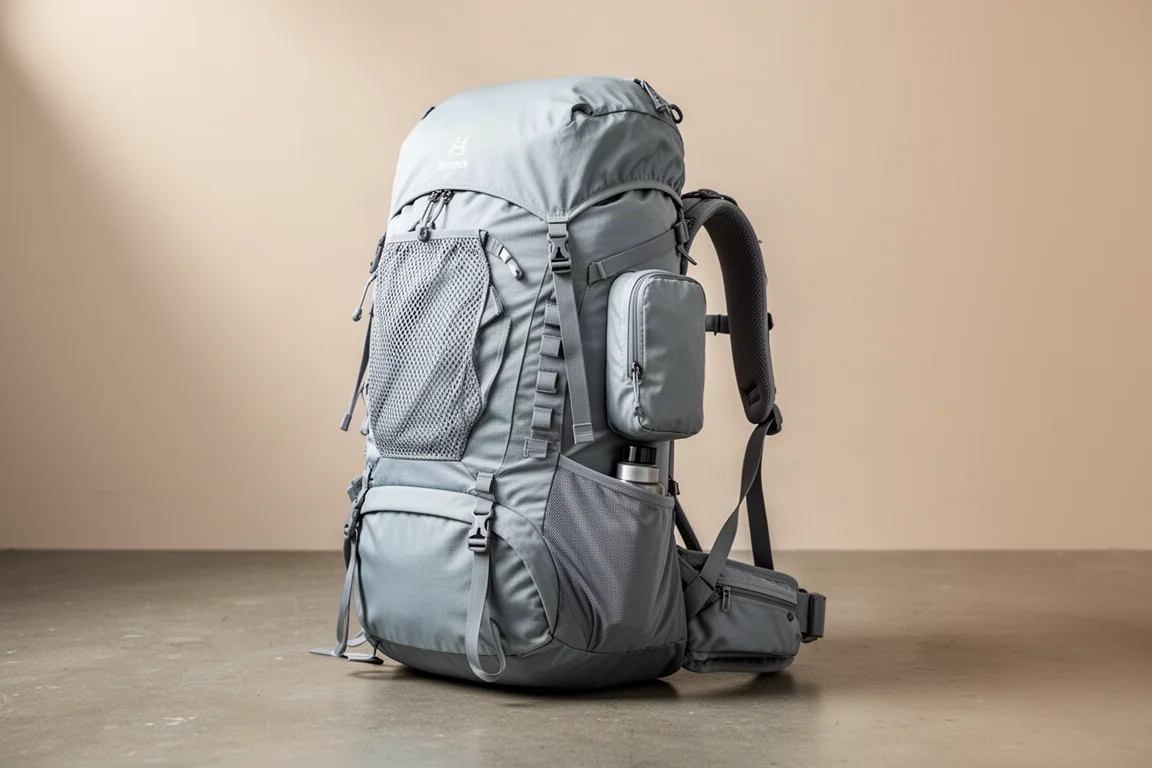
LiteWorks Daily Dose: A Modular Pack That Carries Weight Better Than Most
The Daily Dose is a 55 litre pack at around 1,200 g, so it is lightweight rather than ultralight. That weight buys a modular platform and a suspension that handles real loads. It is advertised to carry over 35 lb, and on a dry camp with roughly 15 lb of water added it carried about 35 lb comfortably across the first few miles.
The details that make it carry well are straightforward: an adjustable torso so you can dial in the fit, wide S-shaped shoulder straps that spread load across the shoulders and chest, and a large, robust hip belt.
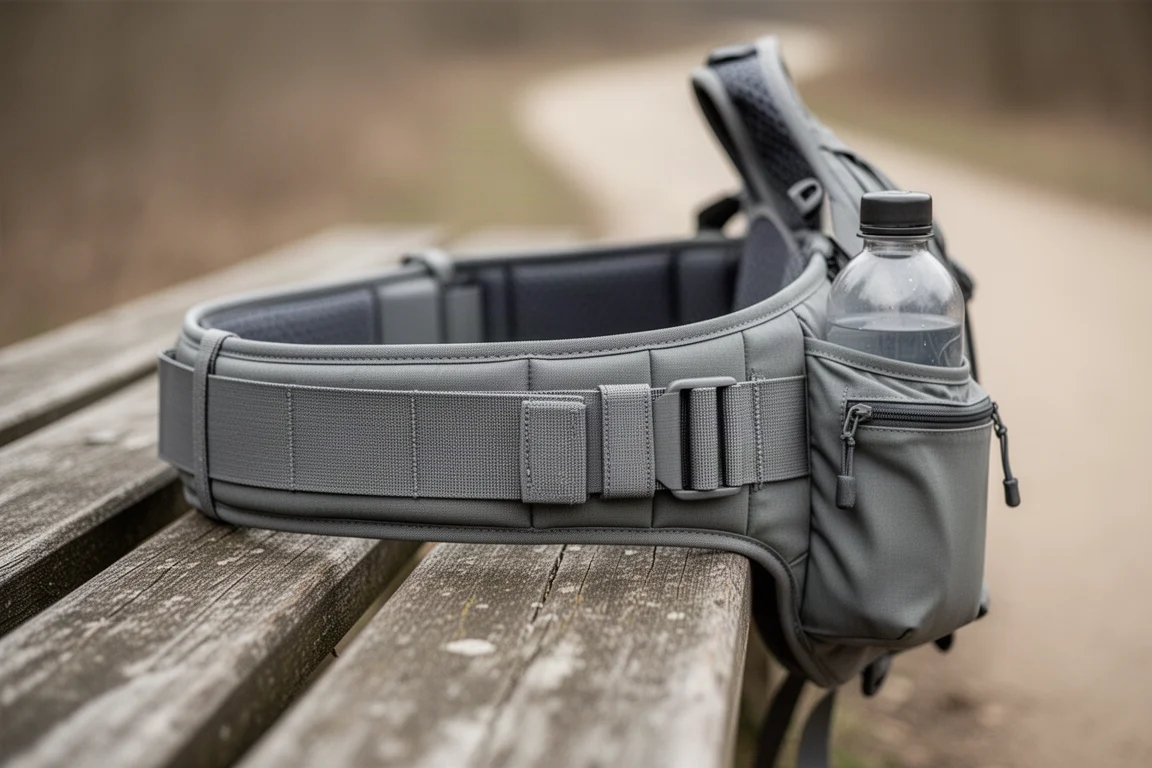
The feature list is unusually thoughtful. A waterproof zippered accessory pouch takes a wallet and keys, and although it is not taped it can be seam sealed if you want it fully waterproof. The stretchy front pocket uses a robust fabric, and the side pockets hold a bottle, though they would be easier to use if the front edge sat a little lower. There are also plenty of attachment loops for adding or repositioning straps, plus optional hip belt pockets and a shoulder pocket, with a water bottle pocket available for the other shoulder.
The main criticism is balance. The frame and suspension are more capable than a 55 litre body needs, so you will run out of volume before you run out of carry capacity. A 70 to 75 litre version of this design, or the same capacity with a lighter frame, would make more sense. Even so, if you find packs in this class uncomfortable with a heavy load, this one carries better than most.
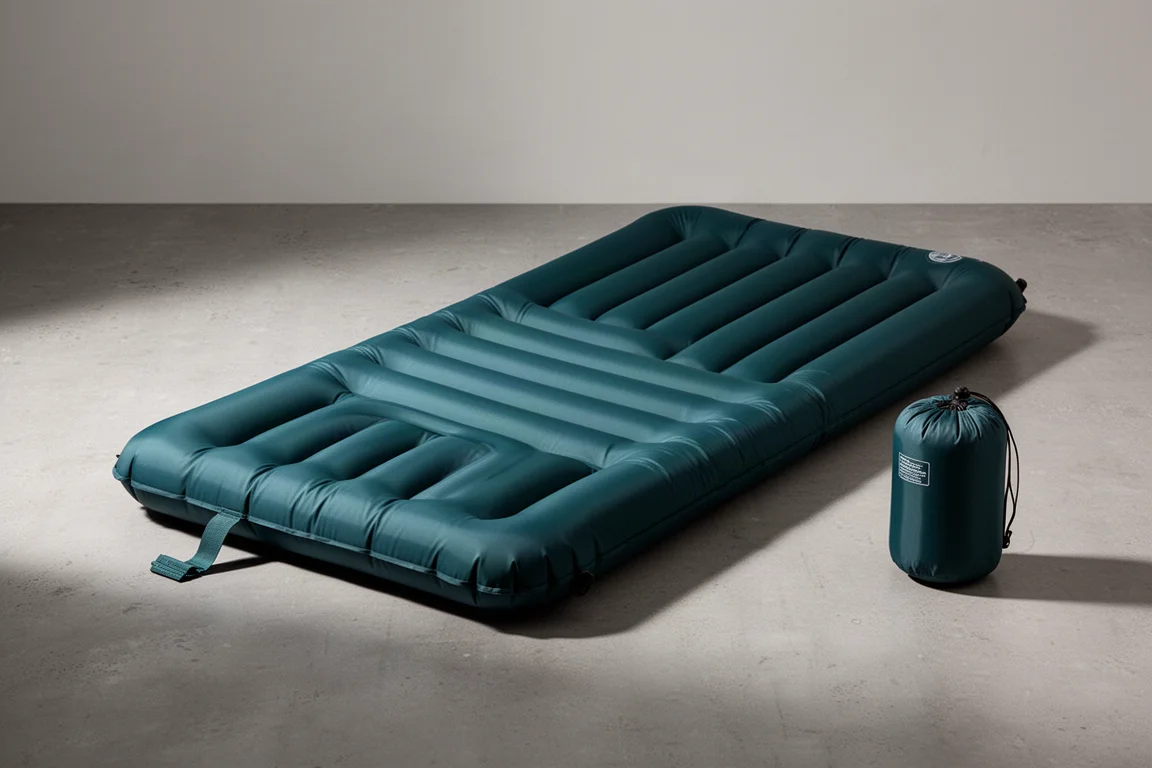
Nemo Eclipse: A Light Pad With a High R-Value
The Eclipse is a 558 g sleeping pad with an R-value of 6.2 and vertical baffles, and it is one of the most comfortable pads in this weight class. It sells for $190 in the regular wide size, which is reasonable for the specification.
Comfort was never in question. Warmth needs a caveat. On an earlier night just above freezing it slept warm, but on the colder test night, with the overnight low near -3°C, heat loss through the pad became noticeable, not severe but clear. Looking at the pad in strong light, no gaps were visible at the weld points, but the reflective insulation appears to stop short of the pad edge, which would explain some of that behaviour.
That is a narrower performance window than the R-value suggests, and it is worth weighing against how you camp. The Eclipse still takes you below freezing, stays extremely comfortable, and remains very light for what it offers. If you regularly sleep in sub-zero conditions and want margin, look carefully; for three-season use down to freezing, it is a strong choice.
Outdoor Vitals Vantage: Warmth-to-Weight at a Lower Price
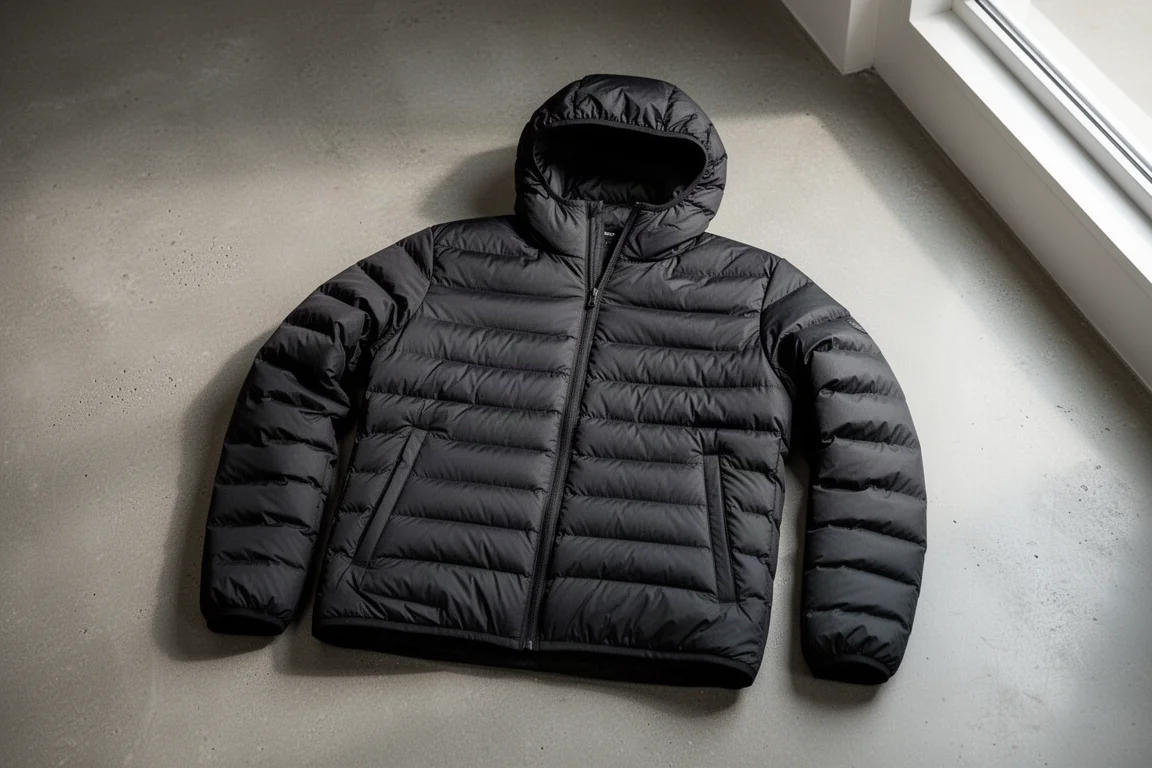
The Vantage is a 430 g down jacket built around 850 fill power down and a 15 denier shell, and its warmth-to-weight ratio is among the best available at its price. It is a no-frills design: a hood, a full zip and two hand pockets, and nothing else.
The interesting part is the construction. Outdoor Vitals uses a no-stitch build, which means there is no stitching running through the jacket to create the cold spots and heat loss you get at stitch lines. It sits between a sewn-through jacket and a fully baffled one, and for this level of warmth that looks like a sensible balance.
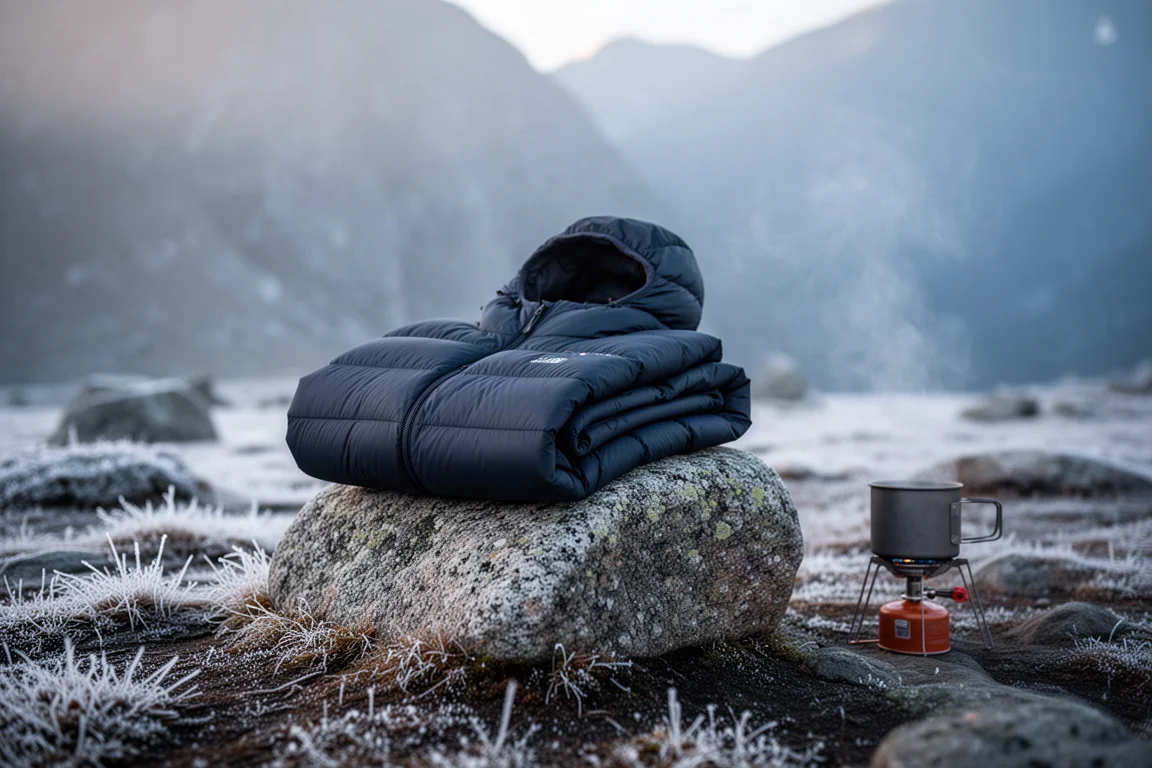
Outdoor Vitals rates the jacket for static use down to -6°C, which is a serious claim. In testing at around 3°C while sitting still, it was warm enough that hands and uninsulated legs also felt the benefit. That is a strong early result rather than a confirmation of the full rating, and confirming -6°C needs genuinely cold conditions. On the strength of it, this is a good jacket for people who run cold, and for shoulder season trips when temperatures drop below freezing in spring and autumn. At $275 it undercuts most comparable down jackets.
Zen Bivy Ultralight Synthetic Bed: Synthetic Insulation Without the Bulk
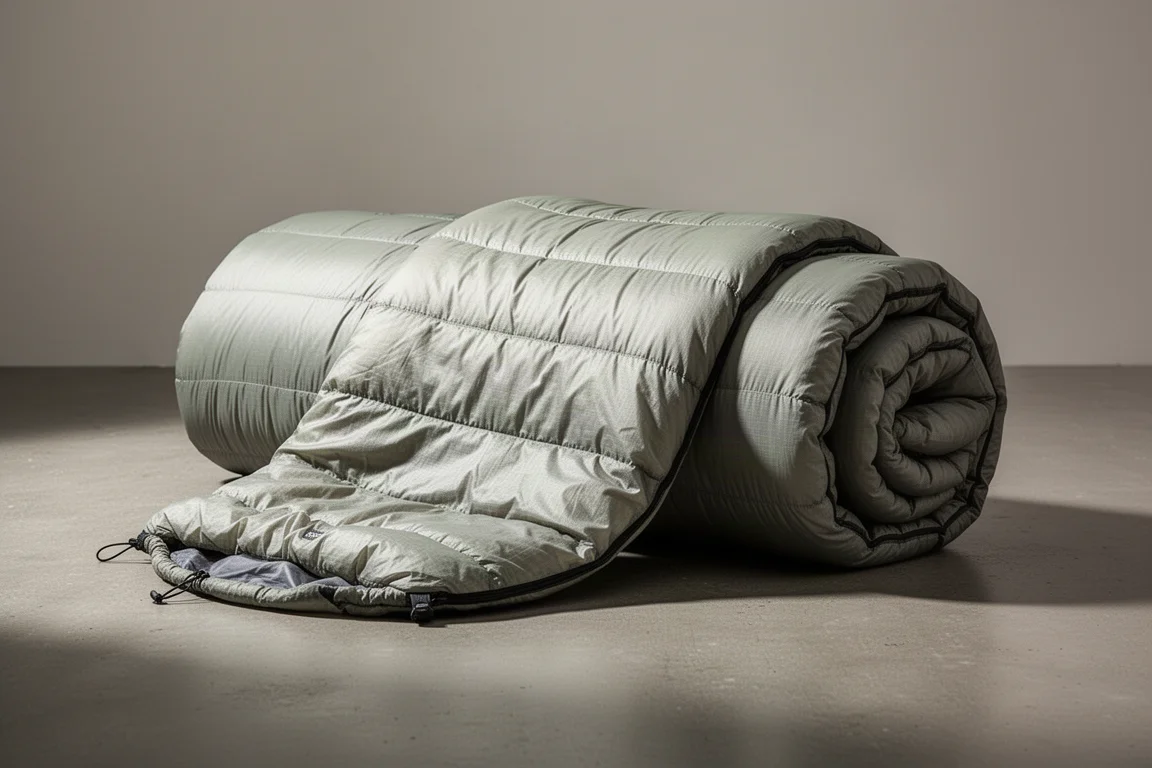
Synthetic top insulation has traditionally meant bulk and weight, which is why the Zen Bivy Ultralight Synthetic Bed stands out. It is rated to 25°F and packs small enough to disappear into a 40 to 50 litre pack, and the whole system is light enough for ultralight use even though it is not a down quilt.
The advantage shows up in wet weather. Synthetic insulation copes better with moisture and humidity than down, and it dries faster if it does get wet, which matters on trips with rain, heavy condensation or a lot of sweat. The quilt itself looks thin, and that is the main hesitation: it does not inspire confidence on a cold night.
The numbers held up in practice. With an overnight low of -3°C and only light base layers, there was no felt heat loss through the quilt, which is close enough to the -4°C rating to count as a pass. Down remains the better choice if packed size or maximum weight saving is the priority, but for most backpackers the synthetic version is the more practical buy, especially as down prices continue to climb.
Buying Advice
If you want the shortest possible answer: the jacket, the quilt and the sleeping pad are the three items here that performed as expected, while the tent and the pack are promising designs with fixable flaws.
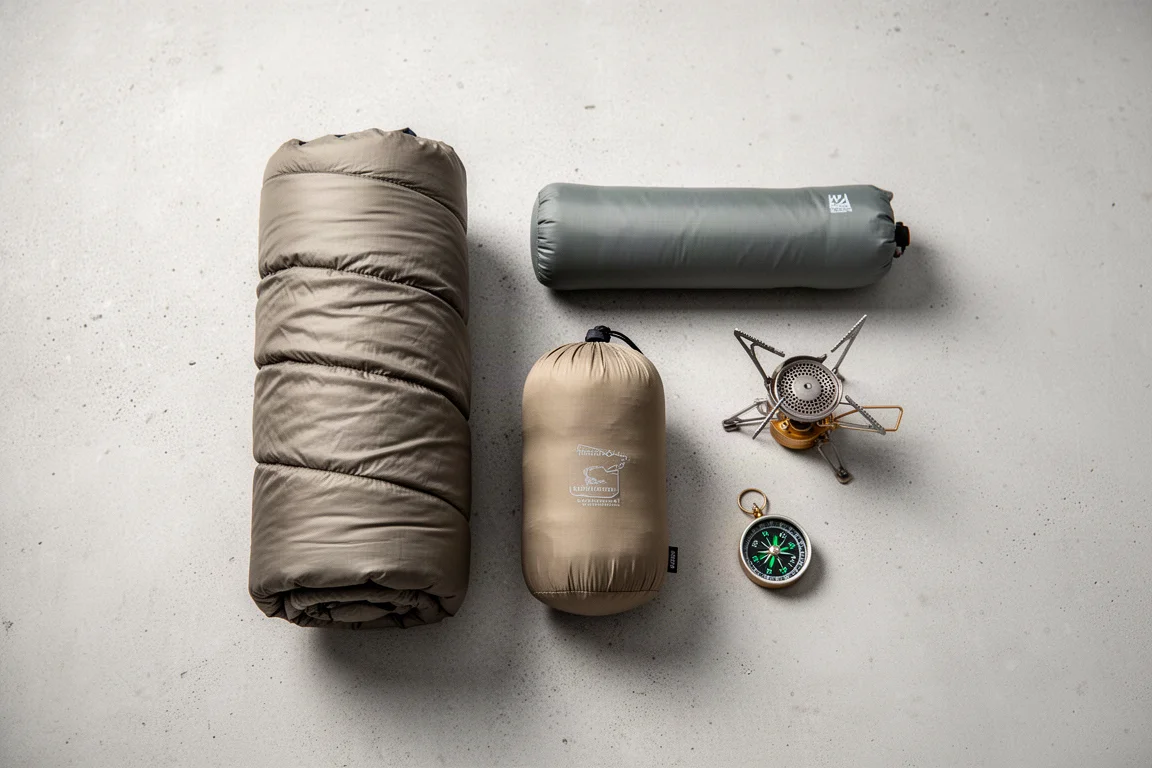
The tent is worth it if a small footprint and a fast, pole-free pitch matter more to you than interior length, and if you are comfortable pitching a shelter that depends on stakes. Budget for the $650 price and accept that a longer body and a horizontal floor-level mesh strip would make it substantially better. The pack makes sense for anyone who wants a 55 litre load hauler that stays comfortable at 35 lb, as long as you accept the weight penalty and do not need more volume.
On the sleep side, the Eclipse is an easy recommendation for three-season use down to freezing, particularly at $190 in the regular wide. If you sleep cold or camp in sub-zero temperatures often, plan for less margin than the 6.2 R-value implies. The Vantage jacket at $275 covers the shoulder seasons well, and the Zen Bivy synthetic quilt is the simplest way to add reliable, moisture-tolerant top insulation without spending down money.
Conclusion
Innovation in backpacking gear is worth the risk, and this group shows both sides of it. The pack and the tent are close to excellent and would be easy to fix with a few changes. The jacket, the quilt and the pad are ready to buy today, each with a clear job and a clear limit. Match the item to the conditions you actually camp in, and any of these five will serve you well.
Further reading
Related Reviews

Backpacking Gear
Building a 10 lb Base Weight: An Ultralight Backpacking Gear List
A practical walkthrough of the ultralight pieces behind a 10 lb base weight, from a 765 g pack and a roomy one-person tent to a full camp chair and a dependable water filter.

Backpacking Gear
A 15-Pound Lightweight Backpacking Gear List for Solo Trips
A beginner-friendly 15-pound backpacking setup built from easy-to-find gear, with notes on what each piece does, how it packs, and where to spend your attention.

Backpacking Gear
8 Ultralight Backpacking Gear Upgrades Worth Carrying
Eight small, affordable backpacking upgrades that solve real trail annoyances, from a pillow that stays put to a fuel valve that rescues leftover canister gas.