Camping Tents
Inner-Pitch-First vs All-in-One Tents: Four Shelters Compared
How inner-pitch-first and all-in-one tent designs differ in pitching speed, wind behaviour, ventilation and weight, with four shelters that show the trade-offs.
Introduction
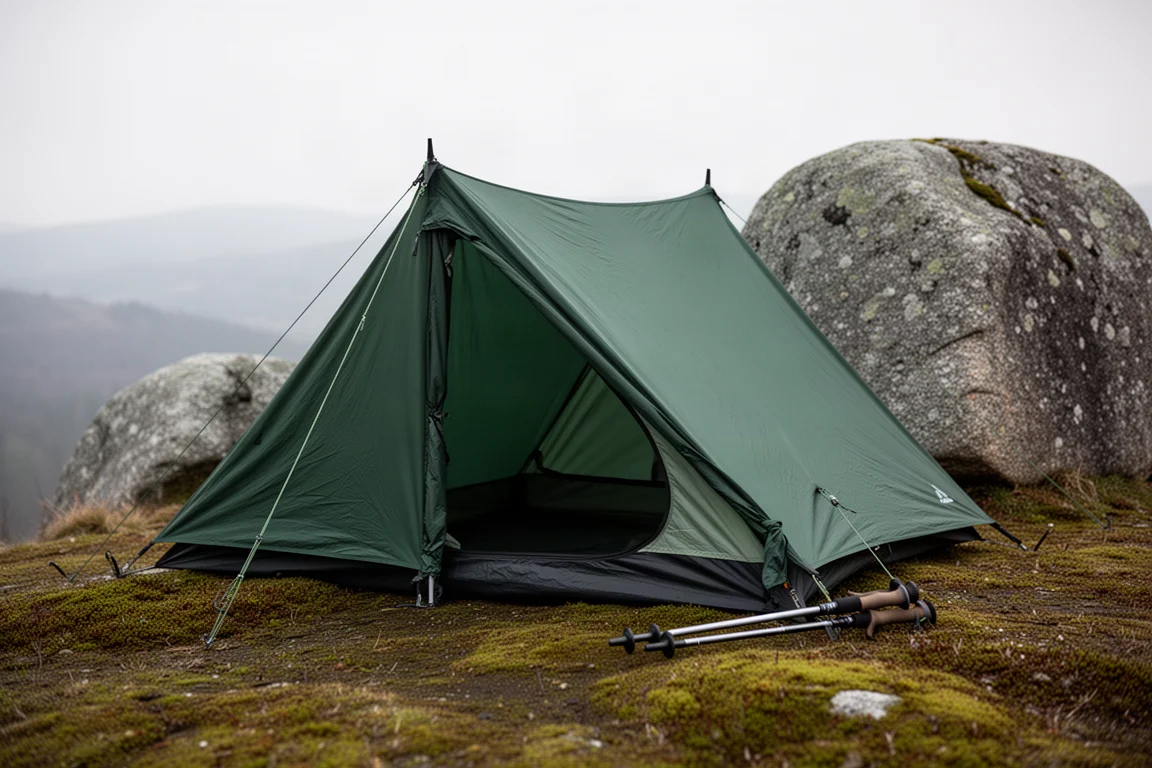
Tent design splits the backpacking world more than almost any other piece of kit, and the argument usually comes down to one question: should the inner tent go up first, or should the fly and inner pitch together as a single unit?
Both approaches solve real problems. An all-in-one shelter goes up fast and keeps the sleeping compartment dry while it does, which matters when the weather turns. An inner-pitch-first shelter gives a tauter and quieter inner, a more consistent gap between the inner and the fly, and much more flexibility when you want airflow instead of weather protection.
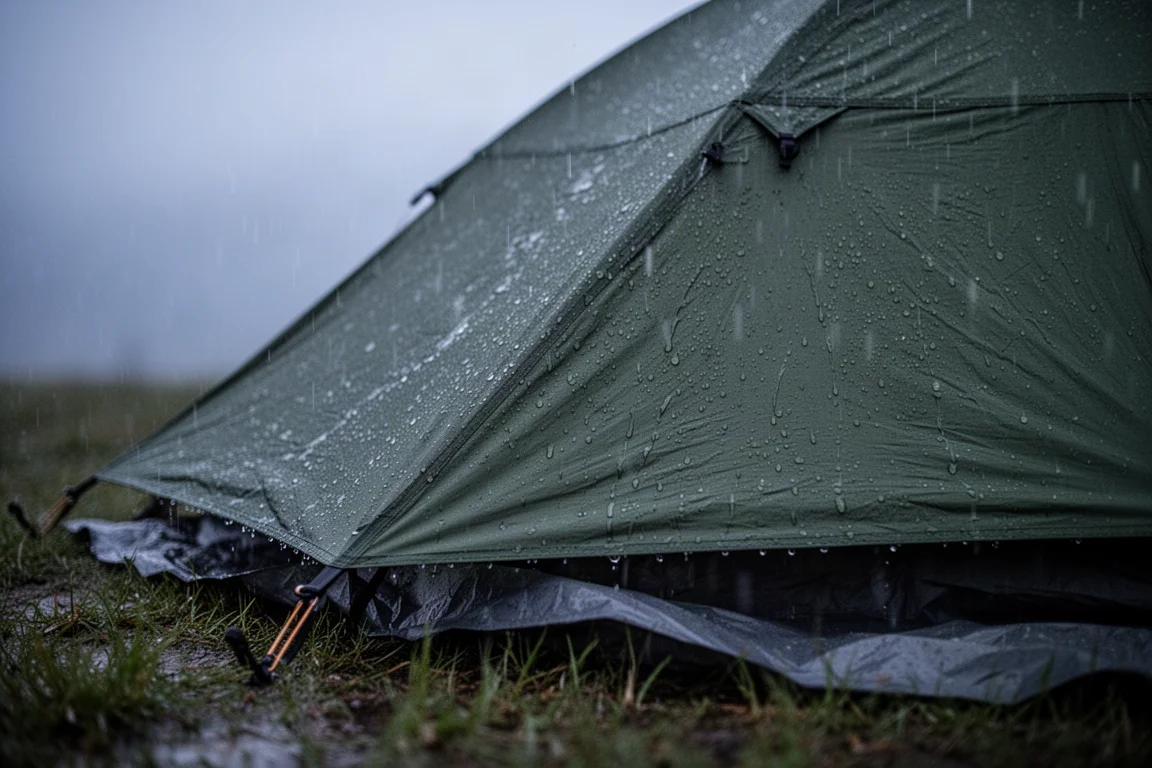
This guide compares four shelters that show the trade-offs clearly, from lightweight backpacking tents to long-serving four-season designs. The aim is not to crown one design the winner, but to work out which set of compromises suits the way you actually camp.
What Separates These Tents
Four factors do most of the work.
Pitching sequence. All-in-one designs raise the fly and inner together, so the inner stays protected during setup. Inner-pitch-first designs need the inner standing before the fly goes over the top, which leaves the sleeping area exposed for a short but important window in heavy rain.
Inner tension and noise. Inner-pitch-first tents tend to hold the inner tauter and flap less in wind. All-in-one tents can have looser inner panels that sag and need re-tightening, which often means crawling into the corners after every pitch.
The gap between inner and fly. A consistent gap helps keep condensation off the inner surface, and inner-pitch-first designs tend to hold that gap more evenly.
Weight, hardware and price. All-in-one shelters usually carry sleeves and clips that hold the poles, which builds a strong structure but adds weight. Fly sheets without that hardware are simpler to manufacture and cheaper to buy.
Terra Nova Southern Cross 1: The All-in-One Option
The Southern Cross 1 is a textbook all-in-one design. The poles run through sleeves or clip on in an exoskeletal arrangement, the inner clips onto the fly sheet seam, and it also clips into the corners. Pitch it in heavy rain and everything except perhaps the bottom of the groundsheet stays dry.
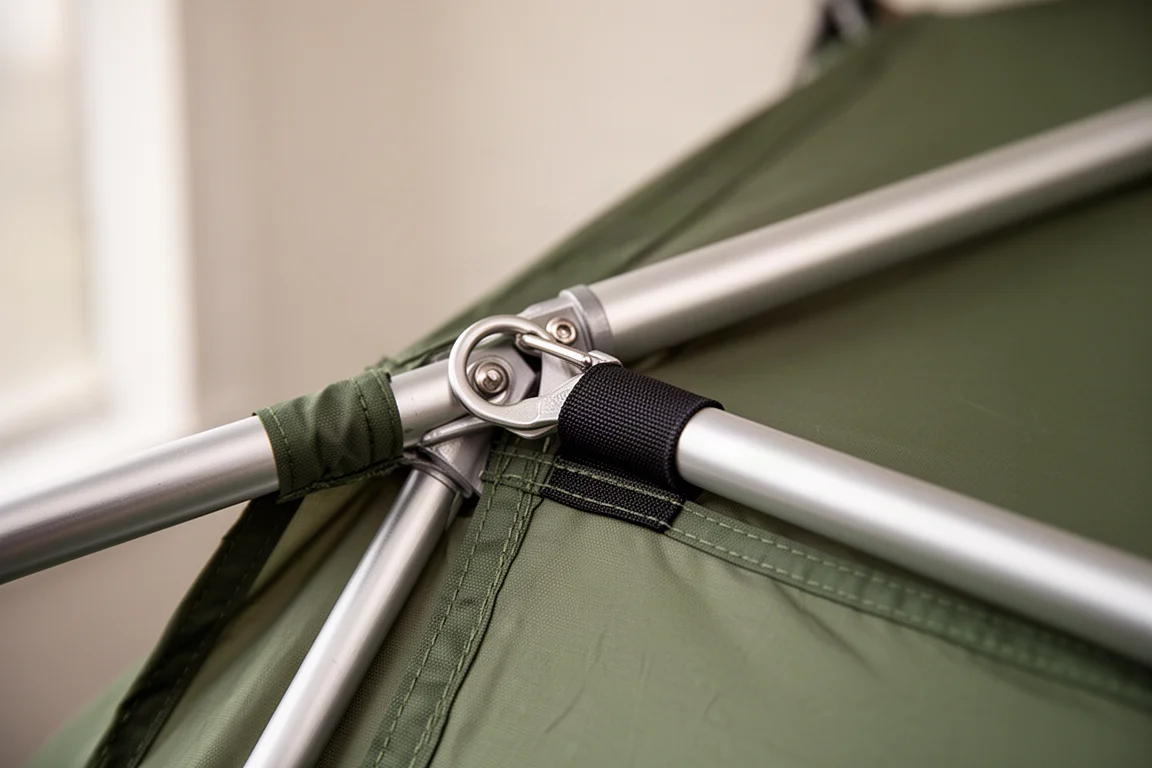
That convenience has a few costs. The inner is not as taut as an inner-pitch-first build, so it can flap in wind, make noise and sag enough to need adjusting each time. Weight lands around two kilograms for a one-person tent, with much of it in the sleeves and clips that give the shelter its structure. Price sits around £500. What you get in return is the fastest pitching of the group.
OEX Oros II: Inner-Pitch-First Value
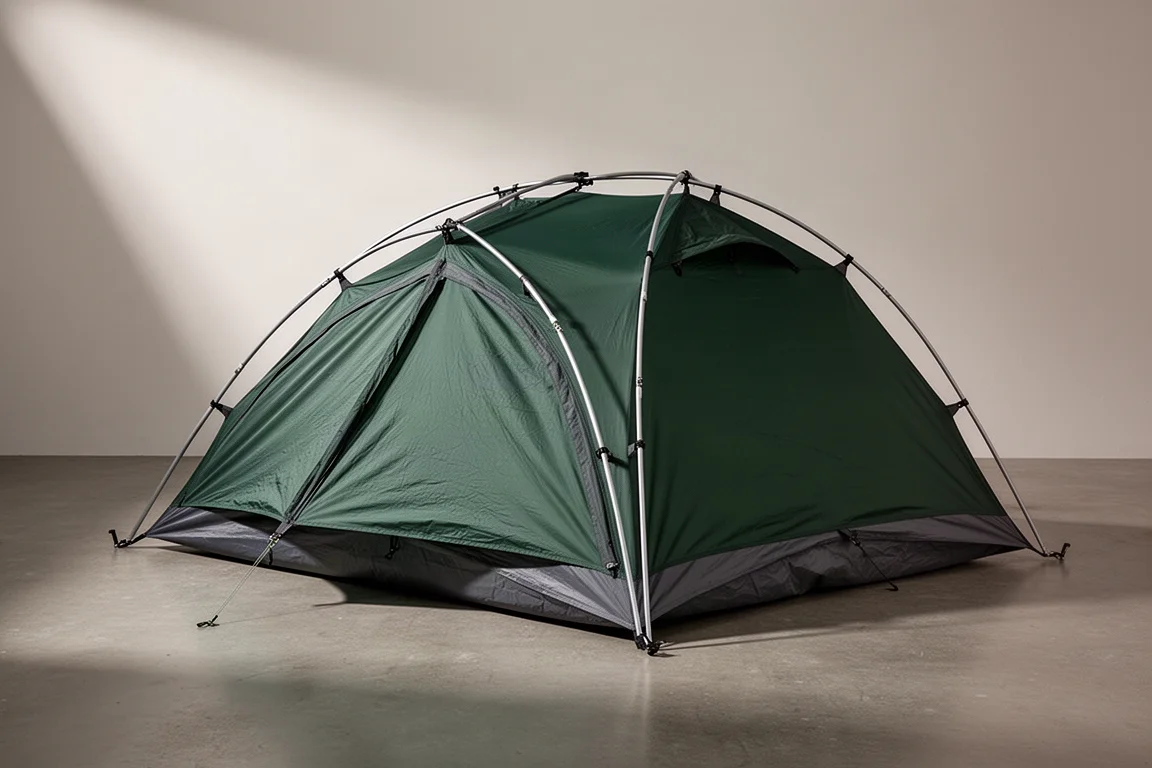
The Oros II takes the opposite route. The inner goes up first and builds onto the poles, then the fly sheet is draped over the top, clipped on and guyed out.
The risk is obvious. In a downpour the sleeping area is exposed while the fly goes on, and you may need to mop and wipe the inner afterwards. The rewards are a tauter structure that makes less noise in wind, a more consistent gap between inner and fly, and a much lighter package. The fly sheet carries no clip hardware beyond a few tie-out points, which helps keep the whole tent around 1.3 to 1.4 kilograms for a two-person shelter, at roughly £240.
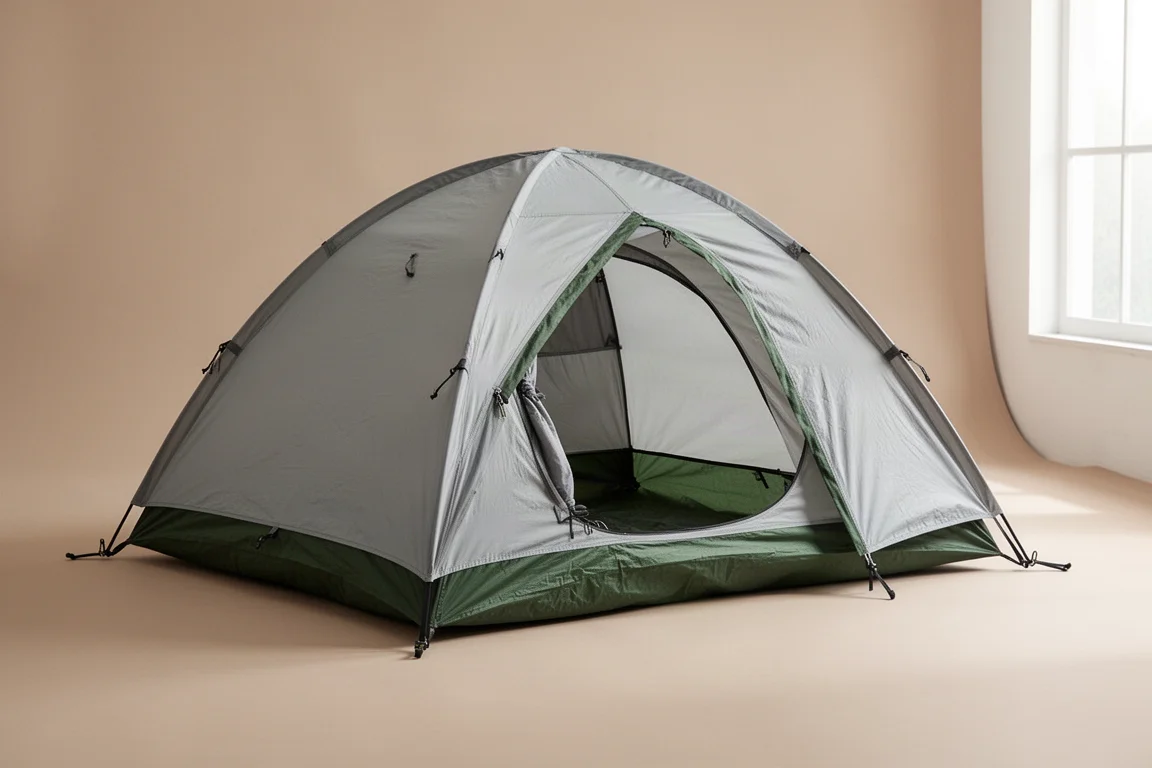
Terra Nova Voyager: Four-Season Inner-Pitch-First
Four-season versions of the inner-pitch-first layout exist as well. The Voyager is one of them, a design that has been in production for decades and used in a wide range of conditions around the world.
Ventilation is where this layout pulls ahead. On a warm evening you can roll the fly sheet back, remove it completely, or leave it off entirely when no rain is forecast and sleep under the stars. Even with the fly in place, the inner can go up quickly for a lunch stop or a break from insects, with air moving through the shelter instead of being sealed inside it.

The taut inner and the steady gap between inner and fly also help limit condensation, which is a real advantage on trips where the shelter is packed away damp and pitched again the next night.
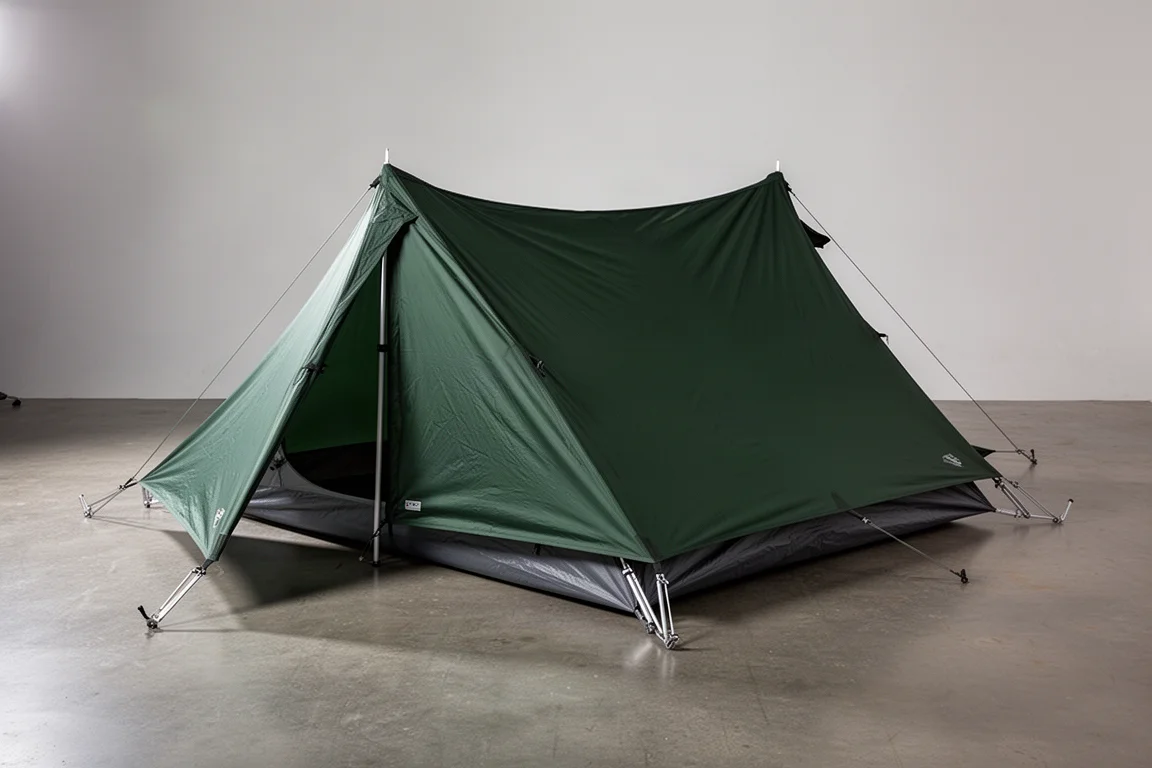
Terra Nova Quasar: Inner-Pitch-First Expedition Shelter
The Quasar follows the same logic, with a long production history and a four-season brief. The inner stands taut, the fly stretches over a structure that is already there, and the shelter holds its shape in wind rather than flapping.
Because the fly is tensioned over the inner instead of only anchored at its clip points, it is also easier to tighten again after rain. Nylon slackens when it gets wet, and re-tensioning a fly that sits over a standing inner takes less effort than working around a fly that is carrying the structure itself.
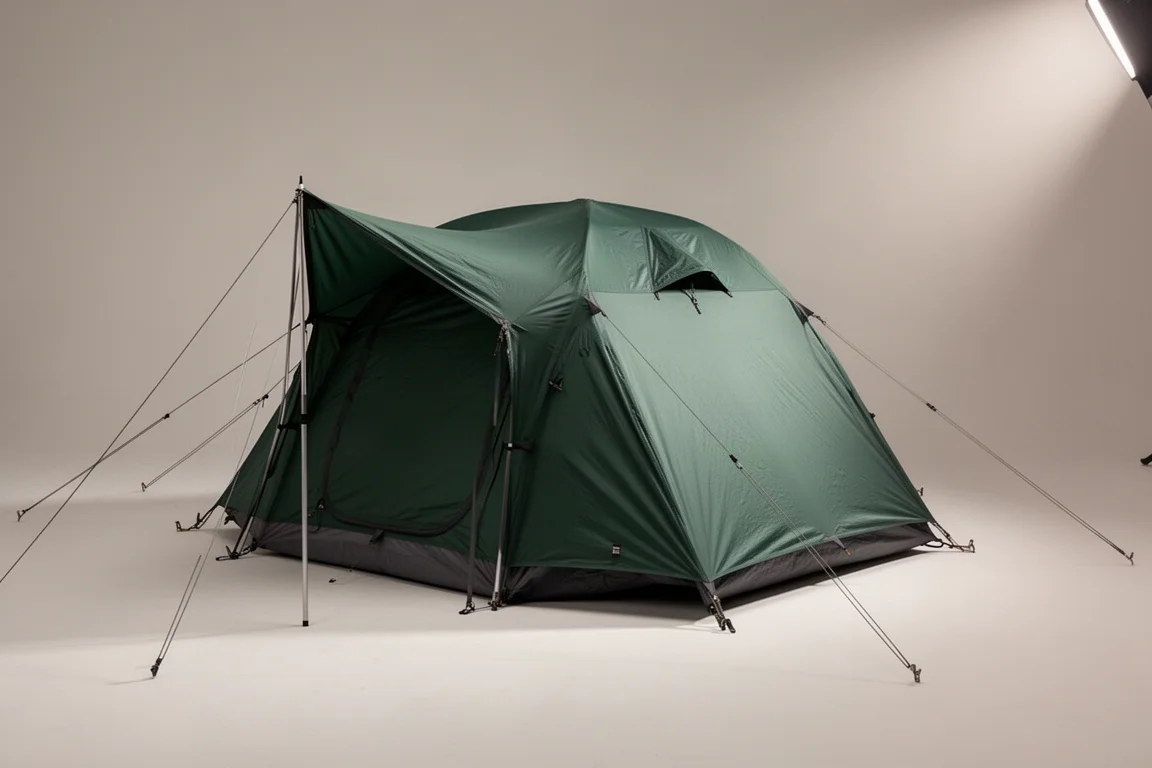
Buying Advice
Choose an all-in-one pitch if speed and a dry inner are your priorities. It suits short trips, changeable weather and anyone who wants the shelter standing within a couple of minutes.
Choose inner-pitch-first if you want a tauter and quieter inner, better ventilation, and less weight for the space you get. It also keeps the option of leaving the fly off entirely on a clear night.
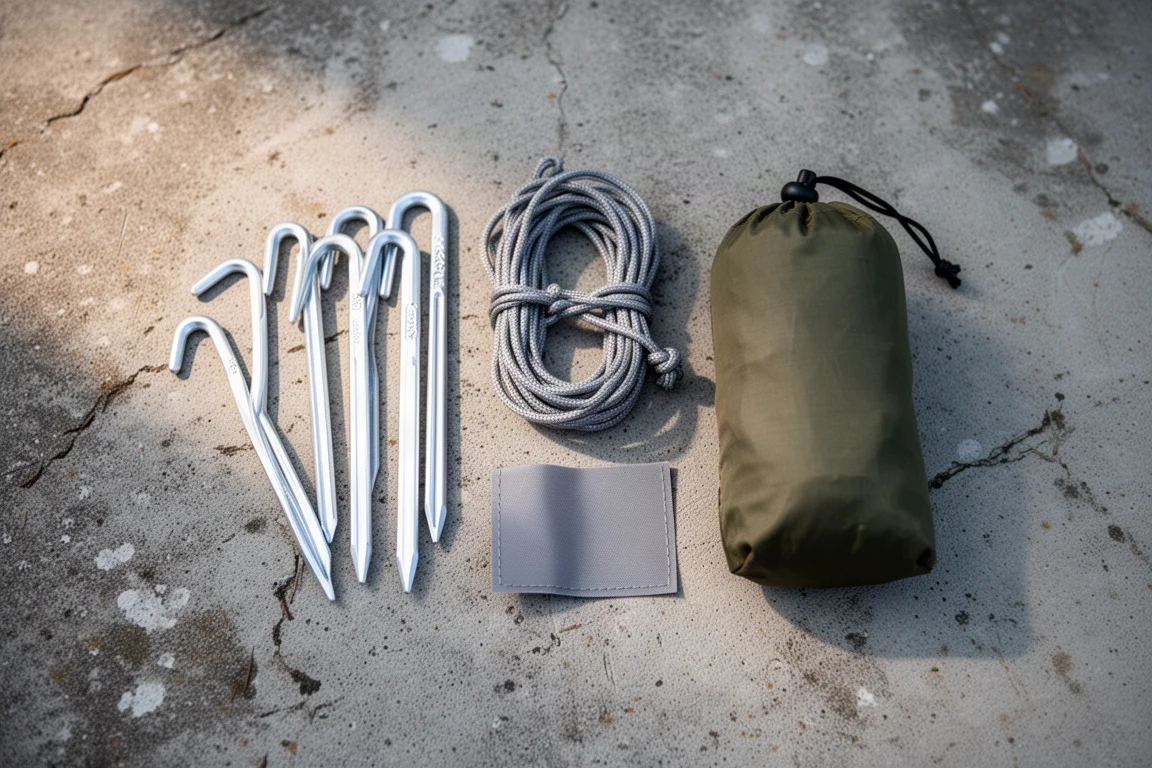
A few practical notes. Some inner-first tents can be pitched outer first using the groundsheet, but it is fiddly and most people will simply get the inner up quickly and wipe it down afterwards. Threading poles under an inner and fly that are still clipped together is another shortcut that rarely saves time. It is worth rehearsing your own routine at home before you rely on it in bad weather, because the difference between the two layouts is felt most in the first two minutes of a wet pitch.
Conclusion
Neither layout wins outright. All-in-one pitching buys speed and a dry inner, and it is the easier choice when the forecast is uncertain. Inner-pitch-first pitching buys a tauter and quieter inner, more consistent separation between the layers, better ventilation, and often a lighter shelter for the same footprint.
The deciding factor is your own routine: how often you pitch in rain, how much you value airflow on warm evenings, and how much weight you are willing to carry for the convenience of a single-unit pitch. Match the design to those priorities and either style will serve you well.
Further reading
Related Reviews
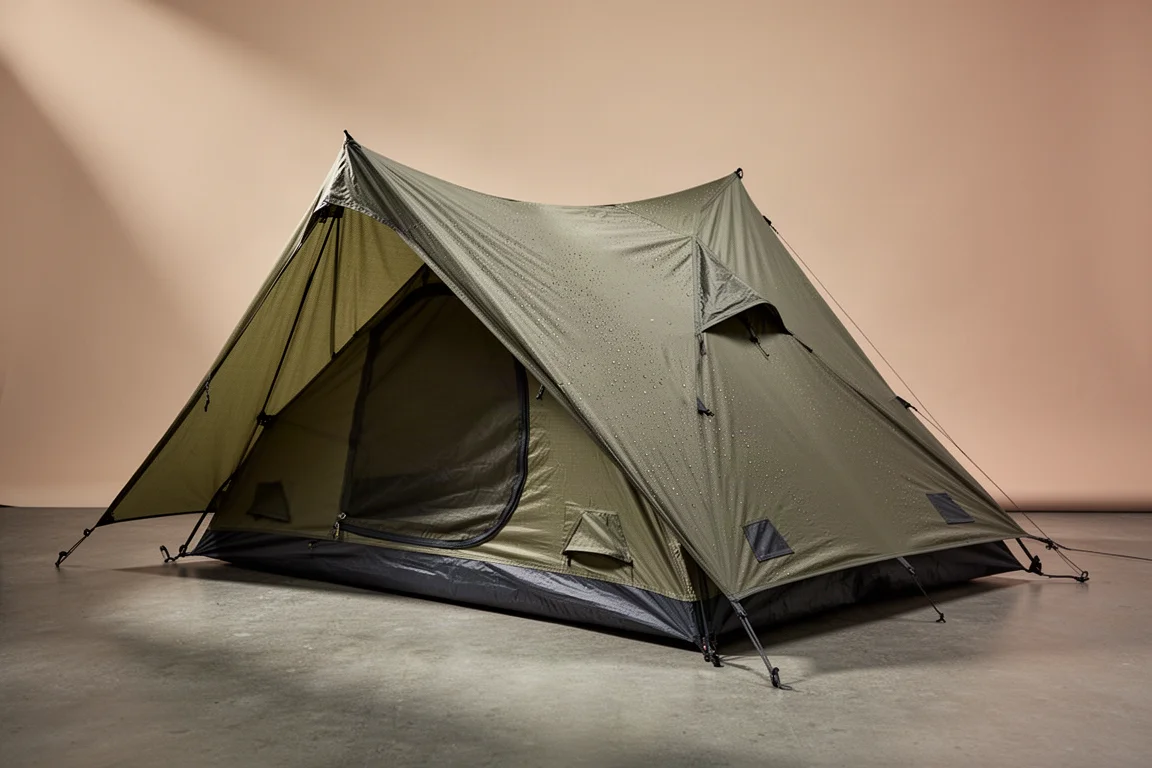
Camping Tents
3F UL Gear Taiji Two-Person Tent Review: Field Waterproofing Results and Buying Advice
The Taiji pairs an attached fly with a removable inner, but sustained rain exposed untaped vent seams that need sealing before this shelter can be trusted.
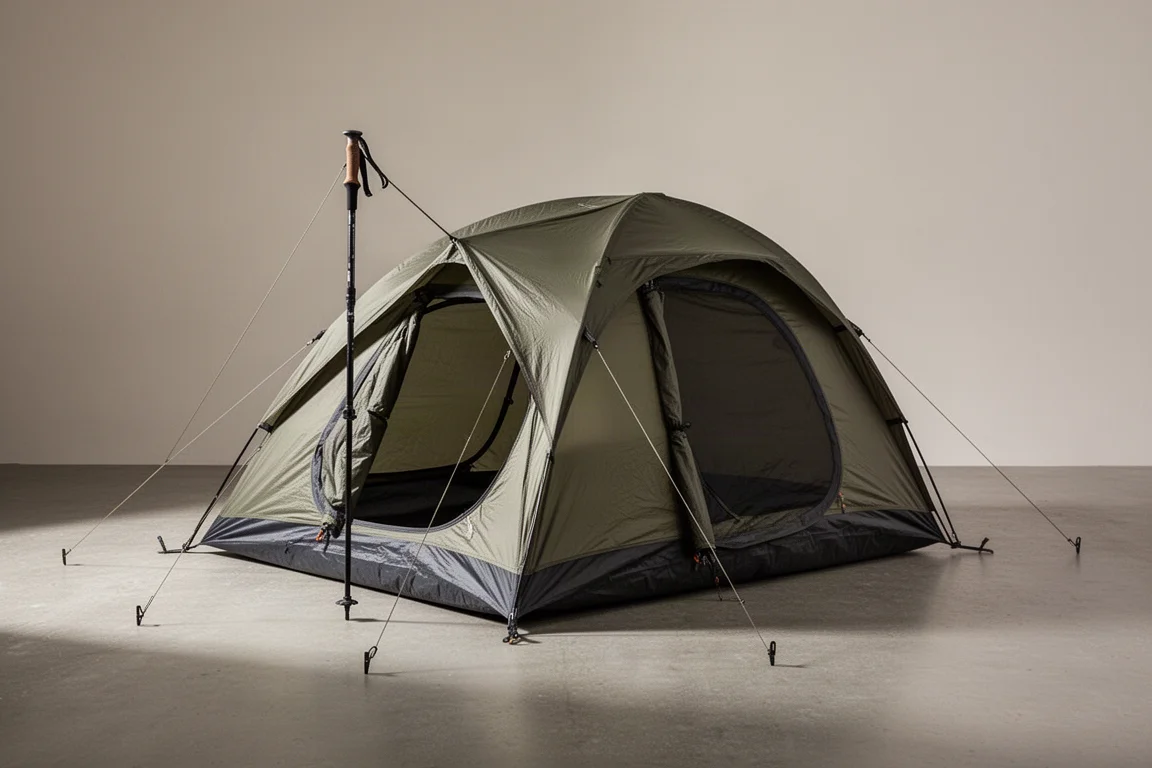
Camping Tents
3FUL Gear Lanshan 2 Pro 4-Season Review: A Sub-$200 Single-Wall Trekking Pole Tent
An early look at the 3FUL Gear Lanshan 2 Pro 4-Season, covering its straightforward pitch, generous interior space, and the condensation and seam-sealing questions that come with any single-wall shelter.
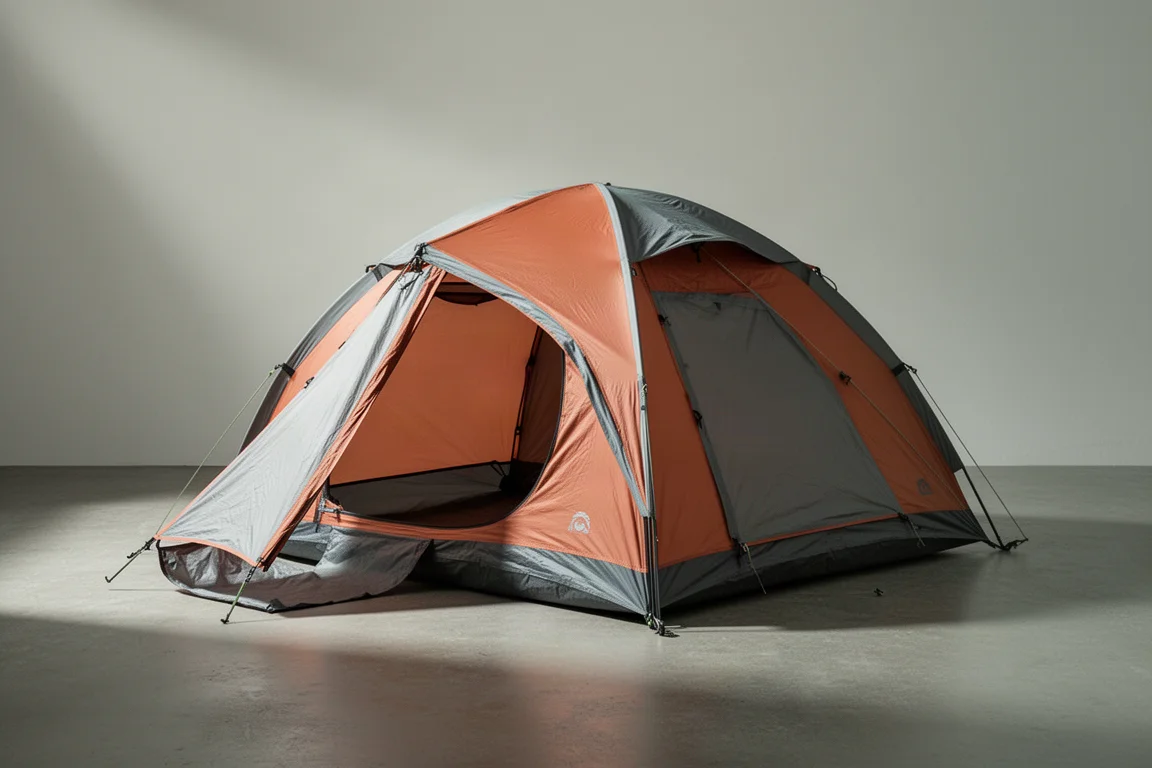
Camping Tents
Alps Mountaineering Lynx 1-Person Tent Review: Big Value in a Small Budget Tent
A close look at the Alps Mountaineering Lynx 1-Person Tent, covering real interior dimensions, materials, setup time, ventilation limits, and who should buy it.