Indoor Gardening
AeroGarden Sprout vs Click and Grow 3: A 70-Day Rematch Between Two Compact Countertop Gardens
Two small countertop hydroponic gardens grew dwarf tomatoes and cilantro side by side for 70 days. Here is what the rematch revealed about each system.
Introduction
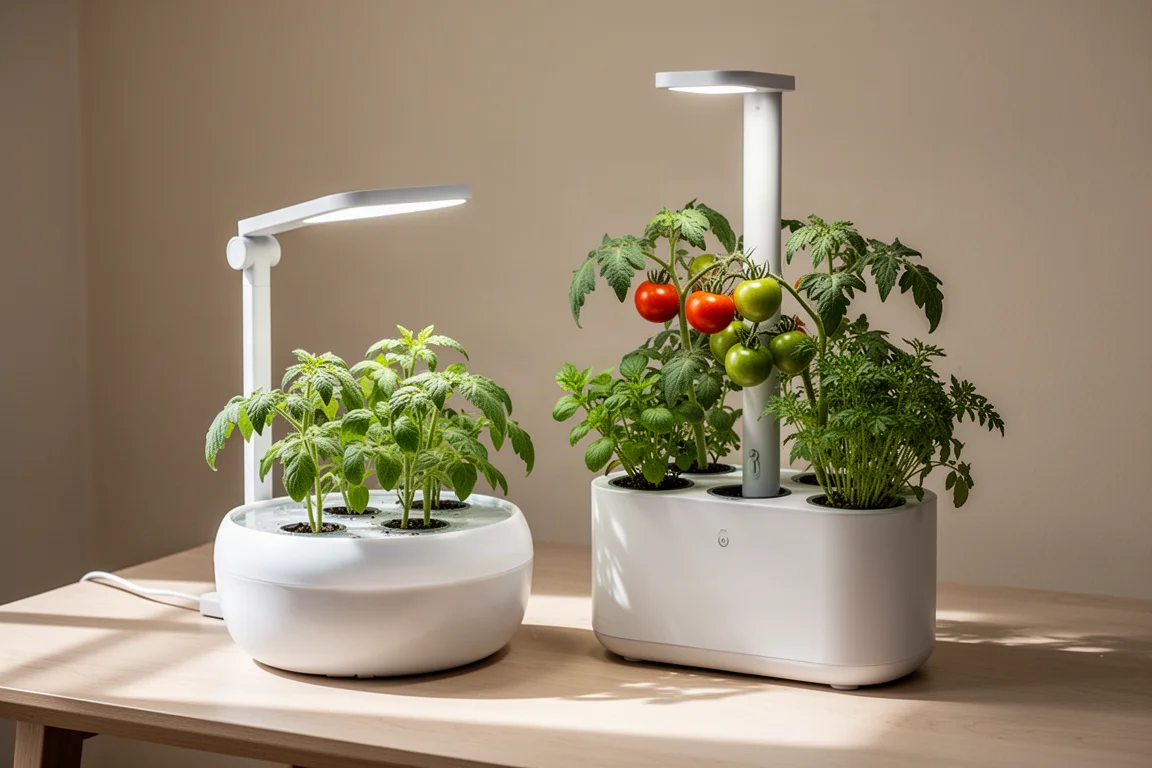
Compact countertop gardens promise fresh herbs and vegetables with almost no effort, but the two most popular small systems take noticeably different approaches. One leans on a pump and liquid nutrients, while the other relies on pre-dosed pods and a passive water tank. To find out which approach actually delivers, a rematch was set up between the AeroGarden Sprout and the Click and Grow 3, growing identical crops side by side for 70 days.
The outcome matters for anyone deciding between these two systems: the results suggest they suit genuinely different growing styles, and choosing the right one for your crops makes a real difference at harvest time.
The Rematch Setup
Both systems grow three plants at a time, but their specifications diverge from there. The AeroGarden Sprout uses a pump inside its grow bowl, which holds around six cups of water, and offers a maximum grow height of 9.2 inches. It relies on liquid AeroGarden nutrients, dosed at 4 milliliters every two weeks.
The Click and Grow 3 takes a different path. There is no pump at all, the grow bowl holds around 12 cups of water, and the maximum grow height is 13 inches. Click and Grow plants use their own Smart Soil pods, with root-slitted cups and grow-anything pods optimized for fruiting plants available for custom seeds.
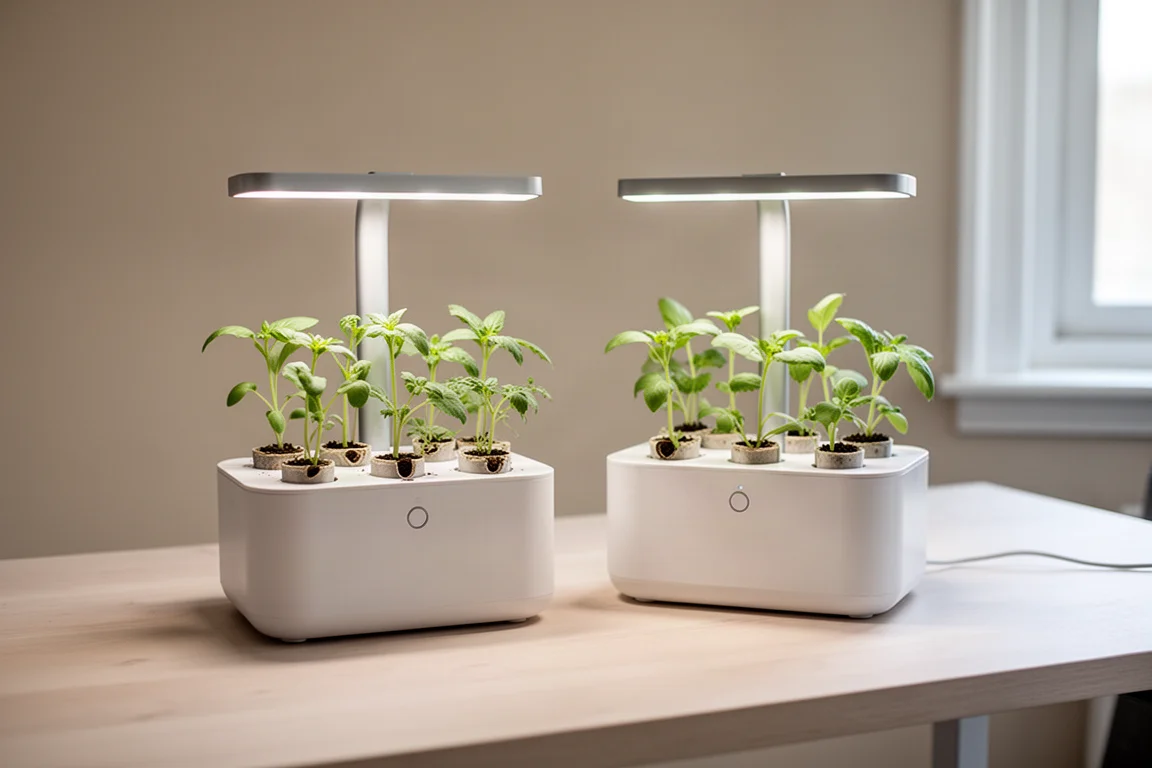
For this rematch, the same crops went into both gardens: the Micro Dwarf Mankai tomato, a very small variety expected to reach about 8 inches tall with heavy yields of yellow fruit and a roughly 65-day harvest window, plus cilantro in the rear slot. The tomato went in the front position in both units to give it the most light and space.
Seeding and Germination
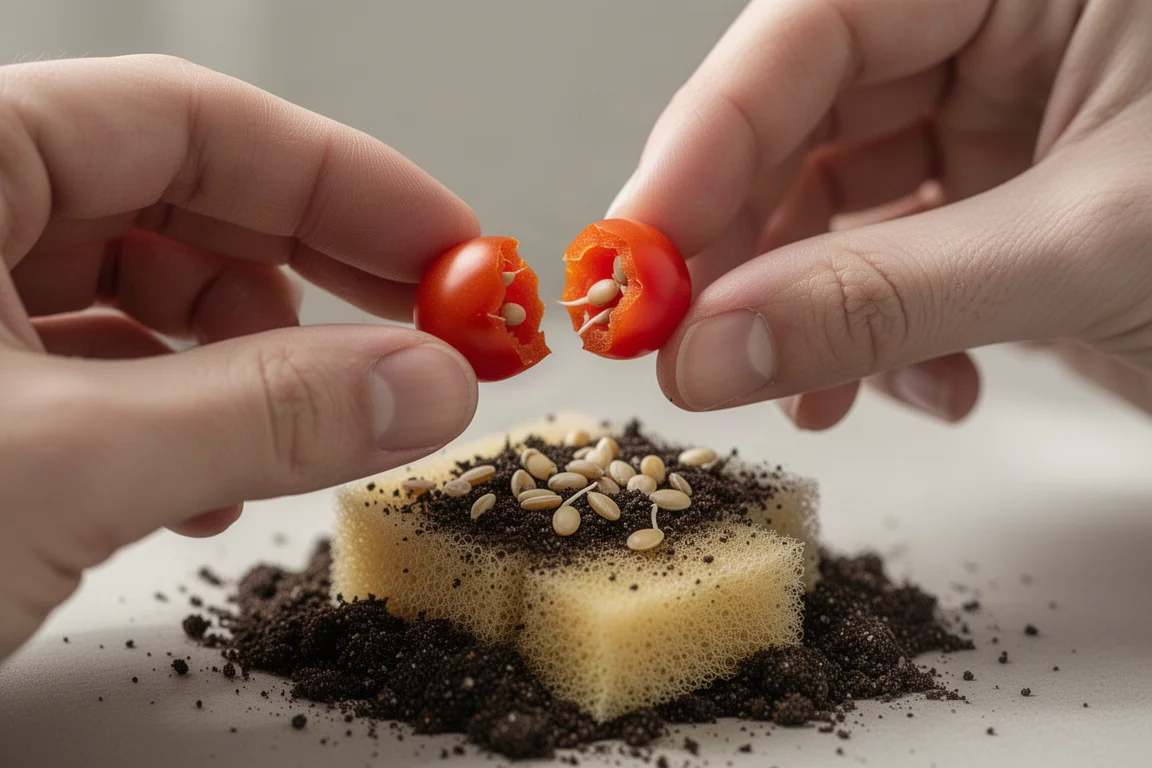
Two seeds went into each slot, with the weaker seedling removed later. A small germination trick was used for the cilantro: the round seed balls actually contain two seeds each, and gently cracking them between fingers exposes the seeds and improves germination odds.
Grow domes went on top of each pod to raise humidity and give the seeds a better chance of sprouting. The empty center hole was covered in both gardens, because standing water, nutrients, and light are a recipe for algae. Any cover works, from a terracotta pot to a golf ball, as long as it blocks light.
The First Two Weeks
Both systems showed healthy early growth, but the weeks were not identical. The AeroGarden cilantro failed to germinate on the first attempt and needed fresh seeds, which put that side slightly behind schedule. It recovered once the replacement seeds took, though it stayed a little behind afterward.
The Click and Grow cilantro and tomatoes came up cleanly. The regular liquid plant food was added to the AeroGarden side using a syringe, which makes measuring the 4 milliliter dose far easier than pouring into the cap. Both systems were topped up with water and the domes came off.
Light Height and Watering Differences
As the plants grew, the practical differences between the two systems became clear. The Click and Grow 3 light adjusts in large stepped jumps, and each jump is around 5 inches. That means plants can end up sitting far below the light, or the light has to jump well above the ideal 4 to 6 inch distance. The Click and Grow’s extra grow height helps here, but the big increments are awkward in practice.
The AeroGarden Sprout’s light adjusts more smoothly, but its 9.2 inch maximum grow height was reached before the tomato finished growing, which forced aggressive pruning at the top.
Watering told a different story. The AeroGarden Sprout needed topping up roughly every two days, since the pump audibly cycles water and the bowl holds less. The Click and Grow 3 barely needed attention, with its float indicator showing plenty of water in reserve and its passive system holding moisture in the pod itself.
Day 47: A Clear Visual Gap
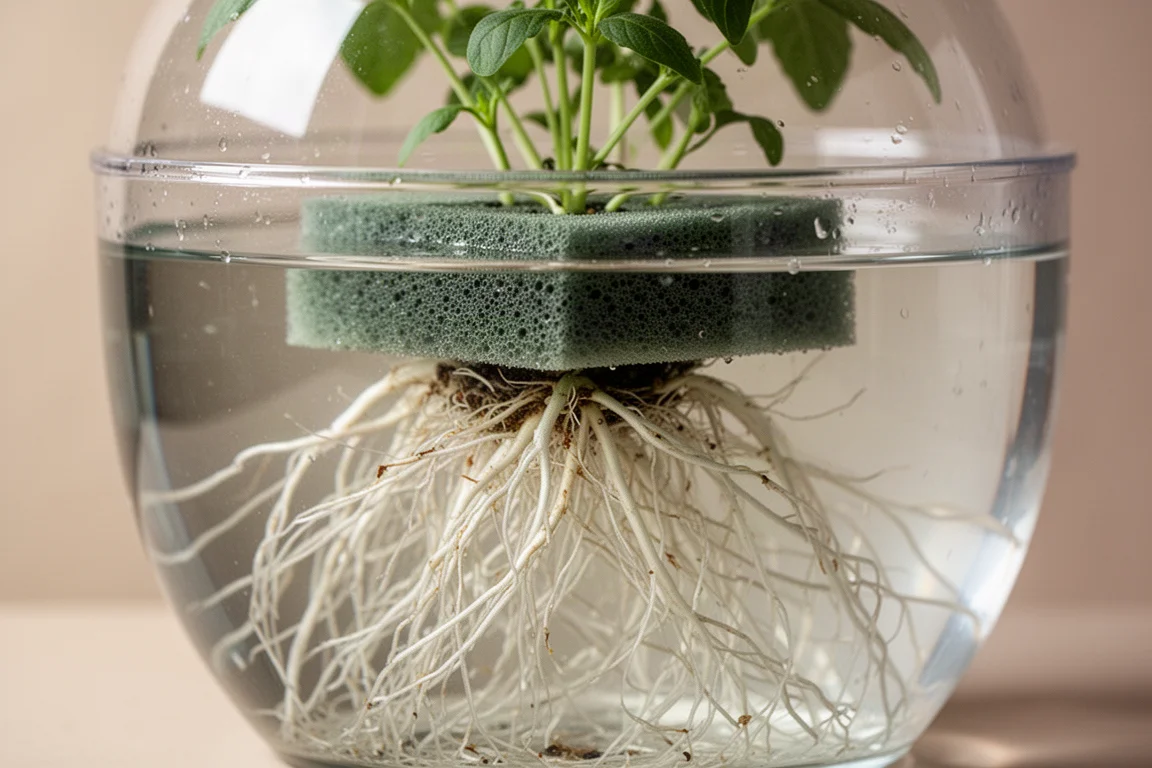
By day 47 the difference was obvious. The AeroGarden tomato was noticeably larger and healthier, with dense growth and strong root development visible in the bowl. Its roots had spread extensively through the water, and a second seedling that had snuck into the same pod was still thriving before being removed and transplanted outside.
The Click and Grow tomato, by contrast, looked straggly, with some leaves dropping and a thinner overall structure. The Click and Grow cilantro, however, outperformed the AeroGarden cilantro: it grew taller, darker green, and more lush, while the AeroGarden cilantro was crowded out by the enormous tomato beside it and spread wide rather than tall.
Final Verdict: AeroGarden Sprout Wins Again
At 70 days, the call went to the AeroGarden Sprout for the second time. The tomato side of the contest was not close: the AeroGarden plant produced multiple blooms and developing fruits, while the Click and Grow tomato struggled throughout and only just began forming its first flowers. The root check explained a lot. The AeroGarden plant had dramatically more root volume, which the free-flowing pump-fed water bowl supports, while the Click and Grow roots stayed largely contained within the pod.
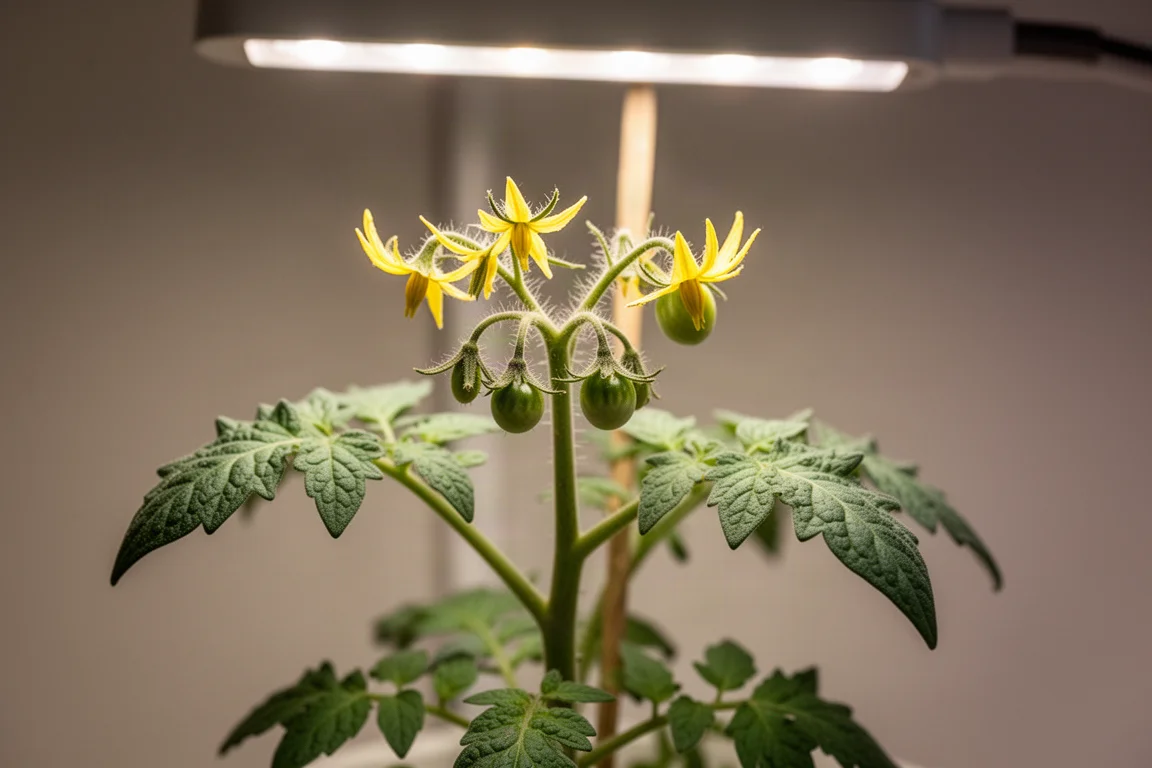
The Click and Grow 3 did not leave empty-handed. Its cilantro was the healthier of the two herbs, growing darker, denser, and more productive than the AeroGarden’s crowded specimen. The Click and Grow also demanded far less watering attention over the full 70 days.
The practical takeaway is that neither system is simply better. The AeroGarden Sprout’s pump, nutrient dosing, and flowing water appear to give fruiting plants like dwarf tomatoes the root environment they need to thrive. The Click and Grow 3’s lower-maintenance, pod-based approach suits leafy greens and herbs, where it clearly held its own. Matching the system to the crop, rather than expecting one unit to do everything, is the smarter way to buy.
Conclusion
The AeroGarden Sprout retained its title for fruiting crops, particularly micro dwarf tomatoes, while the Click and Grow 3 proved itself the better fit for herbs and leafy greens with far less day-to-day watering. If your goal is heavy-yielding small tomatoes indoors, the AeroGarden Sprout is the stronger pick. If you want an easy-care herb garden that mostly runs itself, the Click and Grow 3 makes more sense. Both are worthwhile, as long as you put the right plants in them.
Product link
View more details for AeroGarden Sprout
This product is mentioned in the review. Check the specifications, options, and compatibility before buying.
View more details for AeroGarden SproutFurther reading
Related Reviews
Indoor Gardening
AeroGarden Eight-Pod System Review: A Budget Hydroponic Garden That Works
After a few months of growing dill, a shishito pepper, and micro tomatoes, here is what this eight-pod hydroponic system gets right and what to watch for before buying.
Indoor Gardening
AeroGarden Buying Guide: How to Choose the Right Model for What You Want to Grow
From the 3-pod Sprout to the 24-hole Farm Plus, here is what actually matters when picking your first AeroGarden, plus the growing tips nobody tells beginners.
Indoor Gardening
AeroGarden Farm After 8 Years: What I Wish I Knew Before Buying
A long-term look at the AeroGarden Farm, the 12XL alternative, and why a Rise Garden won out on space efficiency.