Ski Resorts
Ikon Pass Resorts Ranked: The Best Destinations on the Pass
Every official North American Ikon Pass resort, ranked from regional nice-to-haves to the two Utah mountains that top the list.
Introduction
When it comes to season-long destination access, it’s hard to beat the Ikon Pass. It is arguably the industry’s highest-end mega pass product, and while it isn’t cheap, it opens the doors to dozens of resorts across nearly every major ski region in North America. But with more than 50 official North American partners spanning vastly different sizes, climates and crowd profiles, these destinations are not created equal. Some are true vacation mountains; others are regional nice-to-haves that only make sense if you happen to live nearby. Here is our rank order of the entire North American Ikon Pass lineup, grouped from the bottom of the list to the very top.
What Makes a Great Ikon Pass Destination
A handful of themes separated the winners from the rest of the pack. Scale matters: resorts with large, varied terrain footprints simply offer more reasons to plan a multi-day trip. Snow reliability matters even more, because a mountain with a big footprint but thin or inconsistent cover skis far smaller than its statistics suggest. Finally, logistics, including lodging, lift flow, and crowding, can make or break an otherwise excellent mountain. The resorts near the bottom of this ranking tend to fail on one or more of these fronts, while the ones near the top deliver on all of them.
The Bottom Tier: Regional Mountains and Metro Conveniences
At the very bottom sits Camelback in Pennsylvania’s Poconos, the closest Ikon mountain to New York City. It has a strong beginner hill, high-speed lifts including the only bubble chairlift in the East south of Vermont, and reliable snowmaking. But weekend crowds are essentially unbearable, especially now that Windham has left the pass, and short runs plus a footprint dominated by a water park and ziplines make it feel like an afterthought. Blue Mountain, Pennsylvania fares slightly better with longer trails and no sprawling water park, but it shares the same size and crowding constraints as the rest of Pennsylvania.
Snow Valley, the closest Ikon mountain to Los Angeles, offers a family-friendly footprint, surprisingly strong advanced terrain when everything is open, and respectable snow totals for a regional hill. Its siblings Bear Mountain and Snow Summit add strong views, terrain parks and better on-mountain facilities, but horrendous peak-time crowding and variable weather undercut all three. Blue Mountain, Ontario is arguably the better Blue Mountain, with striking views over Georgian Bay, multiple terrain pods on high-speed lifts, and decent snow resiliency, though a 720-foot vertical and confusing side-to-side navigation hold it back.
The Midwest entries, including Black River Basin, Jackson Creek Summit, Granite Peak, The Highlands, Boyne Mountain and Lutsen Mountains, deliver low-hassle, family-friendly experiences with lake-effect snow and generally manageable crowds. Boyne Mountain even has the Midwest’s only eight-pack chairlift, and Lutsen offers exceptional Lake Superior views. But vertical drops under 535 feet, limited expert terrain, and in some cases slow lifts or irregular operating schedules mean none of these justify serious travel from other regions.
The Middle of the Pack: Good Mountains With Trade-Offs
Snowshoe is West Virginia’s lone Ikon destination and delivers some of the best snow quality in the Mid-Atlantic with a legitimately impressive vertical and long trails unmatched south of New York State. Its confusing upside-down, multi-area layout and heavy weekend crowds keep it from climbing higher. Summit at Snoqualmie works well for Seattle beginners and night skiers, but a modest vertical and wet maritime snow limit its destination appeal, while its expert-focused neighbor Alpental offers some of Washington’s most challenging inbounds terrain, including an unpatrolled back bowl, in a tiny, often foggy and crowded footprint.
Loon Mountain is the most convenient Boston-area option, with modern lifts and extensive snowmaking, but a small four-person gondola creates a major bottleneck and expert terrain is limited. Pico is one of the few central Vermont mountains where crowds are rarely an issue, though its 265-acre footprint and Tuesday and Wednesday closures restrict longer trips. Stratton backs its heavy Ikon marketing with easy navigation and high-speed lifts, but repetitive terrain and a commercialized atmosphere make it harder to justify over resorts further north. Sunday River’s eight peaks and 870 skiable acres plus two bubble lifts make it a strong regional choice, yet its vertical is spread thin and it lacks the consistently technical expert skiing of the East’s best.
Tremblant combines a sizable 755-acre footprint, high-speed lifts and the best base village in the East with a genuine après scene, but peak-period crowds and cold temperatures temper its appeal. Killington is the largest resort in the East at over 1,500 acres, with two gondolas, a bubble six-pack, and snowmaking aggressive enough to keep areas open as late as June, though it is crowded on weekends and hard to navigate. Le Massif de Charlevoix is arguably the most dramatic visual in the East, with a 2,500-foot vertical above the Saint Lawrence River and superb glade terrain, but a modest footprint, south-facing sun exposure, and an impractical drive from most of the American Northeast hurt its ranking.
Out west, Cypress Mountain’s slopes overlooking Vancouver deliver some of the most astonishing views at any ski resort, but low elevation, rain events and local crowding make it a one-trick pony. Eldora is the easiest Ikon mountain to reach from northwest Denver without I-70 traffic, with good snow preservation and a well-designed terrain park, yet its 680 acres, constrained parking and lack of onsite lodging make it a local option rather than a destination. June Mountain is one of the most under-the-radar Ikon mountains, with exceptional scenery and solid expert terrain, but an antiquated J1 lift and frequent flat spots drag it down. Mount Norquay offers striking scenery and minimal crowds in Banff National Park, but at just 190 skiable acres it works best as a half-day add-on to nearby Lake Louise and Banff Sunshine.
Sugarloaf is Maine’s largest resort and offers some of the most exotic skiing east of the Mississippi, including the East’s only true above-treeline terrain in the snowfields and expansive glades on Brackett Basin and Burnt Mountain. But those standout zones are highly condition dependent, wind holds are frequent, and the front side is unremarkable. Buttermilk is Aspen’s beginner mountain with world-class terrain parks that regularly host the Winter X Games, though its tame 470 acres and lack of lift redundancy limit it to a supplemental stop. Sugarbush delivers a distinctive big-mountain feel in Vermont with the demanding, expert-only Castle Rock area, but its two peaks sit miles apart, upper-mountain lifts are slow, and much of the expert terrain lacks snowmaking. Taos Ski Valley is plainly an expert’s mountain with some of the most difficult inbounds lines on the continent and snow quality that can rival the Rockies on a good day, yet a modest footprint, variable conditions and thin offerings for beginners make it highly specialized.
Strong Destination Options That Fall Short of the Top
Crystal Mountain in Washington often exceeds 400 inches of snow annually and offers serious expert terrain with cliffs, rocks and tight trees, plus views of Mount Rainier looming directly over the summit. Scarce lodging, weekend parking reservations, inefficient lift operations and heavy Seattle crowds hold it back. Red Mountain, one of North America’s oldest ski areas, pairs a 2,700-acre footprint with remarkably low visitation and demanding glade skiing, but it has no high-speed lifts at all. SilverStar, the pass’s newest full partner, offers a large ski-in ski-out village on 3,000 acres with strong intermediate glades, but advanced terrain is limited and hard to reach.
Aspen Mountain, known locally as Ajax, delivers a strong 3,000-foot vertical and some genuinely gnarly lines, and the recent Heroes expansion finally allows efficient lapping of expert terrain, but an 828-acre footprint with zero beginner terrain works best as part of a broader Aspen trip. Mount Bachelor is one of the most distinctive resorts on the pass, built on a volcano with a rare 360-degree skiable footprint over 4,000 acres, yet its exposed layout means summit and backside terrain are frequently closed to wind and visibility. Schweitzer in Idaho keeps lift lines manageable and holds quality snow in its widely spaced glades, but fog is a frequent issue and the backside lift setup is convoluted.
Panorama boasts a vertical drop exceeding 4,000 feet with long sustained top-to-bottom runs and incredible views over the Purcell Mountains, but readily lappable terrain sits in few zones and it sits in a relative snow shadow. Sun Peaks’ 4,200-acre footprint offers some of the best groomed terrain on the continent and a convenient ski-in ski-out village, yet limited expert terrain keeps it from the true big-mountain feel. Brighton and Solitude in Big Cottonwood Canyon combine Utah’s famously light powder with complementary terrain, Brighton for parks and approachable runs, Solitude for expert lines in Honeycomb Canyon, but combined they still lack destination scale, and note that Session Pass holders are charged separate days for each.
Steamboat stands apart from the I-70 corridor with a wide range of glade skiing and recent upgrades that improved base flow and expanded expert terrain, but high-alpine terrain is limited and navigation remains unintuitive. Sun Valley leans into an upscale experience with standout bowls, beautiful views and an authentic Ketchum ski town, but annual snowfall often comes in under 200 inches and it is only available on the full Ikon Pass. Palisades Tahoe offers one of the most compelling expert lineups on the pass, with extreme cliffs, chutes and couloirs plus over 4,000 acres and spring skiing that can stretch to July, but snowfall is inconsistent and the two mountains connect only by a long gondola. Deer Valley delivers unmatched on-mountain hospitality and an expansion that more than doubles its skiable acreage, but the experience can feel manufactured, it is geared toward groomers, and much of the footprint sits in a snow shadow.
Winter Park is one of the most versatile Ikon mountains, from beginner pods to the demanding Mary Jane moguls, and is uniquely accessible via the Winter Park Express train from Denver, but lift-served alpine terrain is limited and crowds concentrate on the Mary Jane side. Aspen Highlands is perhaps the most naturally striking Aspen mountain, anchored by the iconic Highland Bowl hike-to zone with conditions often among the best in the Ikon family, though it has no beginner terrain and a single primary lift means morning lines. Copper Mountain is one of the most well-balanced mountains on the pass, with slopes naturally divided by ability and the Back Bowl and Tucker Mountain offering some of the most expansive expert skiing in the country, but the atmosphere skews local and the base village lacks après energy. Mammoth may be the most well-rounded West Coast Ikon resort, with a 3,000-acre footprint, one of the country’s best terrain park setups, and spring skiing that can stretch into August, though snowfall gaps between storms and Southern California demand bring significant crowds.
Arapahoe Basin, recently bought by Ikon’s parent company Alterra, doesn’t overwhelm on stats but makes up for it in character: demanding expert terrain, strong bowl and tree skiing, manageable crowds and high elevation that preserves snow into late spring. Revelstoke is one of the most intense big-mountain destinations anywhere, with an over 5,600-foot lift-served vertical, the longest continuous inbound descent in North America, and powder that lingers well past storm cycles, but it is highly specialized with limited beginner terrain and an inefficient lift network. Alyeska in Alaska is perhaps the most exotic destination on the pass, combining massive snowfall with exceptional hike-to terrain and surreal views over the Turnagain Arm, yet its coastal climate makes snow inconsistent year to year and the logistics are challenging. Big Sky is the biggest North American resort on the pass at 5,850 acres, with intense expert terrain anchored by Lone Peak and lines like the Big Couloir, but the tram to Lone Peak is not included on the pass and requires a per-ride fee. Snowbasin delivers some of the most luxurious lodges on the continent, striking peak-lines grooming and manageable crowds, though its lower elevation, limited beginner terrain and lack of onsite lodging make it best as a high-quality day trip.
The Top Tier: Resorts Worth Building a Trip Around
Lake Louise is one of the most visually striking destinations in North America, if not the most striking, with glacier-carved peaks surrounding the resort and the frozen lake in the distance. Beyond the views it is well rounded, with standout advanced and expert terrain, reliable snow, a lift network that generally manages crowds well, and continued growth through expansions like Richardson’s Ridge. Traverses on the backside and occasional extreme cold are the main friction points, and remember that all three Banff resorts share Ikon days, so the region effectively caps out around a week.
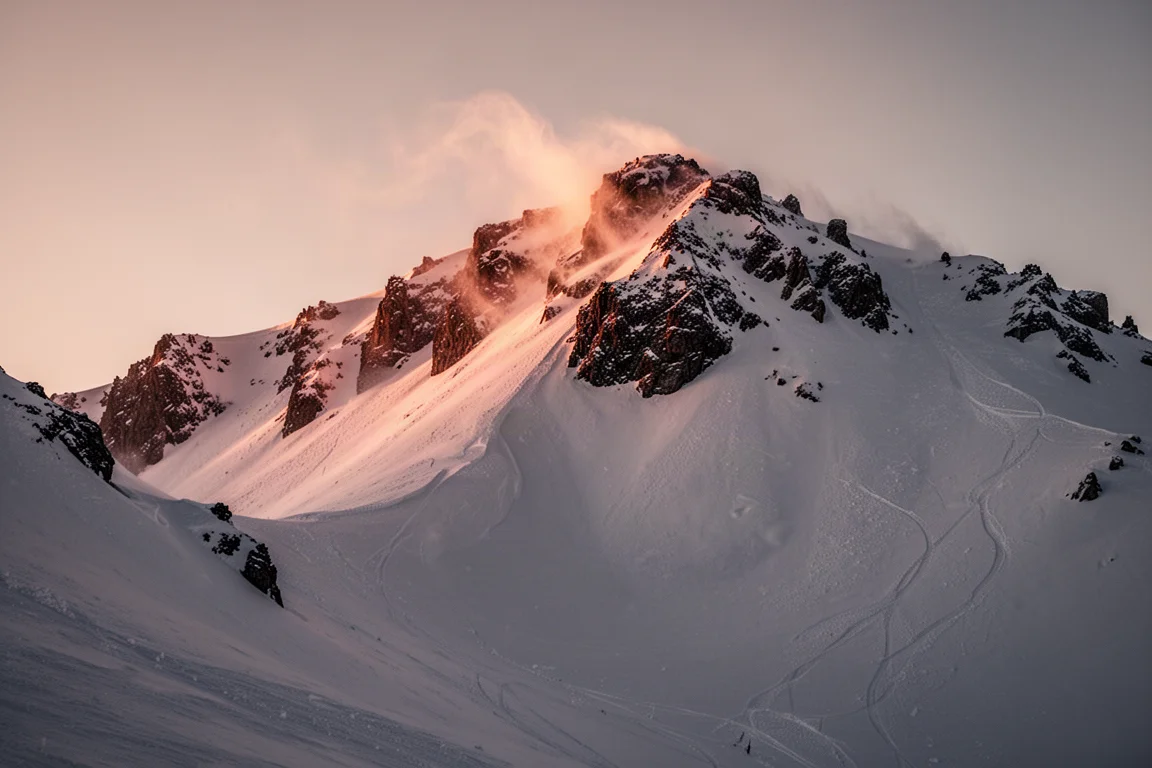
Snowmass takes the upscale Aspen experience and pairs it with one of the most well-rounded terrain mixes in the country: over 3,300 acres spanning every ability level, a strong blend of groomers, glades and bowls, high-speed lifts across most of the mountain, and a polished walkable base village. Its few drawbacks are cost, access from Denver, and extreme terrain that can be less intuitive to reach than at some competitors. Banff Sunshine Village stands out for its expansive high-alpine layout with near-360-degree terrain off the upper mountain, approachable beginner and intermediate skiing even at elevation, and serious expert zones like Delirium Dive and Wild West that require avalanche gear. Its quirks, including a single gondola funneling access and long traverses that dilute the advertised vertical, don’t stop it from delivering one of the most complete Ikon experiences in Canada.
Jackson Hole earns its silver-medal reputation through sheer intensity: some of the most demanding terrain in North America, extreme chutes and couloirs scattered across the footprint, and a vertical drop spanning over 4,000 feet. Modernized lifts, the dramatic Teton Range backdrop and lively après in the town of Jackson round out the package. It is unapologetically geared toward advanced and expert skiers, with scant beginner terrain and east-facing aspects that can turn variable in dry spells, and you’ll need the full Ikon Pass to ski it.
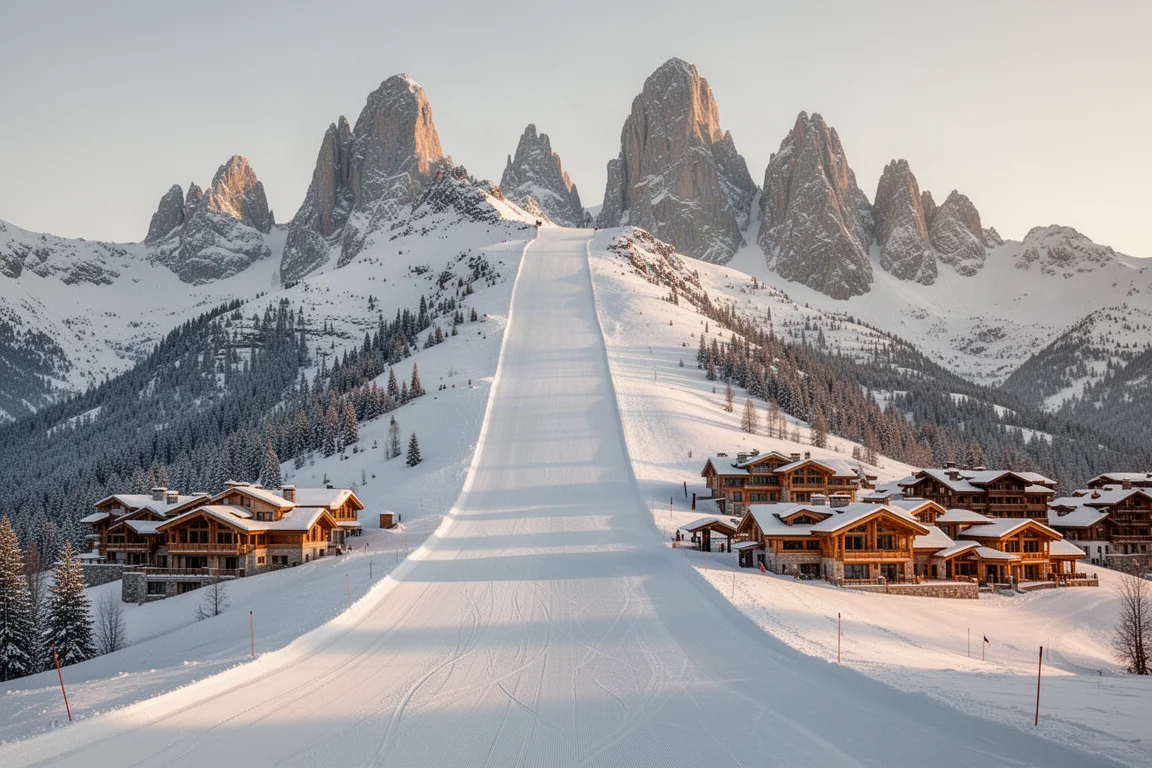
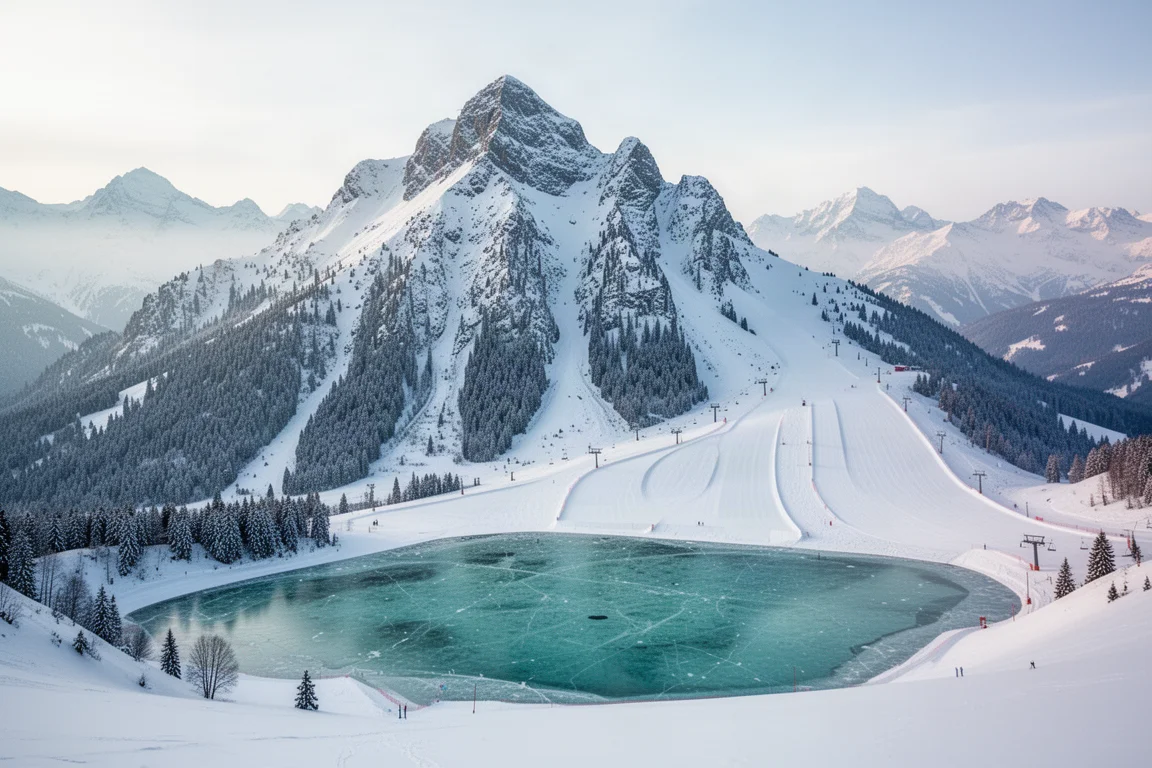
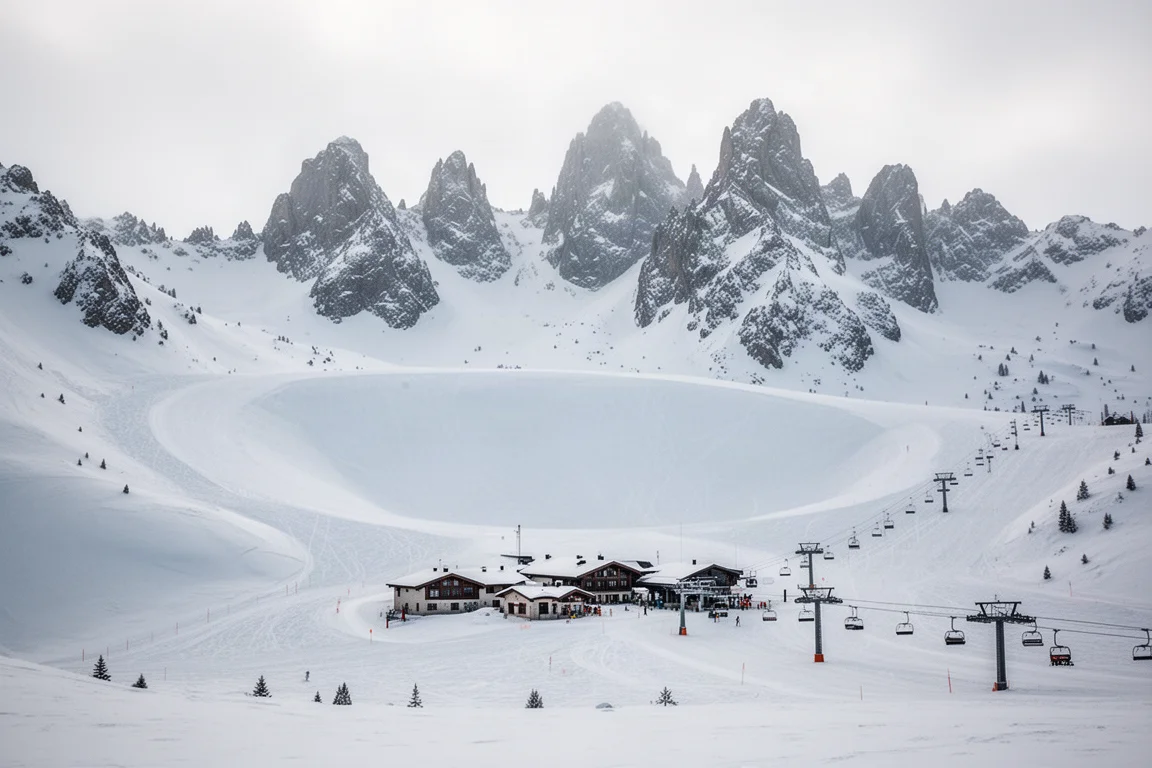
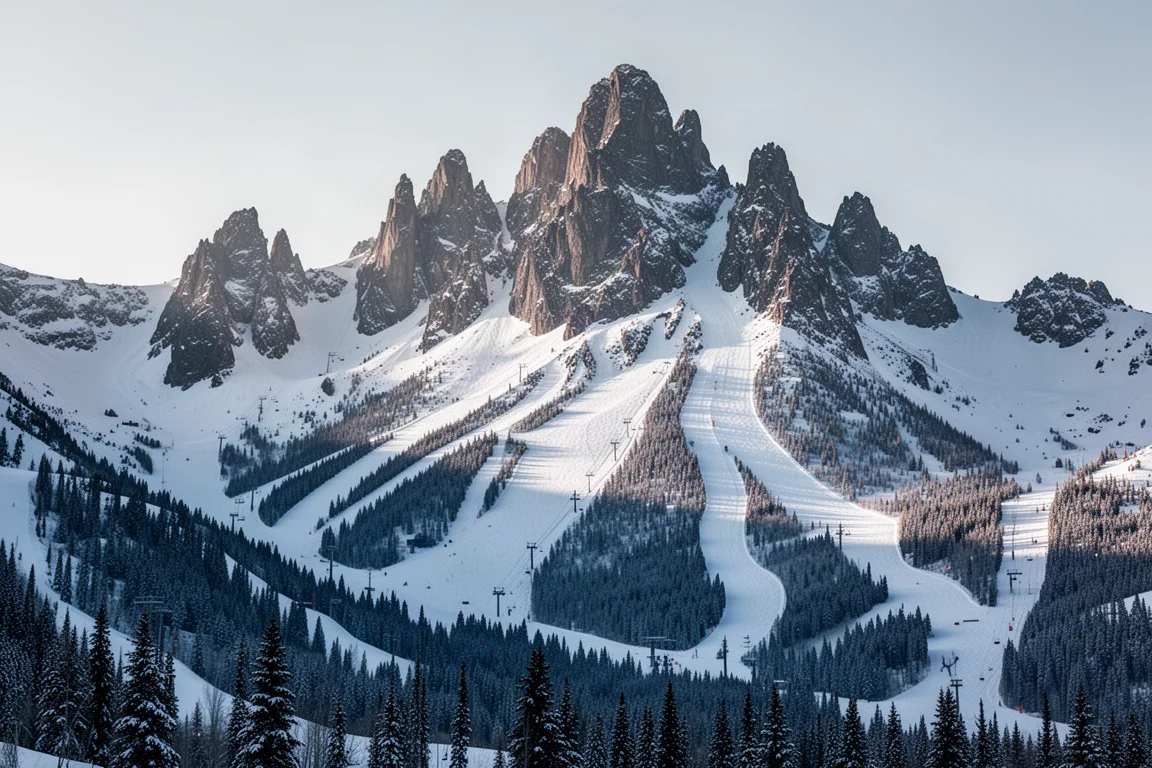
That brings us to the top spot, the interconnected Utah duo of Alta and Snowbird in Little Cottonwood Canyon, which the Ikon Pass treats as one continuous entity. Together they receive arguably the best natural snow of any destination on this list, supremely dry and light yet also frequent, with deep powder days a common occurrence. The combined footprint exceeds 4,500 acres and includes some of the most extreme terrain accessible at any ski resort, with especially gnarly chutes concentrated in Snowbird’s Cirque, all set against an isolated, one-with-nature alpine backdrop just 45 minutes from the Salt Lake City airport when roads are good. The trade-offs are real: Alta remains skier-only, neither resort has a vibrant base village, canyon traffic and paid weekend parking at Alta can complicate access, and only the full Ikon Pass unlocks both mountains, with the Base Pass limited to Snowbird and the Session Pass including neither. But for the ultimate Ikon Pass destination, the snow, reliability and sheer footprint of this duo fit the bill.
Buying Advice
If you are buying the Ikon Pass primarily for one or two big destination trips, focus your planning on the top tier: the Cottonwoods in Utah, Jackson Hole, the Aspen mountains, Lake Louise and Banff Sunshine. If your travel is drive-based, the middle of the list, including Killington, Tremblant, Sunday River, Sugarloaf, Winter Park and Steamboat, offers excellent value without flights. Keep in mind the access tiers: several top destinations, including Aspen Snowmass mountains and Sun Valley, are available only on the full Ikon Pass, and the Banff trio shares a pool of days. For lower-tier pass holders, regional mountains near major metros can still deliver convenient laps, but plan around weekends, which crowd nearly every resort on this list.
Conclusion
The Ikon Pass offers a myriad of options, but they are clearly not created equal. A good number of the resorts near the bottom of this ranking are regional conveniences rather than true value adds for fly-to vacationers. Still, if you are planning to invest in the pass, the top resorts, led by the Alta and Snowbird duo and backed by Jackson Hole, Snowmass, Lake Louise and Banff Sunshine, will not let you down for a multi-day winter vacation.
Further reading
Related Reviews
Ski Resorts
Alyeska Resort Review: Alaska's Largest Ski Resort, Worth the Journey?
A deep look at Alyeska Resort: heavy snowfall, expert terrain, an Icon Pass connection, and the trade-offs of a near-sea-level mountain in the Last Frontier.
Ski Resorts
Bear Valley Ski Resort Review: Northern California's Quiet Sierra Alternative to Tahoe
A lesser-known Sierra resort with over 1,300 skiable acres, surprisingly strong expert terrain, and crowd levels Tahoe can only dream of. Here is what to know before you go.
Ski Resorts
Colorado Ski Resorts Ranked: The Best Destination Mountains for Overall Experience
A ranked guide to Colorado's destination ski resorts, covering terrain, snow, logistics, crowds, and cost so you can pick the right mountain for your trip.