Winter Camping
Igloo vs Insulated Tent: Two Winter Shelter Options Compared
A practical comparison of a traditional snow igloo built with a snow mold and a modern insulated tent, covering warmth, weight, setup effort, and who each shelter suits.
Introduction
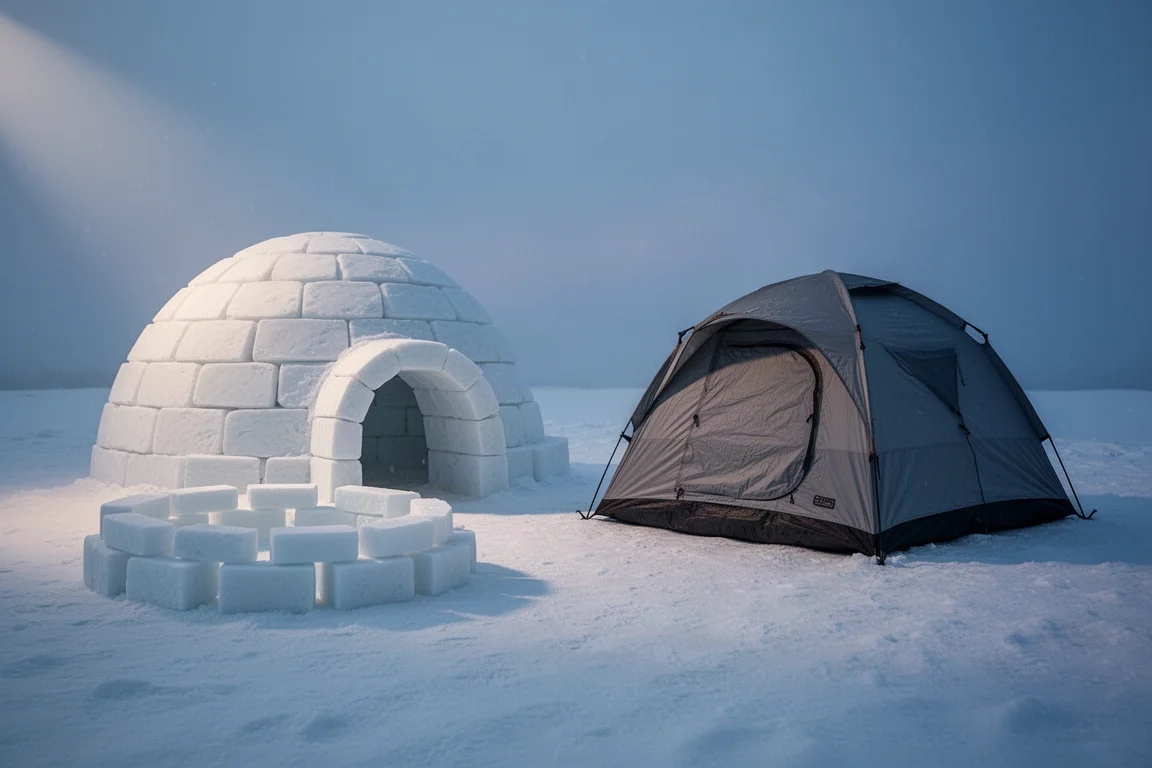
A traditional igloo and a modern insulated tent solve cold-weather shelter from opposite directions. One is built from the snow already on the ground, using nothing you have to carry beyond a small tool. The other is packed in, pitched in minutes, and relies on fabric and a heat source to hold warmth.
To compare them properly, both shelters have to exist at the same time, in the same conditions, with the same kind of heat inside. That means building a working igloo first, then setting up a layered tent camp nearby, and measuring what each one actually does when the temperature drops.
This comparison covers how each shelter is built or pitched, what it weighs, how warm it stays above the outside temperature, and which trips each option genuinely suits.
What Matters When Comparing an Igloo and an Insulated Tent
Five things separate these two approaches, and each one matters more or less depending on how you travel.
The first is warmth. The useful number is not the temperature inside the shelter on its own, but how far above the outside temperature it sits once a heat source has been running for a while.
The second is setup effort and time. Building a snow shelter by hand is slow work, and the effort scales with snow conditions.
The third is packed weight. Anything you carry has to be moved, and winter gear is dragged rather than carried, which changes how much weight is tolerable.
The fourth is weather protection. A shelter that handles wind, snow and rain on its own is a different proposition from one that assumes a second layer around it.
The fifth is ventilation and safety. Any open flame inside a closed shelter consumes oxygen and produces carbon monoxide, so airflow and monitoring are part of the comparison, not an afterthought.
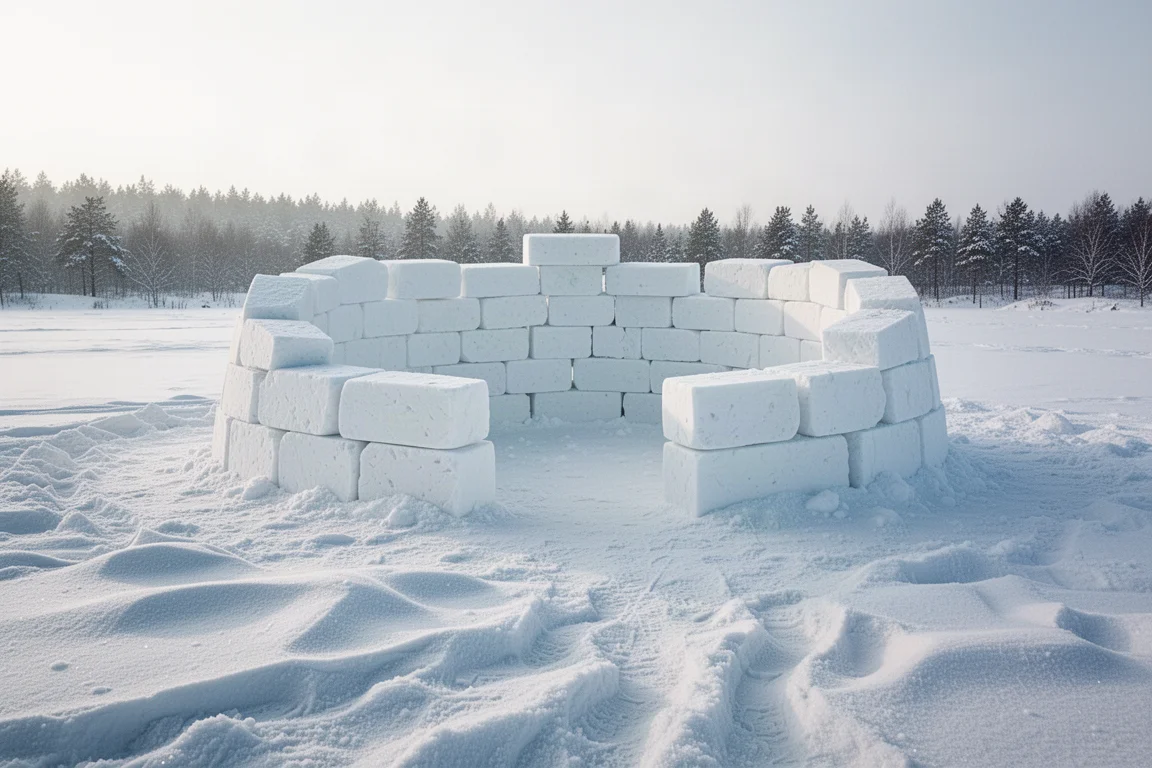
Each of these factors shows up differently in the two shelters below, which is why the choice comes down to priorities rather than a single winner.
Icebox Igloo Building Tool: A Mold for Traditional Shelter
Traditional Inuit igloos are built by cutting snow blocks directly out of wind-swept Arctic plains. That only works because near-constant wind hardens the snow, making it rigid and easier to handle. Drier, more powdery snow does not behave the same way, which is exactly where the Icebox Igloo Building Tool comes in.
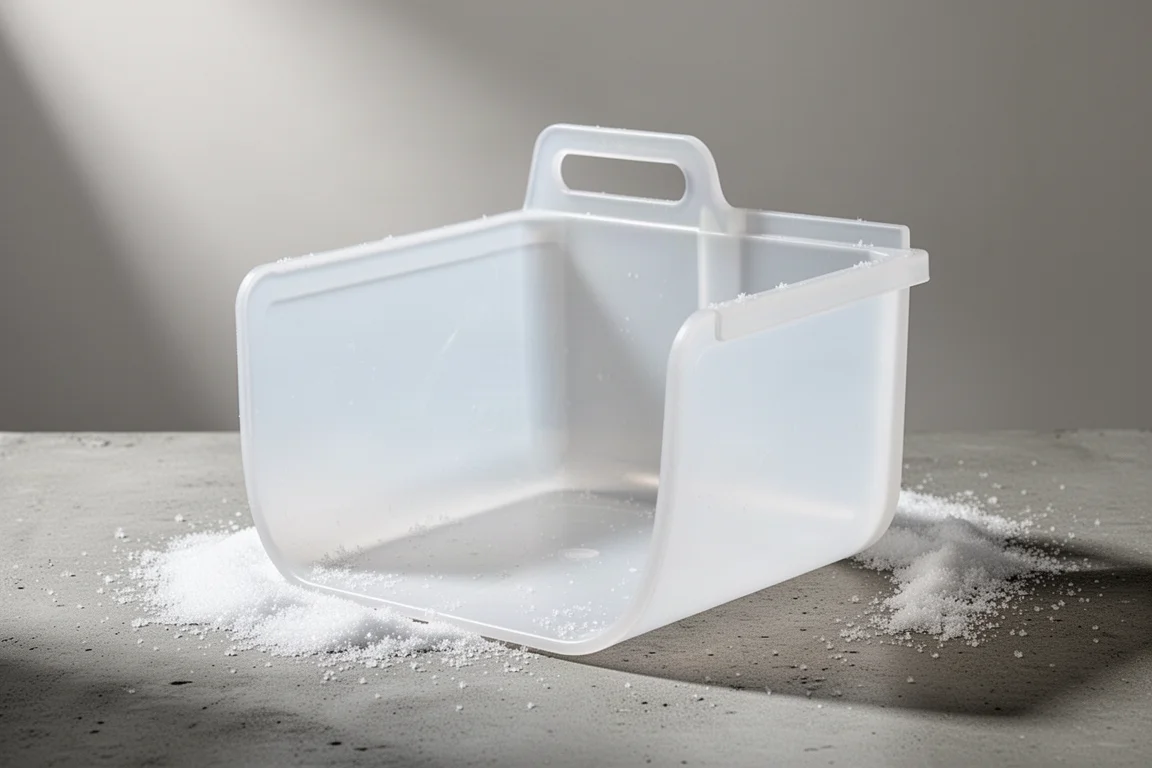
The tool is essentially a mold. You pack snow into it, including fluffy powder, until you have a good hard block, then move it along an ever-tightening circle until the igloo closes. The manufacturer claims you can build an igloo with any type of snow, even dry sugary snow that would not hold together as a snowball.
It also follows a precise pattern to create a more stable shape. Most igloos people picture are half-spheres, but a true igloo is built in the shape of a catenary, the same curve you get by hanging a chain from both ends. It is one of the most stable shapes found in nature, and the tool is designed to reproduce it.
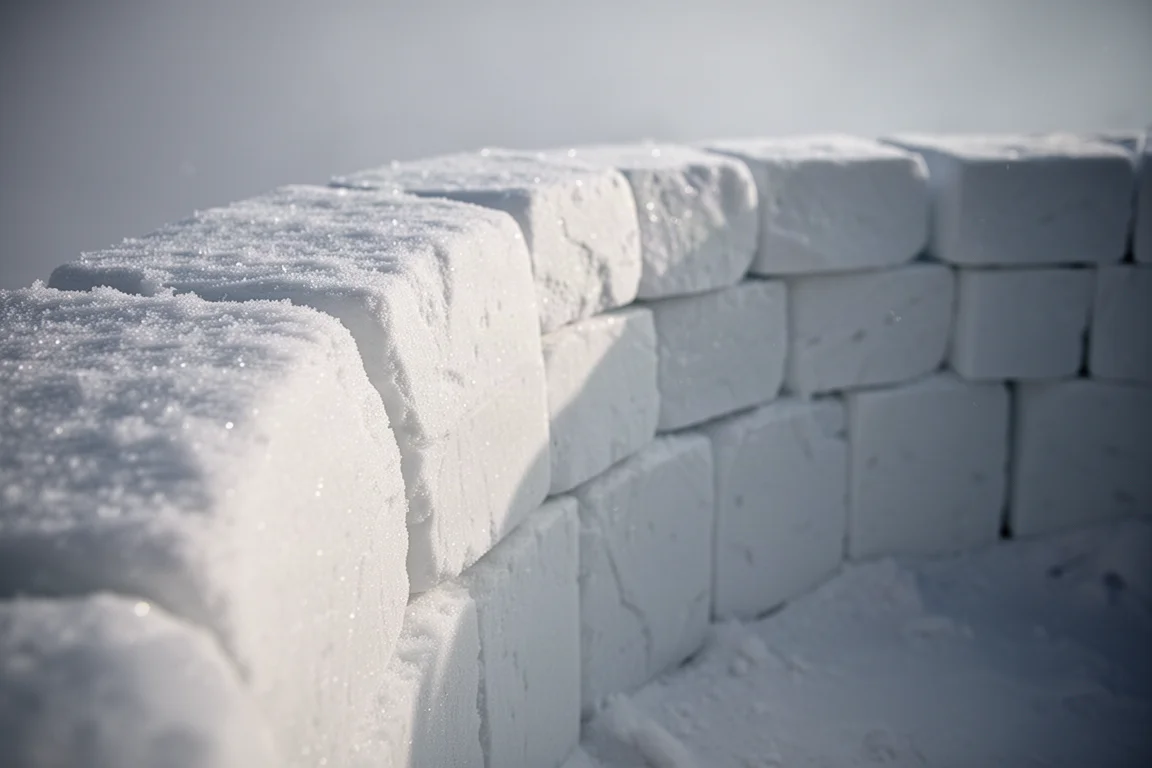
The practical cost is time. Building this igloo took roughly five hours of shoveling and packing snow. Against that, the tool itself weighs around 5 lb, which is a small load for a shelter you construct on site.
Crua Cola Insulated Tent: Layered Warmth for Cold Camping
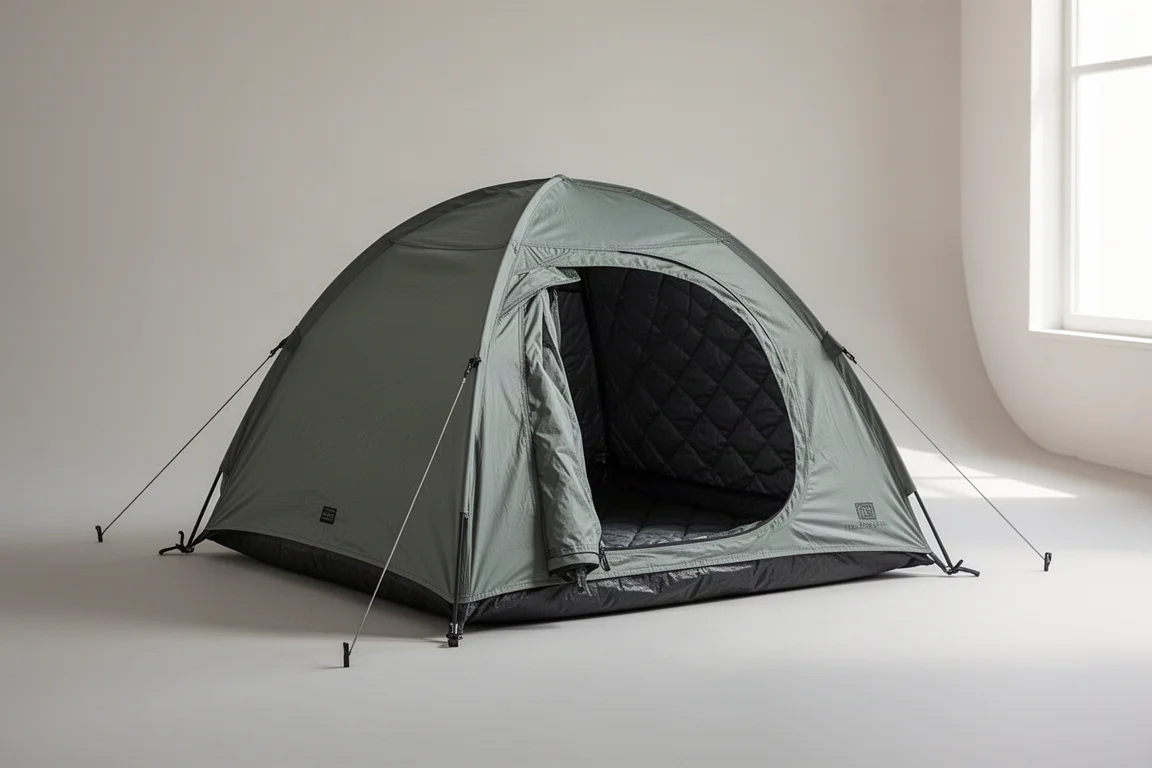
The Crua Cola is an insulated tent, but the insulation is modest: a few millimeters, roughly comparable to an insulated ice fishing tent. Its real design advantage is that it is meant to be used inside another tent. On its own it cannot really handle snow, rain or even wind, which is worth weighing as either a strength or a limitation depending on how you camp.
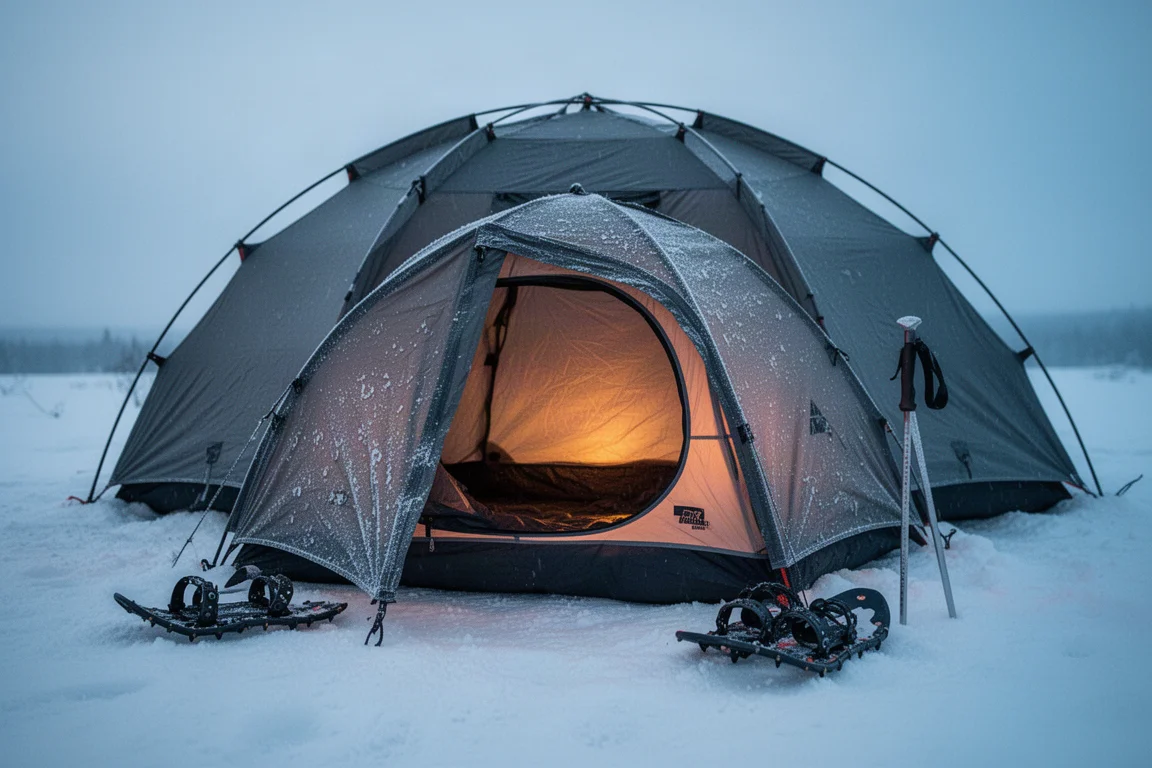
In this setup it went inside a larger six-person tent that was not rated for snow but did help keep the wind out. Setup was far quicker than building an igloo, which is the obvious appeal of a fabric shelter.
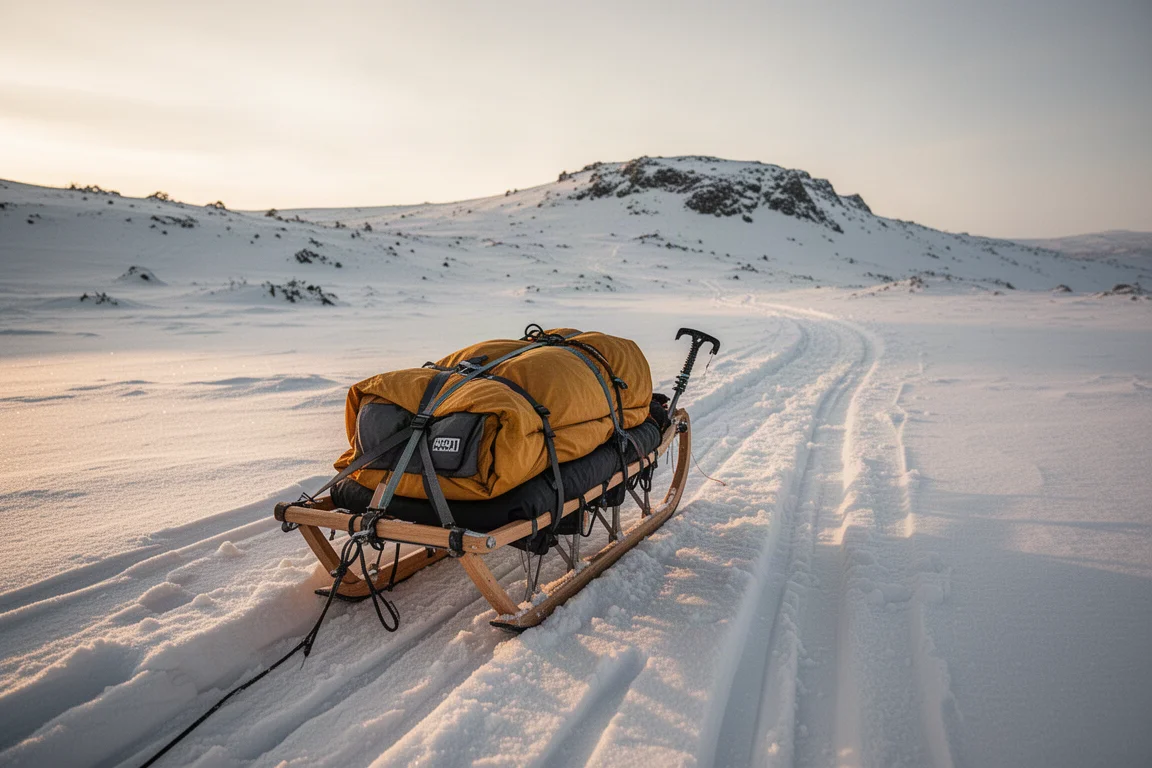
The trade-off is packed weight. The two tents together came closer to 20 lb and had to be dragged in on a pulk, against roughly 5 lb for the igloo building tool alone. That is the core decision: lightweight or fast.
Warmth Results: How the Two Shelters Compared
Both shelters were run with a heat source inside. In the igloo, that was a kuluk lamp, traditionally hand-carved from soapstone with a wick of Arctic cotton grass soaked in whale blubber, here substituted with regular lamp oil and cotton balls for a wick. In the insulated tent, it was a simple lamp burning isobutane.
Ventilation differed in an important way. A small hole was punched in the igloo roof to vent it, which is not possible in a tent, and with two nested tents airflow is worse still. Carbon monoxide sensors were hung in both shelters, along with several thermometers inside each shelter and outside.
After about 30 minutes, the outside temperature was a little over 20 degrees, the igloo had reached 54, and the insulated tent was at 34. Body heat can skew a single reading, so the comparison was repeated with more time spent in the tent. Over a couple of hours, the tent averaged around 26 degrees above the outside temperature, while the igloo averaged around 29 degrees above it.
That is a real but modest gap. The igloo also came with its own practical frictions: the kuluk has to be tended constantly to limit soot and keep oil in it, and because the ceiling of this particular igloo was not curved evenly enough, melting caused by the flame dripped inside rather than running down the walls.
Weight, Packing and Setup Trade-offs
The igloo route costs you hours of labor and demands suitable snow, but you carry very little. A tool of around 5 lb is the entire shelter kit, and the structure itself is made from what is already on the ground. Snow conditions and your own building skill determine how well it turns out, and a poorly shaped roof can mean meltwater dripping on you.
The insulated tent route costs you weight and depends on a second tent around it. In exchange you get a shelter that goes up quickly, blocks wind when layered, and does not depend on snow quality at all. The layering requirement means the total load is what you actually have to move, and that load reached close to 20 lb in this case.
Neither approach is wrong. They simply put the cost in different places: time and skill on one side, packed weight and extra fabric on the other.
Buying Advice: Matching the Shelter to Your Trip
Choose the Icebox Igloo Building Tool if you travel in areas with reliable snow cover, you are comfortable spending several hours on shelter once you stop, and keeping your pack light matters more than saving time. It is a strong fit for winter camping where snow is abundant and you do not mind working for your shelter.
Choose the Crua Cola insulated tent if speed and predictability matter more, and if you already carry or can use a larger outer tent to layer it inside. It is best understood as an inner warming layer rather than a standalone shelter, so factor the outer tent into both your budget and your pack weight.
If you regularly camp in exposed, windy terrain, the layered tent setup is the more dependable option. If you camp where deep snow is guaranteed and you want to move light, the snow mold approach delivers a genuinely warmer shelter for a fraction of the carried weight.
Either way, plan the heat source and ventilation carefully. Open flames inside any enclosed shelter consume oxygen and produce carbon monoxide, and both setups here relied on sensors to stay safe.
Conclusion
In this comparison, the igloo held a small warmth advantage, averaging about 29 degrees above the outside temperature against roughly 26 degrees for the insulated tent. The gap is real but narrow, and it came with hours of building work, constant lamp tending, and a dripping ceiling.
The insulated tent was dramatically faster to put up, but it needed a second tent around it and pushed the carried weight close to 20 lb. The igloo tool weighed around 5 lb and turned whatever snow was on the ground into the shelter itself.
The honest answer is that the better shelter is the one that matches how you travel: light and slow with the snow mold, or fast and heavy with the layered insulated tent.
Further reading
Related Reviews
Winter Camping
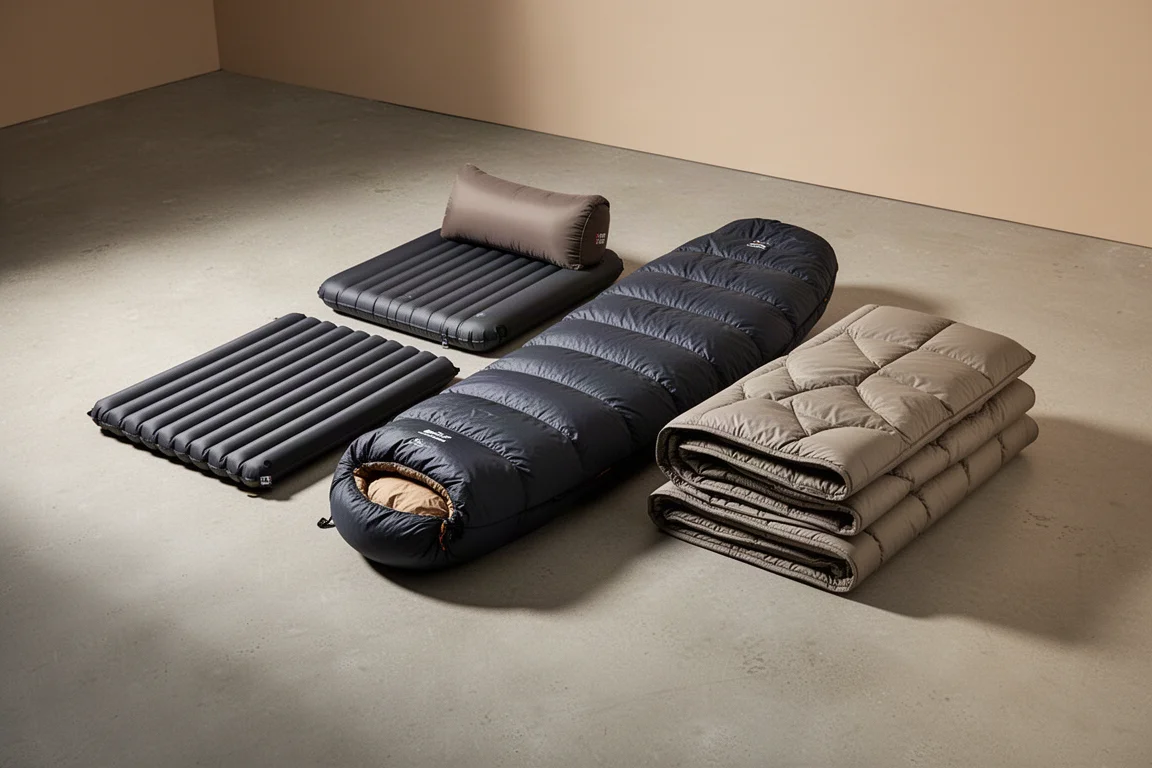
Best Winter Camping Sleep System 2026: Five Layers for Extreme Cold
A ground-up winter camping sleep system built from five pieces: a foam pad, an insulated air pad, a camping pillow, a down sleeping bag, and a synthetic over quilt.

Backpacking Gear
Building a 10 lb Base Weight: An Ultralight Backpacking Gear List
A practical walkthrough of the ultralight pieces behind a 10 lb base weight, from a 765 g pack and a roomy one-person tent to a full camp chair and a dependable water filter.

Road Bikes
10 New Road Bikes Worth Watching: Aero, Titanium, Steel and Endurance Standouts
A practical roundup of 10 new road bikes, from aero flagships chasing single-watt gains to titanium, steel and endurance platforms built for real roads.