Winter Camping Shelters
Igloo vs Insulated Tent: Which Winter Shelter Is Actually Warmer?
A practical comparison of a traditional igloo built with a snow mold and the Crua Cola insulated tent, covering warmth, weight, setup time, and ventilation.
Introduction
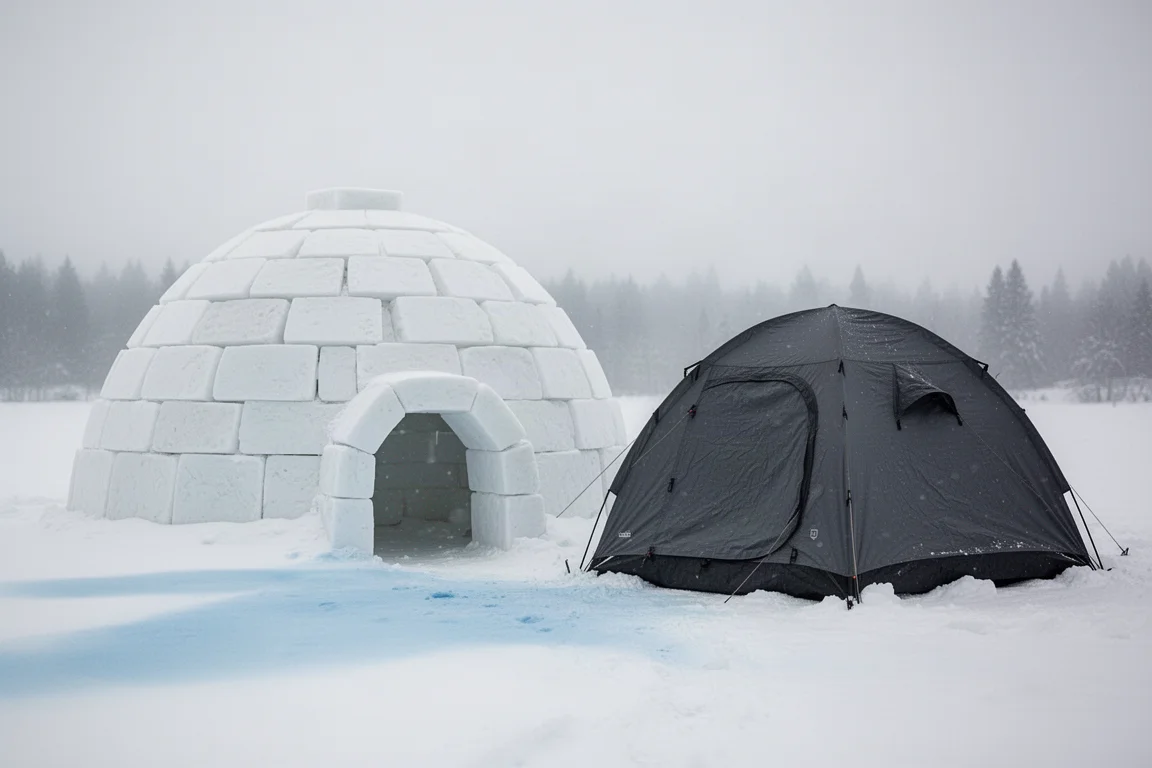
When the temperature drops, the oldest shelter design in the world goes head to head with modern insulated fabric. This comparison looks at two very different ways of staying warm in snow: a traditional igloo built with a purpose-made snow mold, and a modern insulated tent designed to sit inside another tent.
Both are legitimate cold-weather options, but they ask very different things of the person using them. One demands hours of labor and rewards you with a rigid, wind-resistant structure. The other goes up quickly, but it has to be carried in and paired with an outer tent to be useful. The real question is which one stays warmer, and what you give up to get there.
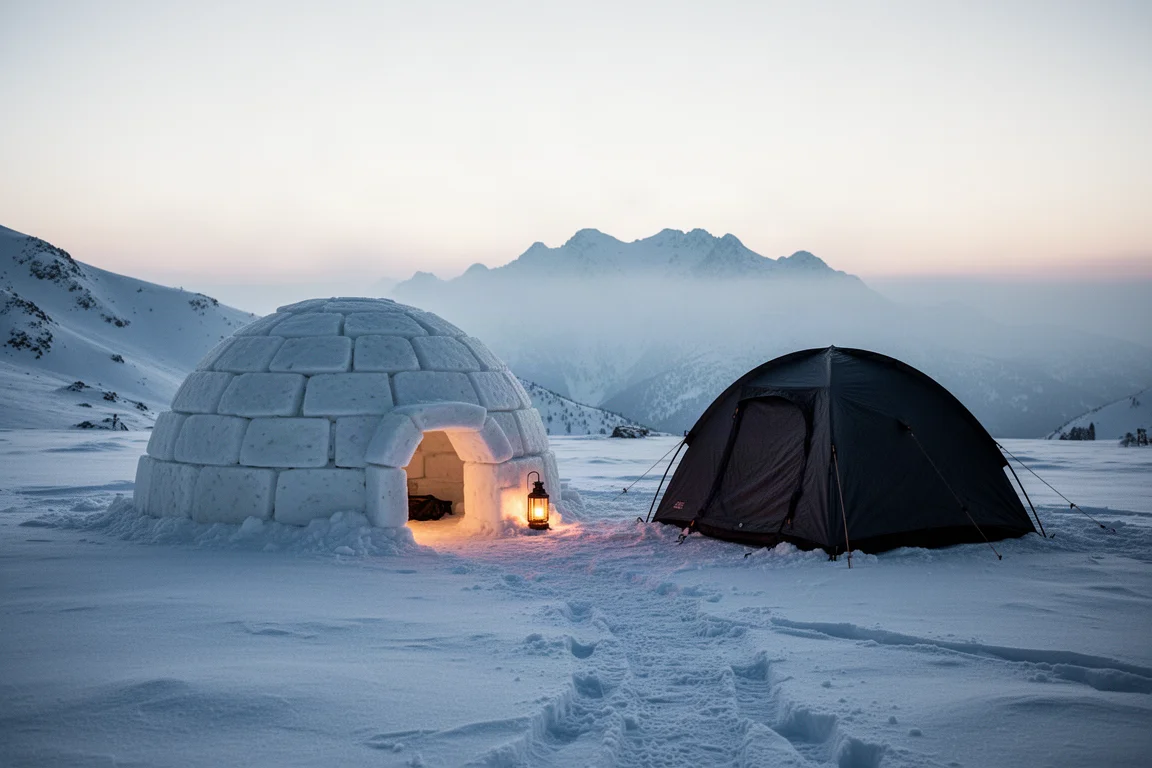
The answer turns out to be closer than most people expect, and the gap between the two shelters is small enough that the decision comes down to weight, time, and ventilation rather than raw warmth alone.
How We Evaluated These Shelters
Both shelters were set up in Colorado snow conditions and compared with the same basic method: a small heat source inside each, thermometers inside both shelters and outside, and carbon monoxide sensors to keep the setup safe. Temperatures were recorded over roughly a couple of hours, with readings taken at the 30-minute mark and again at the end.
That method matters because body heat and open flames both distort results. Spending more time inside one shelter than the other can raise its reading on its own, which is why the comparison relied on averaged temperatures rather than a single snapshot.
Traditional Shelter: The Icebox Igloo Building Tool
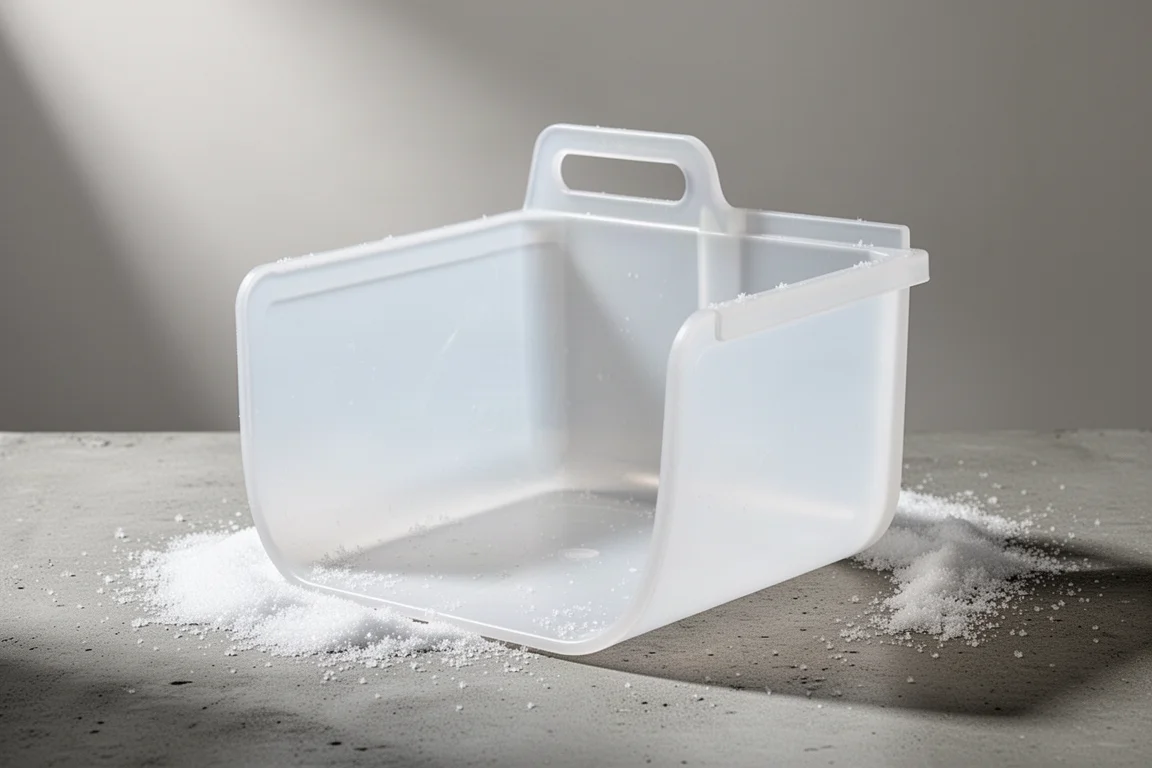
Traditional Inuit igloos are built by cutting snow blocks directly from wind-swept Arctic plains. Constant wind hardens that snow, making it rigid and easier to handle. Colorado snow is drier and more powdery, which makes blocks difficult to keep in one piece, so the build used the Icebox Igloo Building Tool. It is essentially a mold that packs snow, even fluffy powder, into a good hard block. You move the mold over a little at a time, following an ever-tightening circle, until an igloo takes shape. The manufacturer claims it works with any type of snow, including dry sugary snow that would not hold a snowball.
The tool also follows a precise pattern to create a more stable shape. A true igloo is built in the shape of a catenary, the curve you get by hanging a chain from both ends, which is one of the most stable shapes found in nature. Igloos are often pictured as spheres cut in half, but the catenary profile is what gives the structure its strength.
The trade-off is time and effort. The build took roughly five hours of shoveling and packing snow. The tool itself weighs around 5 lb, so it is light to carry, but the labor is the real cost.

Once finished, the igloo proved remarkably effective. A small traditional-style lamp raised the interior temperature well above the outside air, and the structure held that warmth inside a rigid shell that wind cannot deform.
Modern Shelter: The Crua Cola Insulated Tent
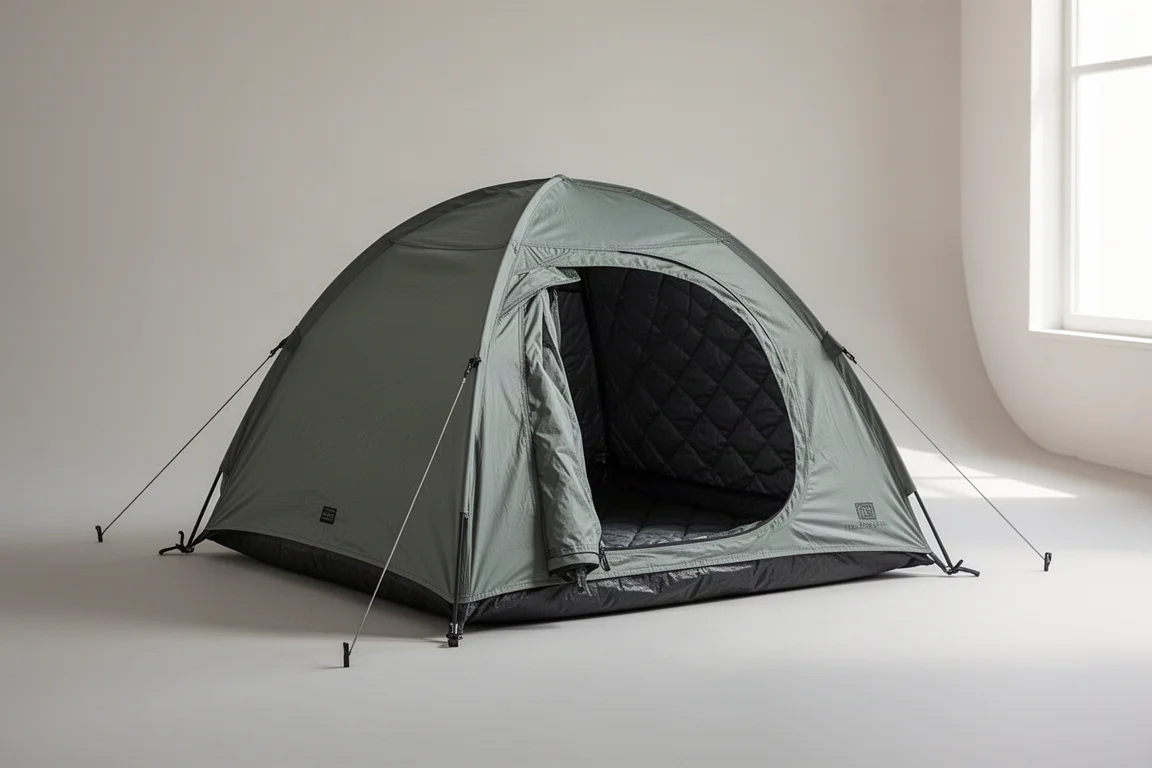
The Crua Cola insulated tent takes the opposite approach. As far as insulation goes, it does not carry much, just a few millimeters of material, roughly comparable to an insulated ice fishing tent. Its real advantage is that it is designed to be pitched inside another tent. On its own it cannot really handle snow, rain, or even wind, which you can weigh as either a strength or a limitation depending on how you plan to camp.
In this setup the insulated tent went inside a six-person outer tent. That outer tent is not rated for snow, but it does help keep the wind out. Setup was far faster than building an igloo, and the whole package was easier to position once the outer tent was standing.
The cost shows up on the trail rather than at camp. The two tents together weigh close to 20 lb, and the load was heavy enough to require dragging on a pulk. Set that against roughly 5 lb for the igloo tool and the choice becomes straightforward: lightweight or fast.
Warmth Test Results: How Much Difference Did It Make
Inside the igloo, a traditional-style lamp provided the heat. The classic version is a kuluk, hand-carved from soapstone with a wick of Arctic cotton grass soaked in whale blubber. Arctic cotton grass and whale blubber are hard to come by, so the test used lamp oil with cotton balls as a wick. The design has a clever detail: sliding the wick up and down a slope changes the flame height. Push the wick deeper into the oil for a smaller flame with less soot, or pull it out for a taller flame that would traditionally be used for cooking. The catch is that it needs constant attention to manage soot and keep the oil topped up.
The insulated tent used a simple lamp burning isobutane. An open flame inside a tent is risky for more than fire: any flame consumes oxygen and produces carbon monoxide, and ventilation is harder to manage with two tents layered together. The igloo had a small ventilation hole punched in the roof, which is not possible in the tent. Carbon monoxide sensors hung in both shelters as a safety measure.
At the 30-minute mark, outside air sat a little over 20 degrees, the igloo read 54 degrees, and the insulated tent read 34 degrees. That early gap was partly explained by time spent inside the igloo tending the lamp, so readings were averaged over a longer period. Over a couple of hours, the tent averaged about 26 degrees above the outside temperature and the igloo averaged about 29 degrees above it.
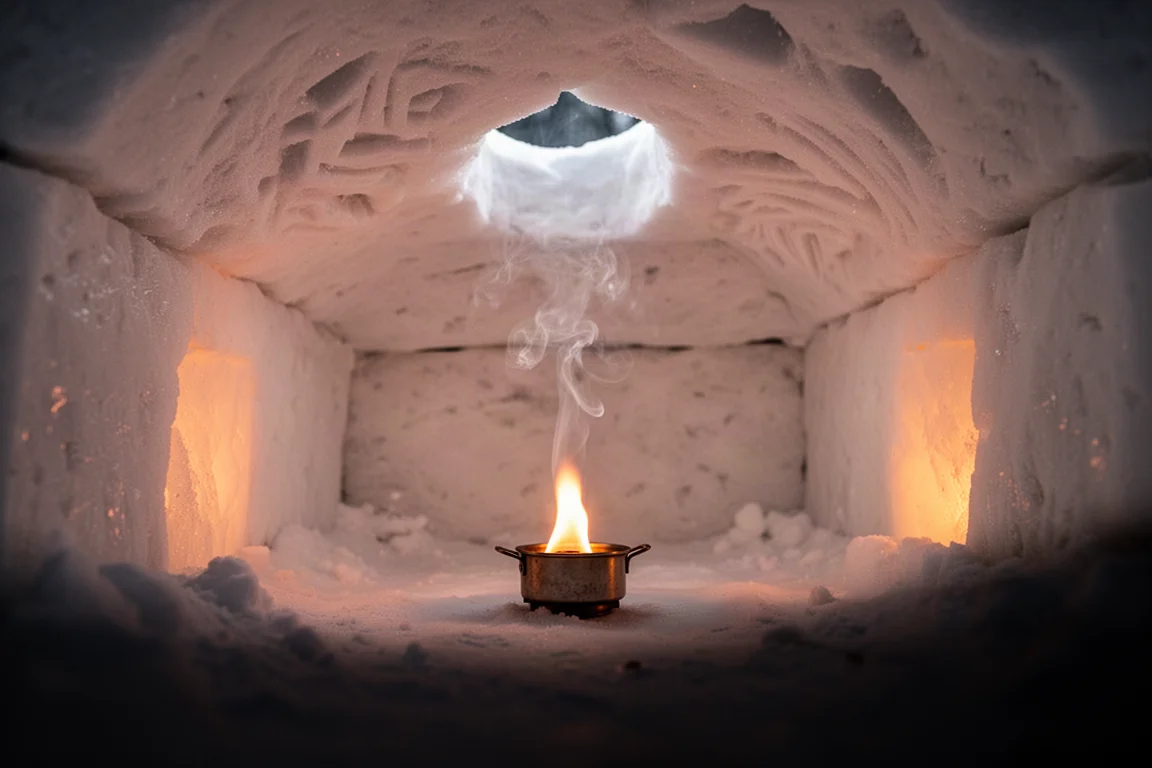
So the traditional structure came out ahead, but only by a few degrees. That is a much smaller margin than the folklore suggests.
Practical Trade-Offs: Weight, Speed, and Ventilation
Weight and speed are the clearest dividing lines. The igloo tool is around 5 lb and needs about five hours of work, but it produces a rigid shelter that stands up to wind. The two-tent setup is much faster to pitch but weighs close to 20 lb and depends on a second tent for weather protection.
Ventilation is the second consideration, and it matters more than most people expect. The igloo allowed a ventilation hole in the roof, and the traditional lamp design gives fine control over flame size. The tent had no such option, so any open flame inside it carried a real carbon monoxide risk.
Craftsmanship also plays a role in how well an igloo performs. A well-shaped catenary roof sheds meltwater down the walls. A less even roof lets it drip, which is exactly what happened here. Experience with the mold translates directly into a drier, more comfortable shelter.
Buying Advice
The right choice depends on what you are optimizing for.
If you want the lightest possible load and you are willing to invest a few hours of labor, the igloo building tool is the better fit. It works with snow that will not hold a snowball, packs into a small carry weight, and produces a stable structure that does not need a second shelter around it.
If speed and simplicity matter more, the insulated tent makes sense as part of a layered system. It is quick to pitch and adds a warmer inner layer, but it needs an outer tent for wind, rain, and snow protection, and the combined weight is substantial.

Either way, plan heat and airflow carefully. A small, controlled flame is the difference between a warm shelter and a hazardous one.
Conclusion
The comparison is closer than tradition versus technology would suggest. The igloo averaged about 29 degrees above outside temperature and the insulated tent about 26 degrees, so the traditional build does come out warmer, but only slightly. The bigger differences are weight, setup time, and how each shelter handles wind and ventilation. Choose the igloo tool for light loads and long builds, and the layered tent system for fast camps where a heavier pack is acceptable.
Further reading
Related Reviews
Winter Camping Gear
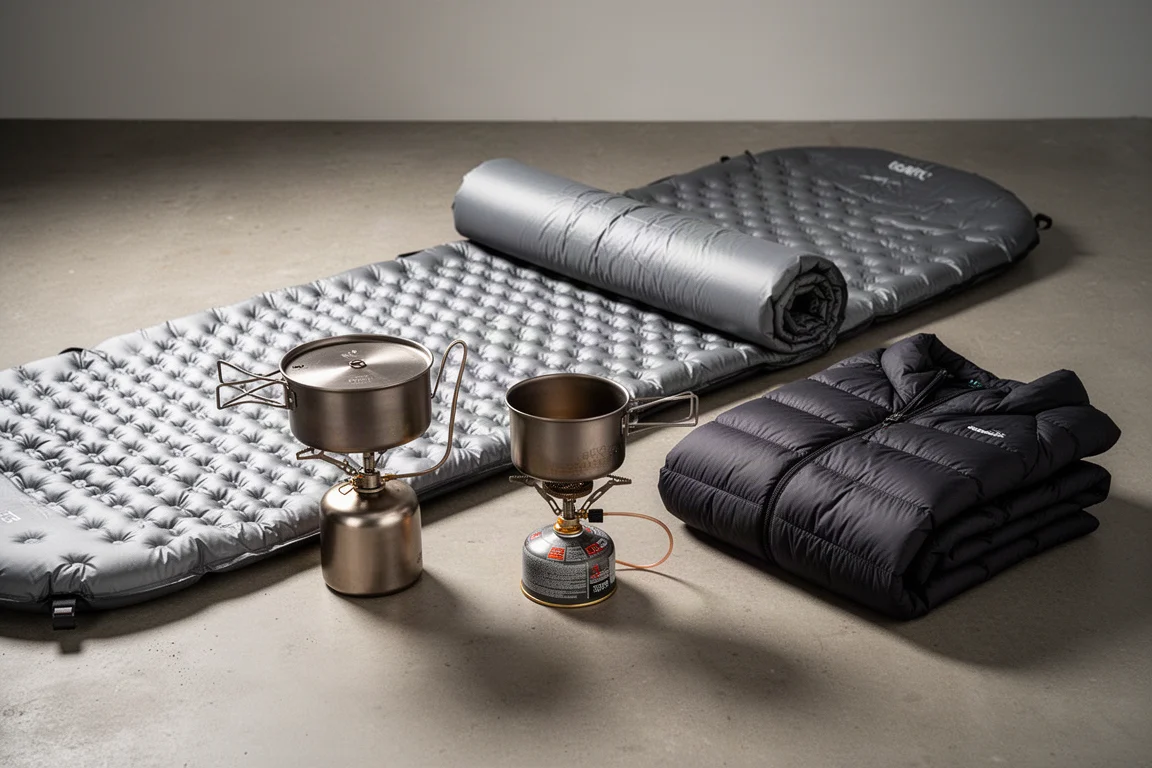
Affordable Winter Camping Gear: Six Budget Pieces Tested Below Freezing
Three reflective sleeping pads, an updated down jacket, a titanium pot and a $25 winter stove, assessed on frozen ground at around minus 12 degrees Celsius.
Outdoor Apparel
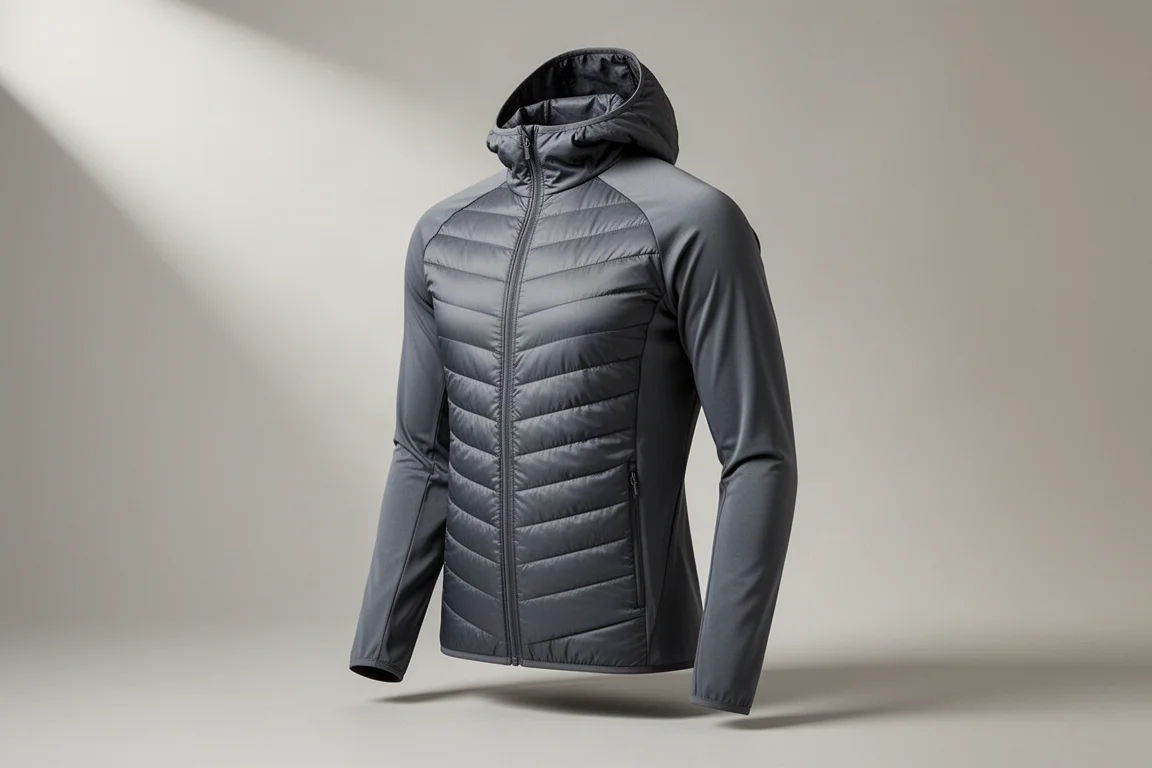
Arc'teryx Atom LT Review: A Lightweight Synthetic Mid-Layer Built for Movement
A close look at the Arc'teryx Atom LT, a breathable synthetic mid-layer with Coreloft insulation, fleece side panels, and a helmet-compatible hood.
Camping Gear
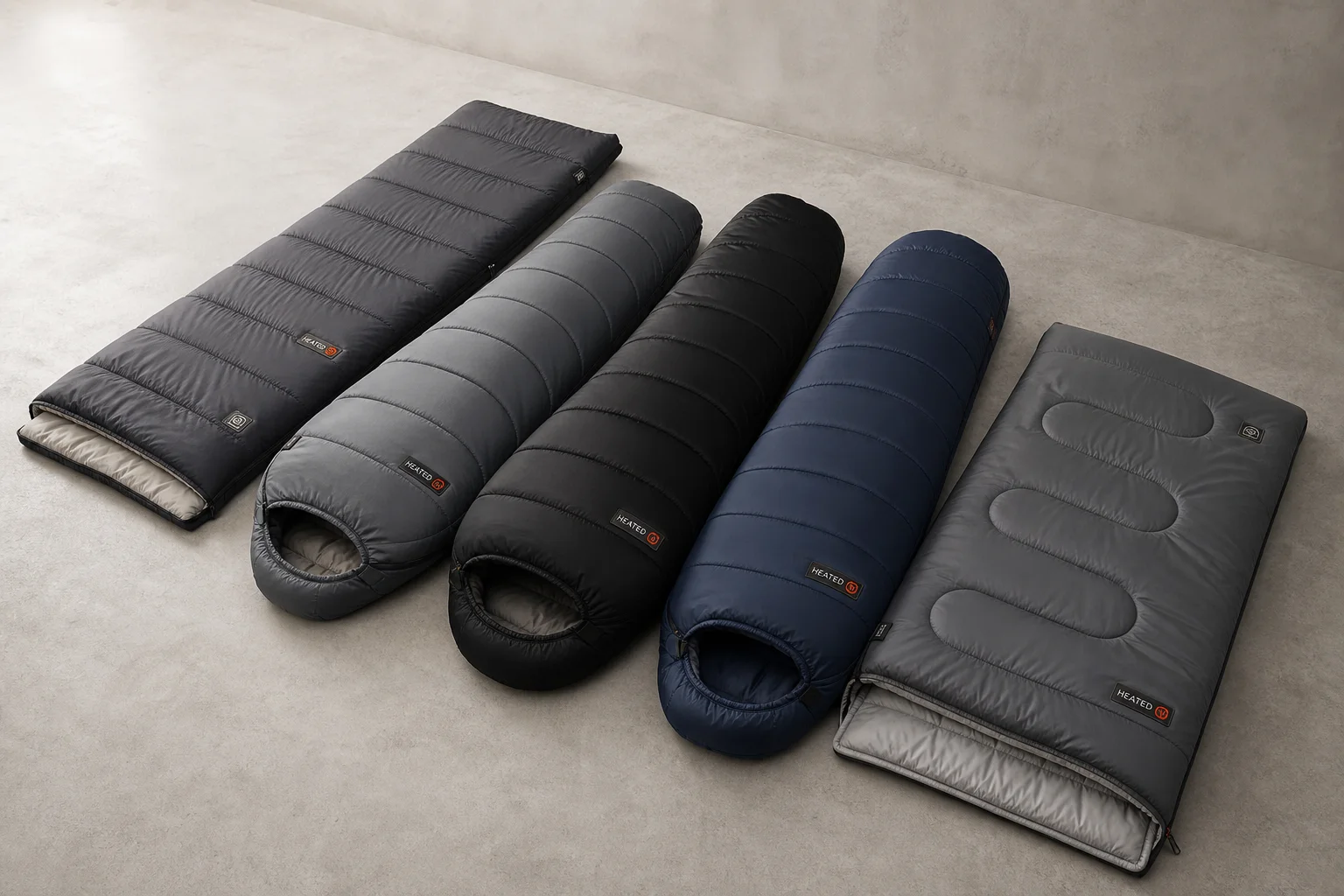
Best Heated Sleeping Bags 2025: Five Options for Winter Camping
Five heated sleeping bags designed to eliminate cold nights and restless sleep during winter camping and cold-weather adventures.