FPV Drones
iFlight Skyviz FPV Goggles Review: High-End Analog with Built-In Fusion Receiver
A detailed look at the iFlight Skyviz analog FPV goggles, including performance testing against top-tier receivers, design strengths, and practical limitations for different flying styles.
Introduction
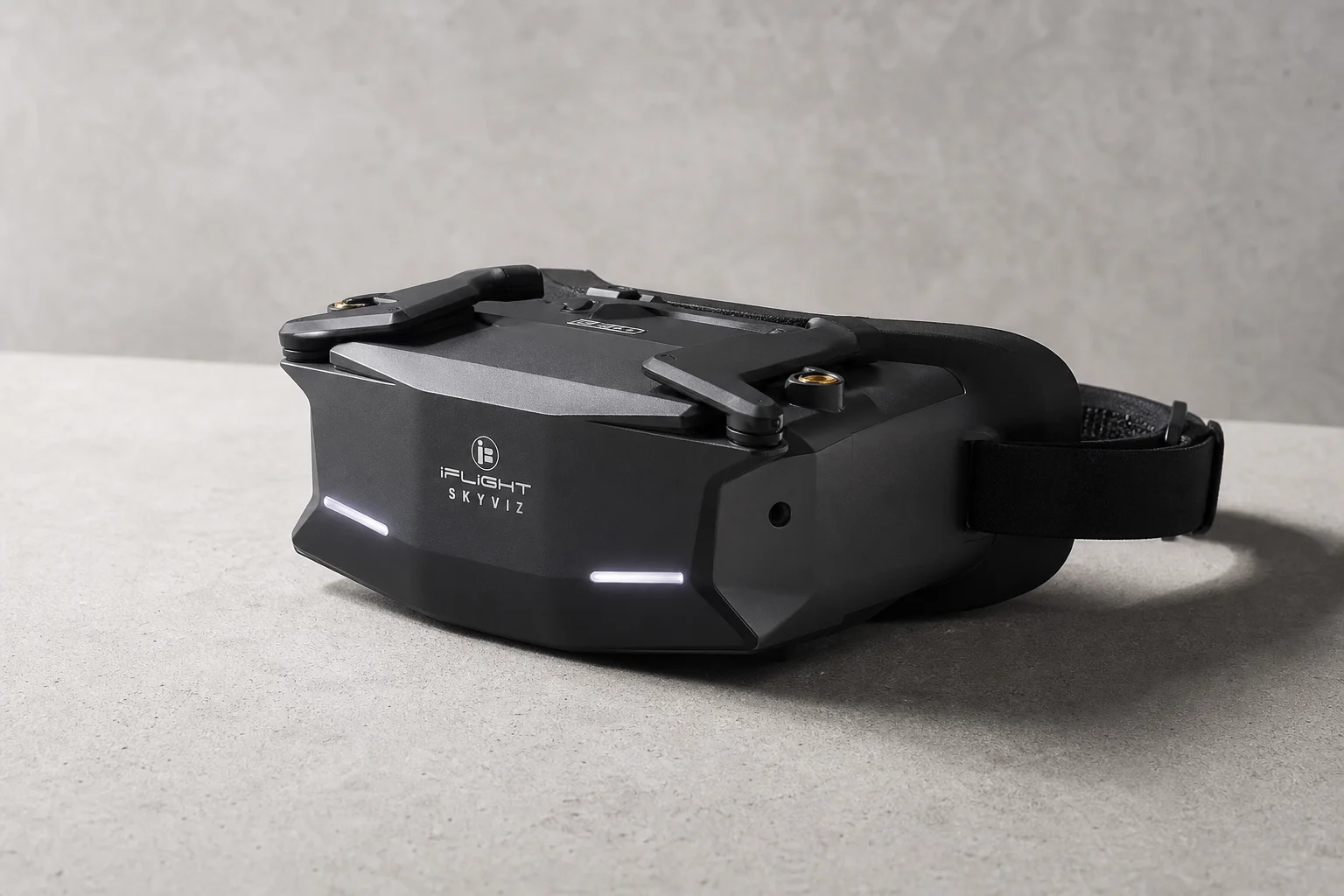
The iFlight Skyviz represents a significant shift in how high-end analog FPV goggles are designed. Rather than selling you a base unit and expecting you to purchase a separate fusion receiver and antenna set, iFlight has integrated a fusion receiver and folding antennas directly into the goggles. This approach simplifies the setup and reduces the total cost of ownership when you factor in what a standalone fusion receiver and quality antenna set would cost separately. However, integrating these components also introduces trade-offs that matter depending on how you fly. This review covers the design, performance testing against professional-grade receivers, practical limitations, and who these goggles suit best.
Design and Build Quality
The Skyviz goggles arrive in a well-made clamshell case with a thick head strap, power cable, microfiber cloth, user manual, and warranty card. The compact form factor feels lightweight but solid, and the folding antennas are a genuine convenience feature. Unlike traditional FPV goggles where you attach and remove antennas each time you pack up, the Skyviz antennas fold flush against the housing. This saves significant space in a flight bag and means you can be airborne faster without fiddling with external modules or antenna installation.
The front of the goggles features LED strips that can be customized in color or turned off entirely via the menu system. While purely aesthetic and not necessary for flying, they do add a modern visual touch. The linear omnidirectional antenna design means you maintain reasonable reception even when flying behind yourself, which is useful for freestyle and racing but less ideal for long-range work where patch antennas would be preferred.
The power input uses a DC4530 barrel connector rather than the more common DC5521 standard found on most other goggles. This is a tighter, more secure connection with a smaller PCB footprint, but it does mean your existing spare cables won’t fit. The included cable is high quality, and cheap adapters are available online if needed. The goggles accept 7 to 28 volts, so you can power them from a 2S to 6S battery, making it convenient to use a flight pack if you forget a dedicated goggle battery.
Display and Optics
The Skyviz uses 700nit 1920x1080p OLED displays with a 100Hz refresh rate, which places them among the best FPV goggles available. The 7-element aspherical lens system delivers a 44-degree field of view, which strikes a good balance between peripheral awareness and image focus. You can fly in either 4:3 or 16:9 aspect ratio. In 16:9 mode, the goggles stretch the 4:3 image from your camera to fill the screen without cropping, preserving your full field of view while creating a more cinematic presentation. The DVR records in 720x480 resolution at 30 frames per second in AVI format with MP4 codec. While the recording quality is solid for analog, the 30fps cap is a limitation given the 100Hz screen refresh rate. Support confirmed that MP4 recording is not planned, so you will need to convert AVI files on your computer if you prefer a different format.
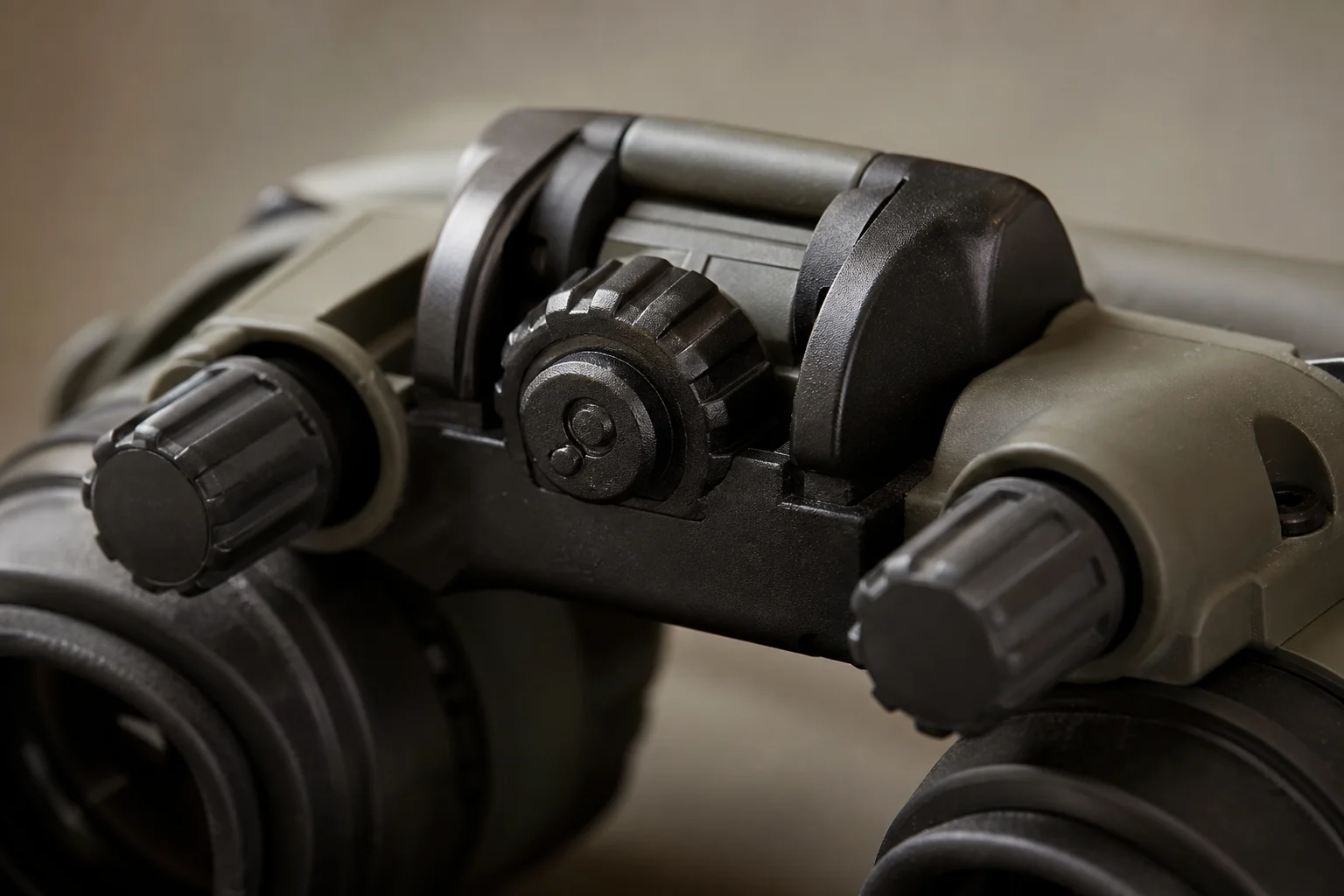
The diopter adjustment ranges from minus 7 to plus 2, which should accommodate most users without glasses. The adjustment mechanism has a satisfying clicky feel and locks securely once set. Interpupillary distance adjustment uses knobs with good resistance, preventing accidental shifts during transport or flight.
Comfort and Fit
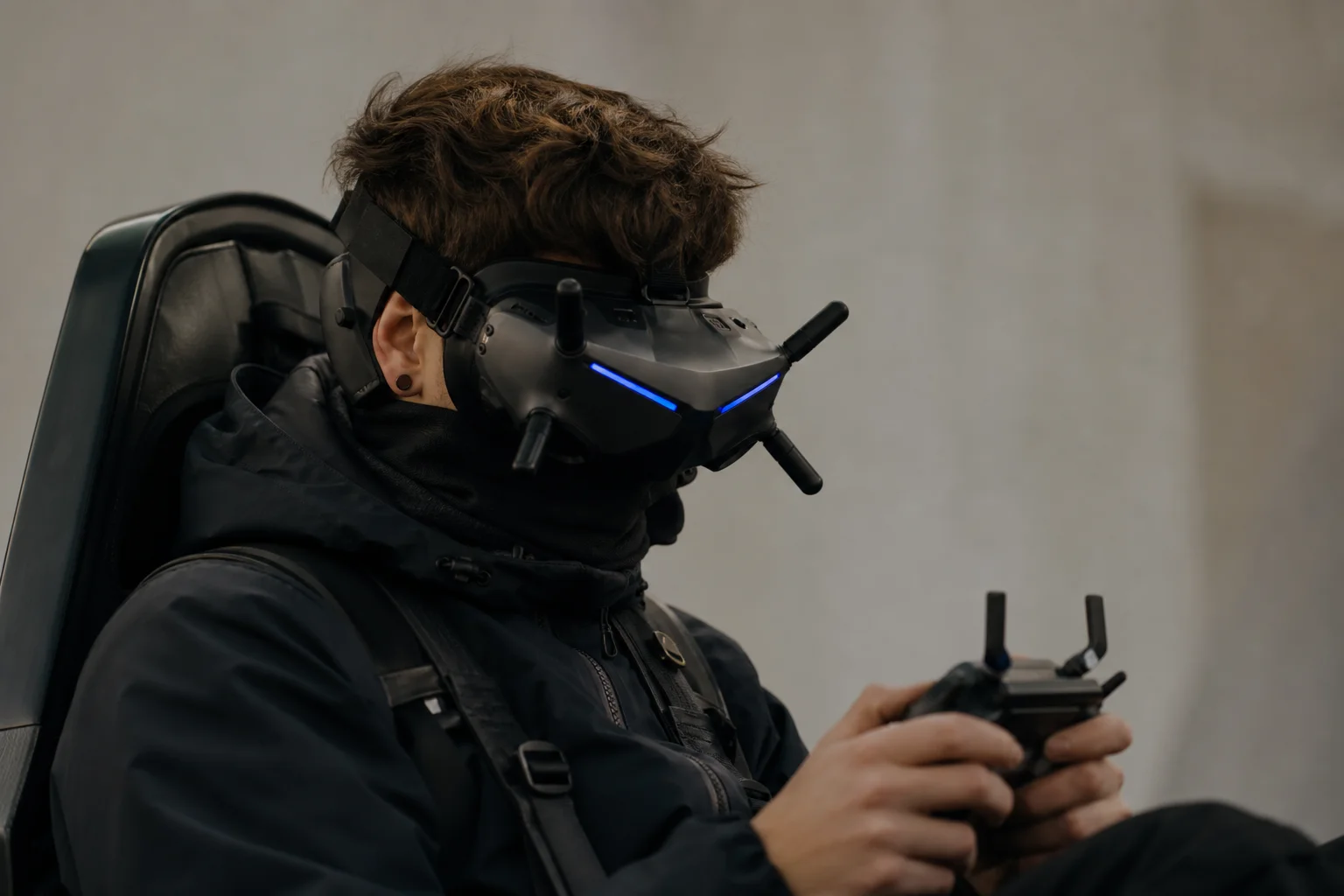
The goggles come with a plush, soft rubbery face pad that feels comfortable initially. However, fit is highly subjective and depends on face shape. In testing, there was some pressure on the nose and minor light leak at the sides and bottom. This is not uncommon with FPV goggles, and many pilots end up purchasing aftermarket foam pads. iFlight does not currently offer alternative face plates or foam options, which is a missed opportunity compared to competitors like SkyZone who include multiple foam options. That said, aftermarket foams from other goggle manufacturers can work if they have Velcro backing compatible with the plastic shell.
An air intake vent on the right side helps manage heat buildup. The fan level is adjustable in the menu, and in practice, the cooling system performs well. Even in hot weather and extended flight sessions, fogging and overheating have not been issues.
The SD card slot is positioned above the right lens, which is an awkward placement that makes removal difficult without tweezers. The foam has an indentation for the card, but the tight space creates a risk of accidentally touching the lenses.
Built-In Fusion Receiver and Antennas
The core value proposition of the Skyviz is the integrated fusion receiver and antennas. The fusion technology blends incoming signals to create a cleaner image, matching the functionality of high-end modules like TBS Fusion or Rapid Fire. To evaluate how well the built-in receiver and antennas perform, testing was conducted against a TBS Fusion receiver using omnidirectional antennas on both systems for a fair comparison.
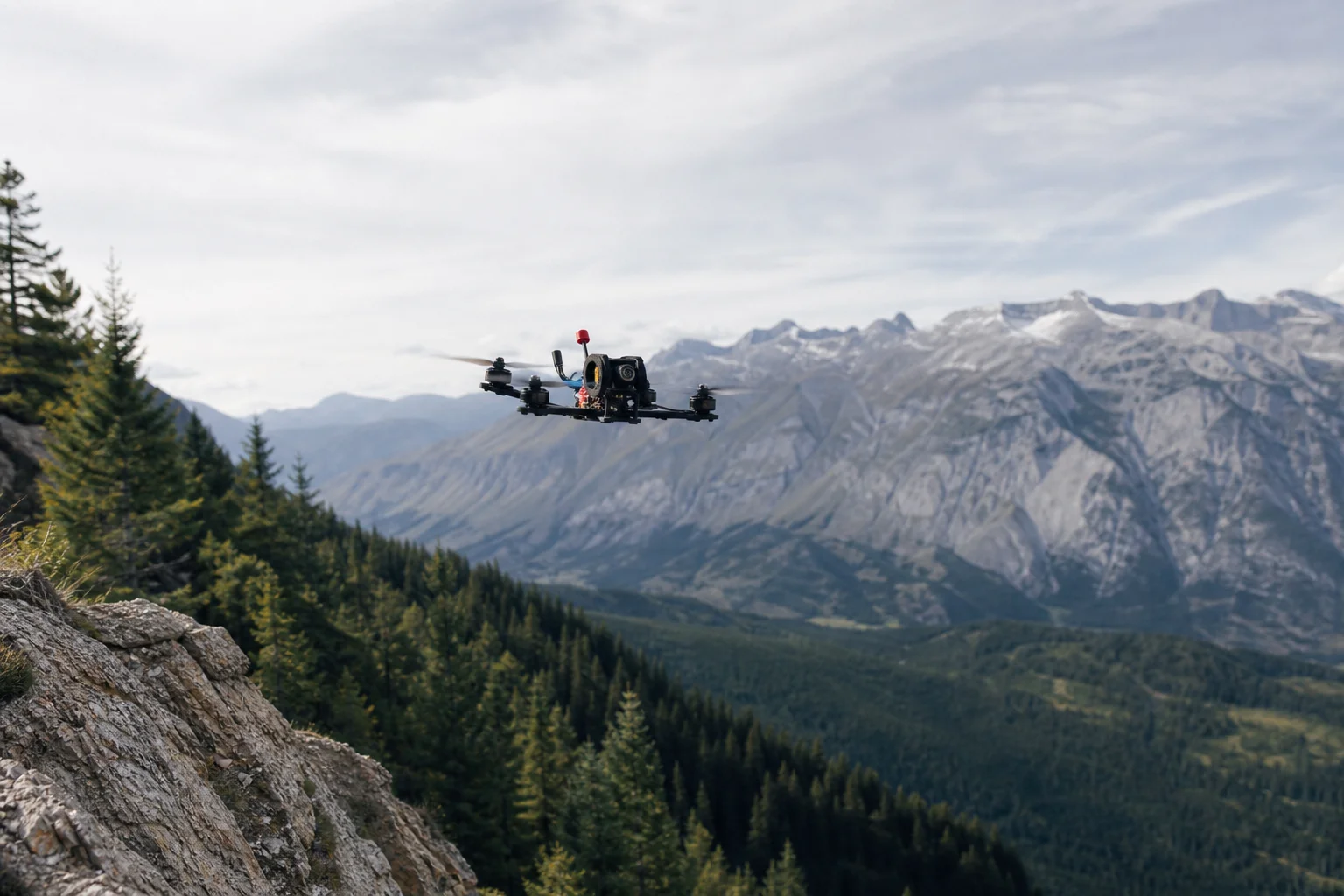
The test involved flying a GepRC MarkV 7-inch drone with a 2.5-watt Maten VTX over mountainous terrain at high elevation with challenging wind conditions. The Skyviz held its own against the TBS Fusion, with signal breakup patterns differing but overall performance being comparable. The built-in omnidirectional antennas proved effective for the test range and conditions. However, the lack of patch antenna options is a real limitation for true long-range pilots. iFlight has indicated no current plans to release patch antennas, though the antenna connector design suggests they could be developed if demand warrants it.
For pilots flying tiny whoops, freestyle, or racing, the built-in receiver and omni antennas are more than adequate. For long-range work, the inability to swap in directional antennas is a meaningful constraint.
Range and Penetration Performance
Testing included penetration through dense pine forest at the edge of line-of-sight range. The Skyviz performed well in these challenging conditions, maintaining a flyable signal even when the drone was partially obscured by trees. The signal degradation was gradual rather than abrupt, which is characteristic of good analog fusion receivers. In comparison to the TBS Fusion with quality omnidirectional antennas, the Skyviz was competitive and occasionally outperformed the reference system under certain conditions.

It is worth noting that the test range of approximately 1.5 kilometers is within legal limits for the location but represents a moderate distance rather than extreme long-range flying. Dedicated long-range pilots typically use patch antennas and higher power VTX modules, which the Skyviz cannot accommodate due to its fixed antenna design.
Advantages of Analog FPV
The Skyviz operates in the analog domain, which carries inherent trade-offs compared to digital systems. Analog offers genuine advantages in weight, latency, range potential, and cost. Analog VTX modules are significantly cheaper than digital alternatives, which adds up when you operate multiple drones. Analog tiny whoops outfly their digital equivalents because every gram matters at that scale. Analog signals remain flyable with static when degraded, whereas digital signals can freeze or become unusable abruptly. For pilots who value these characteristics, the Skyviz is a solid choice.
Price and Value
The Skyviz goggles are positioned at a premium price point. However, when you factor in the cost of a standalone fusion receiver (TBS Fusion or Rapid Fire) and a quality antenna set, the integrated approach becomes more cost-competitive. You are paying for convenience, a modern design, and the elimination of external modules. Whether that justifies the asking price depends on your flying style and priorities.
Conclusion
The iFlight Skyviz delivers strong performance in a compact, modern package. The 1920x1080p OLED displays with 100Hz refresh rate, integrated fusion receiver, and folding antennas represent genuine engineering effort. The built-in receiver performs on par with professional-grade standalone modules, and the simplified menu system is faster to navigate than many competitors.
The main limitations are fit variability (mitigated by aftermarket foams), DVR recording at 30fps in AVI format, and the inability to use patch antennas for long-range flying. For tiny whoop pilots, freestyle flyers, and racers, these limitations are minor. For dedicated long-range pilots, the fixed omnidirectional antenna design is a meaningful constraint.
If you fly analog FPV and want a high-quality, integrated goggle system without the hassle of external modules, the Skyviz is worth serious consideration. If you require patch antenna flexibility or need 60fps DVR recording, you may need to look elsewhere or accept these trade-offs as the cost of the integrated design.
Product link
View more details for iFlight Skyviz
This product is mentioned in the review. Check the specifications, options, and compatibility before buying.
View more details for iFlight SkyvizFurther reading
Related Reviews
FPV Drones
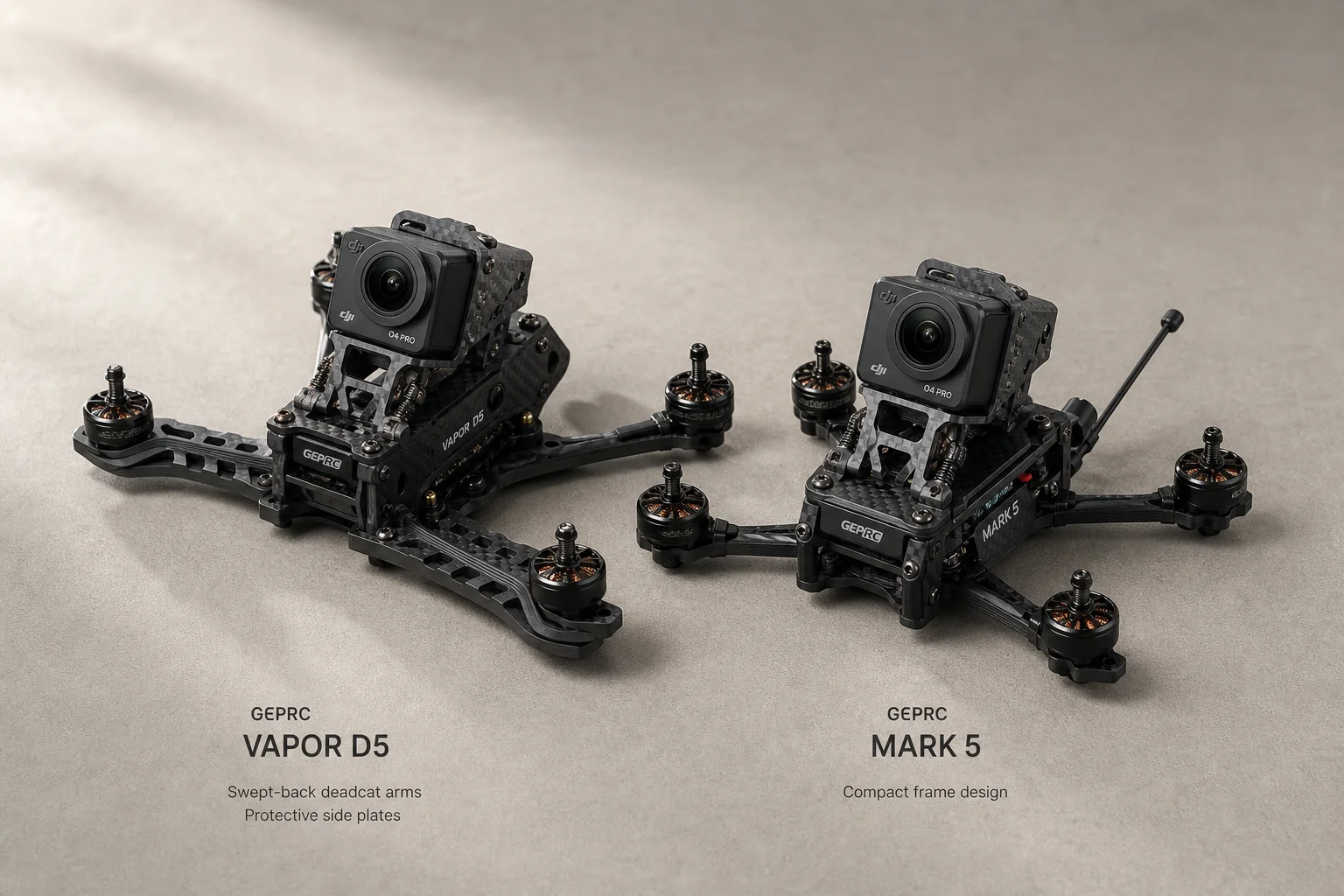
Best 5-Inch FPV Drones 2026: Vapor D5 vs Mark 5 Comparison and Review
A detailed comparison of the GEPRC Vapor D5 and Mark 5 5-inch FPV drones, covering performance, durability, price, and which suits different flying styles.
FPV Drones
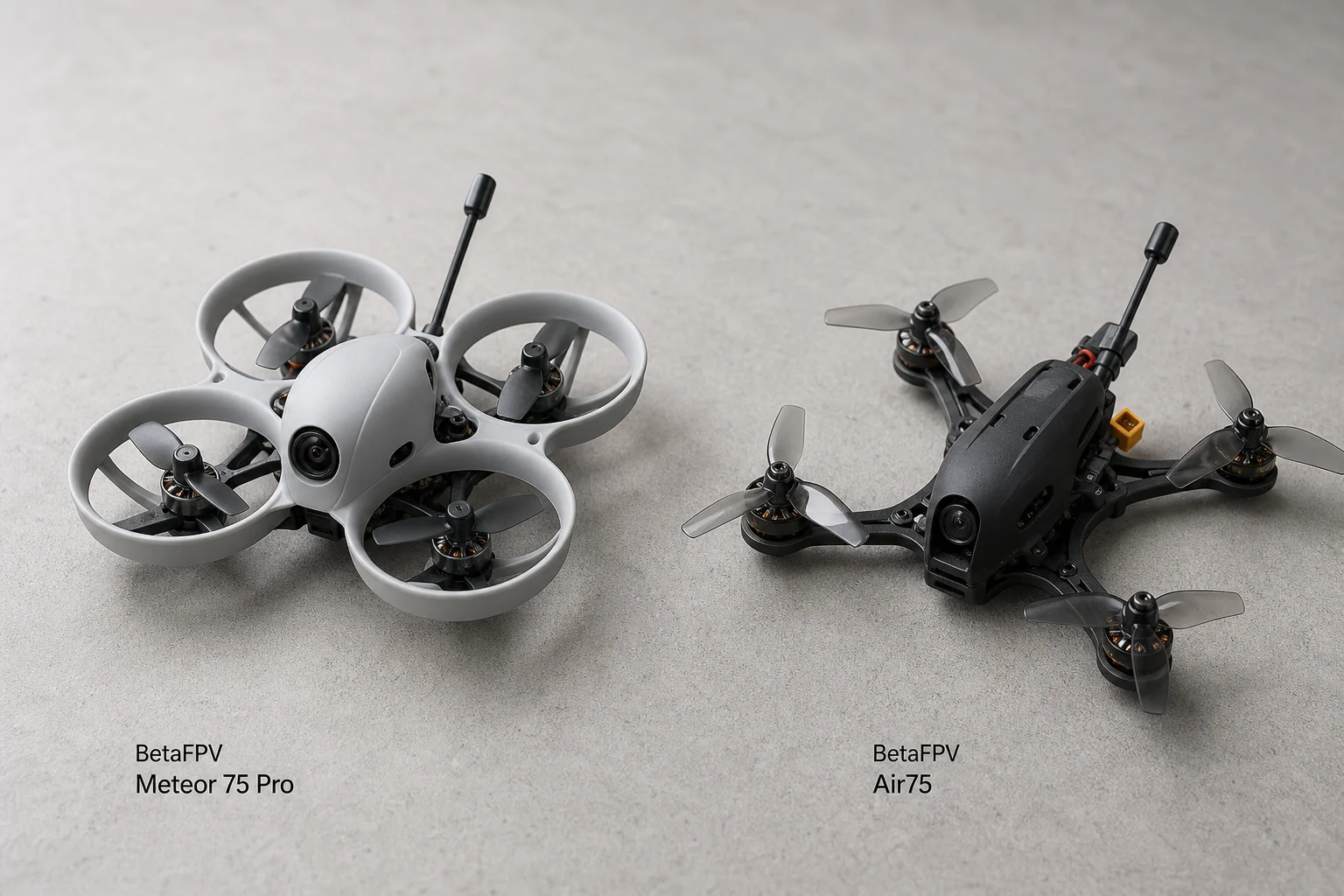
BetaFPV Meteor 75 Pro vs Air75: Which Tiny Whoop Suits Beginners Better
A practical comparison of two popular 75mm FPV drones, tested by a beginner pilot to help you choose between durability and handling.
FPV Drones
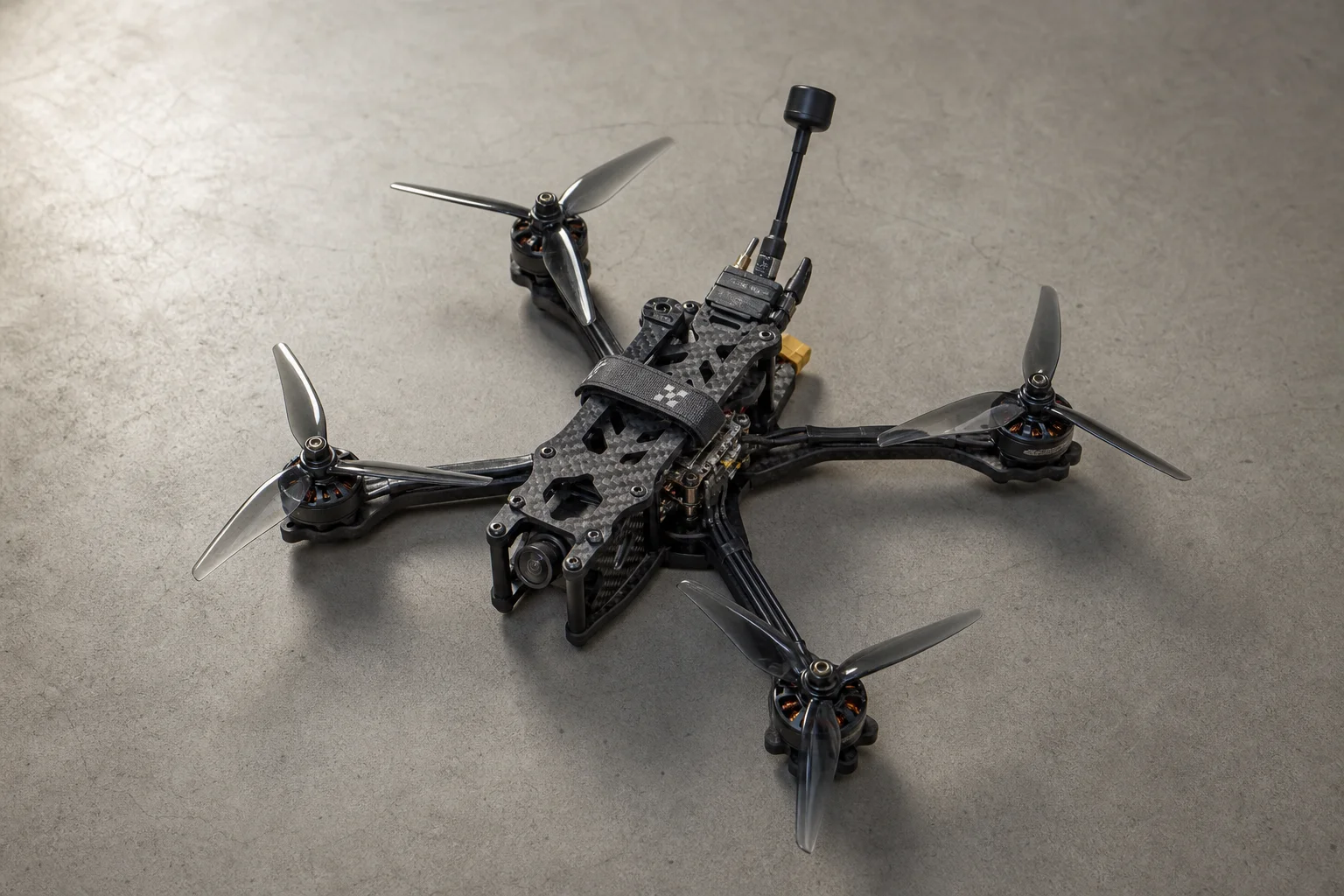
How to Build a 7-Inch FPV Drone: Complete Assembly Guide
A practical walkthrough for assembling an affordable 7-inch long-range FPV quad, from frame to flight controller, with all components and soldering techniques explained.