FPV Drones
Best 5-Inch FPV Drones 2026: Vapor D5 vs Mark 5 Comparison and Review
A detailed comparison of the GEPRC Vapor D5 and Mark 5 5-inch FPV drones, covering performance, durability, price, and which suits different flying styles.
Introduction
The GEPRC Vapor D5 has earned a reputation as one of the most popular 5-inch FPV drones available, striking a compelling balance between performance and cost. It excels at cinematic FPV shots, freestyle flying, and even medium-range operations, with real-world flight times exceeding 17 minutes on lithium-ion batteries. But what compromises come with the budget-friendly price tag compared to more premium options like the Mark 5? This guide explores the Vapor D5’s strengths, limitations, and how it compares to its higher-end sibling.
Frame Design and Build Quality
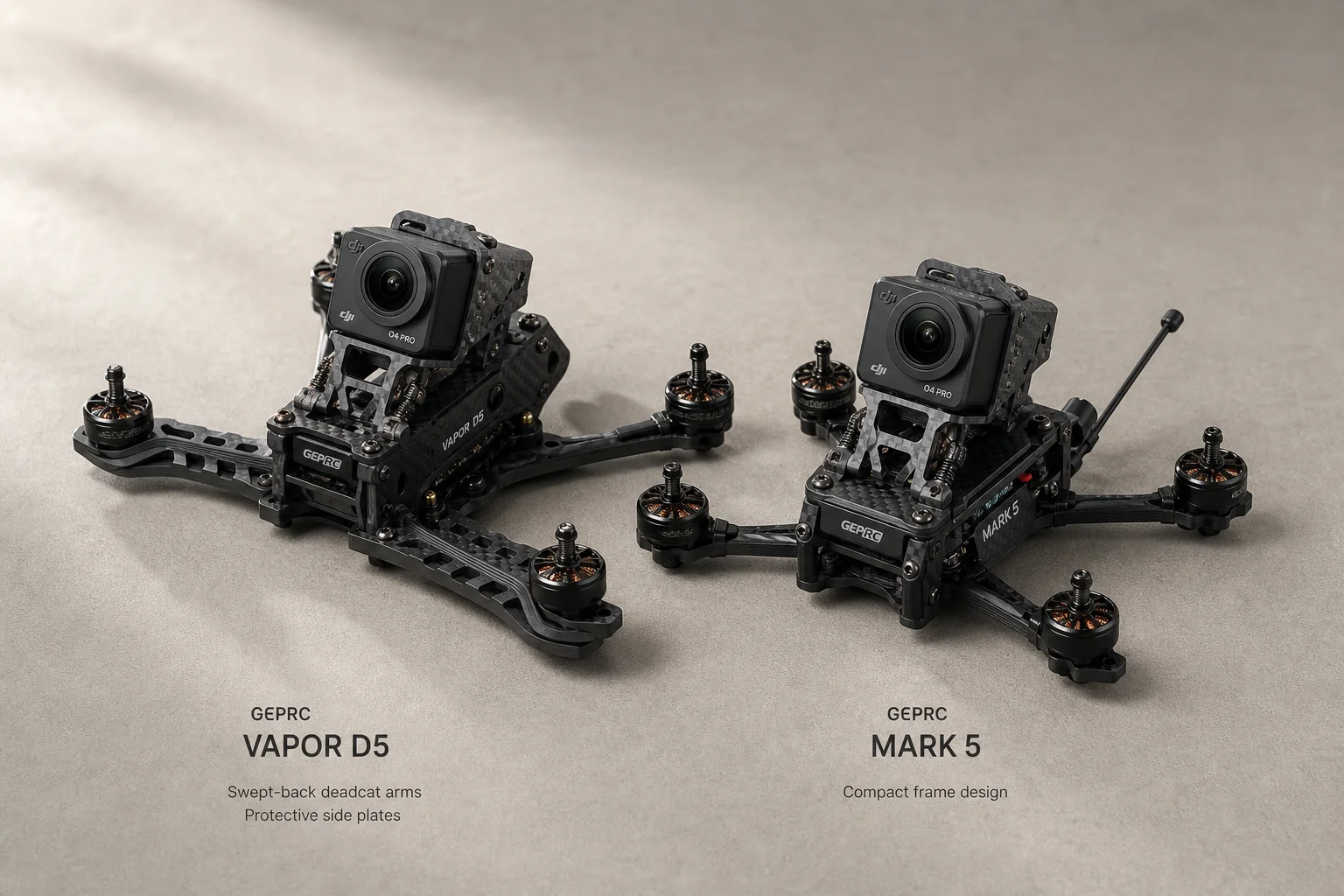
The Vapor D5 uses a robust frame with 5 mm thick arms and a structure nearly identical to the larger Vapor D6, with most frame parts interchangeable between the two. The frame comes in two configurations: a DeadCat version with swept-back arms that keep propellers out of the FPV camera’s view, and a Trux frame optimized for freestyle flying and external action cameras.
The top plate measures 2 mm thick, the middle plate 2 mm, and the bottom plate 2.5 mm. The arms are particularly wide where they meet the body, providing excellent crash durability. Molded plastic side plates snap onto frame standoffs and are secured with a single front screw and rear standoff, giving the drone a finished appearance while offering something to grip without pressuring internal electronics. An extra set of black side plates is included if you prefer an all-black aesthetic.
The frame’s design leaves ample space for oversized batteries, making it versatile for different flying styles. The 238.4 mm wheelbase is slightly larger than the Mark 5’s 230 mm, contributing to the Vapor’s slightly heavier overall weight.
Camera Mount and Protection
The camera mount uses two aluminum plates with silicone inserts to dampen vibrations and accommodate different FPV camera systems. Two sets of extra camera inserts come in the box, allowing you to swap between DJI O4 Pro, analog, or Flywoo wide DJI O4 Light systems without replacing the entire mount.
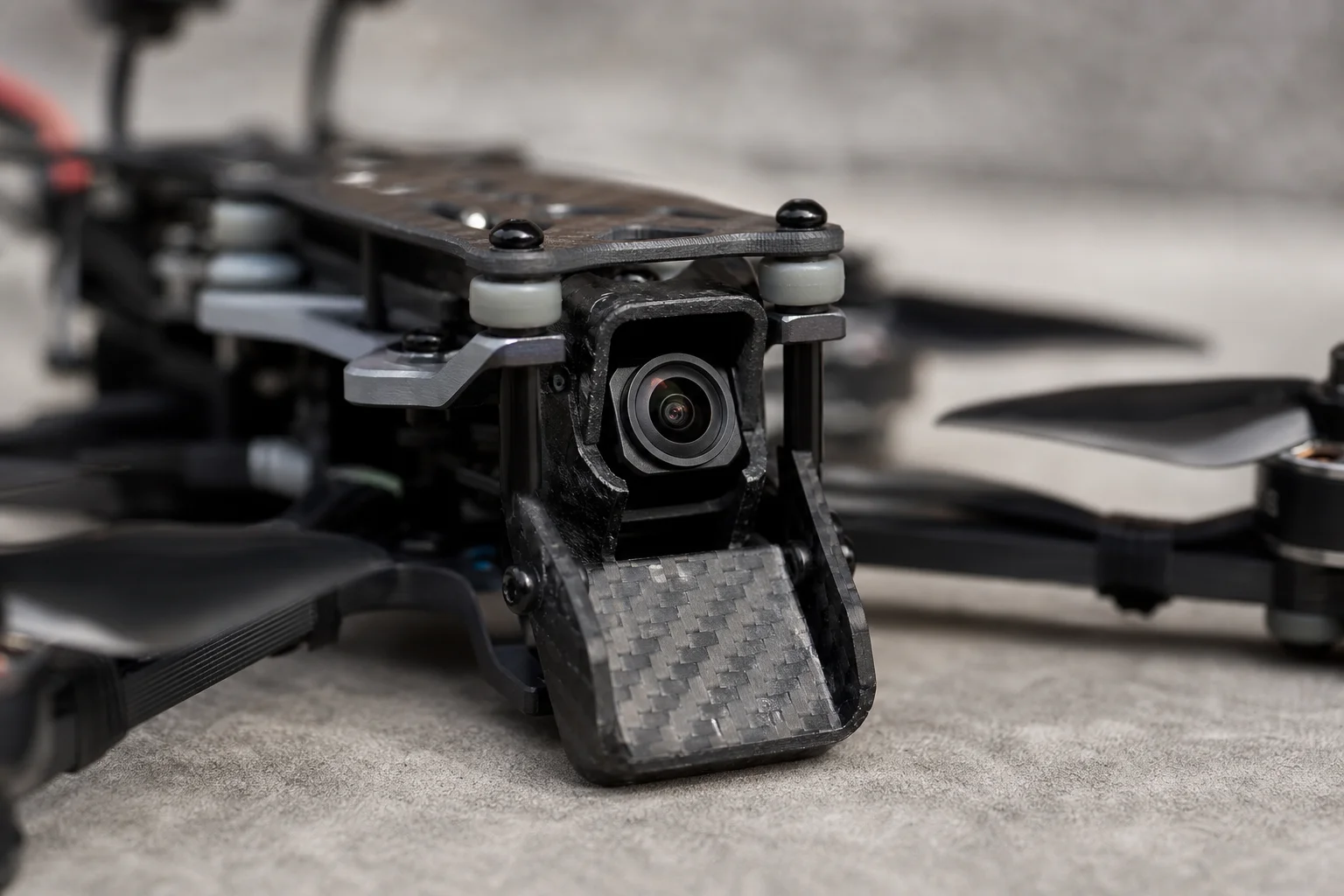
A 2.5 mm carbon fiber chin guard protects the expensive DJI O4 Pro camera during head-on crashes. The mount provides generous camera tilt adjustment and plenty of space for ND filters. The DJI O4 Pro air unit sits on a carbon fiber riser, which aids cooling and allows GPS wires and receiver cables to route safely underneath without interfering with the battery strap.
Motor and Propulsion System
The Vapor D5 uses GEPRC’s Speed X2 2207E 1960 KV motors, which are the eco version of their premium Speed X2 line. These motors feature a steel shaft instead of titanium and weigh approximately 34.5 grams each. While slightly heavier than premium alternatives, they deliver smooth, powerful performance with enough efficiency for extended flight times when you exercise throttle discipline.
The 60-amp ESC in the Vapor provides ample power for aggressive flying while maintaining efficiency for cruising. This represents a meaningful advantage over the Mark 5’s 50-amp ESC, despite the Vapor’s lower price point.
Flight Controller and Electronics
The Vapor D5 uses GEPRC’s Taker F722 HD version 2 flight controller, a value-oriented stack that keeps costs down while maintaining capable performance. The F7 processor and 60-amp ESC provide solid performance for both cinematic and freestyle flying. All components feature plugged connections, making component swaps or flight controller replacements straightforward.
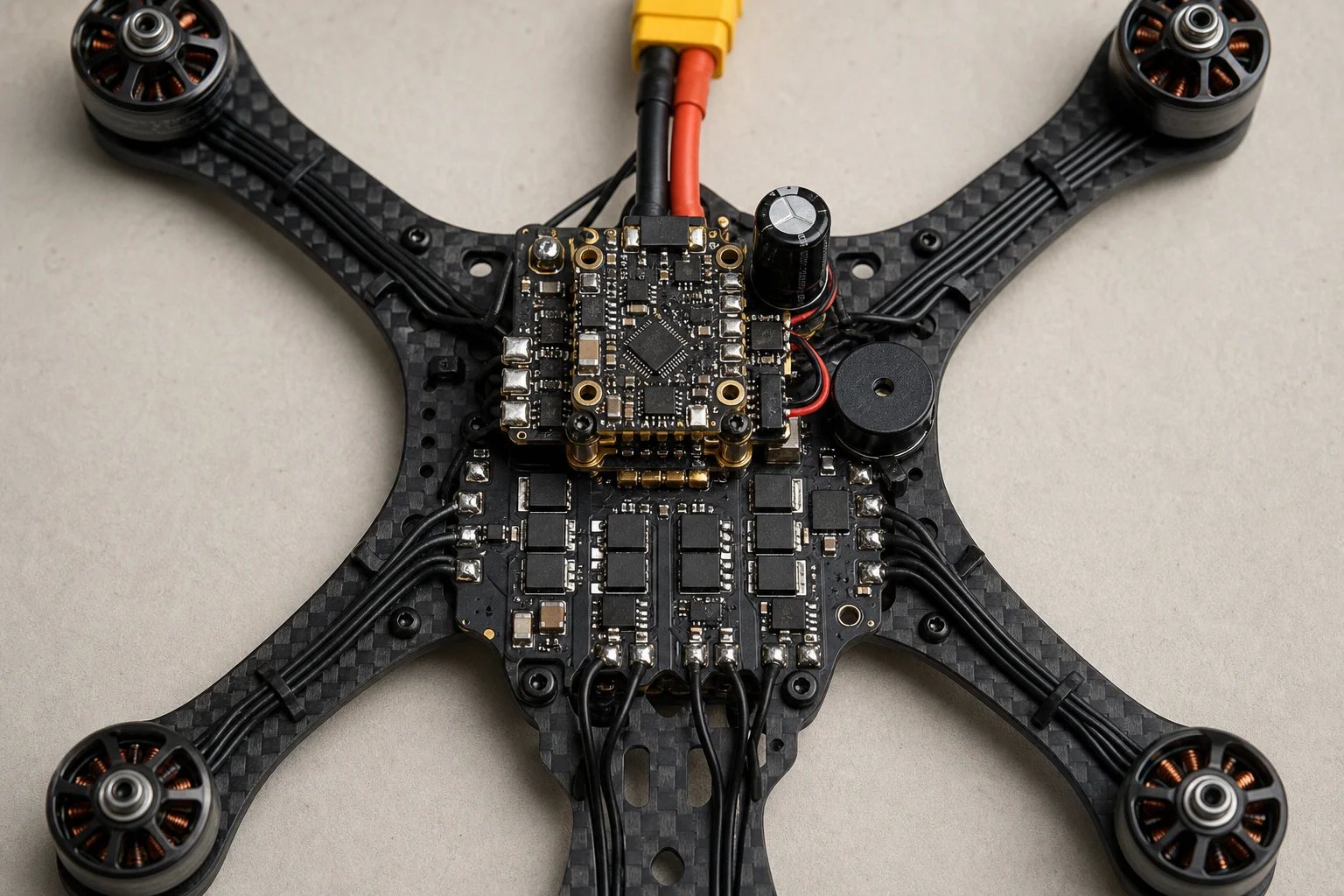
Solder work is clean and well-executed throughout. A clever 3D-printed bracket up front holds a large capacitor, buzzer, and DJI O4 camera cable. The battery lead routes from the front, providing flexibility for different battery configurations, though it requires tucking under the battery strap or securing with rubber bands.
The ELRS receiver is heat-shrunk and mounted in a dedicated 3D-printed bracket, with the antenna secured in the same bracket that holds the GPS unit. A cutout in the carbon frame allows visibility of the receiver’s status light, useful for diagnosing connection issues.
GPS and Receiver Options
The M10 GPS unit mounts in a two-piece 3D-printed bracket that tilts to optimize signal reception based on your intended flight profile. Adding GPS costs only $13 more and provides essential benefits: speed, altitude, and direction telemetry, plus GPS rescue as a safety fallback.
The Vapor D5 is available with ELRS or Crossfire receivers. If you choose Crossfire, be aware that GEPRC uses a mini 915 MHz antenna rather than a full-size Immortal T antenna. While range remains good, upgrading to a full-size Immortal T mounted at the front will optimize long-range penetration. The ELRS version avoids this limitation entirely.
Flight Performance and Battery Options
The Vapor D5 weighs 479 grams without a battery. With an ND filter and two battery straps, it reaches approximately 491 grams. GEPRC recommends 1,300 to 1,800 mAh LiPo batteries for the best balance of performance and flight time.
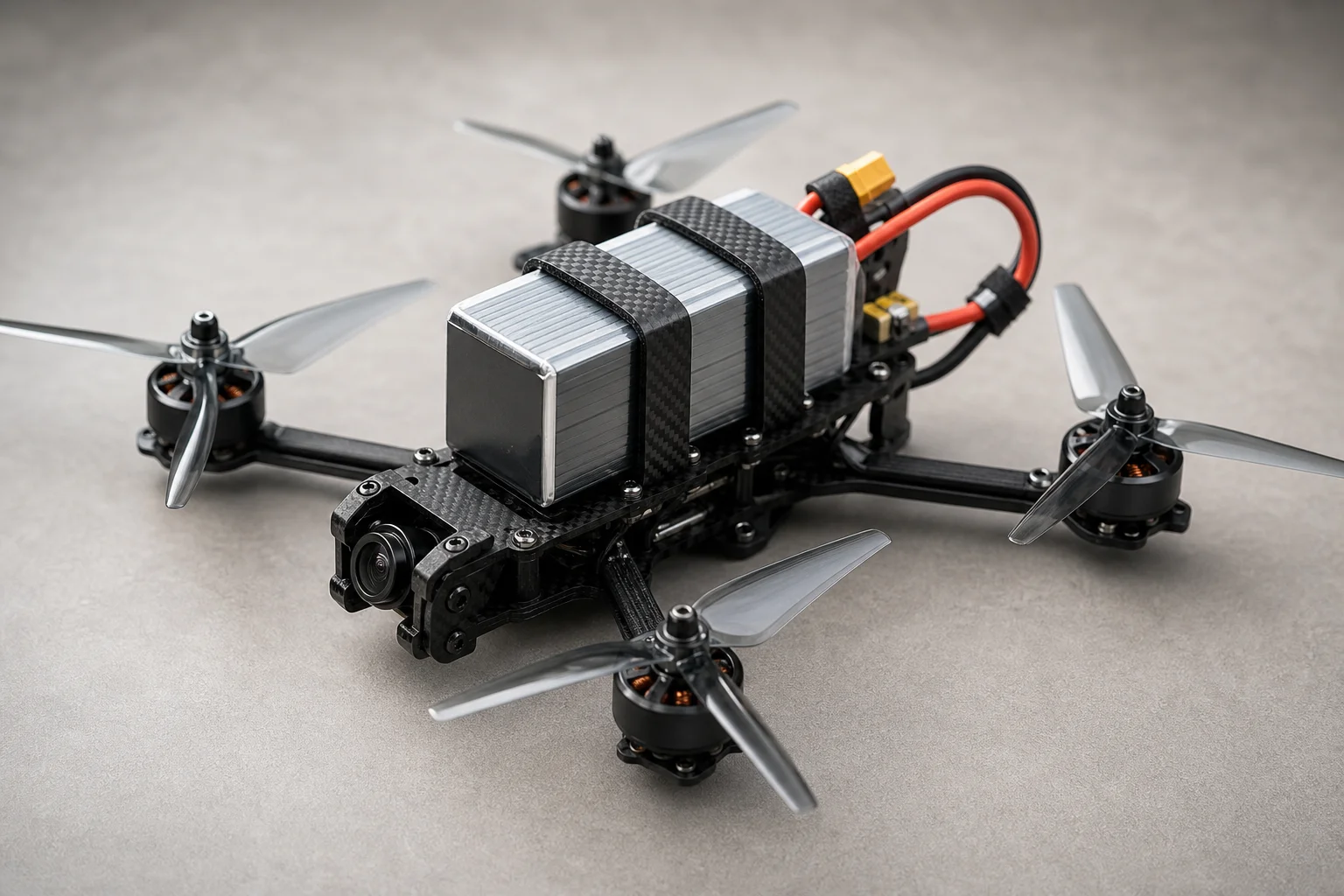
With a 1,350 mAh 6S LiPo, the drone achieves 5 to 7.5 minutes of mixed freestyle and cruising flight. Heavier lithium-ion batteries unlock dramatically longer flight times: a 3,000 mAh 18650 pack yields 10 to 11 minutes of flight covering approximately 9.8 km (6 miles), while a 5,000 mAh 21700 pack delivers 17.5 minutes covering 16.7 km (10+ miles) during cinematic mountain cruising.
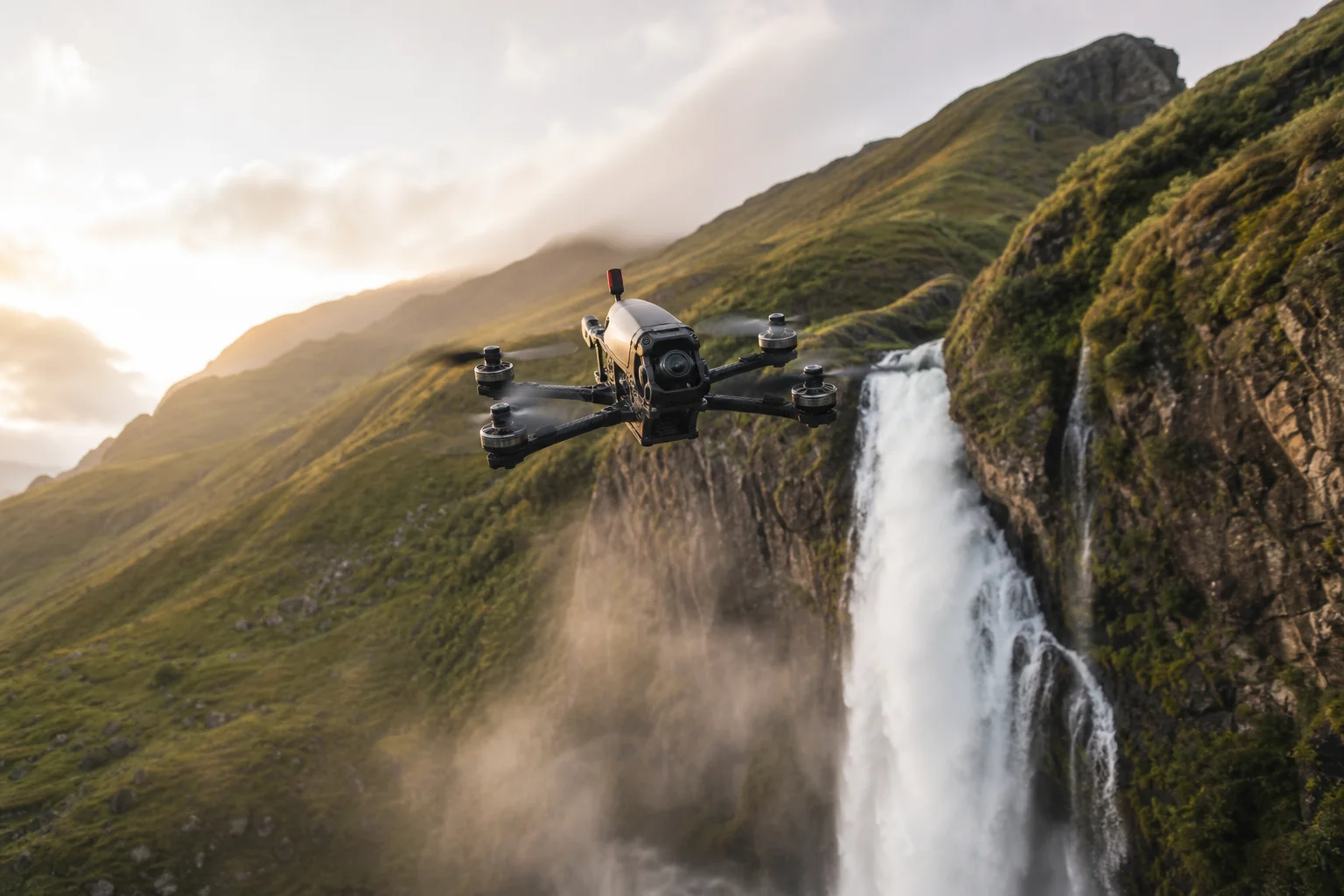
The tune is dialed in and responsive, delivering smooth, controllable flight with agility when needed. The drone excels at both cinematic cruising and freestyle flying, handling heavier batteries with stability even in high winds. Lightweight LiPo packs transform the flying experience, making the drone significantly more punchy and maneuverable—described as the difference between a Humvee and a sports car.
Real-world testing at high altitude in mountainous terrain confirmed the drone’s capability for extended range operations without sacrificing power delivery or reliability.
Vapor D5 vs Mark 5: Key Differences
The Mark 5 commands a price premium of approximately $100 to $120 over a similarly equipped Vapor D5, though the gap narrows to $40 when comparing versions without DJI O4 Pro. For the extra cost, the Mark 5 offers several upgrades:
- Flight Controller: F722 version 3 with Bluetooth for in-field tuning, versus the Vapor’s F722 version 2 without Bluetooth
- ESC: 50-amp versus the Vapor’s 60-amp
- Motors: Premium SpeedX2 motors with titanium shafts weighing 29.5 grams, versus the Vapor’s eco motors at 34.5 grams
- Battery Connector: Captured XT60 versus the Vapor’s long front-mounted battery lead
- Camera Mount: Interchangeable system with GoPro mounts, naked GoPro mount, carbon plate, and foam couch mounts
- Side Plates: The Vapor includes protective side plates; the Mark 5 does not
Both drones feature durable 5 mm thick arms and robust frames. The Mark 5’s 230 mm wheelbase is slightly shorter than the Vapor’s 238.4 mm. In real-world weight comparison, a fully equipped Mark 5 with custom components can weigh as little as 475 grams, while the Vapor D5 typically weighs around 490 grams.
Vapor D5 vs Vapor D6: When to Choose 6-Inch Props
The Vapor D6 uses larger 6-inch propellers, making it better suited for long cinematic cruising flights. The larger props are more efficient, enabling longer flight times and higher cruising speeds for covering greater distances. They also provide more lifting capacity for heavier lithium-ion batteries or larger cameras.
The 5-inch Vapor D5 prioritizes maneuverability, making it the better choice for tight spaces and freestyle flying. Five-inch is the standard for racing and freestyle drones because it balances performance and flight time optimally. If you want a single drone that handles both cinematic and aggressive flying, the 5-inch is the more versatile choice.
Who Should Buy the Vapor D5
The Vapor D5 suits pilots seeking maximum value without sacrificing capability. Its wider, more durable frame makes it an excellent choice for freestyle bashers and newer pilots prone to crashes. The included side plates, built-in GPS option, and solid tune deliver a finished, capable platform at an unbeatable price.
The drone excels for cinematic FPV work, freestyle flying, and medium-range operations. The ability to swap between lightweight LiPo packs for aggressive flying and heavy lithium-ion batteries for extended cruising makes it genuinely versatile.
The only notable limitation is the lack of Bluetooth tuning capability, though this is a convenience rather than a necessity. The Crossfire version’s mini antenna is a design compromise, but upgrading to a full-size Immortal T is straightforward.
Conclusion
The GEPRC Vapor D5 stands out as arguably the best 5-inch FPV drone available for the money. It delivers solid performance, excellent build quality, and genuine versatility across flying styles without requiring a premium budget. The frame is durable, the tune is excellent, and the included GPS and side plates add real value. Whether you’re pursuing cinematic mountain footage or aggressive freestyle flying, the Vapor D5 proves that budget-conscious doesn’t mean compromising on capability or reliability.
Product link
View more details for GEPRC Vapor D5
This product is mentioned in the review. Check the specifications, options, and compatibility before buying.
View more details for GEPRC Vapor D5Further reading
Related Reviews
FPV Drones
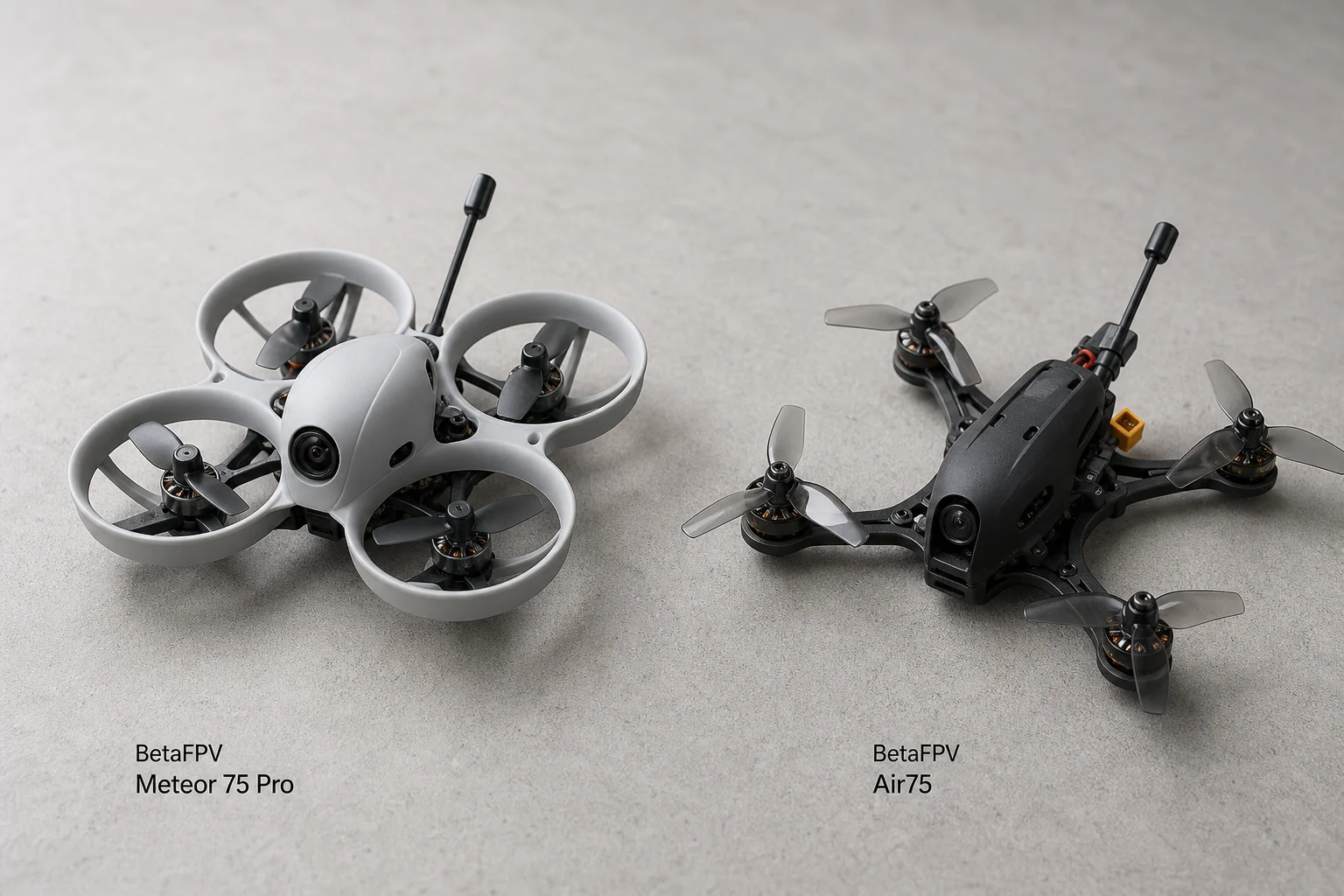
BetaFPV Meteor 75 Pro vs Air75: Which Tiny Whoop Suits Beginners Better
A practical comparison of two popular 75mm FPV drones, tested by a beginner pilot to help you choose between durability and handling.
FPV Drones
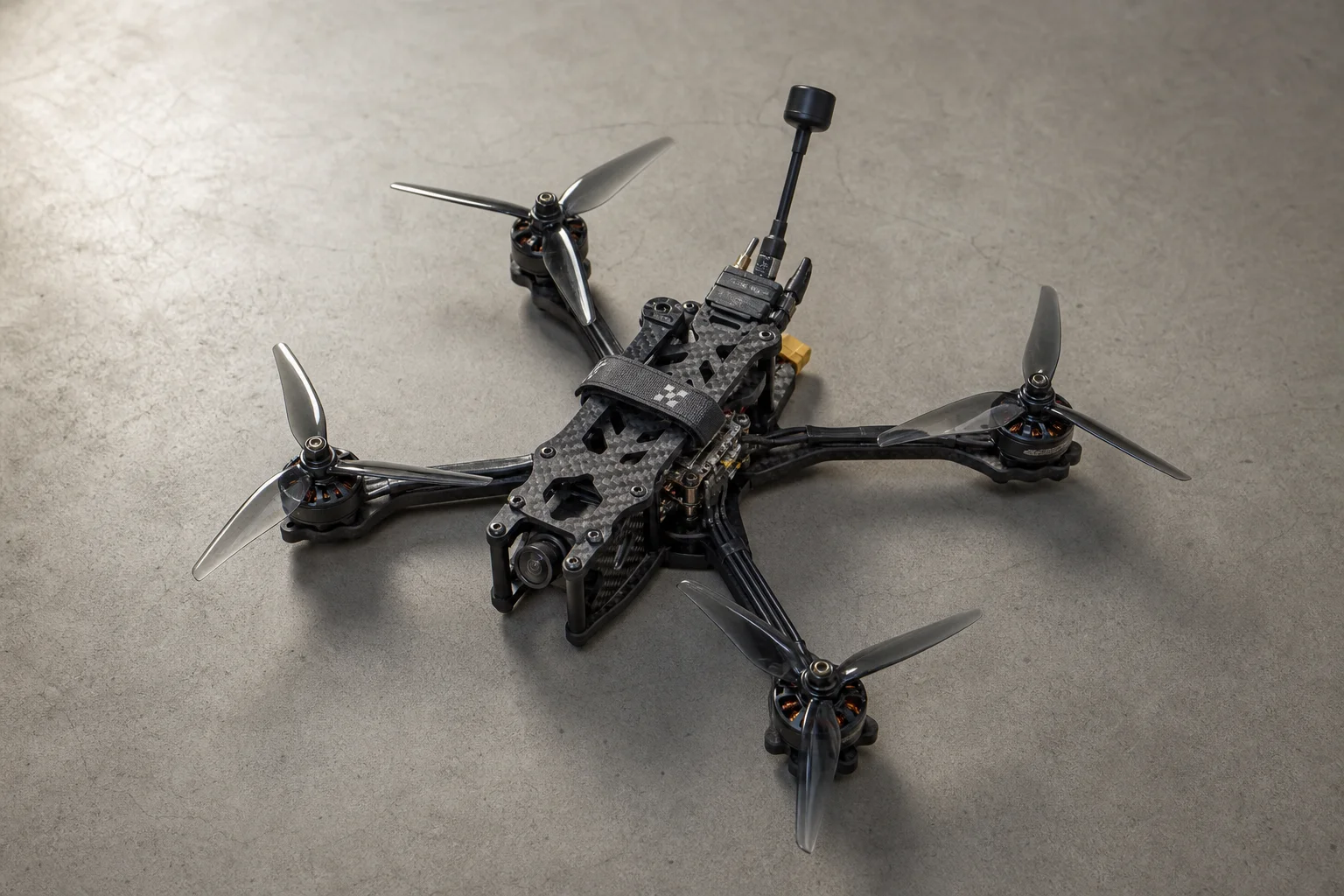
How to Build a 7-Inch FPV Drone: Complete Assembly Guide
A practical walkthrough for assembling an affordable 7-inch long-range FPV quad, from frame to flight controller, with all components and soldering techniques explained.
FPV Drones
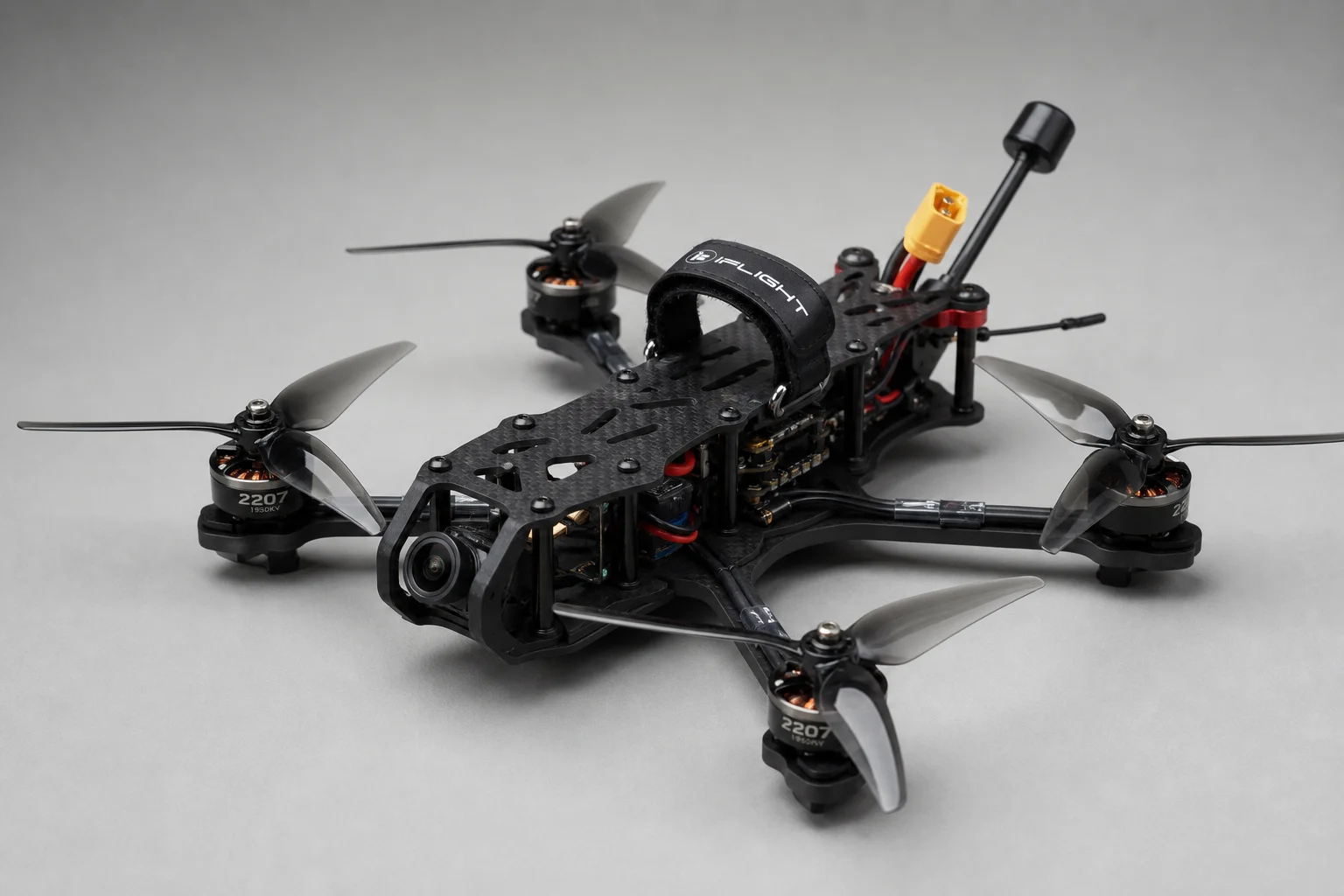
Building a High-Quality FPV Drone Backup: Component Selection and Assembly Guide
A complete walkthrough of selecting premium FPV drone components and assembling a reliable backup quad with the IT'S FPV ERA frame, KISS FC Ultra, and professional-grade electronics.