DACs
iFi Zen One Signature Review: A Balanced DAC With Bluetooth and Multiple Inputs
A close look at the iFi Zen One Signature, a $350 balanced desktop DAC that finally brings optical, coaxial, and Bluetooth inputs to the Zen line, plus how it stacks up against two close rivals.
Introduction
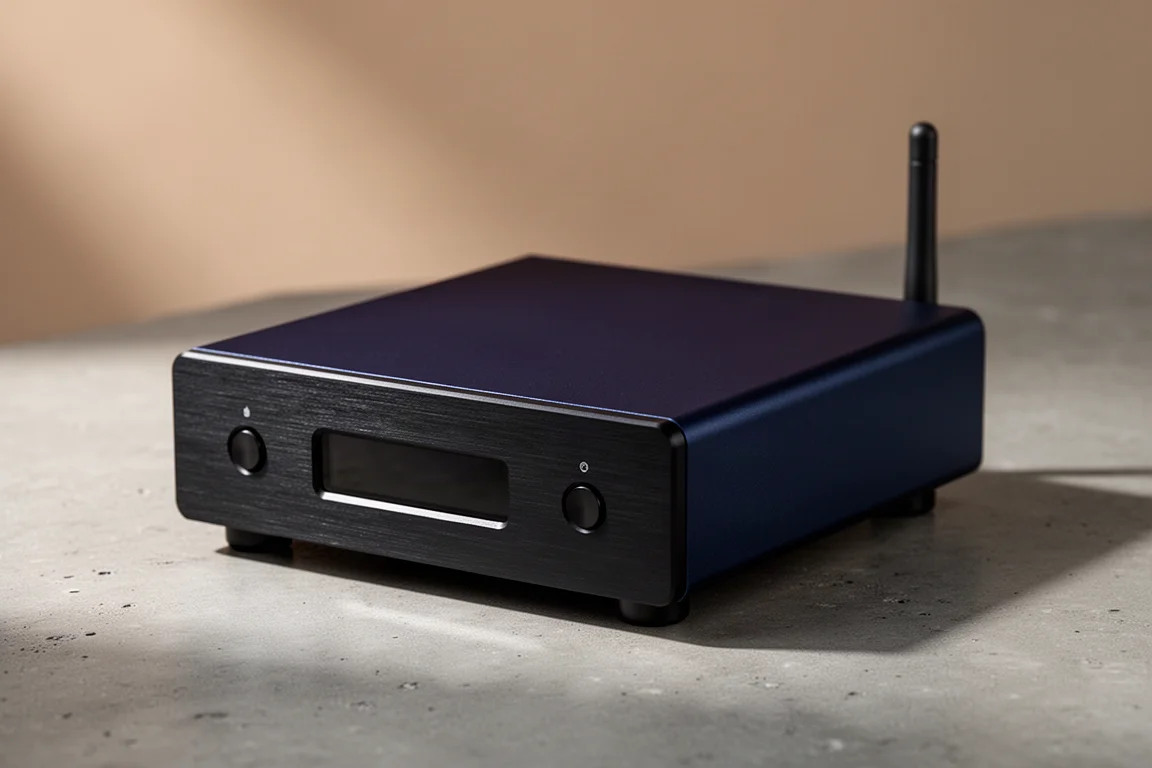
The iFi Zen One Signature is a compact desktop digital-to-analog converter that pushes the Zen line in two new directions at once. It is the first Zen DAC to include Bluetooth, complete with an external antenna and support for LDAC, aptX Adaptive, and additional codecs aimed at Huawei phones. It also breaks away from the USB-only approach of earlier Zen models by adding an optical input, a coaxial input, and a coaxial output alongside USB, RCA outputs, and the 4.4mm Pentaconn balanced output.
The chassis follows the Signature series styling, with a dark metallic navy top panel and a brushed black front face. At $350 it is a fixed-output DAC with no headphone amplifier and no remote control, which places it in direct competition with other balanced desktop DACs. This review covers what the Zen One Signature does well, where it falls short, and how it compares with two close rivals.
Who the iFi Zen One Signature Is For
The strongest argument for this DAC is input flexibility. Listeners who want to run a computer over USB, a disc player over optical or coaxial, and a phone or tablet over Bluetooth can do all of it from one chassis instead of buying a separate Bluetooth receiver or an input switcher. That is a meaningful convenience for anyone whose system has grown beyond a single source.
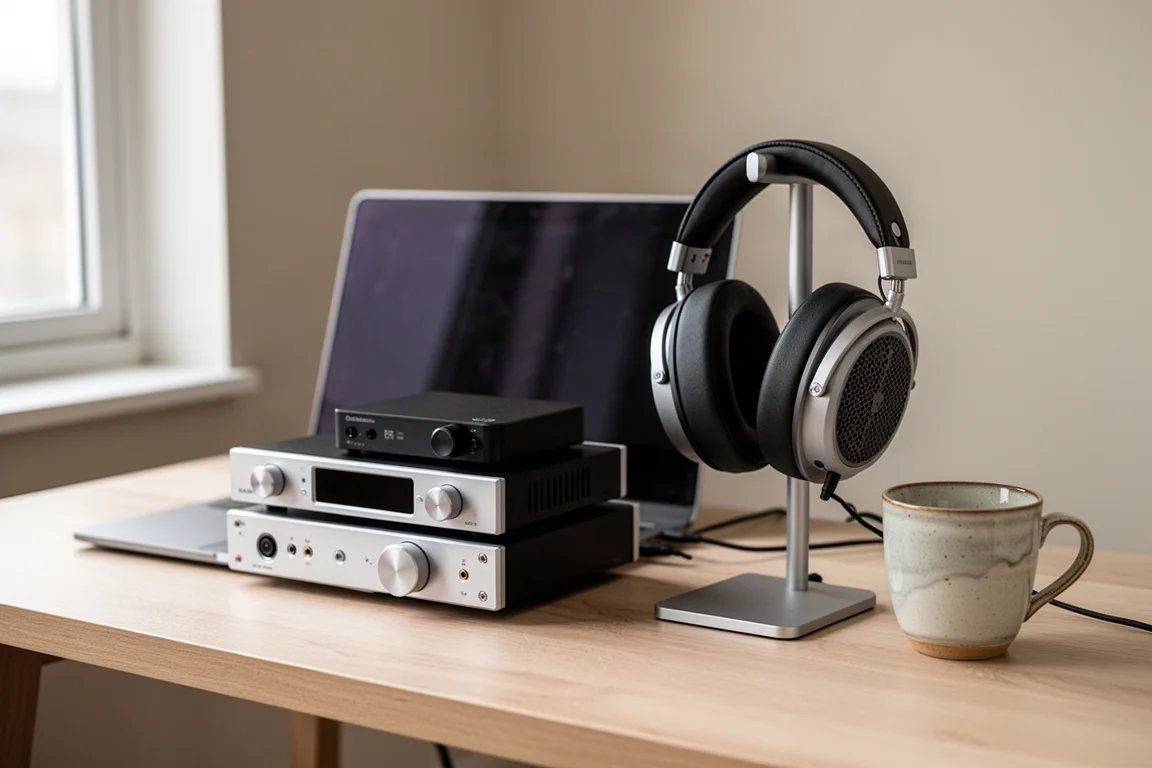
The second audience is anyone building around a separate headphone amplifier or an integrated amplifier with balanced inputs. The 4.4mm balanced output and the RCA outputs are both present, and the 5V DC input leaves room to experiment with a battery pack or a low-noise supply. What the Zen One Signature is not is a one-box headphone solution. There is no headphone jack on the front, so a dedicated amplifier is required.
Main Strengths
Build and finish are the first thing that stands out. The navy and black Signature treatment looks more considered than the grey and silver of the standard Zen range, and four small feet keep the chassis stable on a desk. The front panel is straightforward: a power button, an input selection button, a small button for Bluetooth, and a narrow display window that changes colour to indicate the incoming sample rate, bit depth, and MQA status. Everything is legible at a glance.
Bluetooth is the headline addition, and it works. Pairing was trouble-free across the devices used, and LDAC playback sounded noticeably more dynamic than AAC, which came across as flatter and more compressed. MQA switching also worked without issue.
Sonically, the Zen One Signature leans slightly warm. Compared with a neutral reference, the low end carries a little more emphasis and comes across as more organic, a characteristic that is easy to live with over long sessions.
Inputs and Bluetooth Connectivity
Around the back, the Zen One Signature offers USB, optical, and coaxial digital inputs, a coaxial digital output, a pair of RCA outputs, and the 4.4mm balanced output. The USB port uses iFi’s own connector type rather than a standard one, so the supplied cable is worth keeping track of. Replacements are not the sort of thing you can borrow from a drawer.
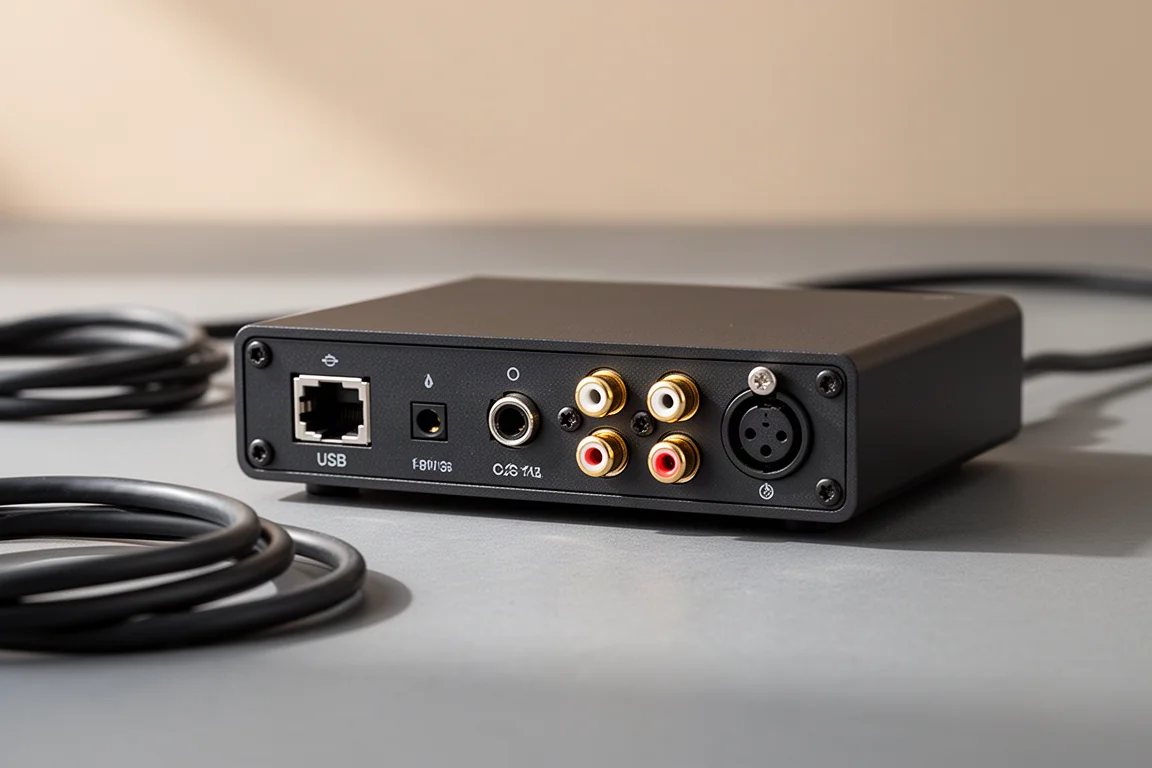
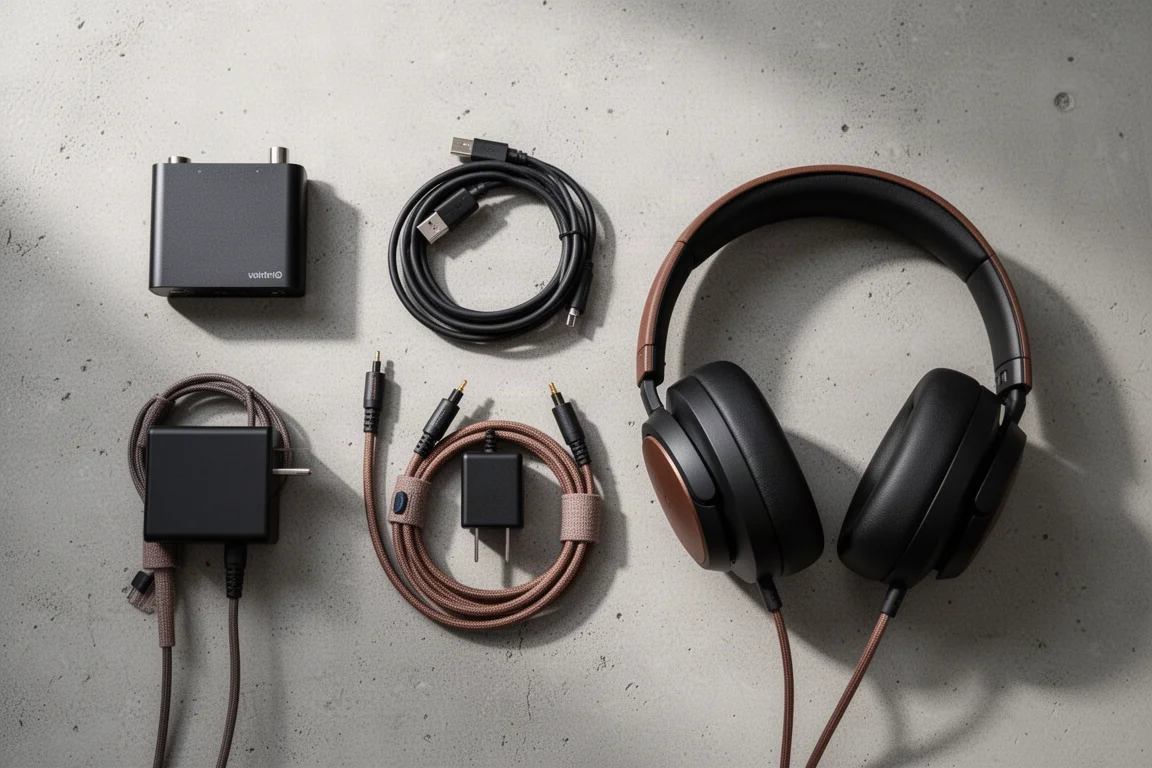
The included 5V power supply is better than most bundled wall warts. Its cable is cloth covered, which resists tangling and feels more durable than the usual rubber jacket, and the connector is a nicer design than the typical barrel plug. Because the input is a common 5V standard, the DAC can also be run from a battery bank or an aftermarket low-noise supply, which is a useful bit of future flexibility.
Bluetooth support covers LDAC, aptX Adaptive, and additional codecs for Huawei phones, with the antenna mounted externally for a cleaner signal path. In practice the wireless connection was stable throughout testing.
Sound Quality Notes
Listening was done through a balanced headphone amplifier with planar magnetic headphones, and separately through a preamplifier and power amplifier with speakers, switching between the Zen One Signature and a second balanced DAC on the same material.
The differences were subtle, as they usually are between well-implemented DACs, but they were consistent. The Zen One Signature came across as slightly warmer, with a fuller and more pleasing low end. Vocals sat a little further back, and the midrange gave up a small amount of detail and dynamic contrast. The top end was very close to indistinguishable, and soundstage size was surprisingly even between the two. Imaging was the one area where the Zen One Signature trailed slightly. Centre images, such as a lead vocal or a guitar, were a touch less locked in and less precisely placed.
Level matching mattered here. The Zen One Signature outputs at a slightly lower level on its single-ended outputs, so comparisons required a volume adjustment each time to keep the louder unit from sounding better by default. Even with that correction, the tonal character described above held up.
Things to Consider Before Buying
The missing headphone amplifier is the biggest omission. Buyers who want to plug headphones straight into a desktop DAC will need to budget for an amplifier as well, which changes the total cost considerably.
There is also no remote control, which is an odd gap for a DAC with Bluetooth and multiple inputs, since those features suggest a living-room or armchair-friendly setup rather than a strictly desktop one. Volume control is not part of the package either, because the Zen One Signature is a fixed-output design.
At $350 the price sits above some balanced rivals, and whether that is justified depends on how much you value Bluetooth and the extra digital inputs. The rest of the package, including the balanced output, the build, and the styling, is competitive.
How It Compares
The Geshelli Labs J2 is the closest comparison. It is also a balanced DAC with a broad input set, including coaxial, two optical inputs, and USB, plus XLR and RCA outputs and a 12V input. It is available in a range of colours, with optical and coaxial connections on the front panel. Pricing starts at $300 with the USB input and drops to $250 without it, so buyers who do not need USB can save money.
The J2 has no Bluetooth and no remote, but it is a smooth, rich-sounding DAC that still resolves plenty of detail up top. Its soundstaging is its standout quality, with width and depth that hold up against considerably more expensive stacks. Against the Zen One Signature, the J2 pulled ahead slightly on imaging and midrange naturalness, while the Zen One Signature offered a more emphasised low end and the convenience of wireless.
The SMSL M500 Mark II takes a different approach. It includes a headphone amplifier and a remote control, two features the Zen One Signature lacks, and it costs roughly $100 more. Its soundstage was not as expansive as the Zen One Signature’s, so the choice comes down to whether the built-in amplifier and the remote are worth the extra spend.
Buying Advice
For listeners who want a single balanced DAC that accepts USB, optical, coaxial, and Bluetooth sources, the iFi Zen One Signature makes a strong case. The Bluetooth implementation is genuinely useful rather than a checkbox, the input set covers almost any digital source, and the sound leans warm and easy to listen to for long stretches.
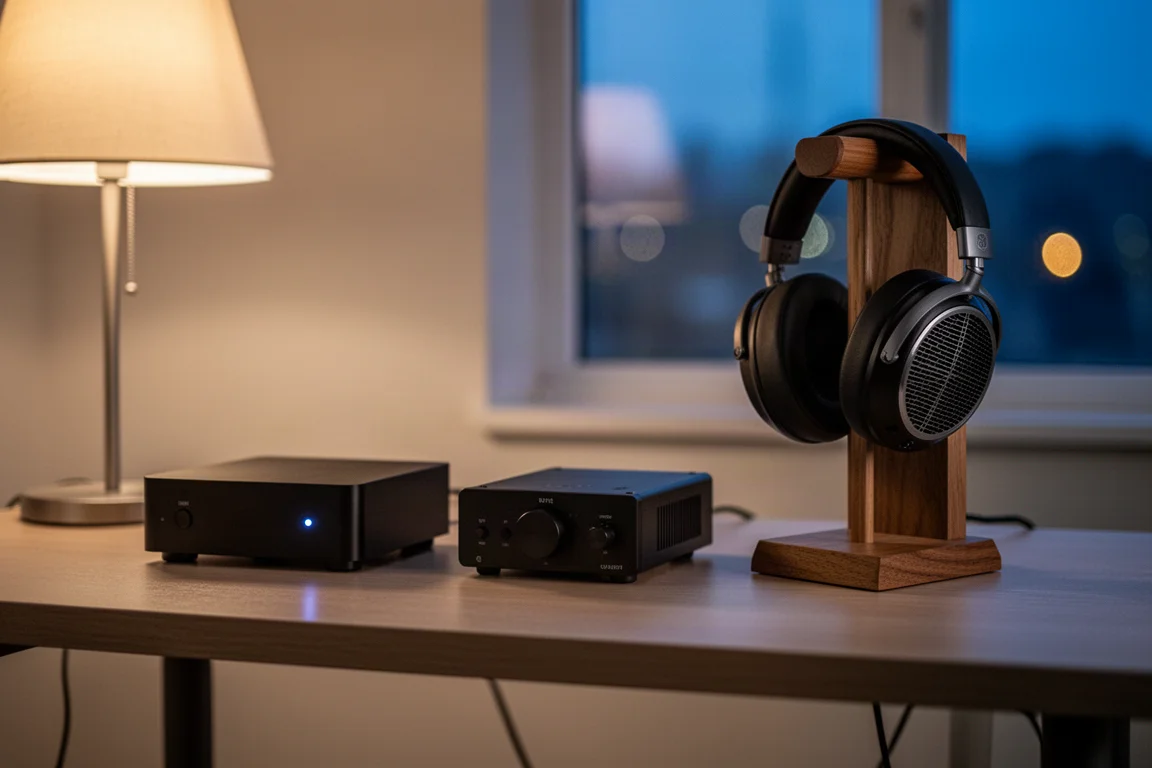
If a headphone jack is essential, the SMSL M500 Mark II covers that need in one box for more money, and the Geshelli Labs J2 is worth a look for anyone who prioritises imaging and soundstage and can live without wireless. If Bluetooth and multiple inputs are the priority, the Zen One Signature is the more complete package of the three.
Buyers should also factor in the accessory cost. Because the Zen One Signature has no headphone output, the realistic total for a headphone setup includes a separate amplifier, and the supplied USB cable should be kept safe given the non-standard connector.
Conclusion
The iFi Zen One Signature is a well-judged addition to the Zen line. It finally brings optical, coaxial, and Bluetooth inputs to the series, keeps the balanced output that makes the range appealing, and wraps it all in the best-looking chassis the family has offered. The lack of a headphone amplifier and a remote control will rule it out for some buyers, and the midrange gives up a little detail against its closest rival, but the warmer low end and the input flexibility are real strengths. At $350 it is a fair price for what it does.
Product link
View more details for iFi Zen One Signature
This product is mentioned in the review. Check the specifications, options, and compatibility before buying.
View more details for iFi Zen One SignatureFurther reading
Related Reviews
DACs
Denafrips Pontus II vs Ares II: Which R2R DAC Fits Your System?
A practical comparison of two Denafrips R2R converters: what the Pontus II adds over the Ares II, and which one makes more sense for a typical system.
DACs
Eversolo DAC-Z10 Review: A Feature-Packed DAC and Preamp in One Box
A close look at the Eversolo DAC-Z10, a $1,980 converter and preamp with a configurable touch display, a very wide input selection, and refined sound.
DACs
Geshelli Labs Torque DAC Review: A Modular Converter That Changes With Your System
A close look at the Geshelli Labs Torque, a US-made modular DAC that lets you swap converter boards and output modules instead of replacing the whole unit.