Desktop Audio
iFi Zen DAC 3 Review: A Focused Desktop DAC That Puts Sound First
A compact desktop DAC and headphone amplifier that trades features for tonality. Here is what the iFi Zen DAC 3 does well, where it is limited, and who should buy it.
Introduction
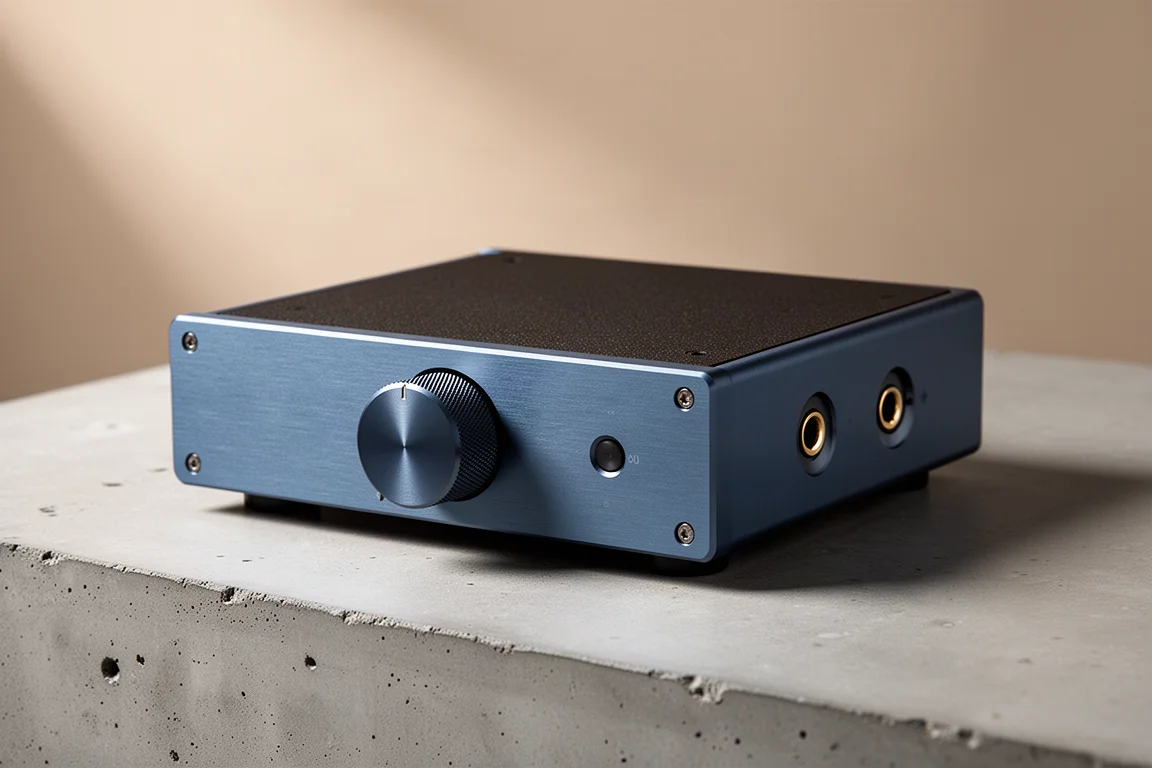
Some audio products try to cover every possible use case and end up doing none of them particularly well. The iFi Zen DAC 3 takes the opposite route. It is a compact desktop digital-to-analog converter and headphone amplifier with one input, two headphone outputs, and a handful of controls that genuinely earn their place on the front panel.
At around $230, it lands in a crowded part of the market where rivals stack on inputs, screens, remote controls, and menu systems. The Zen DAC 3 argues that the money is better spent on the parts that shape the sound. Whether that trade-off suits you depends almost entirely on how your system is put together.
Who the iFi Zen DAC 3 Is For
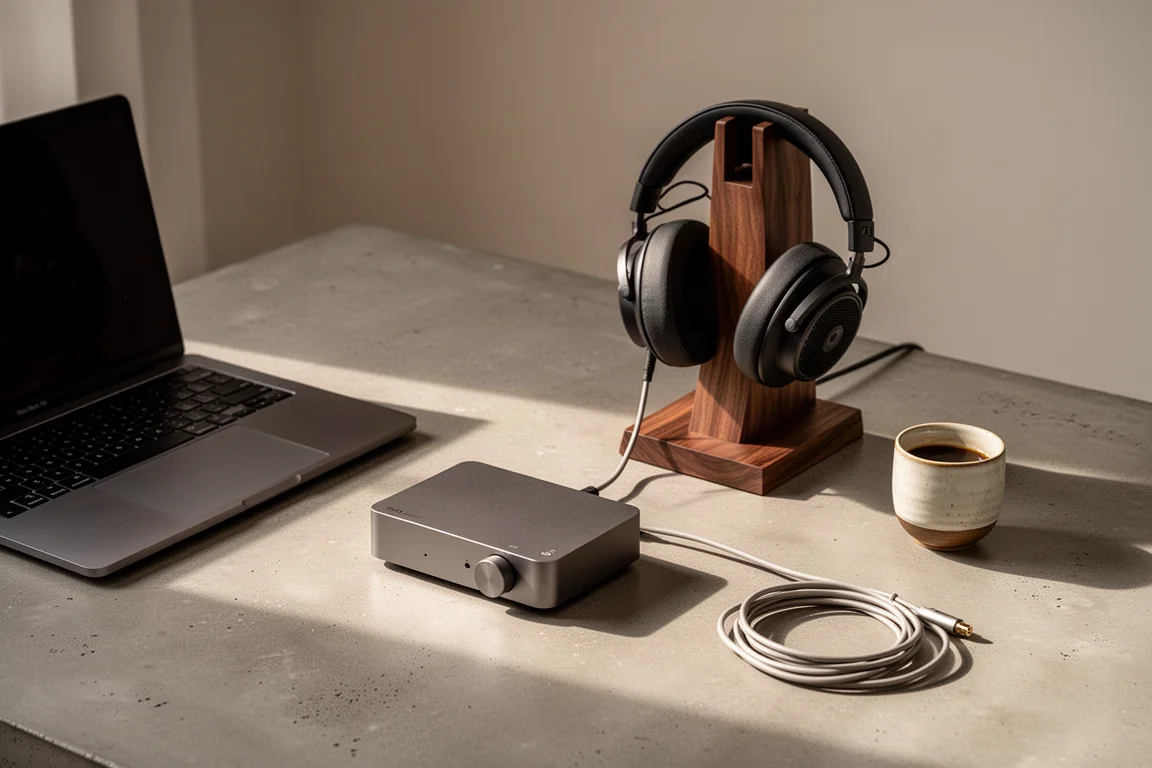
The Zen DAC 3 is designed around a computer. Its only input is USB-C, and it runs on 5 volts, so a single computer port can both power it and feed it music. If your listening happens at a desk, with a laptop or desktop as the source, the fit is immediate and the setup is about as simple as desktop audio gets.
It also pairs sensibly with network streamers that offer a USB output. Those can hand digital audio straight to the Zen DAC 3, which then drives headphones or a pair of powered speakers. The single-ended RCA outputs on the back make it easy to place the unit between a source and active speakers, and the choice of fixed or variable output lets you decide whether volume is handled by the Zen DAC 3 or by the source upstream.
What it is not is a system hub. There are no optical, coaxial, or analogue inputs, no display, and no remote control. Anyone who switches between a turntable, a games console, and a television will want a box with more connections, and that is the clearest dividing line in this product’s appeal.
Main Strengths: Sound and Build
The converter inside the Zen DAC 3 is a Burr Brown chip. iFi does not spell out the exact part, and that matters less than it might seem, because so much of a DAC’s character comes from its analogue output stage. The result here is warm and natural, with a little richness through the midrange while top-end and midrange detail stay intact. Nothing sounds smoothed over or veiled, and the presentation keeps an easy, organic quality that is hard to find at this price.
The controls are simple and useful. Power Match provides two gain settings, so sensitive in-ear monitors and harder-to-drive headphones can both sit in a comfortable part of the volume dial. XBass, iFi’s trademarked bass boost, adds weight without smearing the rest of the range. It is a welcome option for leaner-sounding headphones rather than something you would leave switched on permanently.
Build quality is another strong point. The lower half of the chassis is brushed aluminium in a blue-grey finish, and the top panel carries a textured surface that mimics lizard skin. The look is distinctive rather than neutral, and the volume knob has a smooth, damped action that feels more expensive than the price suggests.
Headphone Performance in Practice
On paper, the Zen DAC 3 looks modest. The balanced 4.4mm output is rated at roughly 70 mW into 600 ohms and around 300 mW into 32 ohms, while the single-ended 6.3mm output is rated lower at about 18 mW into 600 ohms and 210 mW into 32 ohms. Set against headphone amplifiers that advertise one, two, or five watts, those figures invite doubt.
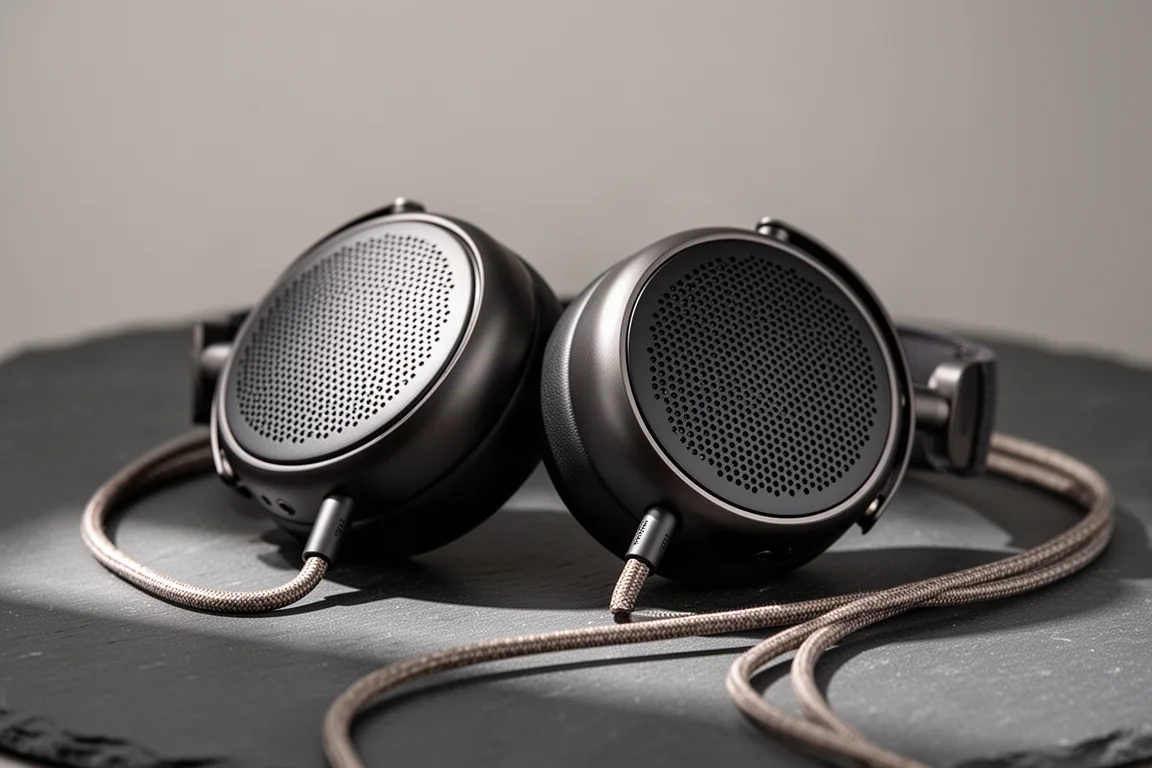
In practice, the doubt fades quickly. Across headphones with very different sensitivities, including a planar magnetic pair that is known to be demanding and a closed-back model, the Zen DAC 3 reached comfortable listening levels with headroom left over. The bass boost was unnecessary on the planar pair but flattered a warmer, mid-focused model nicely. The numbers understate what the amplifier actually does.
Chasing wattage is a losing game in this hobby. A modestly rated amplifier that is implemented well will often outplay a more powerful one that is not, and the Zen DAC 3 is a good example of the former.
Using It With Speakers
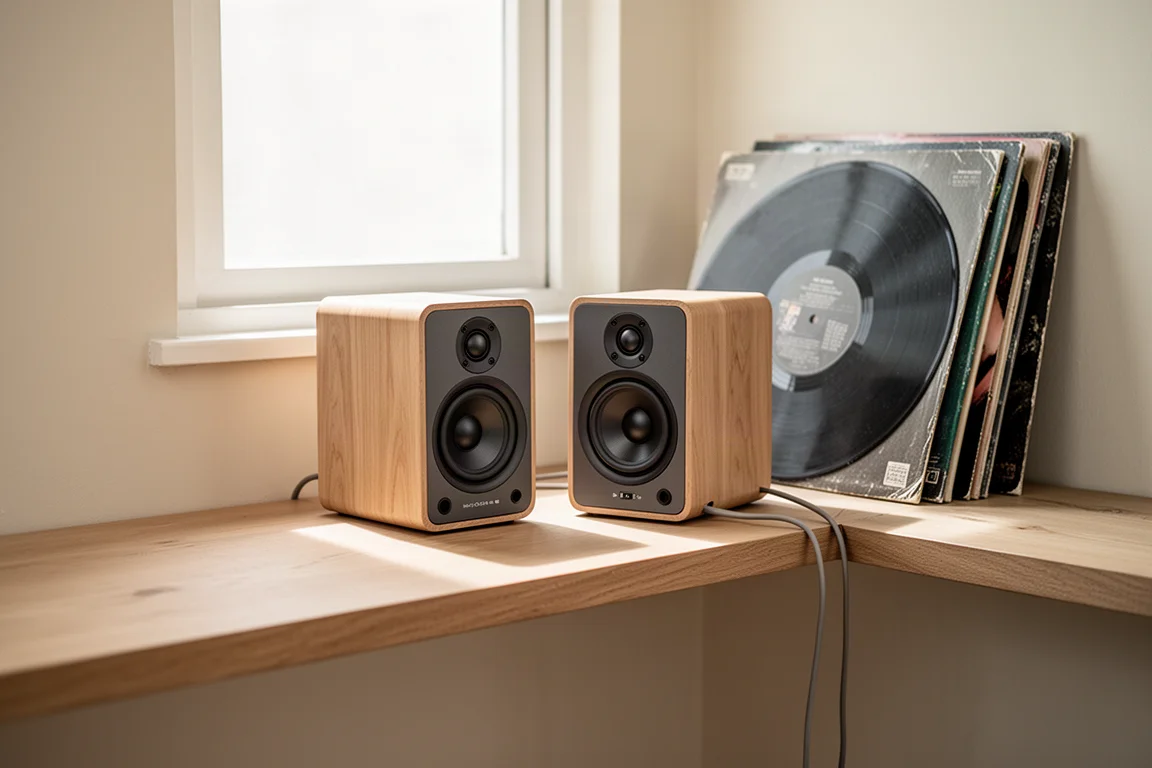
Headphones are only half of the story. The Zen DAC 3 also works well as a desktop DAC feeding powered speakers, and for some listeners that is the more sensible role. Placed between a computer and a pair of active desktop speakers through the RCA outputs, it cleaned up the presentation noticeably. Vocals gained clarity and texture, quiet details such as breath sounds came forward, and a light haze over the sound dropped away.
That result is not surprising. A dedicated desktop converter should outperform the small DAC built into a pair of powered speakers, and here the difference is easy to hear. When running speakers, the fixed output is the more practical choice, since it lets you control volume at the digital source instead of stacking two volume controls in the same chain.
Things to Consider Before Buying
Connectivity is the first limitation to accept. USB-C is the only input, so the Zen DAC 3 cannot take a coaxial, optical, or analogue feed. If you want to add a CD transport, a television, or a turntable, you will need extra hardware in front of it.
There is also no remote control and no screen. Adjusting volume means reaching for the knob, and there is no menu of digital filters or sound modes to explore. Power ratings are modest on paper, which will put off buyers who shop by specification, even though the amplifier drove everything it was paired with.
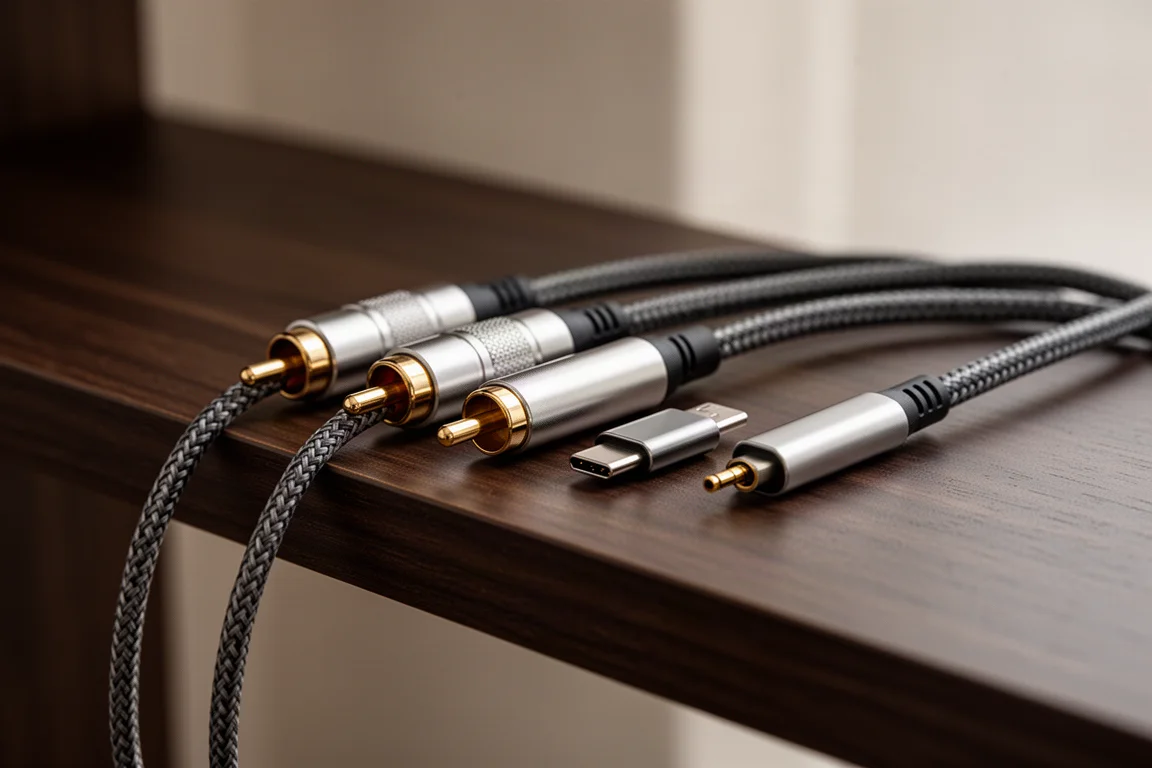
Two smaller points are worth budgeting for. The balanced headphone output needs a 4.4mm cable, which is priced separately at around $69 and is not cheap for what it is. The textured top panel and the blue-grey finish are a matter of taste as well: this is a design that people tend to either like immediately or not at all.
Buying Advice
Buy the Zen DAC 3 if your source is a computer or a streamer with a USB output, your headphones range from sensitive to moderately demanding, and you would rather have a well-built, good-sounding box than a long feature list. At around $230, it delivers tonality and build quality that are hard to match for the money, and the fixed output makes it a natural partner for powered desktop speakers.
Check your streamer first. If it offers a USB output, the Zen DAC 3 can take that feed, and its converter has the edge over the DAC built into the WiiM Ultra. The main alternative worth weighing is a feature-rich rival such as the SMSL RAW-MDA1, which costs a little more at around $243 and adds a screen, a remote control, more inputs, balanced outputs, and a range of digital filters and sound colour modes. It is the more capable box on paper, but it comes across as more clinical and less warm, without the same analogue ease. Buyers who prioritise features will prefer it; buyers who prioritise tonality will not.
If you do choose the Zen DAC 3, plan the signal chain before you buy. Use the fixed output for speakers, keep the variable output for headphones, and budget for a balanced cable only if your headphones can take advantage of the 4.4mm connection.
Conclusion
The iFi Zen DAC 3 is a focused product in a market full of generalists. It has one input, no remote, no display, and power figures that look unremarkable next to the competition. What it does have is a warm, natural sound, a genuinely useful set of controls, and a solid aluminium chassis that feels built to last.
For a desktop listener whose source is a computer or a USB-equipped streamer, those strengths matter far more than the missing features. If your use case lines up, this is one of the better-sounding options at the price. If you need a hub with many inputs and a remote control, look elsewhere and accept the different set of compromises that comes with it.
Product link
View more details for iFi Zen DAC 3
This product is mentioned in the review. Check the specifications, options, and compatibility before buying.
View more details for iFi Zen DAC 3Further reading
Related Reviews
Desktop Audio
ADAM Audio D3V vs Kali Audio LP-UNF: Two $299 Desktop Monitors Compared
Two compact powered desktop monitors at the same price, compared on bass extension, linearity, placement settings, directivity, and realistic output limits.
Desktop Audio
Aiyima T9 Review: A Compact Tube Desktop Amplifier With a Built-In DAC
A budget desktop amplifier that pairs class D power with two tubes, a full DAC section, Bluetooth, tone controls, and a working VU meter.
Desktop Audio
Aune S9c Pro Review: A Weighty Desktop DAC and Headphone Amplifier With Real Power
A desktop DAC and headphone amplifier with a linear power supply, dual Sabre converters and five watts of balanced headphone output. Here is what to weigh before buying.