Backpacking Gear
If I Sold All My Backpacking Gear: The Kit Worth Keeping
A practical roundup of the ultralight backpacking pieces that would survive a full gear sell-off, and the reasoning behind every pick.
Introduction
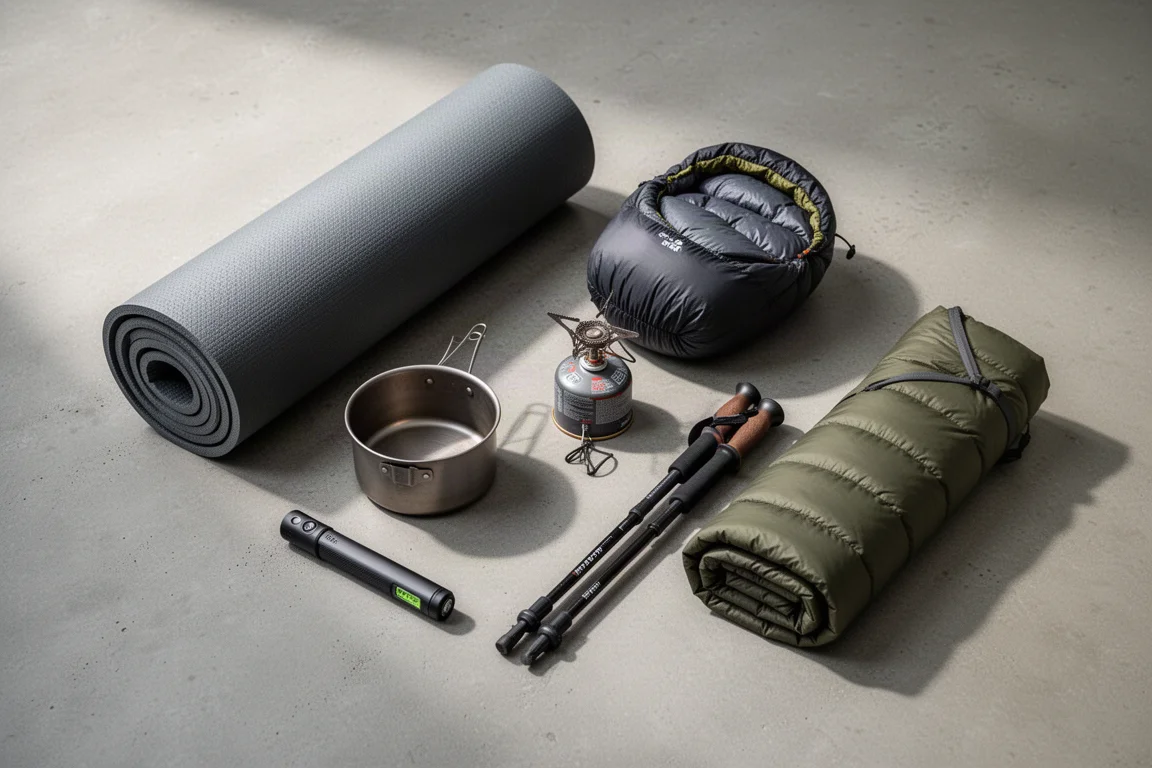
Stripping a pack down to one question is a useful exercise: if every piece of gear had to go and only a single kit could stay, what would survive? The list below answers that question for a three-season and shoulder-season backpacking setup. It is not a catalogue of the newest releases. It is the small set of items that would be repurchased first if the whole gear closet disappeared.
The order matters as much as the picks. The list is built the way a kit would be rebuilt from scratch, starting with what you sleep on and ending with what carries it. Shelter and sleep system decide how much pack volume is needed, which is why the backpack comes last.
How This Kit Was Chosen
Three filters shaped every selection: seasonal range, comfort, and versatility. A piece earns a place if it covers more of the year rather than less, if it stays comfortable after a long day of walking, and if it works in conditions beyond the ones it was designed for.
The last filter is why a three-season shelter can still win a spot. A freestanding tent that pitches without trekking poles and handles wind and rain well is useful across a wider calendar than a specialist model that only shines in one season.
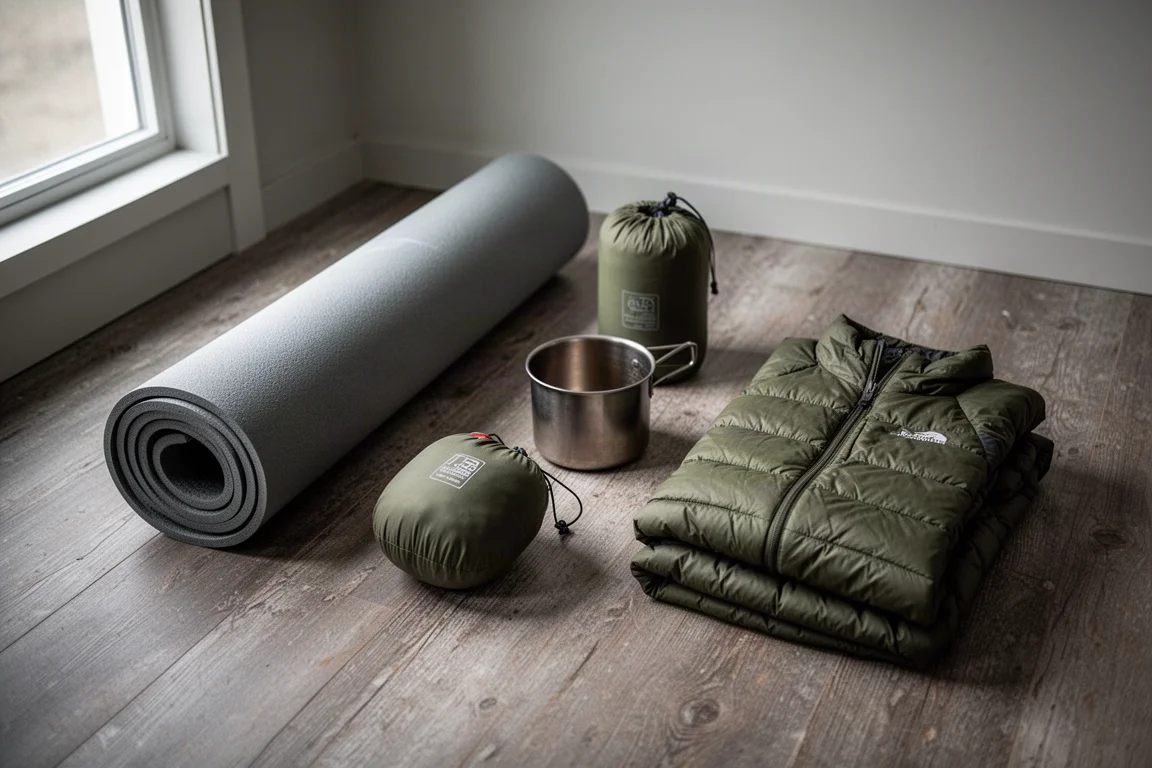
There is an important caveat for newer backpackers. Most people start with three-season trips, so there is no need to buy four-season gear across the board. The cold-weather bias in this list only makes sense if winter or shoulder-season trips are genuinely on the plan. If they are not, lighter three-season options will usually be the better purchase.
Nemo Tensor: The Sleeping Pad
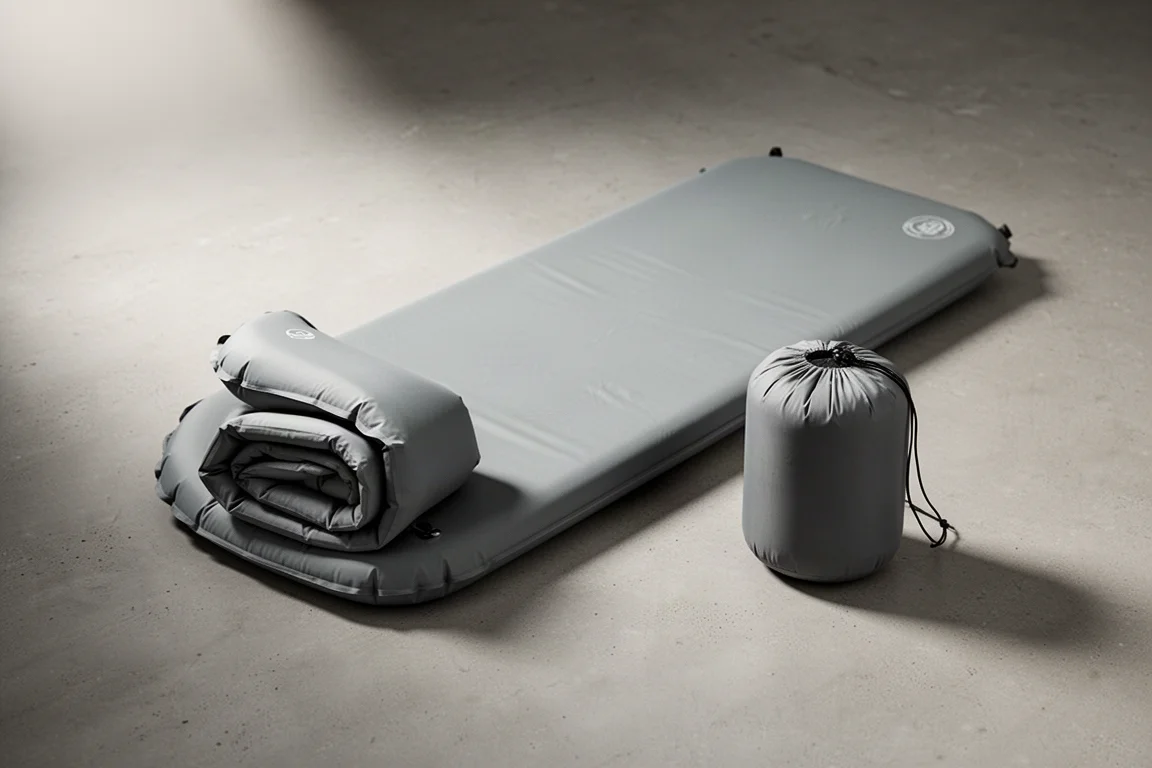
Comfort is the entire job of a sleeping pad, and this is the one that wins on that measure. It is also insulated, which extends its useful range through most of the year and into colder trips when it is paired with a warmer sleep system.
It is not the lightest pad available. A lighter option exists for anyone who puts pack weight above everything else, but that choice gives up some of the cushioning that makes long trips more restful. For a single pad that has to cover the widest range of conditions, comfort plus insulation is the better balance.
Western Mountaineering AlpinLite: The Sleeping Bag
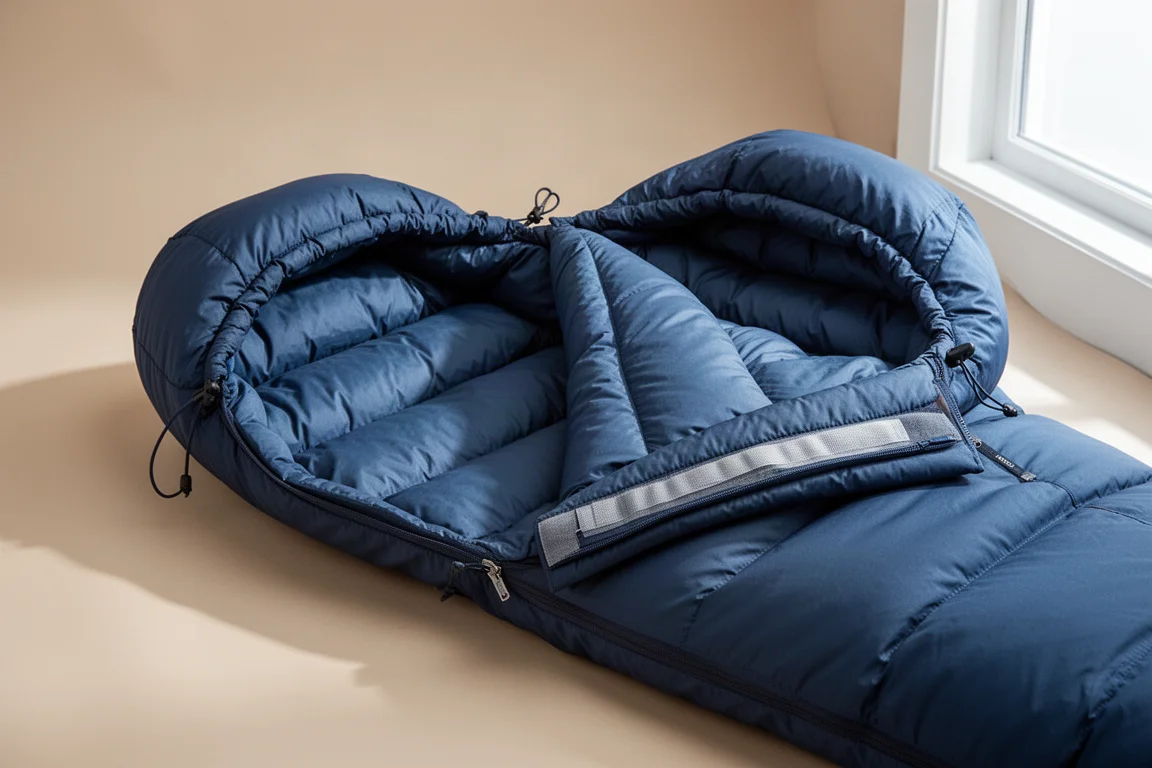
If only one bag could stay, it would be one built for a wider temperature range. This bag is lightweight, comfortable, and leans toward four-season use, which makes it the most flexible single choice in a sleep system.
The trade-off is straightforward. A bag with this much range is more than a three-season backpacker needs, and it is overkill for warm-weather trips where a lighter quilt would do the job. It makes sense when cold-weather trips are on the plan, or when one bag has to cover the whole year.
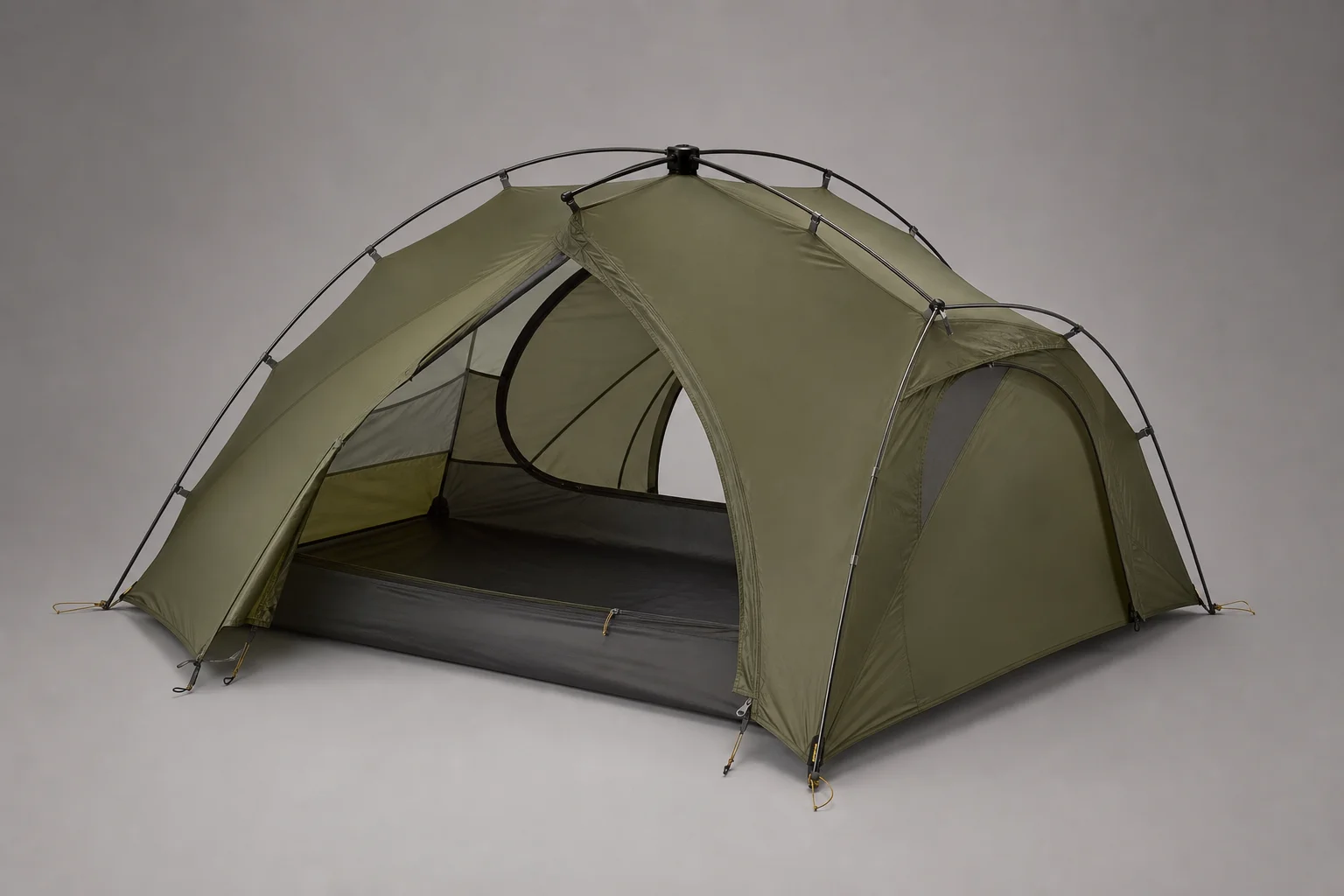
Big Agnes Copper Spur: The Shelter
The deciding factor here is that the tent is fully freestanding. It does not need trekking poles to stand up, and it does not need perfect ground to pitch, which means it works in situations where a trekking-pole shelter would be awkward.
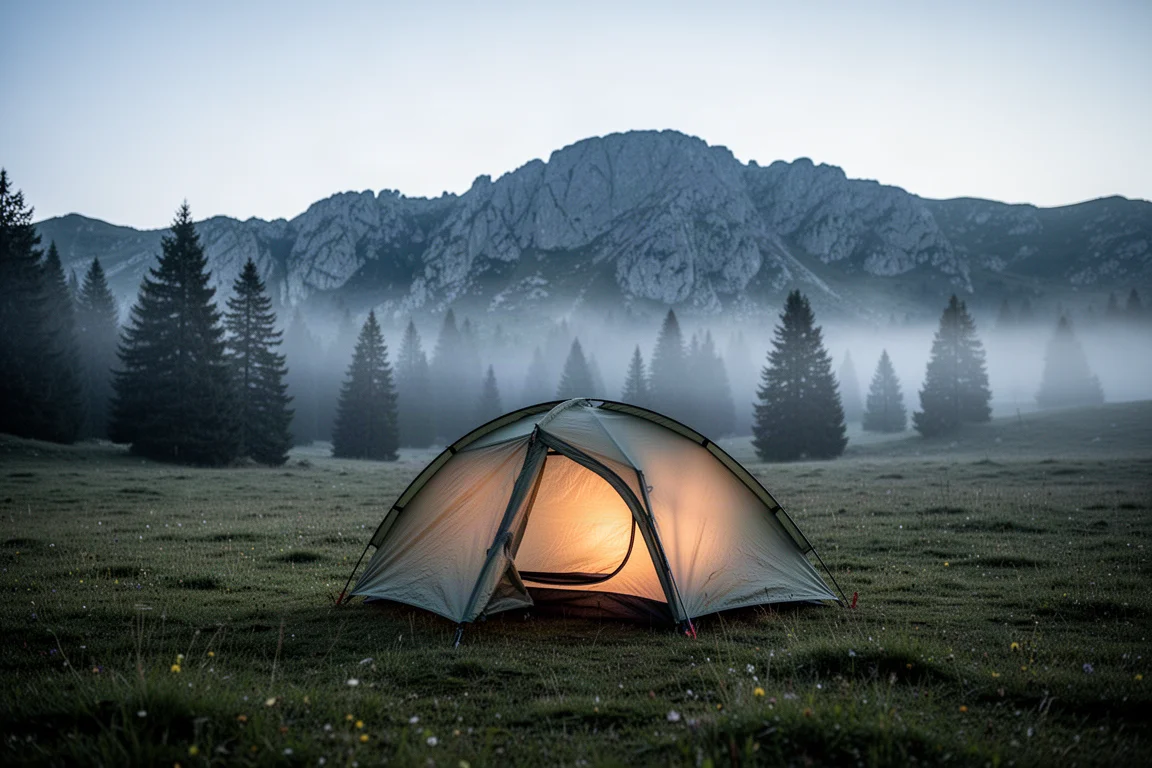
It is not the lightest tent available, and it is not a dedicated four-season tent. What it offers instead is range. Used carefully, it can stretch into colder trips, and it stays simple to pitch when the weather turns. For one shelter that has to handle everything, that versatility is worth more than a modest weight saving.
Evernew 1L Titanium Pot: The Cook Pot
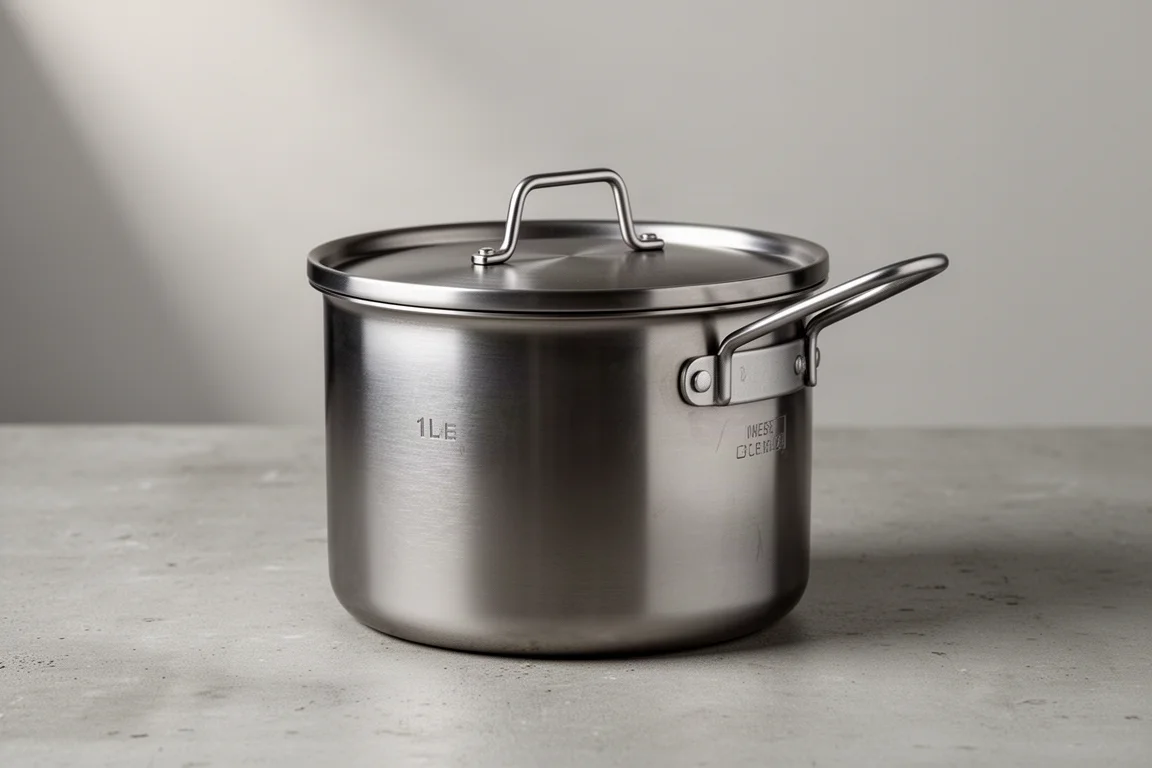
A one-litre titanium pot covers more situations than a smaller solo pot. It is large enough for cooking for more than one person, for straining food, and for trips where a bigger volume of water has to be boiled at once. Titanium keeps the weight low for its size.
A smaller pot is lighter and takes up less room, and for solo trips with simple meals it is the more efficient choice. The larger pot wins when the cooking you actually do needs the capacity.
Soto WindMaster: The Stove
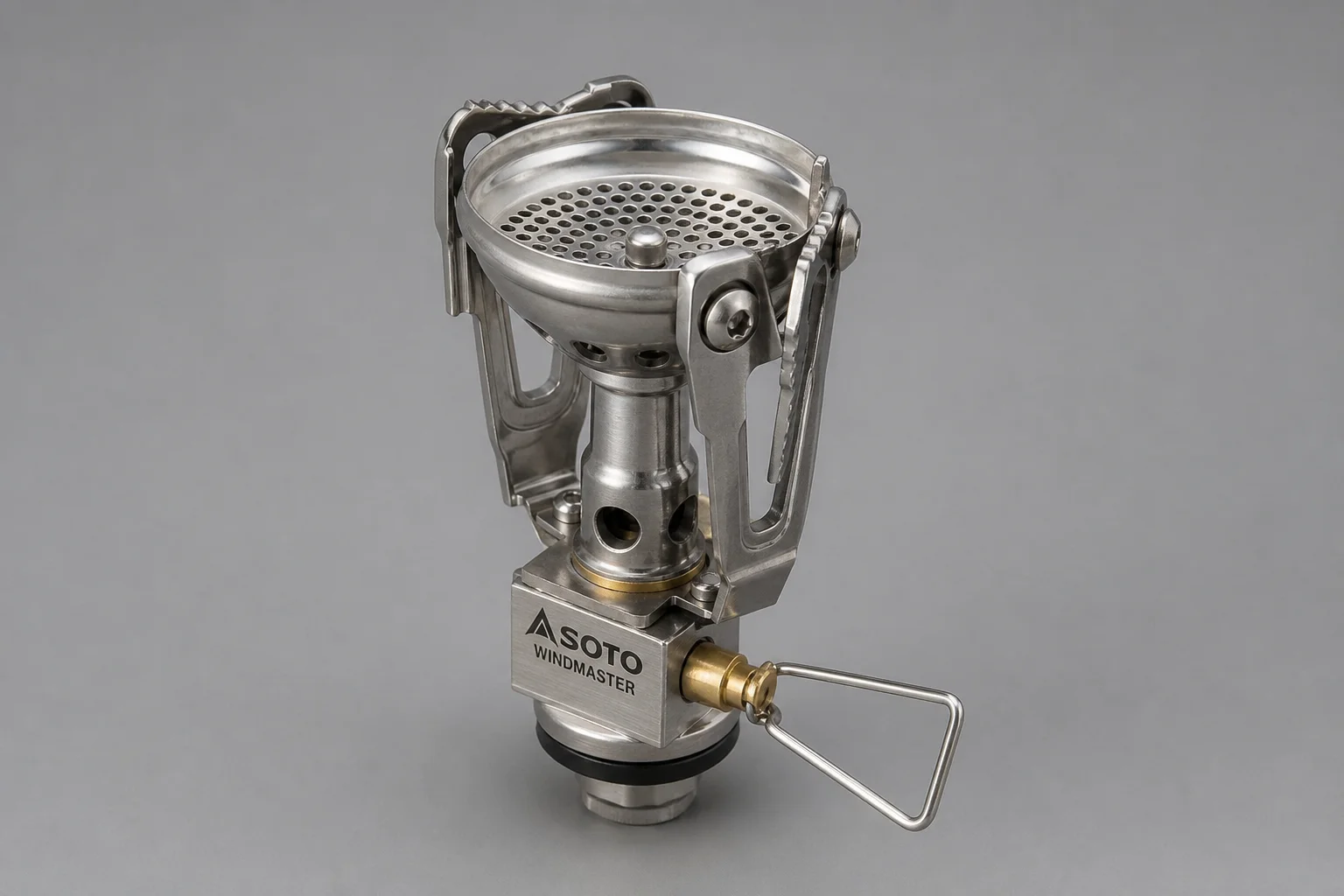
After working through alcohol stoves, basic canister burners, and a few ultralight alternatives, this is the stove that would be repurchased first. It lights reliably, holds a stable flame, and supports a pot without fuss, which matters most on trips where a hot meal is the difference between a good evening and a cold one.
It is a canister stove, so it depends on fuel canisters and on carrying them. For very simple trips, a lighter setup can be enough. The reason this one stays is reliability in conditions where a failed meal is a real inconvenience.
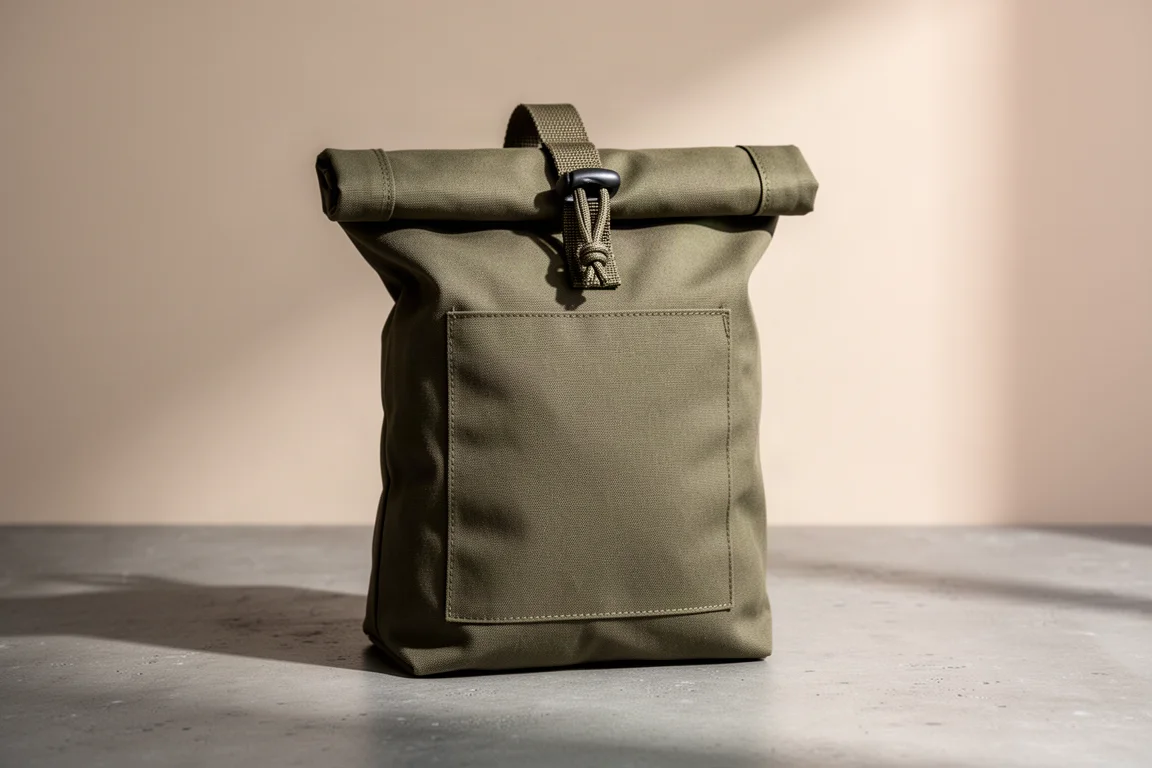
Hilltop Packs Food Bag: Food Storage
A food bag looks optional until it is used. This one is water-resistant, which keeps food dry through rain, and it has attachment points that make hanging it from a branch straightforward at the end of the day.
Custom printing is available on Dyneema fabric, which makes it easy to personalise. For anyone who has wondered whether a food bag is worth carrying, the practical answer is that hanging food properly and keeping it dry both get easier.
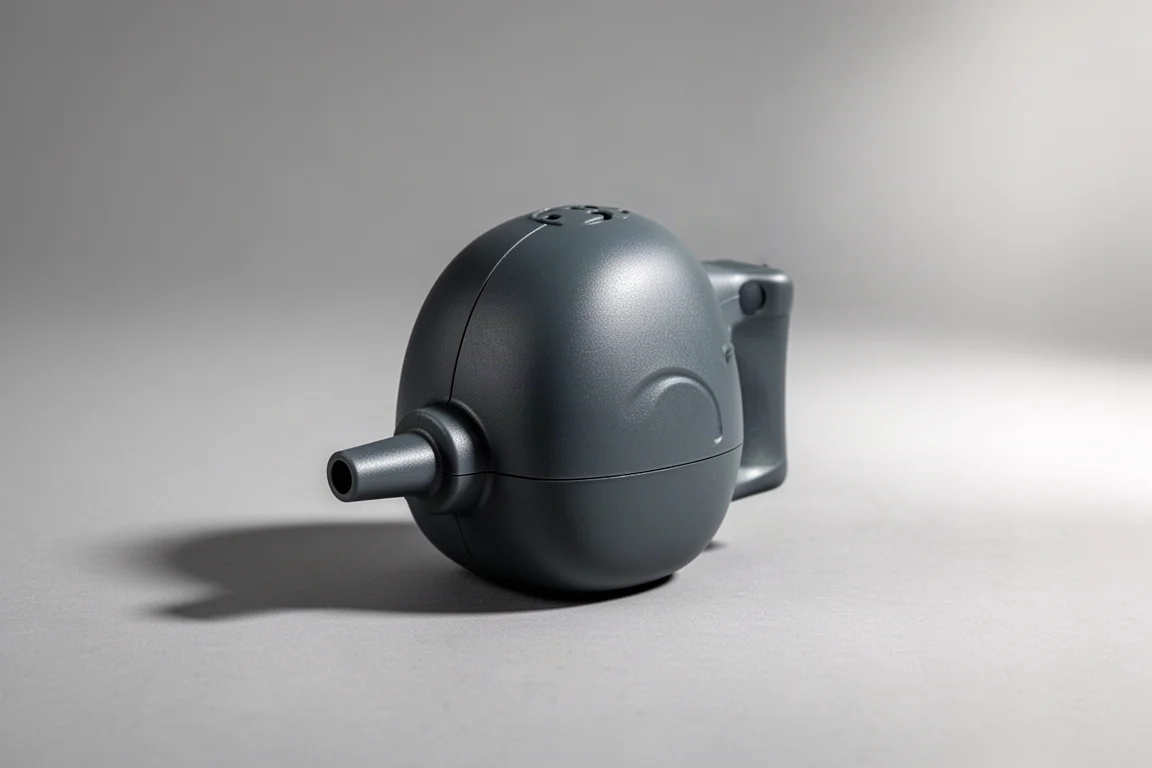
Flextail Gear Tiny Pump: Pad Inflation
Inflating an insulated pad by mouth at the end of a long day is the least appealing chore in camp, and this small electric pump removes it. It fills a pad in a few minutes and packs down small enough to disappear into a stuff sack.
It also solves a practical problem: replacement pumps for older pad valves are hard to find, so this is the alternative for anyone running an older pad. It adds a little weight and needs charging before a trip, which is the trade for not inflating a pad by hand.
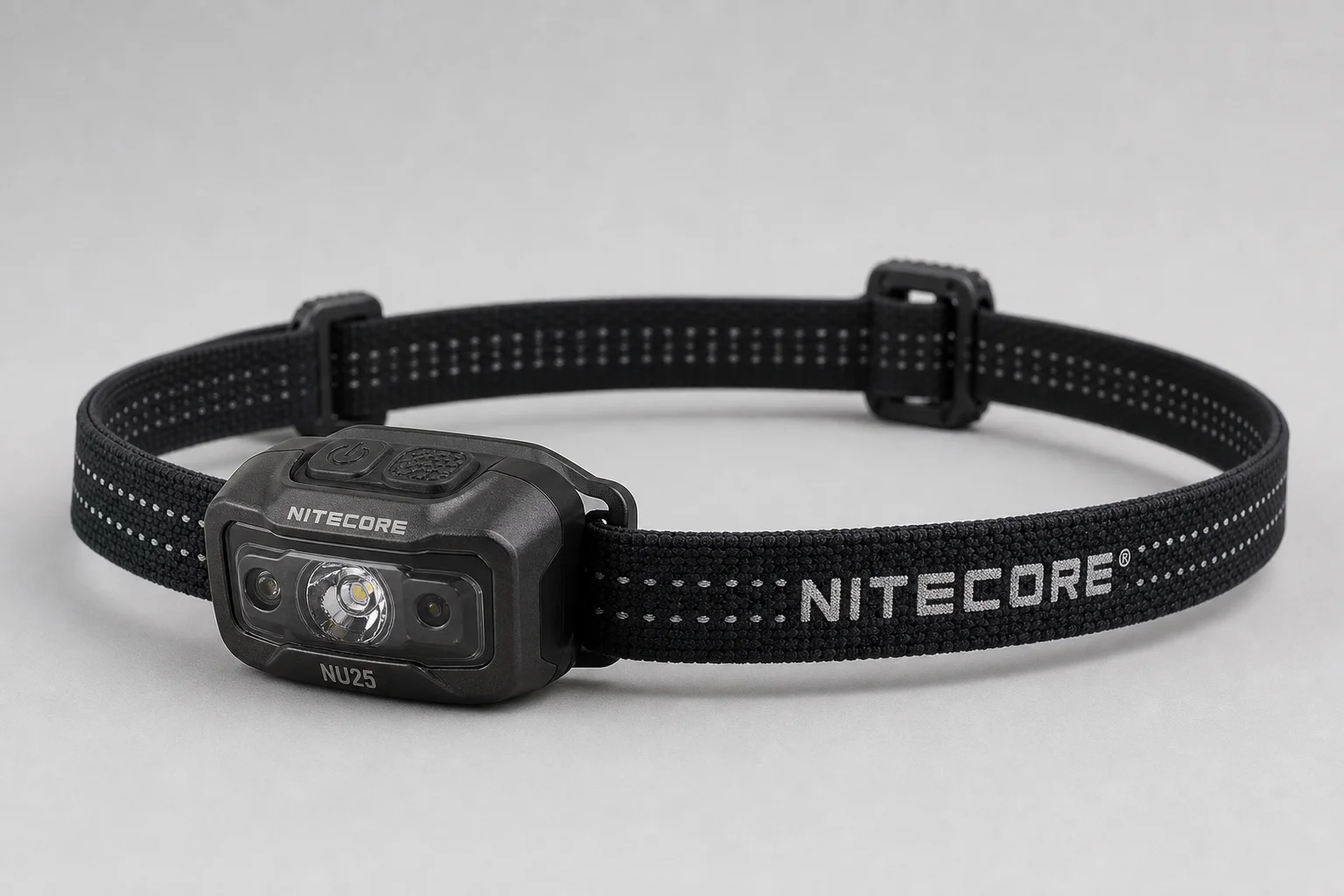
Nitecore NU25: The Headlamp
Headlamps are one of those categories where a drawer full of options still leaves one clear favourite. This one is lightweight, bright enough for camp chores and night walking, and it holds a steady beam without flicker.
The rechargeable battery keeps it simple for weekend trips and removes the need to carry spare cells.
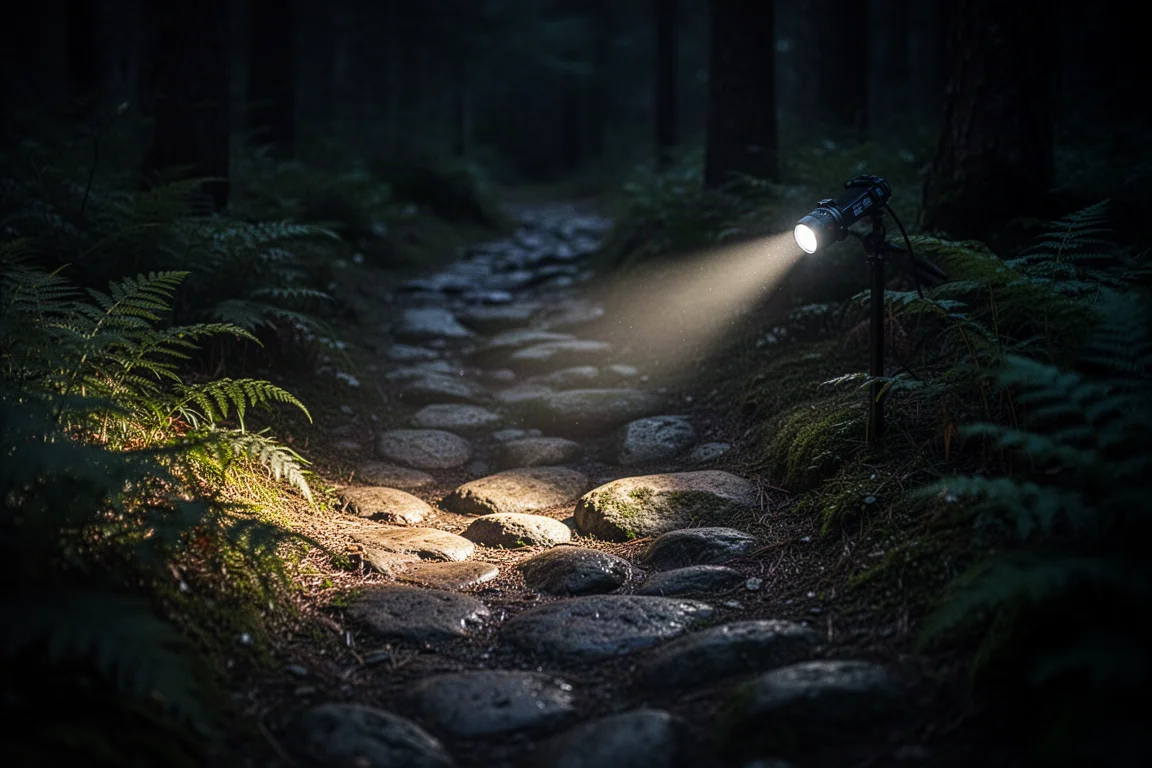
For longer trips, the rechargeable design means planning a power source, which is a reasonable trade for the weight and simplicity it brings to camp.
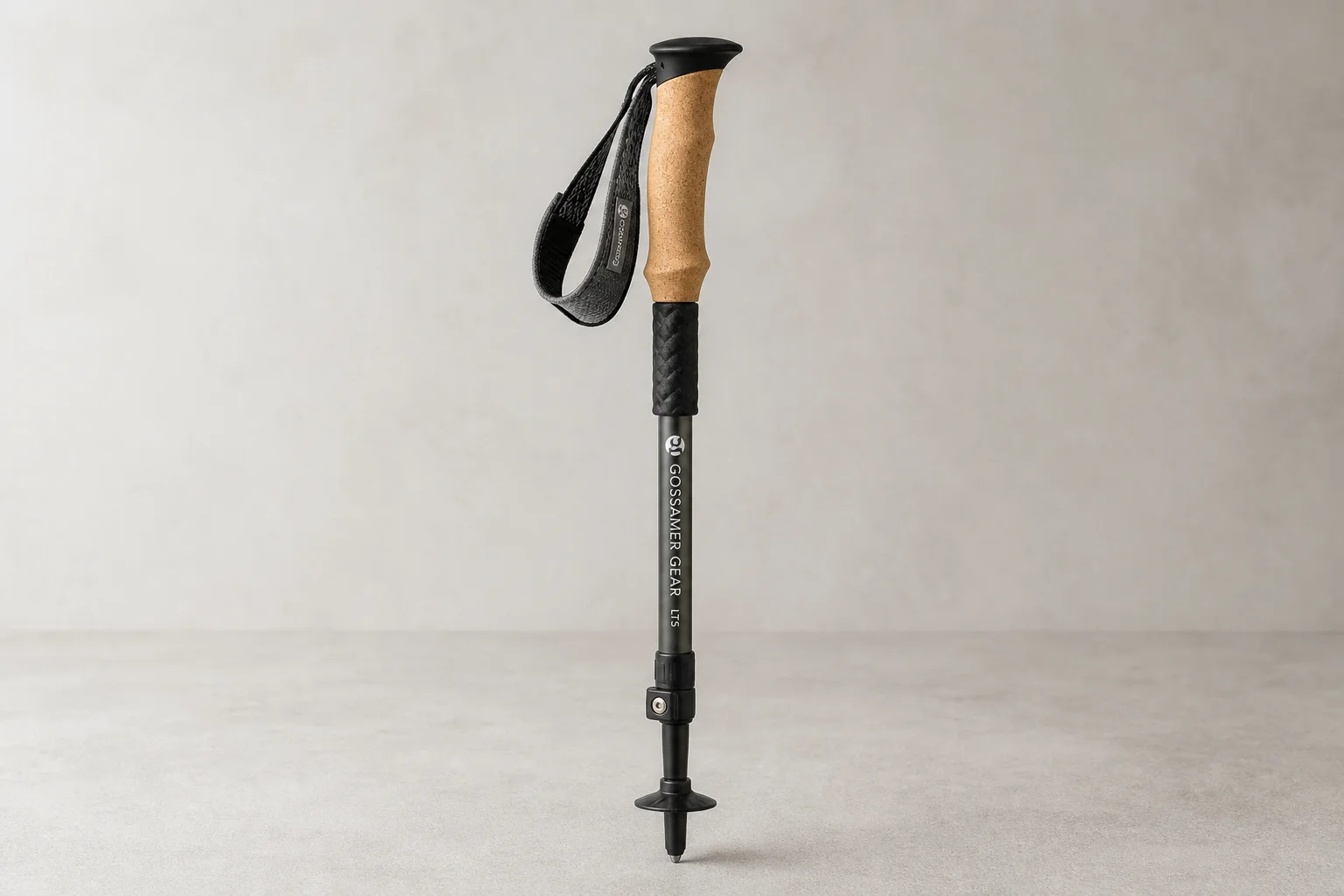
Gossamer Gear LT5: Trekking Poles
Not every trip needs trekking poles, and not every shelter needs them either. That does not make a good pair less valuable on the trips where they help, and these are the pair that would stay. Each pole weighs about five ounces, light enough to carry on trips where they are only occasionally useful.
They have been used across a wide range of terrain without issue. For anyone who wants poles for descents, river crossings, or pitching a shelter, low weight is what decides whether they come along at all.
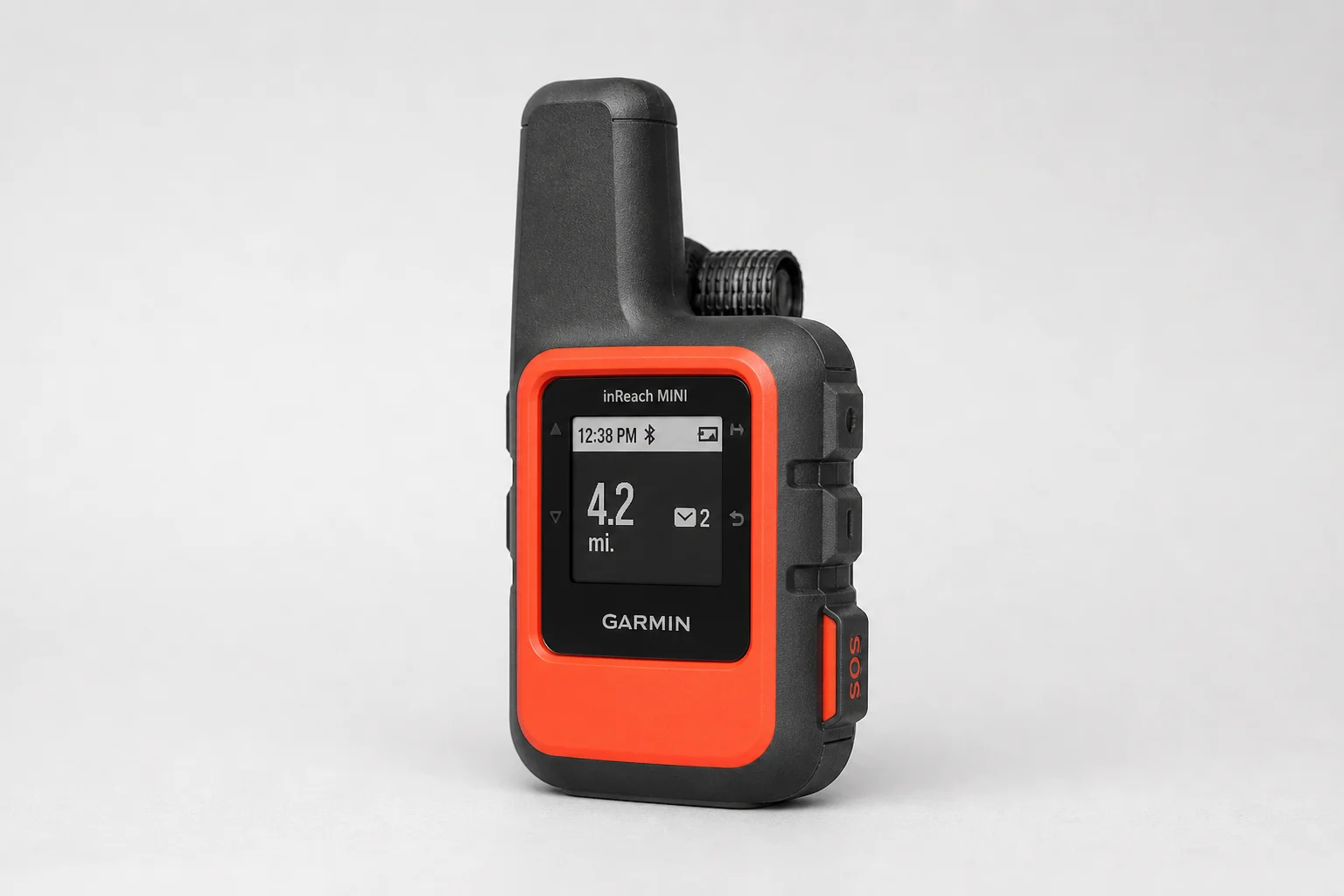
Garmin inReach Mini: Satellite Communication
This is the item that gets carried for one reason: staying in contact with family from places with no phone signal. It is small, it pairs with a phone, and it adds a way to send messages and an emergency signal from the backcountry.
Most of its advanced features go unused in a typical weekend kit. The value is in the coverage it provides when there is no other way to communicate, which is why it stays in the pack on remote routes.
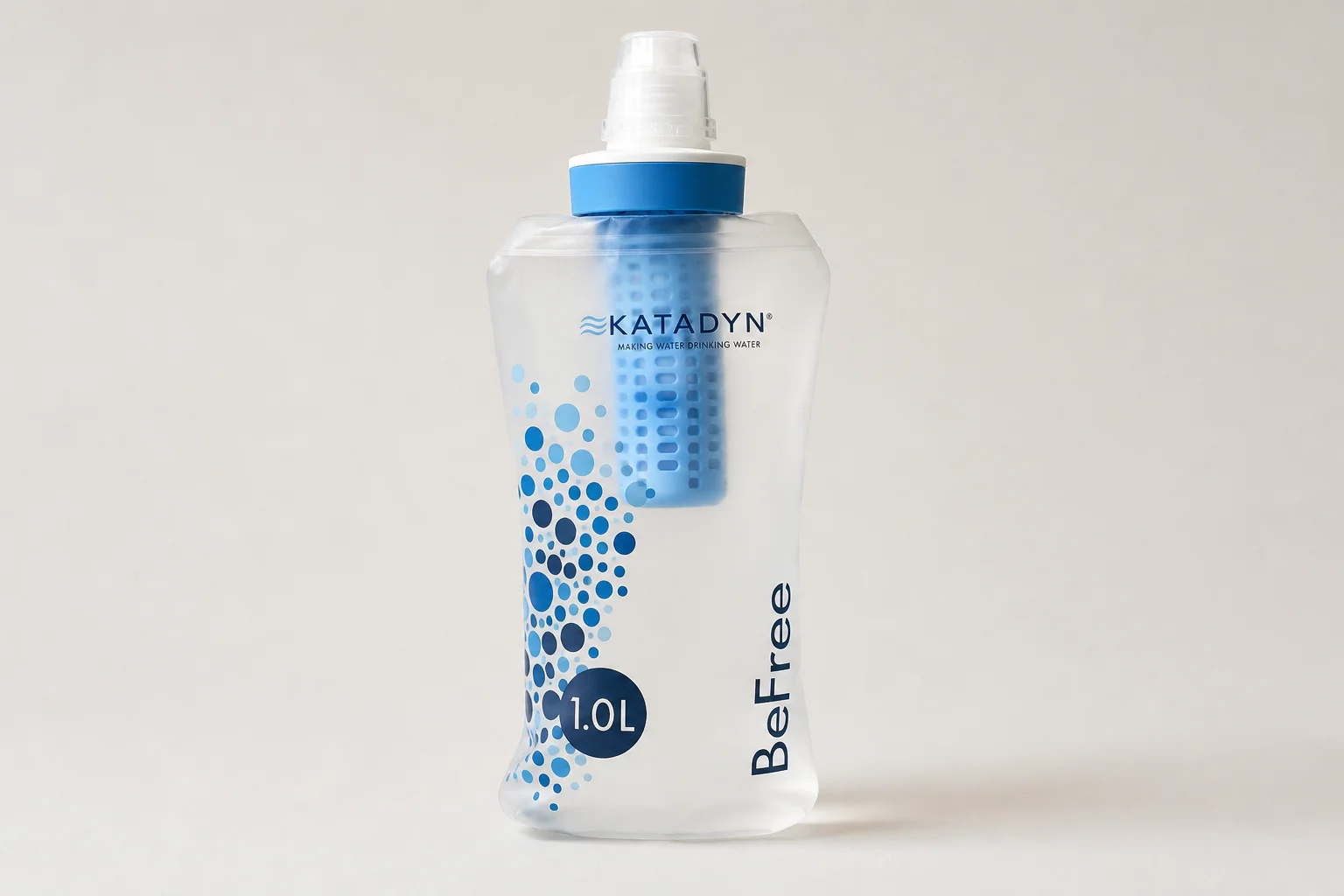
Katadyn BeFree: Water Treatment
For weekend trips, a squeeze filter with a wide mouth and fast flow is the simplest way to treat water. This one pairs well with a one-litre soft flask, which is the setup that makes sense for shorter trips where refills are frequent.
For longer through-hikes, a squeeze filter with a threaded connection and a wider range of bottle options is usually the better pick. The choice comes down to trip length rather than filter quality.
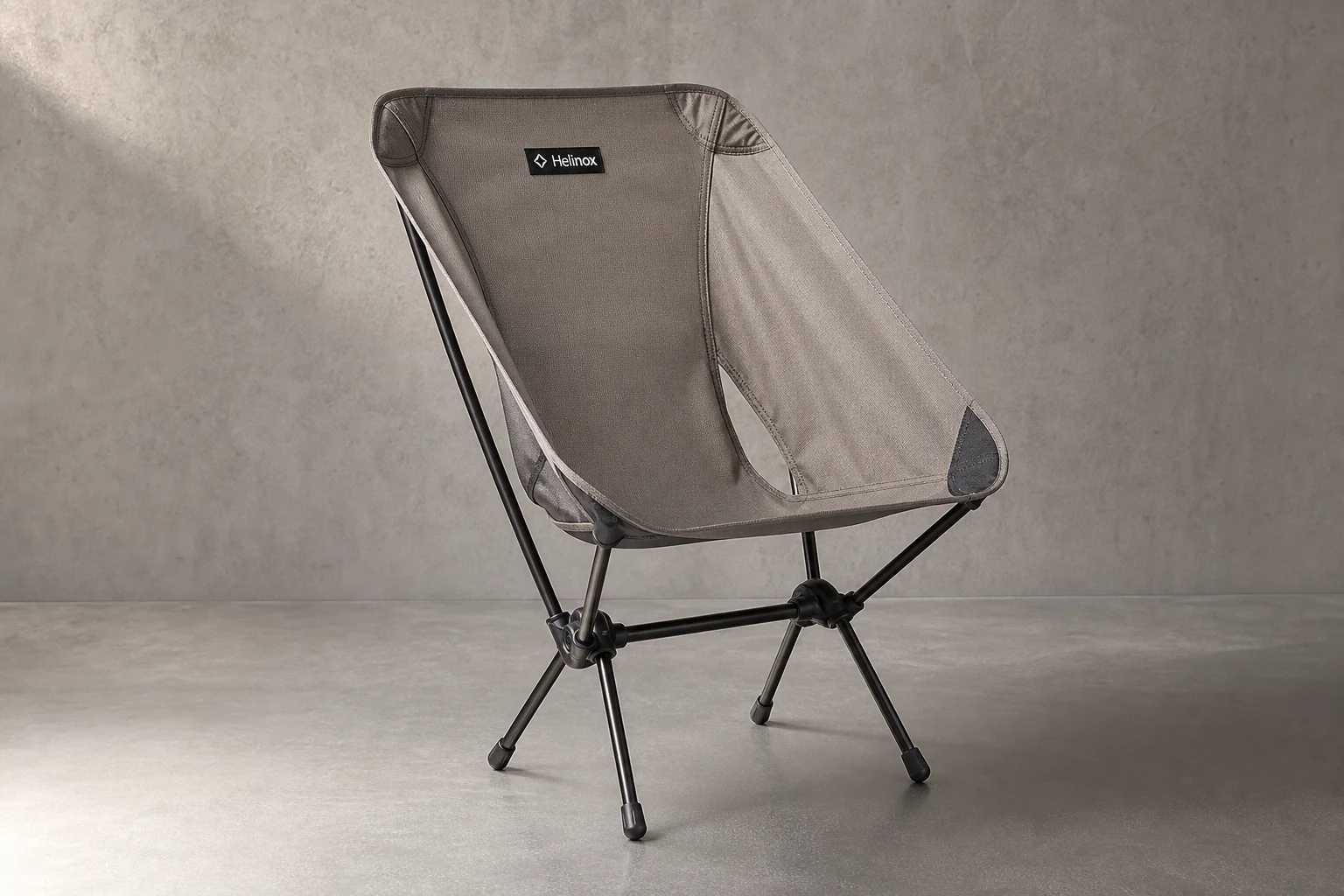
Helinox Chair Zero: Camp Comfort
A chair is the clearest example of the weight versus comfort trade in a backpacking kit. This one is light enough to justify carrying and makes camp noticeably more comfortable at the end of a day, which is why it would survive a gear purge ahead of almost everything else.
It is still a luxury item. If pack weight is the priority above all else, sitting on a foam pad works perfectly well. For anyone who spends long evenings in camp, the chair is worth the space it takes up.
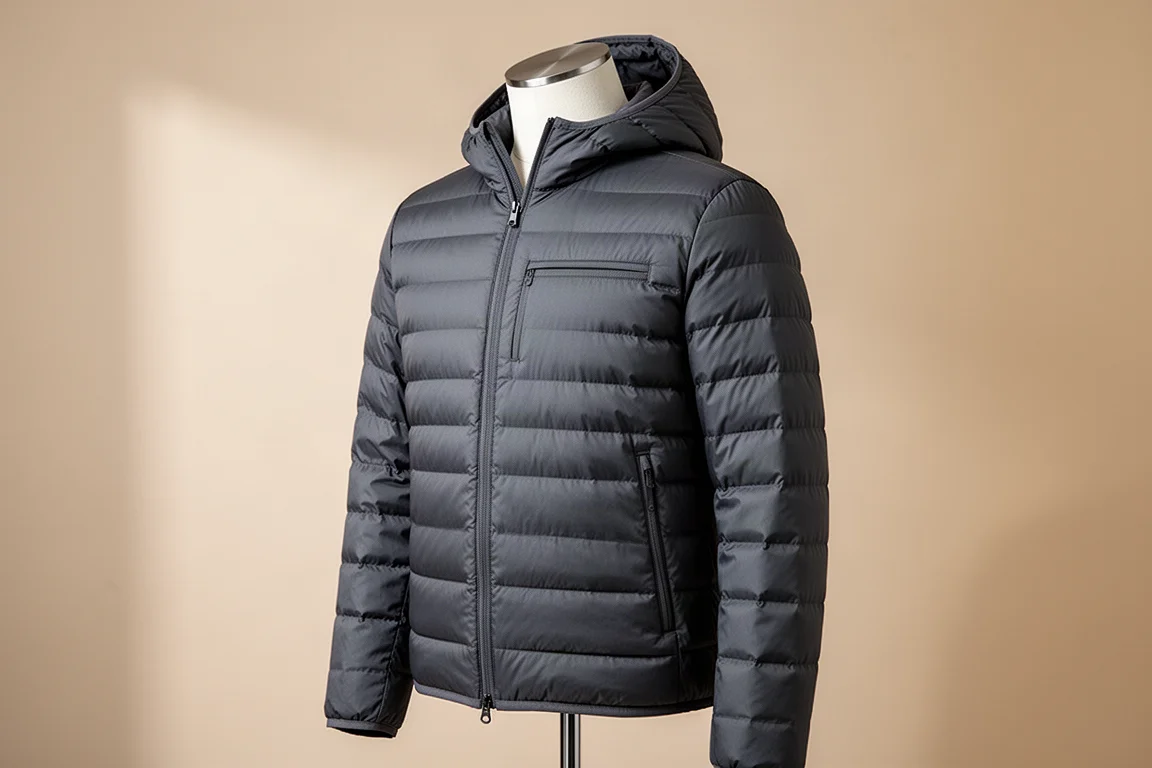
Mountain Hardware Ghost Whisperer 2: The Insulated Jacket
Clothing is personal, but the insulated layer is the one piece where a clear favourite exists. This jacket is warm for its weight and packs down small, which is exactly what a puffy layer needs to do in a kit that has to cover cold mornings, windy ridgelines, and cool evenings in camp.
It works as a static layer rather than an active one, so it belongs in the pack until you stop moving. Used that way, it covers a wide range of three-season and shoulder-season conditions.
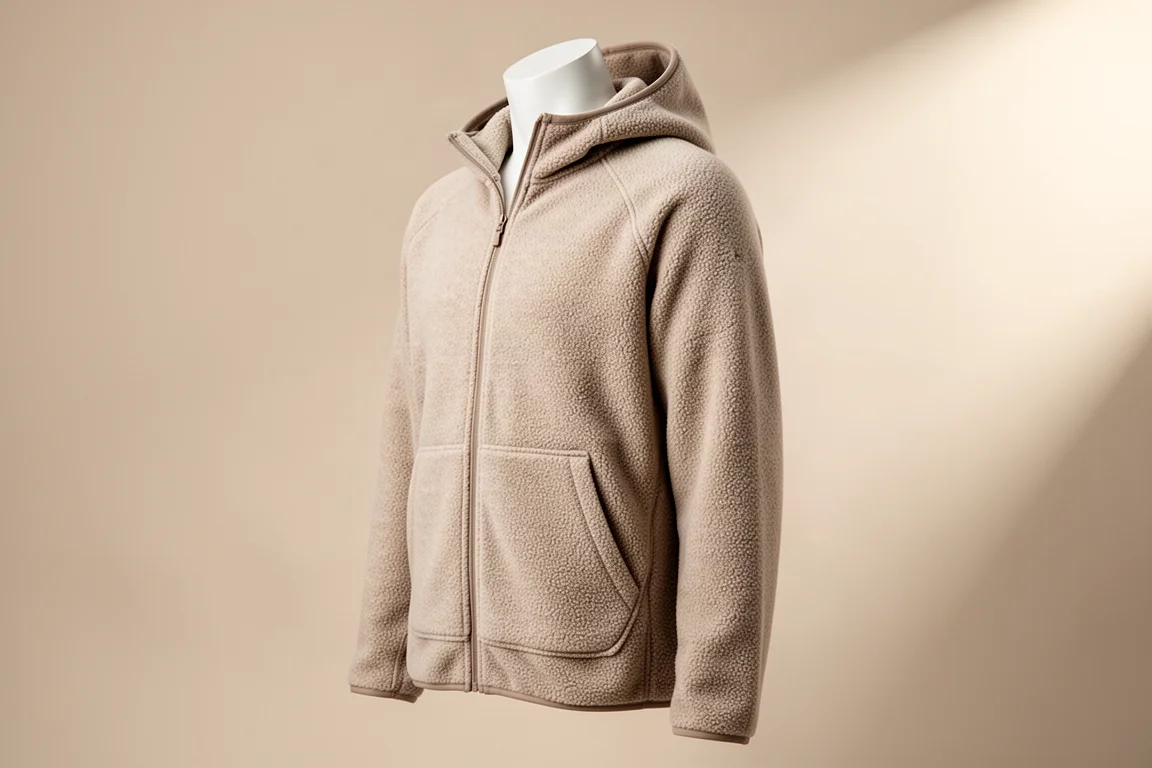
Appalachian Gear Company Parka: The Mid-Layer
The mid-layer is where a kit becomes comfortable rather than merely functional. This parka is the piece that would stay if only one mid-layer could, because it is comfortable enough to wear for long stretches in camp and warm enough to matter under a shell.
It is an expensive piece of gear, and it is not the lightest way to add warmth.
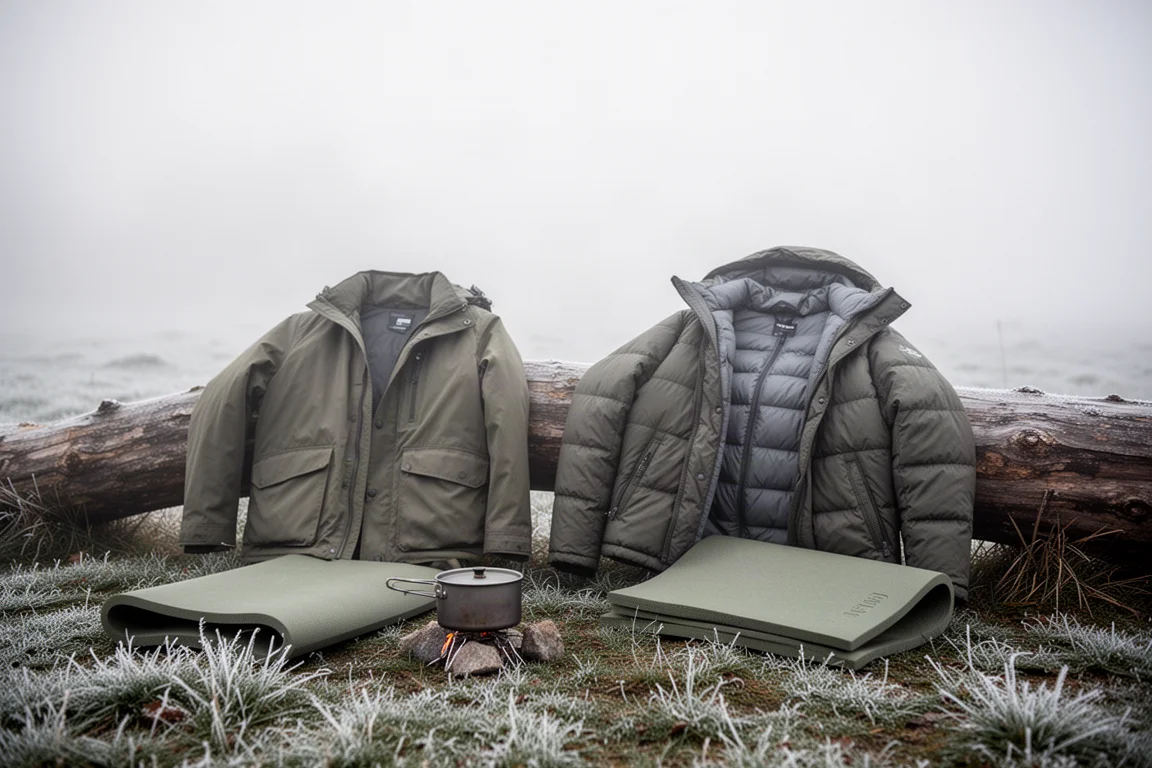
What it offers instead is a level of comfort that makes it easy to justify for anyone who spends a lot of time outside in cool weather. Together with the insulated jacket, it covers the range a single kit has to handle: a warm static layer for stops, and a comfortable mid-layer for camp and cool-weather walking.
Buying Advice
Rebuild order matters more than any single product. Start with the sleep system and the shelter, because those two decide the volume and load capacity your pack needs. Buy the backpack last, once you know exactly what has to fit inside it.
Second, match the gear to the trips you actually take. Most new backpackers head out in three seasons, so buying four-season gear across the board is unnecessary unless winter trips are genuinely planned. A versatile three-season shelter and a wide-range sleeping pad usually cover more of the year than a specialist setup.
Third, decide where comfort is worth weight. A chair, a thicker pad, and a proper pillow all add grams, and all of them make a trip more enjoyable. The right balance depends on whether you measure a trip by distance covered or by how well you sleep.
Conclusion
The point of this exercise is not that these are the only good options. It is that a small number of items do most of the work in a backpacking kit: an insulated pad that stays comfortable, a shelter that pitches anywhere, a stove that lights every time, and a warm layer that packs small. Everything else can be swapped, borrowed, or bought later.
If you are rebuilding a kit or trimming one down, start with the pieces that decide how well you sleep and how easily you cook. The rest of the list tends to sort itself out from there.
Further reading
Related Reviews

Backpacking Gear
Building a 10 lb Base Weight: An Ultralight Backpacking Gear List
A practical walkthrough of the ultralight pieces behind a 10 lb base weight, from a 765 g pack and a roomy one-person tent to a full camp chair and a dependable water filter.
Backpacking Gear
A 15-Pound Lightweight Backpacking Gear List for Solo Trips
A beginner-friendly 15-pound backpacking setup built from easy-to-find gear, with notes on what each piece does, how it packs, and where to spend your attention.
Backpacking Gear
8 Ultralight Backpacking Gear Upgrades Worth Carrying
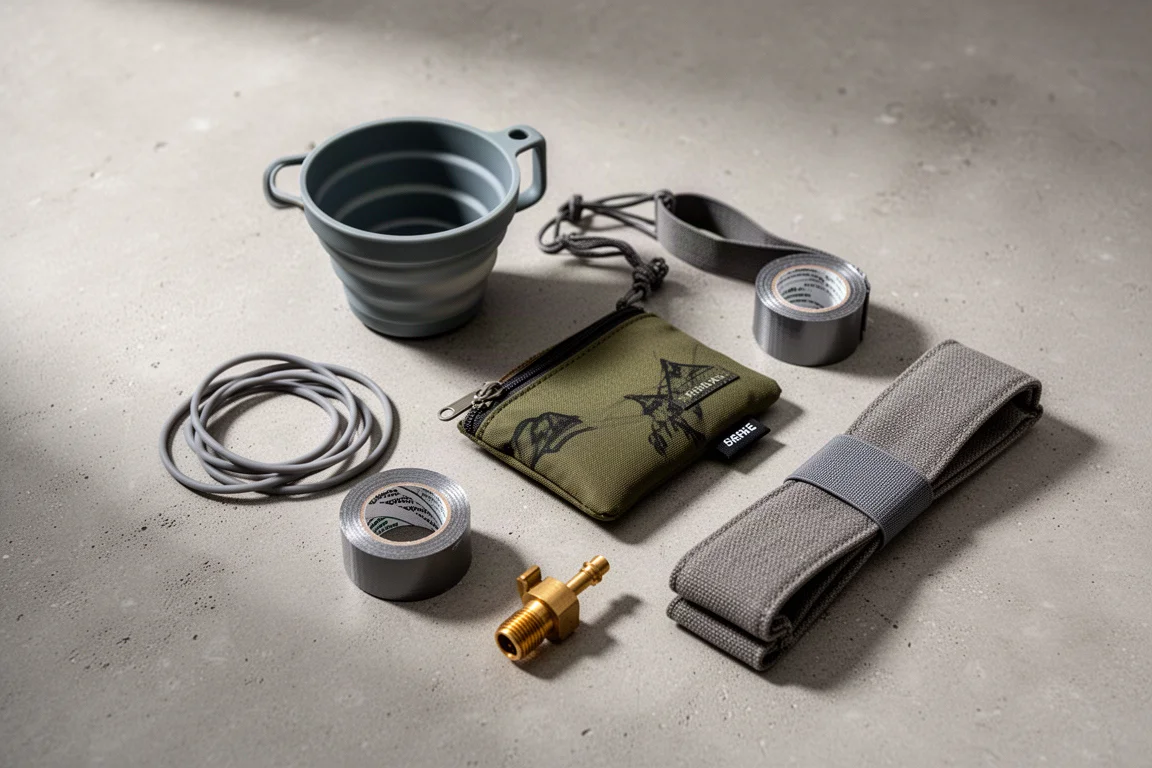
Eight small, affordable backpacking upgrades that solve real trail annoyances, from a pillow that stays put to a fuel valve that rescues leftover canister gas.