Music Streamers
iEAST AudioCast Pro vs WiiM Mini: Two Budget Streamers Compared
A practical comparison of the iEAST AudioCast Pro and the WiiM Mini, covering ports, power, software, service support and who each streamer suits.
Introduction
A small network streamer is one of the least expensive ways to bring streaming services and a local music library into a proper hi-fi system. Two compact plastic boxes sit at the centre of that conversation right now: the iEAST AudioCast Pro and the WiiM Mini.
Both do the same basic job. They join your network, pull audio from streaming services or a home server, and pass it to an amplifier, an outboard DAC or a pair of powered speakers. The differences show up in the ports, the power arrangement, the software and the services each one supports.
This comparison walks through both streamers, the practical strengths of each, and the situations where one makes more sense than the other.
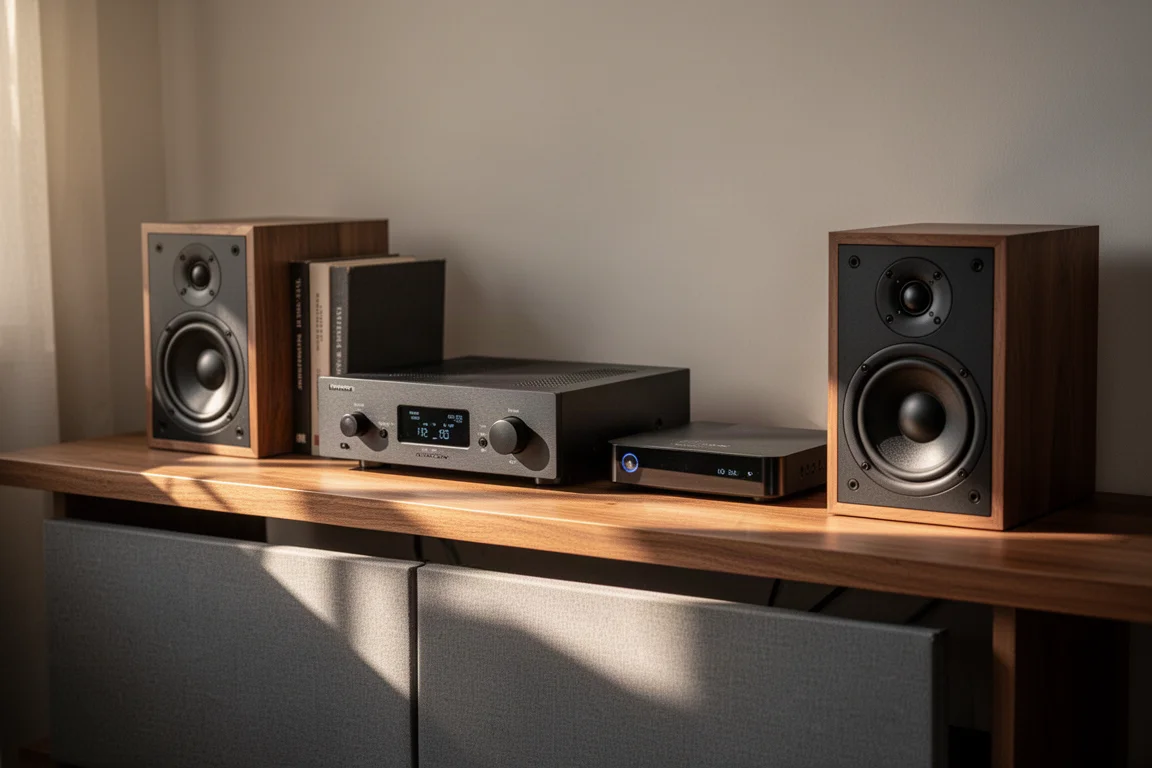
The AudioCast Pro is the newer and cheaper of the two, and it arrives with a few features the WiiM Mini does not offer. The WiiM Mini answers with a more developed software platform and a longer track record.
What to Look For in a Budget Streamer
Five things usually decide whether a low-cost streamer fits a system.
- Network connection. A wired Ethernet port removes Wi-Fi uncertainty, which matters in homes running 5GHz mesh hardware.
- Output options. Optical and analog outputs cover most amplifiers, and a shared connector is workable as long as you understand it before buying.
- Power. Some streamers rely on an external 5V supply that is not included, so the connector type is worth checking in advance.
- Software. Setup flow, EQ options, gapless playback and update frequency all shape daily use.
- Service support. AirPlay, Tidal Connect, Pandora and Qobuz availability vary between models, and that alone can settle the decision.
iEAST AudioCast Pro: Hardware and Connectivity
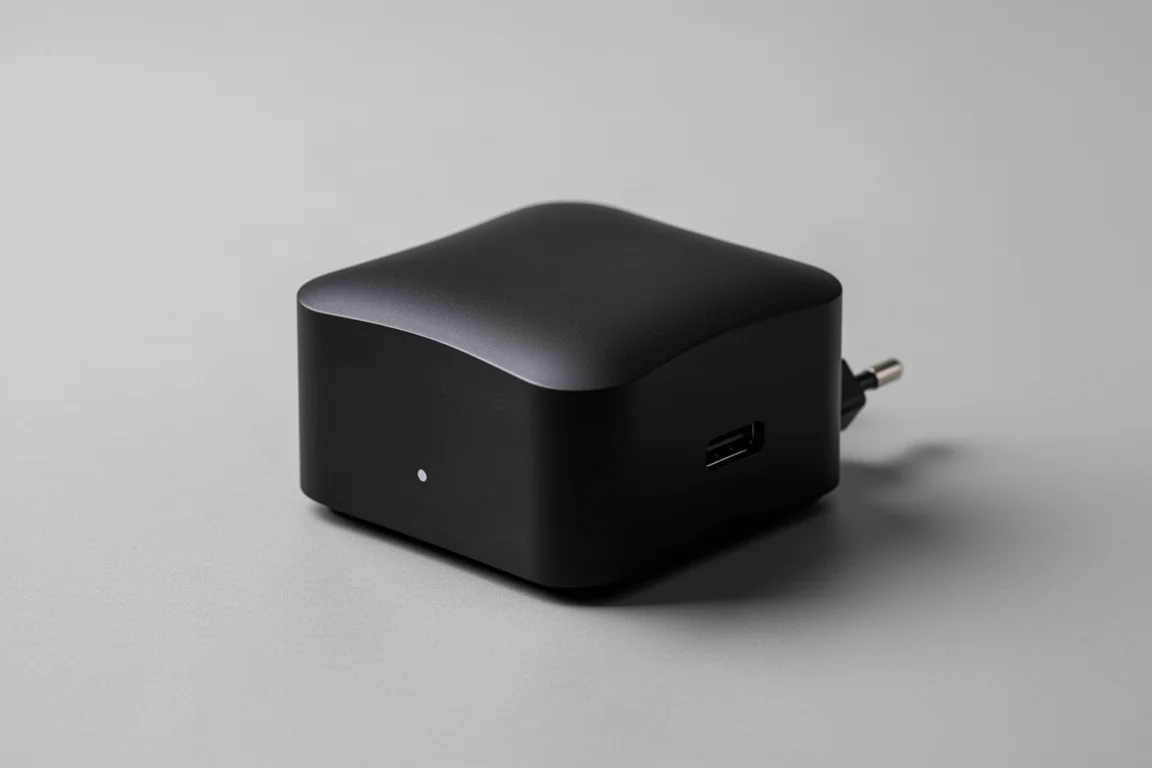
The AudioCast Pro is a small plastic streamer with a simple rectangular body, ventilation slots underneath and rubber feet at the corners. It is remarkably light at roughly 2.6 ounces, light enough that it can shift on a shelf or rack, so placing something with a little weight on top is a sensible precaution.
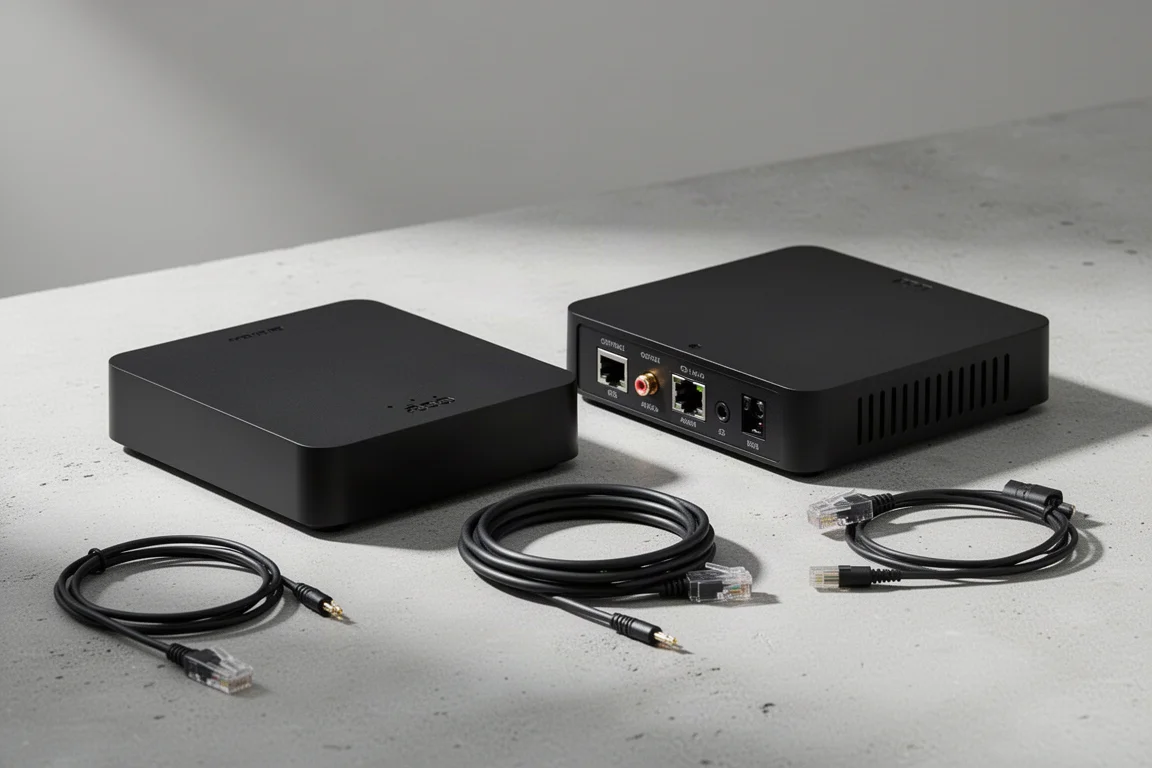
Around the back, the port selection is more generous than the price suggests. There is an Ethernet port for wired networking, an analog auxiliary input, a mini optical output that shares its connection with the analog output, a 3.5mm analog output fed by the internal ESS 9023 DAC, and a DC 5V power input. An IR input supports a remote control that is sold separately.
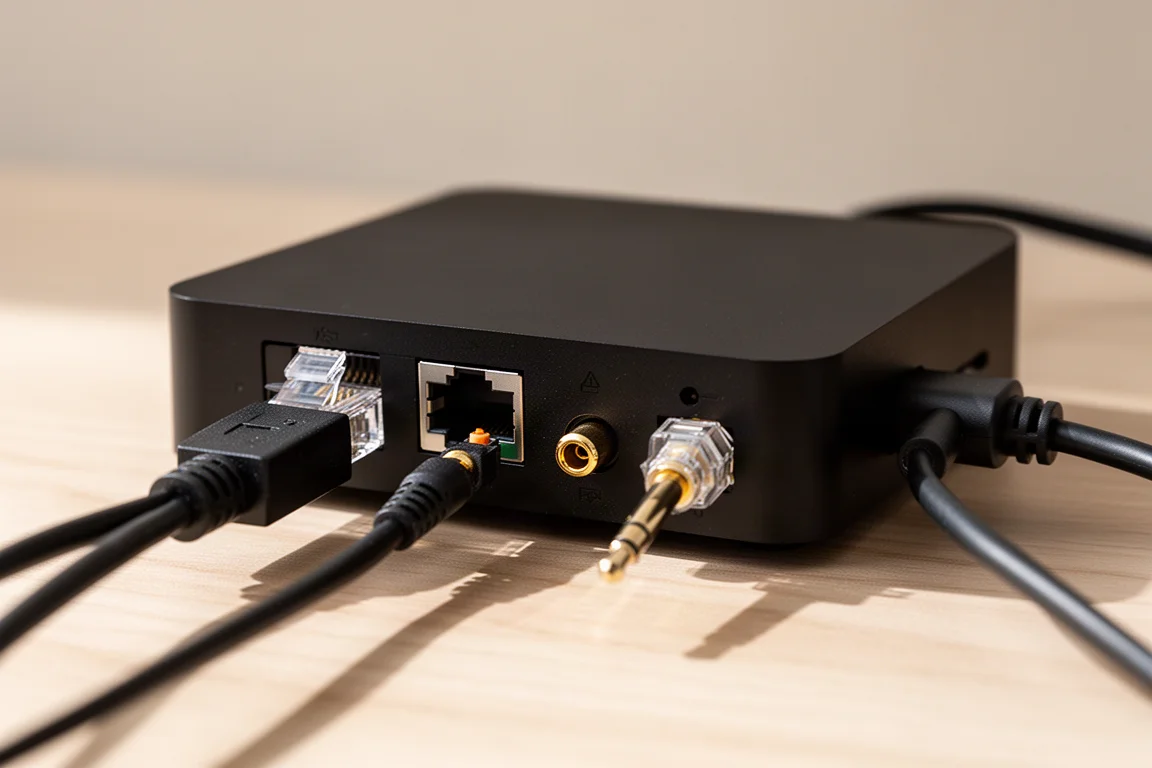
The mini optical connector is worth planning around. Adapters are not rare, and one is included in the box, but the small format is easy to misplace. Leaving the adapter attached to the cable permanently is the simplest way to avoid losing it.
Wi-Fi is limited to 2.4GHz, so a 5GHz-only router, repeater or mesh node will not work with the AudioCast Pro. The Ethernet port is the practical answer, and it also means a travel router can supply a wired-style connection when needed.
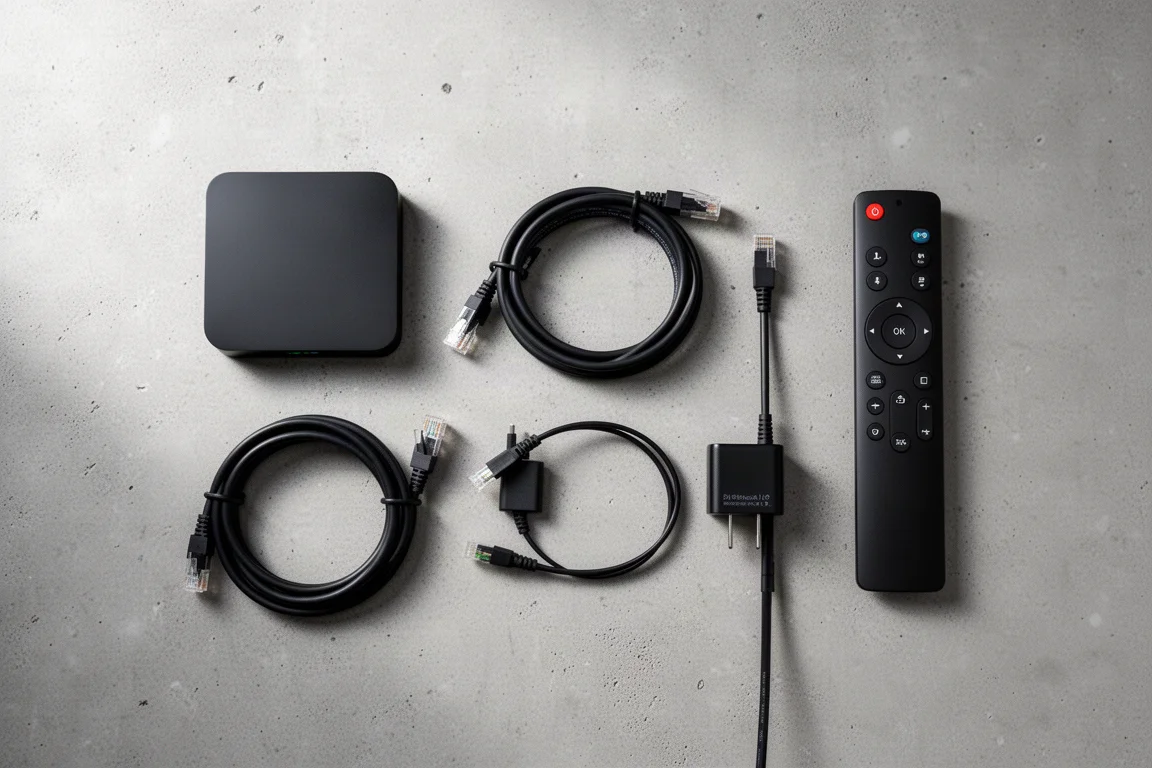
Power is the one area that asks for a little patience. The unit uses a 5V barrel connection rather than micro-USB or USB-C, and the power supply is not included, so a compatible 5V brick is required. No 3.5mm-to-RCA cable is bundled either, which is worth ordering at the same time if the plan is to feed an amplifier through the analog output.
iEAST AudioCast Pro: Software, Services, and Setup
Setup follows a familiar pattern: install the companion app, let it find the device, and enter the Wi-Fi credentials manually. It is not quite as smooth as handing network details over automatically, but it is straightforward.
The AudioCast Pro runs on the same software backbone as the WiiM Mini, although the integration is clearly different. The device is visible to other apps built on that platform, but it cannot be controlled through them.
Service support is where the AudioCast Pro makes its strongest case. TuneIn, iHeartRadio, Pandora, vTuner, Spotify, Tidal, Deezer, Napster, Qobuz and Amazon Music are all available, and built-in Spotify Connect keeps playback running from the cloud even when the phone is switched off. AirPlay is supported as well and plays gaplessly. Bluetooth is on board too, alongside a physical line input and an optical input as alternative sources.
There are gaps. Tidal Connect is absent, there is no bit depth or sample rate readout in the app, and there is no indication of high-resolution playback support. The EQ section is really a set of tone controls with treble and bass adjustments, plus a bass boost and a 3D sound option. Settings also cover channel routing, device renaming, an alarm, presets, a sleep timer, a beep toggle, an indicator light switch and an EQ sync option.
WiiM Mini: A More Mature Software Platform
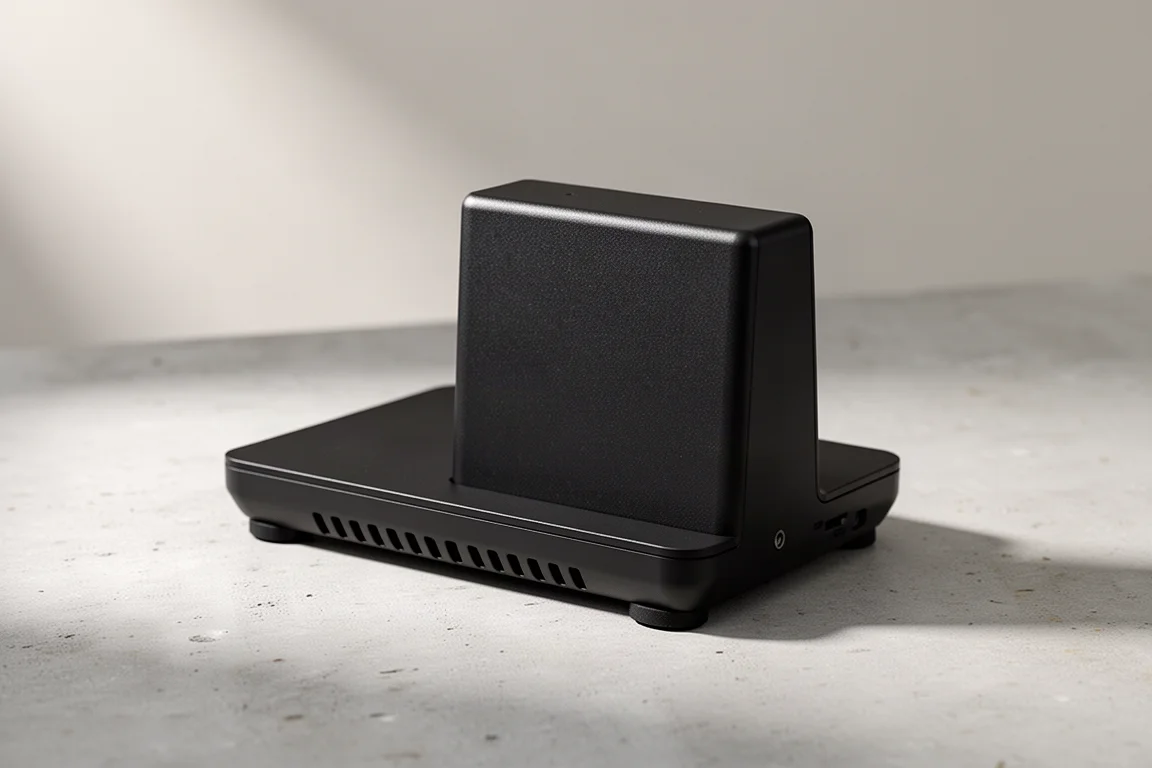
The WiiM Mini occupies the same category and the same general form factor, but its software has had far more time to mature. It offers a 10-band EQ, high-resolution output up to 24-bit/192kHz, a bit depth and sample rate display in the app, and Tidal Connect. Tidal and Amazon Music both play gaplessly, although a very faint click can sometimes be heard between tracks when listening closely.
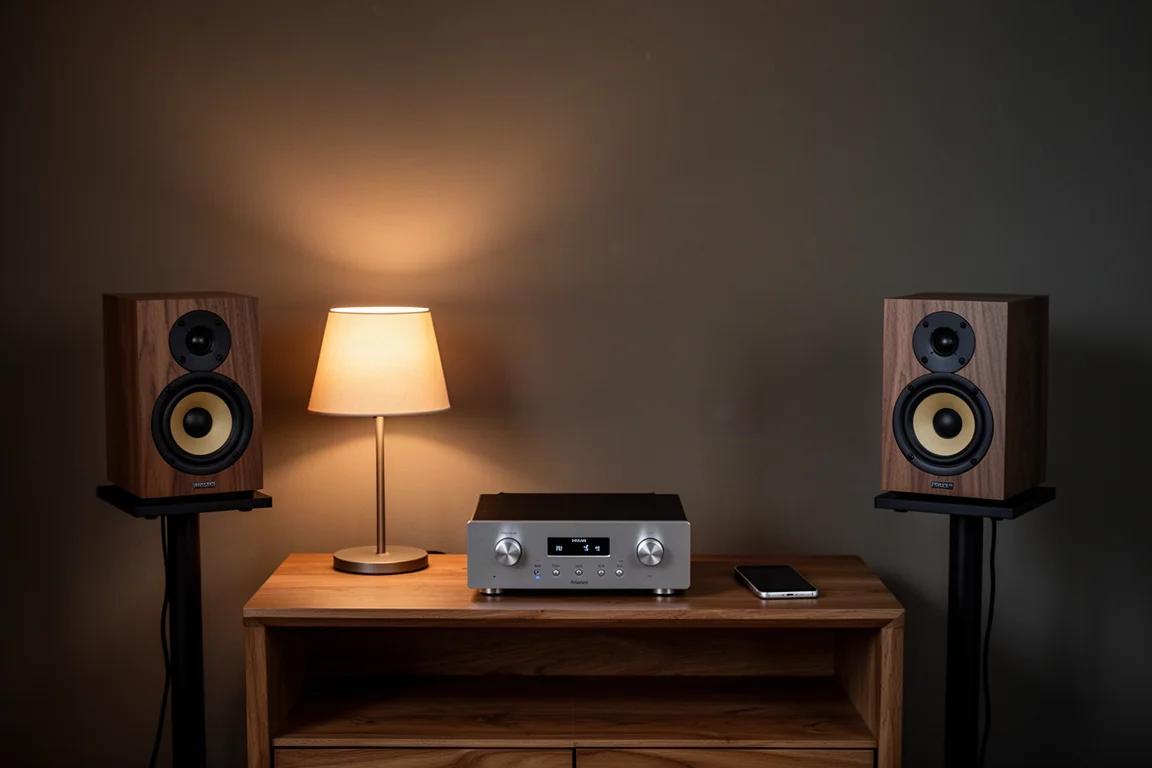
Regular software updates are a meaningful part of the package. Features that were missing earlier in the product’s life have been added over time, and the platform keeps improving.
Pandora did not appear in its service list, which is the clearest service-level difference between the two streamers. Listeners who rely on Pandora will find the AudioCast Pro the more practical choice.
Where the AudioCast Pro and WiiM Mini Differ
Wired networking is the AudioCast Pro’s clearest hardware advantage. The Ethernet port removes Wi-Fi variables entirely, and it is a genuine differentiator at this price. AirPlay support is another point in its favour, particularly because AirPlay receivers commonly sell for around $130 on their own, which makes a streamer that includes AirPlay at this price a strong value proposition.
The WiiM Mini answers with software depth: a 10-band EQ, high-resolution playback, Tidal Connect and an app that has been refined through many updates. It also handles Tidal and Amazon Music gaplessly.
Price is close but not identical. The AudioCast Pro sells for roughly $77 to $79, while the WiiM Mini typically costs about $10 to $20 more depending on when it is purchased, with sale prices reaching around $80.
Availability also differs. The AudioCast Pro has been listed on AliExpress rather than Amazon, and the manufacturer’s own website is still under construction, so buying options are narrower. The WiiM Mini is an established product with wider distribution.
Buying Advice: Which Streamer Fits Your Setup
The AudioCast Pro suits listeners who want a wired network connection, AirPlay or Pandora, and who are comfortable with a first-generation software experience. It is also the cheaper option, and its ESS 9023 DAC makes the analog output a reasonable starting point for a budget system. Keep in mind that it needs a 5V power supply and that the mini optical adapter should stay attached to its cable.
The WiiM Mini suits listeners who value the app experience more than the port count. High-resolution playback, a 10-band EQ, Tidal Connect and a long update history are the reasons to pay a little more, and anyone who does not need Ethernet, AirPlay or Pandora will get more from the WiiM Mini’s software.
For a simple AirPlay setup in a second room or a desktop system, the AudioCast Pro covers a lot of ground for the money. For a primary streamer where the app is used every day, the WiiM Mini remains the safer long-term pick.
Conclusion
Both streamers cover the essentials, and each one approaches the job from a different angle.
The iEAST AudioCast Pro wins on hardware flexibility: wired Ethernet, AirPlay, an ESS 9023 DAC and Pandora support at a lower price. The WiiM Mini wins on software: high-resolution playback, a 10-band EQ, Tidal Connect and an app that keeps getting better.
Choose based on what your system actually needs. If the network is the weak point, the AudioCast Pro’s Ethernet port settles it. If the app is what you will live with every day, the WiiM Mini is the more polished companion.
Further reading
Related Reviews
Music Streamers
Arylic S10 Plus vs WiiM Mini: Two Affordable Music Streamers Compared
A practical comparison of the Arylic S10 Plus and the WiiM Mini, covering connections, apps, tone controls, and how each internal DAC actually sounds.
Music Streamers
Auralic Aries G1.1 Review: A Streaming Transport That Lifts a Resolving System
A close look at the Auralic Aries G1.1 streaming transport, covering its twin-transformer power supply, Tesla G2 processing, Lightning DS app and the systems where it genuinely pays off.
Music Streamers
Bluesound Nano Review: A Compact Streamer That Keeps Things Simple
The Bluesound Nano is a stripped-down network streamer at $299, with a solid chassis, quick setup, and a clean, punchy sound. Here is what to know before buying.