Camping Tents
Idoo Jin Popup Tent Review: Fast Setup, Questionable Rain Protection
A popup tent that pitches in moments and ventilates well, but partial seam taping and a leak in moderate rain make it a dry-weather shelter.
Introduction
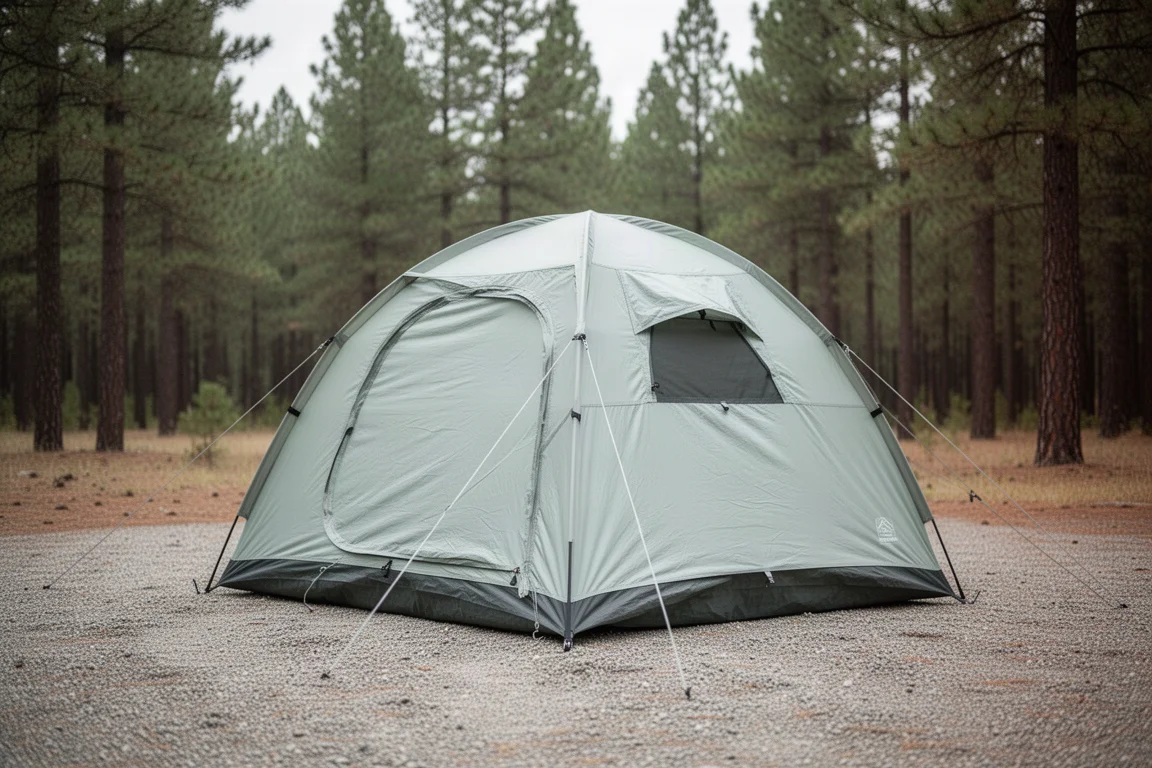
Popup tents trade complexity for speed, and the Idoo Jin Popup Tent leans fully into that idea. It comes from a South Korean company, sets up in a matter of moments, and is marketed as a waterproof shelter with a claimed 2,000 mm hydrostatic head rating. On paper, that reads like a tent you could trust through a long night of weather.
The physical details are less reassuring. Stitching quality on the sample inspected is rough in places, and several interior seams are only partially taped rather than fully sealed. That combination matters, because seam tape is what stops water from wicking through stitch holes once fabric saturation begins.
A sustained rain test confirmed the concern. After roughly three hours of moderate rainfall, the tent leaked: standing water pooled on the floor, water dripped from the ceiling, and moisture worked through an untaped seam and down the inner walls. Nothing about that test approached the pressure the 2,000 mm rating implies.
Who This Tent Is For
This is a shelter for fair-weather camping. It makes sense for car camping trips, festival weekends, backyard nights, and short summer outings where the forecast is clear and the tent is mainly there for shade, privacy, and bug protection.
It is not a tent for exposed campsites, multi-day trips in wet climates, or anyone who needs a shelter that performs when the weather turns. If rain is likely and there is no overhead cover available, this is the wrong tool.
Main Strengths
Setup speed is the headline. The popup design goes up almost immediately and takes very little effort to tension, which is genuinely useful at the end of a long drive or when light is fading.
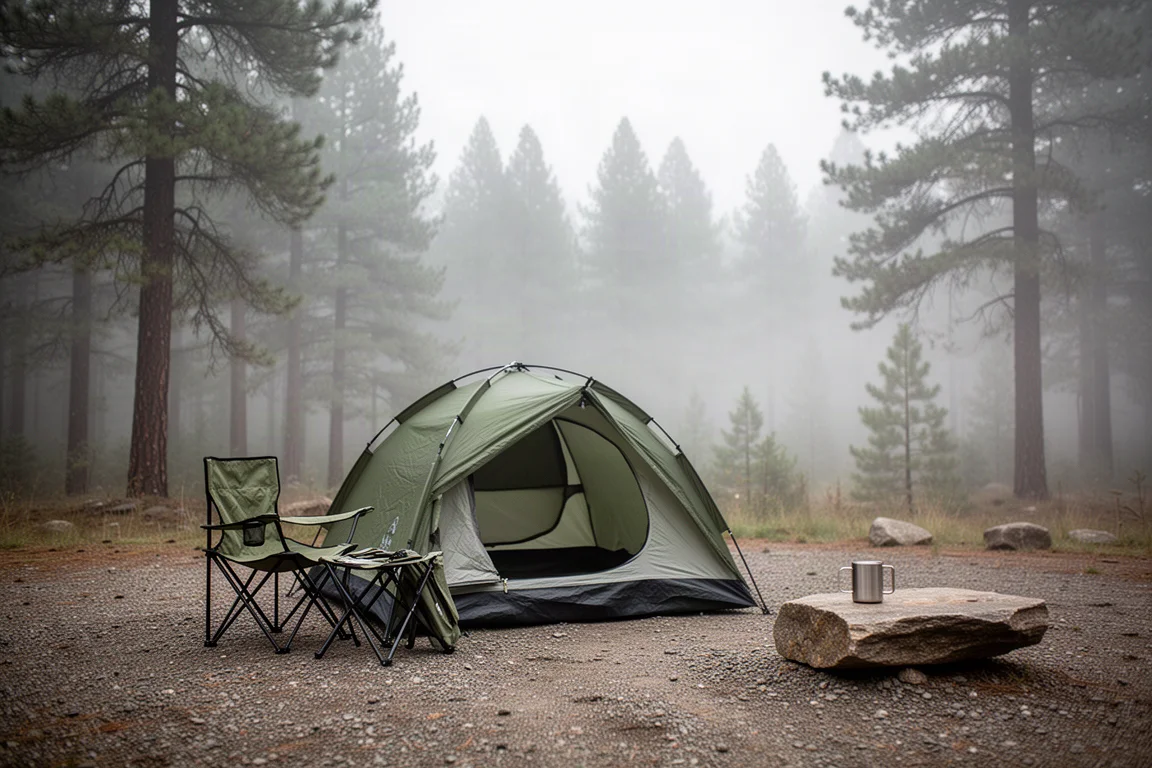
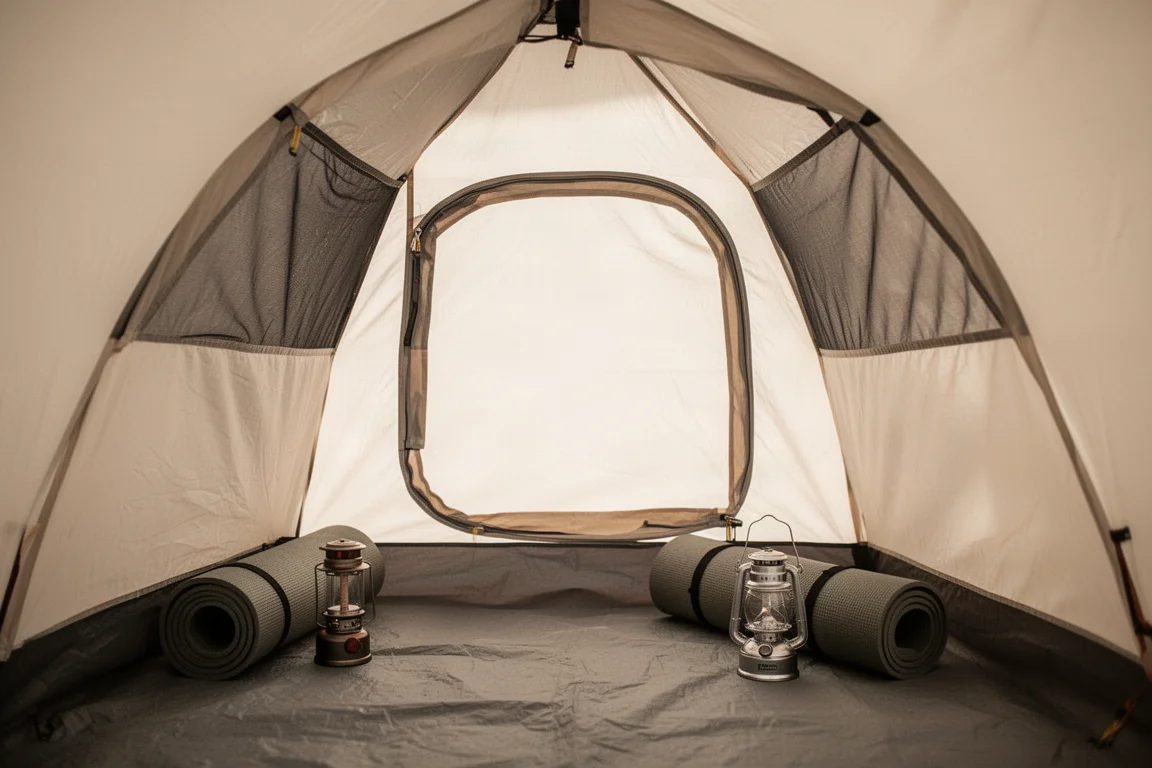
Ventilation is the second real strength. The tent breathes well, and with airflow moving through the mesh panels it stays comfortable in warm, humid conditions rather than turning into a stuffy box. The overall layout is simple and easy to live with, with enough interior space for a basic sleep setup and a small amount of gear.
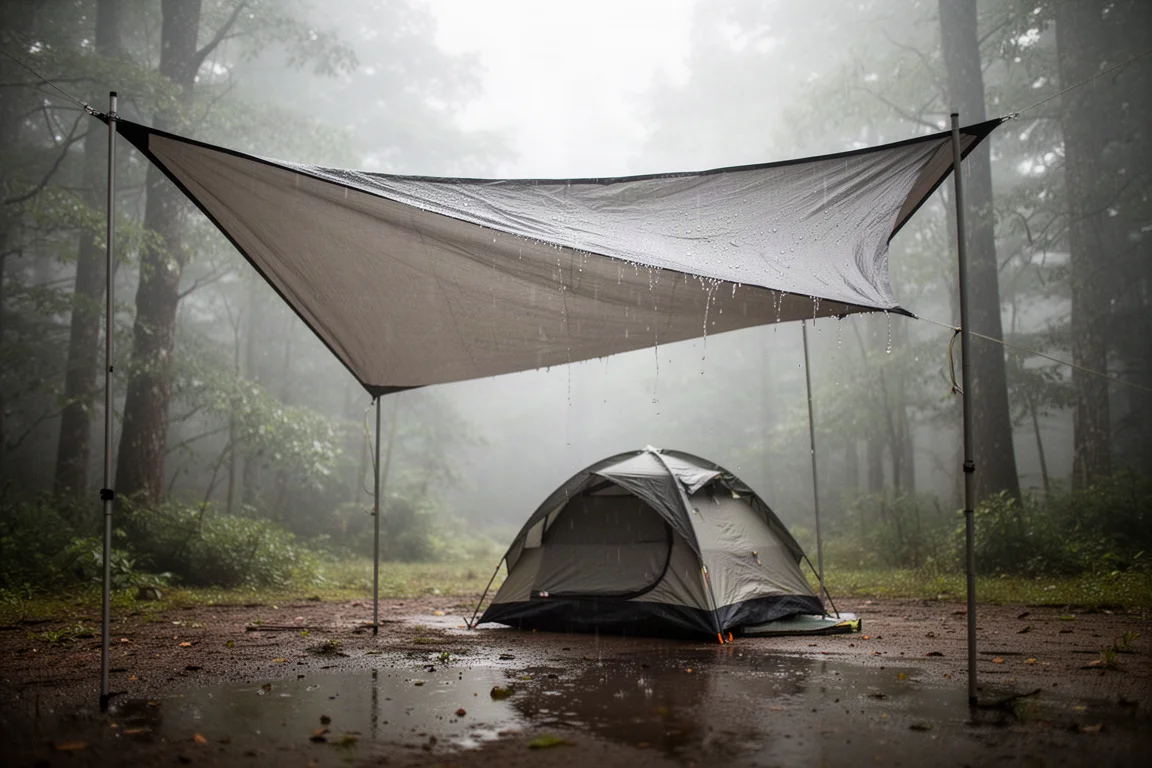
Under a large tarp, those strengths combine well. Sheltered from direct rainfall, the tent provides solid protection from wind-driven debris and insects while keeping the interior comfortable, and it stays dry because the rain never reaches the fabric.
Design and Setup Notes
The construction is where the tent shows its budget positioning. The stitching is uneven in several places, and the interior seam taping is incomplete. Untaped seams are the most common cause of leaks in tents that are otherwise fine in light drizzle, and here the gaps line up exactly with where water eventually appeared.
The packaging also states that this is the number one market brand in Korea. That claim could not be verified from any independent source, and it is worth treating marketing language on a tent box with the same caution you would apply to any other unverified badge.
How It Performed in Sustained Rain
The tent was pitched and left exposed through a moderate, steady rainfall that lasted about three hours. This was not a violent storm and not a direct hit from thunderstorms in the area, just consistent rain of the kind a waterproof tent should shrug off.
After the rain stopped, the interior told the story. Water had pooled on the floor in one area, water was actively dripping inside, and additional water was collecting in another corner. Moisture was visibly tracking down the inner walls, and water was passing through a seam. With more rain forecast overnight, the sleep system had to be moved out to the vehicle.
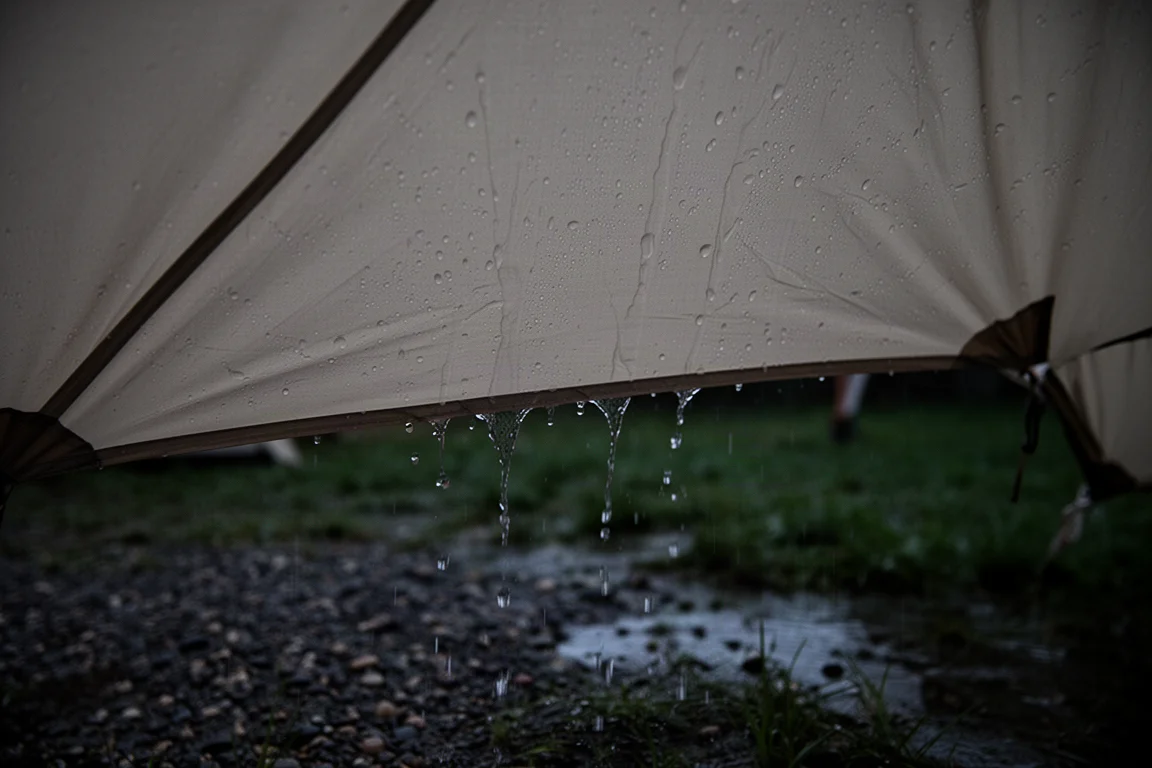
The following morning, the floor held considerably more water. The result is consistent with the missing seam tape: the fabric itself may shed water, but the unsealed stitch lines let it through under sustained rainfall.
Things to Consider Before Buying
The gap between the claimed hydrostatic head rating and real-world performance is the central issue. A 2,000 mm rating suggests the fabric should resist meaningful water pressure, but the leak occurred well below that threshold, which points to construction rather than fabric as the weak link.
It is also worth being realistic about the use case. If your camping plans involve guaranteed dry weather, the tent is pleasant and easy. If your plans involve rain, you need overhead cover such as a large tarp or a vehicle awning, and you should treat that cover as essential rather than optional.
Buying Advice
Buy this tent for dry-weather camping where fast setup and good airflow matter more than storm readiness. It is a comfortable, simple shelter in the conditions it was designed for, and it works well as a sleeping space tucked under a generous tarp during wet weather.
Skip it if you need a tent that can stand alone against rain. The waterproofing claim does not hold up in sustained moderate rainfall, and the incomplete seam taping is a structural limitation rather than something you can tune around. For wet-weather trips, look for a shelter with fully taped seams instead.
Conclusion
The Idoo Jin Popup Tent is quick to pitch, comfortable to sleep in, and well ventilated. It is also unreliable in rain, and it should not be bought as a shelter to use out in the rain. Treated as a dry-weather tent, or as an inner shelter beneath a tarp, it delivers real value. Treated as a waterproof tent, it does not.
Product link
View more details for Idoo Jin Popup Tent
This product is mentioned in the review. Check the specifications, options, and compatibility before buying.
View more details for Idoo Jin Popup TentFurther reading
Related Reviews
Camping Tents
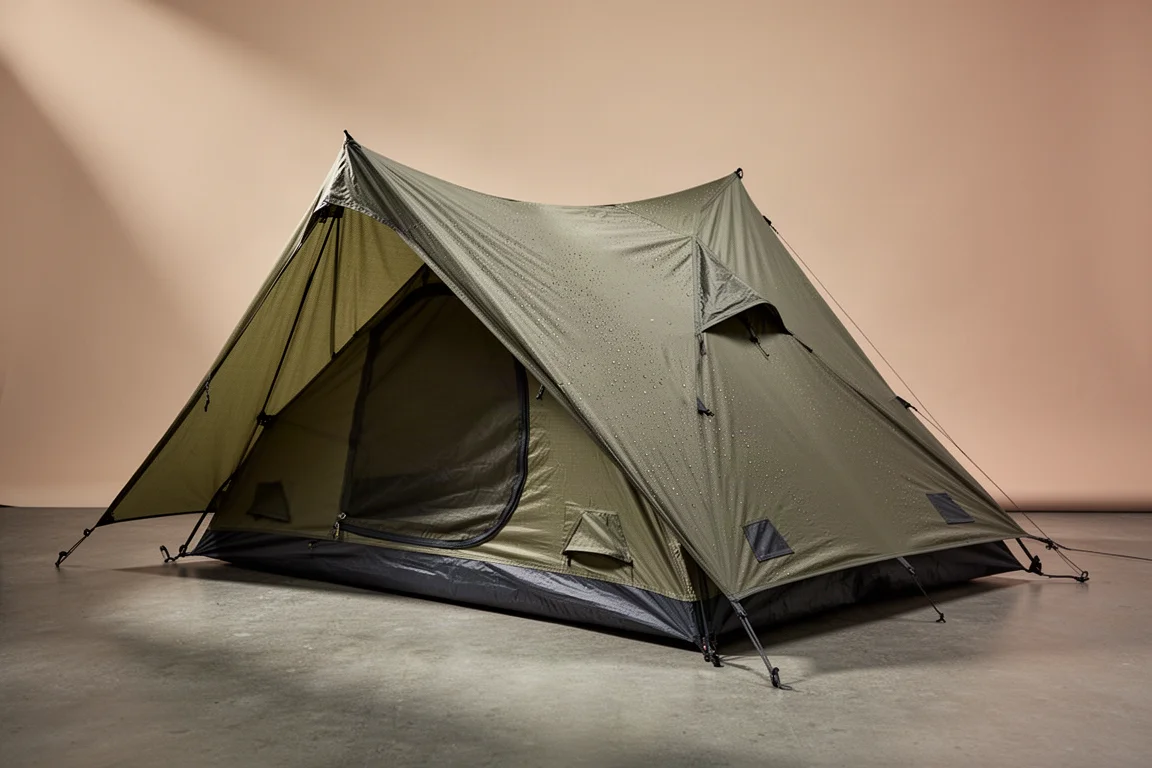
3F UL Gear Taiji Two-Person Tent Review: Field Waterproofing Results and Buying Advice
The Taiji pairs an attached fly with a removable inner, but sustained rain exposed untaped vent seams that need sealing before this shelter can be trusted.
Camping Tents
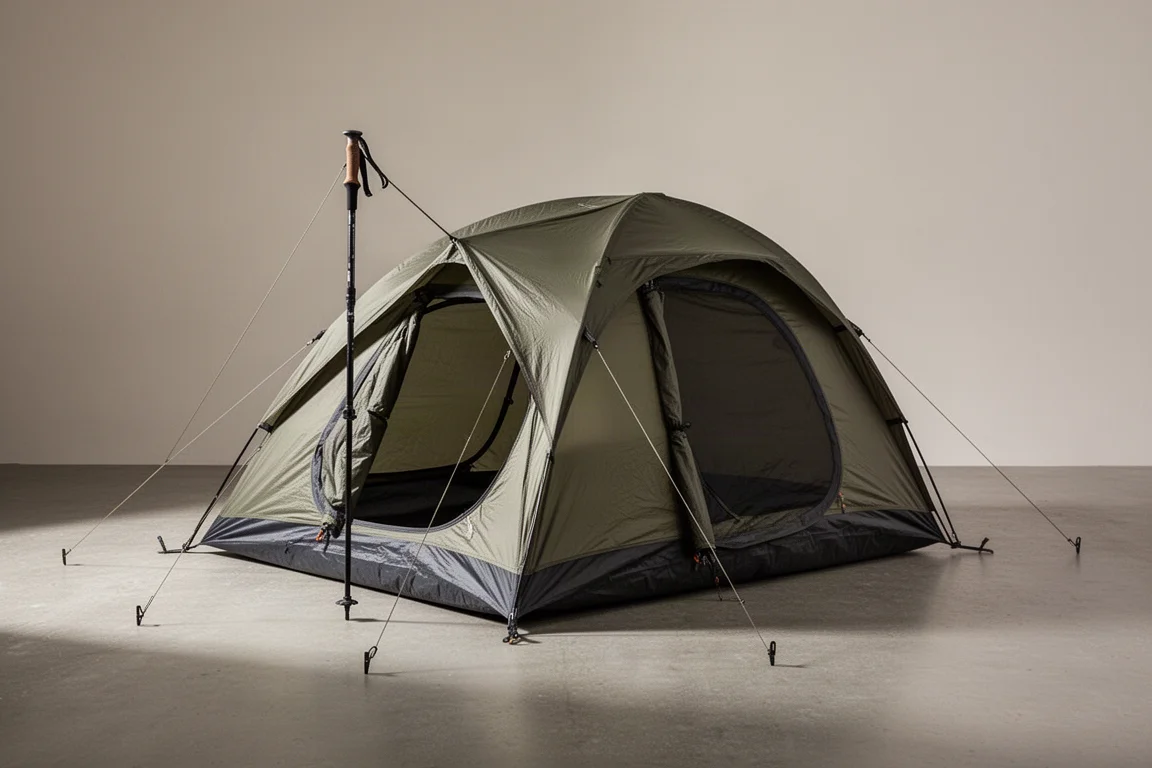
3FUL Gear Lanshan 2 Pro 4-Season Review: A Sub-$200 Single-Wall Trekking Pole Tent
An early look at the 3FUL Gear Lanshan 2 Pro 4-Season, covering its straightforward pitch, generous interior space, and the condensation and seam-sealing questions that come with any single-wall shelter.
Camping Tents
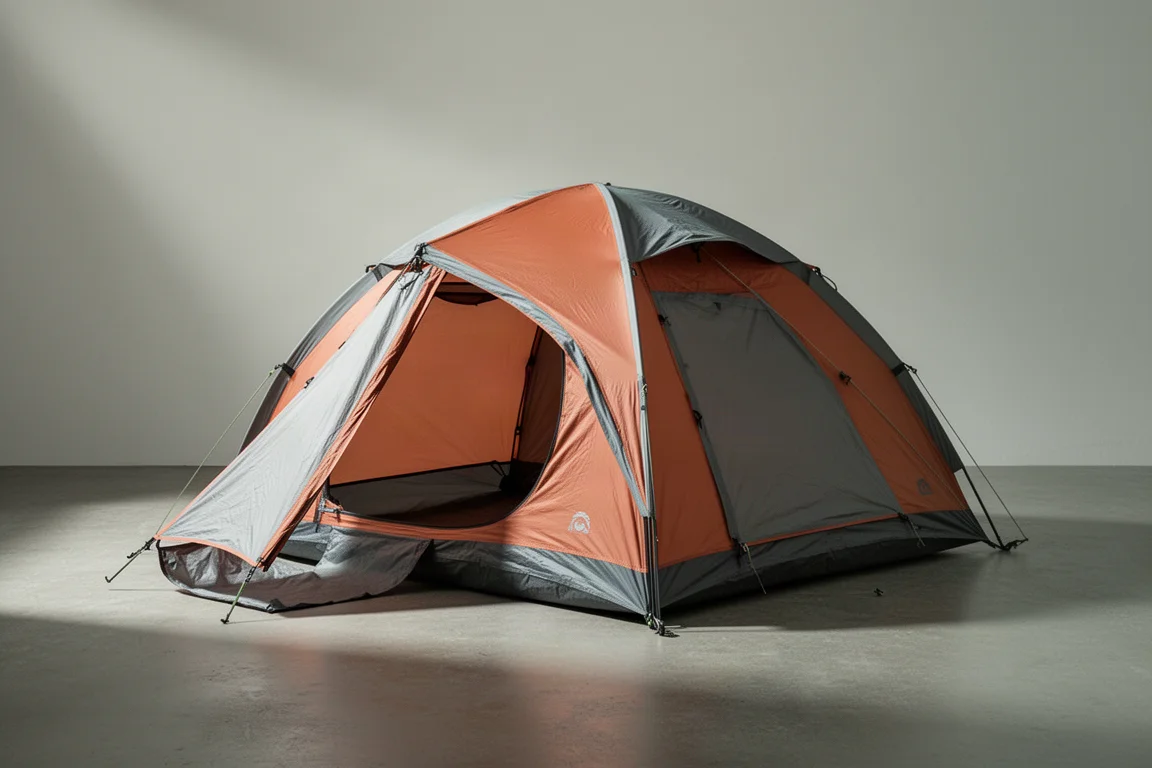
Alps Mountaineering Lynx 1-Person Tent Review: Big Value in a Small Budget Tent
A close look at the Alps Mountaineering Lynx 1-Person Tent, covering real interior dimensions, materials, setup time, ventilation limits, and who should buy it.