Camping Tents
Idojin Pop-Up Tent Review: Fast Pitch, Dry-Weather Shelter
A quick-pitching pop-up tent with strong ventilation that leaked during three hours of moderate rain. Here is who it suits and what to plan for.

Introduction
Pop-up tents trade a traditional pole assembly for a frame that springs into shape, and the promise is a shelter that goes up in moments. The Idojin Pop-Up Tent comes from a South Korean company and is presented as a waterproof design with a 2,000 mm hydrostatic head rating. That figure describes how much water pressure the fabric and seams should resist before moisture pushes through, which makes it the most useful claim to check against real conditions.
What follows is a practical look at how the tent is built, what it does well, and how it behaved through a sustained stretch of moderate rainfall at a mountain campsite.
Who This Tent Is For
This is a tent for campers who want the simplest possible pitch and who mostly camp in settled, dry weather. It suits short overnight trips, drive-up campsites, and anyone who wants a shelter that can be up and packed away without much thought.
It also makes sense for campers who already travel with a tarp or another overhead cover. Used underneath a larger tarp, the tent still provides an enclosed sleeping space while keeping its ventilation working.
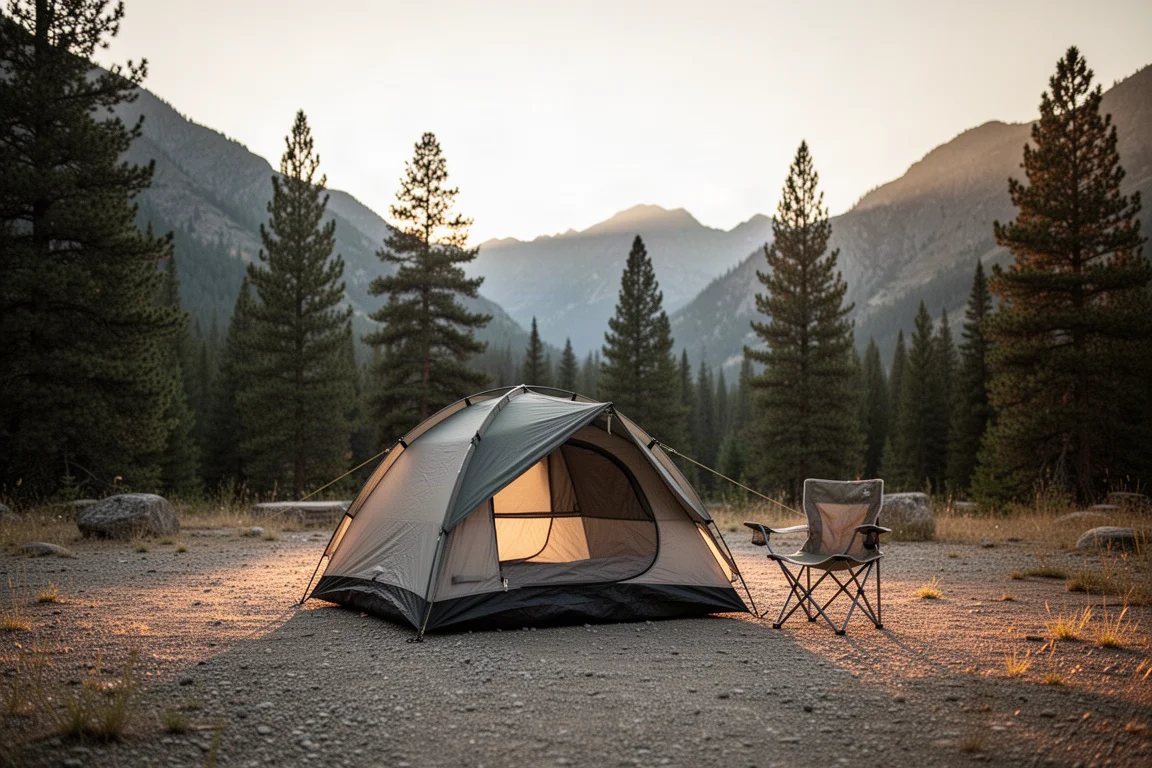
Anyone shopping specifically for a shelter that can stand alone through a wet night should weigh the rest of this article carefully, because that is where the tent’s limits become clear.
Main Strengths
The pitch is the headline. Setup is quick and uncomplicated, which matters at the end of a long day or when weather is moving in and the basics need handling fast.
The tent is also generously ventilated. Air moves through it well, which keeps condensation and stuffiness down on warm, humid nights. That combination of easy setup and good airflow is what makes the tent pleasant to use in the conditions it is designed for.
Design and Build Notes
The overall shape and materials feel considered, and the tent is easy to live with when it is dry. The weak point is the finishing. Stitching in some areas is uneven, and the interior seams are only partially taped rather than fully sealed along every join. Those untaped sections are exactly where water finds a path.
The packaging also carries a claim that this is the number one market brand in its home country. That claim could not be verified against any independent source, so it is best treated as marketing language rather than a performance guarantee.
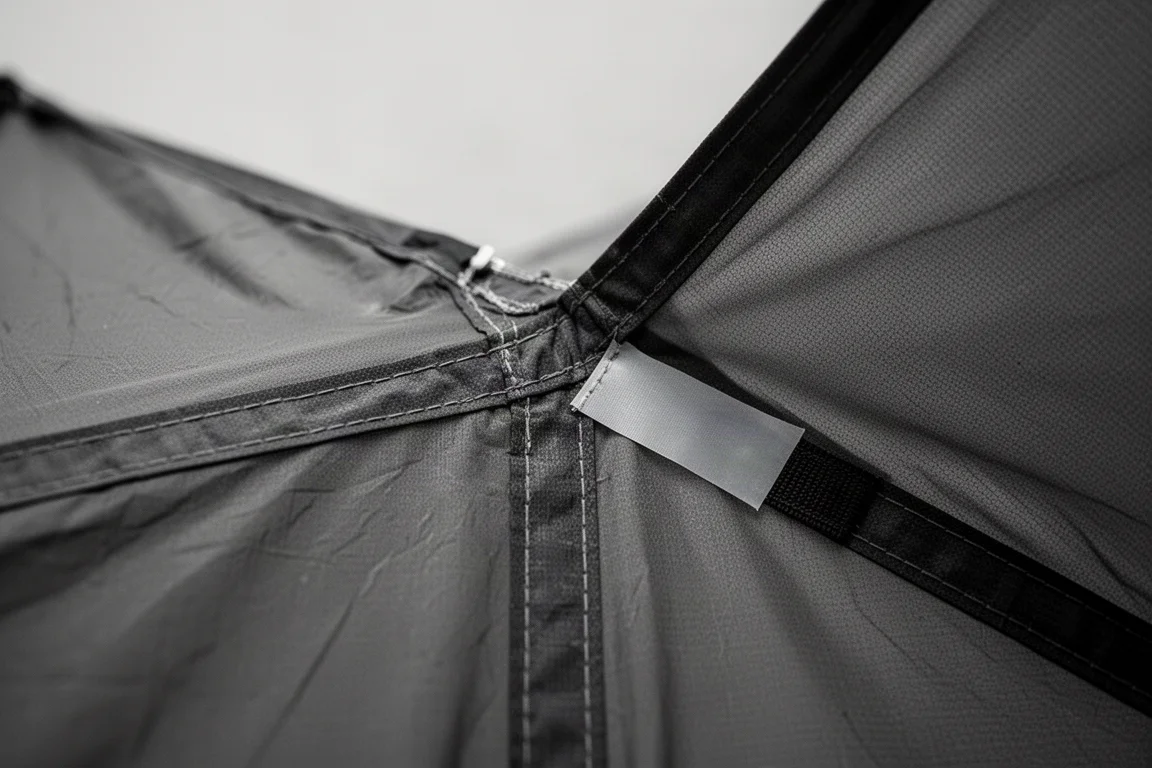
Construction details such as seam taping are worth checking on any tent in this class, because they often separate a shelter that shrugs off a drizzle from one that does not.
Real-World Wet Weather Performance
The tent was tested through roughly three hours of continuous moderate rainfall. This was steady, ordinary rain rather than a severe storm, and the rainfall never approached the pressure levels implied by a 2,000 mm hydrostatic head rating.
It leaked. Water pooled inside the floor area, dripped from above, ran down the interior walls, and came through at least one seam. The volume was not catastrophic, but it was enough to make the tent unusable for sleeping and to require moving the sleep system out and into a vehicle for the night. More rain was still on the way, which made staying inside a poor option.
The most likely cause is the incomplete seam taping noted earlier. Missing tape at key joins gives water a direct route through the shell, regardless of what the fabric rating says.
Ventilation and Dry-Weather Use
In dry conditions the tent is genuinely likeable. Ventilation is the standout quality: air passes through freely, which keeps the interior comfortable on warm nights and reduces the clammy feeling that closed-up shelters develop.
Sheltered under a large tarp, it also performs as a usable rain-time base. The tarp takes the direct rainfall while the tent provides an enclosed, well-ventilated sleeping area underneath. That is a workable arrangement for campers who already carry a tarp and do not mind the extra setup.
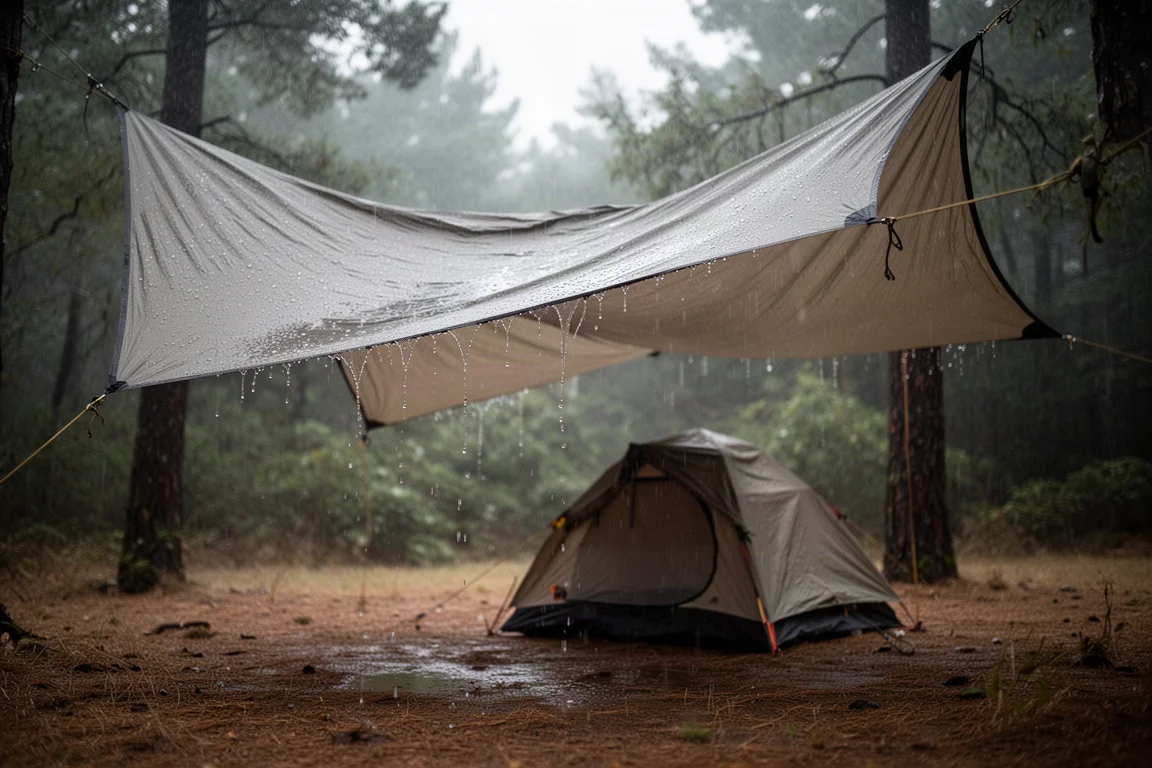
Used this way, the tent’s strengths line up with its design: fast to pitch, airy, and protected from the weather by something else.
Things to Consider Before Buying
The central issue is the gap between the waterproofing claim and observed performance. The tent is described as waterproof with a 2,000 mm hydrostatic head rating, yet it leaked during moderate rainfall that stayed well below that threshold. The partial seam taping is the most plausible explanation.
That makes the tent a poor fit as a standalone rain shelter. If wet weather is part of the plan, budget for a tarp or another cover, or choose a tent with fully taped seams instead. For dry-weather trips, the same construction is far less of a problem.
It is also worth noting that the tent was not tested in strong wind on this trip, so no conclusion can be drawn about how it handles gusts. The findings here cover rain performance only.
Buying Advice
The Idojin Pop-Up Tent makes sense if your trips are mostly dry, if you value a fast and simple pitch, and if you are comfortable using it under a tarp when rain is forecast. In that role it is an easy tent to recommend: quick to set up, well ventilated, and pleasant to sleep in.
It is worth looking elsewhere if you need a shelter that can be trusted on its own through a wet night. The leak during moderate rain, combined with partially taped seams, means the tent does not meet the waterproofing standard its own rating implies. Campers who regularly camp in wet climates will be better served by a tent with fully sealed seams.
Conclusion
The Idojin Pop-Up Tent is a likeable fair-weather shelter with a fast pitch and excellent airflow, and it works well when pitched under a tarp. It is not reliable in rain on its own, so it should not be bought as a standalone wet-weather tent. Match it to dry conditions, or plan on overhead cover, and it does its job well.
Product link
View more details for Idojin Pop-Up Tent
This product is mentioned in the review. Check the specifications, options, and compatibility before buying.
View more details for Idojin Pop-Up TentFurther reading
Related Reviews
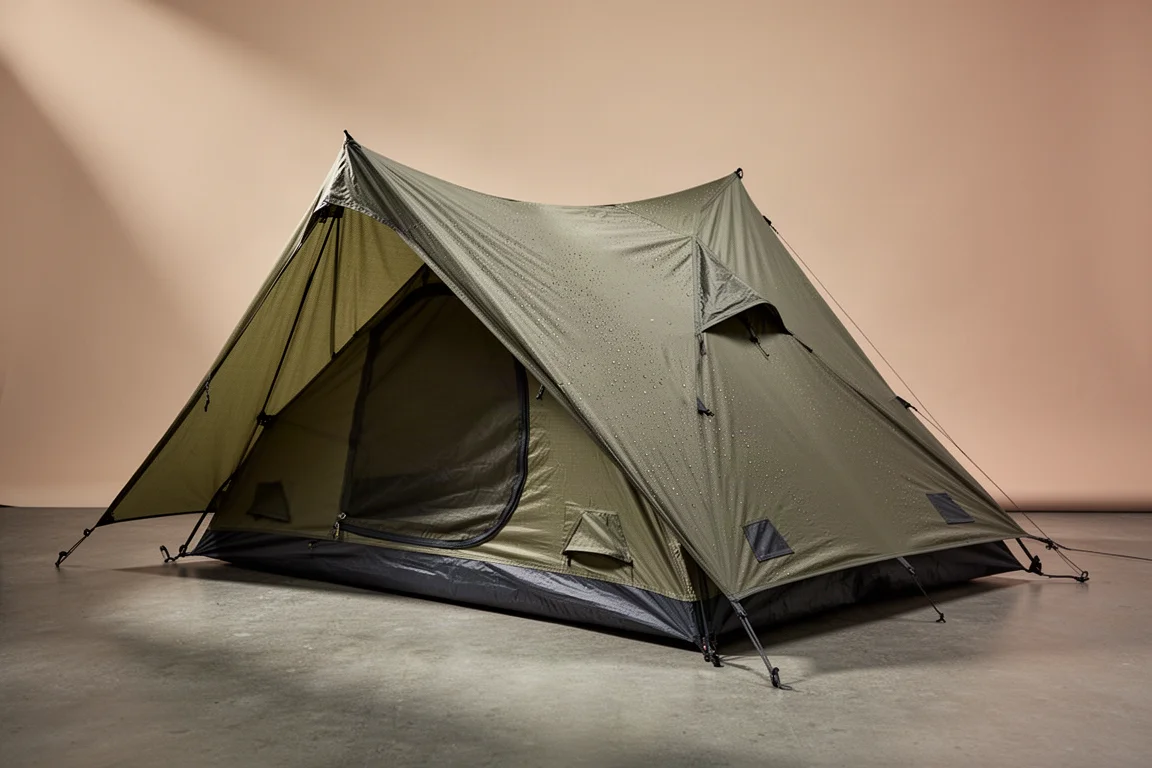
Camping Tents
3F UL Gear Taiji Two-Person Tent Review: Field Waterproofing Results and Buying Advice
The Taiji pairs an attached fly with a removable inner, but sustained rain exposed untaped vent seams that need sealing before this shelter can be trusted.
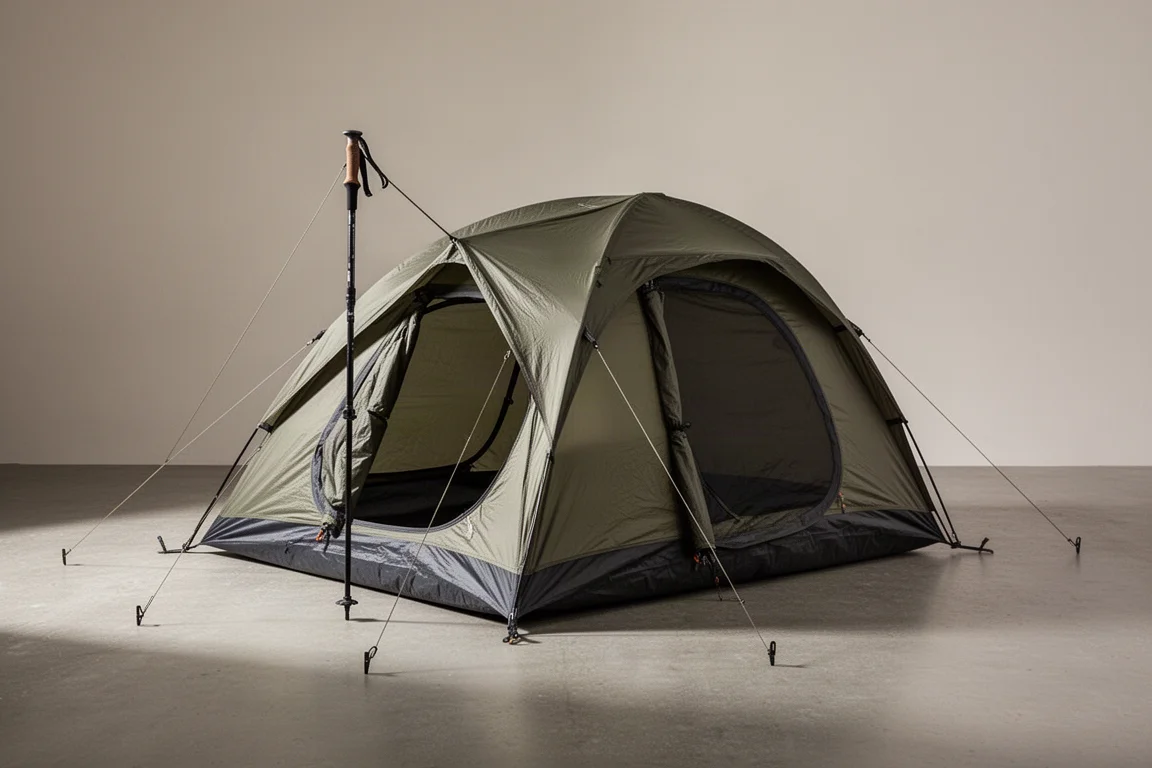
Camping Tents
3FUL Gear Lanshan 2 Pro 4-Season Review: A Sub-$200 Single-Wall Trekking Pole Tent
An early look at the 3FUL Gear Lanshan 2 Pro 4-Season, covering its straightforward pitch, generous interior space, and the condensation and seam-sealing questions that come with any single-wall shelter.
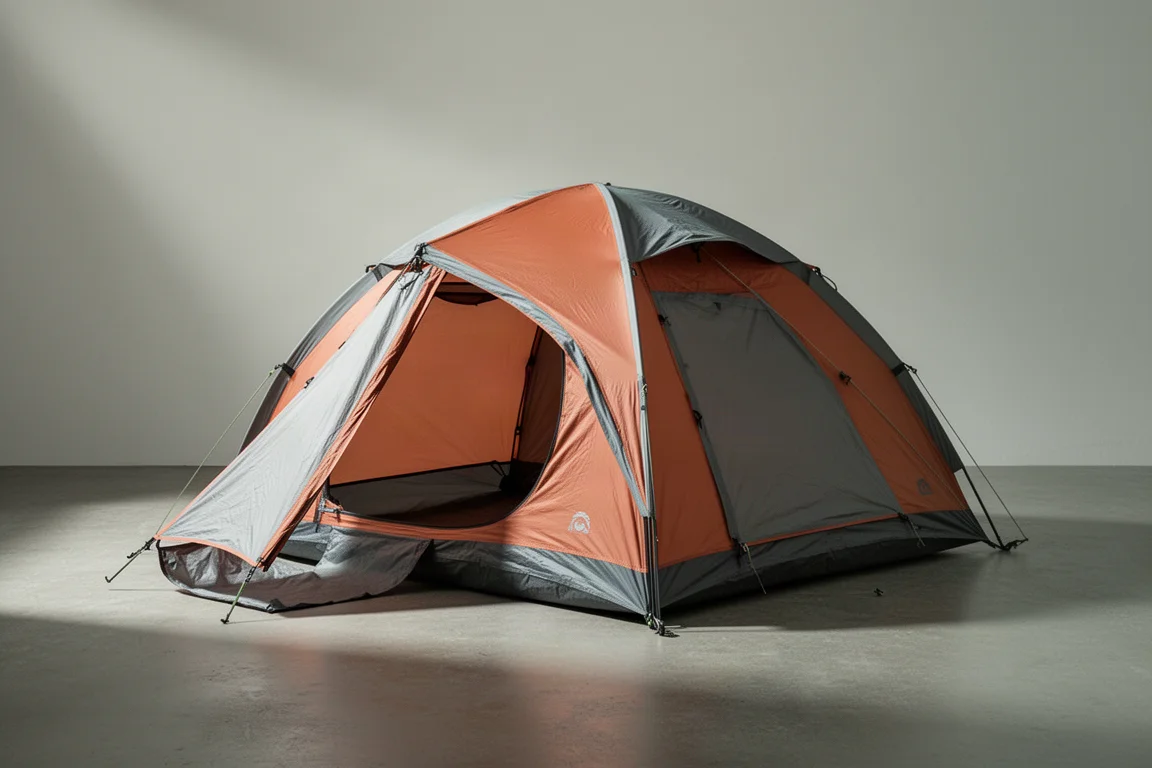
Camping Tents
Alps Mountaineering Lynx 1-Person Tent Review: Big Value in a Small Budget Tent
A close look at the Alps Mountaineering Lynx 1-Person Tent, covering real interior dimensions, materials, setup time, ventilation limits, and who should buy it.