Backpacking Gear
The Ideal Budget Backpacking Kit: 9 Pieces of Gear Worth Packing
A practical budget backpacking kit assembled from four months of hands-on testing, covering sleep, shelter, footwear, cooking, warmth, and one pack with an important fit caveat.
Introduction
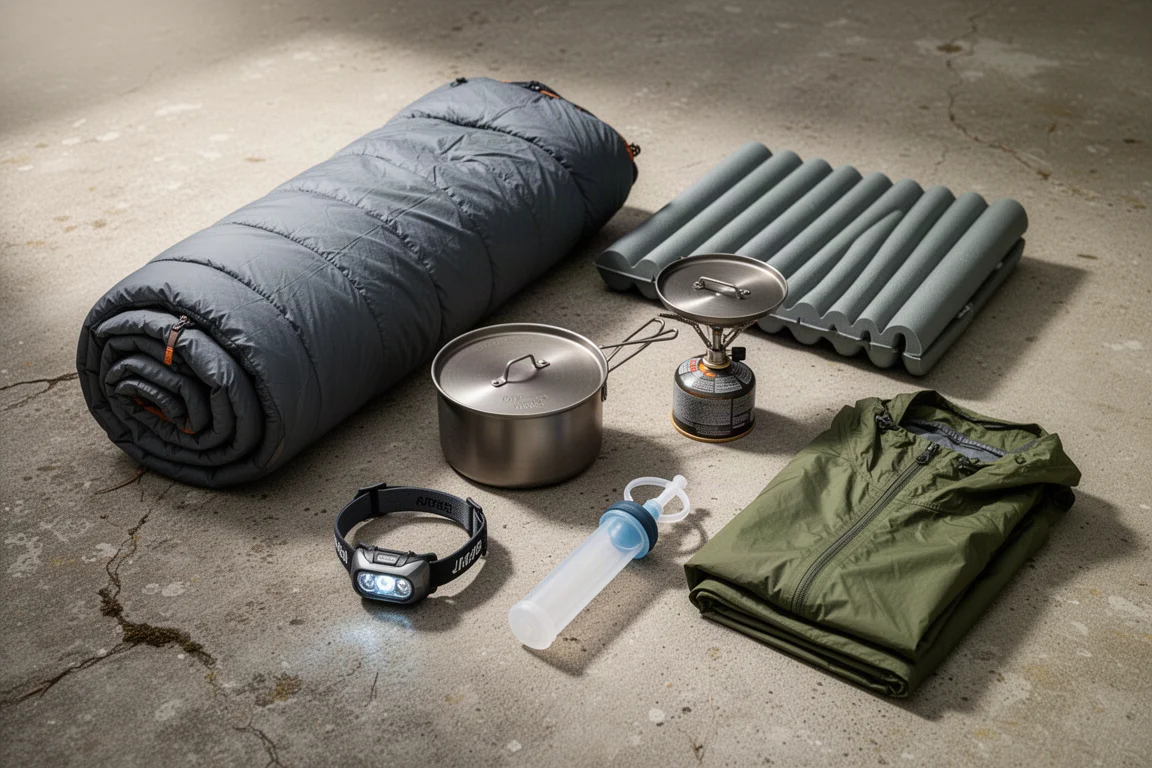
Building a backpacking kit on a budget usually means accepting compromises. The interesting question is which compromises actually matter on trail and which ones only look like savings on paper.
Over four months, budget backpacking gear from four major retailers was tested and compared, covering Decathlon, REI, Amazon, and Walmart. What follows is the kit that came out of that process: the pieces that held up, plus a sleeping pad that arrived late and turned out to be the best of the bunch.
Nine items make the list. They cover sleep, shelter, footwear, cooking, light, warmth, and carrying. Most cost well under what comparable gear typically runs, and one of them, the pack, comes with a fit caveat worth reading before you spend anything.
How This Budget Backpacking Kit Came Together
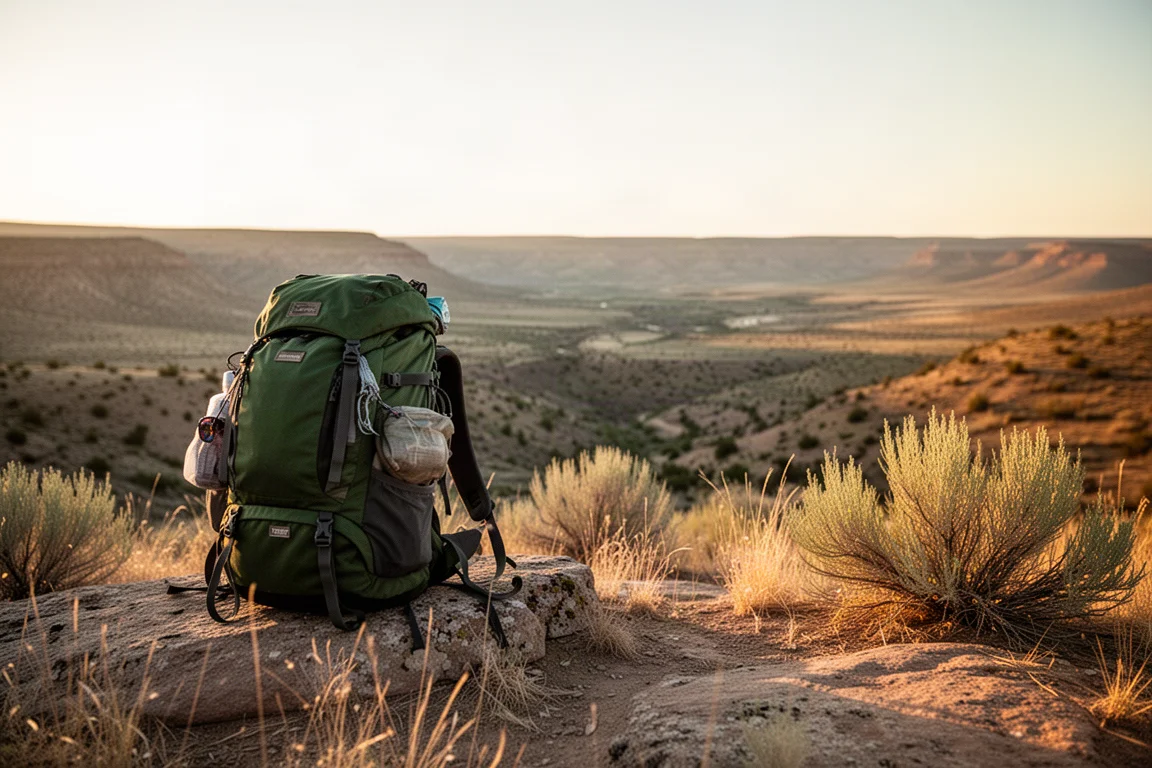
Testing products individually is one thing. Finding out whether they work as a system is another. So the entire kit was packed up and taken out for an overnight trip in the desert country of Eastern Washington, where the route crossed a talus field, passed a series of small lakes, and ended at a campsite with a fire ring.
The pack weighed around 34 lb at the start, largely because four liters of water had to be carried. The lakes in that area are surrounded by farmland and are not safe to filter, so the water weight was unavoidable.
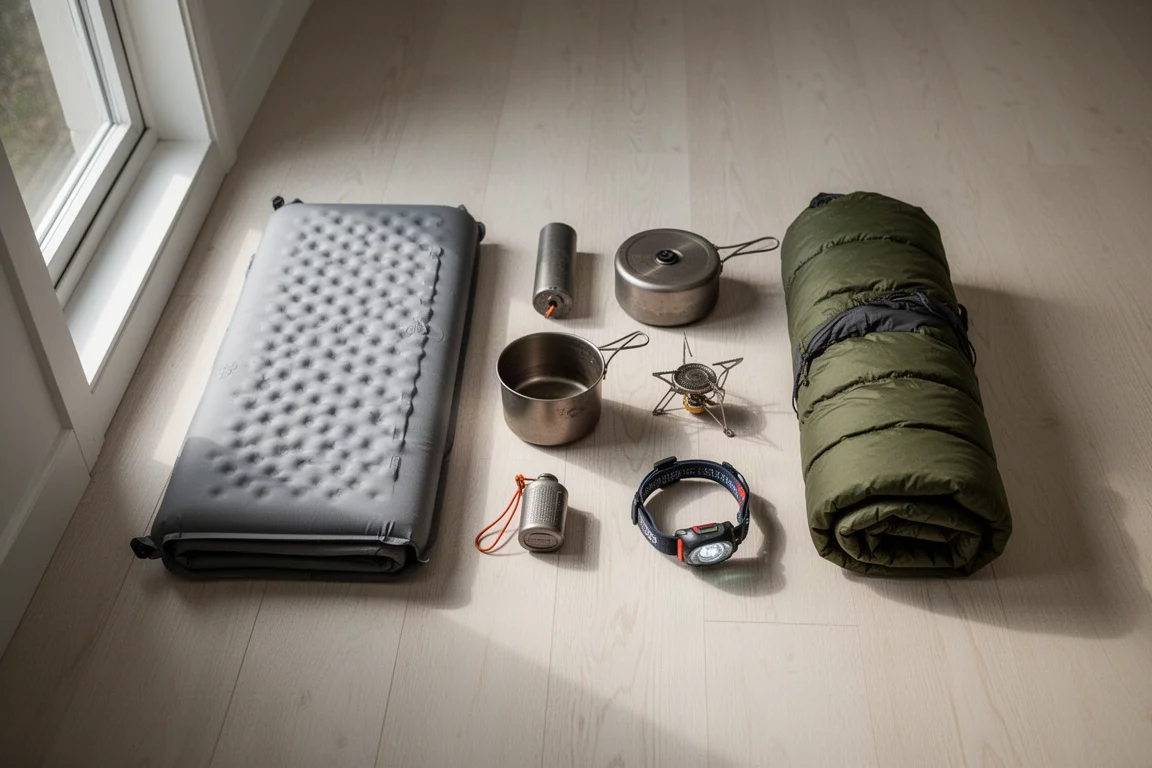
Everything in the kit performed as a system. The tent went up quickly, the sleep system stayed warm through a night that dropped below freezing, the stove lit on the first press, and the layers were enough to sit outside after dark. The one piece that created real friction was the frameless pack, which is covered further down.
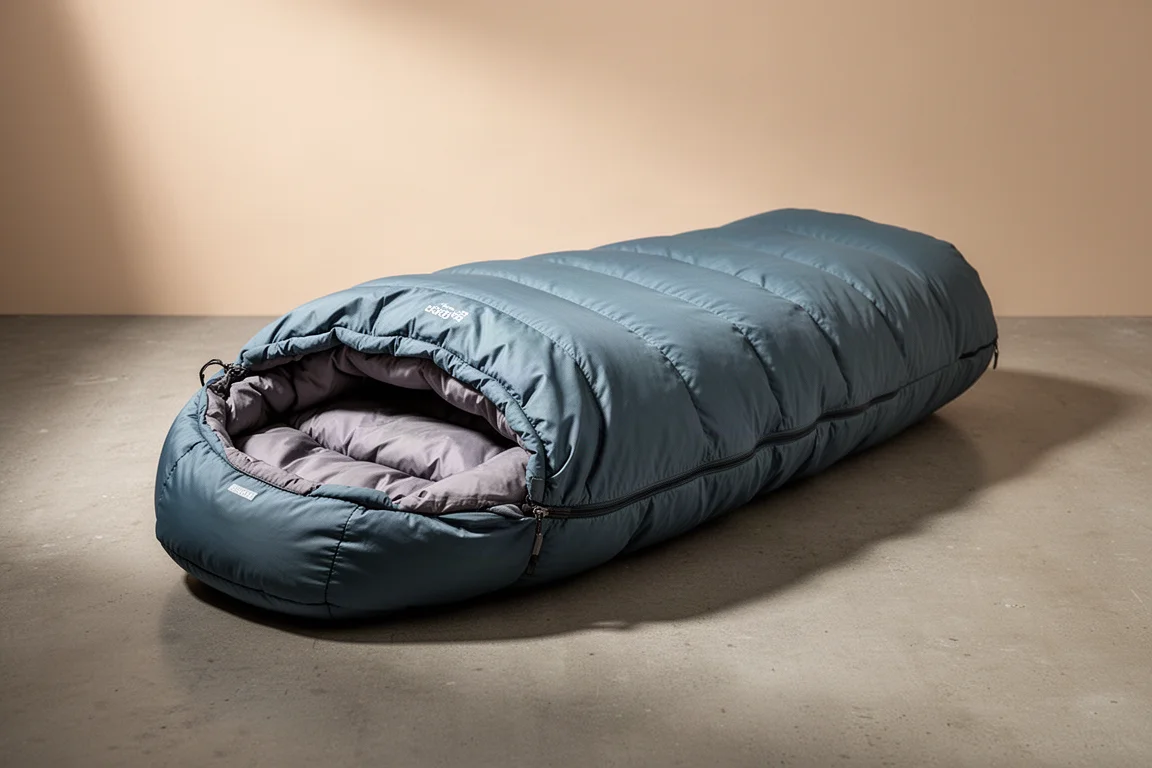
Best Budget Sleeping Bag: REI Trailmade 20
Sleeping bags are one of the hardest categories to buy on a budget, because warmth is expensive. Several budget bags were tested, and the REI Trailmade 20 was the only one that felt genuinely comfortable.
At $100 it is the most expensive budget sleeping bag in this kit, and it earns that price. The construction is clean, the bag is comfortable to sleep in, and it keeps its loft. On a night that ran roughly 5 to 10 degrees colder than the bag is rated for, it still kept things cozy, though that is pushing the limit rather than a recommended operating range.
If the priority is a bag that will last several seasons and stay warm, this is the pick.
Best Budget Backpacking Tent: Ozark Trail 1-Person Backpacking Tent
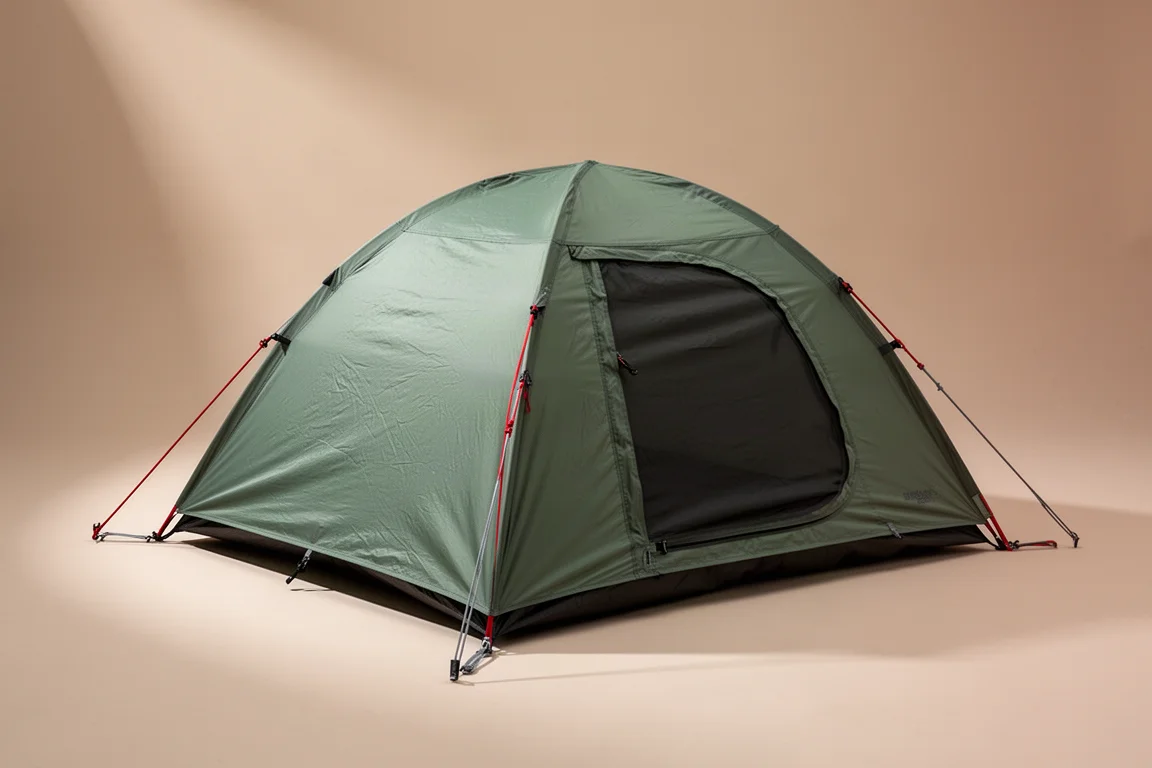
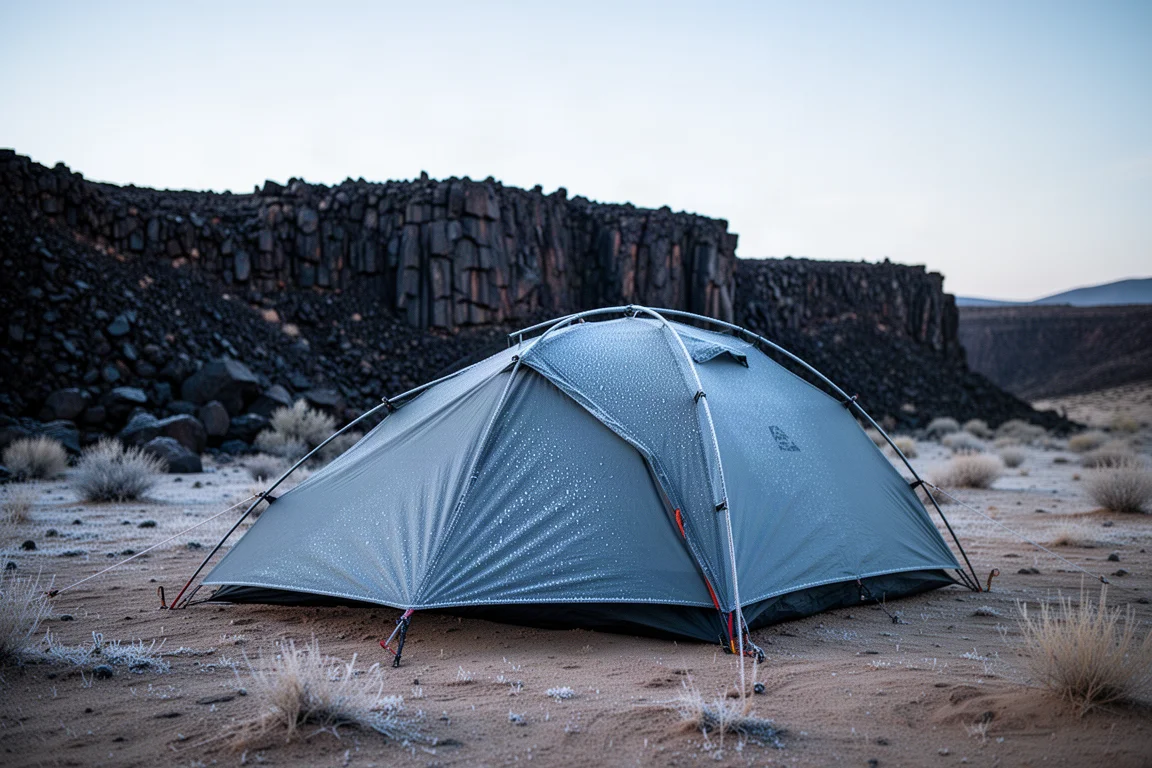
Backpacking tents are another category where price usually tracks quality, and the Ozark Trail 1-Person Backpacking Tent is the exception worth knowing about. At around $65, it was the clear favorite among the budget tents tested.
The most striking feature is the door, which is unusually large for a one-person tent, making it easy to get in and out and to shuffle gear around inside. It pitches simply and has held up well on repeated outings.
Two things to weigh. There is only a single interior pocket, so organization is limited. And while the tent feels solid for occasional use, some of the structural elements are not the kind you would bet on for years of hard, frequent use. For a couple of trips a year, it is a very strong value.
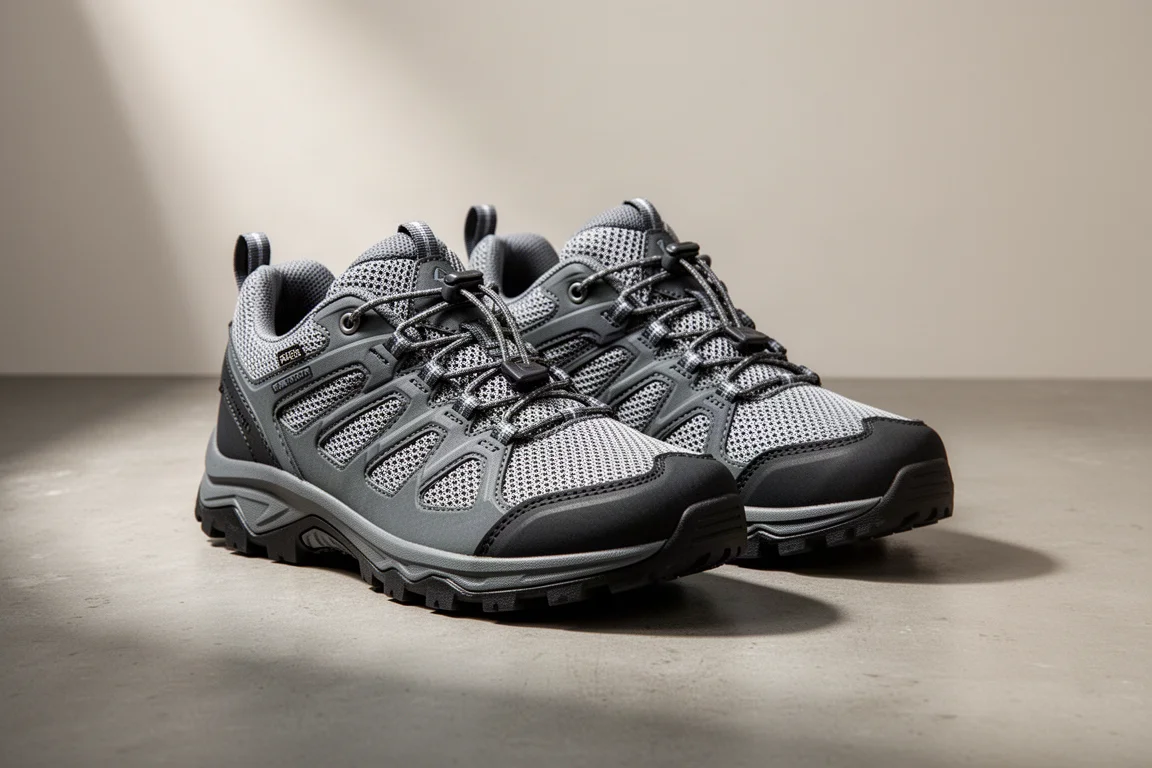
Best Budget Hiking Shoes: Nortiv 8 Quick Lace
Footwear is where budget gear often fails first, but the Nortiv 8 Quick Lace hiking shoes have been a standout. At $54, they were more comfortable out of the box than expected, with almost no break-in period at all.
They have since been used across a wide range of hikes, from smooth trail to rocky ground, and they have held up well. The quick lace system is simple to adjust on the move. The uppers do collect trail dust and need a brush-off now and then, which is cosmetic rather than structural.
Best Budget Cook Pot: Toaks 750ml
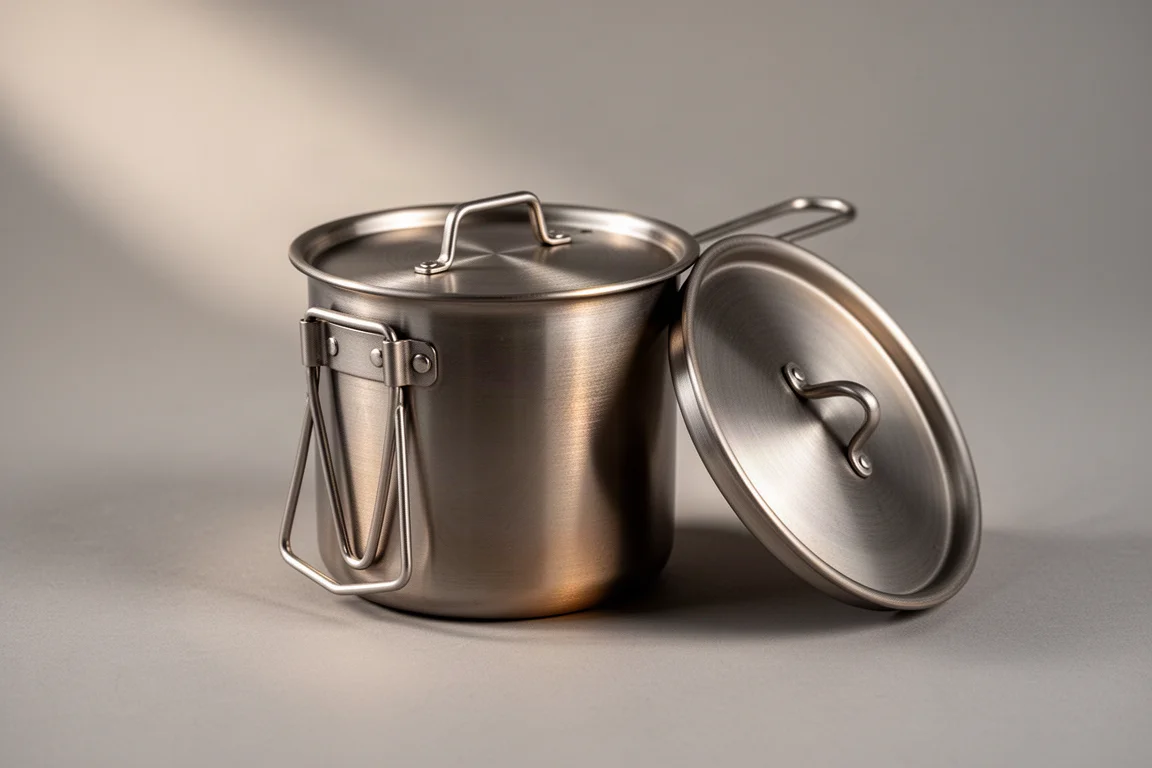
A cook pot is one of those items where size matters more than features. A smaller pot tested during this process turned out to be closer to a mug than a pot, which is why the 750ml Toaks titanium pot is the one in the kit.
At $27 it is not the absolute cheapest 750ml titanium pot available, but it is light, reliable, and easy to find from multiple retailers, which matters if you want to buy the same pot again in a few years. Titanium heats quickly, cleans easily, and shrugs off being packed against other gear.
For solo trips, 750ml is enough for a rehydrated meal and a hot drink without feeling oversized. It nests neatly with a small canister stove, which keeps the whole cook kit compact.
Best Budget Backpacking Stove: Ozark Trail Backpacking Stove
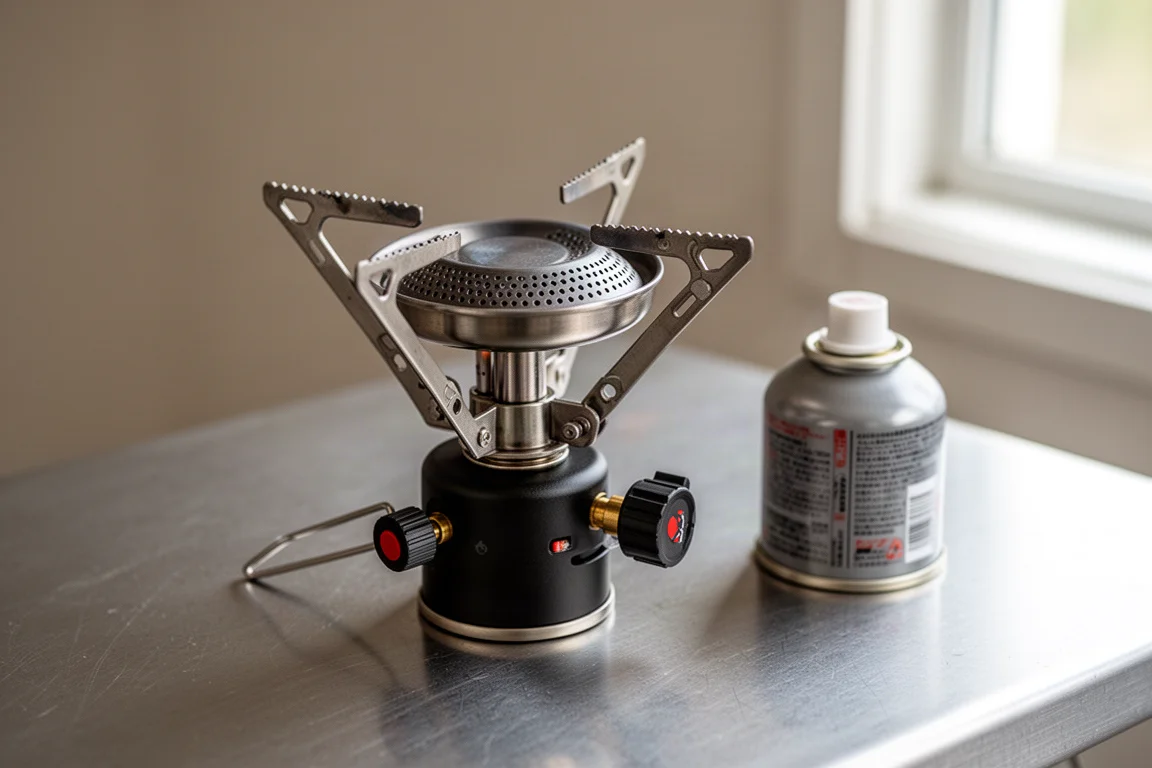
Two budget stoves were tested, and the Ozark Trail model was the better of the two by a comfortable margin. The feature that makes the difference is the piezo ignition: press a button, get a spark, get a flame, no lighter required.
It also ships with an adapter that lets it run on propane canisters in addition to standard fuel canisters, plus a small fuel stand for extra stability. The trade-off is that those extras are additional pieces to keep track of, and some hikers will leave them at home. The stove itself is compact, simple to use, and feels like a stripped-down version of much more expensive backpacking stoves.
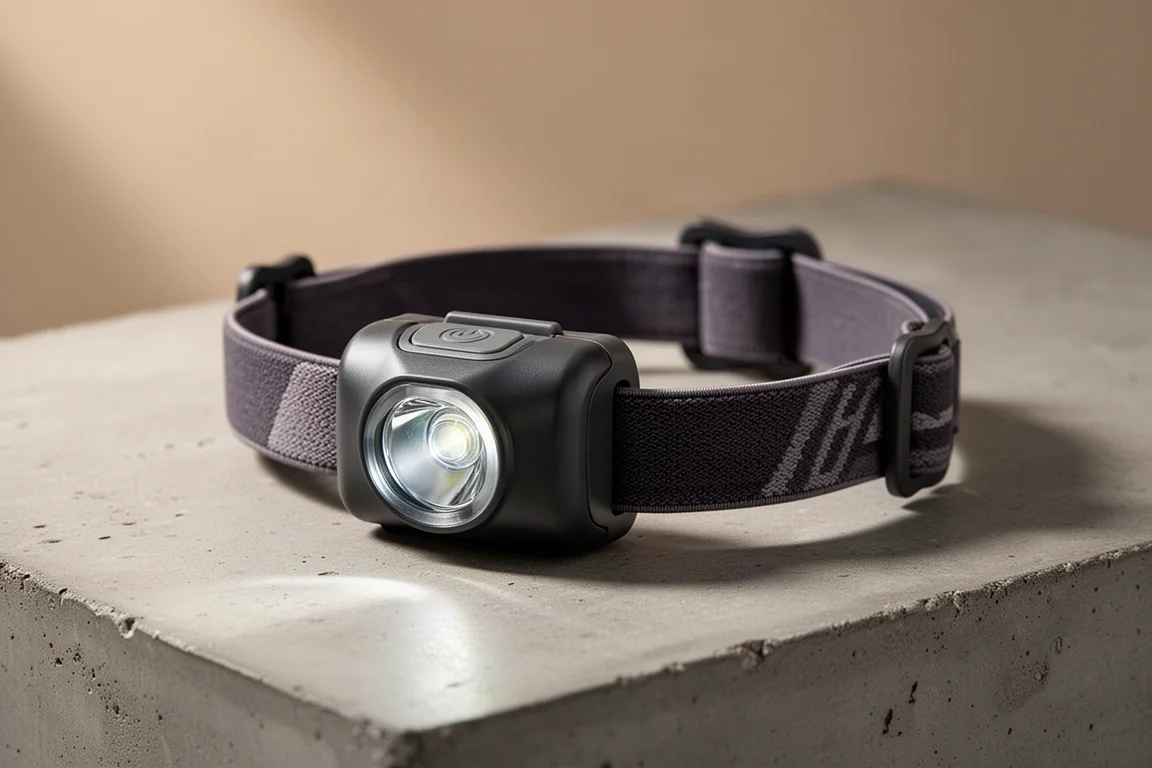
Best Budget Headlamp: Energizer 260 Lumen Headlamp
A headlamp is the one piece of gear worth owning even if you only backpack once. The Energizer 260 Lumen headlamp costs $17 and covers everything a beginner needs.
Its best feature is simplicity. There is one button, and it is obvious what it does, which is a real advantage when you are fumbling around in the dark. It also has a red light mode for preserving night vision around camp. The feature set is deliberately basic, and that is the point.
Best Budget Warm Layer: Decathlon Forclaz Down Jacket
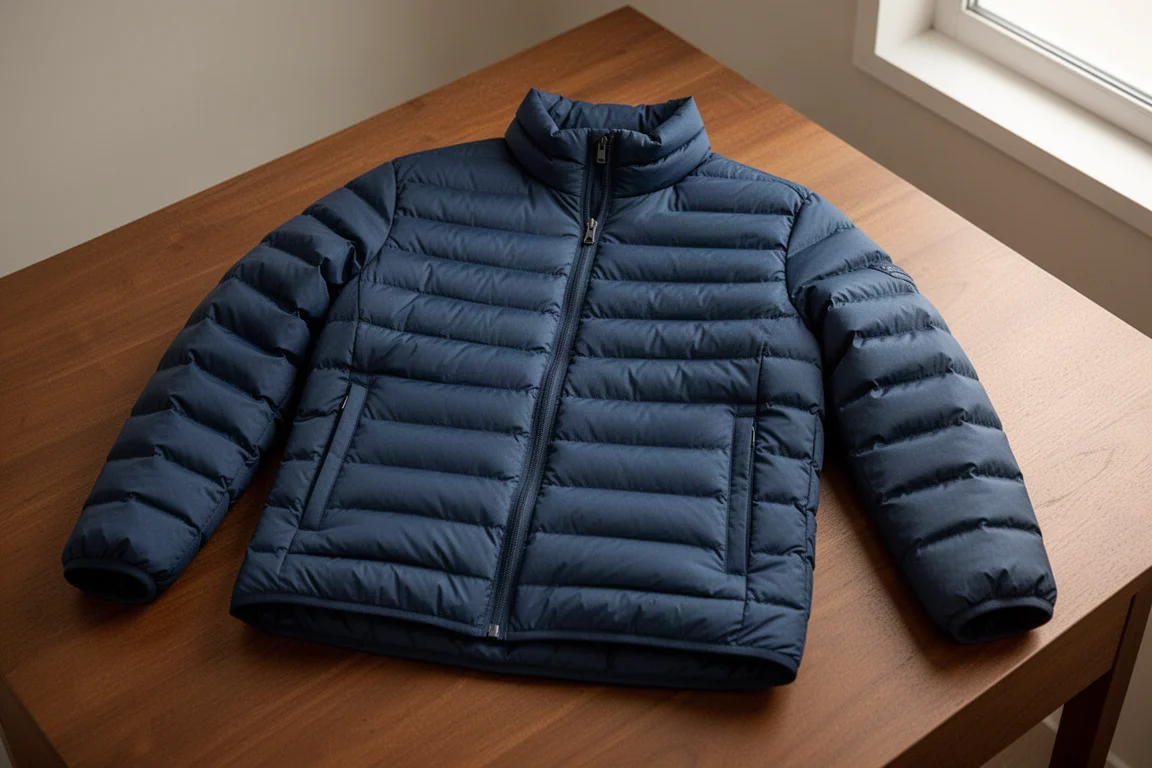
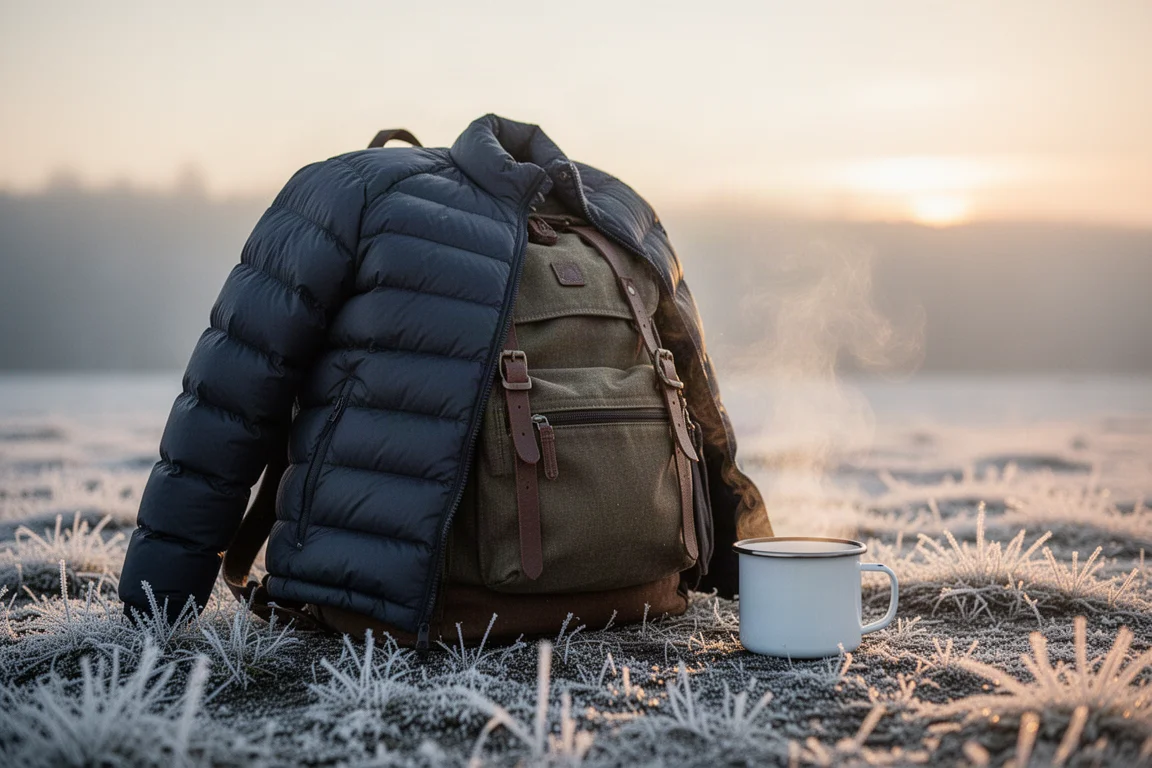
A down jacket is the layer that makes cold mornings and long evenings bearable, and the Decathlon Forclaz down jacket does that job for $100.
It is one of the warmest and coziest down jackets at anything near this price, and it has become the default layer for cold camps. The quilting holds loft well, and it packs down small enough to live near the top of a pack. It is a cold-weather layer first and foremost, so on mild trips it may well stay packed away.
Best Budget Sleeping Pad: Paria Outdoors Recharge XL
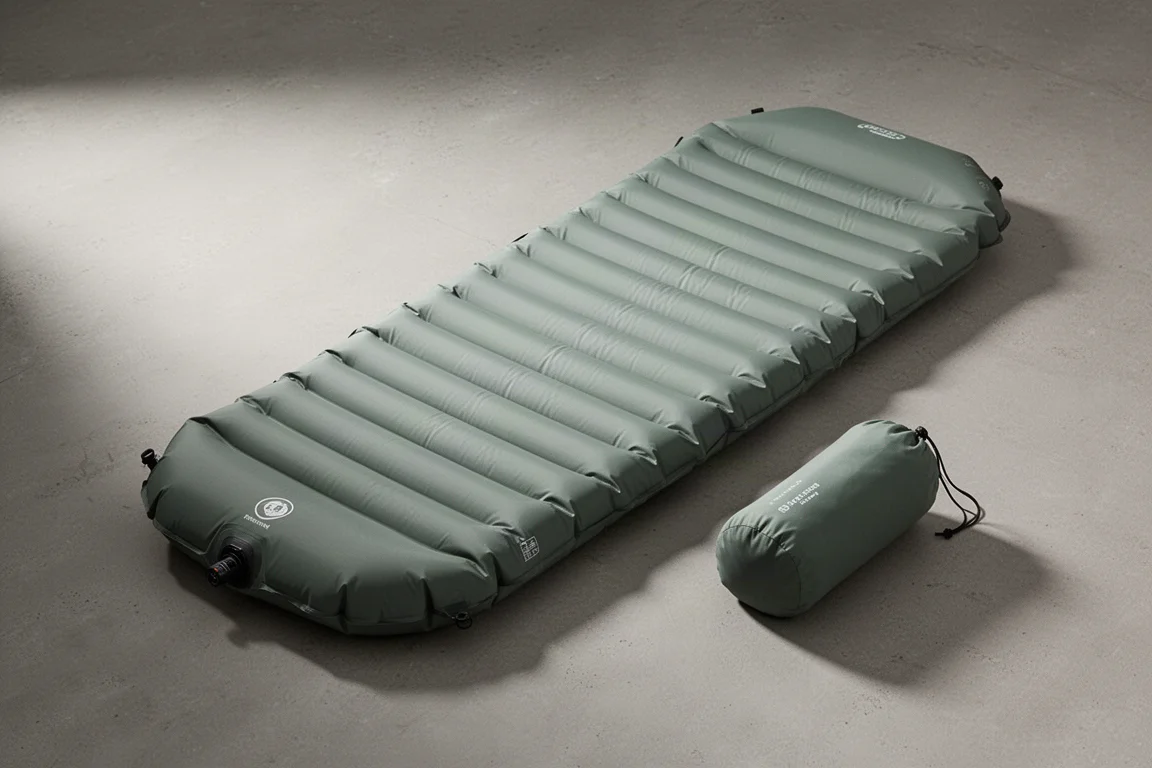
Three other budget sleeping pads were tested before this one, and all three had problems that ruled them out. The Paria Outdoors Recharge XL solved them.
It has an R-value of 4.7, which makes it a true three-season pad that can stretch into the shoulder seasons. At $100 it may be the least expensive warm, lightweight pad of this type. More importantly, it is comfortable. After a night below freezing, it stayed inflated and kept its sleeper warm, which is exactly what a pad is supposed to do.
Long-term durability is the open question, since this pad has not been through multiple seasons yet. The R-value also puts it firmly in three-season territory rather than deep winter.
Best Budget Ultralight Pack: 3F UL Gear 56L Frameless
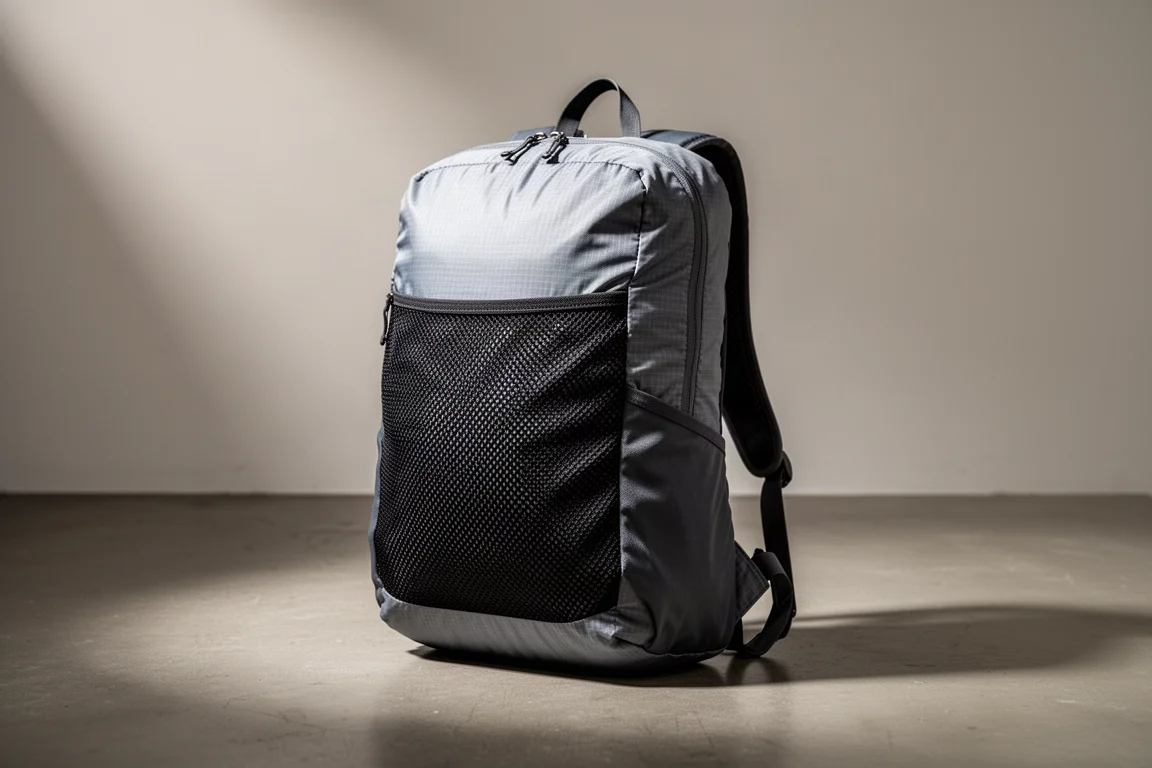
The pack is the most interesting and the most complicated item in this kit. The 3F UL Gear 56L is a frameless ultralight pack at around $60, and it uses a clever trick: a rear sleeve holds a standard accordion-fold closed-cell foam pad, which becomes the pack’s frame.
That system is genuinely smart. It removes the weight and cost of a frame while giving the pad a second job. The rest of the design is equally practical, with a large stretch front pocket, two big side bottle pockets, oversized hip belt pockets, and a full set of attachment points plus a bag of cord and toggles for customizing the setup. Inside there is a single main compartment and a hanging mesh pocket for organization.
The problem is fit. The pack is one-size-fits-all, and on a shorter torso the load lifters sat too high and the hip belt would not settle in the right place. Cutting the load lifter straps so they could be rerouted helped a little, and moving the sternum straps up improved things further, but the torso length was still too long. If your torso happens to match the pack’s dimensions, it is a well-made and remarkably light option. It simply cannot be recommended as a universal pick.
Overall Buying Advice
The single most useful rule from this process is to buy your pack last. A pack exists to carry the gear you already own, so choosing one before you know the volume and weight of your kit turns fit and capacity into guesswork. That is also why this kit can be complete without a single universal pack recommendation: the right one depends on your torso and your load.
The second rule is the familiar trade-off between light, strong, and cheap. Choose cheap, and you can usually have only one of the other two. The practical recommendation is to give up a little weight rather than durability, since backpacking gear is designed to be beaten up on trail. A slightly heavier item that survives several seasons costs less over time than a lighter one that fails early.
Third, not everything has to be purchased outright. Bear canisters, for example, are required in some areas and can often be rented from national or state parks and from gear shops instead of bought.
Finally, this kit deliberately focused on gear you can buy new right now. Thrift stores, consignment shops, and used gear sales are excellent resources for budget backpacking, but what is available on any given day varies enormously, which makes them hard to plan around.
Conclusion
Nine pieces of gear, tested across four months and then used together on a cold overnight trip, come very close to a complete budget backpacking kit. The sleep system stays warm, the shelter goes up fast, the cook kit is compact and reliable, and the layers handle a freezing night.
The pack remains the open question. A frameless, one-size design is a brilliant way to cut weight and cost, but it only works if the torso length matches your body. Buy the pack last, bring your gear with you when you try one on, and accept a little extra weight where it buys you years of use.
Further reading
Related Reviews

Backpacking Gear
Building a 10 lb Base Weight: An Ultralight Backpacking Gear List
A practical walkthrough of the ultralight pieces behind a 10 lb base weight, from a 765 g pack and a roomy one-person tent to a full camp chair and a dependable water filter.

Backpacking Gear
A 15-Pound Lightweight Backpacking Gear List for Solo Trips
A beginner-friendly 15-pound backpacking setup built from easy-to-find gear, with notes on what each piece does, how it packs, and where to spend your attention.
Backpacking Gear
8 Ultralight Backpacking Gear Upgrades Worth Carrying
Eight small, affordable backpacking upgrades that solve real trail annoyances, from a pillow that stays put to a fuel valve that rescues leftover canister gas.