Mountain Bikes
Six Iconic American Mountain Bikes You Can Still Buy Today
A roundup of six American mountain bikes with genuine heritage, from cross-country racers to full-power e-MTBs, and what each one does best.
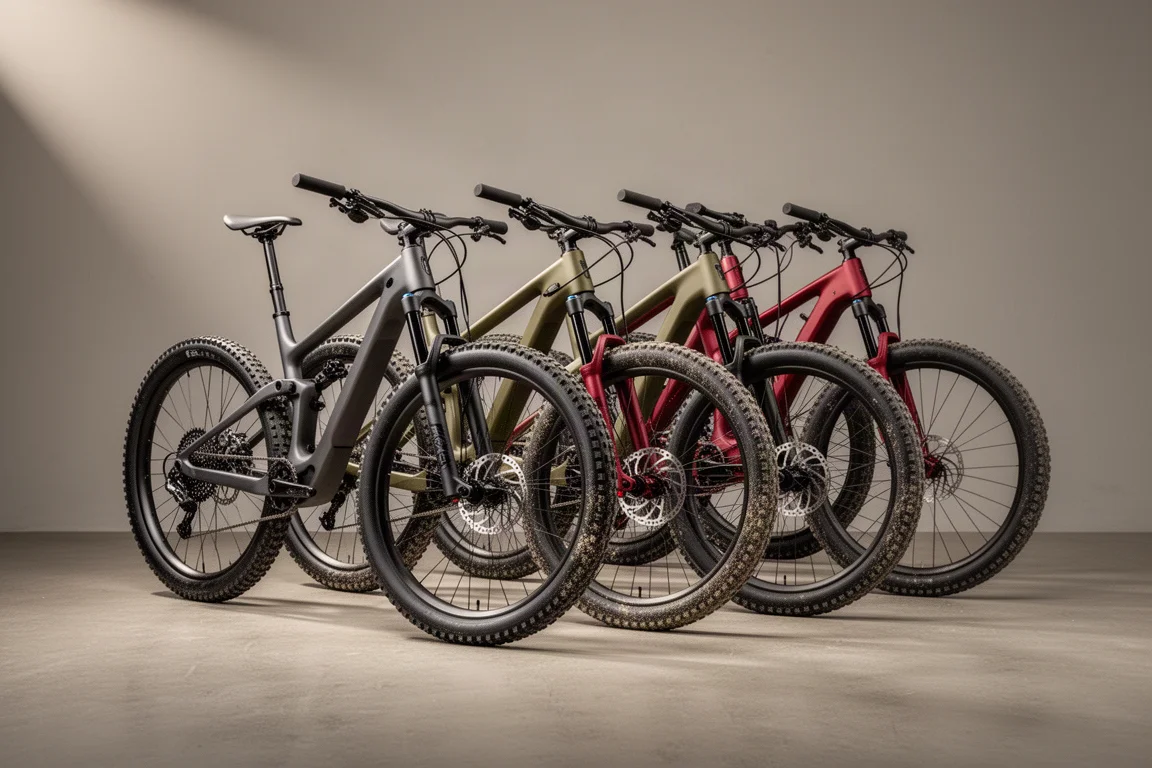
Introduction
American mountain biking began in Marin County, California, more than 50 years ago, when riders started taking modified beach cruisers down fire roads. That origin produced a long line of bikes from US brands, and several of them are still on sale today in thoroughly modern form.
This roundup covers six of the most recognisable American mountain bikes you can still buy, spanning cross-country race machines, do-everything trail bikes and two electric models that carry one of the most famous names in the sport. Each one has a real lineage rather than a marketing story, and each still makes sense on a modern trail.
How We Chose These Bikes
Heritage alone is not enough. A bike earns a place here if it has a clear line back to an original model, if the name still carries weight in its current form, and if the modern version is something riders actually buy and use.
Between them, these six cover the main directions the sport has taken: efficient cross-country racing, long-travel trail riding, and electric assistance. Some have been in continuous production for decades, others disappeared for a while and came back. A couple have changed so much that only the name remains, and that is part of what makes them interesting.
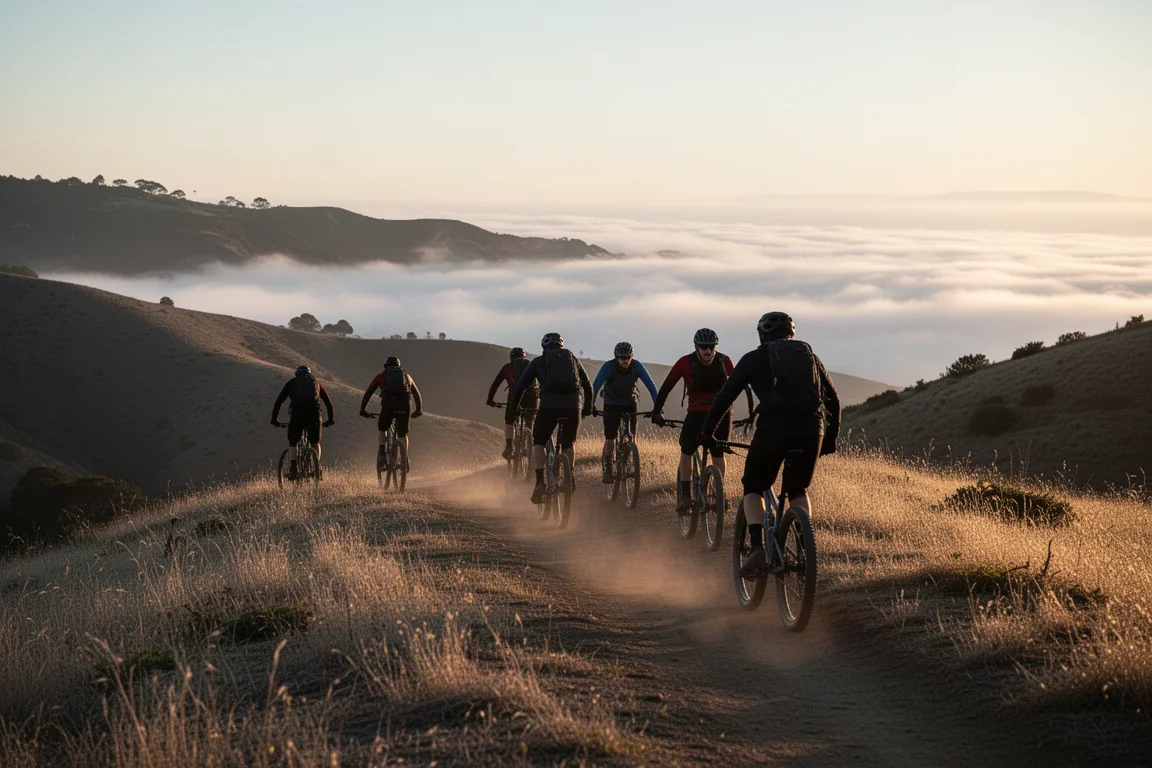
One more piece of context is worth setting before the details. Travel figures and geometry have moved a long way in twenty years, so a bike that once counted as extreme may now sit squarely in the middle of the market. That matters when you compare any of these names against the original that made it famous.
Specialized Stumpjumper 15: The Benchmark All-Rounder
The Stumpjumper dates back to 1981. The original was a rigid bike with small wheels, and while the name has stayed the same, the modern Stumpy is a very different animal: full suspension, bigger wheels, and a brief that still centres on being the benchmark all-rounder.
The 15th generation is a dramatic departure from the version before it. The sidearm brace is gone, and the hyper-adjustable Evo models have been retired in favour of a single frame that covers every build. That might look like a step backwards at first, but the Stumpjumper 15 carries the same level of adjustment as the old Evo, including a head angle that can be slackened to a wild 63 degrees. Bottom bracket height and chainstay length are adjustable too, so you can tailor the handling to your taste.
Travel sits between the two bikes it replaces: 145mm at the rear matched to a 150mm fork, where the old line offered a 130mm flex-stay version and a 150mm Horst-link Evo. Suspension is Specialized’s FSR system with the pivot point down on the chainstays, working with the proprietary Genie shock co-developed with Fox. If you would rather run something else, the shock can be swapped for another unit.
Yeti ASR: A Race Bike That Came Back
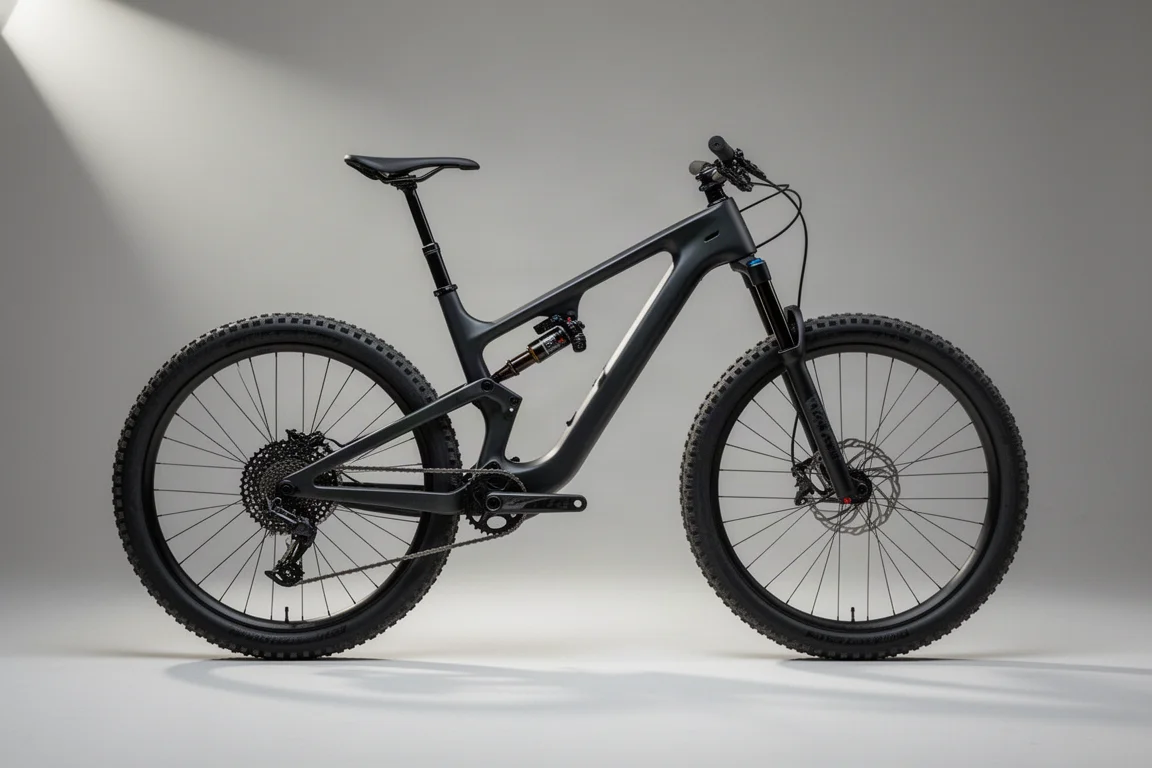
Few brands can match Yeti when it comes to racing history, and the ASR sits at the centre of it. The AR appeared as far back as 1992, and the first official ASR followed in the early 2000s. Early versions ran 1.5 inches of rear travel, later doubled to around 3 inches, and the bike won races under riders including Miles Rockwell, Missy Giove and Jimmy Deaton. That record cemented Yeti’s reputation as a brand born for racing.
The ASR disappeared for a few years before returning in 2024. It is still a race bike through and through, but like most cross-country bikes it has been through the longer, slacker treatment. Rear travel is now 150mm, paired with a 120mm fork, and the frame is full carbon. There are two carbon grades, one for lower-cost complete builds and a lighter one for higher-end builds, plus a frame-only option.
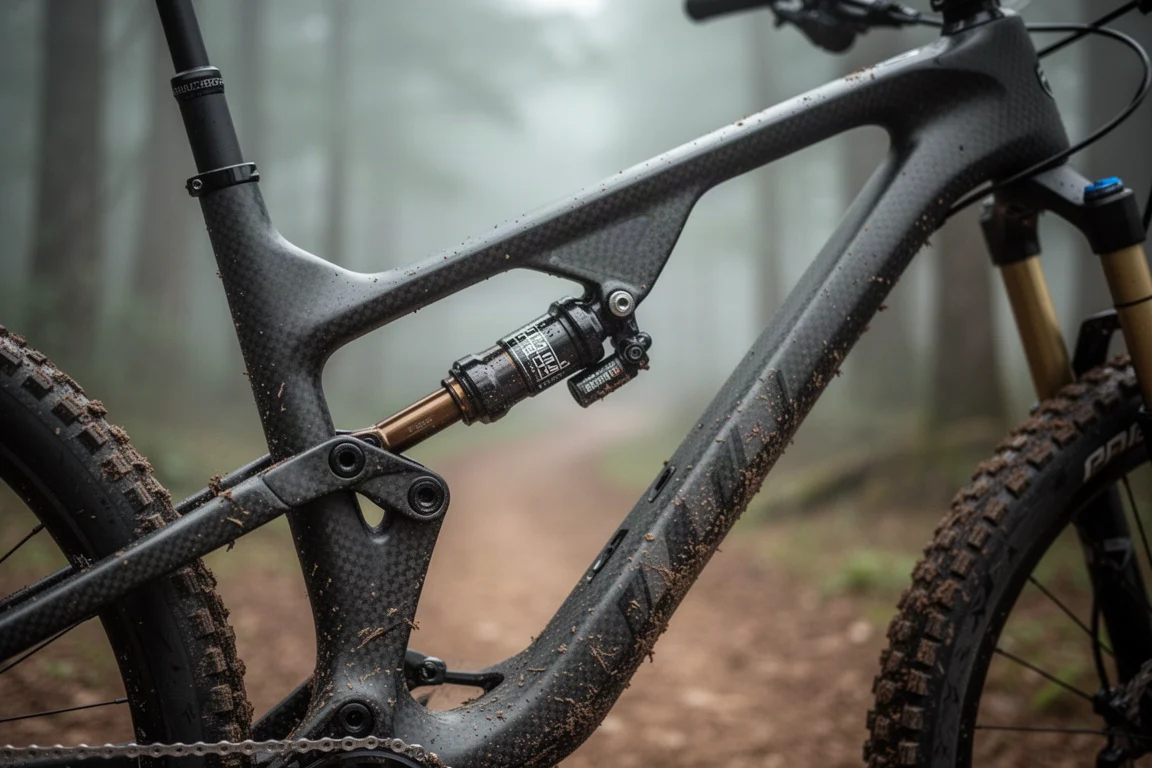
Yeti has always had a supercar-like mystique, and the ASR is priced in line with that. It is not a cheap route into racing, and seeing one out on the trail still feels like an event.
Santa Cruz Heckler: The Full-Power E-MTB
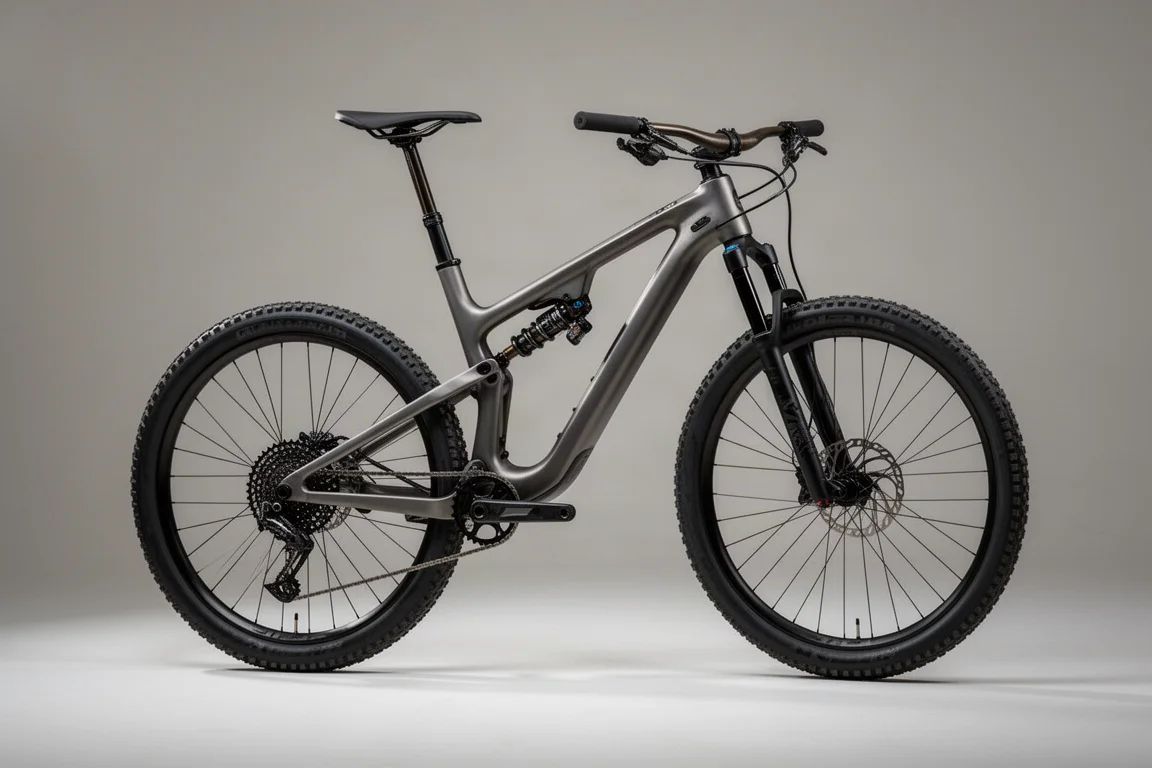
The Heckler name ran from 1997 until 2016 as Santa Cruz’s easy-to-live-with all-rounder: simple single-pivot suspension, aluminium frames, and a bike built to tackle almost anything. It was retired quietly, so bringing the name back in 2020 on an e-bike was a genuine surprise.
The current Heckler is a full-power machine built around a Shimano EP8 motor, with 150mm of rear travel on a mullet wheel setup. The full-power version can also be specified as a full 29er if you prefer. You can find e-bikes that perform better or offer better value, but few match the Heckler for showroom appeal, and the high price tags have not stopped it becoming a common sight on the trails.
Santa Cruz Heckler SL: The Lighter Option
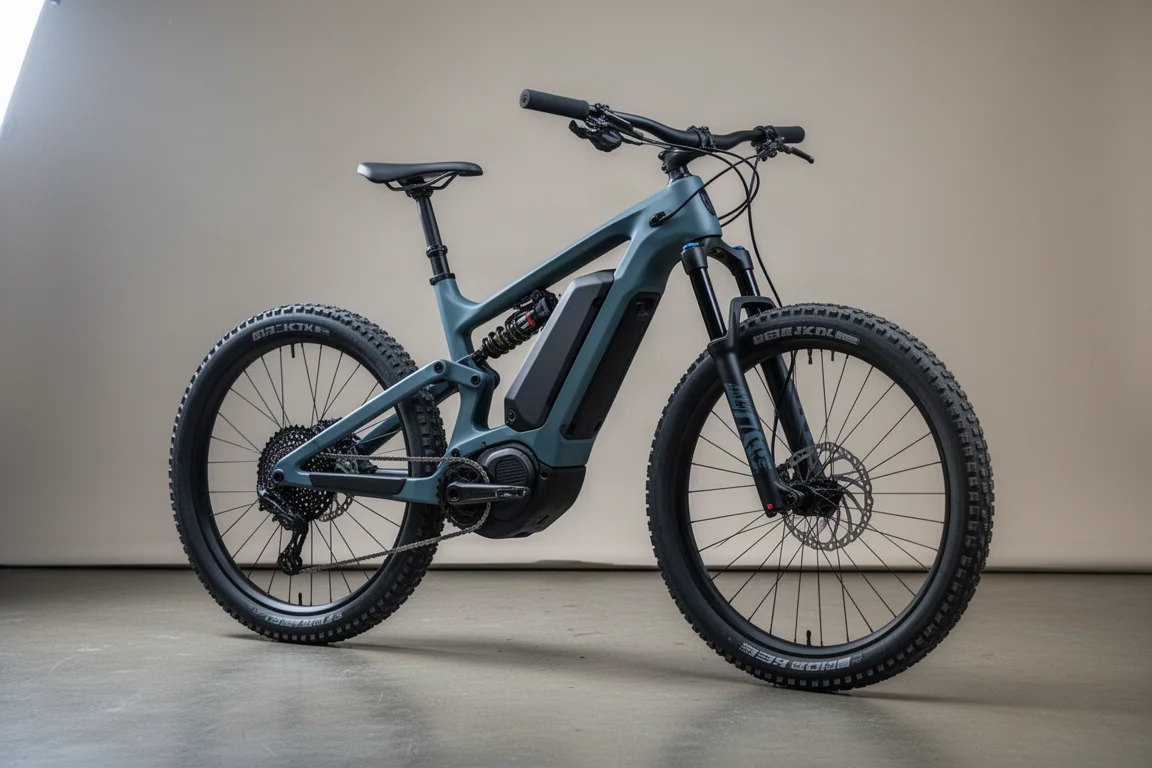
The Heckler SL keeps the name but takes a different approach. Instead of the Shimano EP8, it uses a Fazua Ride 60 motor, which trims weight and makes the bike noticeably more nimble. Rear travel stays at 150mm and the mullet wheel setup carries over, so the handling philosophy is familiar even though the ride character changes.
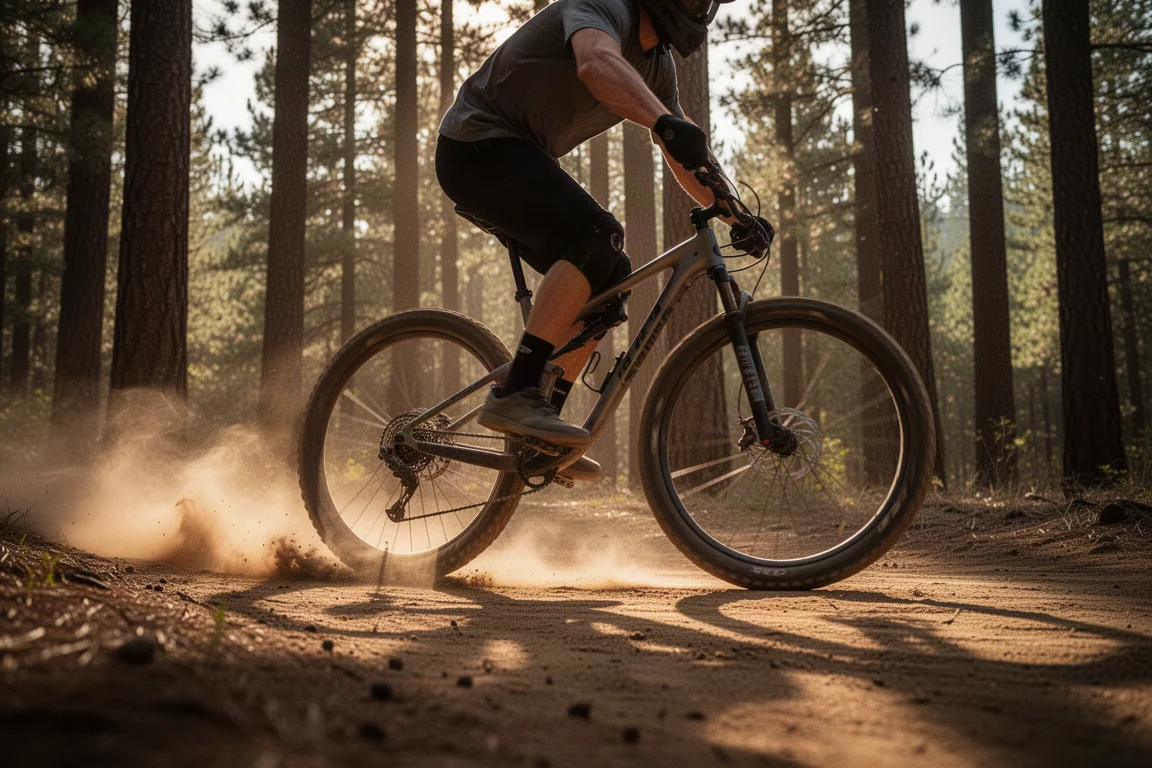
For riders who want assistance without the bulk and power of a full-fat e-bike, the SL is the more natural fit. It is still a premium purchase, and the lighter motor means less outright grunt than the full-power Heckler.
Trek Fuel EX: Two Decades of Trail Bikes
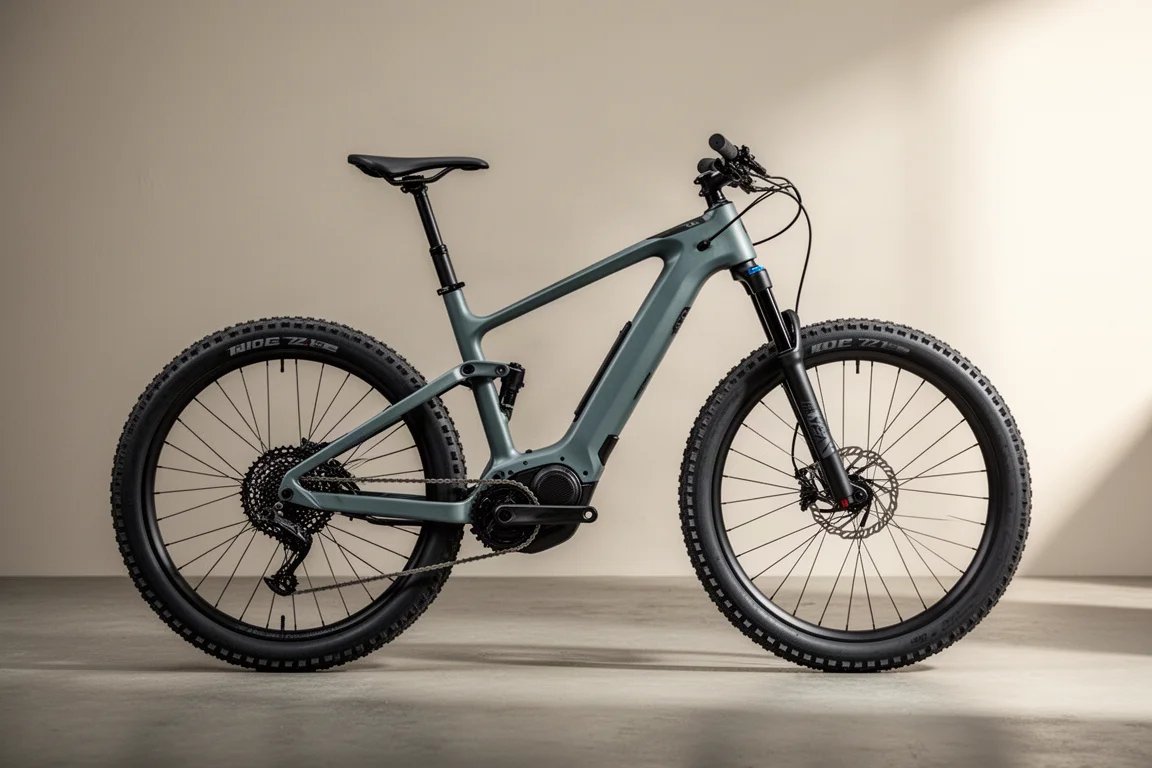
Trek is one of the biggest manufacturers in the industry, and its Fuel line of full-suspension bikes is approaching a quarter of a century in production. The Fuel EX first appeared in 2005 with 100mm of travel, 26-inch wheels and geometry that would look closer to a gravel bike by today’s standards.
The latest Fuel EX is a very different machine. Travel is up to 150mm at the front and 140mm at the rear, roughly 50 percent more up front than the original, and the wheels are now 29 inches. You can run it as a mullet with a smaller 27.5-inch rear wheel, and a coil shock can be fitted if that is your preference.
The Fuel EX and the Stumpjumper together show how far trail bikes have come in two decades. What were once effectively beefed-up cross-country bikes are now much longer travel and far more capable than the machines of twenty years ago.
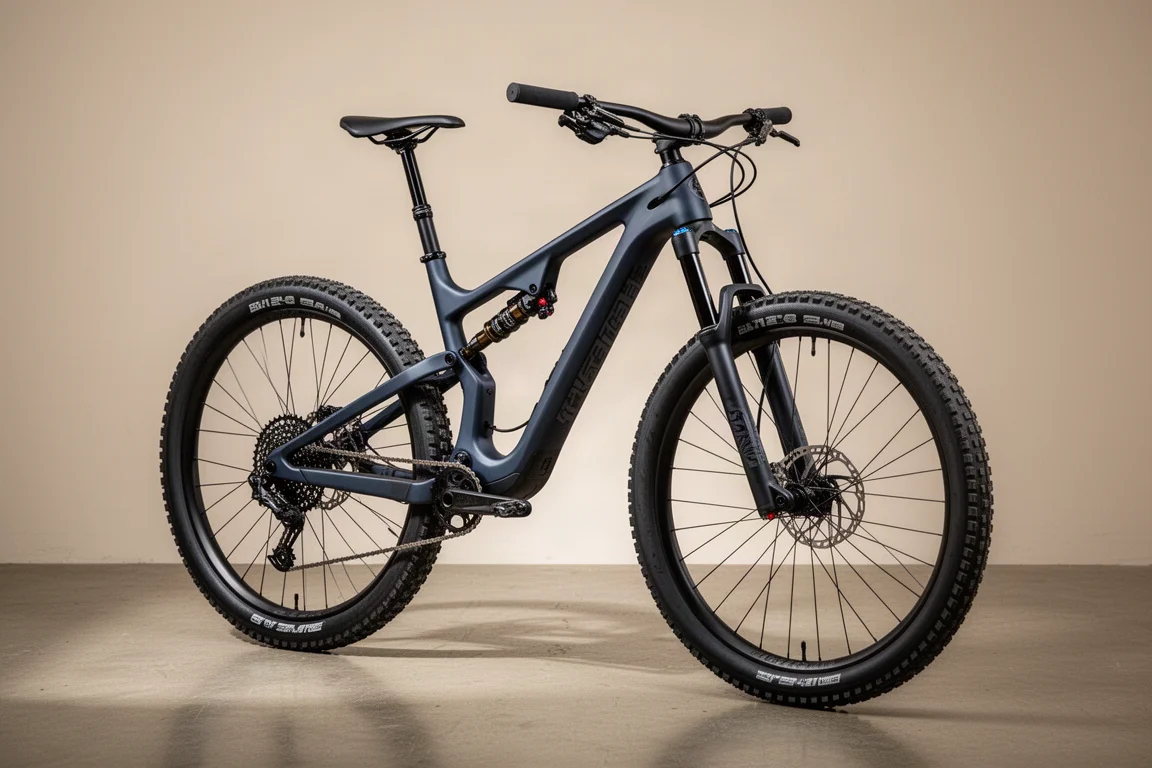
Cannondale Scalpel: The Cross-Country Racer
Cannondale is another large American brand with its share of firsts. It was one of the first to popularise aluminium frames in the 1990s, and its HeadShok and Lefty forks are still in use today. The Scalpel, a razor-sharp cross-country racer, has been in production for more than 20 years and has long used flex-stay rear suspension, with even the original bike relying on that design.
The original Scalpel also used an electronic lockout HeadShok fork, which makes today’s electronic suspension developments look like a return to an old idea. The modern Scalpel runs 120mm of travel at both ends with longer, lower and slacker geometry. Its head angle is actually slacker than Cannondale’s downhill bikes from the early 2000s, which shows how far bike design has moved in two decades.
Overall Buying Advice
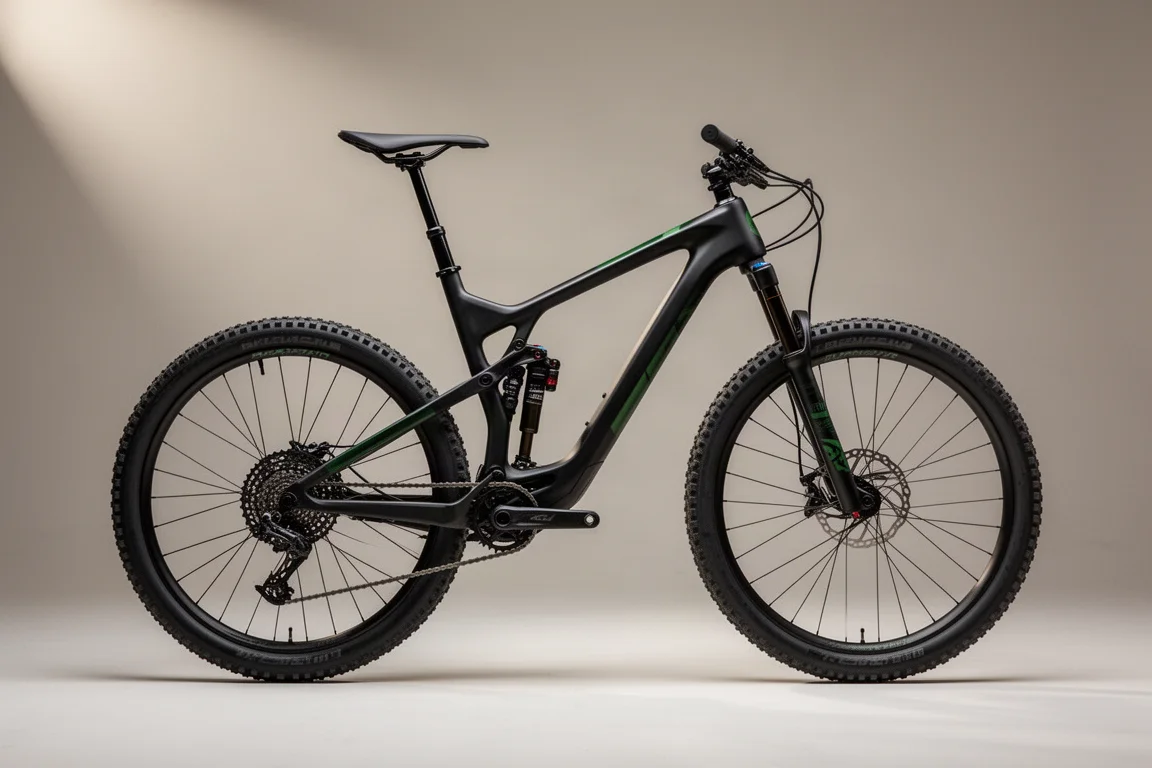
The right choice depends on the riding you actually do. If you want one bike for a wide range of trails, the Stumpjumper 15 and the Fuel EX are the most obvious starting points. Both are long-running all-rounders with enough travel to handle rough ground and enough adjustment to suit different riders.
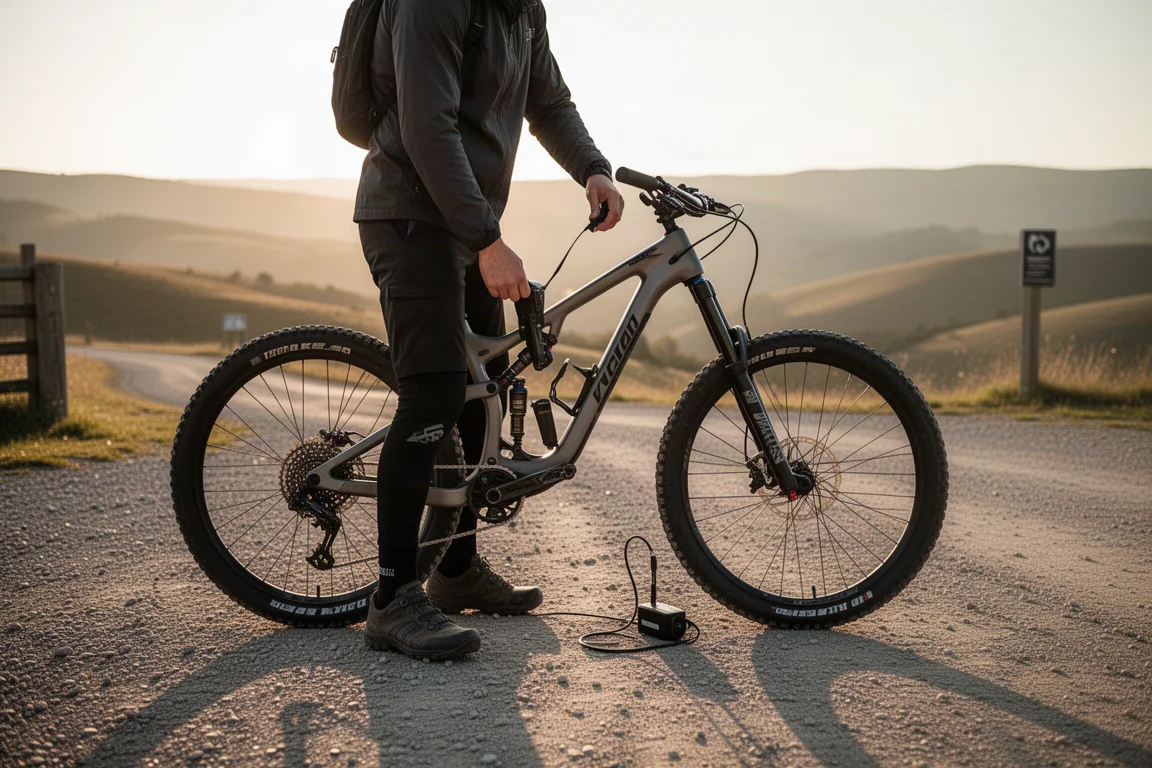
Riders with a race number in mind should look at the ASR and the Scalpel. Both are cross-country bikes at heart and both carry decades of development behind them, but they take different routes to the same goal. The ASR leans on Yeti’s racing pedigree, while the Scalpel has been refining flex-stay suspension for more than twenty years.
If you want electric assistance, the two Heckler models split the decision neatly. The full-power Heckler suits riders who want maximum motor output and do not mind the extra weight, while the Heckler SL is the better fit when nimble handling matters more than outright power. Both carry premium price tags, so it is worth being honest about how much assistance you need before committing.
Conclusion
American mountain biking has had more than 50 years to develop, and these six bikes show how differently that history can play out. Some names have been in production for decades, some were revived after a gap, and one has changed so completely that the original and the current version share little beyond the badge.
What they have in common is that each one still makes sense today. Whether you want a benchmark trail bike, a race-ready cross-country machine or an e-MTB with genuine heritage, there is a version of the idea still on sale.
Further reading
Related Reviews
Mountain Bikes
Atherton AM.130 Review: 3D-Printed Titanium Lugs and a 130mm Trail Bike That Descends Like a Bigger Machine
The Atherton AM.130 pairs 3D-printed titanium lugs with carbon tubes and a DW6 suspension platform. Here is how it rides, what the build delivers, and who it suits.
Mountain Bikes
Beginner Mountain Bike Buying Guide: What to Look For in a Trailworthy Hardtail
A practical framework for evaluating beginner mountain bikes, whether new or used, by examining key components that indicate real trail capability.
Mountain Bikes
Best Aluminum Mountain Bikes 2026: Five Alloy Bikes Worth Your Attention
Five aluminum mountain bikes that show how far alloy has come, from a 120mm trail bike and a versatile machined frame to a 180mm freeride machine.