Car Fridges
Iceco APL 55 Review: A Dual-Zone Car Fridge That Retires the Ice Run
A dual-zone compressor fridge with app control, flexible power options and room for a family road trip. Here is what to weigh before you buy.
Introduction
The arithmetic behind a large cooler is easy to ignore until you add it up. A premium cooler of this size costs around $500, and roughly $200 buys about 60 bags of ice. A cooler that big needs about three bags every three days, which works out at nine or ten bags a week. After about six weeks of camping, the combined cost of the cooler and the ice it has consumed is on par with a compressor fridge that never needs ice at all.
That is the argument for the Iceco APL 55. It is a portable dual-zone fridge and freezer that holds roughly the same amount of food as a favourite large cooler, and it removes the need to drive back into town every few days for another load of ice.
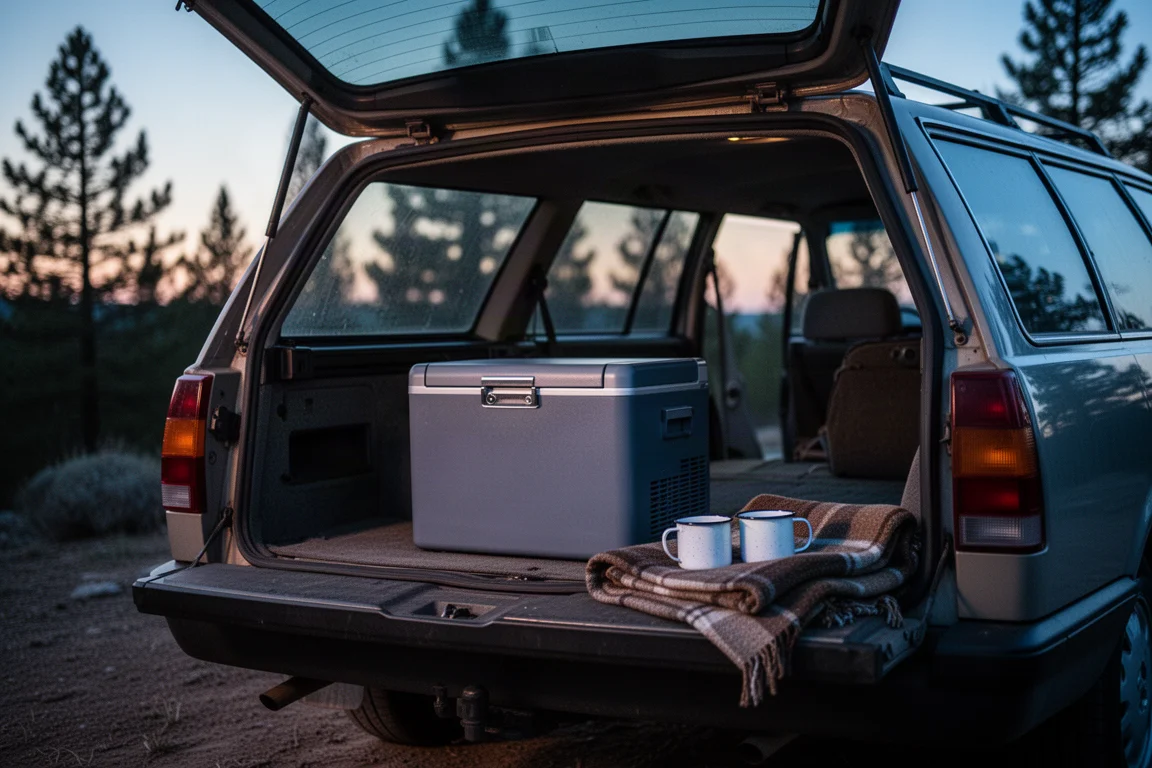
The trade-offs are honest ones. It weighs more than a cooler and it needs a power source to run. What follows is a practical look at who it suits, what it does well, and what to plan for before spending the money.
Who the APL 55 Is For
The clearest case is anyone who stays out for a week or longer. Ice simply cannot cover that window, and a fridge turns a daily chore into a non-issue. It suits campers, overlanders and road trippers who move between locations and want food and drinks to stay properly cold the whole time.
It also works for families on long drives rather than campsites. Drinks and food stay cold in the vehicle for the length of a trip, and the interior light makes it easy to find things after dark.
Finally, it suits anyone who wants the option of redundancy. Because the walls are thick, the APL 55 can be used exactly like a cooler if no power source is available. Ice goes in, everything stays cold, and the insulation slows the melt while driving. When power is available, it behaves like a fridge again. That flexibility is the reason many buyers move across from a cooler in the first place.
Dual-Zone Cooling and Everyday Features
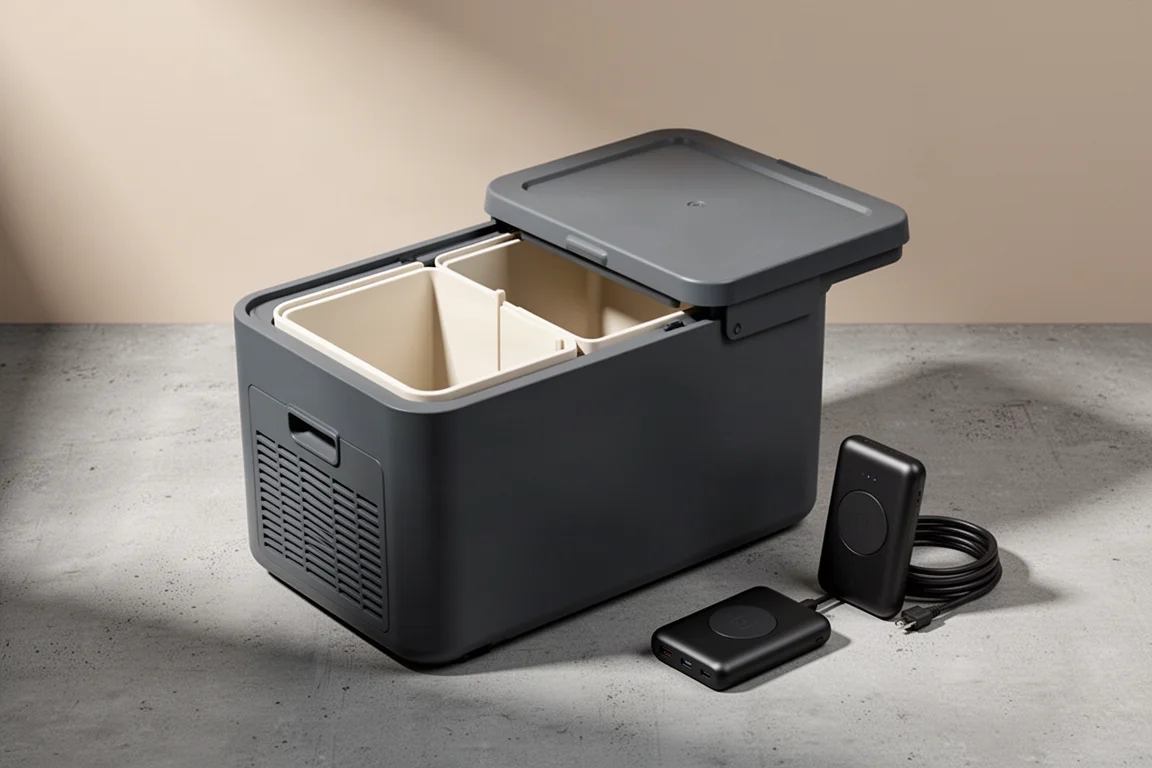
The headline feature is the dual-zone design. Each side of the APL 55 is controlled independently, so one compartment can run as a fridge while the other runs as a freezer, and the two roles can be swapped. Removing the middle divider turns the whole unit into a single large fridge, or the temperature can be dropped to make the entire space a freezer. For anyone who wants frozen food on one side and fresh produce on the other, that is a meaningful step up from a single-temperature box.
Control is handled through a Bluetooth connection to a phone, which allows both temperature monitoring and adjustments without opening the lid. The lid itself opens along its length rather than from the side, which matters in a vehicle: the fridge can sit lengthways in the load bay and still be fully accessible. Slow-closing safety hinges reduce the risk of pinched fingers when children are helping themselves.
Smaller details round out the package. There are USB ports for charging devices, a light inside the compartment so contents are visible at night, and a light on the outside of the unit. Capacity is genuinely usable: the APL 55 has held enough for four lunches, three breakfasts and two dinners for five people, with room to spare once some of the food had been eaten.
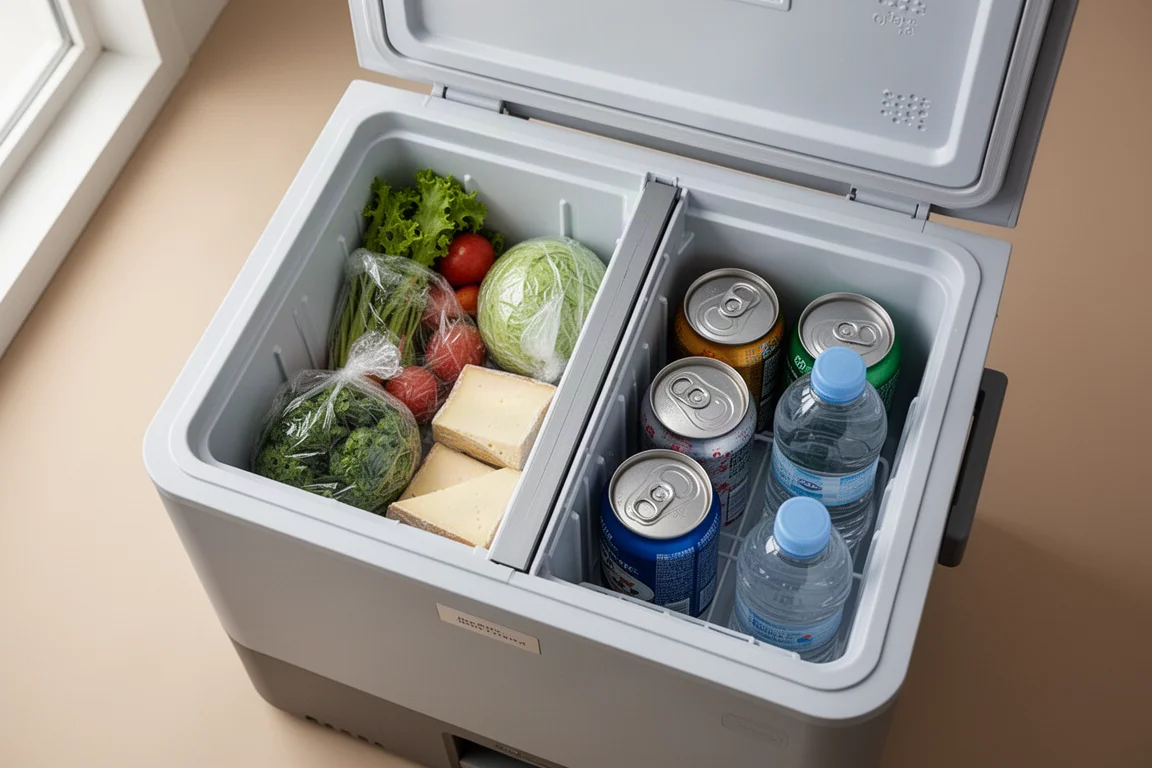
In daily use, that combination of independent zones, app control and interior lighting is what separates it from a cooler. The unit is not simply keeping things cold, it is organising a week of meals.
Powering the Fridge Away From the Car
A fridge is only as useful as the power behind it, and there are several ways to approach this.
Iceco offers a small power bank with a magnetic back that attaches directly to the rear of the fridge. It is portable and relatively light, which makes it ideal for carrying the fridge away from the vehicle for a few hours. Its limitation is runtime: it will not last much more than about 12 hours. Connecting it to a solar panel keeps the battery topped up even while the fridge is running, so charging the pack through a sunny day and running it overnight is possible, though that leaves little margin.
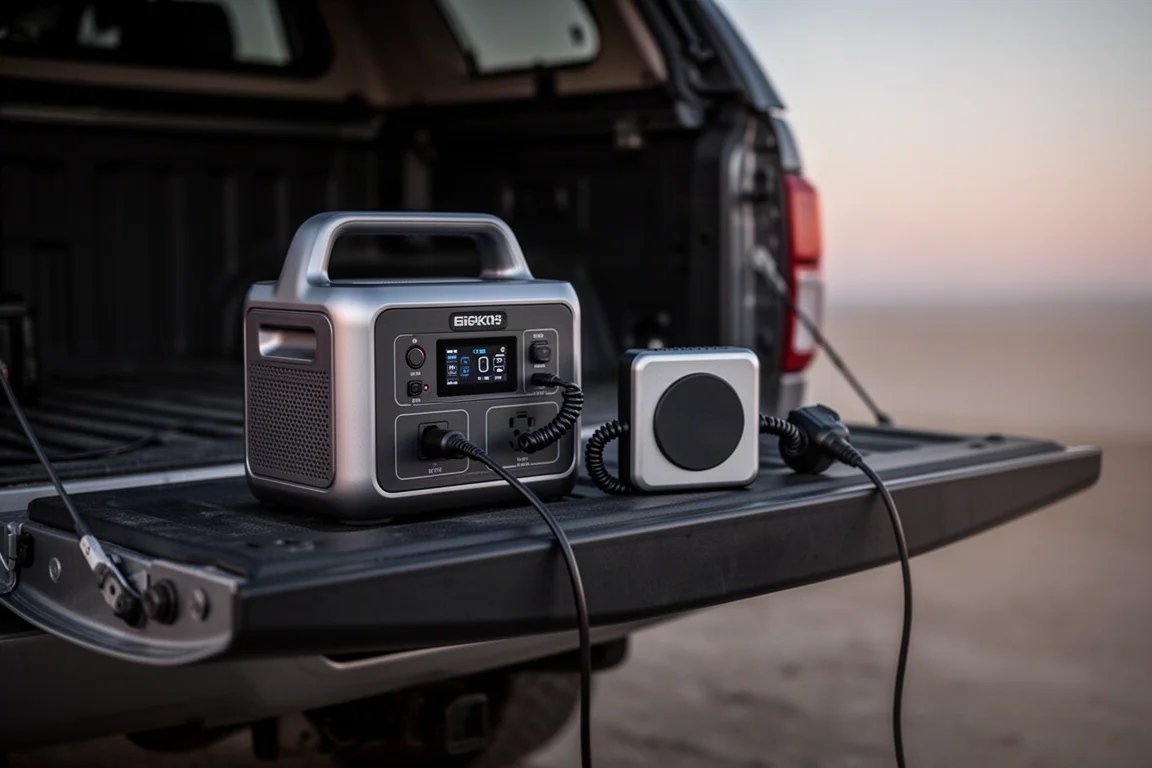
A more robust approach uses a larger portable power station. The fridge plugs into the power station, and the power station plugs into the vehicle. While driving, the car charges the battery, and once parked for the night, the battery keeps the fridge running. Over a week-long trip in January with a daily move to a new location, a 1,000 W power station never dropped below 85 percent charge. It received roughly two hours of charging each day and ran the fridge on battery power for the remaining 22 hours, which points to strong energy efficiency.
Adding the small magnetic power bank on top of that creates a chain: the fridge draws from the small bank, the small bank draws from the power station, and the power station draws from the car. Each layer keeps the next one charged, which adds redundancy and means the portable pack is always ready for a walk away from the vehicle.
Things to Consider Before Buying
Weight is the first practical consideration. The APL 55 weighs 55 lb empty, against roughly 30 lb for a similar-sized cooler, because of the compressor and the insulation. Once it is full of food and drinks, it is heavy enough that most owners will keep it in the vehicle rather than carry it to a picnic table. A drawer slide that keeps the fridge mounted in the car while still allowing access is a sensible companion purchase.
Power is the second. A portable power station is an additional expense, and it is fair to point out that the money would buy a great deal of ice. The small magnetic power bank alone, at around 12 hours, is a little tight for full overnight use unless it is being recharged during the day.
Runtime on battery alone has not been pushed to its limit, so the honest position is that real-world endurance beyond the tested pattern is still an open question. Buyers who plan long stationary stays should size their battery capacity accordingly rather than assume a figure.
Finally, consider how the fridge will be mounted and ventilated in the vehicle. A dedicated slide solves access, but the unit still needs airflow and a secure fixing point so it does not shift while driving.
Buying Advice
Pricing is the strongest part of the story. The APL 55 normally lists at $859, and during Iceco promotions it has dropped to $687 with a 20 percent discount, as part of site-wide sales offering up to 30 percent off selected products. At that promotional price it landed roughly $187 above a comparable Yeti cooler, which is a small gap for a unit that eliminates ice entirely. Accessories worth budgeting for include the drawer slide, a protective cover that also adds insulation, and additional battery banks.
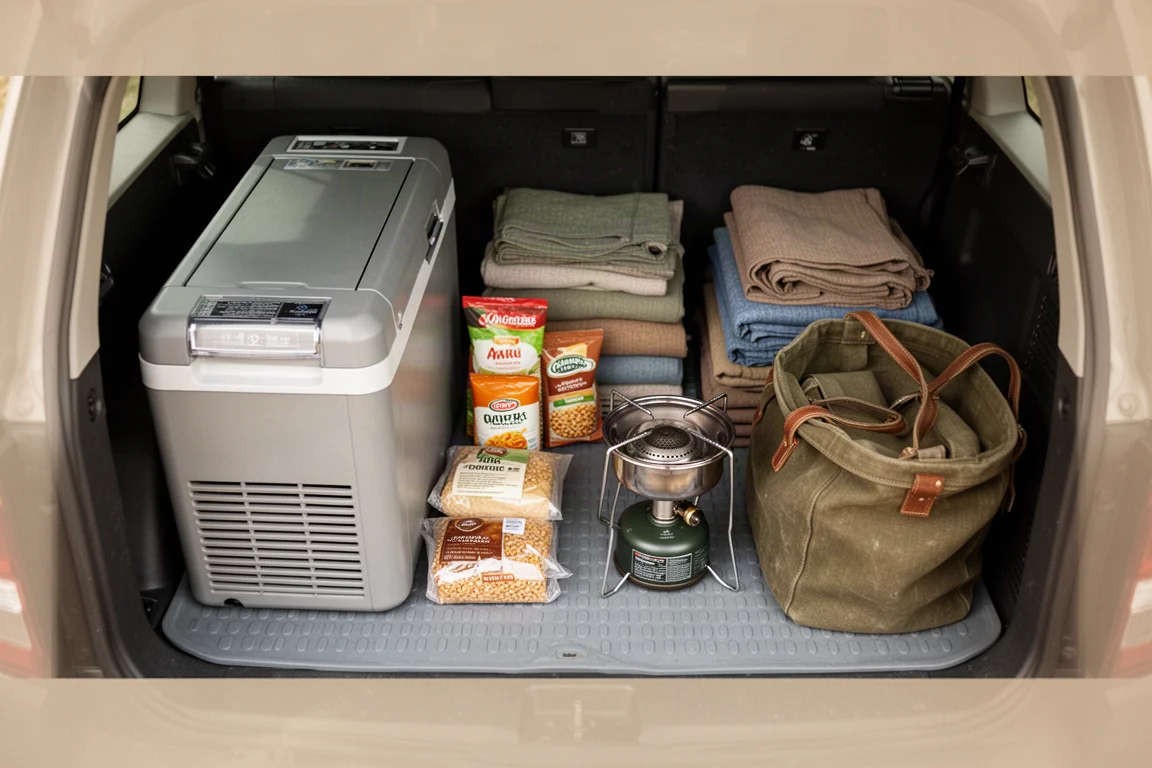
The decision really comes down to trip length and existing gear. Anyone who already runs a portable power station for other camp equipment can add the APL 55 without a second large purchase, which makes the maths far more attractive. Anyone starting from nothing should price the fridge and a suitable power source together, then compare that total against a cooler plus several seasons of ice.
If trips are short and ice is easy to buy, a cooler remains simpler and lighter. If the goal is a week or more away from town, with frozen food on one side and cold drinks on the other, the APL 55 is the more practical long-term answer.
Conclusion
The Iceco APL 55 solves a problem that every cooler owner eventually runs into: ice runs out, water gets into everything, and the drive back to town eats into the trip. Dual-zone temperature control, phone-based monitoring, a lengthways-opening lid and thick insulation give it genuine versatility, including the option to run it as a plain cooler when no power is available.
It is heavier than a cooler and it asks for a power plan. For campers, overlanders and road-tripping families who stay out long enough for ice to stop making sense, those trade-offs are easy to accept.
Product link
View more details for Iceco APL 55
This product is mentioned in the review. Check the specifications, options, and compatibility before buying.
View more details for Iceco APL 55Further reading
Related Reviews
Backpacking Tents
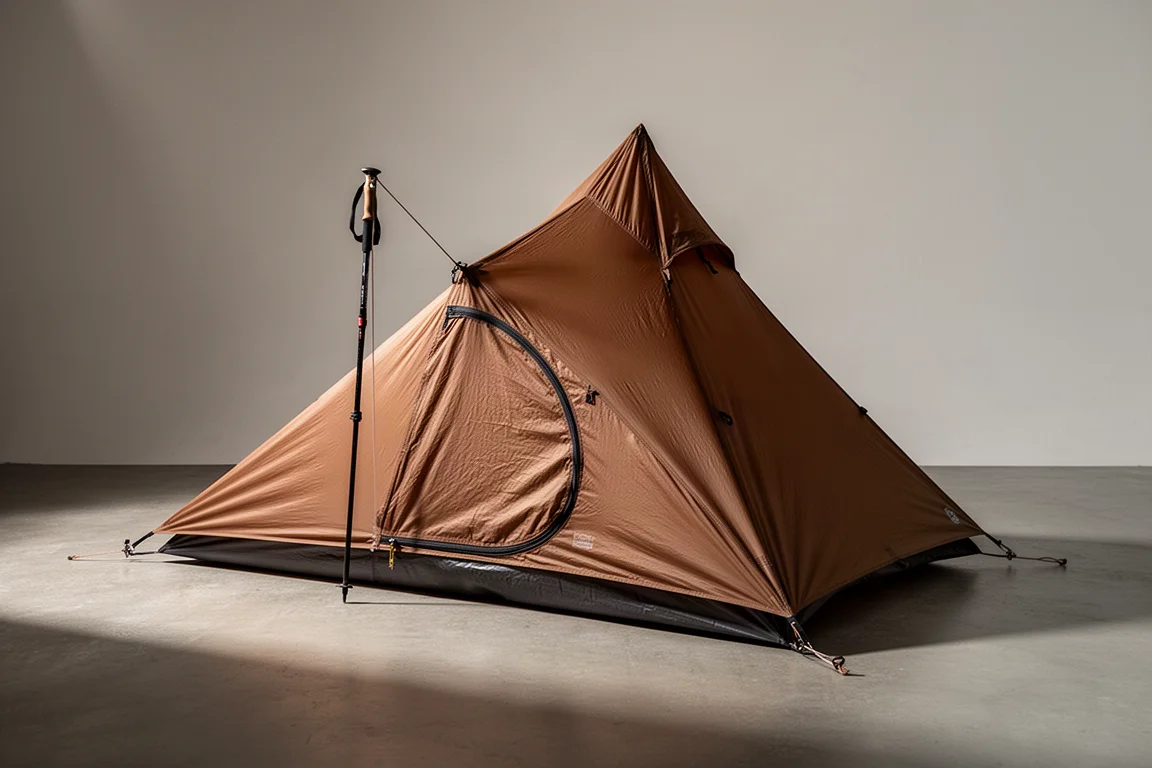
3F UL Lanchan Pro 1 Review: A 1 lb 8 oz Single-Wall Trekking Pole Tent
A practical look at the 3F UL Lanchan Pro 1, a single-wall trekking pole shelter with a 1 lb 8 oz weight, 20D silnylon fabrics, and a roomy 90 x 31 x 49 inch interior.
Backpacking Tents
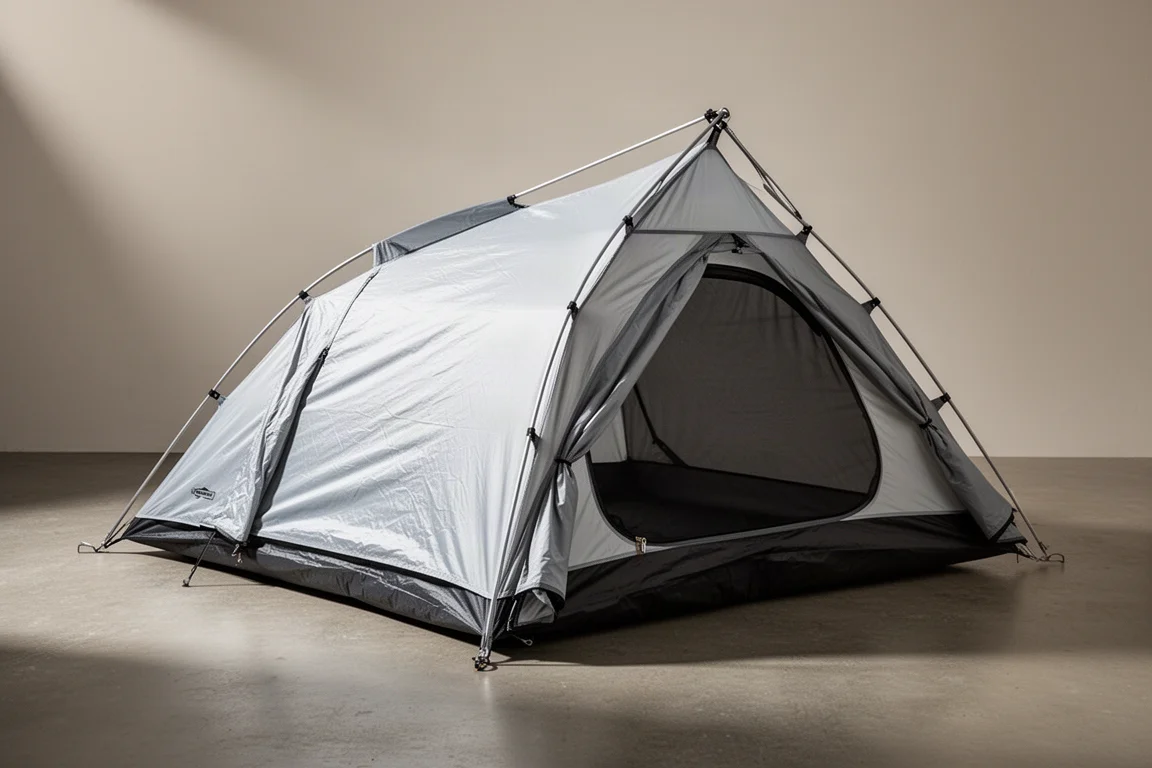
3F UL Taiji 2-Person Tent: A Convertible Backpacking Shelter Worth a Closer Look
A practical look at the 3F UL Taiji two-person tent, covering its materials, true two-person interior, fly-first pitching, and the seasonal inner swap that lets one shelter cover more of the year.
Backpacking Tents
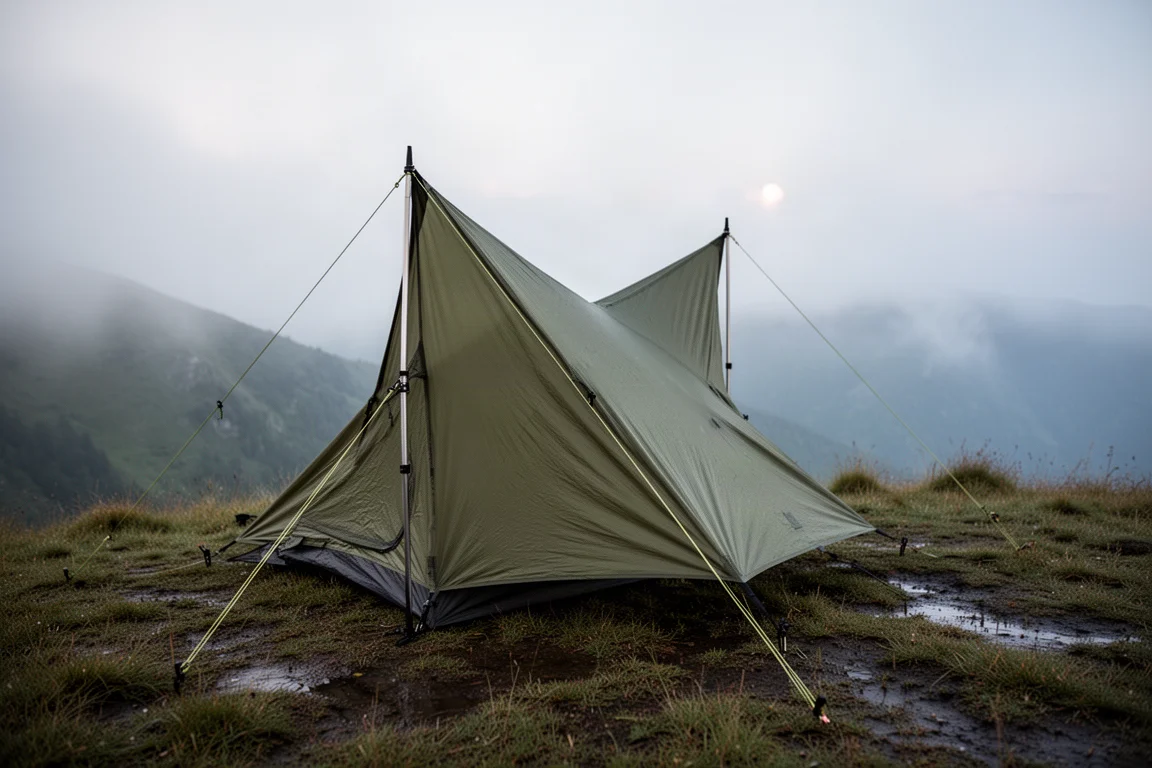
3FUL Lanshan Twoerson Pro Review: A Light Trekking Pole Shelter That Struggled in Rain
A two-person trekking pole shelter with a 2026 redesign, pitched with sticks and put through a night of steady rain. Here is what worked, what did not, and what to check before buying.