Backpacking Gear
Ice Storm Backpacking Gear: Nine Pieces of Kit From a Cold, Wet Overnight
A practical look at the budget backpacking gear used through a freezing-rain ice storm in Pisgah National Forest, with honest notes on what worked and what to weigh before buying.
Introduction
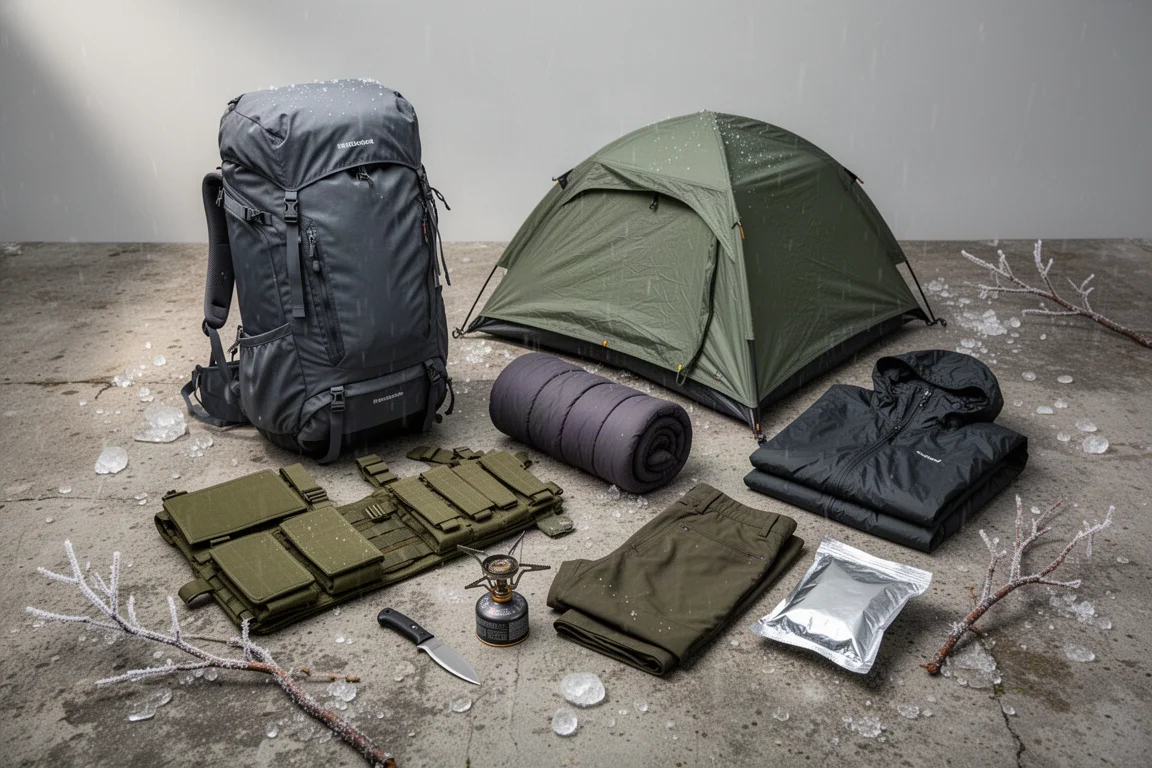
An overnight in Pisgah National Forest was forecast as four or five inches of snow. What arrived was freezing rain that poured all night, an ice-coated forest by morning, and a thunderstorm that rolled through while camp was being packed up. Nine pieces of gear carried the trip, and this roundup walks through how each one performed, where the trade-offs sit, and which ones are worth the money.
What the Conditions Actually Demanded
The route was a 3.5-mile loop outside the Roseboro area, a former logging community that has largely faded away. It began on an old logging road, moved into a wilderness area, continued off trail, and looped back to an established campsite. Cell service was spotty and mostly absent, so route planning happened before the trip, using Gaia GPS on a phone rather than relying on a live connection in the field.
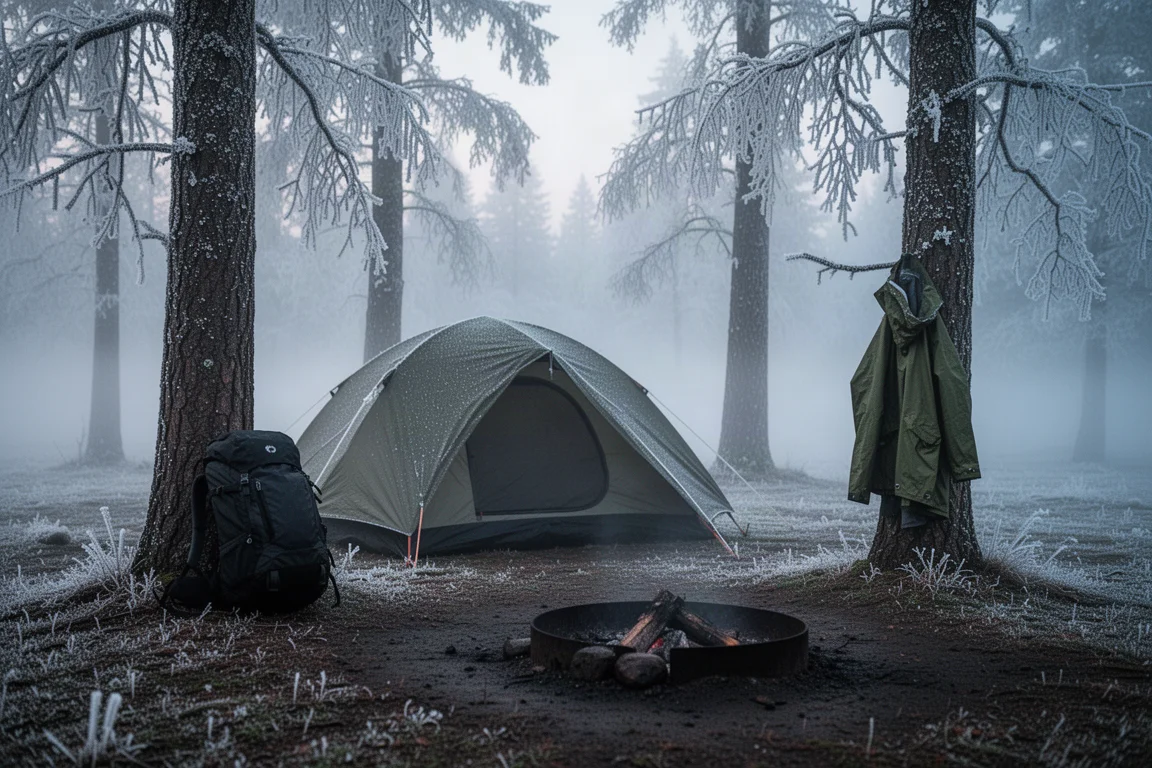
The forecast promised four or five inches of snow and a storm lasting into the following day. Neither materialized. Freezing rain fell all night, and the storm ended as the truck was reached. Air temperature held right at 32 degrees Fahrenheit while the ground stayed slightly warmer, which kept the exit manageable. The road turned slick near 3,800 feet, and there were downed trees and limbs to work around.
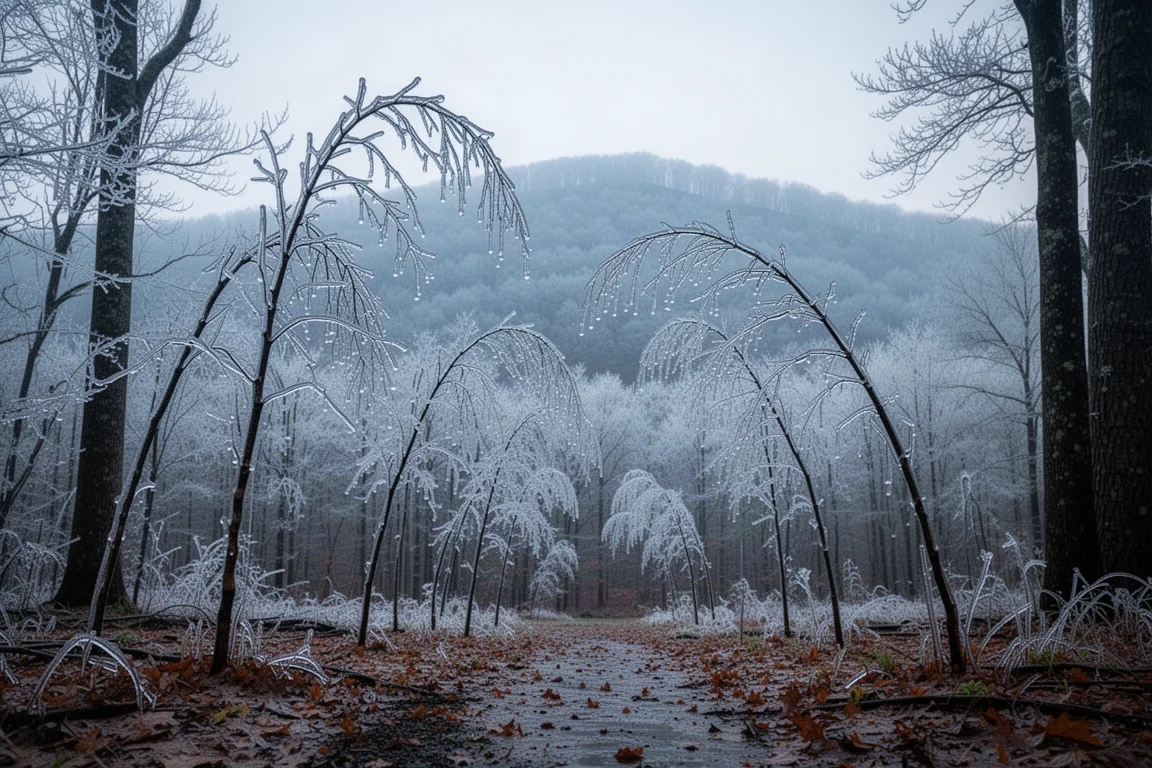
By morning the forest was coated in ice and every tree was bent under the weight. That is when the call was made to leave. Ice brings falling limbs and falling trees, and getting out before it thickened was the right decision. Leaving early is judgment, not failure.
Remote areas carry their own considerations. Vehicle break-ins are a real risk at remote trailheads, and staying close to the vehicle is a sensible habit. This area also showed the usual signs of easy vehicle access: torn-up roads, cut trees, and a campsite that had been abandoned in a mess and was later cleaned up. Warmer months bring timber rattlesnakes and copperheads to this part of the forest, which is one reason cold-weather trips make sense there. At night, a bobcat called in the woods and owls hooted for hours.
Naturehike 60+5 Backpack: A Load-Bearing Pack for $80
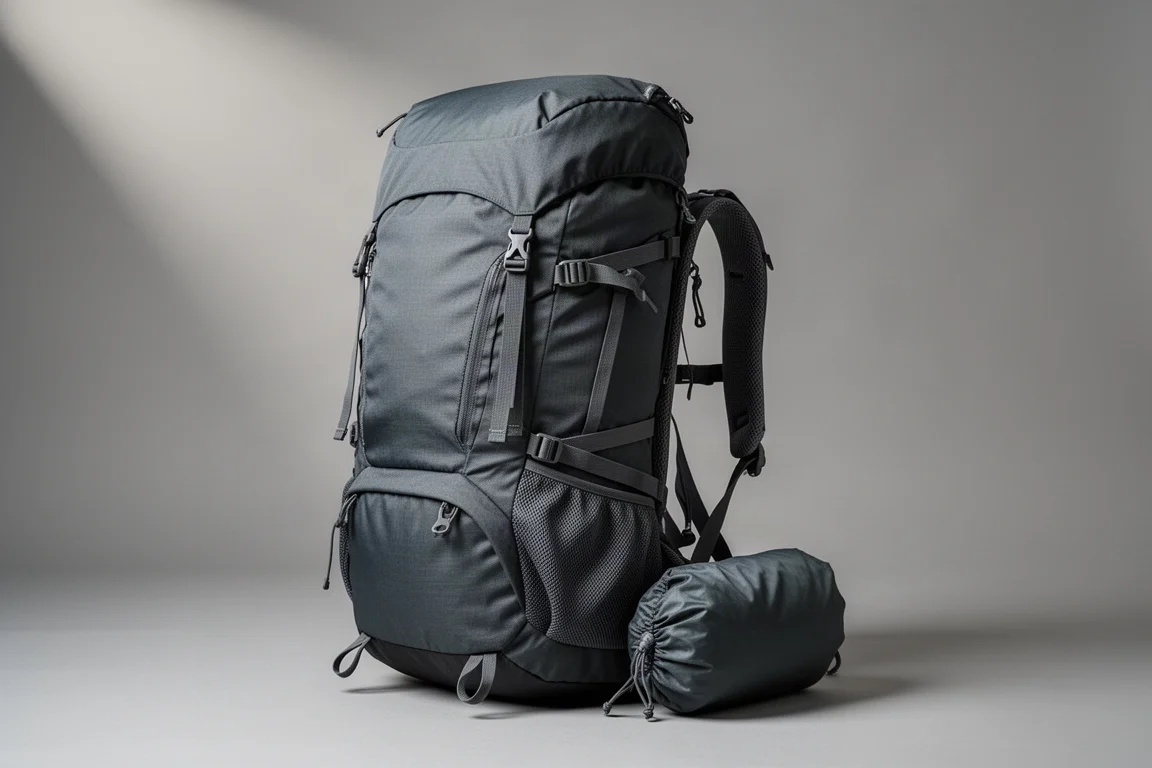
At $80, the 60+5 is the value anchor of this kit. It uses a robust frame sheet along with an internal frame, which is unusual at this price and design point: most ultralight packs in this style rely on careful packing to form a structure against your back. With the frame in place, gear can go in almost any way and the pack still carries the weight reasonably well.
The pack is narrow, so it wants to be packed tall and high. Its two outer pockets are genuinely useful for wet gear, and a pack cover is included that kept the contents dry through the rain. Hydration ports are present, but there is no way to support a bladder, so it would sit on top of the load, which does not work in every situation.
Two things to check before buying. The hip pockets are very small and narrow, and a phone may not fit in them. More importantly, the gap between the shoulder straps is only about 3.5 inches, so the straps press into the neck, which proved uncomfortable in early testing with fewer layers. The torso length rating is around 22 inches, so shorter torsos will struggle to get a good fit.
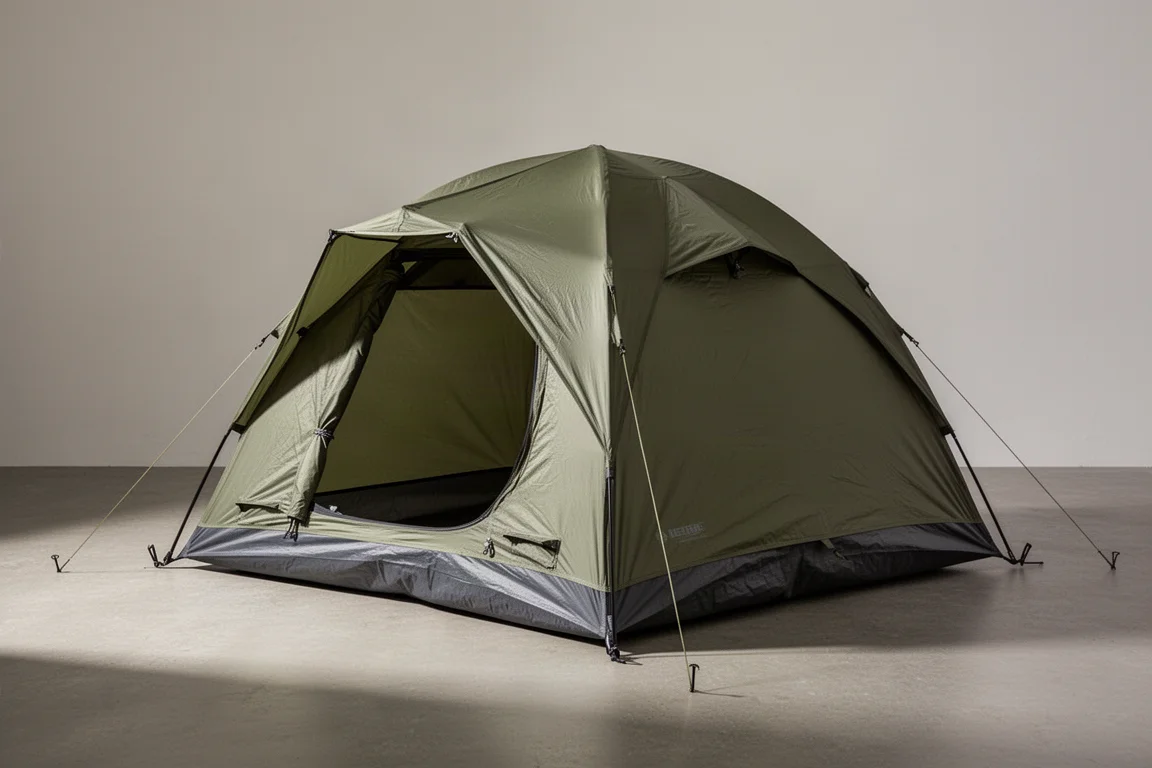
Naturehike Vic 2 Tent: Waterproof Shell, Serious Condensation
The Vic 2 is sold as a four-season backpacking tent at $128. It can be used in a fourth season, but it is not a tent for high mountains, heavy snow, or strong winds. In calmer conditions it works.
Waterproofing was not the problem. Heavy rain fell through the night and the tent did not leak. Condensation was the problem, and it was the worst seen in a tent. Moisture built up inside until it was effectively raining indoors, and a sleeping bag had to be pulled over for hours while it came down. That makes the Vic 2 a dry-climate tent rather than a humid-environment one.
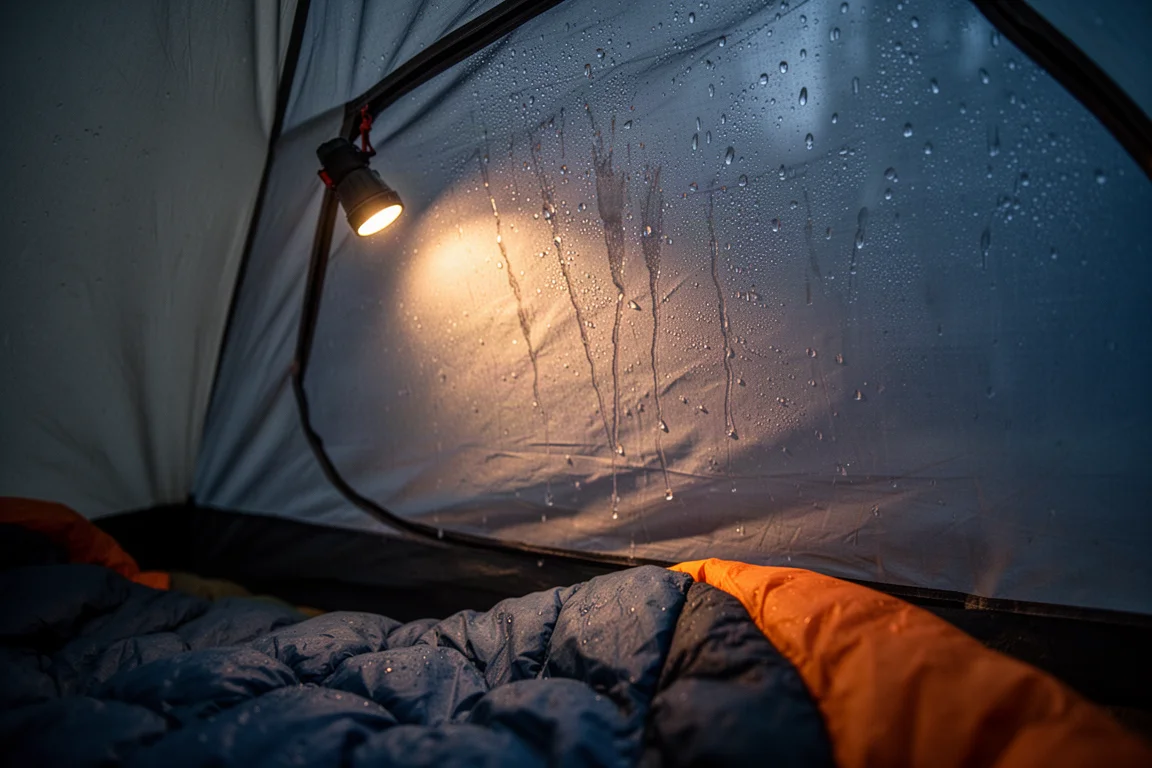
The fly does not reach the ground, and there are vents at both the bottom and the top, which is the ventilation the design depends on. The snow-fly version removes most of that ventilation and should be avoided, and the snow skirt version is not the answer for blowing snow either. Overall quality is not bad: the materials and components are good and the stitching is rough in places, but at $128 there is worse out there.
Setup is easy, the tent is fairly light, and it is a good size for one person and their gear, with enough height to sit up and change clothes. The bottom vents do allow splash-in during heavy rain, so keep a sleeping bag away from the walls, which is harder for taller users. Condensation was severe with a single occupant, so two people would be worse.
Enlightened Equipment Convert: One Bag, Two Configurations
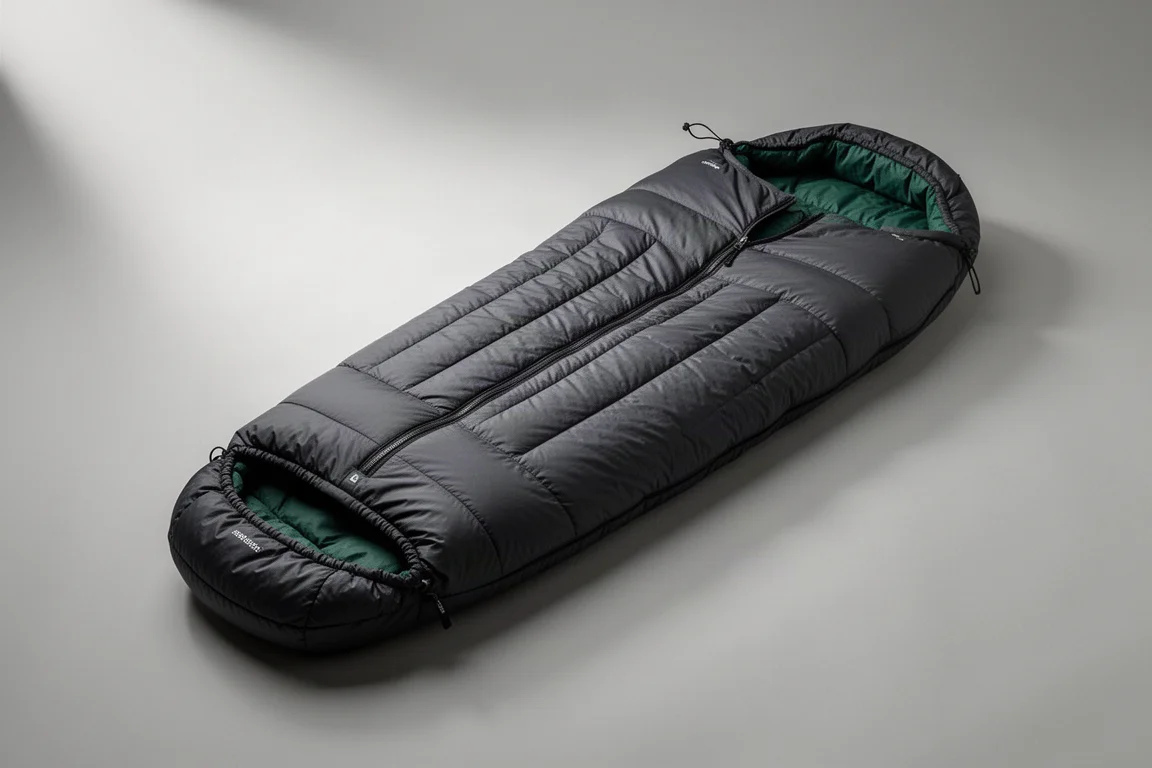
The Convert is a custom-made sleeping bag and quilt in one, which puts it at the expensive end of this kit. A full-length zipper lets it be used as a conventional sleeping bag or opened out into a quilt, and that flexibility is what makes it the standout piece here. It ranks among the best backpacking products used in a long time.
Helikon-Tex Numbat Chest Rig: Budget Carry That Works
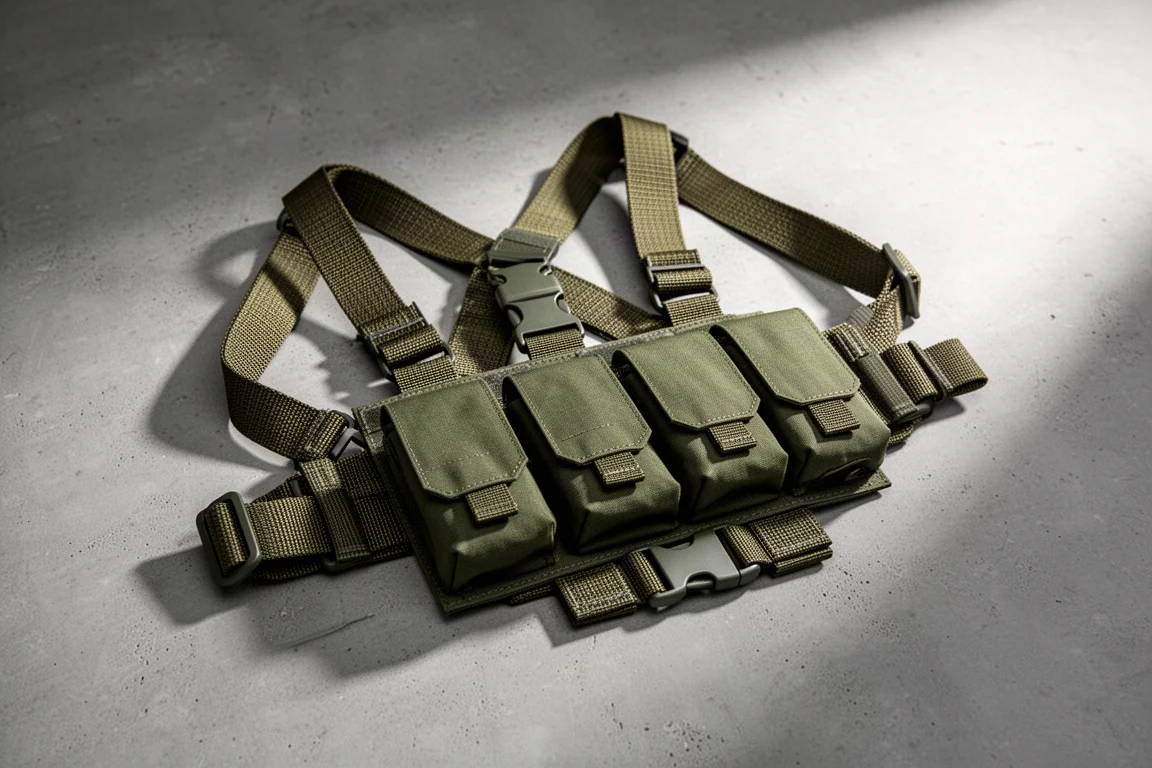
Chest rigs are usually expensive, and the Numbat is the exception. It is a budget-friendly piece of kit that is well worth the money, and it carried a paper map, a compass, a handgun, and camera equipment on this trip. Everything stayed within reach without adding bulk to the pack.
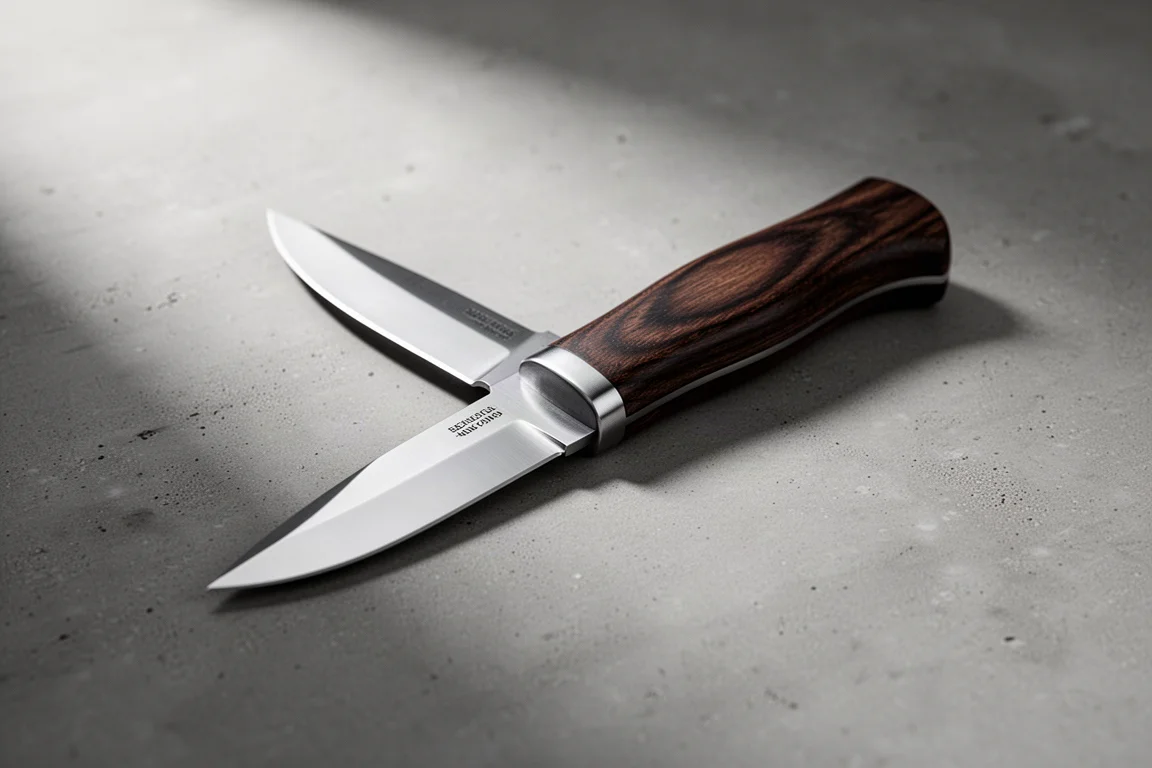
EKA Nordic W12: A General-Purpose Knife Done Well
The Nordic W12 is a general-purpose knife that is a master of nothing and good at everything, which is exactly what a knife carried on a mixed trip should be. It arrived fairly sharp and took a honed edge that turned it into a genuinely sharp tool.
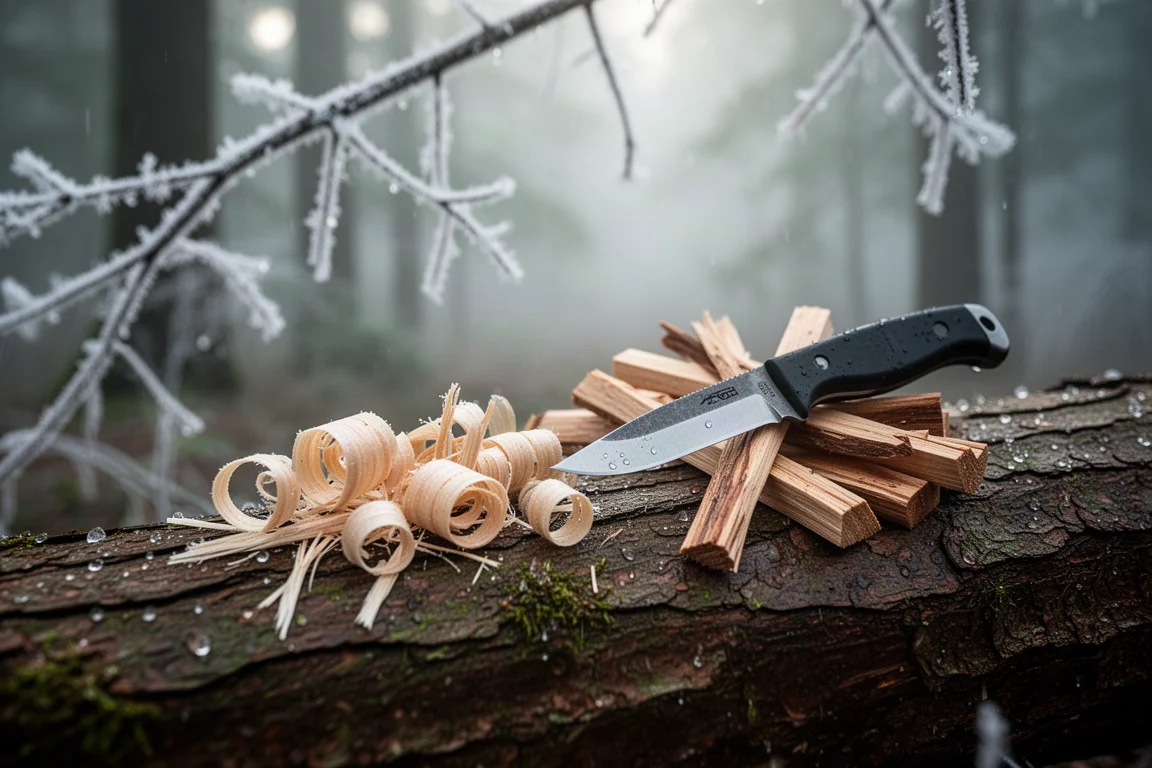
For a trip where a knife handles fire preparation, food, and general camp tasks, that balance matters more than a specialist blade. There is no single job it does best, and no job it does badly.
MSR PocketRocket Deluxe: Reliable Cooking in the Cold
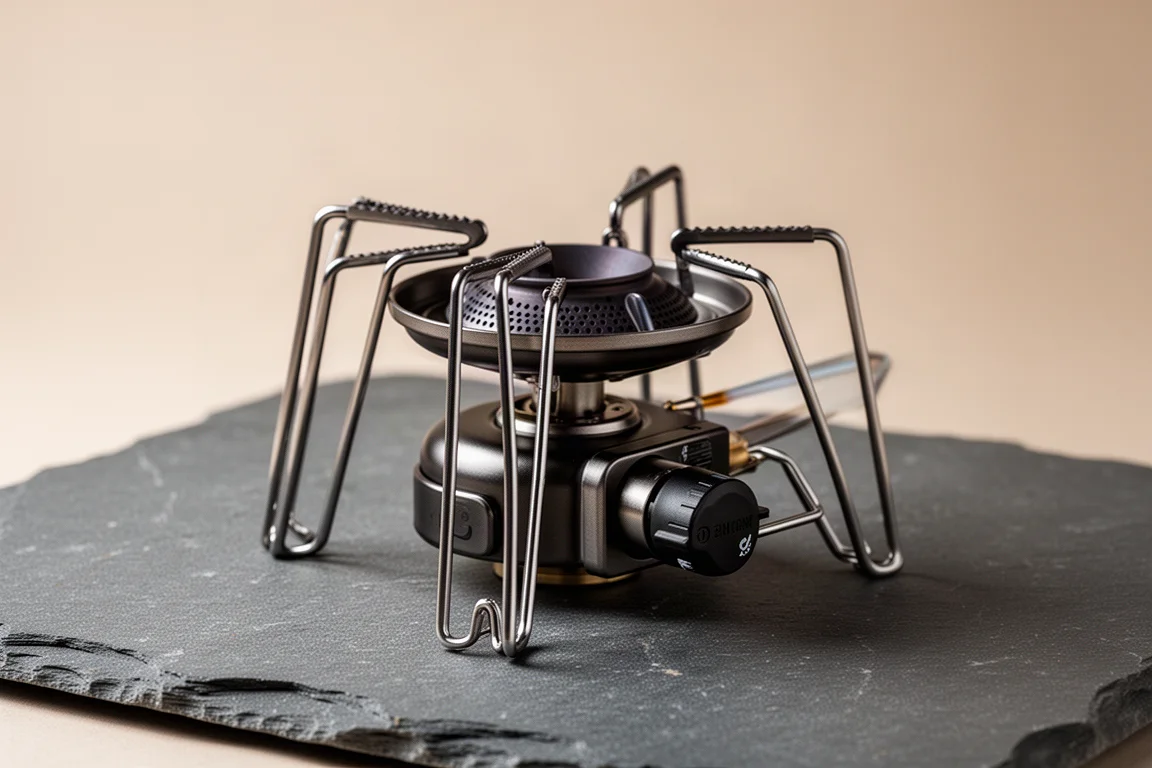
The PocketRocket Deluxe is the cold-weather version of this stove, and it worked very well through a wet night with temperatures hovering near freezing. When the forecast cannot be trusted, a stove that behaves in the cold is worth the space it takes up.
Fjällräven Vidda Pro Trousers: Side-Zip Venting for Cold Weather
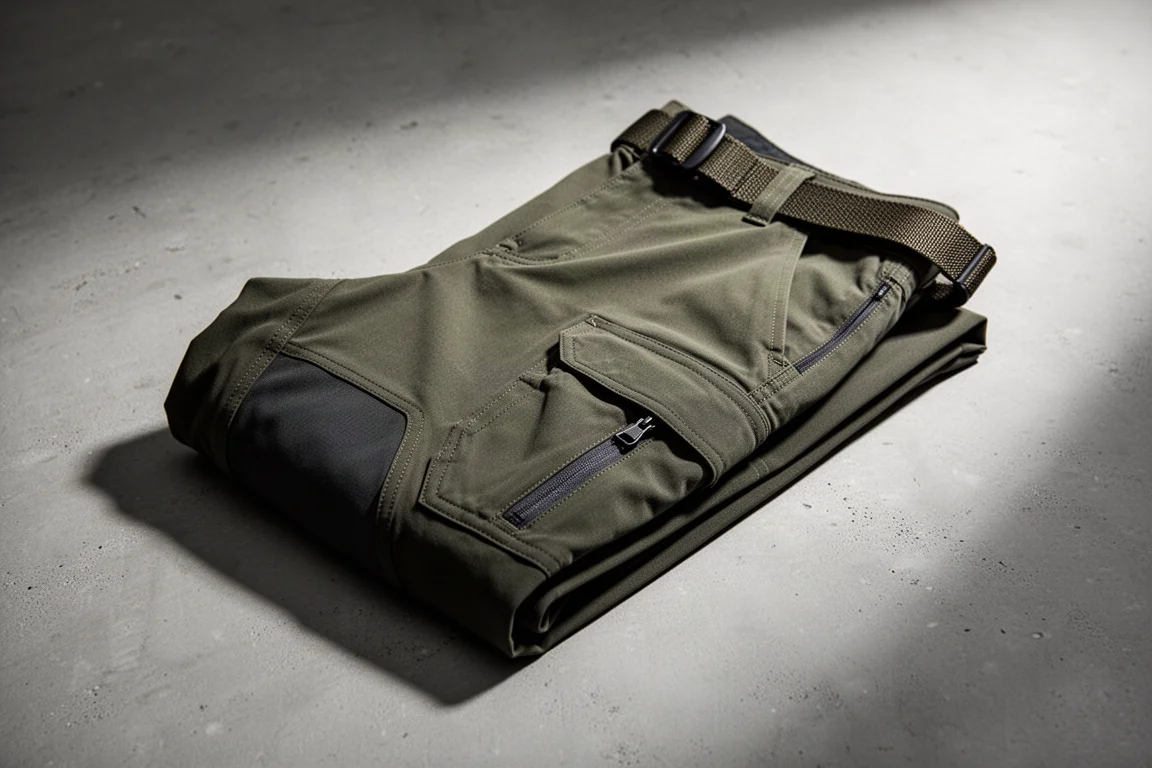
The Vidda Pro trousers, worn with the side zippers, were an excellent pair of pants for these conditions. The side zipper gives you a way to dump heat on the move and close up again once you stop, which is the kind of control that matters when the temperature sits right at the freezing line.
Marmot Minimalist Rain Jacket: The Shell Layer
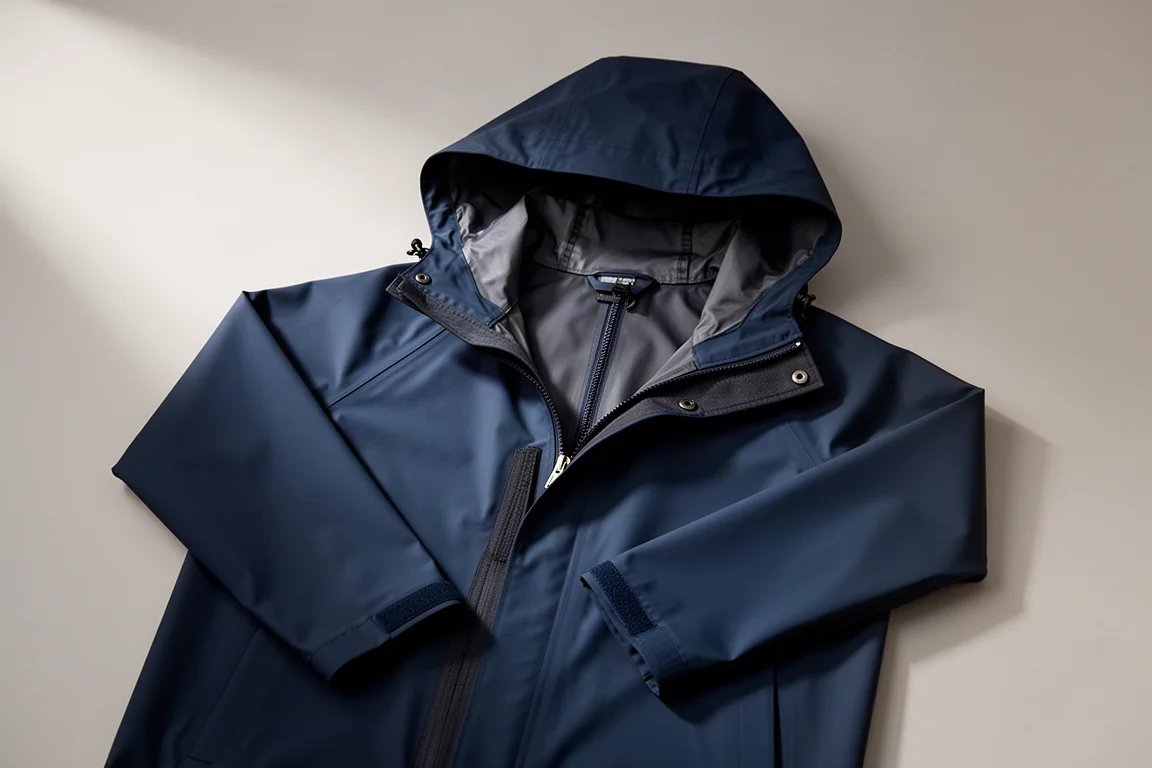
The Marmot Minimalist was the rain jacket on this trip, with rain pants from another brand completing the setup. Rain gear matters most in exactly the conditions this overnight delivered: hours of freezing rain with the air temperature at the freezing point, where staying dry and staying warm are the same problem.
Real Turmat Reindeer Stew: Trail Food Worth the Effort
The meals on this trip were Real Turmat, and they were excellent. The reindeer stew is one of the best trail meals out there, and the meat soup is close behind: similar in character, just a little different. Both are worth seeking out.
The catch is availability and price. Importing them is difficult, and the cost has been reported at over $30 per meal once import is factored in. If you can find them domestically at a reasonable price, they are a highlight of a trip rather than a ration.
How to Choose Gear for a Cold, Wet Overnight
Forecasts are a starting point, not a guarantee. This trip was forecast as snow and delivered freezing rain, which is a reminder to carry gear that covers both. A shelter that ventilates, insulation that can be reconfigured, and a shell layer that stays in the pack until it is needed all create margin when the weather shifts.
Fit and budget both matter more than specifications. An $80 pack and a $128 tent covered carry and shelter for this trip, and the savings can go toward the pieces where quality is felt every night, such as a versatile quilt. For a pack, check torso length and the spacing between the shoulder straps before anything else, because those two numbers decide whether a load is still comfortable after the first mile.
The last piece is judgment. Ice is a serious hazard for a forest and for anyone underneath it, and knowing when to leave is part of the kit.
Conclusion
The gear that worked best was the gear that matched the conditions: a load-bearing pack that punches above its price, a quilt that adapts to whatever the night does, and a chest rig that keeps essentials within reach. The Vic 2 is worth knowing about, with the caveat that it belongs in dry climates rather than humid ones. Real Turmat meals are a genuine highlight if you can source them at a sensible price. Buy for the weather you are likely to get, prepare for the weather you might get, and do not hesitate to leave early when conditions turn.
Further reading
Related Reviews

Backpacking Gear
Building a 10 lb Base Weight: An Ultralight Backpacking Gear List
A practical walkthrough of the ultralight pieces behind a 10 lb base weight, from a 765 g pack and a roomy one-person tent to a full camp chair and a dependable water filter.

Backpacking Gear
A 15-Pound Lightweight Backpacking Gear List for Solo Trips
A beginner-friendly 15-pound backpacking setup built from easy-to-find gear, with notes on what each piece does, how it packs, and where to spend your attention.

Backpacking Gear
8 Ultralight Backpacking Gear Upgrades Worth Carrying
Eight small, affordable backpacking upgrades that solve real trail annoyances, from a pillow that stays put to a fuel valve that rescues leftover canister gas.