Backpacking Gear
Hyperlite Mountain Gear Ultamid 2 Review: An Ultralight Dyneema Shelter Built for Open Ground
A practical look at the Hyperlite Mountain Gear Ultamid 2: Dyneema construction, a just-over-a-pound weight, quick pitching, and the footprint question worth settling before you buy.
Introduction
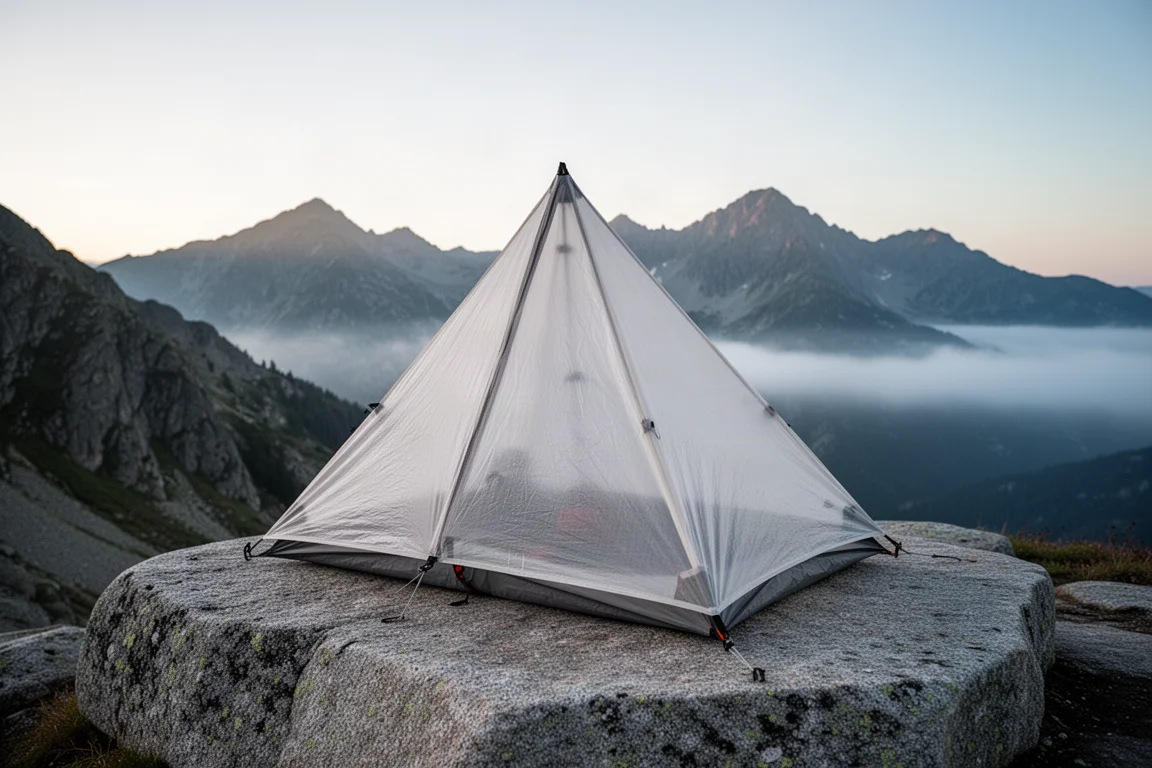
A shelter that comes in at just over a pound and is built from Dyneema is a rare combination, and the Hyperlite Mountain Gear Ultamid 2 is exactly that. The fabric and the assembly are the first things you notice: stitching that runs clean and even, zippers that feel substantial, and an overall build that reads as rugged rather than fragile. The brand’s packs are known for that same standard of construction, and this shelter carries it over.
It also pitches quickly and holds two people with room that few shelters in this weight class can offer. The question worth answering before you buy is not whether it is well made. It is whether the ground you camp on is large enough for it.
Who This Shelter Is For
The Ultamid 2 is best understood as a shelter for open country. Think high mountain ridges and cliff-top pitches, wide prairie, desert flats, or a hunting property where you walk in deep and set up a base camp for the season. Winter trips fit the same profile: a lightweight shelter that carries easily and still gives you space to spread out gear and stay organised in cold weather.
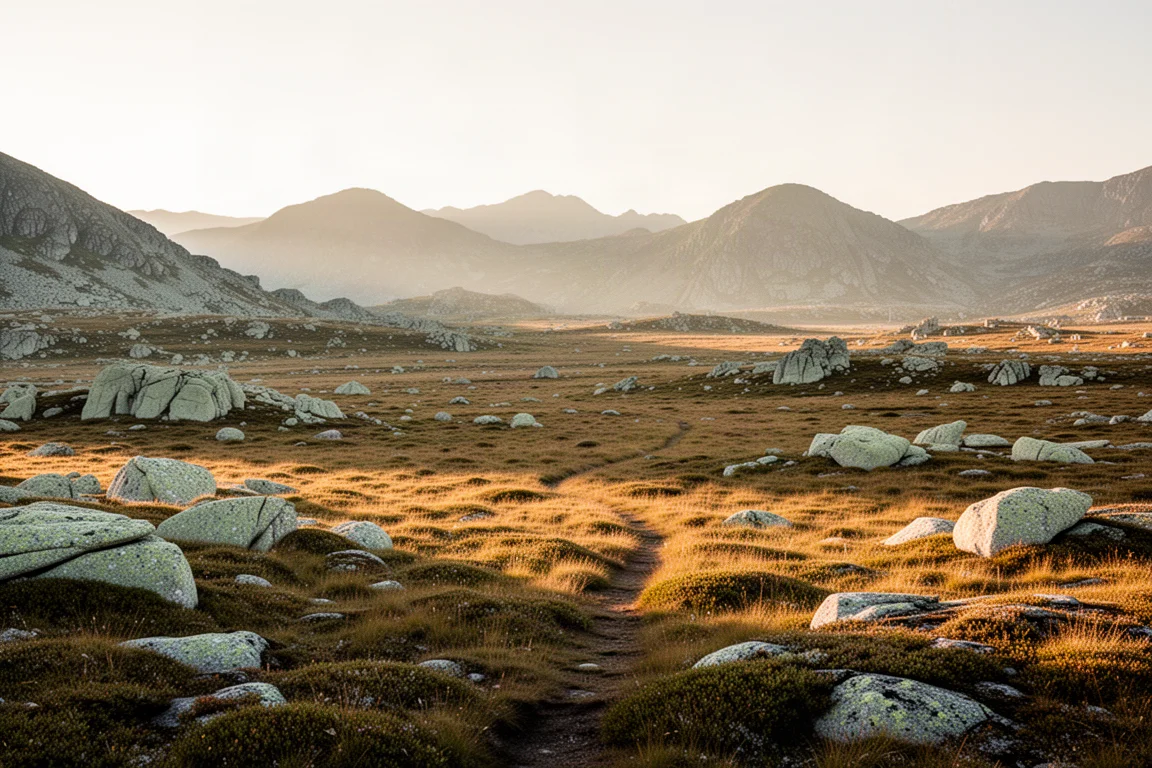
It is also a natural fit for two people who want to sleep on full-size pads without compromise. If your trips usually finish in dense forest, though, the calculation changes, and that is worth being honest about before you order.
Build Quality and Materials
Dyneema does the heavy lifting here. The material is what allows the shelter to stay light while feeling like it was built to take abuse, and the finishing matches it: precise stitching, dependable zippers, and hardware that does not feel like an afterthought.
That combination is also the reason the price sits where it does. Ultralight Dyneema shelters cost what they cost because the fabric and the labour behind them are expensive, and this one does not cut corners to reach a lower number.
Interior Space and Sleeping Comfort
Inside, the shelter fits two full-size pads measuring 25 inches wide, including pads that do not taper at the foot end. That is a meaningful detail for couples and for anyone who has spent a night wedged against a tapered floor. There is enough room for two people plus the gear they want within reach, which matters on longer trips and in colder conditions.
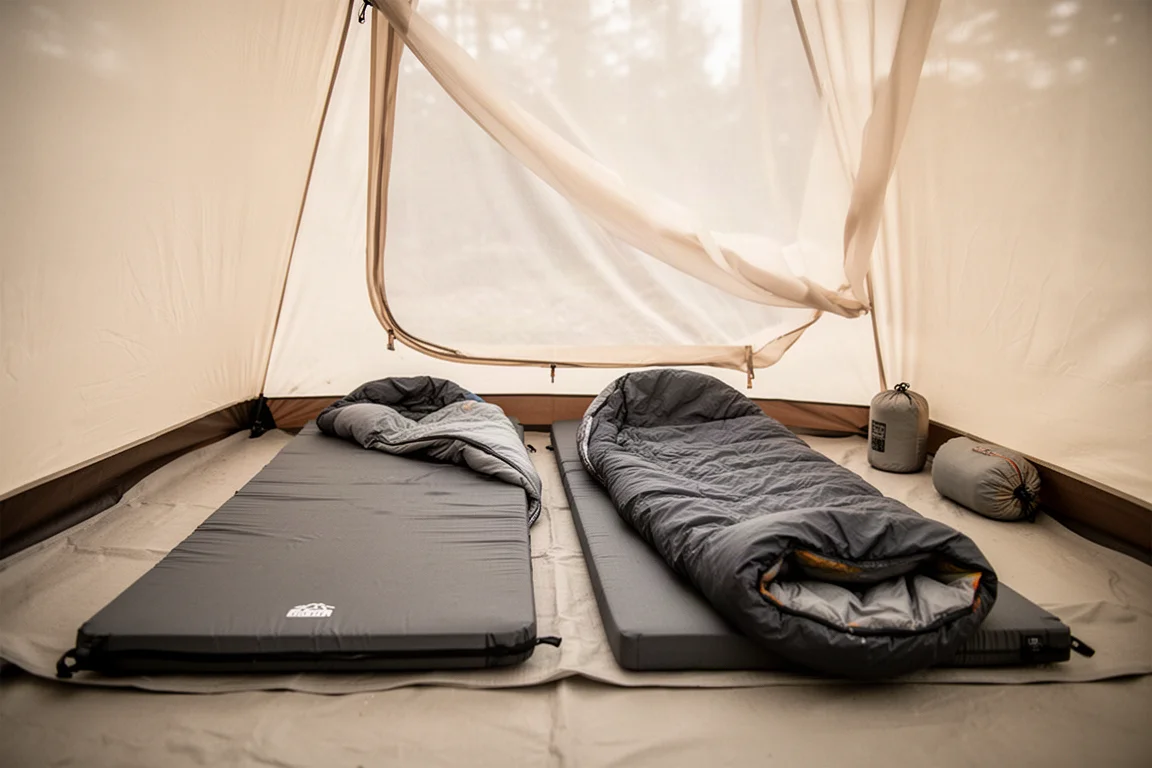
The space is the part that surprises people most. Shelters at this weight usually ask you to accept a narrow floor and a cramped night, and this one does not.
Pitching and Footprint Considerations
Pitching is straightforward and quick, which is one of the shelter’s clearest strengths. The complication is the footprint. This is a large shelter, and a large shelter needs a large site.
In dense woods with fallen trees, rock outcrops and tapering clearings, finding a patch of ground that fits can be genuinely difficult. That is not a flaw in the design. It is a mismatch between the shelter and certain terrain, and it is the single detail most likely to decide whether the purchase works out.
Things to Consider Before Buying
Two things deserve attention. The first is the price, which is high and directly tied to the Dyneema construction and the craftsmanship that comes with it. Buyers who want the low weight and the durability should expect to pay for both.
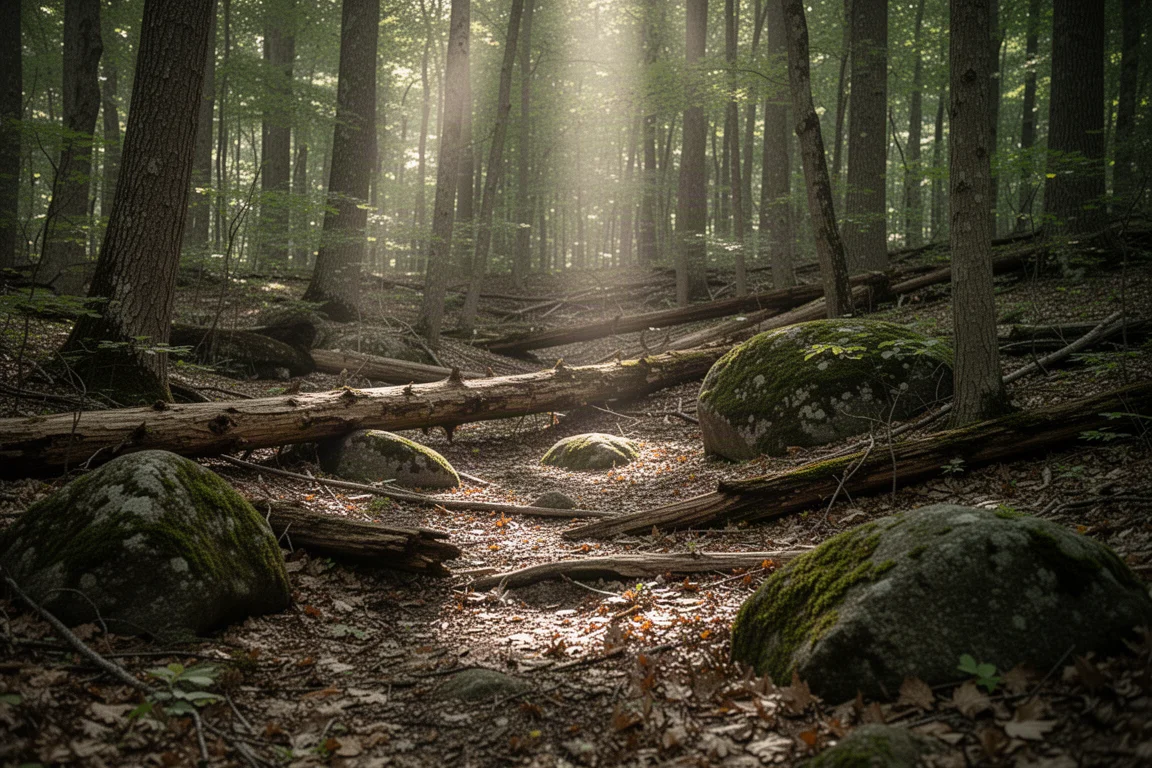
The second is site selection. Before buying, think about the last five places you actually pitched a tent. If most of them were tight, wooded, or cluttered with deadfall, a shelter with a smaller footprint will serve you better, even if it weighs more.
That is not a reason to rule this shelter out. It is a reason to be honest about the terrain you camp in most often.
Matching the Shelter to Your Terrain
Open ground is where this shelter makes sense. Alpine plateaus, exposed ridges, desert, prairie and large hunting tracts all offer the room it needs, and those are precisely the settings where its low weight pays off over long approaches.
Winter use is another good fit when you have space to pitch. A shelter this light that can hold two people and their gear makes a sensible base camp, and the construction suggests it will stand up to repeated trips.
Buying Advice
If you camp in open terrain and want a shelter that is light, durable, quick to pitch and roomy enough for two full-width pads, the Ultamid 2 checks the boxes. The materials and the construction are the reason to buy, and the footprint is the reason to pause.
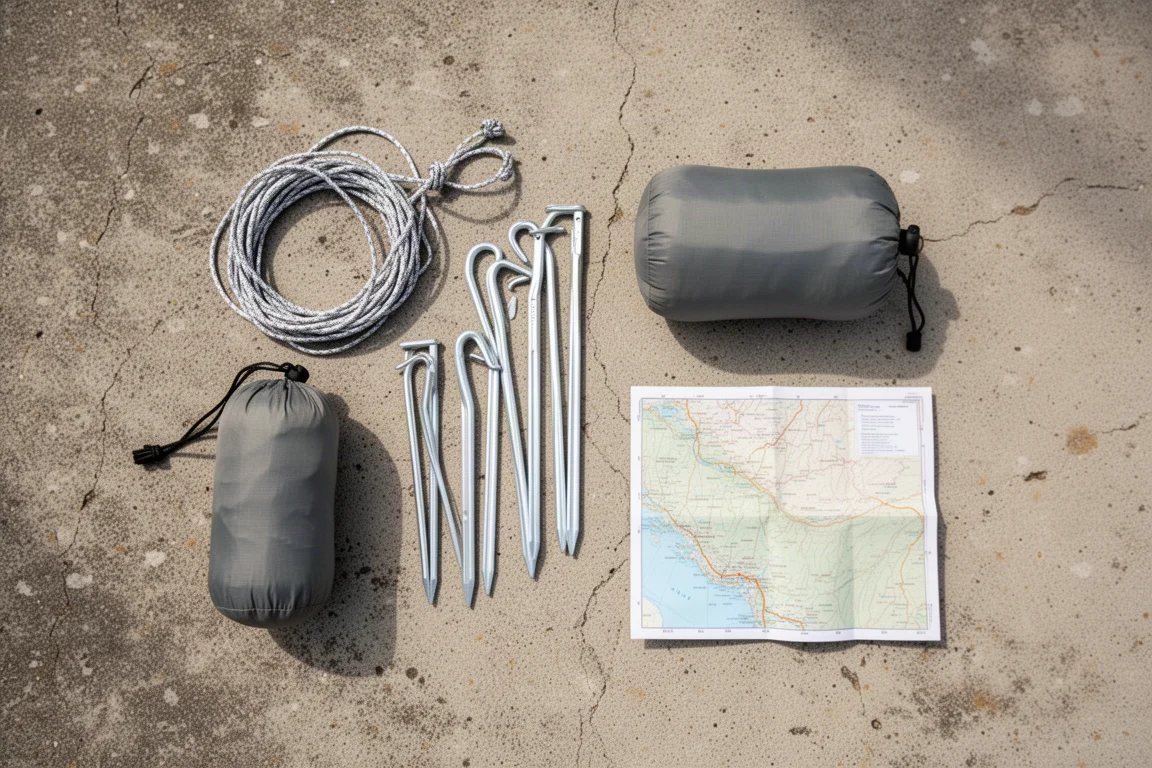
If your trips are mostly in dense woods, take the footprint seriously before you commit. Choosing a shelter that matches your terrain is the difference between a piece of gear you rely on and one you leave at home.
Conclusion
The Hyperlite Mountain Gear Ultamid 2 does almost everything a serious backpacker could ask of it: just over a pound, Dyneema fabric, careful construction, easy pitching and comfortable space for two. It simply needs room to stand. Match it to open country and it is an excellent shelter. Match it to tight forest sites and you will be fighting it on every trip.
Product link
View more details for Hyperlite Mountain Gear Ultamid 2
This product is mentioned in the review. Check the specifications, options, and compatibility before buying.
View more details for Hyperlite Mountain Gear Ultamid 2Further reading
Related Reviews

Backpacking Gear
Building a 10 lb Base Weight: An Ultralight Backpacking Gear List
A practical walkthrough of the ultralight pieces behind a 10 lb base weight, from a 765 g pack and a roomy one-person tent to a full camp chair and a dependable water filter.

Backpacking Gear
A 15-Pound Lightweight Backpacking Gear List for Solo Trips
A beginner-friendly 15-pound backpacking setup built from easy-to-find gear, with notes on what each piece does, how it packs, and where to spend your attention.

Backpacking Gear
8 Ultralight Backpacking Gear Upgrades Worth Carrying
Eight small, affordable backpacking upgrades that solve real trail annoyances, from a pillow that stays put to a fuel valve that rescues leftover canister gas.