Backpacking Gear
Hyperlite Mountain Gear Southwest 3400 Review: A Minimalist 55L Backpack
A close look at the Hyperlite Mountain Gear Southwest 3400, a roughly two pound, 55 liter pack built around simple roll top packing and very few extras.
Introduction
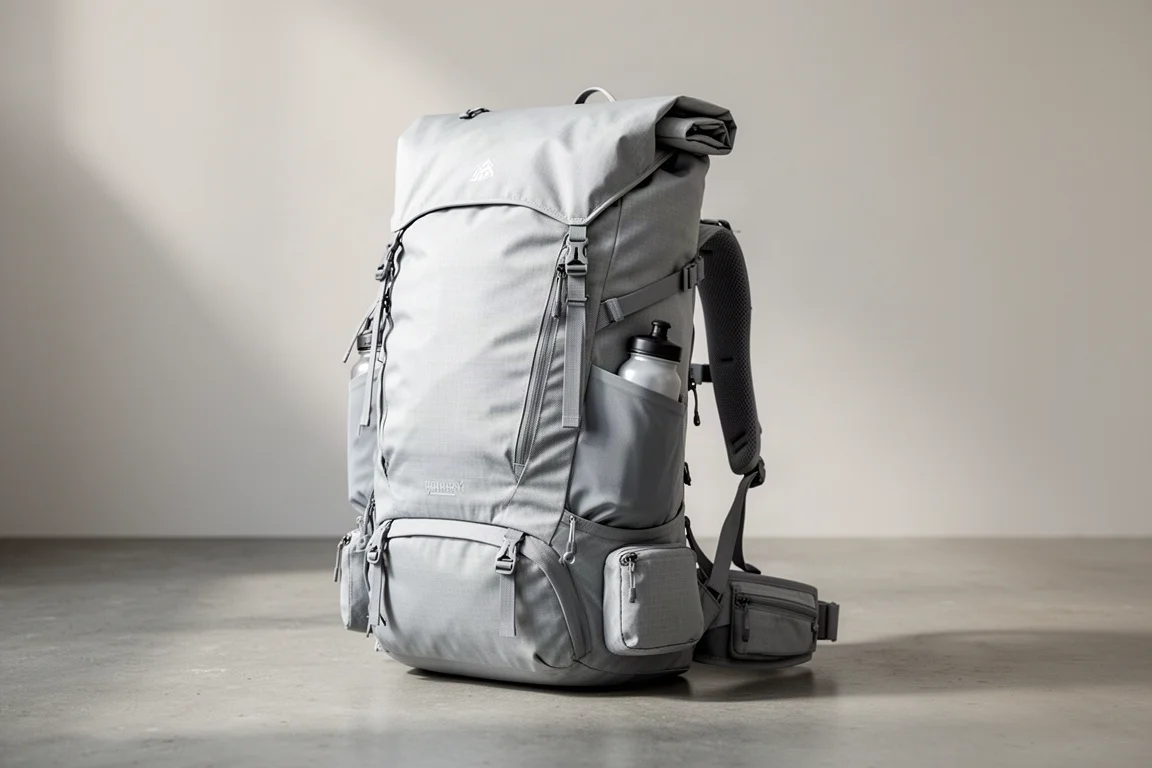
A backpack is the last big purchase in a sensible gear sequence, not the first. Shelter comes first because it shapes the sleep system, and shelter plus sleep system is the bulkiest part of a load. Once those two decisions are settled, the volume you actually need becomes clear and the pack choice gets much easier. The Hyperlite Mountain Gear Southwest 3400 is a 55 liter pack that suits exactly that order of operations: a lightweight, deliberately simple option for backpackers who already know how much space their gear takes up.
Who This Backpack Is For
Fit comes before features. Torso length is measured from the bony bump at the base of the neck down to the midpoint between the hip bones, and it is worth having someone help with the tape measure. Torso length, not overall height, determines whether a pack is small, medium, or large, so a tall person can have a short torso and the reverse is just as common. Hip belt size is measured separately, and many brands let you swap hip belts independently of torso length, which matters because the two measurements rarely scale together.
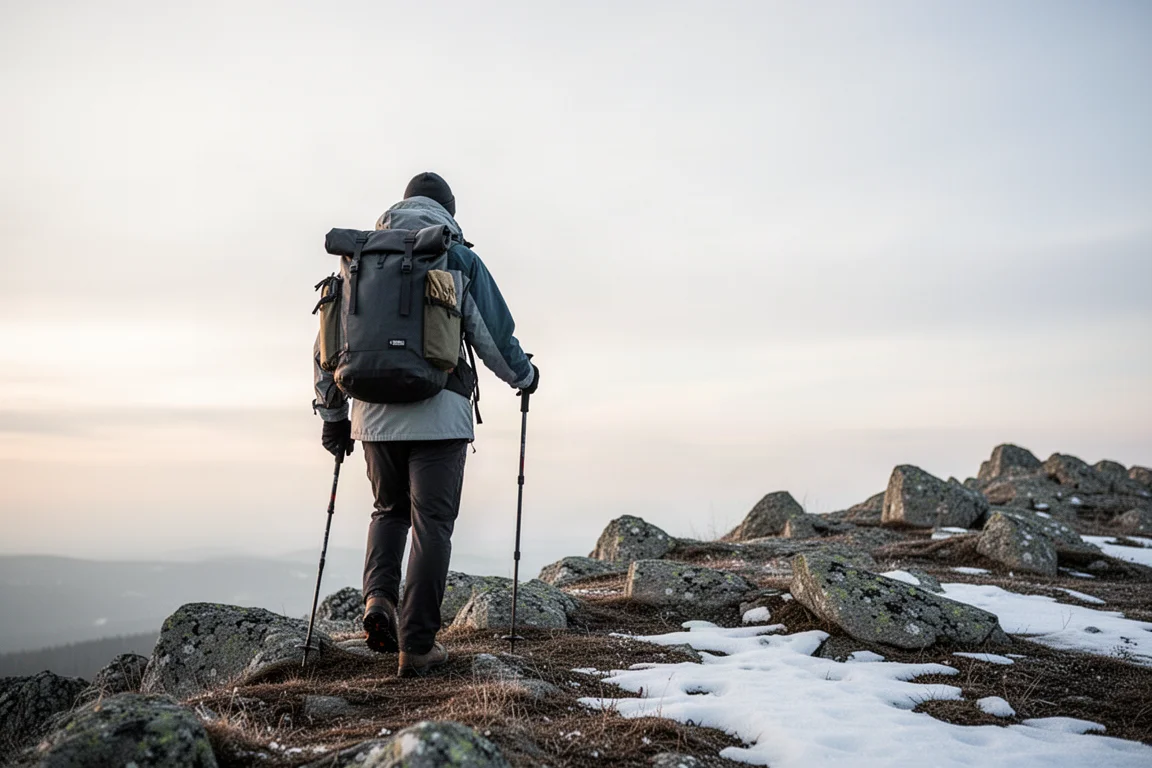
Trip type matters too. A weekend outing, a five to seven day trip, an expedition, or a trip that mixes backpacking with fishing or hunting all change how much volume and load capacity make sense. For general backpacking, shelter and sleep system usually settle the size question. Longer trips add food, fuel, and water, and desert routes can mean carrying four to six extra liters of water when reliable sources are uncertain. The Southwest 3400’s 55 liters gives room for that kind of load, and it works well as a winter pack that can carry the bulkier gear cold weather requires.
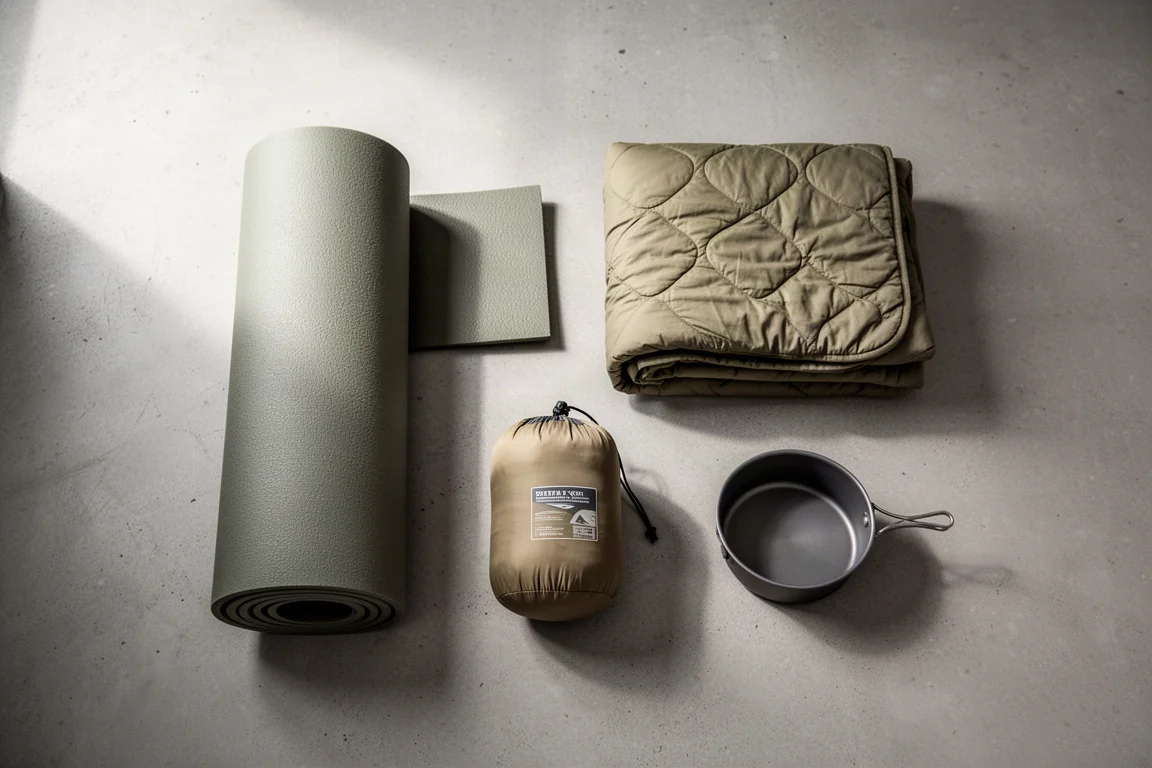
A pack of this size also suits backpackers who want one bag to cover several seasons rather than a quiver of packs.
Main Strengths
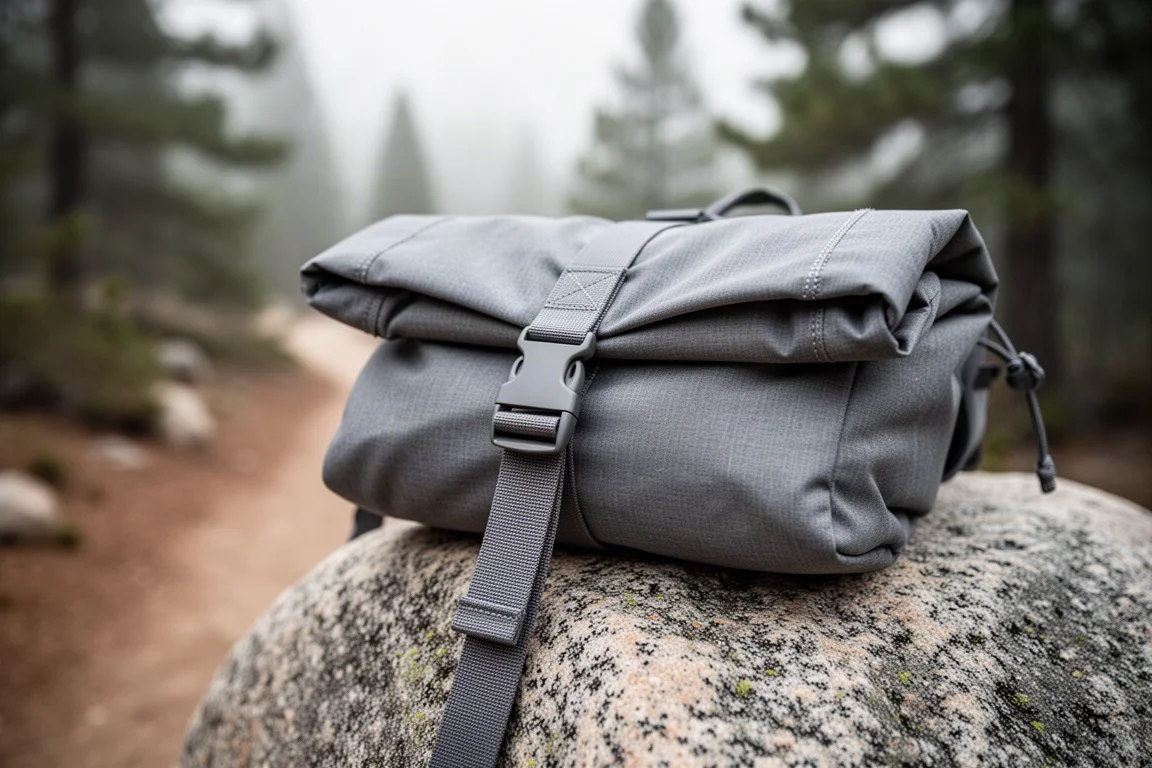
The defining strength of the Southwest 3400 is what it leaves out. There is no crowd of straps, pockets, and zippers. The exterior carries a rear pouch, a couple of water bottle holders, and hip belt pouches, and that is roughly the whole feature list. The main compartment is a single large volume that rolls closed and snaps shut, closer to a duffel than a traditional panel loading pack.
That simplicity keeps weight low. This pack comes in at around two pounds, which is remarkable for a 55 liter bag with a load bearing hip belt. The roll top closure also lets the top be rolled down as contents are consumed, which helps a partially empty pack stay stable late in a trip.
For cold weather use, the combination of useful capacity and low weight is the point: the pack carries a full winter load without adding much of its own mass to the total.
Design and Packing Simplicity
A single large compartment asks the user to pack with intention. Gear needed through the day, such as food, a layer, or navigation items, goes near the top. Gear reserved for camp, such as a sleeping pad and sleeping bag, goes at the bottom. Once that order becomes habit, the lack of internal dividers stops feeling like a limitation.
The rear pouch and hip belt pouches handle the items that need to stay reachable without opening the main bag, and the water bottle holders keep hydration accessible on the move. Everything else lives in the main compartment, which is why the pack rewards a consistent packing routine rather than punishing it.
Things to Consider Before Buying
Organization is the main trade-off. Highly organized packs add a detachable top lid, zippered and mesh pockets, internal sleeves, and a water bladder compartment with a routing port. Those features are genuinely useful for anyone who wants a fixed place for every item. The cost is weight: a small highly organized pack can weigh around three and a half pounds, and full size versions with a long feature list can run four to eight pounds depending on how much is built in.
There is also a learning curve. A minimalist pack will not hide a disorganized load, and it will not compensate for gear packed in the wrong order. If sorting and repacking through the day sounds like a chore rather than a system, a more structured pack is the better answer.
Capacity, Weight, and Load Carrying
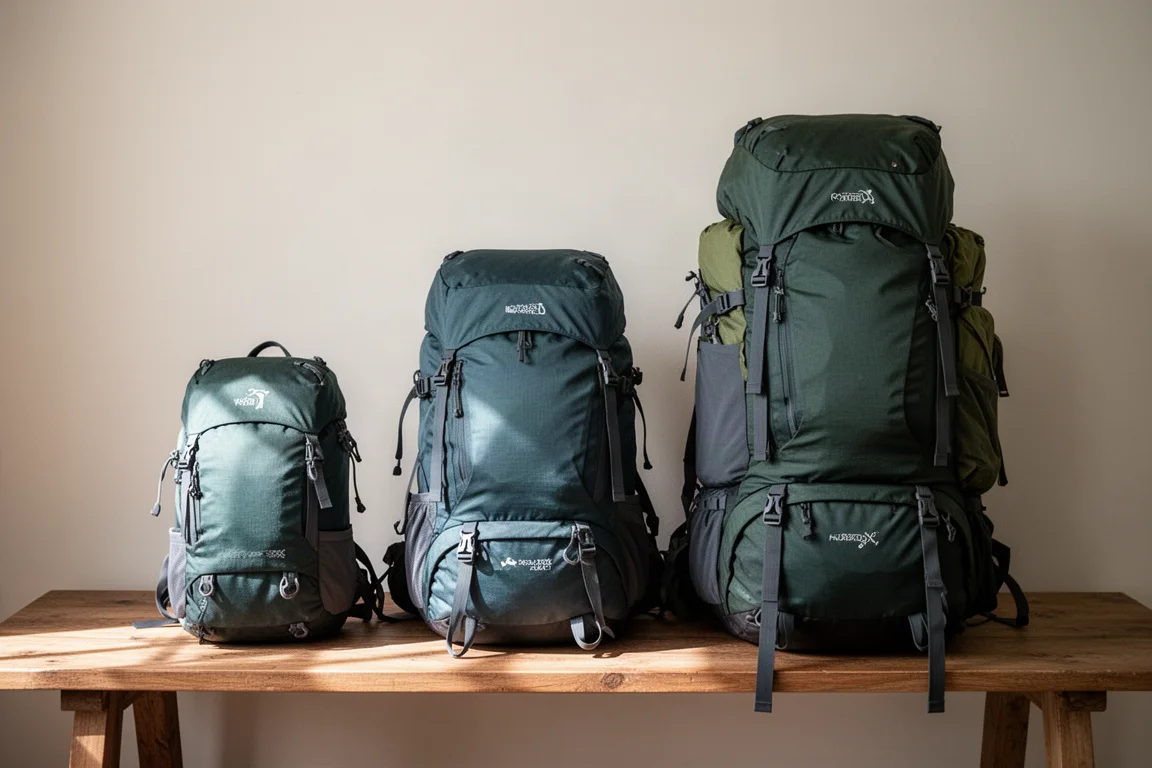
Volume numbers are easier to judge against something familiar. Everyday school style backpacks usually fall between 20 and 35 liters, while backpacking packs start around 40 liters and extend past 100 liters for specialized trips. Handling a few packs in person at a gear shop is the fastest way to build an intuition for what 40, 55, or 70 liters actually looks like when it is sitting on a shelf.
Load capacity deserves as much attention as volume. Newer backpackers often start with budget gear, which tends to be heavier, so a pack that carries more weight comfortably is a safer first choice than an ultralight model designed around a very light load. Frame design is part of this. Framed packs transfer weight from the shoulders to the hips, while frameless packs depend on precise, minimal loads and disciplined packing. For anyone still assembling a kit, a framed pack is the more forgiving option.
What to Weigh Before You Buy
Cost is a real consideration, but it is worth separating cheap from inexpensive. Packs sold for under 50 dollars are frequently advertised as large and highly organized, and they tend to disappoint in use: uncomfortable under load, quick to wear, and prone to failing mid-trip. A first backpacking trip that goes badly because of a pack is expensive in a different way, since it can put someone off the activity entirely. Spending a bit more on a pack that fits properly and carries weight well is usually the better trade.
The other question to settle is whether the pack matches the trips actually planned. Someone who mostly takes weekend trips may not need 55 liters, while a winter backpacker or a long distance hiker will appreciate the extra room. Matching capacity to real use is more valuable than buying the largest pack available.
Buying Advice
Measure torso and hip belt before anything else, and treat those numbers as the starting point for every pack considered. Then decide between organization and simplicity. The Hyperlite Mountain Gear Southwest 3400 sits firmly on the simple, light end of that spectrum, with a roughly two pound build, a 55 liter single compartment, and only the exterior features that earn their place. It suits backpackers who have their shelter and sleep system settled, who pack in a consistent order, and who would rather carry less weight than more pockets. Anyone who wants a compartment for every category of gear will be happier with a structured pack, even at the cost of a few extra pounds.
Buying in the right sequence helps here too. Shelter and sleep system first, pack last, so the capacity decision is based on real gear rather than guesswork.
Conclusion
The Southwest 3400 is a focused pack: 55 liters, around two pounds, and a design that trusts the user to organize a single large compartment. For backpackers who know their load and value low weight, it is a strong match. For those who want built-in organization, or who are still testing whether backpacking is for them, a framed pack with more structure and a friendlier price is likely the smarter first step.
Product link
View more details for Hyperlite Mountain Gear Southwest 3400
This product is mentioned in the review. Check the specifications, options, and compatibility before buying.
View more details for Hyperlite Mountain Gear Southwest 3400Further reading
Related Reviews

Backpacking Gear
Building a 10 lb Base Weight: An Ultralight Backpacking Gear List
A practical walkthrough of the ultralight pieces behind a 10 lb base weight, from a 765 g pack and a roomy one-person tent to a full camp chair and a dependable water filter.

Backpacking Gear
A 15-Pound Lightweight Backpacking Gear List for Solo Trips
A beginner-friendly 15-pound backpacking setup built from easy-to-find gear, with notes on what each piece does, how it packs, and where to spend your attention.

Backpacking Gear
8 Ultralight Backpacking Gear Upgrades Worth Carrying
Eight small, affordable backpacking upgrades that solve real trail annoyances, from a pillow that stays put to a fuel valve that rescues leftover canister gas.