Backpacking Gear
Hyped Backpacking Gear to Avoid in 2026 and Better Alternatives
Four heavily promoted pieces of backpacking gear that fall short in real conditions, plus practical alternatives for pumps, sleeping pads, satellite communicators, and solo tents.
Introduction
Some backpacking gear earns its reputation on the trail. Some earns a lot of attention first and only later reveals where it falls short. The four products below are among the most discussed items in lightweight backpacking, and each one has a specific weakness that shows up in real conditions. Alongside each, there is a practical alternative that does the same job with fewer compromises.
None of this is about dismissing clever design. It is about knowing what you are buying before you depend on it miles from the trailhead.
How These Picks Were Evaluated
The products here were judged on the things that matter on an actual trip: whether they deliver the performance they promise, how they behave when conditions are less than ideal, how much weight and complexity they add to a pack, and how dependable they are over time. Weight figures were read carefully, because a headline number does not always describe what ends up in your pack.
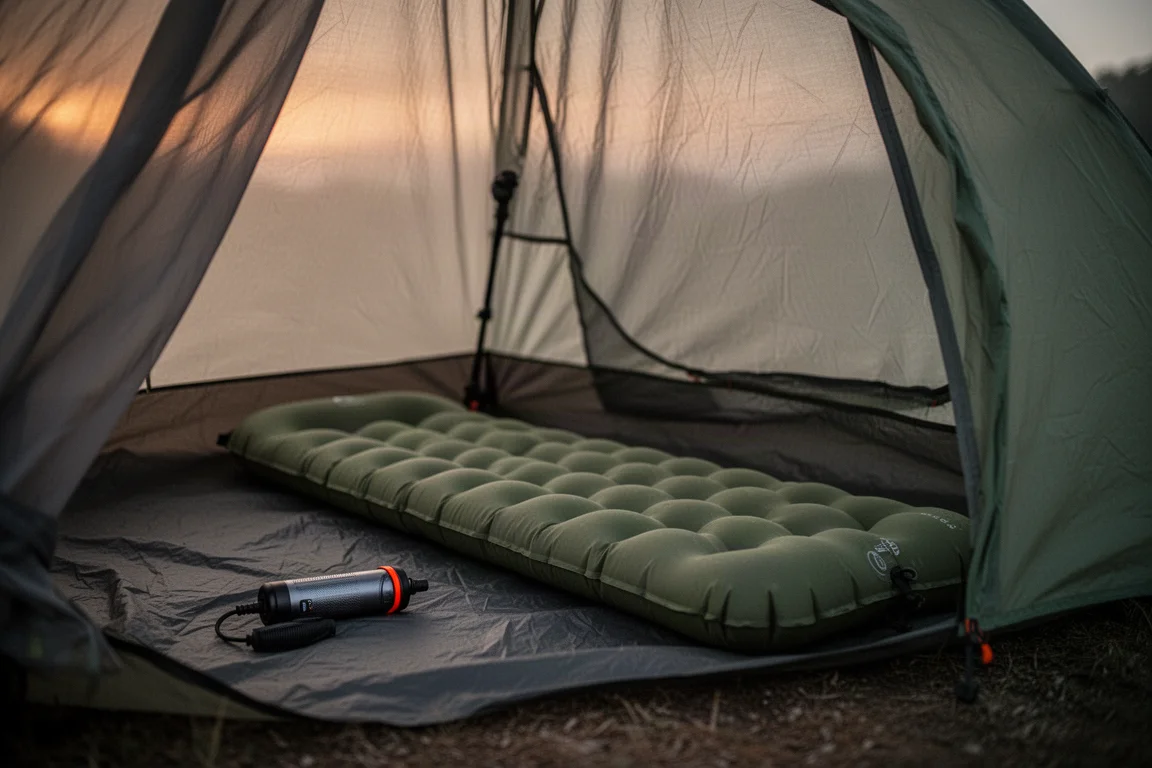
Value matters too. A light item is only worth carrying if it does its job without workarounds, extra breaths, or a backup plan. Where a product falls short, the alternatives below focus on the same task with fewer compromises.
Inflatable Pumps: Why Pressure Matters More Than Weight
Flextail Zero Pump
The Flextail Zero Pump has a lot going for it. It is compact, rechargeable, and easy to use, and it weighs very little. The catch is pressure: it tops out at 0.37 PSI, while most sleeping pads need about 0.5 PSI to be fully inflated. That difference is not academic. Using the pump alone leaves the pad noticeably soft, which means hips reaching the ground, less comfort, and less warmth, since a pad has to be fully inflated to make the most of its R value.
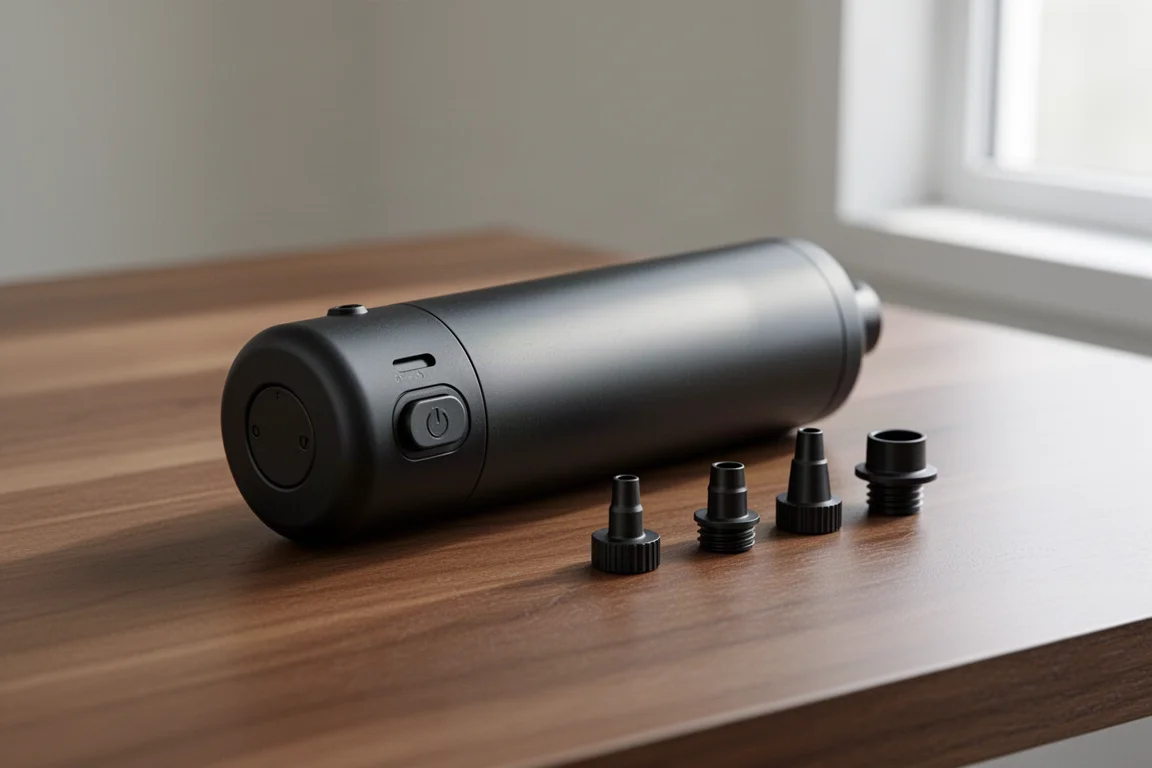
Charging adds a second problem. The battery has to be removed from the pump to recharge it, which turns the setup into three separate pieces that are all easy to lose. To be fair, the battery includes a USB-C port, so a USB-C cable plugs straight into it without a separate charger, and spare batteries can cover longer trips. It is also worth noting that the advertised weight refers to the pump without the battery, which is not how it gets carried.
Flextail Tiny Pump X2
The Tiny Pump X2 weighs roughly twice as much as the Zero Pump, which is still very little. In return you get a built-in light that can be hung inside a tent for extra illumination without reaching for a headlamp, and you get 0.58 PSI. That clears the 0.5 PSI threshold and fully inflates most sleeping pads.
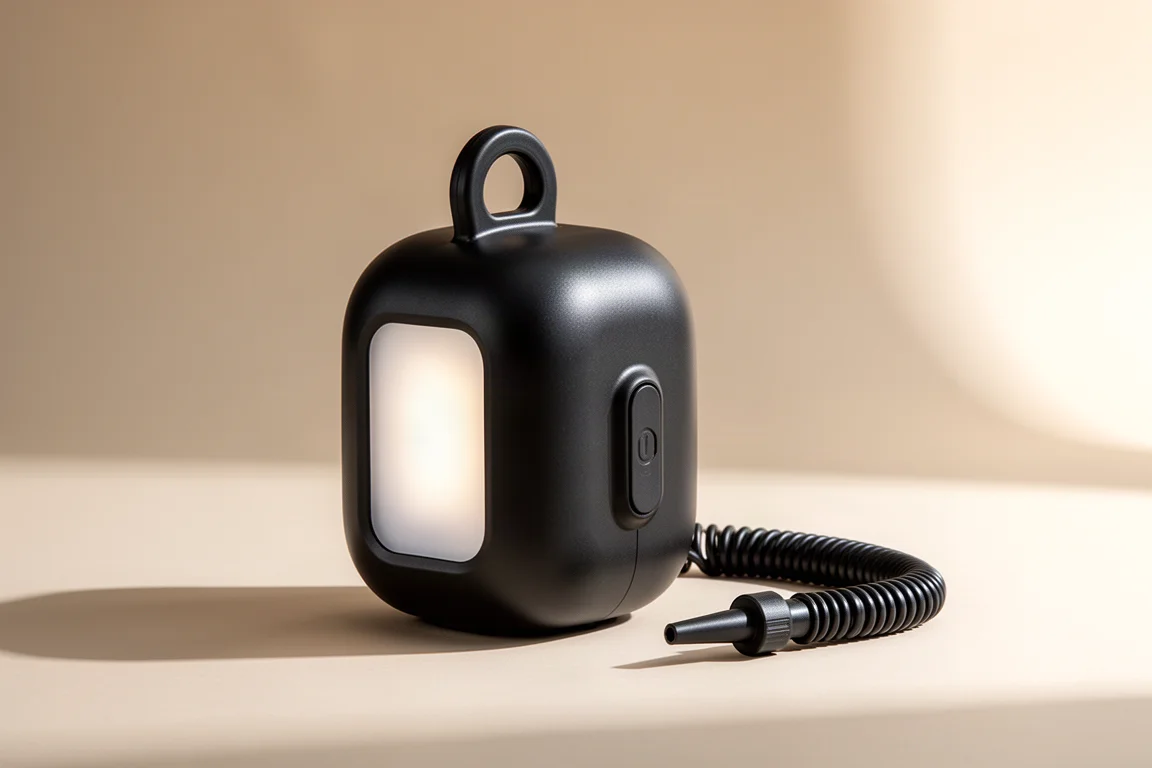
There is a third option that costs nothing: the inflation sack that ships with many sleeping pads. Four breaths into the sack is often enough to fill a pad completely, it is quick, and it avoids the high-pitched whine of a pump. For weight-focused trips, lungs or a sack make sense. For trips where a little extra weight is acceptable, the Tiny Pump X2 covers full inflation and lighting in one item.
Sleeping Pads: When New Insulation Disappoints
Big Agnes Rapide SL
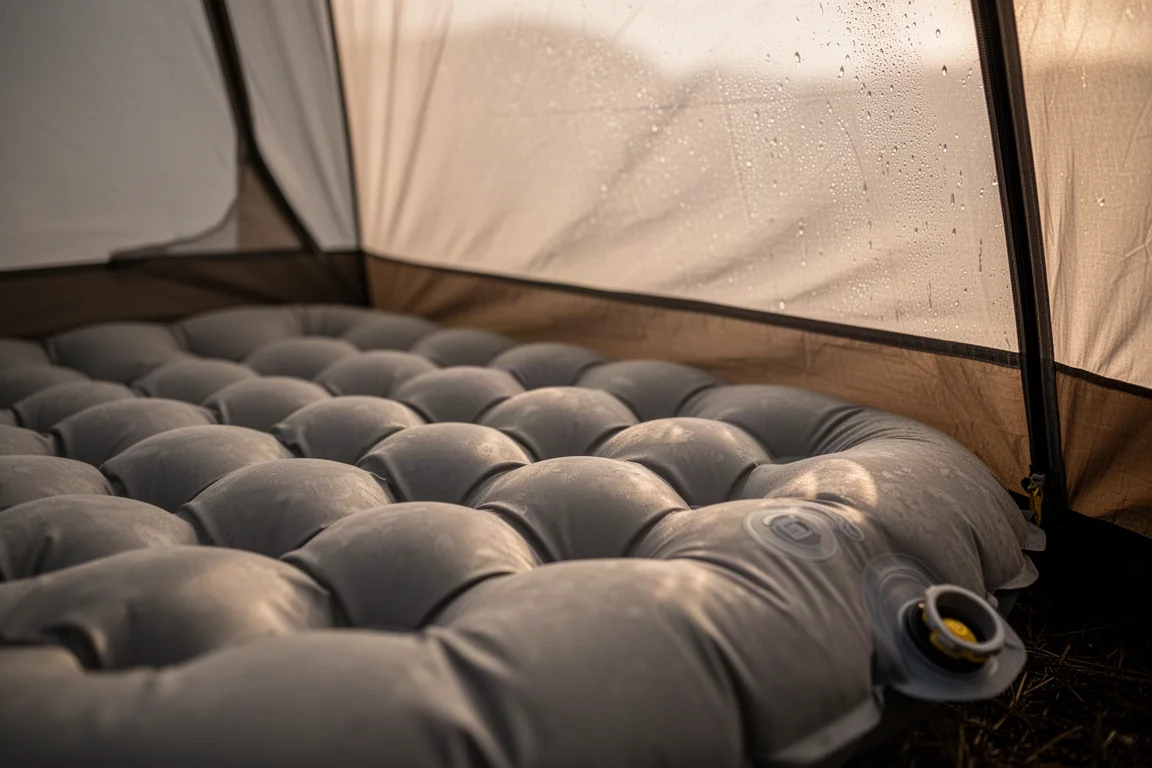
The current version of the Big Agnes Rapide SL arrived with a promise of lower weight and a higher R value, thanks to a new insulation approach. In practice, that insulation is the weak point. The pad moved from a synthetic fill to a reflective layer, and it is not implemented as effectively as similar designs used elsewhere. There are gaps in the insulation where the top of the pad connects to the bottom, and those gaps create channels where cold air can move around and pull warmth away. The reflective layer is also not suspended inside the pad, so it settles at the base, which reduces its effectiveness and leaves the sides and top of the pad more exposed to cold air.
Across conditions below freezing, around freezing, and above freezing on a range of ground temperatures, the pad sleeps cold unless you are well above freezing on warm ground. That is hard to accept in a pad that is otherwise comfortable for its weight. Comfort does not compensate for losing warmth on a cold night.
Exped 5R
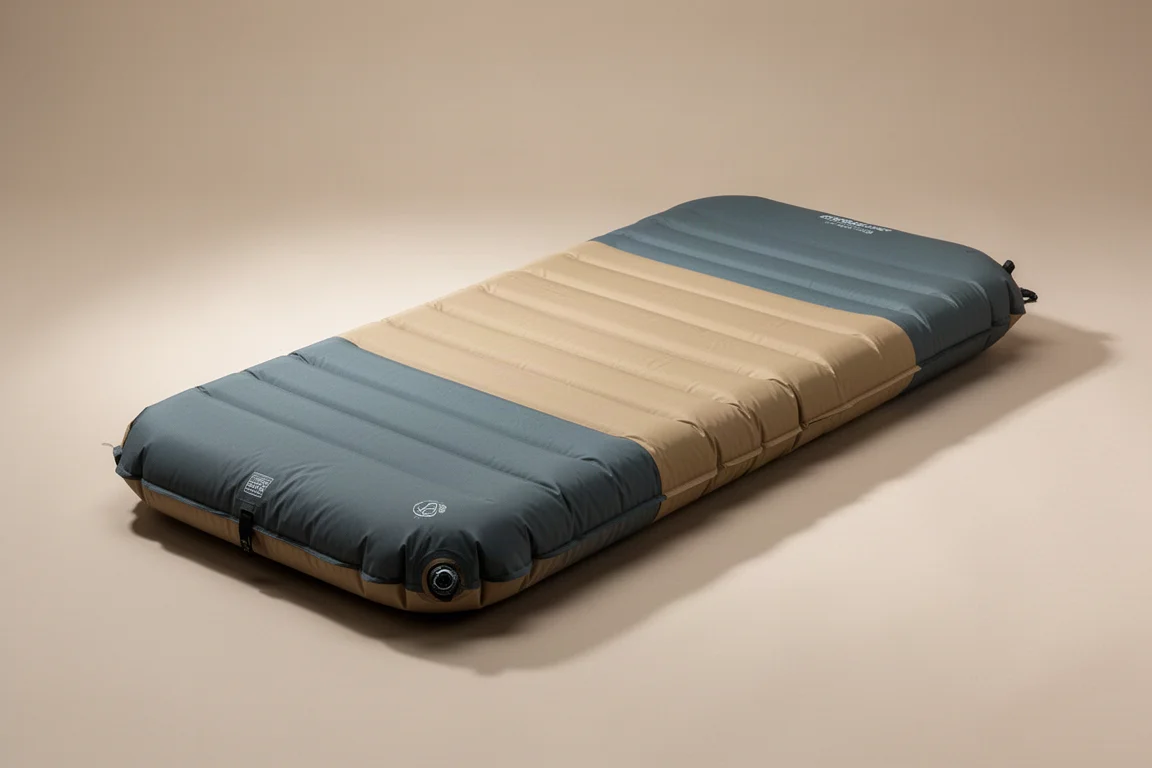
If you want a lightweight pad that still feels comfortable, the Exped 5R is the straightforward alternative. It sleeps warm below freezing, it is comfortable, and although it is bulky, it remains fairly light for the warmth it provides.
Satellite Communicators: Reliability Before Features
Defi Satellite Communicator
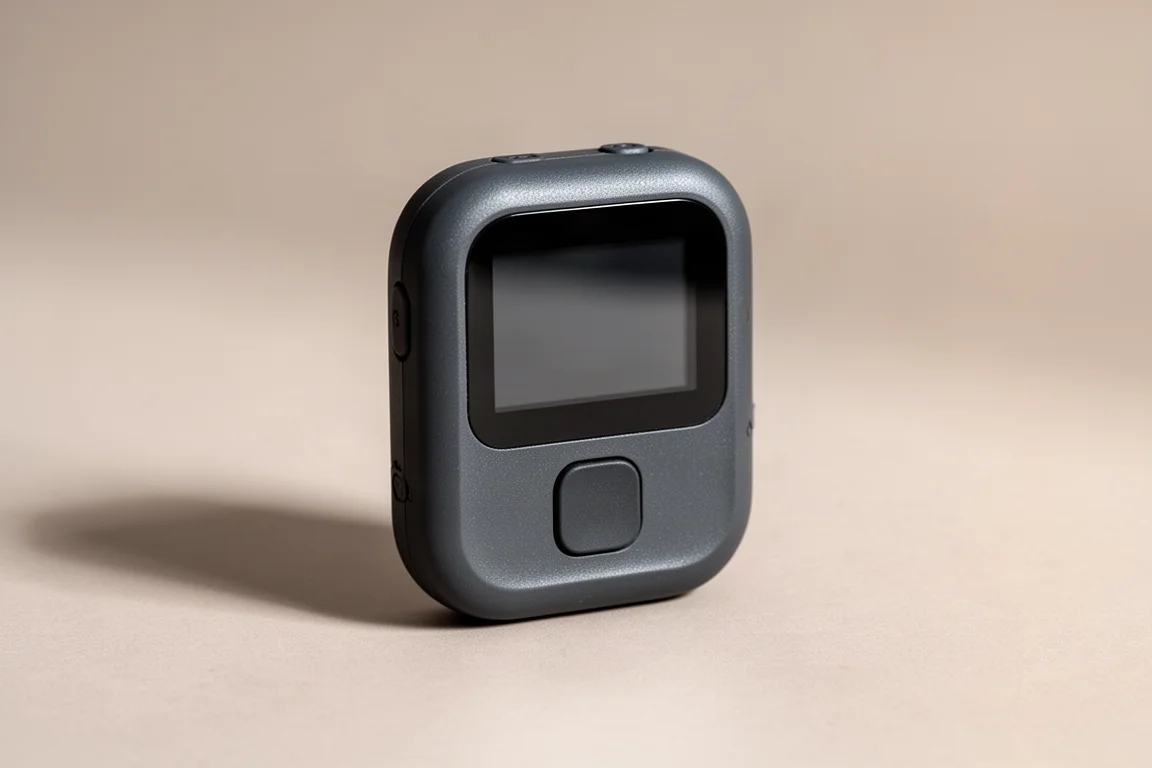
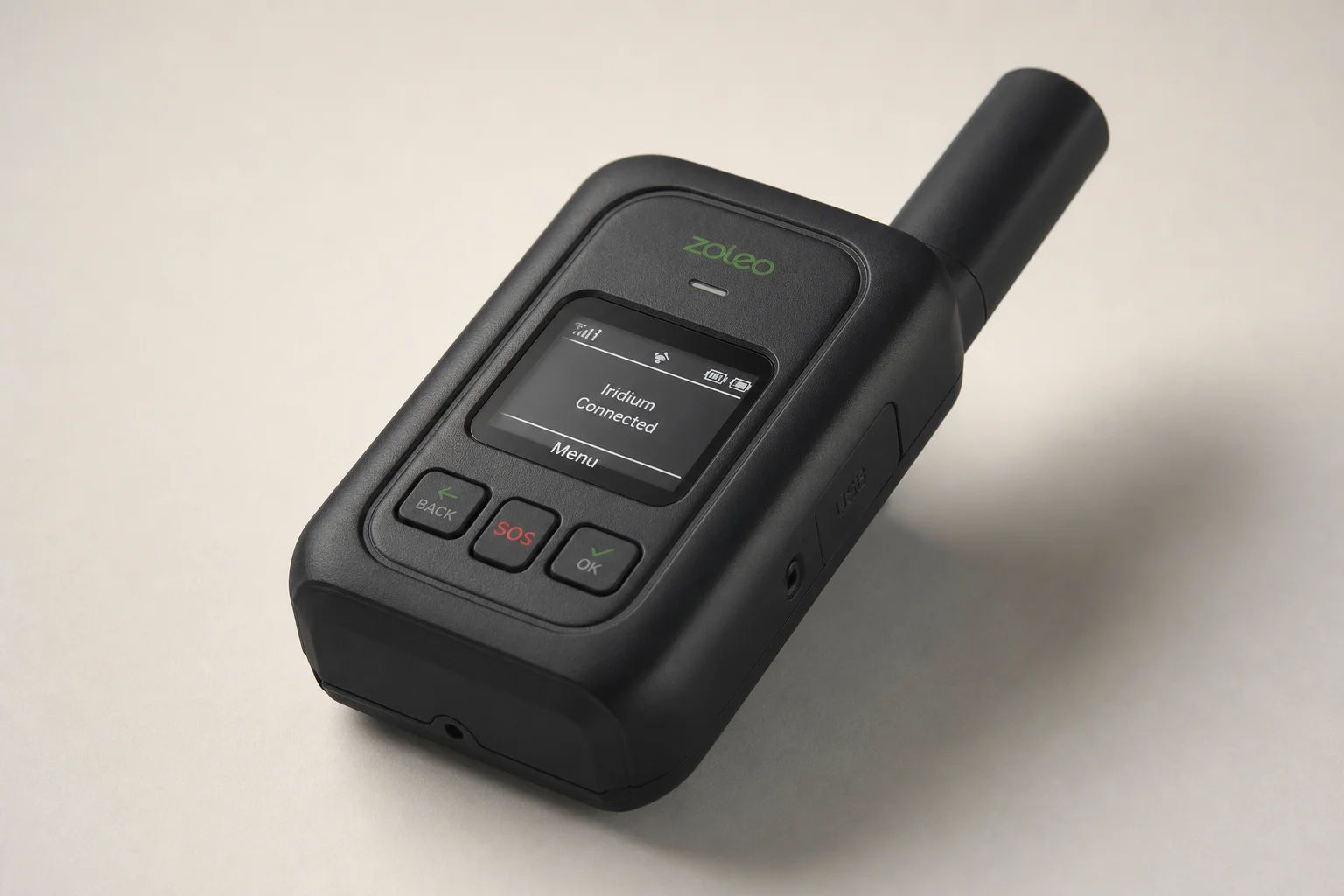
The Defi Satellite Communicator is compact, light, and paired with genuinely affordable plans, and those are real strengths. The problem is not the hardware. The company that originally produced the device went out of business. The providers handling SOS and satellite messaging are still delivering those services, but how long they will continue is unclear. In the backcountry, a device you cannot count on is not a device worth carrying.
Garmin inReach Messenger
That uncertainty is why Garmin inReach devices remain the safer choice. The inReach Messenger stands out for its simplicity and for battery life that is close to double what the inReach Mini 2 delivers, without giving up the functionality that actually gets used on a trip.
Solo Tents: When Extra Features Become Extra Faff
For solo trips, a simple shelter is hard to beat: fewer parts, fewer decisions, and less to think about when you are tired and the light is fading. Two recent designs take a different approach, adding doors and vestibules that are presented as features but often read as extra complexity.
Zpacks Offset Solo
The Zpacks Offset Solo is light at 500 g, and it comes from a design family with real strengths: the larger Offset Trio is an excellent tent for couples who want a lot of space at very little weight. The solo version asks more of you, with two trekking poles and additional setup steps, and it carries two doors and two vestibules, which is more tent than a solo hiker needs.
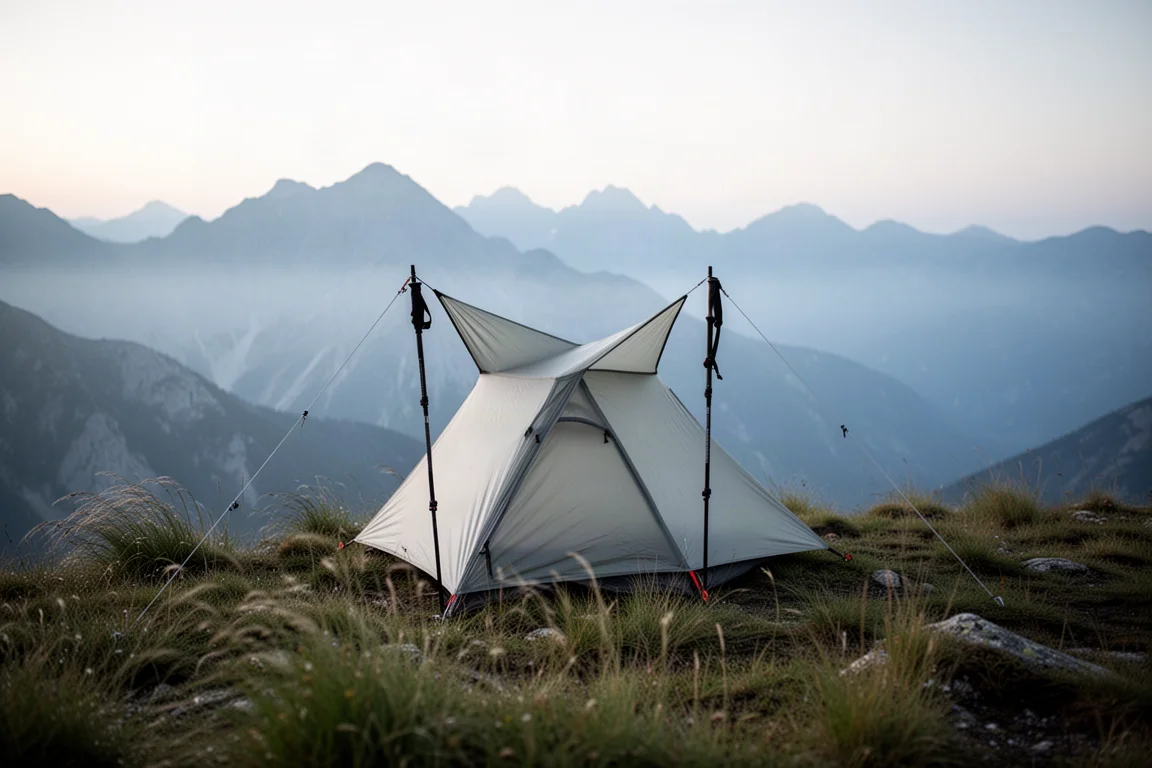
None of that makes it a bad shelter, and it is good to see a brand experimenting with new layouts. It simply adds faff to a category where simplicity is the point.
Durston Gear X-Mid 1
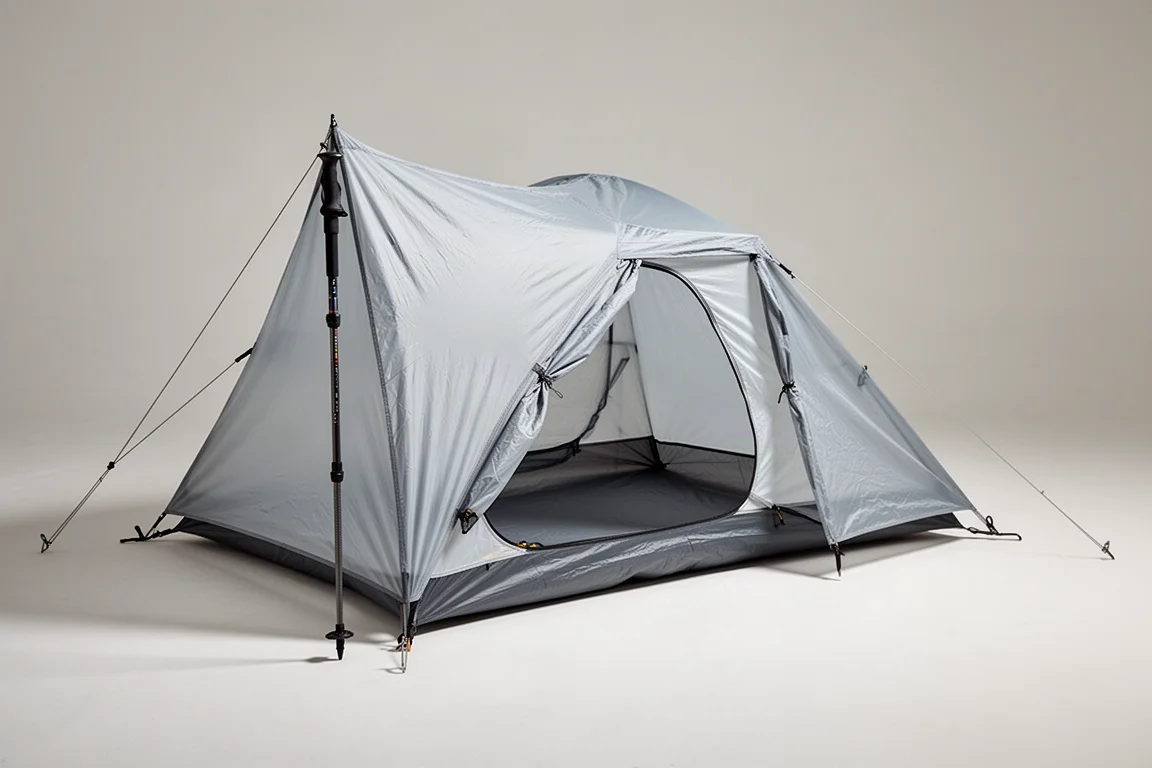
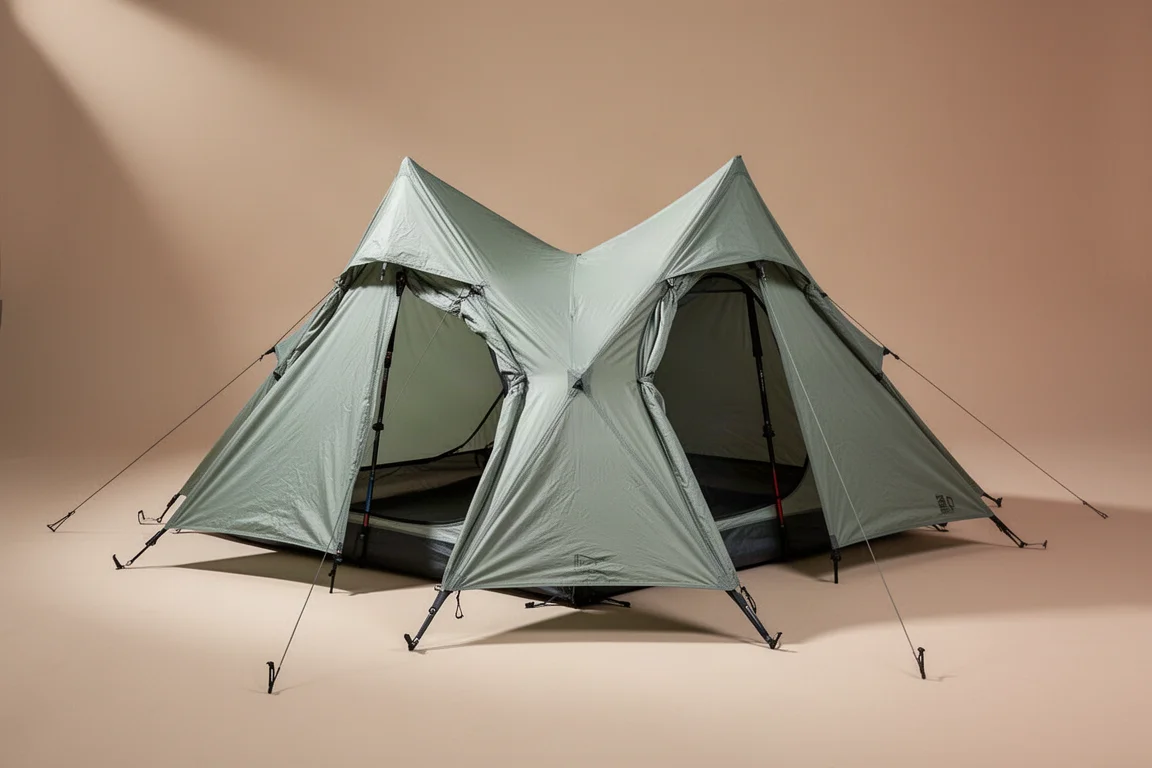
The Durston Gear X-Mid 1 and the X-Mid 1 Pro follow a similar pattern, with two doors and two vestibules. Both are often presented as features, but for one person they mean extra setup steps, extra weight, and a little more complexity in camp.
Simpler Solo Shelters Worth Choosing Instead
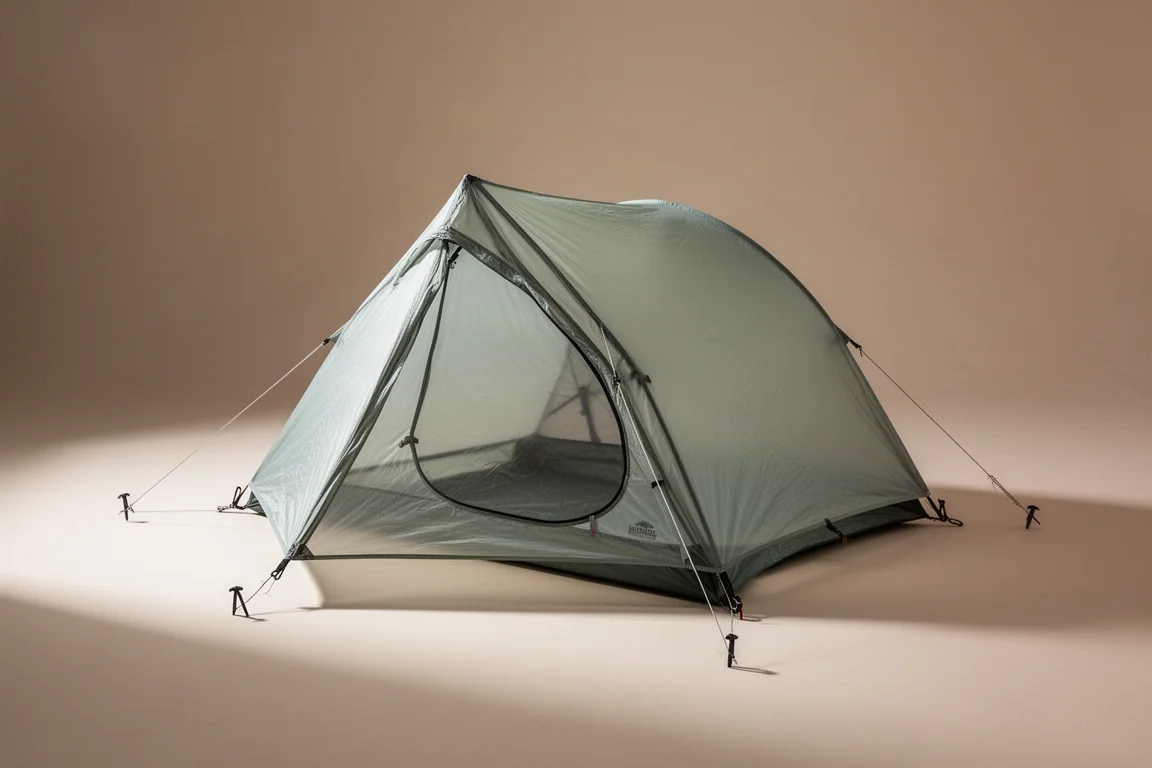
Zpacks Plex Solo
For a simpler solo shelter, the Zpacks Plex Solo is the better fit: minimal, light, and free of the extra doors and vestibules that add work in camp.
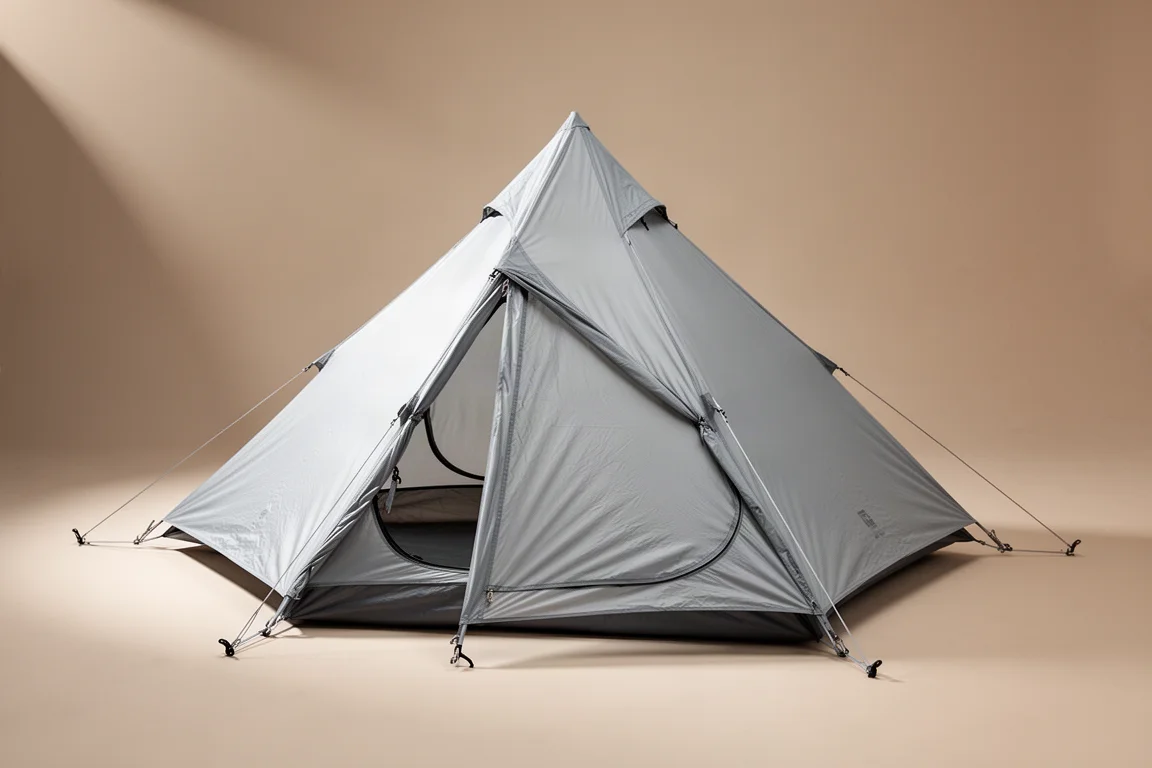
Six Moon Designs Lunar Solo
If the Plex Solo sits outside your budget, the Six Moon Designs Lunar Solo offers a less expensive route to the same lightweight solo idea.
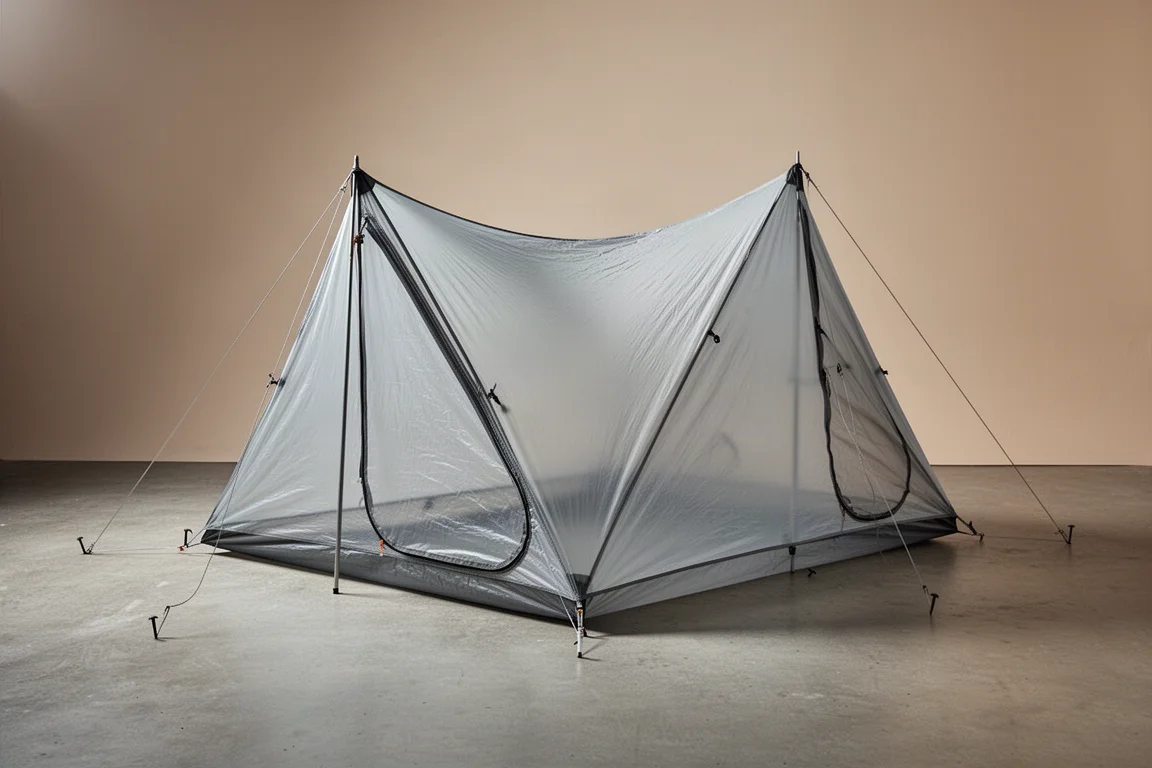
Durston Gear X-Mid Pro 2
Solo hikers who want more room should look at the Durston Gear X-Mid Pro 2. It is still a light tent, and while it uses two trekking poles and carries the extra vestibule and door, you gain a lot more interior space. Relative to the Offset series, it stays a fairly simple tent to pitch.
Buying Advice
Match the gear to the trip rather than to the attention it receives. For pumps, decide whether you are optimizing for weight or for full inflation: an inflation sack or your own lungs handle the weight-first case, and the Tiny Pump X2 handles the case where you want a fully inflated pad and a light in one item. For sleeping pads, prioritize warmth you can rely on below freezing and treat comfort as a secondary benefit. For satellite communication, choose a device whose service you expect to be around for years. For shelters, ask how many doors and vestibules you will genuinely use on a solo trip, and for most people the answer is fewer than the marketing suggests.
None of these decisions has to be expensive or complicated. A small number of well-understood items, each doing its job without a workaround, will serve you better than a pack full of features you never asked for.
Conclusion
The gear above is popular for understandable reasons: it is light, it is clever, and it looks tidy in a gear list. What matters more is whether it works when you are cold, tired, and far from the trailhead. The Flextail Zero Pump, the current Big Agnes Rapide SL, the Defi Satellite Communicator, and the more complex solo tents all have alternatives that keep weight low while removing the compromise. Choose the version of each item that does its job without asking you to compensate for it.
Further reading
Related Reviews

Backpacking Gear
Building a 10 lb Base Weight: An Ultralight Backpacking Gear List
A practical walkthrough of the ultralight pieces behind a 10 lb base weight, from a 765 g pack and a roomy one-person tent to a full camp chair and a dependable water filter.
Backpacking Gear
A 15-Pound Lightweight Backpacking Gear List for Solo Trips
A beginner-friendly 15-pound backpacking setup built from easy-to-find gear, with notes on what each piece does, how it packs, and where to spend your attention.
Backpacking Gear
8 Ultralight Backpacking Gear Upgrades Worth Carrying
Eight small, affordable backpacking upgrades that solve real trail annoyances, from a pillow that stays put to a fuel valve that rescues leftover canister gas.