Ski Touring Bindings
Hybrid Ski Touring Bindings Compared: ATK HY vs the Salomon and Atomic Shift
A new full-metal challenger from ATK takes on the established Shift platform, with big weight savings, DIN options, and durability updates to weigh up.
Introduction
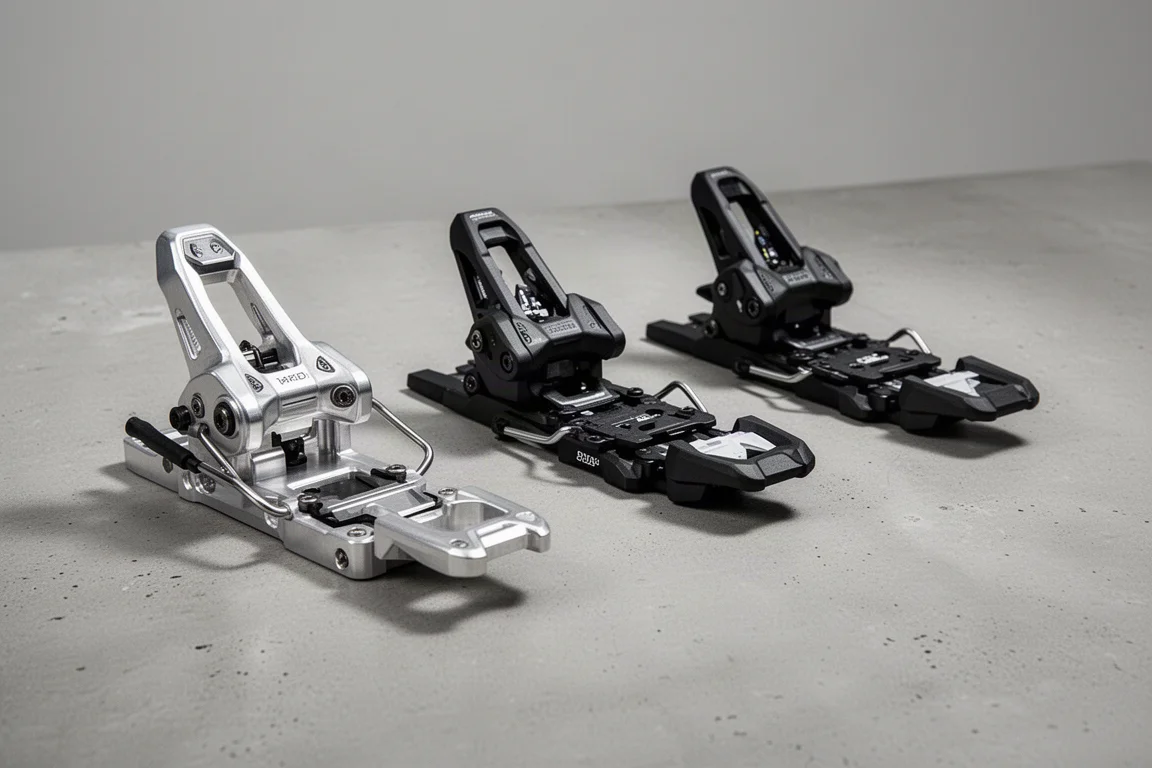
Few corners of the ski world see rivalries as direct as the hybrid touring binding sector. For years the Salomon Shift, also sold as the Atomic Shift, has stood as the default choice for skiers who want genuine downhill performance with a real walk mode. Now ATK, a brand better known for ultralight touring bindings, has entered the ring with its first freeride binding, and the numbers it is claiming are hard to ignore.
This comparison looks at what each binding offers, where each one wins, and how to decide which platform fits your split between resort laps and backcountry tours.
A New Challenger in the Hybrid Binding Sector
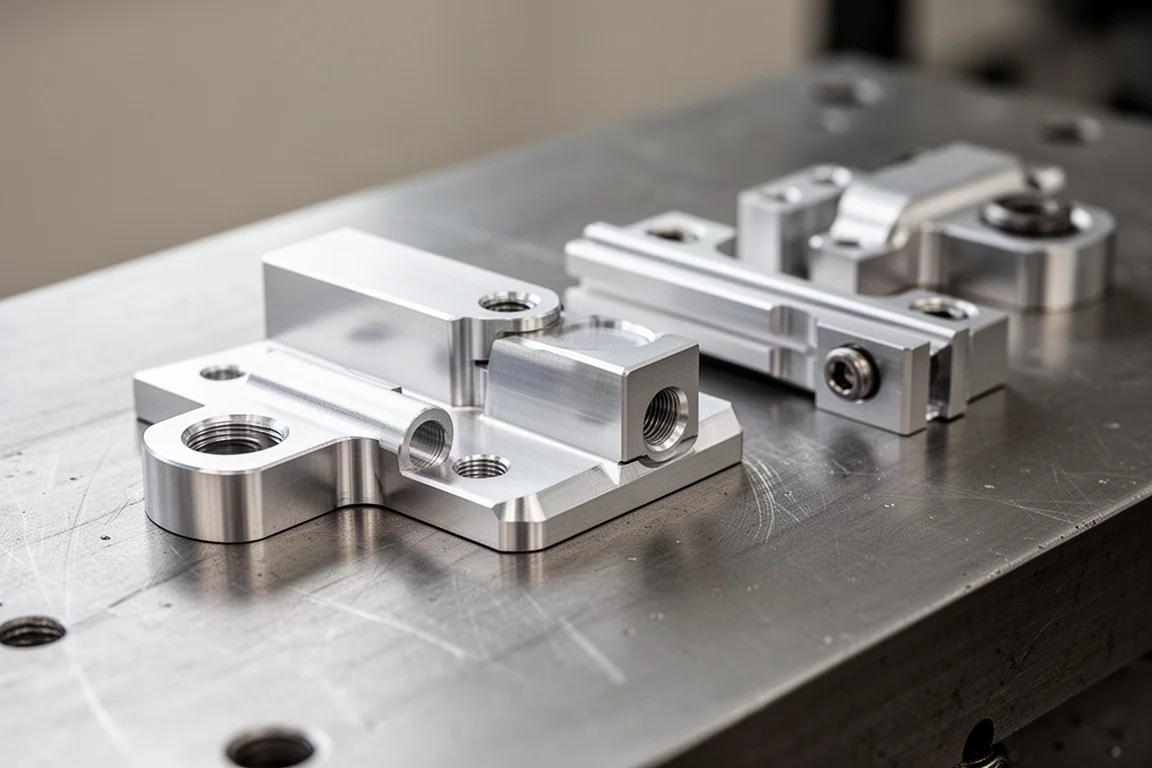
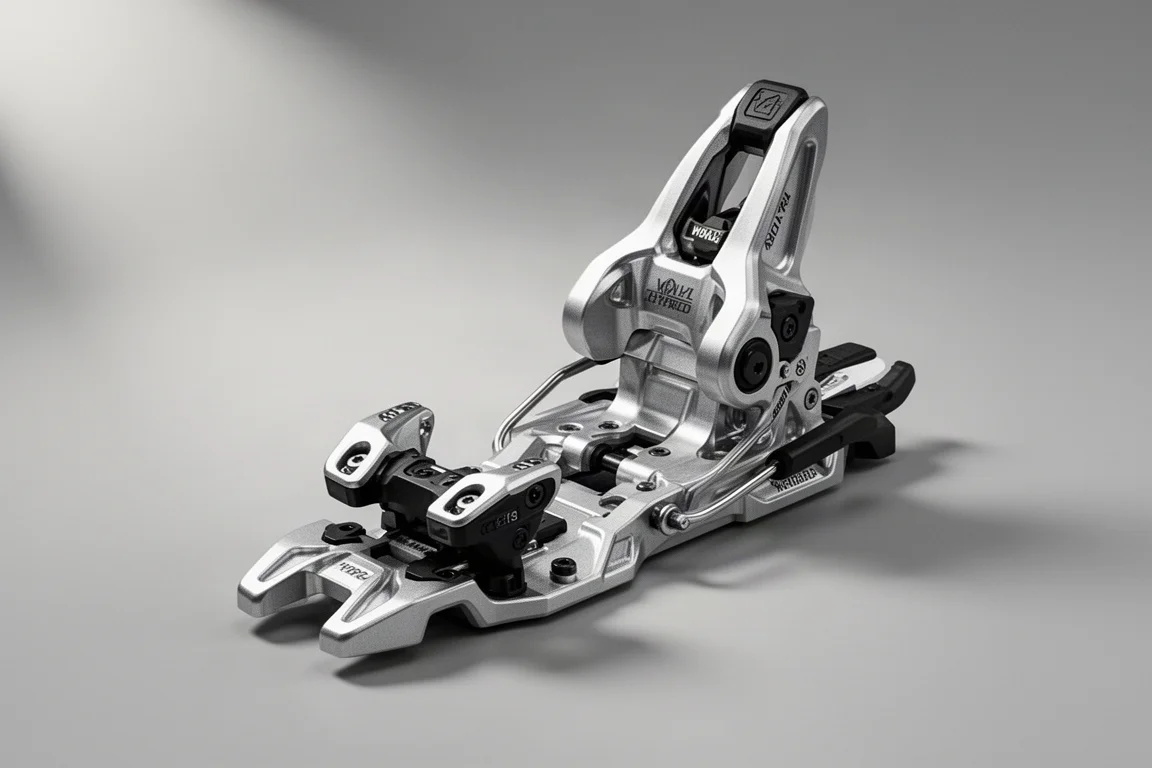
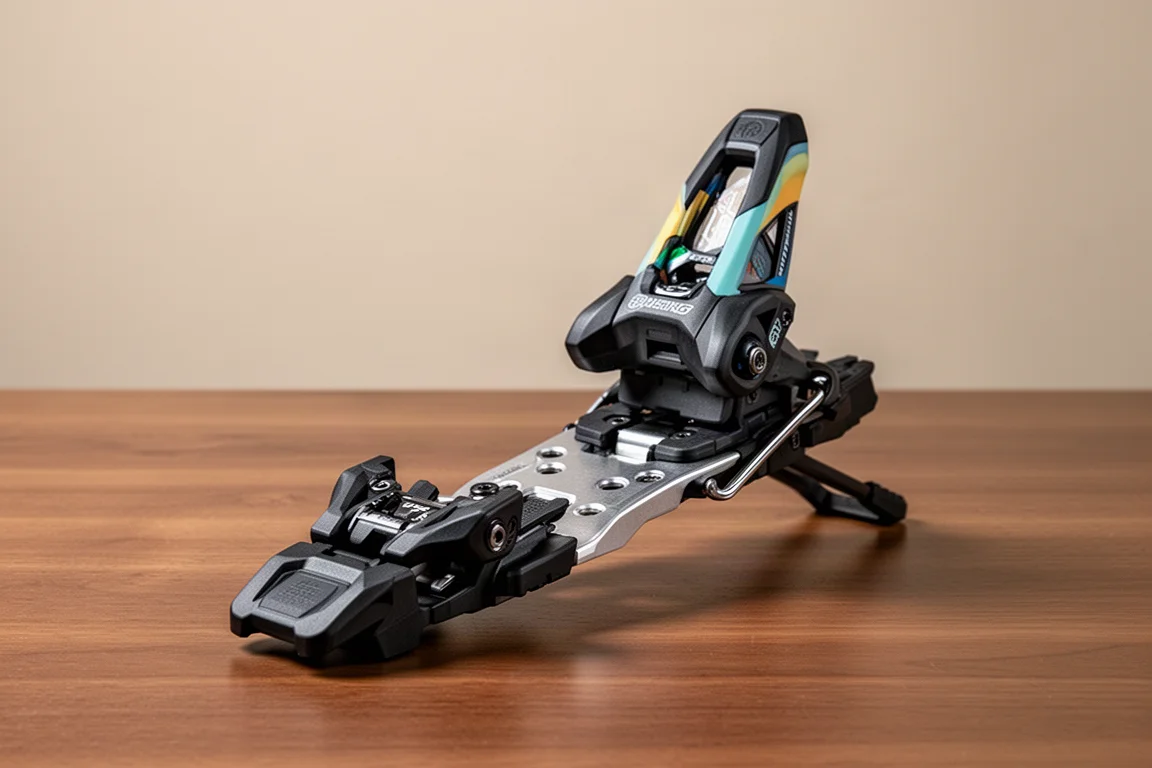
The ATK HY is the brand’s first freeride binding, designed as a hybrid for both alpine downhill skiing and uphill touring. As with all ATK bindings, it leans heavily on aluminum 7075 components machined directly from solid at the company’s headquarters in Maranello, in the Modena area. Everything is made in Italy, and the construction is full metal.
The headline figure is weight: 675 g per binding, which ATK describes as the lightest binding in the hybrid sector. Compared with the Shift, which sits at a little over 900 g, that works out to roughly 30% lighter. That gap alone is enough to make long tours feel meaningfully different.

ATK HY: Full-Metal, Made in Italy
Touring mode is straightforward. You open the toe piece, step in, lock it, then lock the heel piece and the ski brake. From there you can walk in a negative flat position, with a first and second heel raiser available for the steepest pitches. When it is time to ski, you step out, unlock the ski brake before pulling your skins, and drop into alpine mode on a fully flat binding with zero drop, just as you would in a dedicated alpine binding.
The brake locking uses a patented internal mechanism: pull the lever fully up and the ski brake locks in place, release it and the brakes activate. That is also the downhill position where you lock your boot in. One question that comes up around hybrid bindings is whether the toe piece can flex and absorb landings the way the Shift does. The HY does have elasticity in the toe, along with retention that keeps the boot centered while skiing and absorbs the vibrations and forces coming from the snow and the ski. It also releases from the toe just as alpine bindings and the Shift do.
The HY comes in two versions. The 13 version has a release value range from 6 to 13, and the 11 version runs from 4 to 11. Pricing is set at 799 euros in Europe, which is undeniably premium, though the extensive solid-aluminum machining explains much of that.
Durability and DIN 16: The Updated Shift
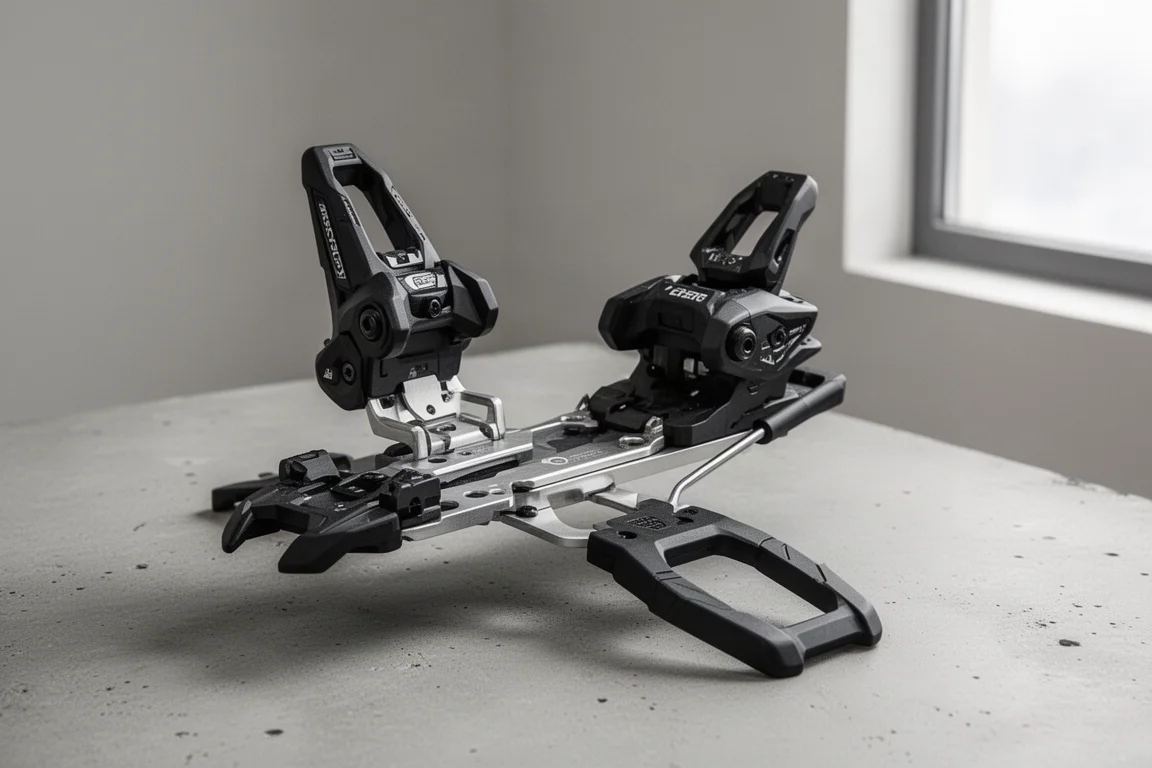
The Shift is not standing still. Both the Salomon and Atomic versions now arrive in an updated form with more durability focused changes. An aluminum piece in the middle reinforces the area that previously took abuse, and the plate that could historically be crushed by stomping something extremely hard should no longer be vulnerable to that failure.
The biggest update for aggressive freeriders is that the new version comes with a DIN 16 option. Even skiers who would never run the release value all the way to 16 see the headroom as worthwhile, and it makes the platform more viable for heavier or harder-charging skiers than before.

Because Salomon and Atomic sit under the same parent company, both brands use this binding, so the choice between the two versions largely comes down to the colorway and graphics you want on your setup.
Which One Should You Buy?
The simplest rule of thumb from this comparison: the more you tour, the more the ATK HY makes sense. If you ride roughly 60 to 70% of your days in the resort and tour on the side, the Shift remains the safer pick. As the touring share of your season grows, the HY’s 30% weight advantage becomes increasingly compelling, and its fully flat, zero-drop downhill mode matches what you would expect from a dedicated alpine binding.
The Shift still carries the feel of a real alpine binding with a walk mode as a bonus, and its updated durability and DIN 16 support keep it credible for freestyle freeride use. On paper the ATK model looks promising and the weight gap is real, but the Shift has years of proven downhill performance behind it. If you can, try both before committing.

Conclusion
The hybrid binding market just got genuinely competitive. The ATK HY brings full-metal Italian construction, the lowest weight in the sector at 675 g, and a 799 euro price, while the updated Salomon and Atomic Shift answers with reinforced durability and DIN 16. Resort-dominant skiers should stick with the Shift; tour-heavy skiers have a serious new reason to look at ATK.
Further reading
Related Reviews
Backpacking Gear
Building a 10 lb Base Weight: An Ultralight Backpacking Gear List
A practical walkthrough of the ultralight pieces behind a 10 lb base weight, from a 765 g pack and a roomy one-person tent to a full camp chair and a dependable water filter.

Road Bikes
10 New Road Bikes Worth Watching: Aero, Titanium, Steel and Endurance Standouts
A practical roundup of 10 new road bikes, from aero flagships chasing single-watt gains to titanium, steel and endurance platforms built for real roads.
Bikepacking Gear
11 Bikepacking Essentials for Long-Distance Cycling
Eleven bikepacking essentials for long-distance cycling, from a steel gravel frame and a two-person tent to helmet lights, packable gloves, and a frame bag that puts weight in the right place.