Gravel Bike Tires
Hutchinson Caracal Race TLR Review: Fast Gravel Speed With a Dry-Weather Focus
A fast-rolling gravel tire with a slick centre and light shoulder tread, plus the grip and volume trade-offs to weigh before you buy.
Introduction
Buying a road tire is a straightforward exercise. Check the rolling resistance rankings, pick a model, find a good price, and click buy. The all-rounder racing tires from the major brands are close enough to each other that it is difficult to go badly wrong.
Gravel is a different problem. The fastest gravel tires in the rankings often look like oversized road tires, which raises an obvious question: is that really a gravel tire, and will it have enough tread when the surface turns loose?
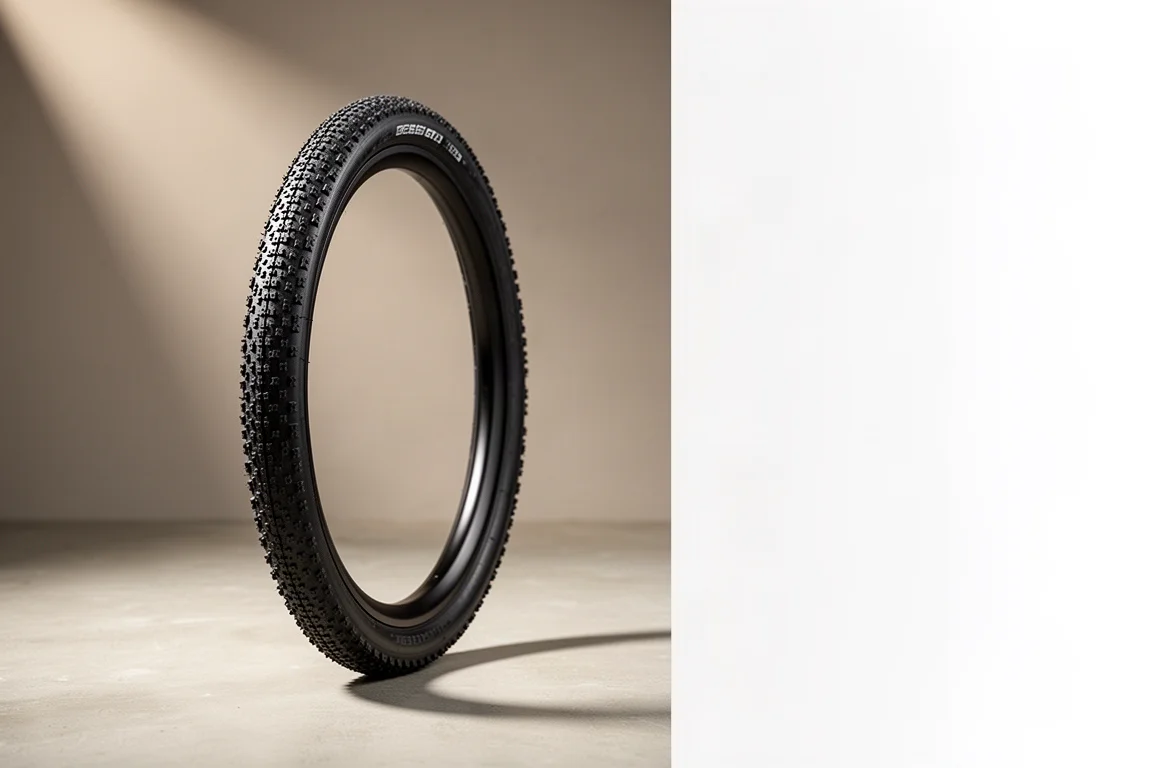
The Hutchinson Caracal Race TLR sits squarely in the middle of that question. At £54.99 per tire, it uses a slick central section with a minimal shoulder tread, and independent lab rolling resistance data places it fourth fastest in the cyclocross and gravel category. Look at the three tires above it and they are slicks, which makes the Caracal Race TLR the most efficient treaded gravel tire in that data set, with at least 1 mm of tread on the shoulders.
This review looks at where that speed comes from, what it costs you in grip and puncture resistance, and how to decide whether it suits the riding you actually do.
Who the Caracal Race TLR Is For
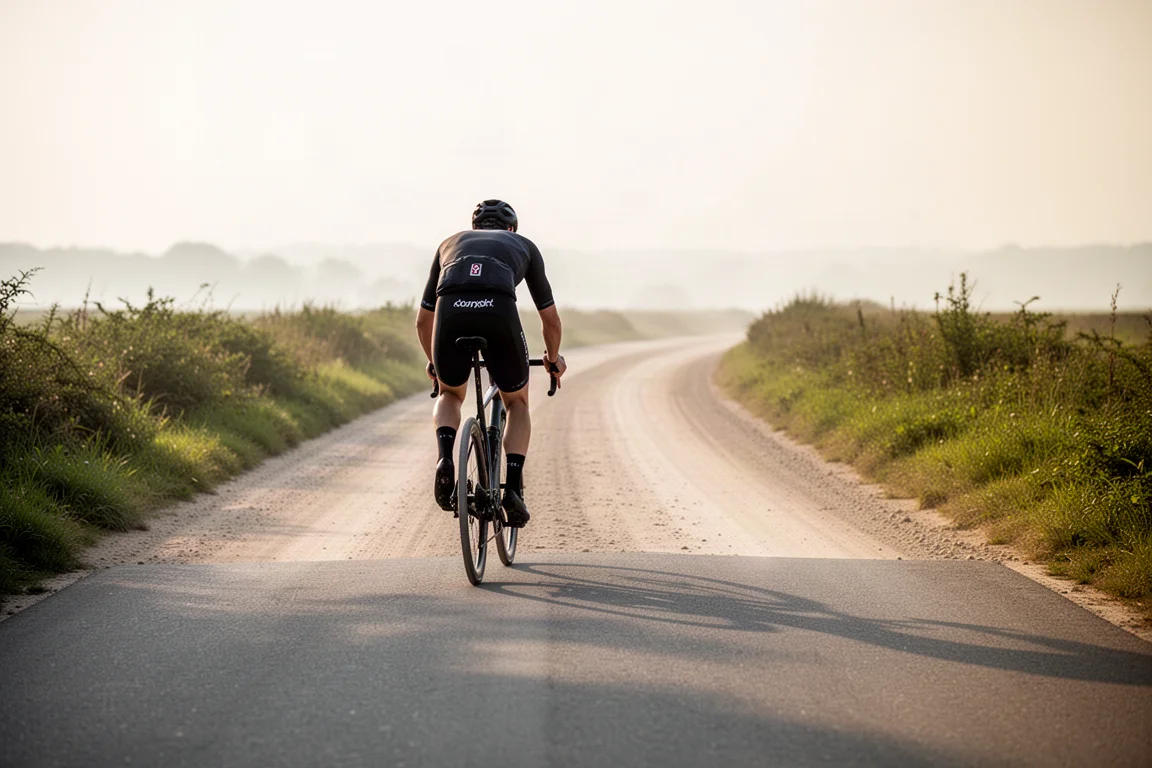
This is a race tire built for dry conditions rather than an all-rounder. It makes most sense for riders whose routes mix a large share of tarmac and broken tarmac with hardpack dirt roads, and who want to keep the road feel they are used to while gaining the volume that mixed surfaces need.
It is a weaker fit for wet and muddy riding, or for trails that are loose and rocky for long stretches. On those surfaces the tire runs out of grip quickly, and a slower, grippier option will usually be the better tool.
If almost all of your riding happens off-road, a tire that is essentially an oversized road tire is unlikely to serve you well, even if it is the fastest thing in its category on paper.
Main Strengths: Speed, Weight, and Road Feel
The headline strength is speed, and it is obvious from the first ride. Most gravel tires feel draggy on tarmac, especially for riders coming off a road bike with fast racing tires. The Caracal Race TLR does not feel far off a proper road tire on the road, while still floating over broken tarmac and hardpack dirt roads.
The lab numbers back up the feel. The tire is faster than a 38 mm slick road racing tire, which is a genuinely quick benchmark for something carrying shoulder tread.
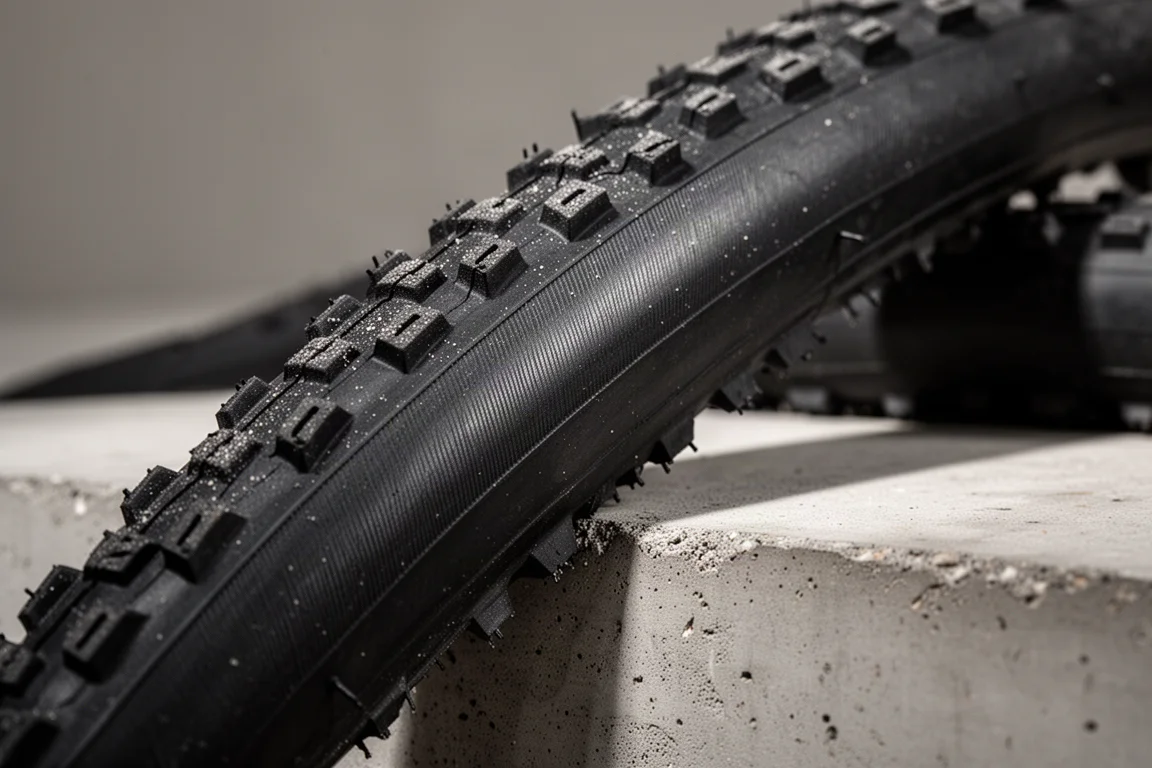
At around 470 g each, these tires add a meaningful amount of weight compared with the 28 mm or 30 mm tires most road bikes run today, and that will make you fractionally slower on climbs. That is simply the cost of wanting a bigger tire for more grip and lower rolling resistance off-road: more material, more weight.
Tire volume is a separate conversation, but within this family the trade-off is clear. You accept the extra grams and the tread pattern that prioritises low rolling resistance in exchange for off-road composure and the ability to keep rolling quickly on the surfaces most gravel routes actually contain.
Where the Caracal Race TLR Loses Grip
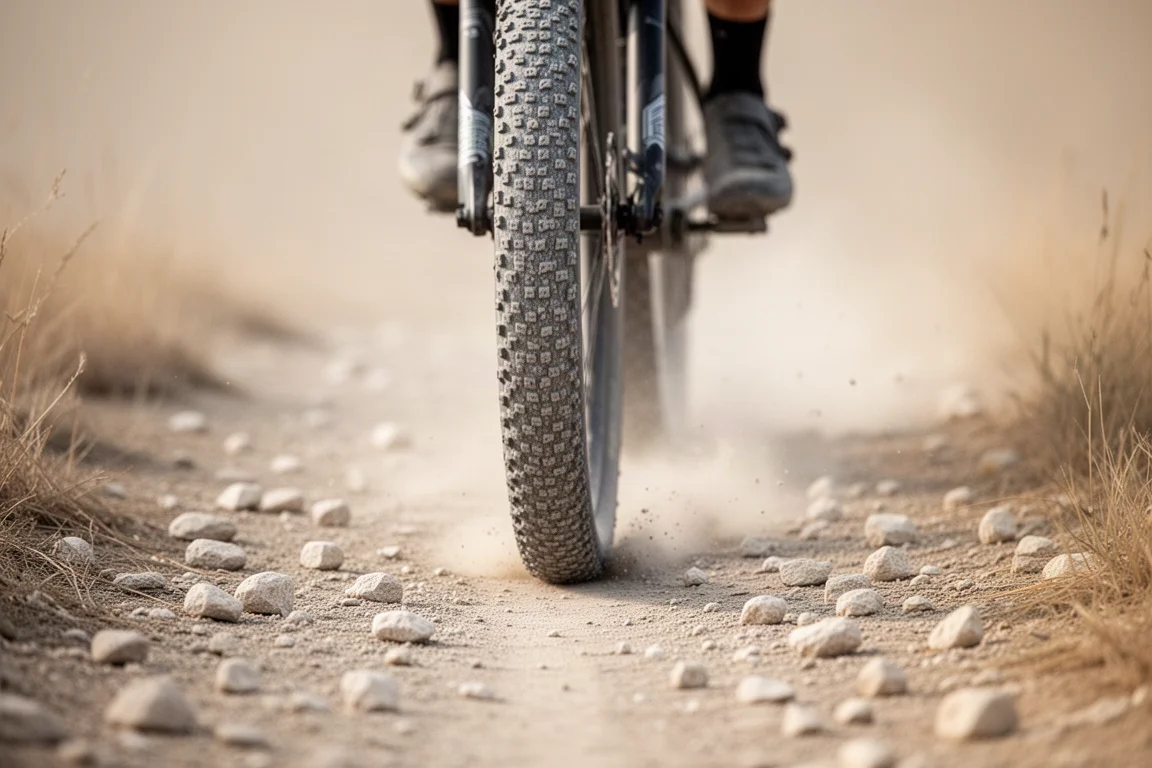
The slick centre and minimal shoulder tread that make this tire fast on tarmac are also its limitation. When conditions turn loose, and especially when they turn wet and muddy, the tire does not bite into the trail and grip runs out extremely quickly.
It is fair to ask whether that counts as a criticism of a tire designed for dry racing rather than all-round use. The grip-for-speed trade-off is part of the design calculation, not a defect, and riders who understand that will not be surprised by it.
The practical question is what your trails look like. If loose sections are short and occasional, the compromise is easy to live with. If they dominate your riding, this is the wrong end of the gravel tire spectrum for you.
Puncture Resistance and Durability
At the racy end of the gravel spectrum, puncture resistance is not going to perform miracles. The casing is built for speed rather than for shrugging off sharp rocks, and that is worth factoring into your expectations.
In use, punctures have not been an issue so far, helped by running inserts to guard against pinch flats and by treating the tires with reasonable care. Riders who are harder on their equipment, or who spend a lot of time on sharp, rocky terrain, may see a different picture.
Hutchinson also offers the Caracal TLR, a tougher and slower sibling in the same family, for riders who want more protection and are willing to give up some speed in return.
Tire Volume and Terrain: A Broader Question
Gravel means very different things in different places, and that is the real reason gravel tire choice is difficult. A route that is half tarmac and half hardpack rewards a fast, narrow tire. A course that is almost entirely off-road, with loose and rocky surfaces, rewards something closer to a cross-country mountain bike tire, assuming the frame has the clearance for it.
The mechanics behind that are simple. On tarmac, narrower tires with less tread tend to be faster because they are lighter, slightly more aerodynamic, and do not need as much volume to smooth out road imperfections. Off-road, bigger tires can be faster because they absorb trail imperfections better, and fast cross-country mountain bike tires can be built with thinner casings so that rolling resistance drops even further.
There is no single gravel tire that does everything well the way one fast road tire can cover almost all road riding. Optimising for every route means changing tires for substantially different rides, or accepting a compromise somewhere in the setup.
Buying Advice: Is the Caracal Race TLR Right for You?
Start with where you ride. If your gravel routes are mostly dry and lean heavily on tarmac, broken tarmac, and hardpack dirt, the Caracal Race TLR is a strong choice. It keeps most of the road feel you are used to while adding the volume and composure that mixed surfaces ask for.
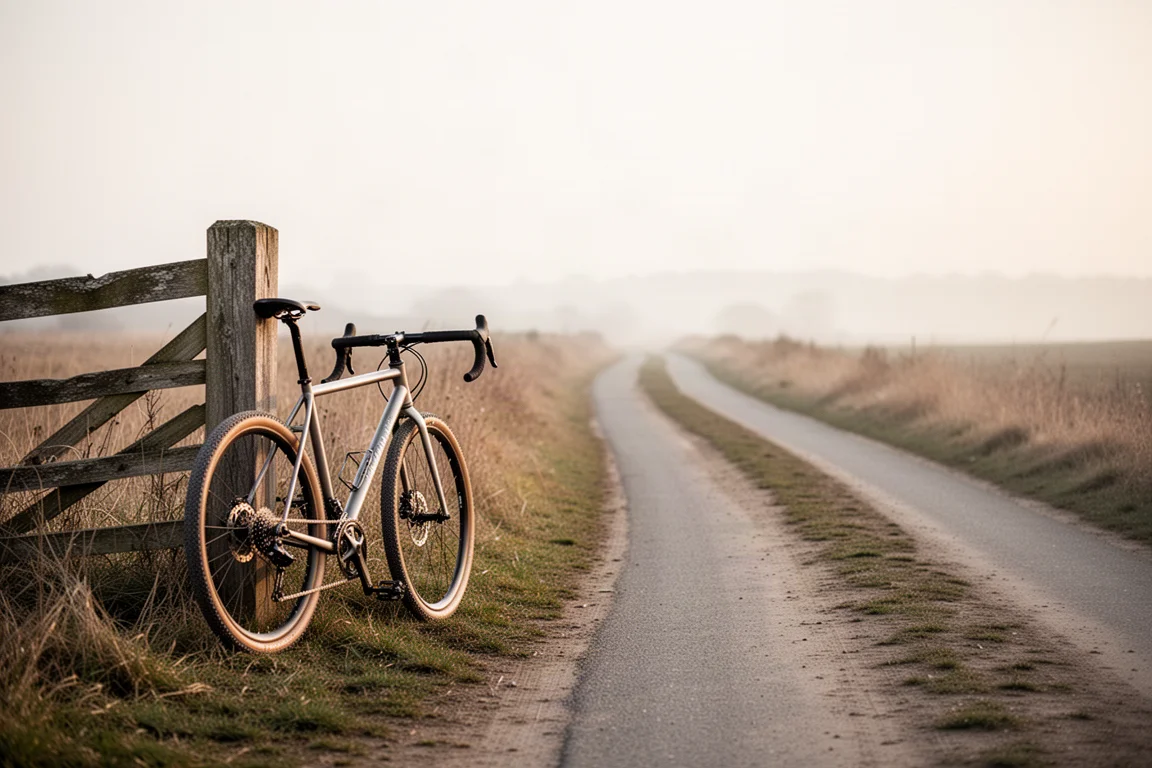
If wet, muddy, or genuinely loose trails are a regular part of your riding, the tire will run out of grip quickly and you will be better served by something with more tread or more volume. Riders who race or ride almost exclusively off-road should also think carefully about whether an almost-road tire is the right tool for the job.
On sizing, the 40 mm version has started to look narrow by modern gravel standards, and a 45 mm version has been announced as available from June, which widens the appeal considerably. At £54.99 per tire, the value case rests on how much of your riding happens on surfaces where low rolling resistance genuinely matters.
Conclusion
The Caracal Race TLR does one thing exceptionally well: it brings road-tire speed to mixed surfaces without giving up the volume gravel riding needs. That makes it a compelling option for dry, tarmac-heavy gravel routes and a poor fit for wet, loose, or mud-dominated terrain. Buy it for the riding you do most often, not for the worst trail you might encounter.
Product link
View more details for Hutchinson Caracal Race TLR
This product is mentioned in the review. Check the specifications, options, and compatibility before buying.
View more details for Hutchinson Caracal Race TLRFurther reading
Related Reviews
Gravel Bike Tires
Continental Race King 2.2 Review: Mountain Bike Tires on a Gravel Bike
A 55mm knobby tire on a gravel frame delivers real traction and confidence on loose terrain, but frame clearance, toe overlap, and surface choice decide whether it makes sense.
Gravel Bike Tires
Continental Race King 2.2 Review: Wide Tires on a Gravel Bike
A 2.2 inch Continental Race King fitted to a gravel bike adds real grip and descending confidence, with weight and clearance trade-offs to weigh first.
Gravel Bike Tires
Hutchinson Caracal Gravel Tires Review: Speed, Grip, and Where Each Model Fits
A close look at the Hutchinson Caracal Race TLR and the tougher Caracal TLR, covering rolling resistance, real-world grip, and how to choose between them.