Tools & Preparedness
Hurricane Season Power Tools: 5 Battery-Powered Picks Worth Having Ready
Five battery-powered tools that make a real difference when a storm knocks out power, from emergency radios to chainsaws and power banks.
Introduction
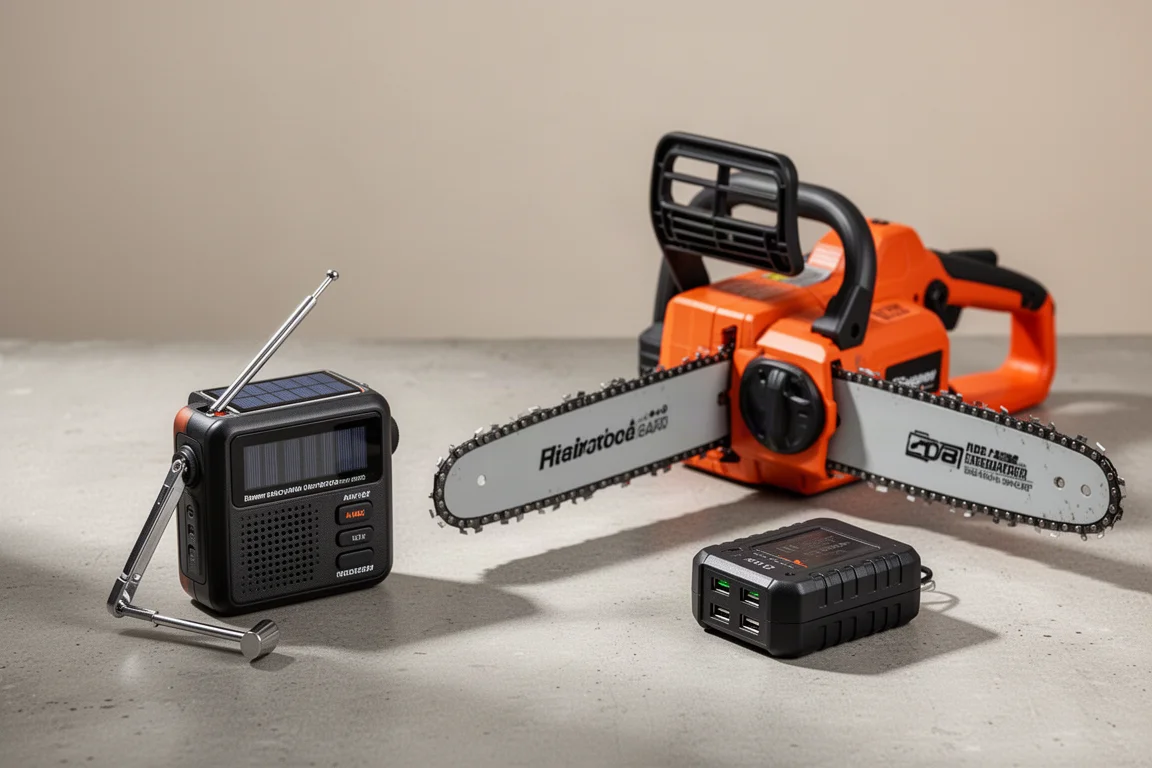
When a tropical storm turns into a hurricane, the power grid is usually the first thing to go. Anyone who has ridden out a major storm knows the pattern: the lights flicker, the air conditioning stops, and suddenly your phone battery becomes the most valuable thing in the house. Having the right battery-powered gear on hand before that moment arrives makes the days after the storm dramatically easier. Here are five practical picks that earn their place in a storm kit without requiring a full generator budget.
Why Battery Tools Matter in a Storm
Storm aftermath is not dramatic movie stuff. It is nine days without power, three days without water, and long stretches where all you want is a news update and a charged phone. The tools below are useful precisely because they are small, rechargeable, and often run on batteries you already own from your existing tool ecosystem.
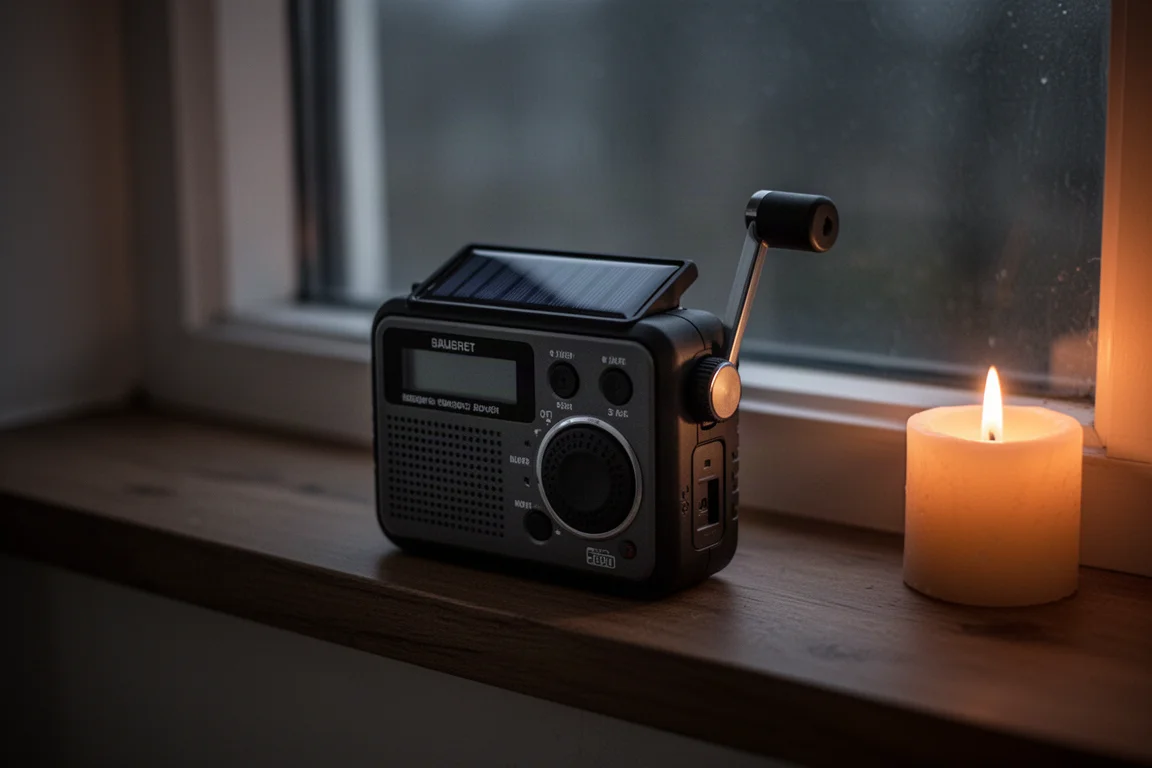
One overlooked tip: charge every power tool battery you own well before the storm arrives. A fully stocked battery shelf turns into an emergency power reserve when the grid is down.
Staying Informed: Craftsman Emergency Radio
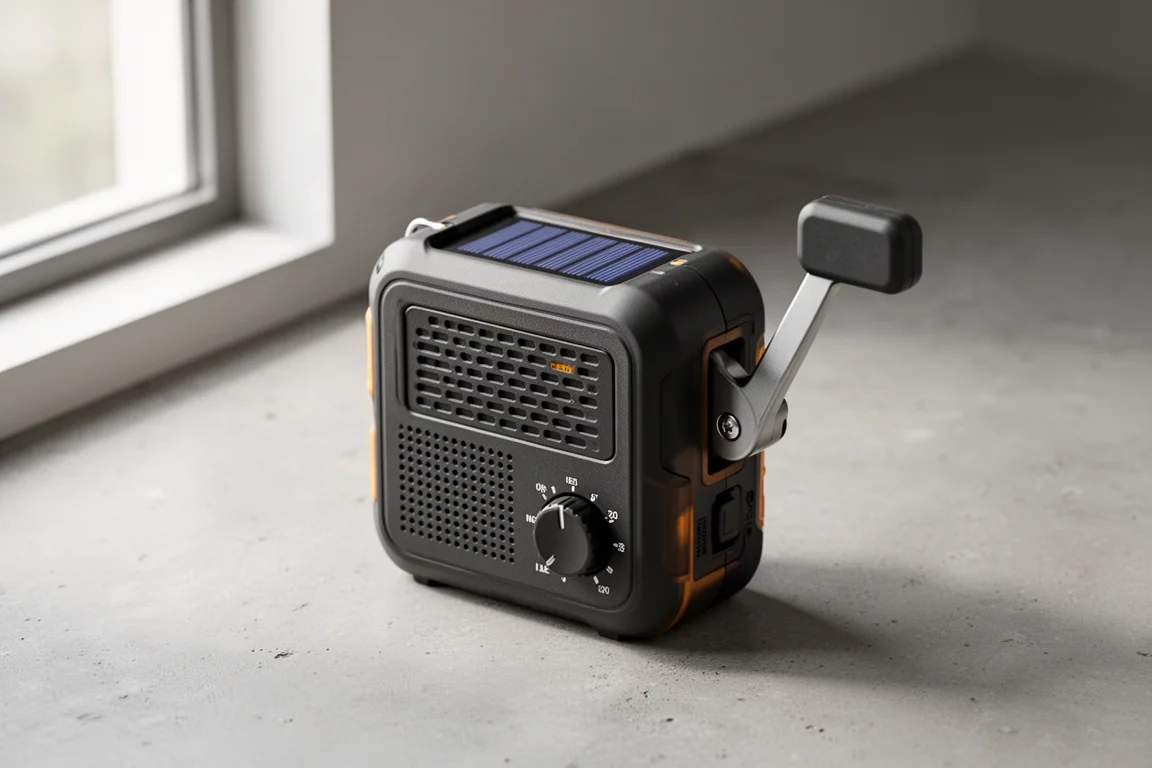
When cell service and internet go down, a radio is often the only way to know whether worse weather is still coming. The Craftsman Emergency Radio covers the essentials: it includes the NOAA weather channel for official alerts, so you can track incoming wind gusts and rain even while the hurricane is still over your area.
What makes it genuinely practical is the range of power options. It runs on a couple of AAA batteries, has a built-in solar panel on top, and includes a hand crank for manual charging. There is also a built-in light and a DC out USB port, so you can top up your phone using solar or crank power when nothing else works. It functions as a regular radio too. It was reportedly available on clearance for around ten dollars, which is a very low price for a device that can keep you informed and keep your phone alive. Expect roughly a one year warranty, nothing extravagant, but at this price point that is an easy trade-off.
Clearing the Way: Makita LXT Top-Handle Chainsaw
Even if your property has no trees, a chainsaw might be the most valuable tool on this list. After a hurricane, fallen branches block roads, driveways, and exits from entire communities. Tree companies end up massively backed up, so being able to cut your way out yourself saves hours or days of waiting.
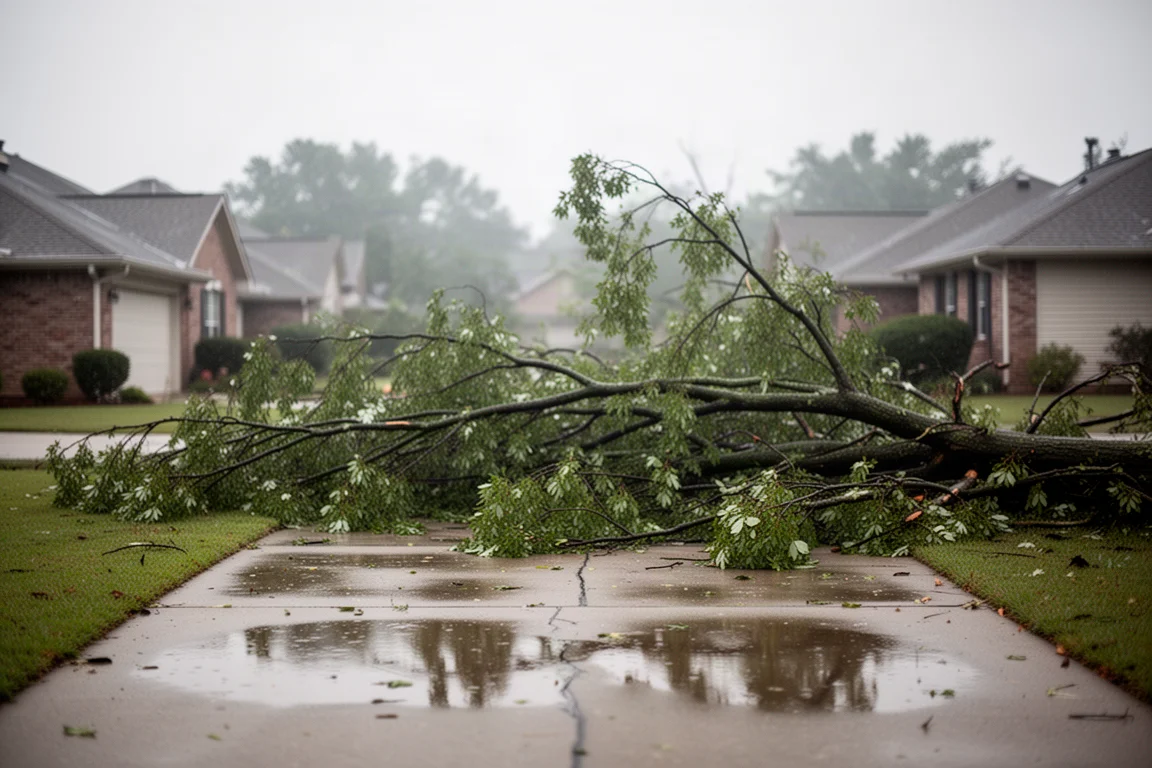
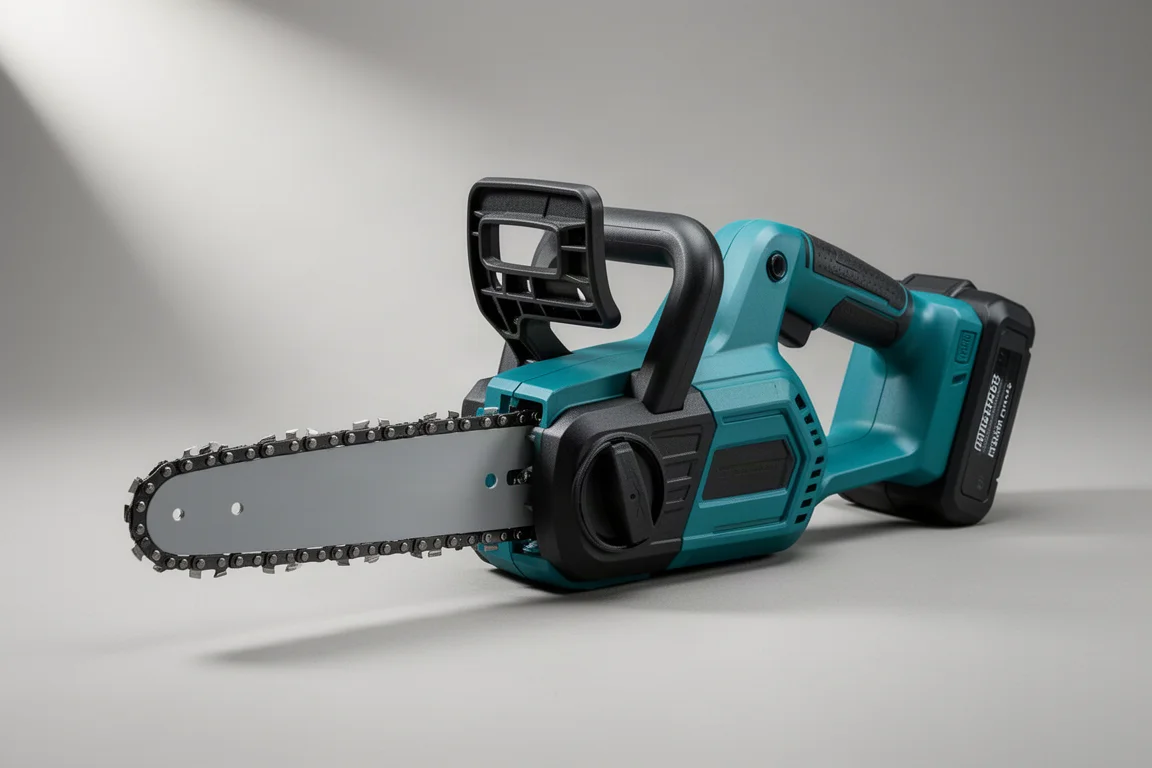
The Makita LXT top-handle pruning chainsaw is the compact option in Makita’s battery lineup, ideal for clearing brush and smaller branches. Makita also makes larger 36V chainsaws for bigger jobs. The real-world value is easy to illustrate: in one case, a car parked in front of a garage was completely blocked in by large fallen branches. A chainsaw on hand meant getting the car out within about an hour instead of waiting for help. If you have trees over your driveway or near your house, this is the tool that keeps you mobile.
Turning Tool Batteries Into Phone Chargers
Here is the cheapest trick on the list. If you already own a stack of power tool batteries, you do not need to buy a dedicated power bank. Simple adapter tops slide onto a tool battery and give you USB output. Many brands make these, including official versions and inexpensive third-party options on Amazon, typically in the twenty to sixty dollar range for dedicated power banks and even less for basic adapters.
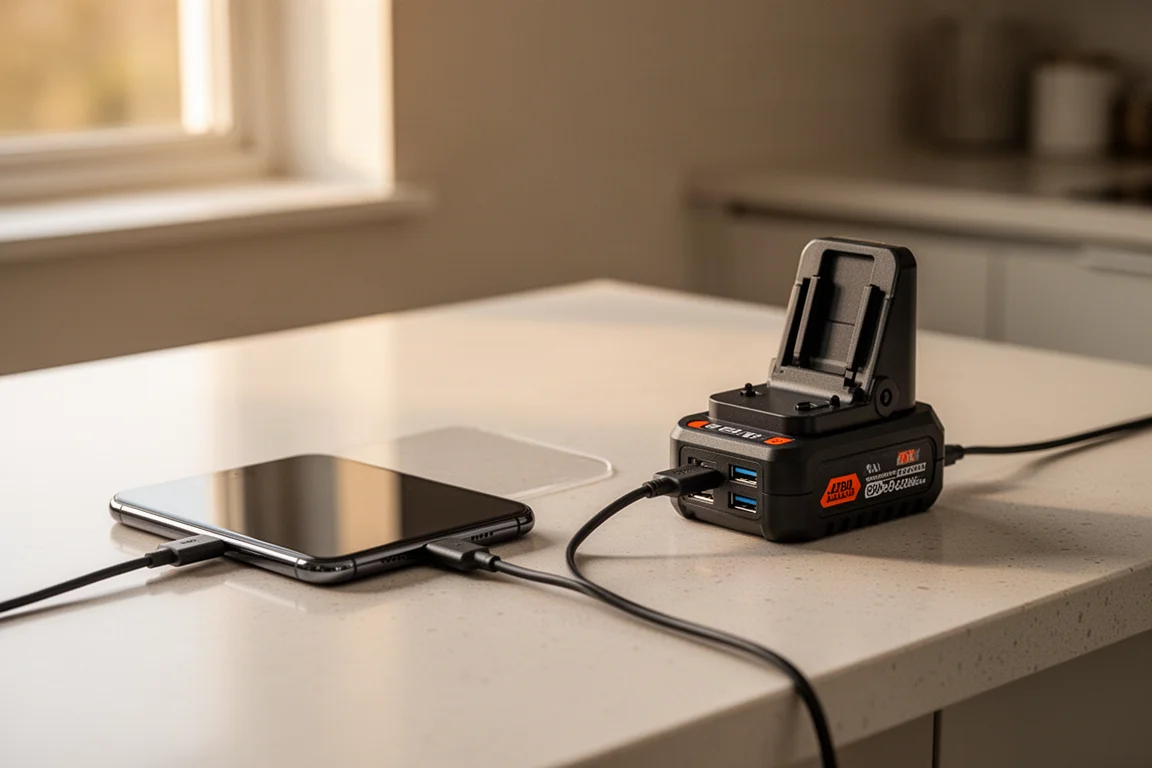
The unit tested here is a budget adapter with two USB ports that has worked reliably for two years. On a 5.0Ah dual battery, it can deliver roughly four or five full phone charges. With a shelf full of Makita and Milwaukee batteries, that adds up to months of phone charging capacity without grid power. The battery indicator on the adapter itself is admittedly of limited use, but the battery’s own fuel gauge does the job fine.
Staying Cool When the Grid Goes Down
In Florida, Georgia, or Louisiana, losing power in the days after a hurricane means losing air conditioning, and houses heat up fast. Battery-powered fans have become a category almost every tool brand now covers: Ryobi, Milwaukee, DeWalt, and others all have versions.

These fans are genuinely useful for sleeping through hot, humid nights when you cannot leave the area because roads are flooded. With a stack of charged batteries ready, a fan like this turns an uncomfortable wait for the utility company into something merely inconvenient. Comfort tools are easy to dismiss until the third night without cool air.
Bigger Power: The Generator-Class Options
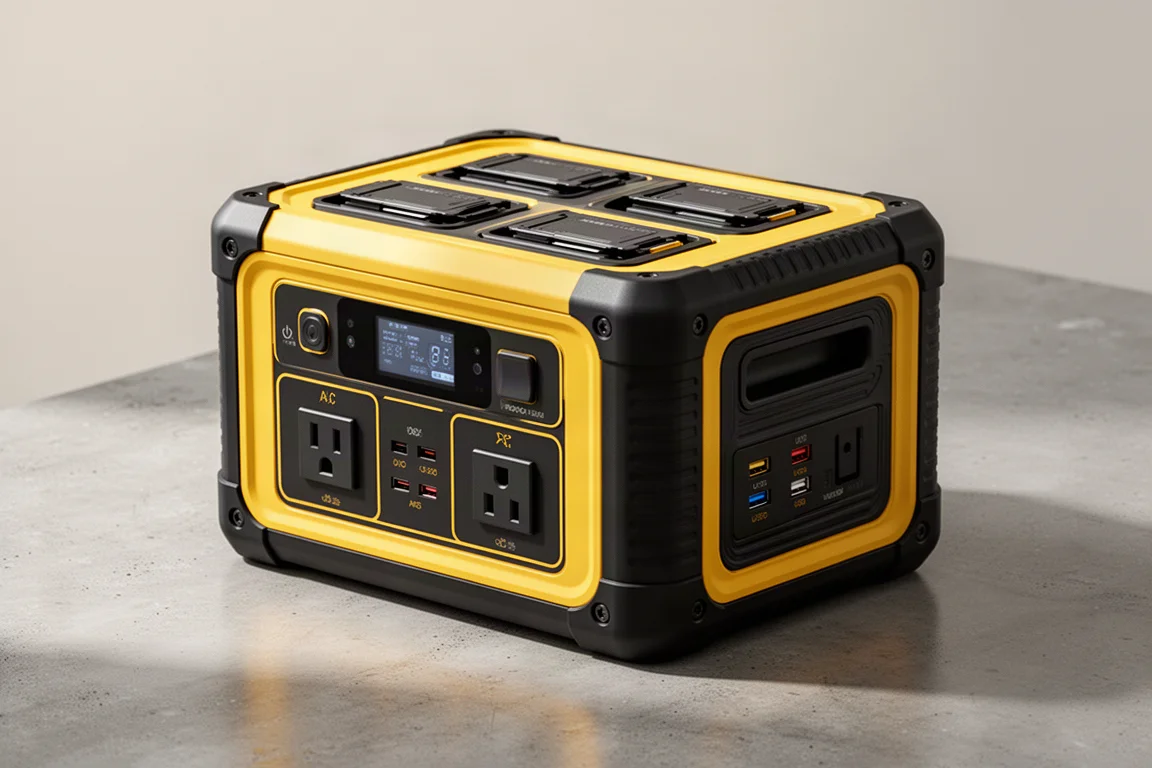
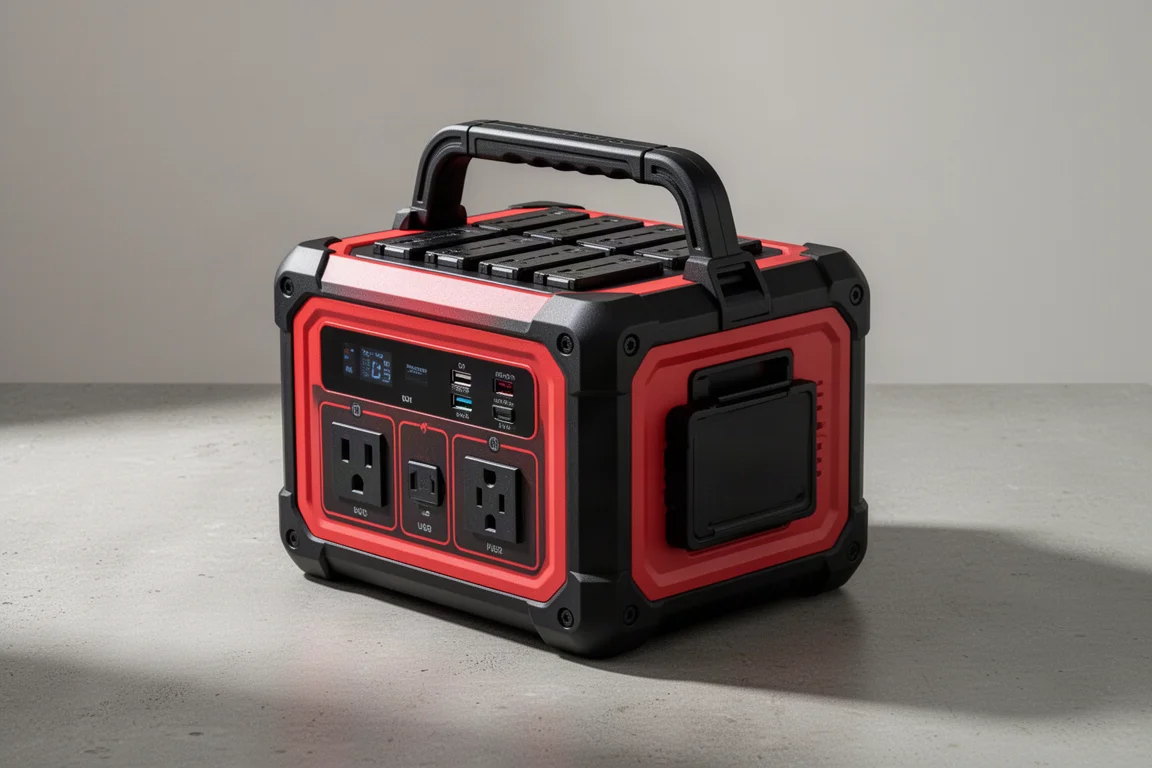
For those who want serious output, there are larger power stations built around tool batteries. The DeWalt power bank accepts four batteries and can run 120V AC power. Milwaukee offers both an MX Fuel version and an M18 version of its large power supply. EGO battery owners should look at the EGO inverter, which converts EGO’s lawn equipment batteries into household power.
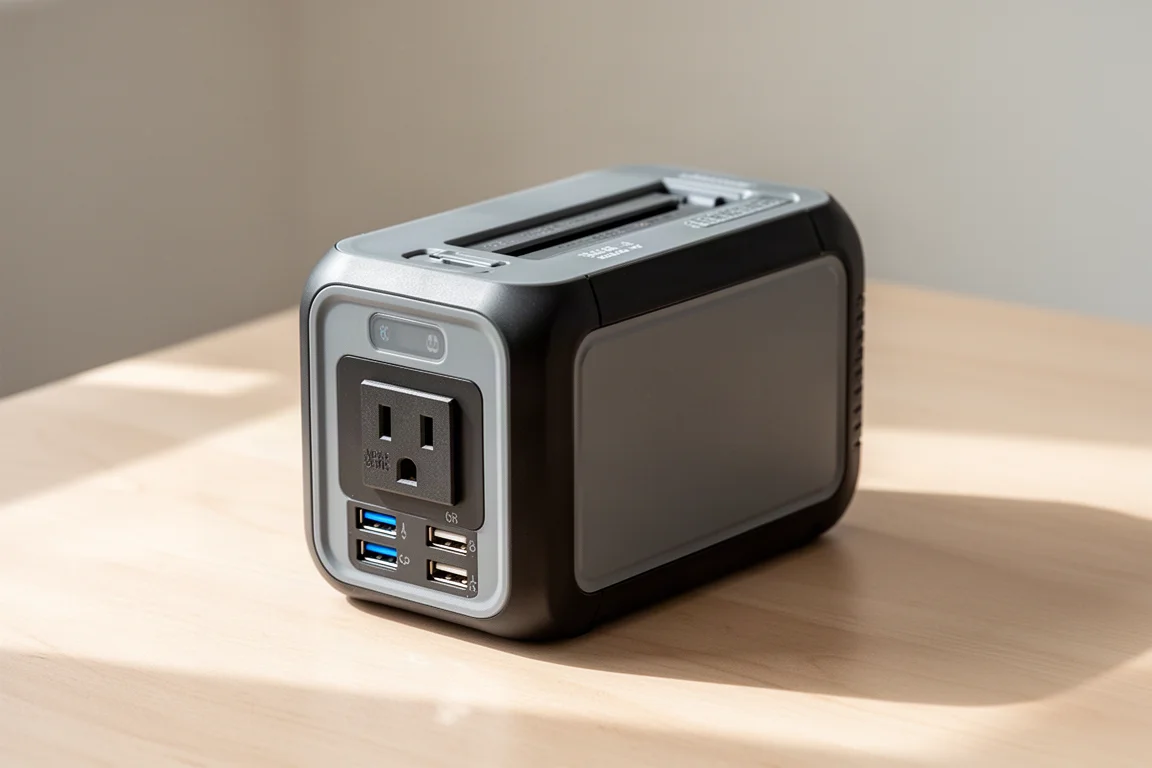
The honest caveat: these larger units cost about as much as a gas generator, so they are a luxury rather than a must-have for most storm kits. If you already own a deep collection of batteries from one of these ecosystems, however, the math changes and they become much more attractive.
Conclusion
A practical hurricane kit does not need to be expensive. A hand-crank NOAA radio keeps you informed, a battery adapter turns the tool batteries you already own into phone chargers, a compact chainsaw keeps you mobile when branches come down, and a battery-powered fan makes the hot nights bearable. Charge your batteries before the storm, keep safety first, and check your county or regional recommendations for anything else worth having on hand. Being ready before the wind picks up is what makes the difference.
Further reading
Related Reviews

Backpacking Gear
Building a 10 lb Base Weight: An Ultralight Backpacking Gear List
A practical walkthrough of the ultralight pieces behind a 10 lb base weight, from a 765 g pack and a roomy one-person tent to a full camp chair and a dependable water filter.

Road Bikes
10 New Road Bikes Worth Watching: Aero, Titanium, Steel and Endurance Standouts
A practical roundup of 10 new road bikes, from aero flagships chasing single-watt gains to titanium, steel and endurance platforms built for real roads.
Bikepacking Gear
11 Bikepacking Essentials for Long-Distance Cycling
Eleven bikepacking essentials for long-distance cycling, from a steel gravel frame and a two-person tent to helmet lights, packable gloves, and a frame bag that puts weight in the right place.