Camping Sleep Systems
How to Sleep Better in the Backcountry: Pads, Quilts, and Pillows Worth Packing
A practical guide to backcountry sleep systems, covering wide inflatable pads, quilts, and the cushioned pillows that hold their shape through the night.
Introduction
Sleep is the part of backpacking that trips people up most. You can hike all day, arrive completely spent, and still spend the night staring at the roof of your tent. It is not a character flaw, and it is not something you simply have to accept. After a season spent testing sleep gear, one pattern stood out clearly: good sleep in the backcountry comes from a system, not from a single expensive purchase.
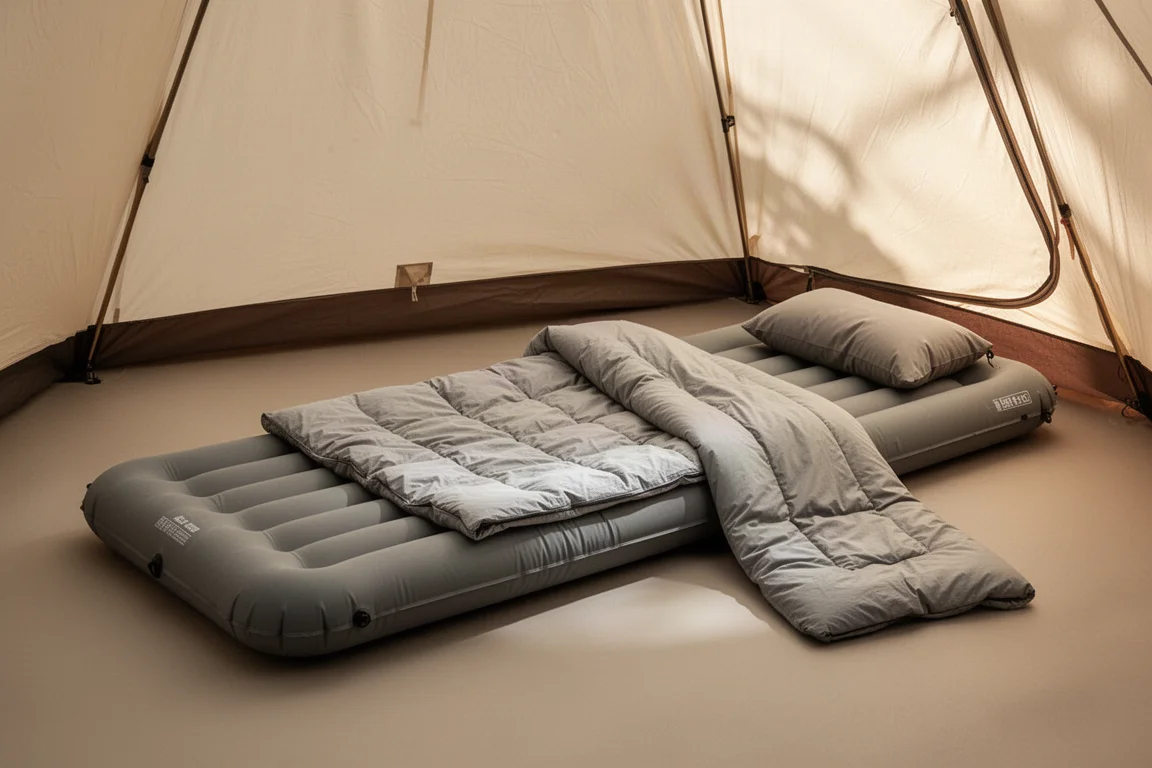
That system has three parts. A pad thick and wide enough to let you change position. Bedding that lets you move instead of wrapping you up. And a pillow that holds its shape so your head and ears are not pressed into a thin layer of air.
What Actually Matters for Sleep in the Backcountry
Two pad dimensions matter more than brand or price. Thickness and width.
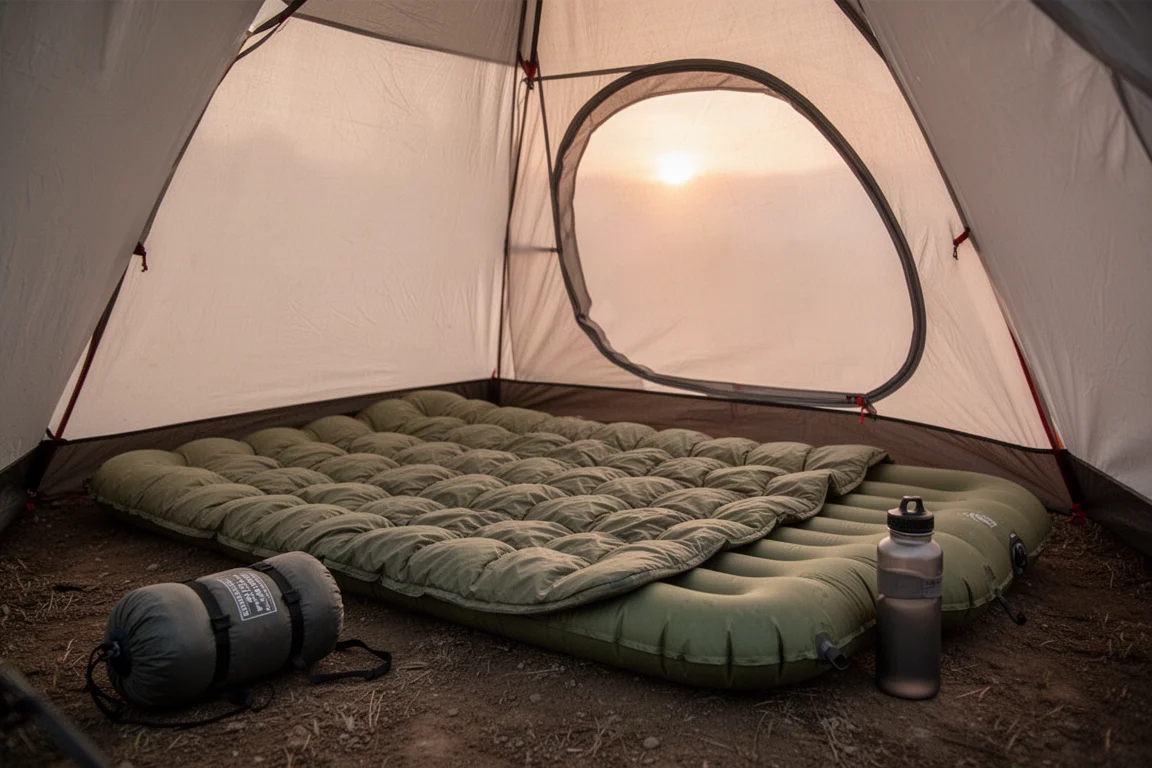
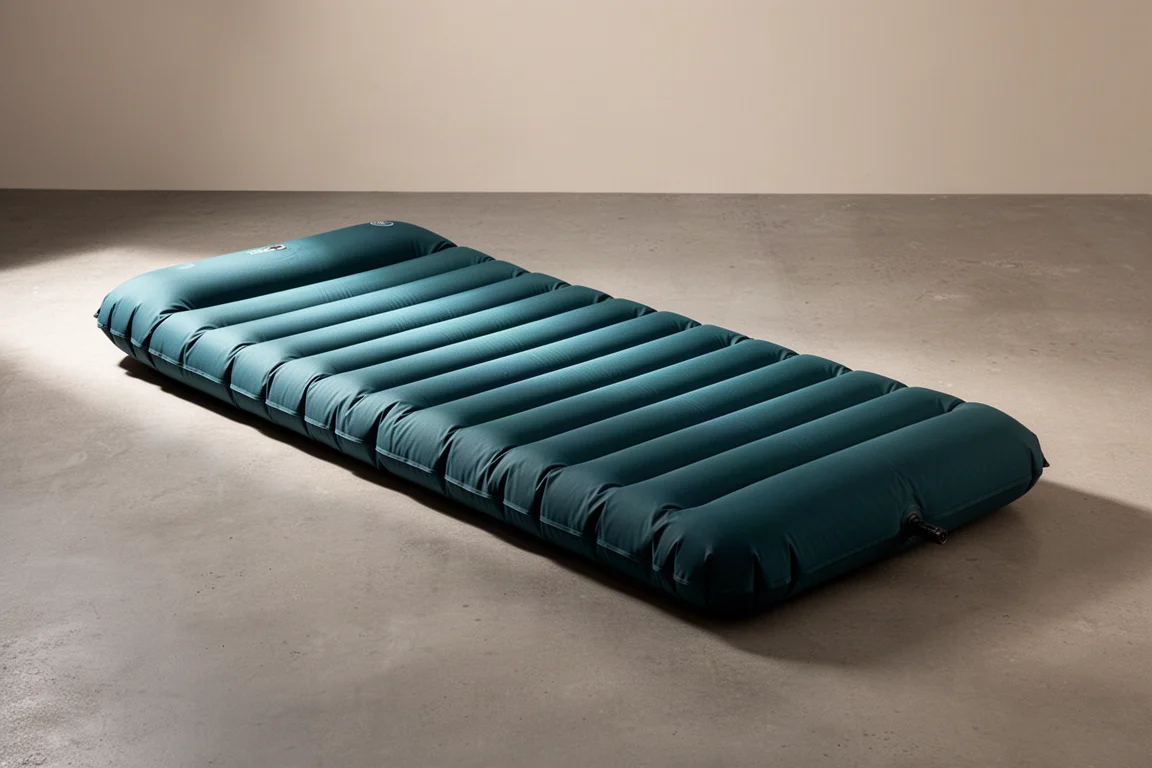
Thickness is the easier one to understand. The thinner an air mattress is, the worse it tends to feel, which is why closed-cell foam is a poor foundation for a full night’s rest. Inflatable pads are generally more comfortable, they can be warmer, and they pack smaller than foam.
Width is the dimension most people overlook. On a narrow 20-inch pad, a side sleeper has nowhere to put a bent knee, and back sleepers end up with an arm hanging off the edge or folded across the chest. Neither position produces a good night.
Price is not a shortcut either. A more expensive inflatable pad is not automatically a more comfortable one, which is a lesson that takes years to learn the hard way. The two things worth prioritizing are thickness and width, in that order.
Sleeping Pads: Thicker and Wider Wins
Three inflatable pads stood out during testing, and each one leads somewhere different depending on how you sleep and how cold you run.
Nemo Tensor
The Tensor came out as the warmest of the comfortable pads tested, which makes it the natural starting point for anyone who sleeps cold or camps in shoulder-season conditions. It delivers that warmth without giving up the cushioning that makes an inflatable pad worth carrying in the first place.
Sea to Summit Ether Light
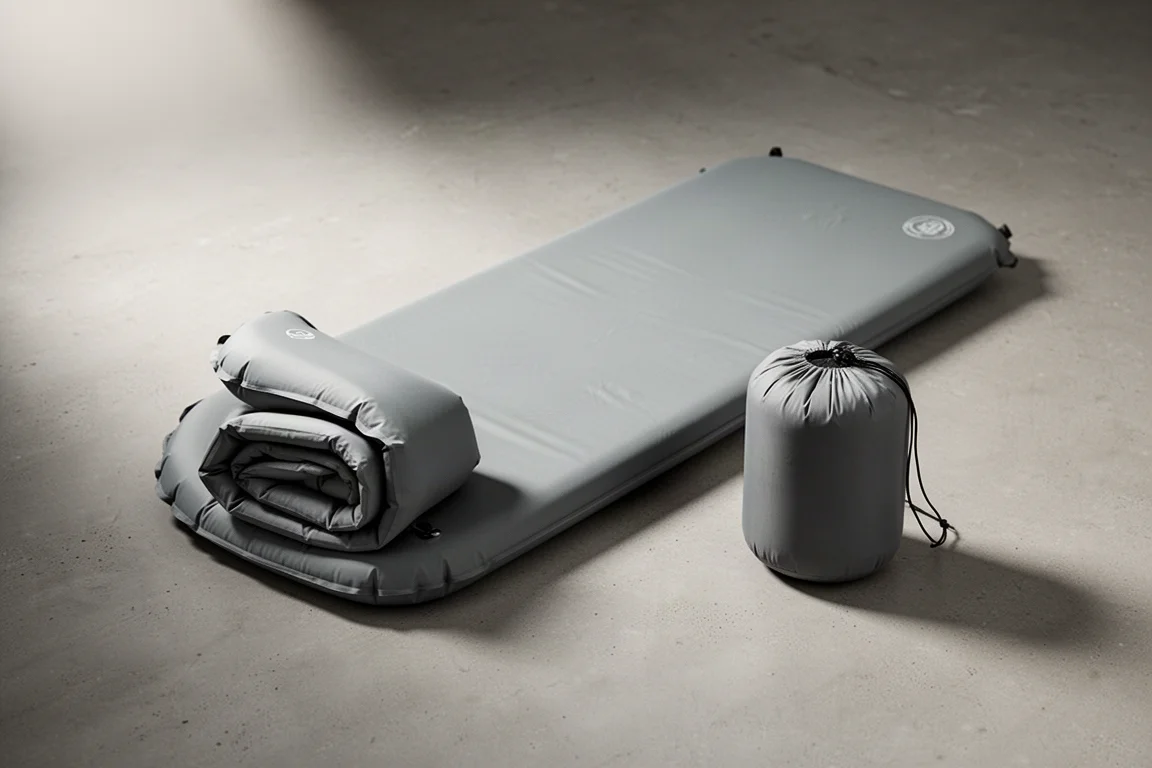
The Ether Light is the compromise pick. It sits between the two extremes, offering a balance of warmth and comfort that works well when you want one pad for a wide range of trips rather than a specialist for each season.
Big Agnes Q Core
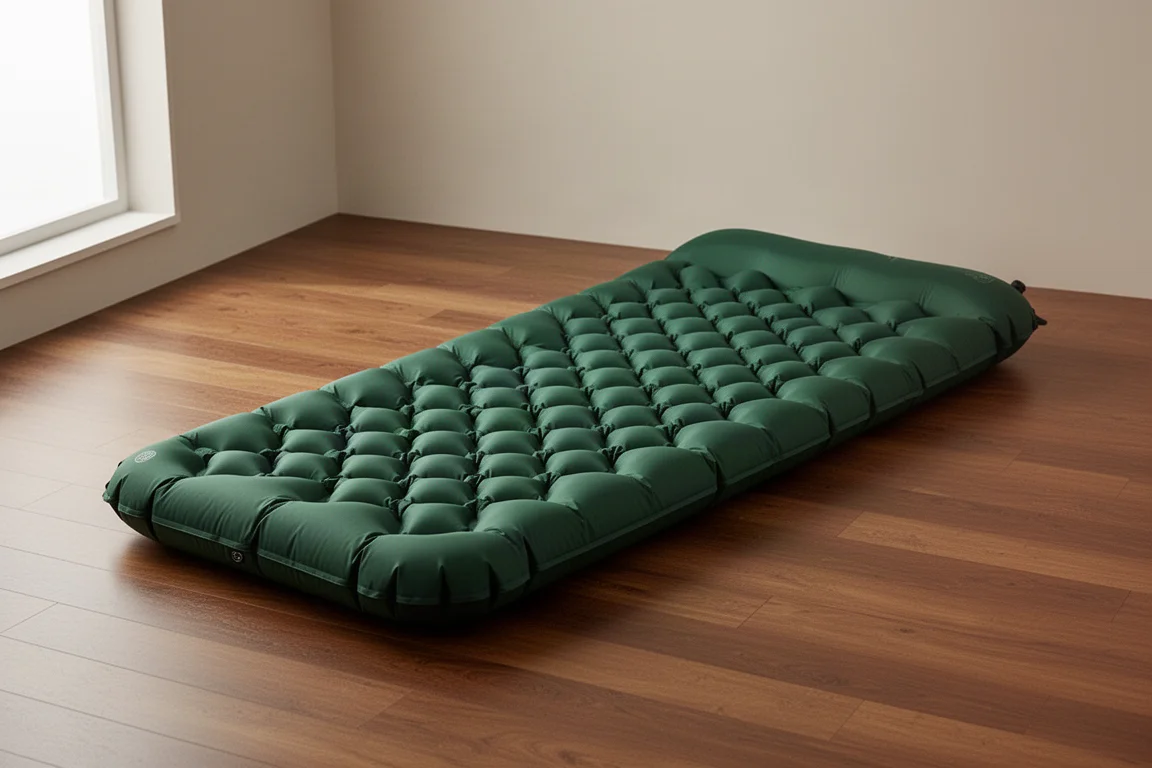
The Q Core is the most comfortable pad in this group, and the difference is easy to feel the moment you lie down. The trade-off is warmth: it runs cold, feeling even a little colder than its stated ASTM R value of 3.2 suggests.
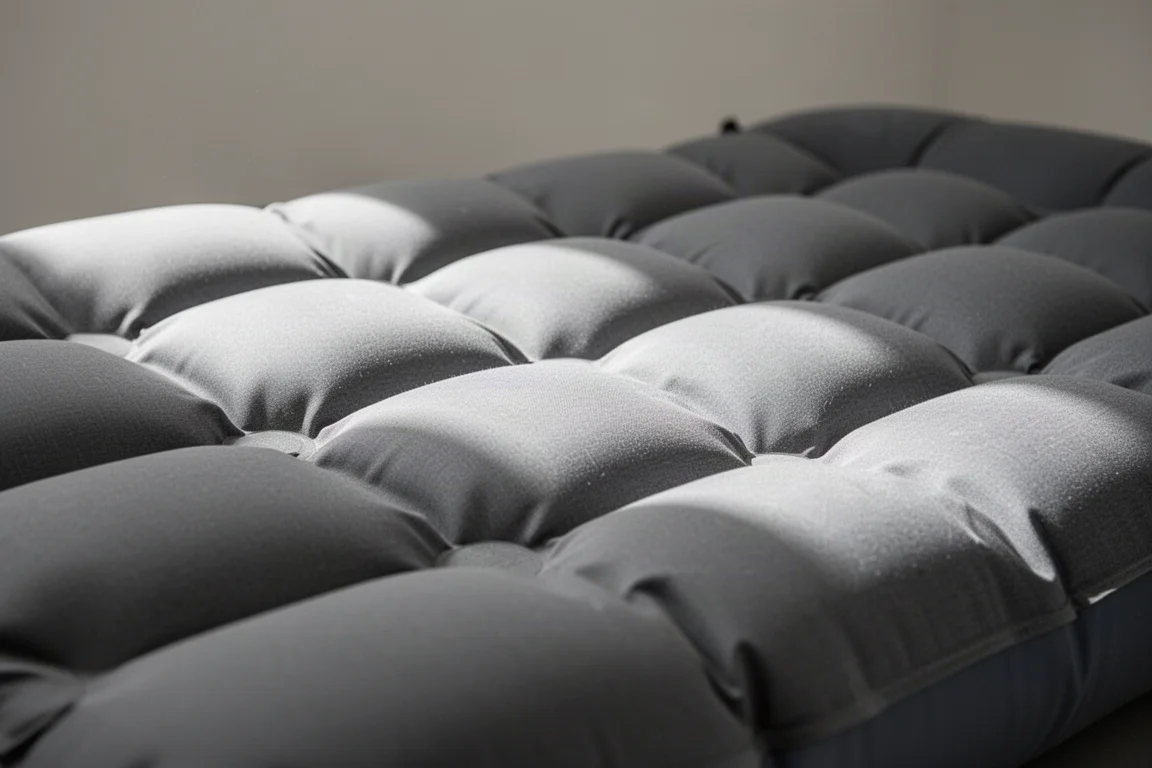
If comfort is your first priority and you mostly camp in mild conditions, this is the pad that delivers it. If you sleep cold, pair it with a warmer quilt or look at the Tensor instead.
Quilts Beat Sleeping Bags for Comfort
Most people assume camping means a sleeping bag. If good sleep is the goal, a quilt is usually the better answer.
Sleeping bags are restrictive. Wrapped up like a cocoon, turning onto your side and extending a knee is difficult, and a large share of a sleeping bag’s weight does nothing for you once you are lying on it. Quilts work more like a blanket. They let you stretch out, roll over, and change position without fighting the fabric.
The one drawback is that a quilt leaves you sleeping directly on the pad. That is workable, but it is not the most comfortable arrangement.
Zen Bivy Sleep System
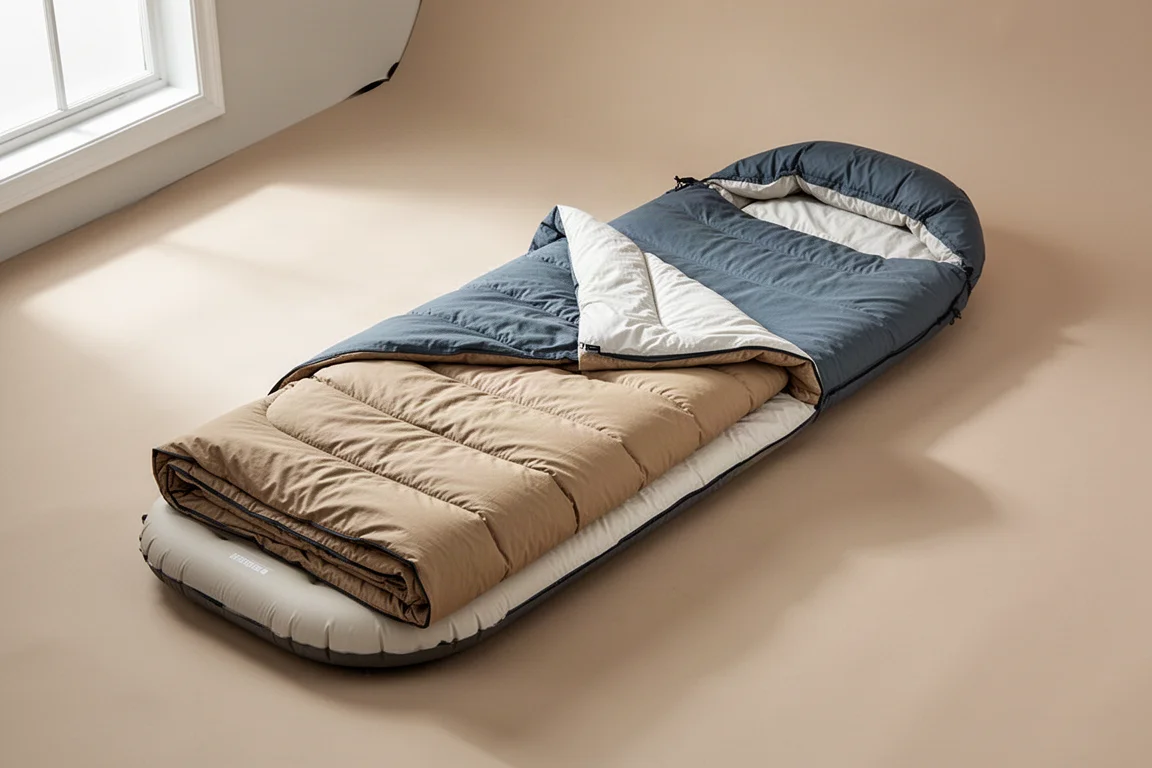
The Zen Bivy sleep system solves that problem by pairing a quilt with a sheet that covers the air mattress, so you are not lying straight on the pad. The whole setup feels closer to a bed.
The sheet also includes a built-in hood, which keeps your head warm and holds your pillow exactly where you put it instead of letting it slide out during the night. A series of hooks and loops anchor the quilt without the constriction of a sleeping bag, and because there are multiple attachment points rather than one or two pad straps, the quilt is far less likely to shift and let a draft in on a cold night.
Pillows Are the Real Key
Pads and quilts get most of the attention, but the single biggest upgrade to backcountry sleep is often a genuinely good pillow. A stuff sack full of spare clothes or a bare inflatable pillow rarely does the job, and it is usually the piece people replace last.
The pattern that emerged from testing higher-end pillows is consistent: pure air is not what you want under your head. A pillow with some cushioning on top relieves pressure and keeps your ears from being pressed into a hard inflated surface.
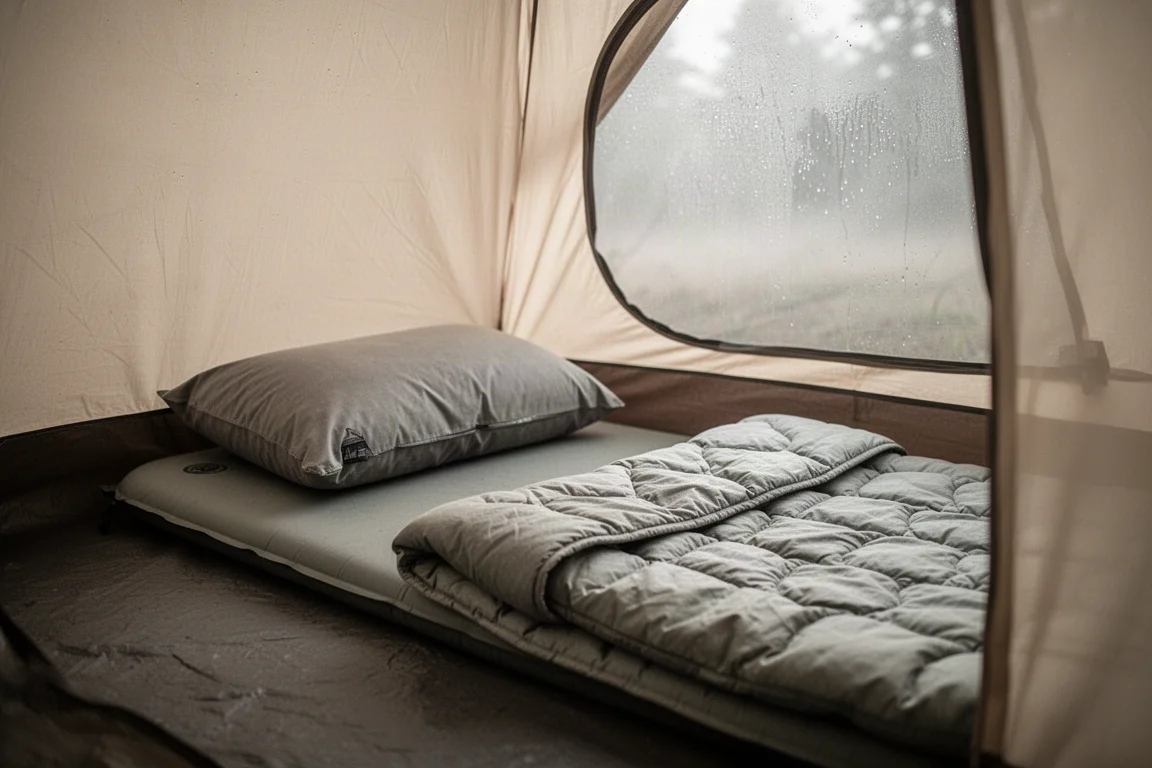
That distinction explains why the pillow notes below look the way they do.
Nemo Fillo
The Fillo became the favourite. It is an inflatable pillow with a thick cushion layer on top, which keeps it light while still feeling comfortable. Because the cushion takes the pressure, it does not press into your ears the way a purely inflatable pillow does.
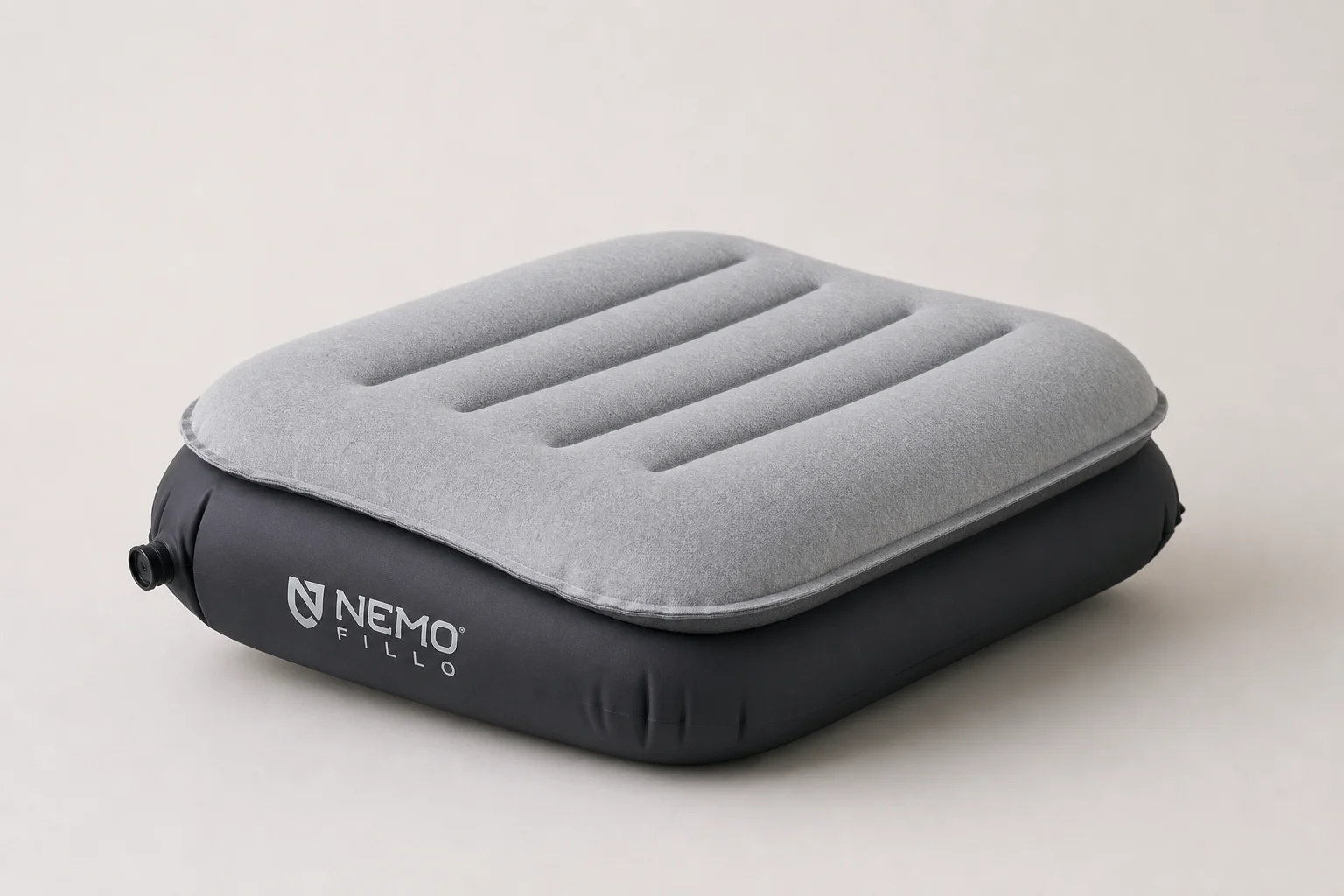
Sea to Summit Aeros Pillow
The Aeros is the lightweight, packable option in this group, and it was part of the same round of higher-end pillow testing. It is a sensible choice when minimum weight and packed size matter most.
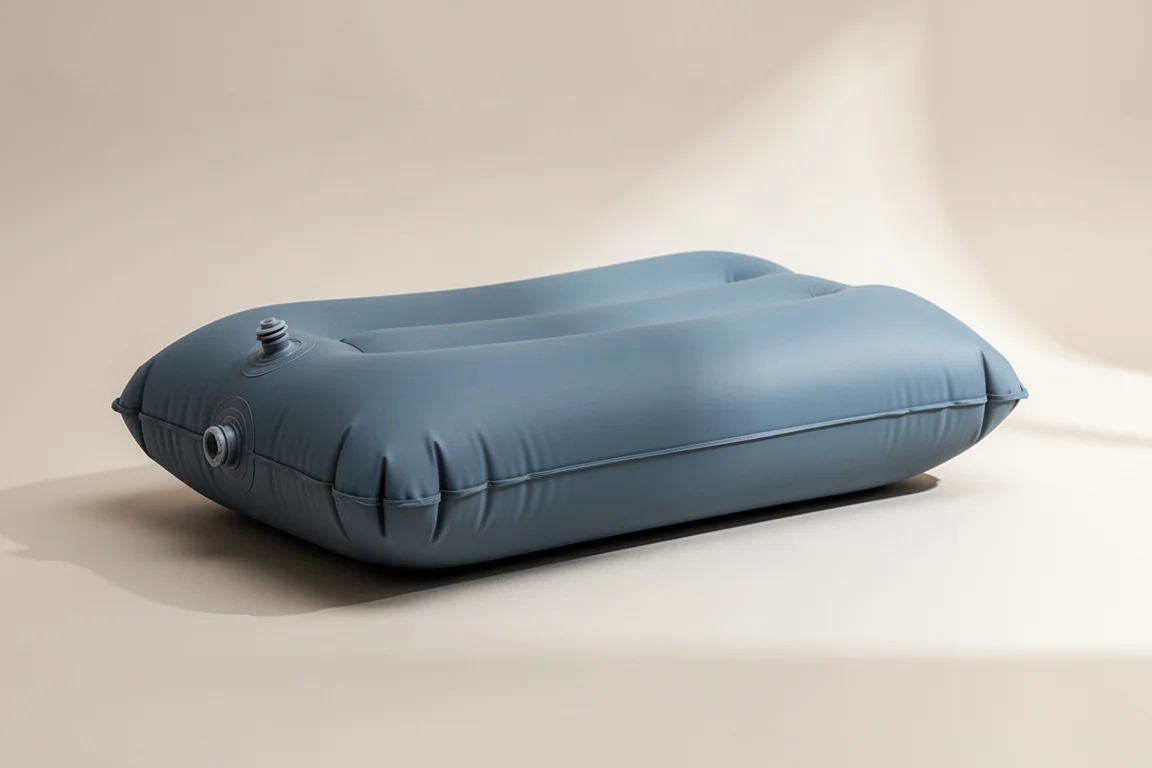
Therm-a-Rest Compressible Pillow
The Compressible pillow feels the most like a real pillow at home, which makes it the one most people expect to love. The catch is loft. To stay small enough to be practical for backpacking, it compresses too much under your head, and before long it goes flat enough that sleep suffers.
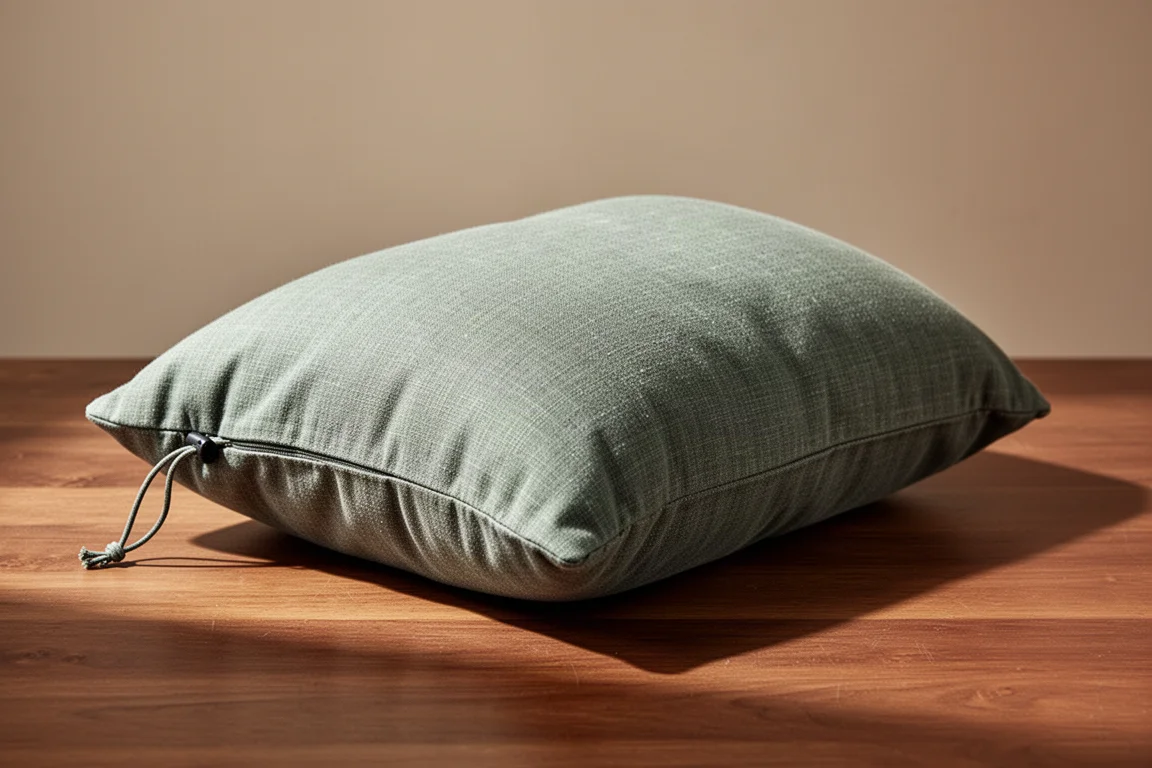
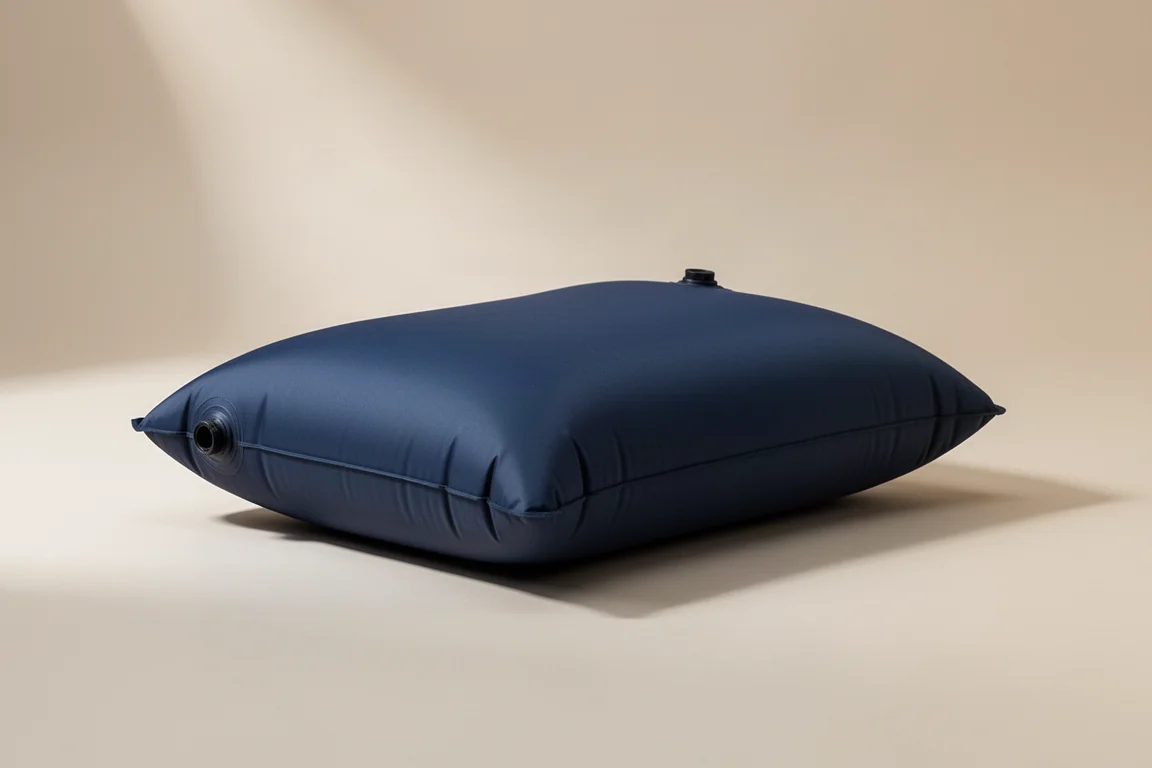
Zenbivy Inflatable Pillow
The Zenbivy inflatable pillow comes from the same brand as the sleep system above and was tested alongside the other higher-end options. It is a straightforward inflatable design, which means it stays light but offers less cushioning than a pillow with a padded top.
Warmth First: Matching Your Pad and Quilt Ratings
None of the comfort advice above matters if you spend the night shivering. Temperature comes first.
Your quilt and your sleeping pad work together to keep you warm, so their ratings need to be considered as a pair rather than separately. A quilt rated for cold weather over a pad that does not insulate well will still leave you cold from below, no matter how good the quilt is.
It is also worth treating temperature ratings with some caution. How a brand arrives at a number is not always obvious, so it pays to check the details behind a rating before you rely on it for a trip where cold is a real risk.
Buying Advice
Build the system in the order that solves your actual problem.
If you are still sleeping on closed-cell foam, start with an inflatable pad, and go thicker and wider than you think you need. Side sleepers and anyone who moves at night should look at wide versions specifically, because that is where the biggest comfort gain sits.
Next, decide between a sleeping bag and a quilt. If you want to change position freely, a quilt is the more natural choice, and a quilt-and-sheet system makes the transition easier and keeps the pillow in place.
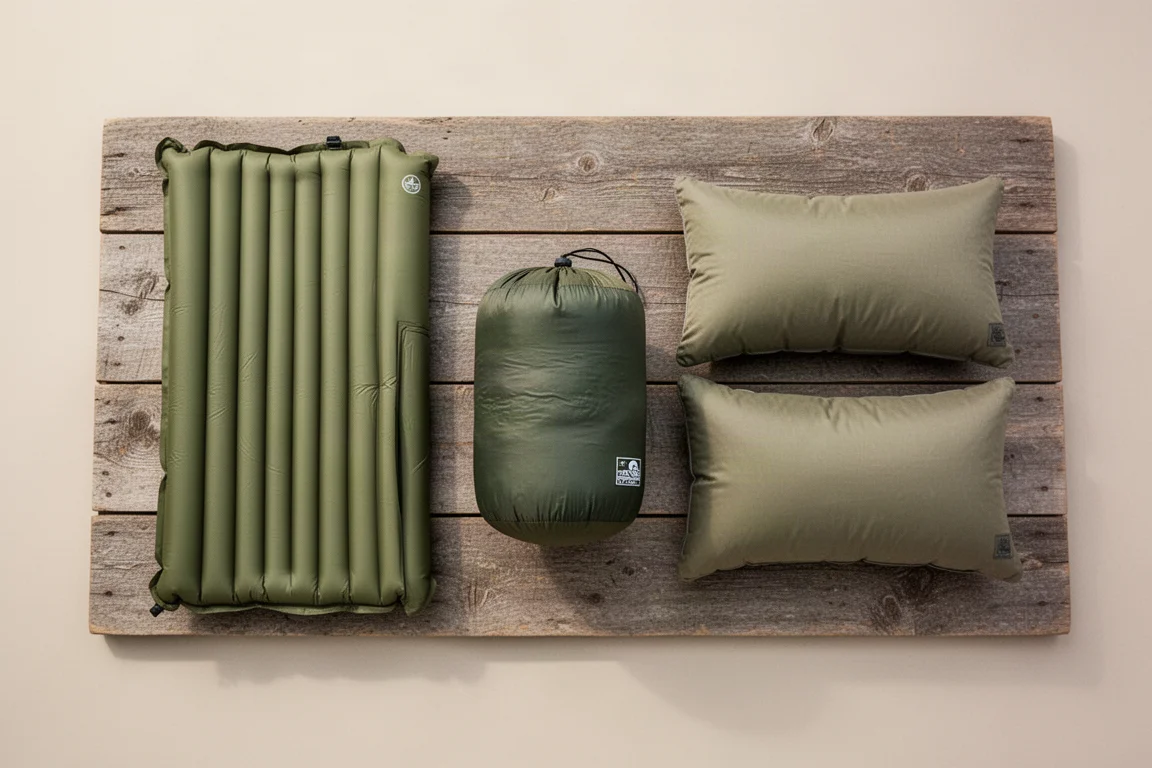
Finally, do not treat the pillow as an afterthought. It is the piece most likely to change how a night feels, and a cushioned inflatable pillow is a better bet than a bare one or a stuff sack.
If you sleep cold, put warmth at the top of the list and match your pad and quilt ratings accordingly. If you sleep warm and prioritise comfort, the plusher pads and cushioned pillows are where your money does the most work.
Conclusion
Good sleep in the backcountry is a system: a pad thick and wide enough to support you, bedding that lets you move, and a pillow that keeps its shape through the night. Get those three right, keep your temperature ratings honest, and the morning after a long day stops being the worst part of the trip.
Further reading
Related Reviews
Camping Sleep Systems
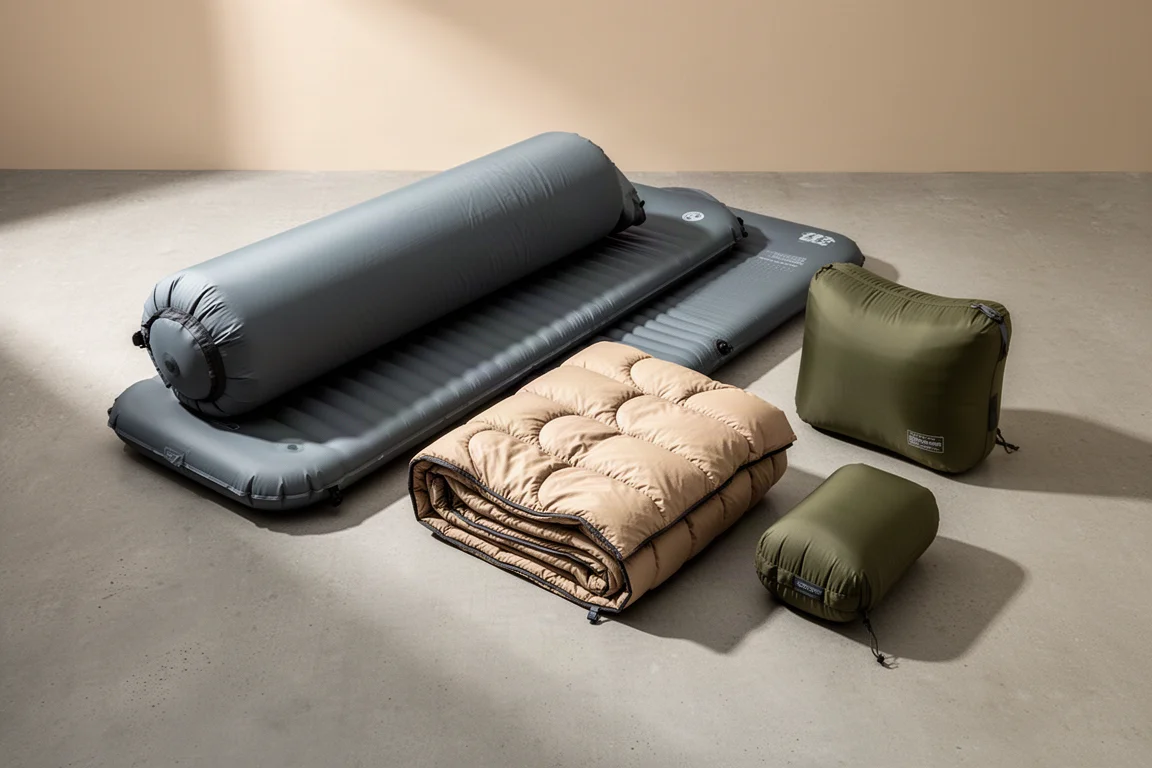
Backcountry Sleep System Guide: Two Pads and Two Pillows for Colder Nights
Two sleeping pads and two camp pillows that cut pressure points and tossing, plus the quilt setup habits that keep cold air out of your sleep system.
Camping Sleep Systems
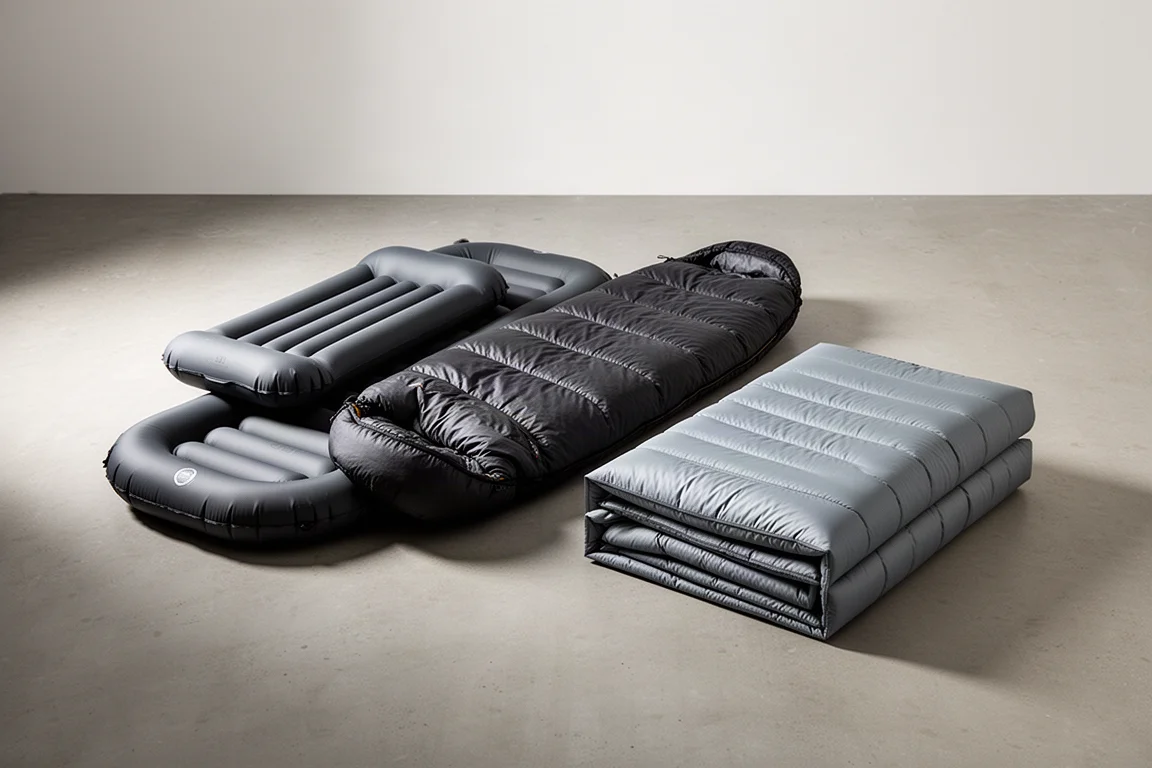
Extreme Cold Sleep System: Three Pieces That Make Winter Camping Work
A practical look at the three core pieces of an extreme cold sleep system that together handle wind, cold ground, and moisture on sub-zero nights.
Camping Sleep Systems
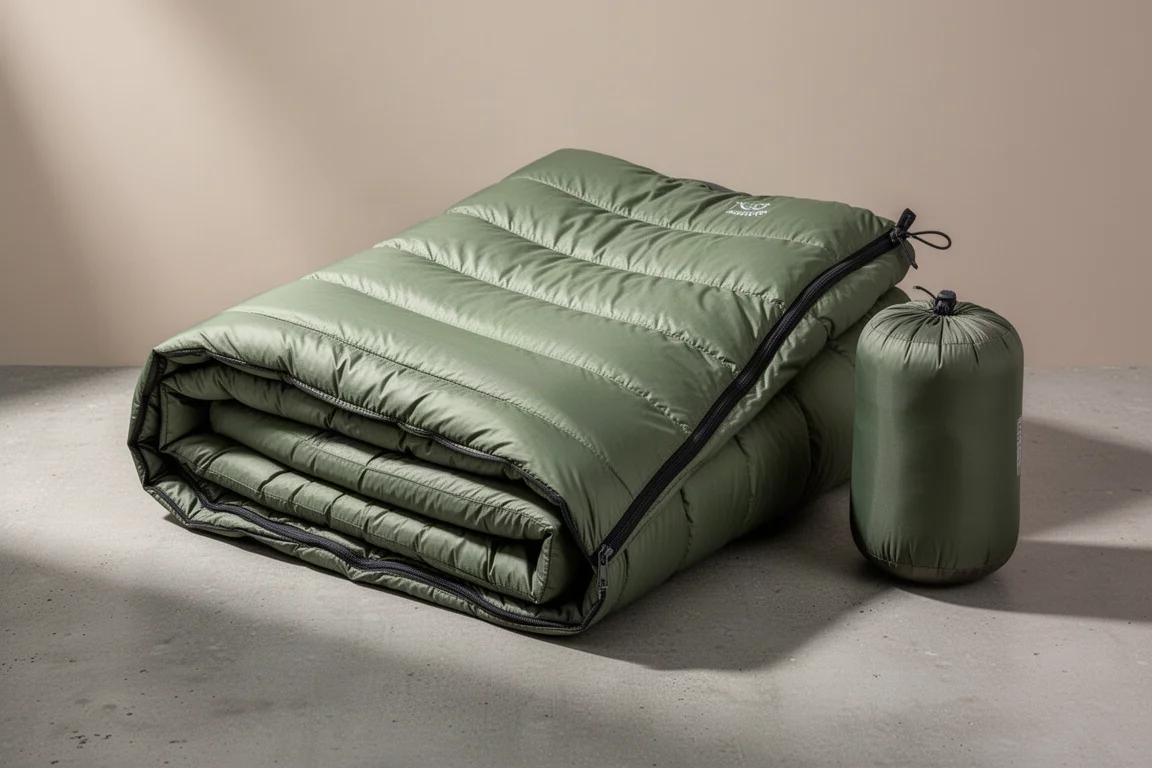
NatureHike Ultralight Down Quilt Review: A Versatile Warm-Weather Sleep System
A close look at the NatureHike Ultralight Down Quilt, covering real-world warmth, build quality, weight, sizing, and the one trade-off to expect from any down-filled product.