Hi-Fi Audio
How to Save Money on Hi-Fi: Smart Buying Routes and Speakers Worth Watching
Practical ways to pay less for hi-fi gear, plus six speakers and amplifiers worth tracking when the discounts land.
Introduction
Good hi-fi does not have to mean paying full retail. A handful of buying habits, applied consistently, can take a meaningful amount off speakers and amplifiers without settling for gear you will want to replace within a year. Some of these routes are well known. Others are quietly effective and rarely discussed.
This guide covers the approaches that reliably produce lower prices, then looks at six specific components worth tracking right now, from a compact affordable bookshelf speaker to a heritage standmount and a high-end integrated amplifier.
Where the Real Discounts Come From
The first place to look is open-box, scratch-and-dent, and resale stock. Amazon Resale, formerly Amazon Warehouse, regularly lists returned and opened items at a discount, and the selection shifts constantly. Retailers such as Crutchfield, Audio Advice, and Best Buy also move open-box stock, and Schiit keeps a last-chance section on its site for discounted items.
The important detail is timing. Open-box and scratch-and-dent listings are priced against the current retail figure, so when a product goes on sale, the discounted examples get cheaper too. Checking the open-box page after a sale begins often produces the best combination of the two reductions.
Seasonal sales are the second lever. Brands such as ELAC, Klipsch, and Polk run sales on a fairly predictable annual cycle, and major promotional periods bring wider discounts across the category. If a component is not urgent, waiting for its sale window is usually worth it. One exception is worth knowing: when a direct seller like Emotiva discounts a product, that lower figure is often the new permanent price rather than a temporary promotion, usually because the model is being phased out.
Buying Direct and Buying Used
Buying direct from the manufacturer is another route that often lowers the price. Brands including Emotiva, Schiit, RSL, and Jelly Labs sell straight to customers rather than through distributors and dealers, which removes a layer of margin. These companies also tend to be smaller, which frequently means more responsive customer service. It is not a universal rule, since a few direct sellers simply keep prices where they were, so it pays to compare.
Used gear is the third route, and the safest version of it is buying from a seller with a reputation to protect. The Music Room, for example, deals in higher-end and lesser-known brands and offers a guarantee on used purchases. It also takes trade-ins, including gear you originally bought from them, so a purchase can later be put toward something new, much like trading in a car.
Outside specialist dealers, used gear moves through Facebook Marketplace, hi-fi forums, Facebook groups, and eBay. Marketplace and forum listings can be excellent value, but trust matters more than the price. On eBay in particular, many vintage listings come from general resellers rather than hi-fi specialists, so it helps to know what you are looking at.
Finally, ask. Several brands offer military, veteran, and first responder discounts, and Emotiva is one example. If you are a repeat customer, it is entirely reasonable to contact customer service and ask whether a discount or a demo unit is available. The worst outcome is a polite no.
Affordable Pick: Sony SSCS5
The Sony SSCS5 has long been one of the most appealing entry points into proper bookshelf speakers, and it typically sells for around $200. Resale and open-box examples turn up fairly often, although availability comes and goes.
Its character leans lively, with a slightly brighter top end that can make it feel energetic on upbeat material. For a first pair of speakers or a second system in a small room, that combination of price and personality is easy to live with.
Value Pick: ELAC Debut 2.0 B5.2
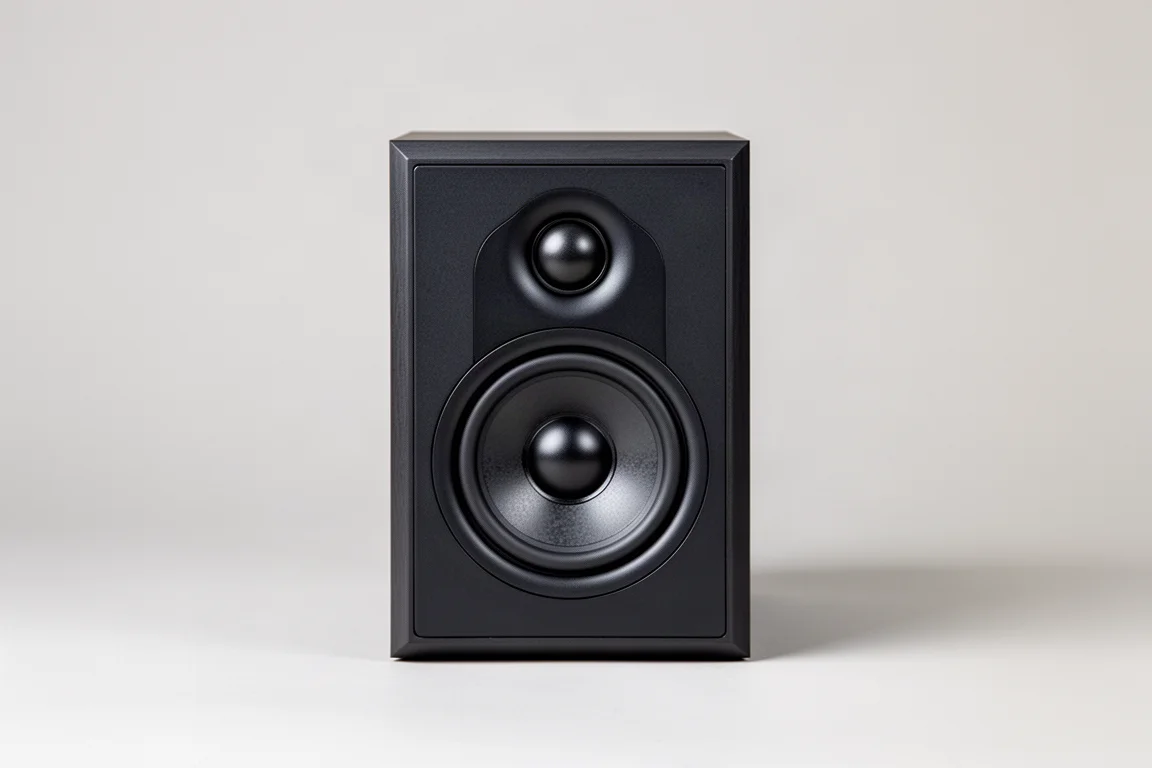
The ELAC Debut 2.0 B5.2 is the 5.25-inch model in the Debut 2.0 range, and it is currently around $229. Scratch-and-dent examples have appeared for less, which is remarkable for a speaker at this level.
What sets it apart is substance. It has a genuine woofer that delivers real punch and a midrange with proper body, so it sounds like a serious speaker rather than a budget stand-in. With the arrival of the newer Debut 3.0 series, pricing on the second generation has dropped, which makes this a strong moment to buy.
It now sits at roughly the same price as the Sony SSCS5, and the comparison is not close. The Sony can feel more energetic at the top, but the ELAC brings more weight and a more complete sound.
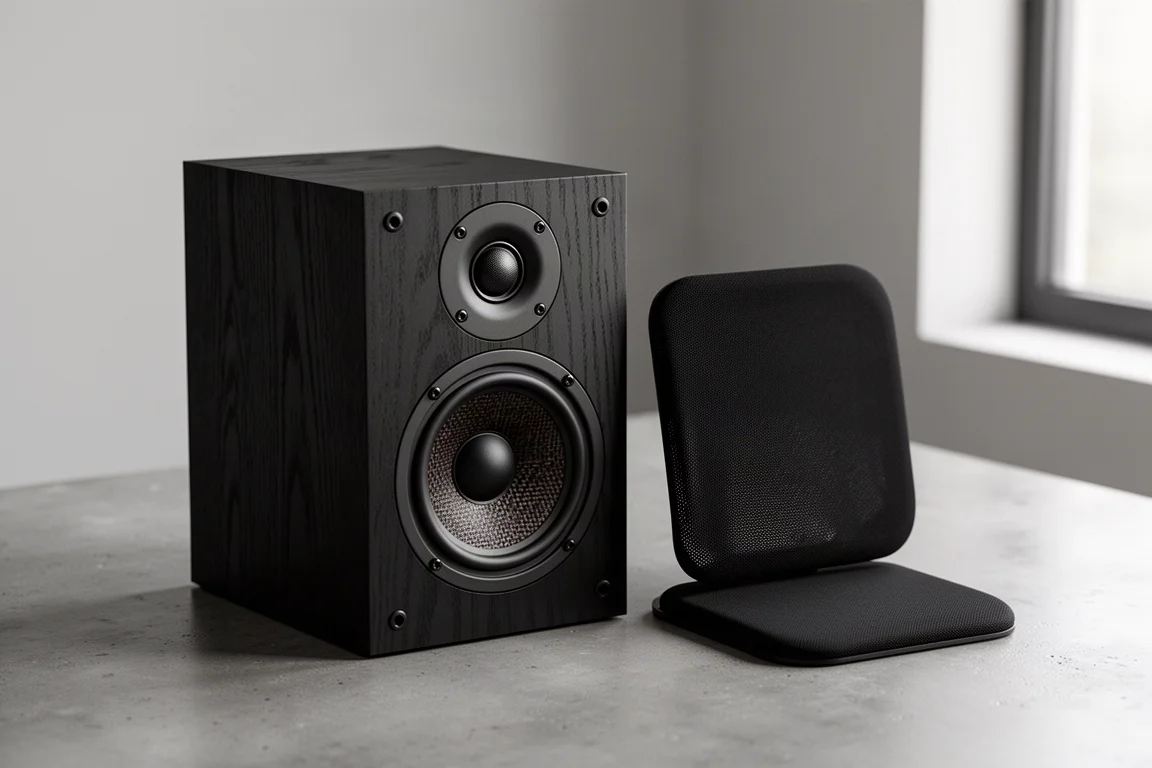
Deeper Discount, More Caveats: ELAC Debut 2.0 B6.2
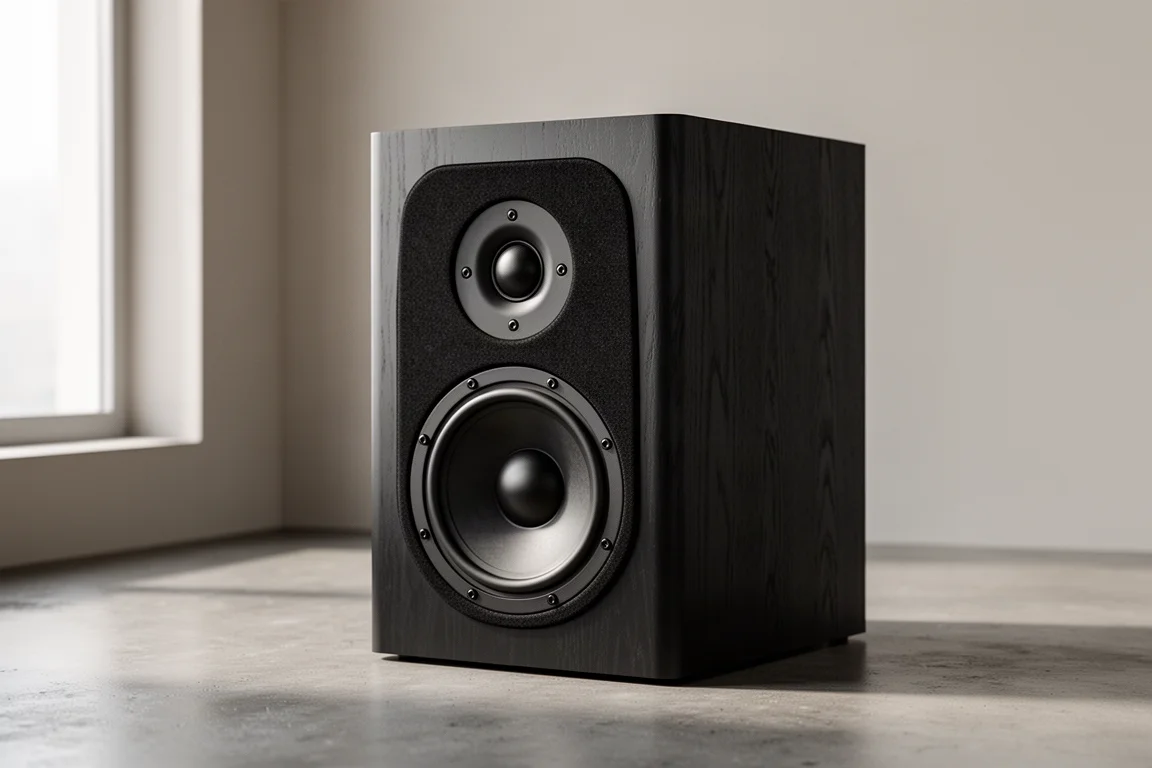
The larger ELAC Debut 2.0 B6.2, with its 6-inch woofer, has dropped to about $279, the lowest figure it has reached. Used or scratch-and-dent examples have appeared around $249, against an original price near $400.
The trade-off is temperament. This model needs a long break-in period and is harder to warm to than its smaller sibling. Buyers who want the extra cabinet volume and low-end reach may still find it compelling at this price, but anyone choosing between the two should hear both if possible.
High-End Used Route: Unison Research Unico Primo
For listeners moving up the range, the used market is where the biggest savings appear, provided the seller stands behind the product. The Unison Research Unico Primo is a good illustration: a higher-end integrated amplifier that shows up through specialist used dealers rather than big-box retail.
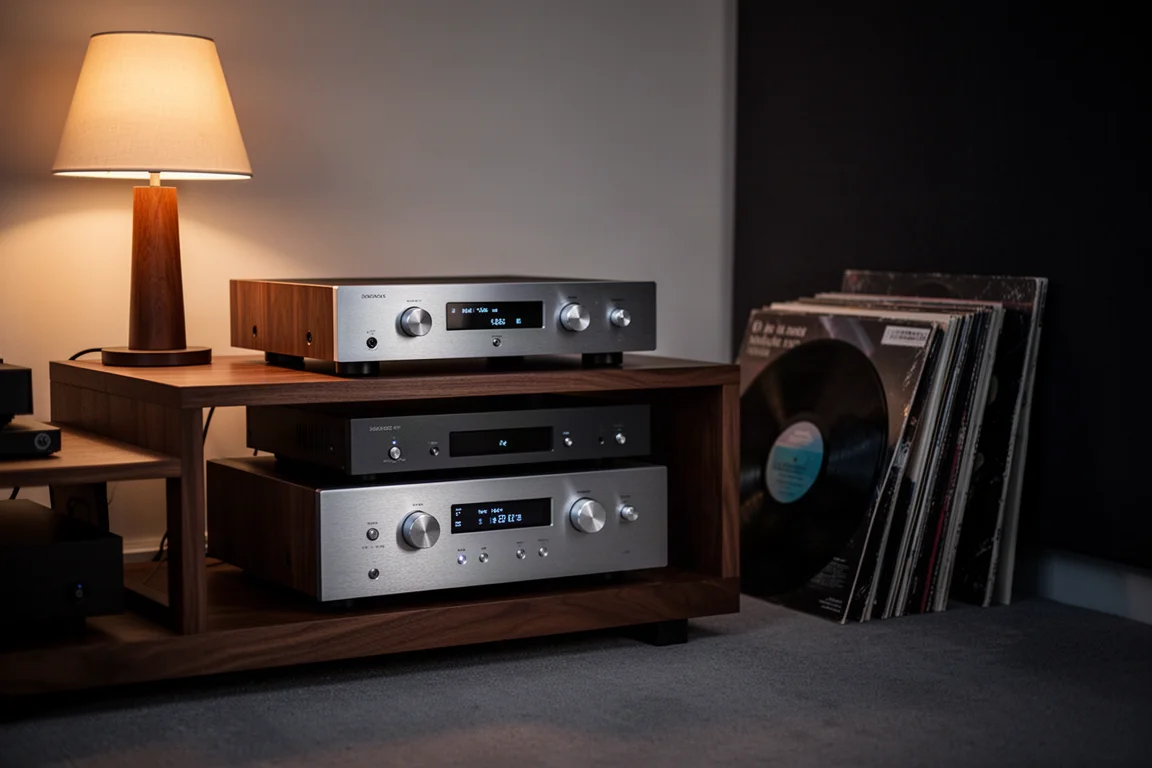
Buying this class of equipment from a dealer that offers a guarantee and a trade-in path removes most of the risk normally associated with second-hand purchases. You pay less than new, and you keep a route back into new gear later.
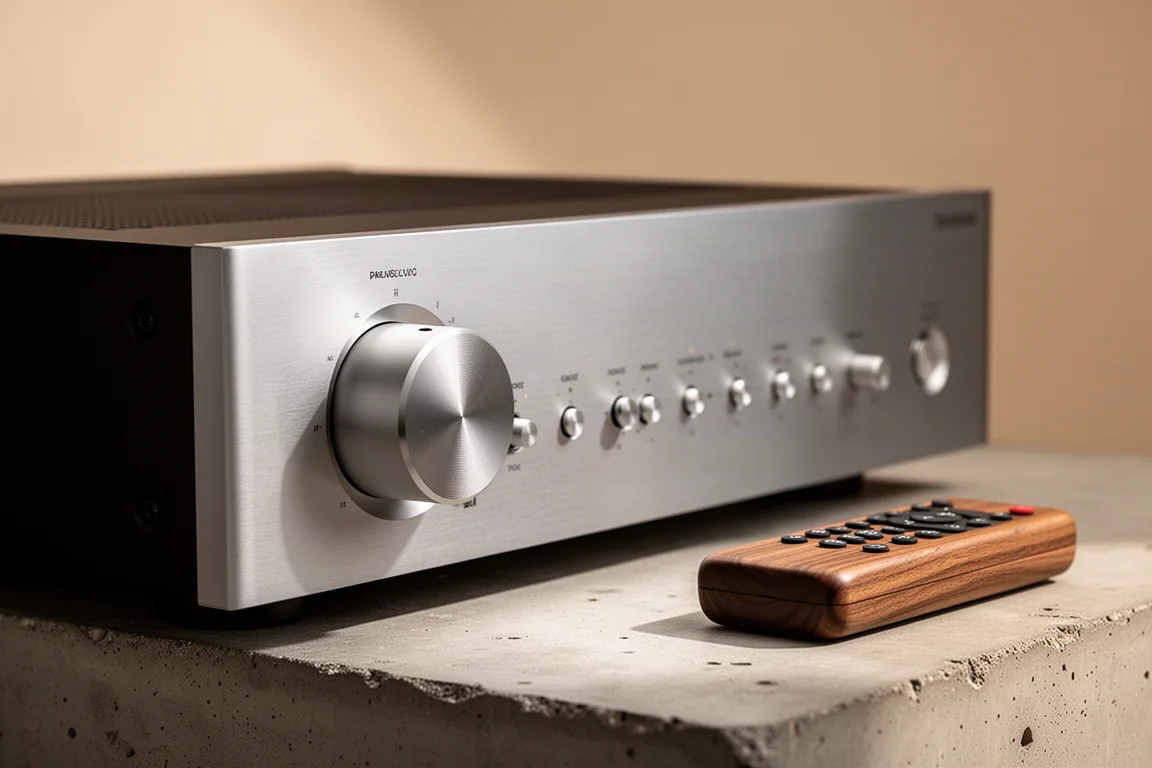
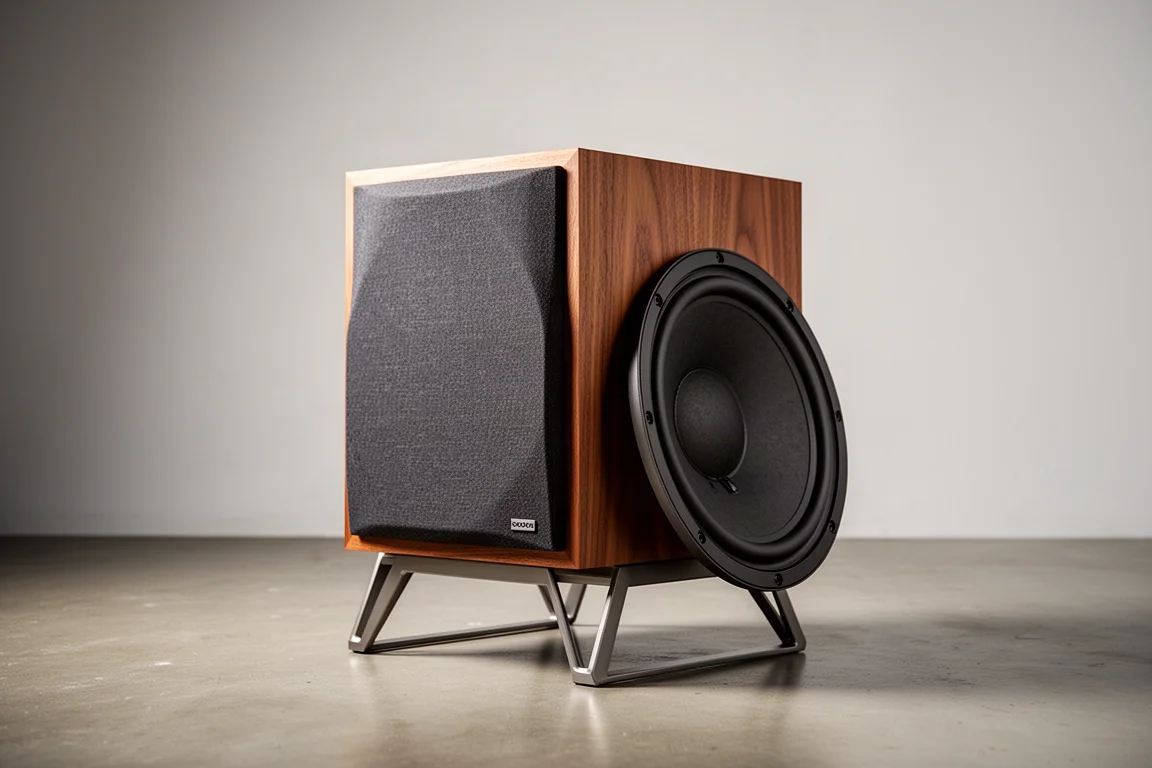
Wharfedale Linton 85th Edition
The Wharfedale Linton 85th Edition is a heritage-style standmount with a loyal following, and it is currently on a substantial sale. For anyone who has been considering a larger, more characterful speaker for a dedicated listening room, the current pricing is worth a closer look.
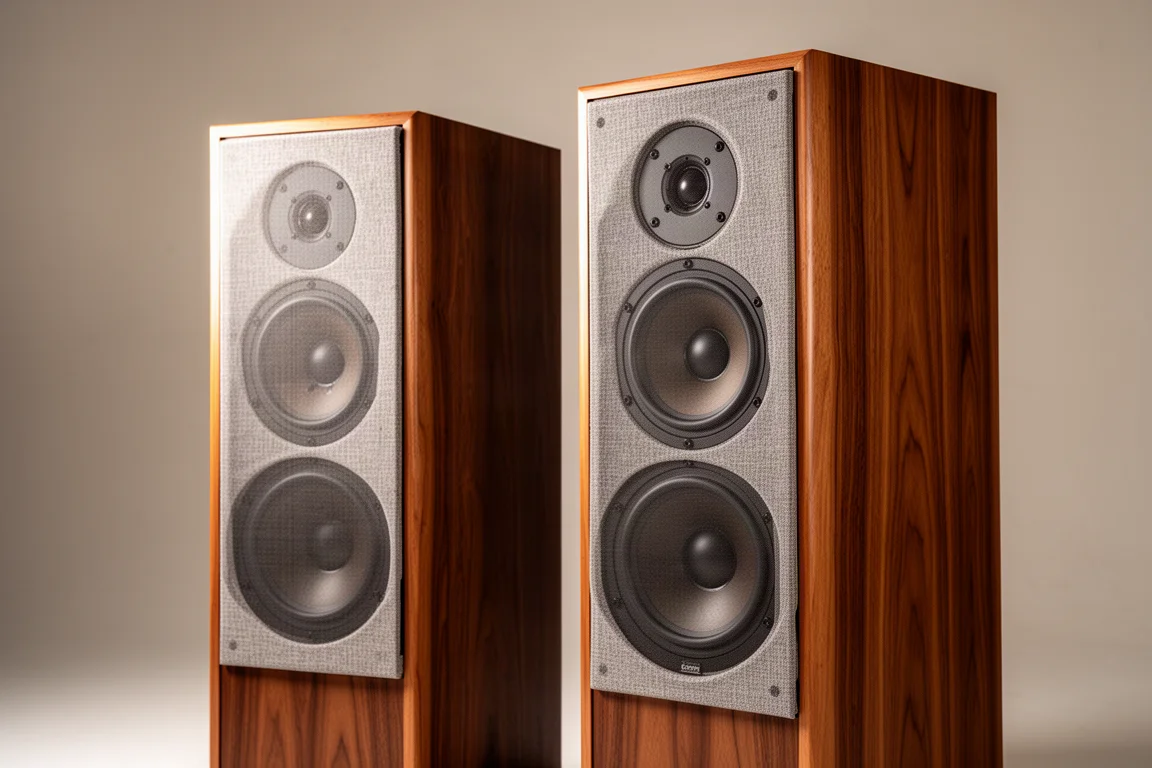
Wharfedale Super Linton
The Super Linton is the newer edition in the same Wharfedale line, and it is the natural comparison point for the 85th Edition. Buyers weighing the two should treat the sale pricing on the older model as one part of the decision rather than a reason to skip the newer one.
Overall Buying Advice
Match the route to the purchase. For affordable bookshelf speakers, open-box and scratch-and-dent listings offer the quickest savings, especially once a sale begins. For amplifiers and electronics, direct sellers are often the better value, and their sales are worth waiting for. For high-end components, a reputable used dealer with a guarantee and a trade-in program is usually the smartest path.
Two habits tie it together. First, always check the open-box page after a discount appears, because the two reductions stack. Second, ask before you assume. Repeat customers, veterans, and first responders may find a discount available, and a request for a demo unit is rarely refused outright.
Conclusion
Saving money on hi-fi is less about hunting for a single bargain and more about knowing where to look and when. Open-box stock, seasonal sales, direct sellers, and reputable used dealers each solve a different part of the problem, and the six components above show how differently they can play out. The Sony SSCS5 remains an easy entry point, the ELAC Debut 2.0 B5.2 is the stronger value at a similar price, the B6.2 offers more cabinet for patient buyers, the Unico Primo shows what the used market can do at the high end, and the two Wharfedale models are worth comparing side by side while the 85th Edition is discounted.
Further reading
Related Reviews
Hi-Fi Audio
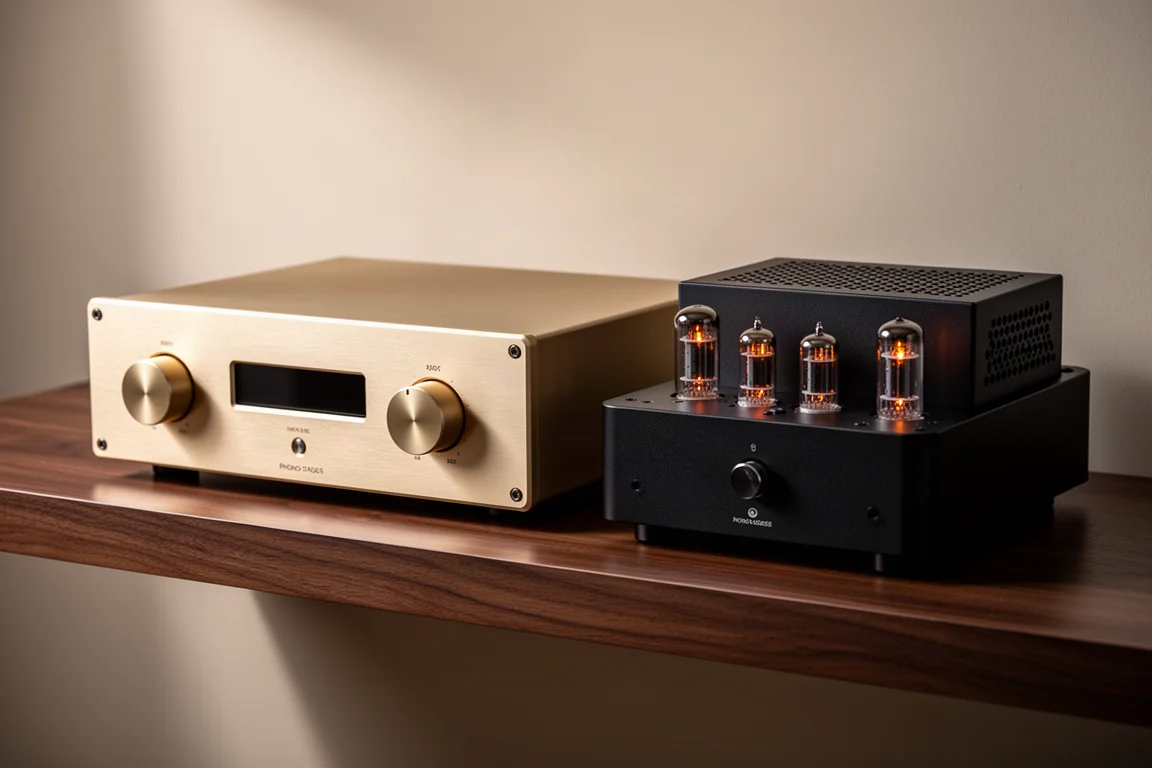
Accuphase C-57 vs Allnic H-7000V: Two High-End Phono Stages Compared
A fully balanced solid-state phono stage with a pitch-black noise floor meets a tube design built for well-loved records. Here is how to choose between them.
Hi-Fi Audio
Active vs Passive Hi-Fi: Five Components for a Modern System
Five components that define modern active and passive hi-fi systems, with the strengths, trade-offs and setup details worth weighing before you buy.
Hi-Fi Audio
Advance Paris A10 Apex Review: A Hybrid Integrated Amplifier That Covers a Lot of Ground
A French hybrid integrated amplifier with a class A tube preamp stage, analogue power meters, and an internal DAC and phono stage good enough to make extra boxes unnecessary.