Cycling Components
How to Make Your Bike Lighter: Ten Upgrades From Budget to Money-No-Object
A practical roundup of the upgrades that genuinely cut weight on a road bike, from affordable alloy wheels and rim brake calipers to premium carbon cockpit parts and fast tires.
Introduction
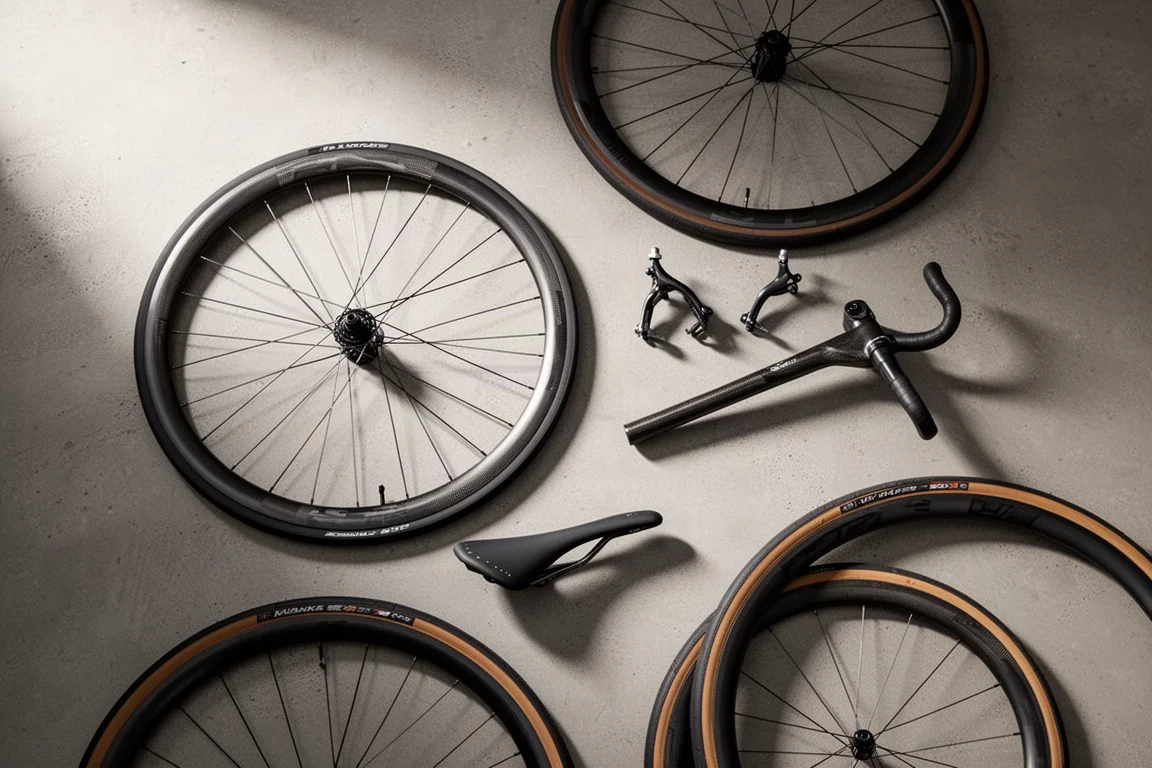
Cutting weight from a road bike is one of the most rewarding upgrades you can make, and it does not have to mean spending a fortune. The old rule still holds: light, strong, cheap, pick two. The options below range from sensible value picks to genuinely money-no-object components, and each one explains where the grams come from and what you trade away in return.
Wheels are the most noticeable place to start because they change how a bike accelerates and climbs. Brakes can deliver a surprisingly cheap saving on rim brake bikes. Cockpit parts can transform both the weight and the look of a build, and tires remain the simplest way to make any bike feel more sprightly.
What to Look For in Lightweight Upgrades
The first question is where the saving actually lands. Rotating weight, such as wheels and tires, is felt more immediately than static weight, so it usually delivers the biggest change in how a bike feels for a given spend.
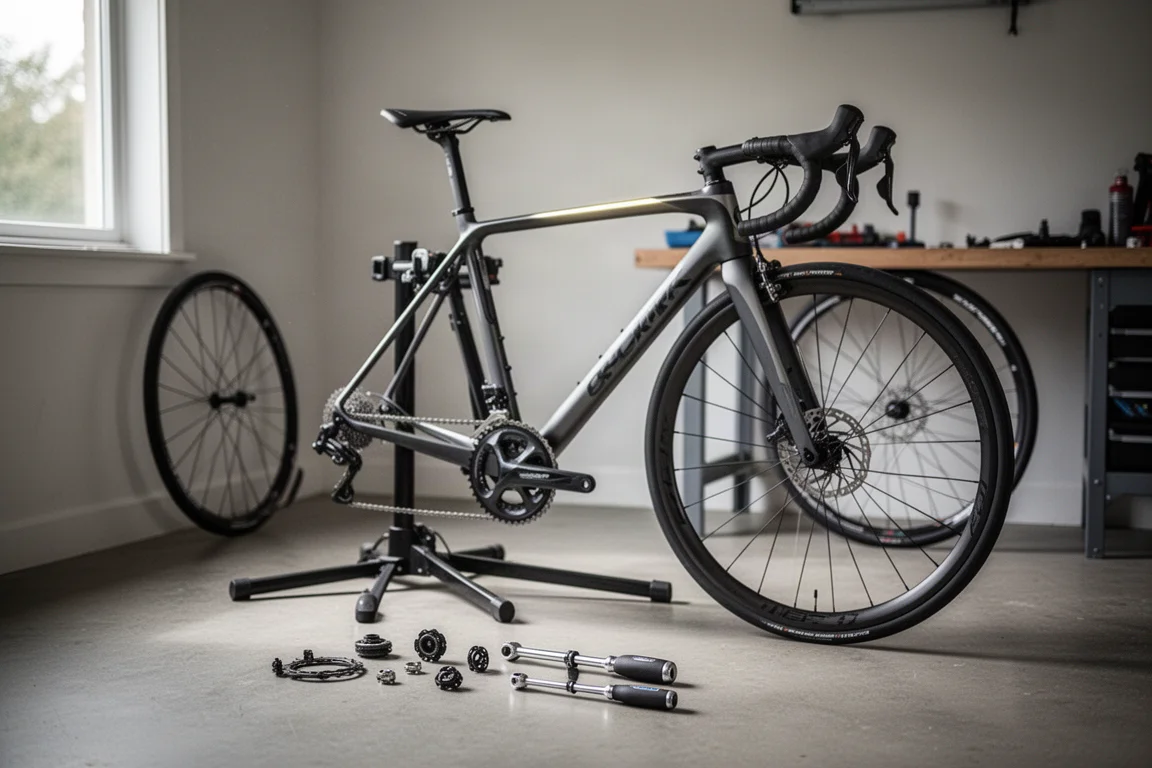
The second question is what you give up. Lightweight components often ask for more careful installation, and lightweight kit in particular should always be fitted with a torque wrench so that every bolt is tightened to specification. Get that right and a light build stays reliable.
Budget Wheels: DT Swiss 1800 Disc Wheels
Stock wheelsets often hold a bike back, and the alloy DT Swiss 1800 disc wheels are a useful reference point. At roughly 1,800 g the set is not heavy for alloy, but it leaves obvious room for improvement if you want the bike to feel quicker.
For riders who simply want a dependable alloy wheelset without a large spend, this is a reasonable place to stay. The bigger gains come from moving to a lighter set, which is where the next options come in.
Mid-Range Wheels: Hunt 32 Aerodynamicist
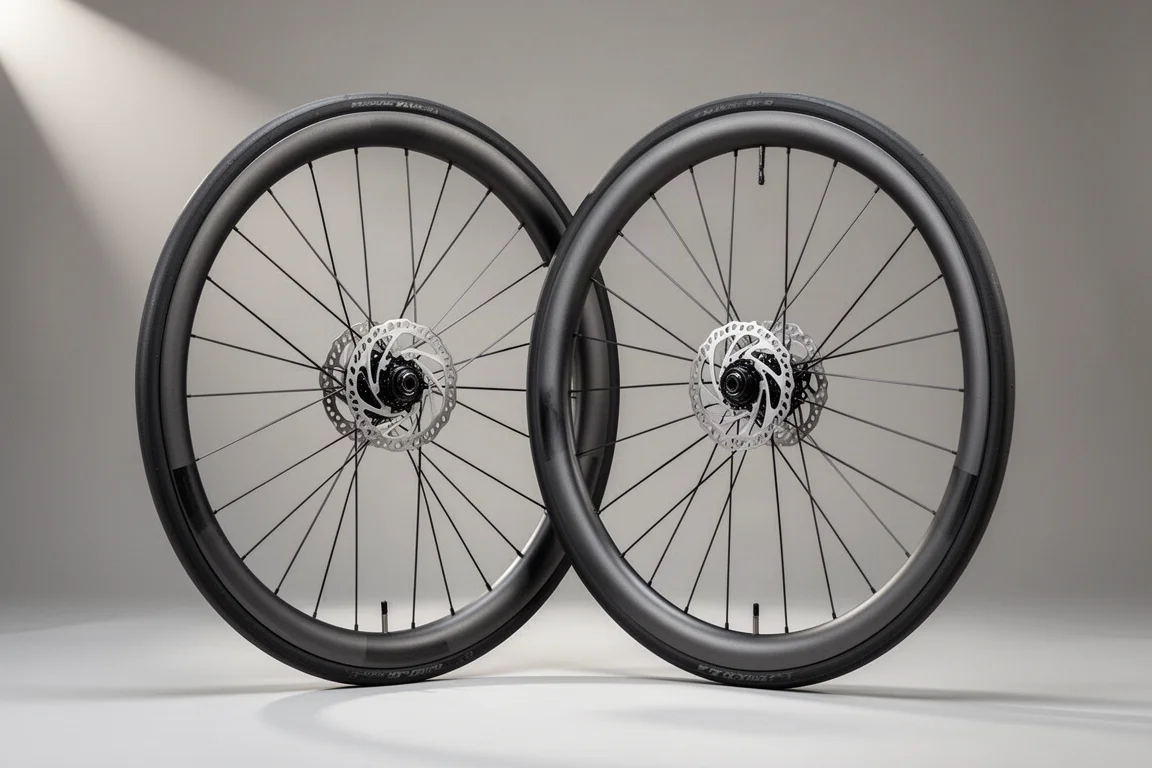
Upgrading to the Hunt 32 Aerodynamicist wheels saves close to 600 g compared with a typical 1,800 g alloy disc wheelset. That is a substantial reduction, and it is the kind of change you notice every time the road tilts upward.
Wheel upgrades also bring side benefits beyond weight, including a better tire profile and the option of a tubeless setup for extra puncture protection. Even so, the weight saving is the headline here, and it arrives without the price of a top-tier carbon set.
Lightweight Climbing Wheels: Hunt Hill Climb SL
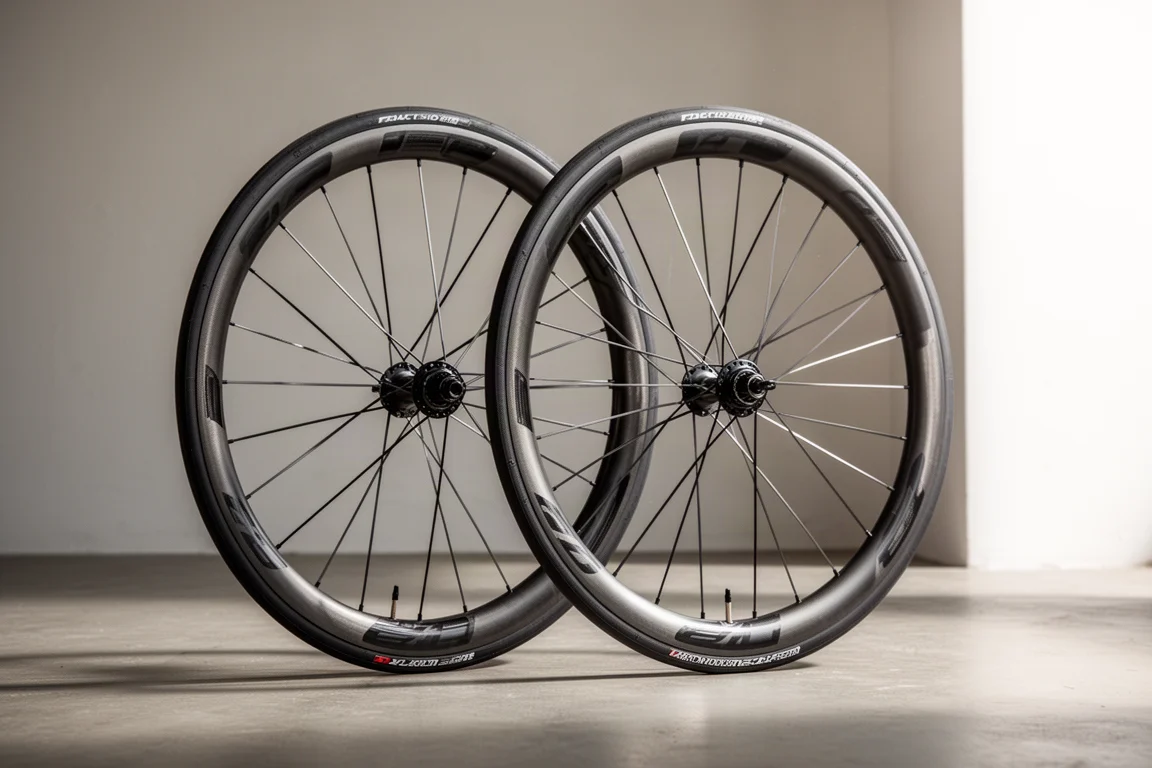
For riders whose goals centre on climbs, the Hunt Hill Climb SL takes the idea further with a 936 g wheelset. This is a specialist choice aimed squarely at low weight rather than all-round versatility.
If your riding is mostly steep gradients and short efforts, a wheelset this light makes sense. If you split your time between climbing and fast flat roads, a mid-depth option is usually the better compromise.
Money-No-Object Wheels: Lightweight Meilenstein Evo
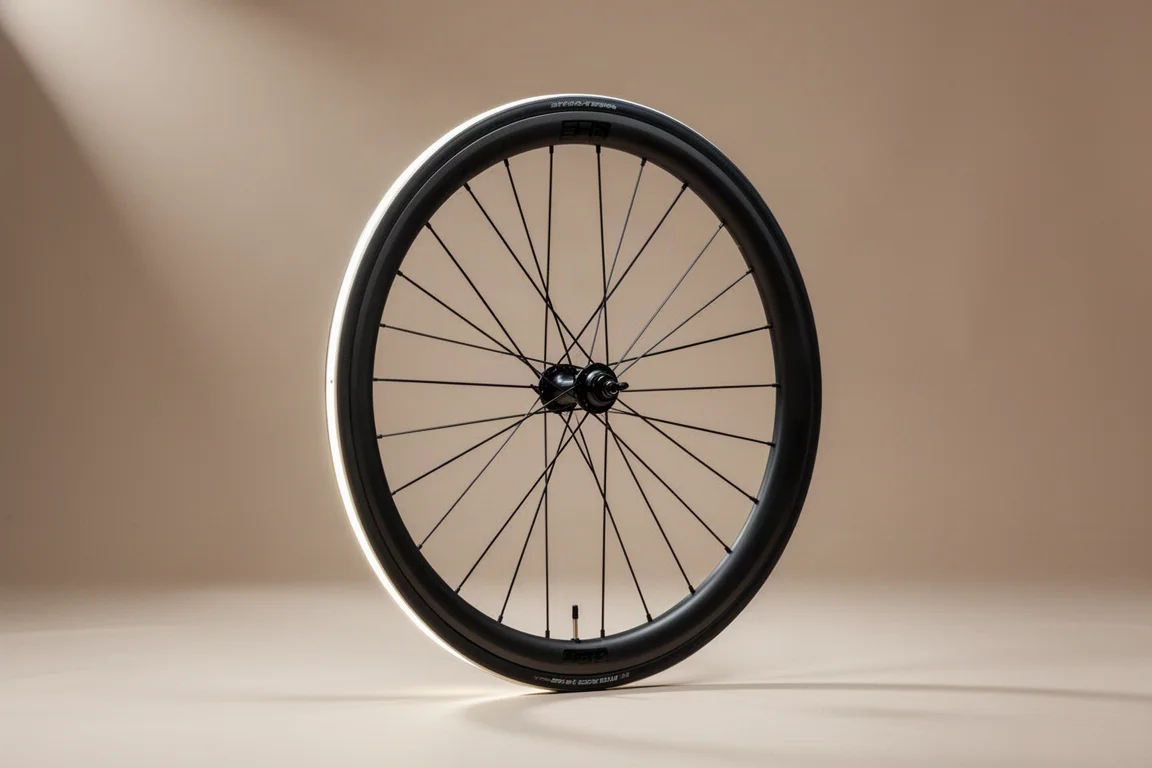
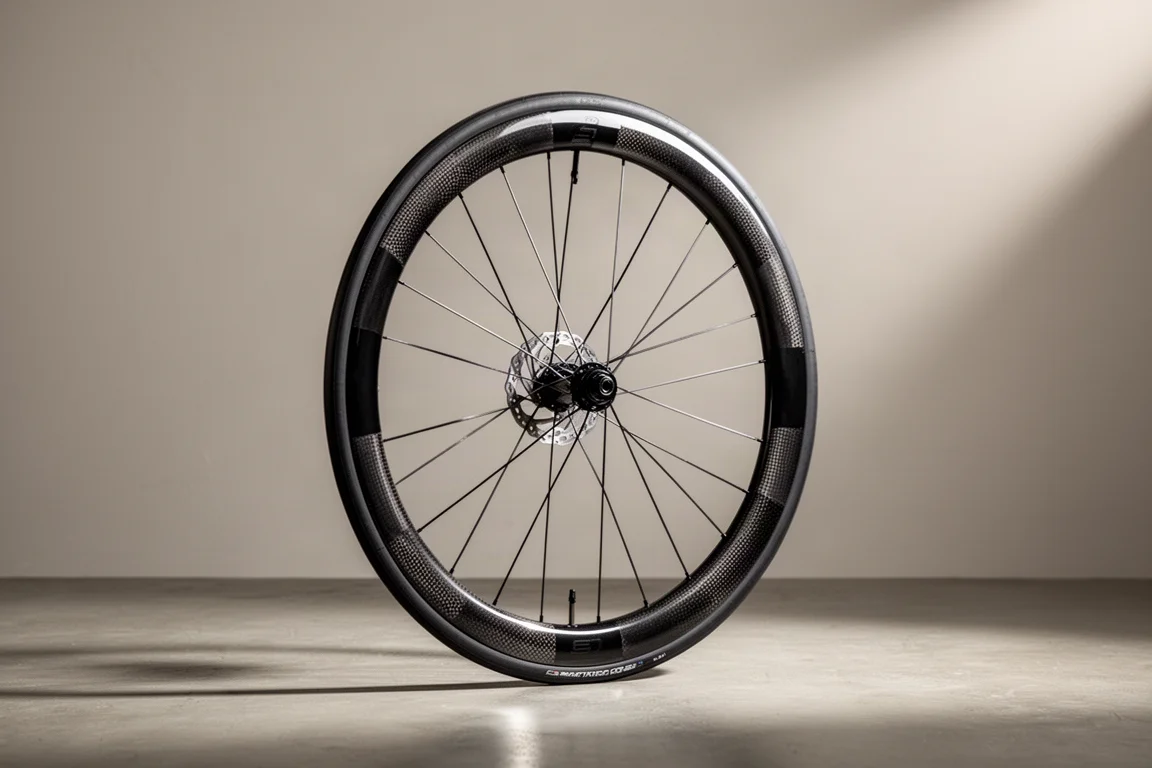
At around $7,000, the Lightweight Meilenstein Evo represents the extreme end of wheel spending. The weight is exceptionally low, and the construction is unapologetically premium.
It is worth being realistic about the returns. Spending this much does not automatically deliver spectacular performance on the road, so this is a purchase for riders who want the very lightest premium wheelset and are comfortable with the cost.
Value Rim Brakes: SRAM Red 22 Calipers
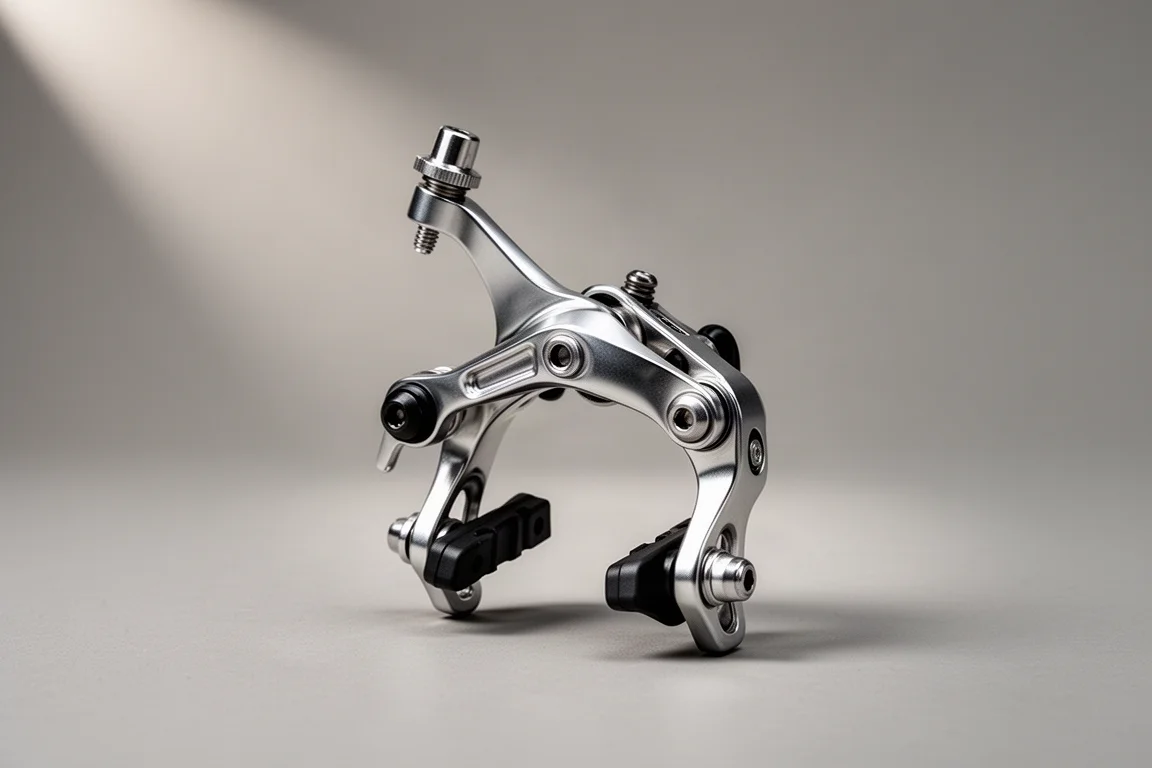
Brakes are an underrated place to save weight, and rim brake bikes have more room to mix and match components. The SRAM Red 22 calipers weigh around 240 g and cost about £230, and they are lighter than many standard Shimano or SRAM calipers.
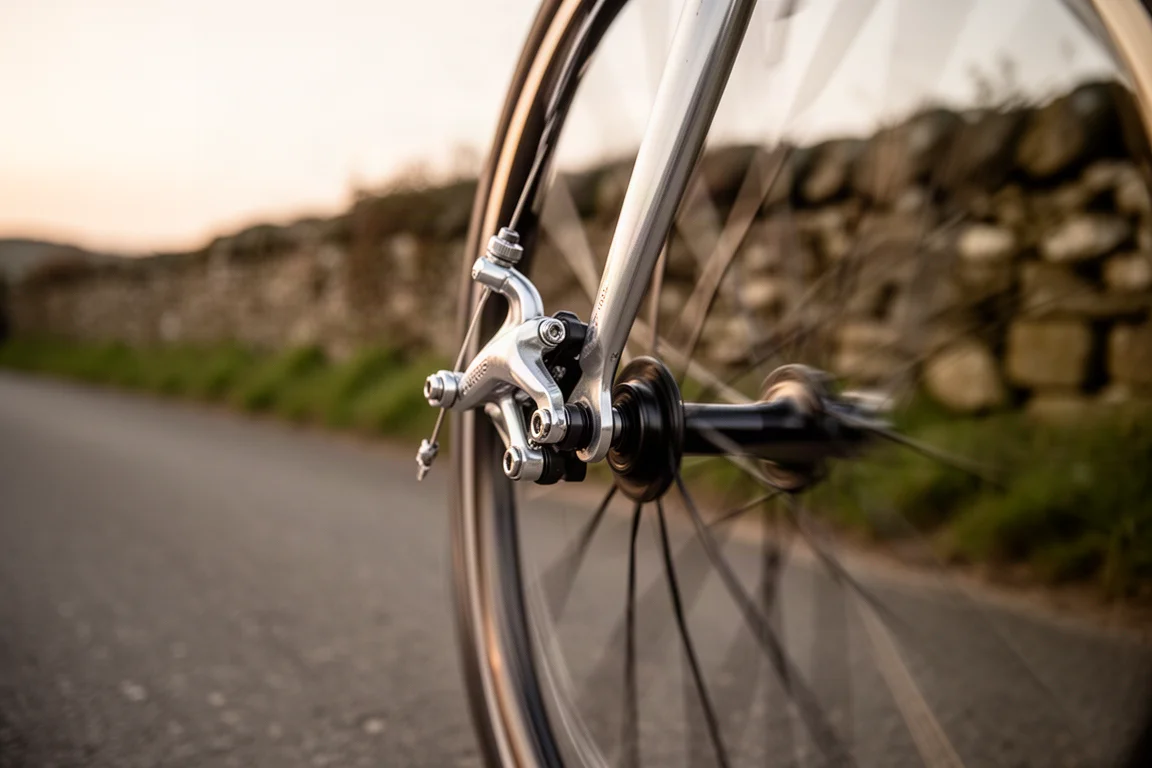
The bonus is stopping power. A lighter caliper that also brakes harder is a genuine two-for-one upgrade, which is rare in this hobby.
Premium Rim Brakes: Cane Creek eeBrake
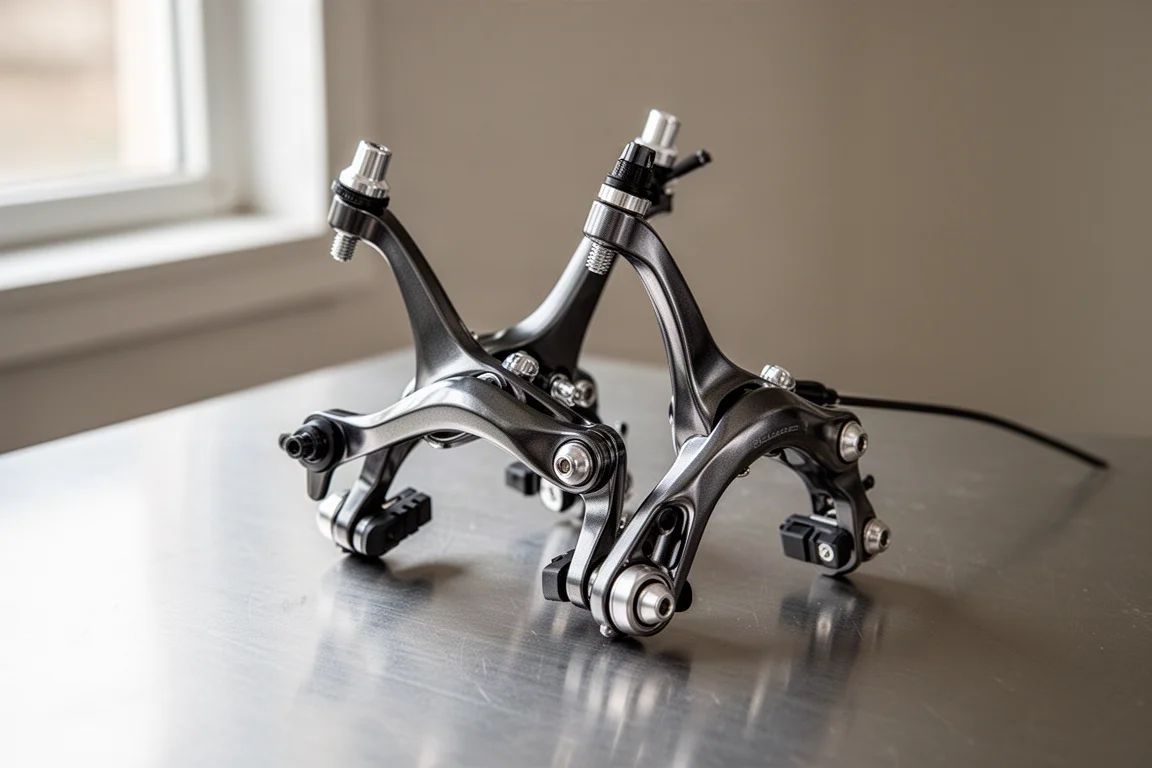
The Cane Creek eeBrake sits at the opposite end of the market. Each brake costs around £370, and the rear direct-mount version weighs just 76 g. The machined finish is a big part of the appeal.
For disc brake bikes there is less opportunity to mix and match in the same way, and very little weight separates calipers such as Shimano Ultegra and Dura-Ace, with only about 15 g between them. Unless a bike is fitted with basic budget calipers, that particular swap rarely justifies the money.
Budget Cockpit: MT Zoom Ultra Light Stem
Handlebar, stem, saddle and seatpost can make a bike stand out, and carbon is not the only route to a lighter cockpit. Alloy parts can do an excellent job at a relatively small cost.
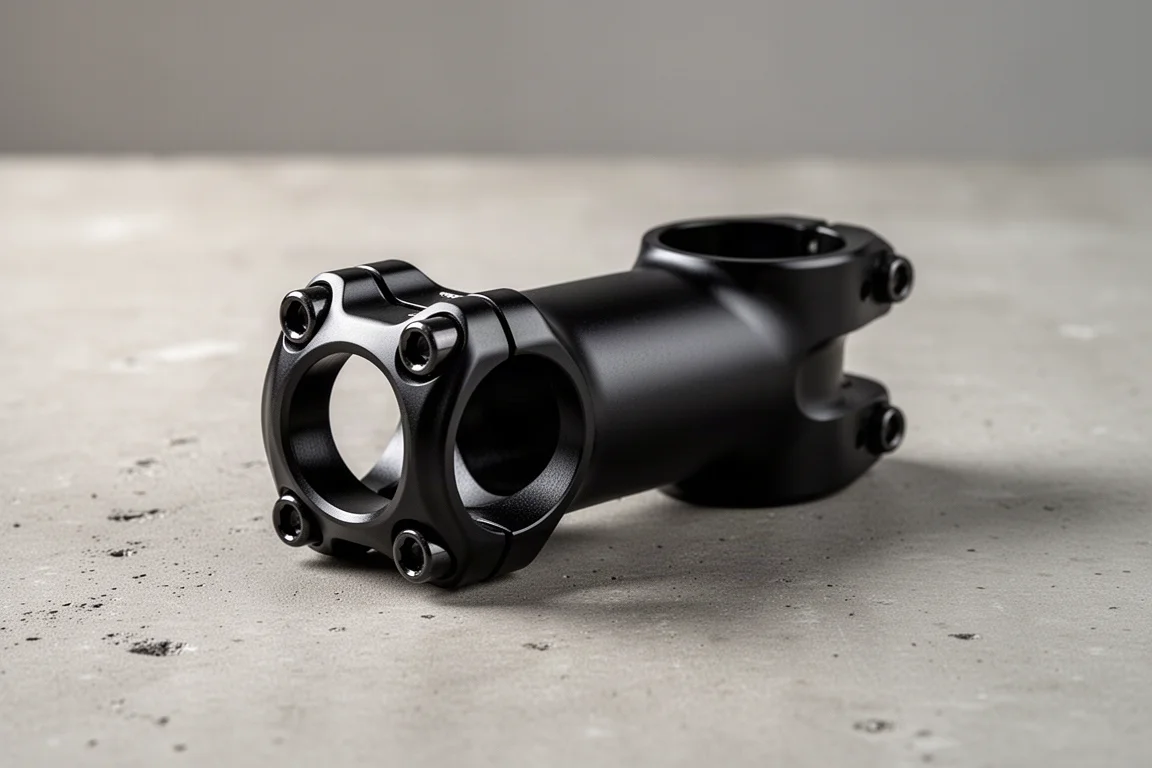
The MT Zoom Ultra Light stem is a good example: a 110 mm stem at 103 g for around £40. That is a striking weight for the money, and it shows how far alloy components have come.
Premium Cockpit: Schmolke T Range
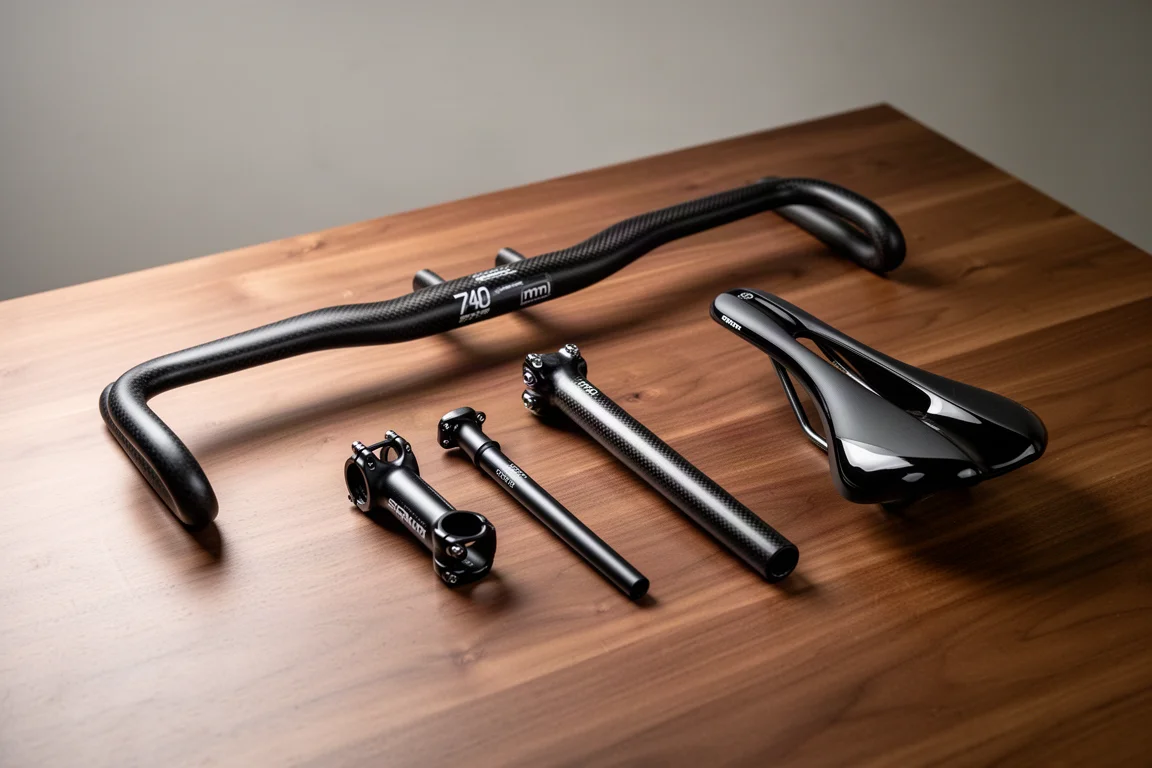
If the budget allows, Schmolke produces some of the lightest carbon components available. The T range is the brand’s lightest line, with a 140 g Evo handlebar, an 89 g stem and a saddle at just 65 g.
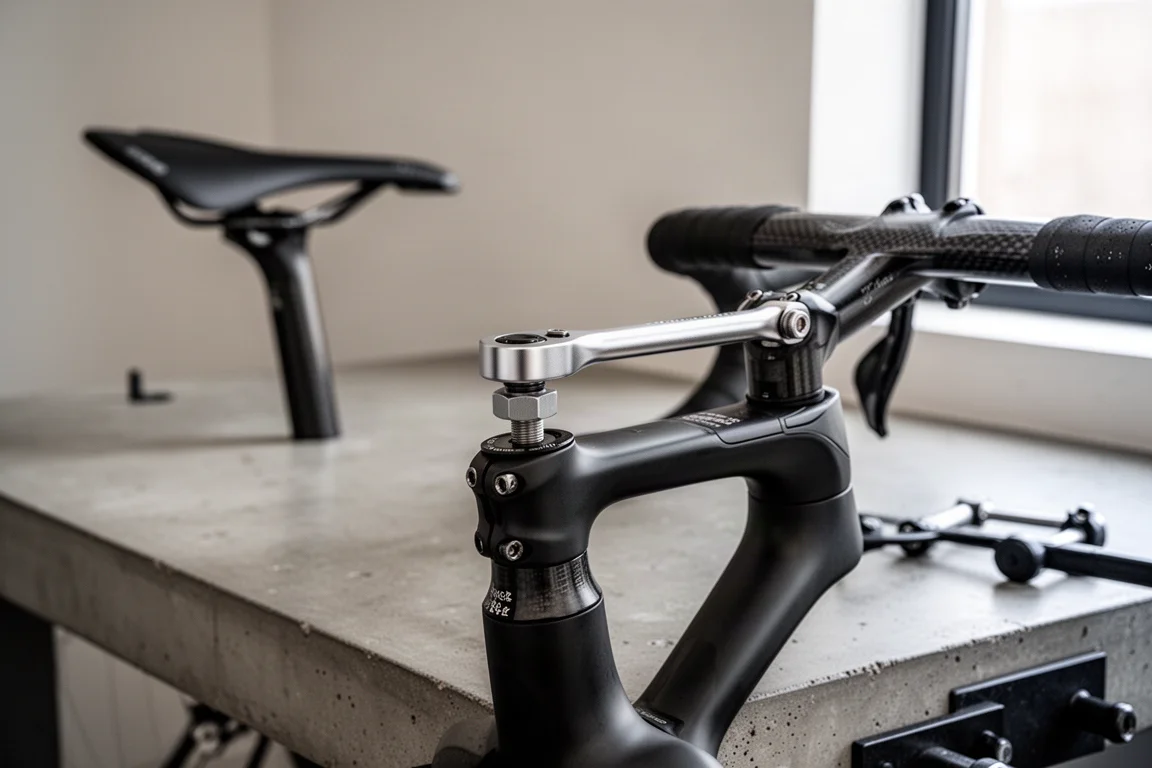
That set costs around £1,755, which puts it firmly in the money-no-object bracket. Lightweight kit of this kind must be installed with a torque wrench, because incorrect bolt tension is the quickest way to damage expensive parts.
Fast Clincher Tires: Vittoria Corsa G2.0
Tires are rotating weight, and many bikes arrive with mid-level stock rubber that adds grams and dulls the feel of the bike. An upgrade here is one of the most cost-effective changes you can make.
Clincher-only tires can use lighter beads and sidewalls than tubeless tires, and open tubulars, a special type of clincher, are often the lightest option available. The Vittoria Corsa G2.0 is a strong pick in that category, and pairing it with a latex inner tube makes for an impressively light setup.
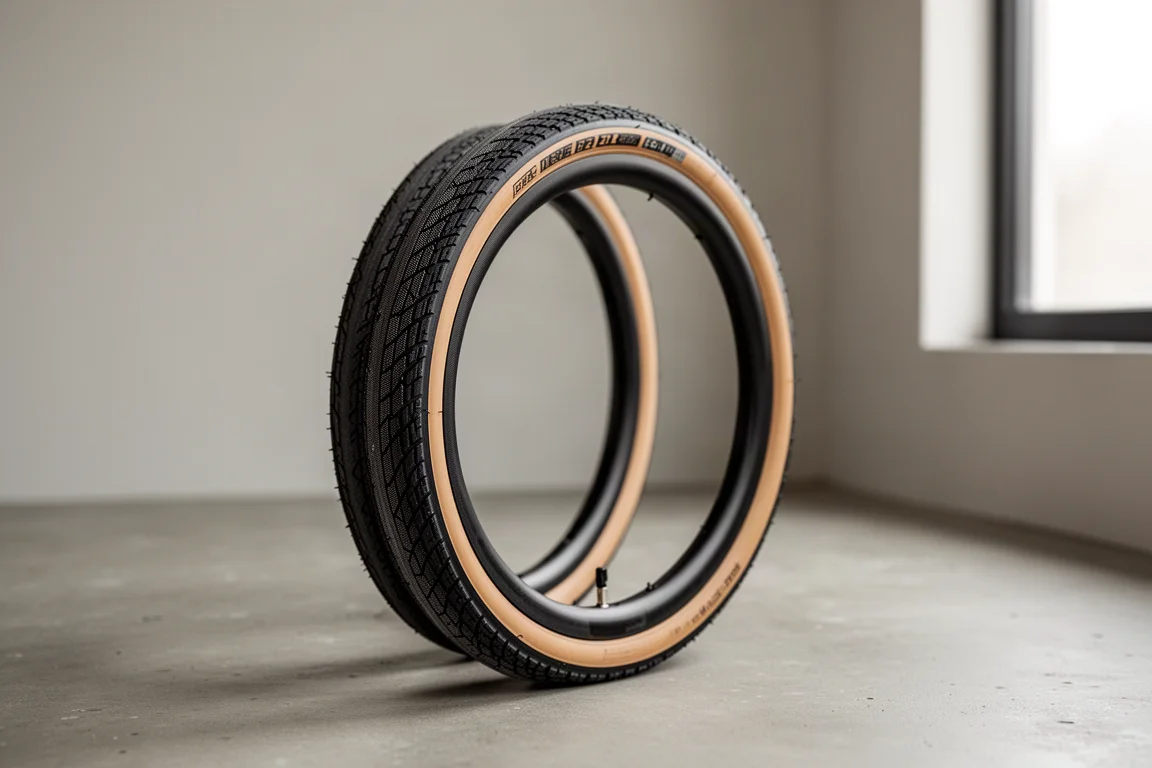
Lightest Tires: Vittoria Corsa Speed
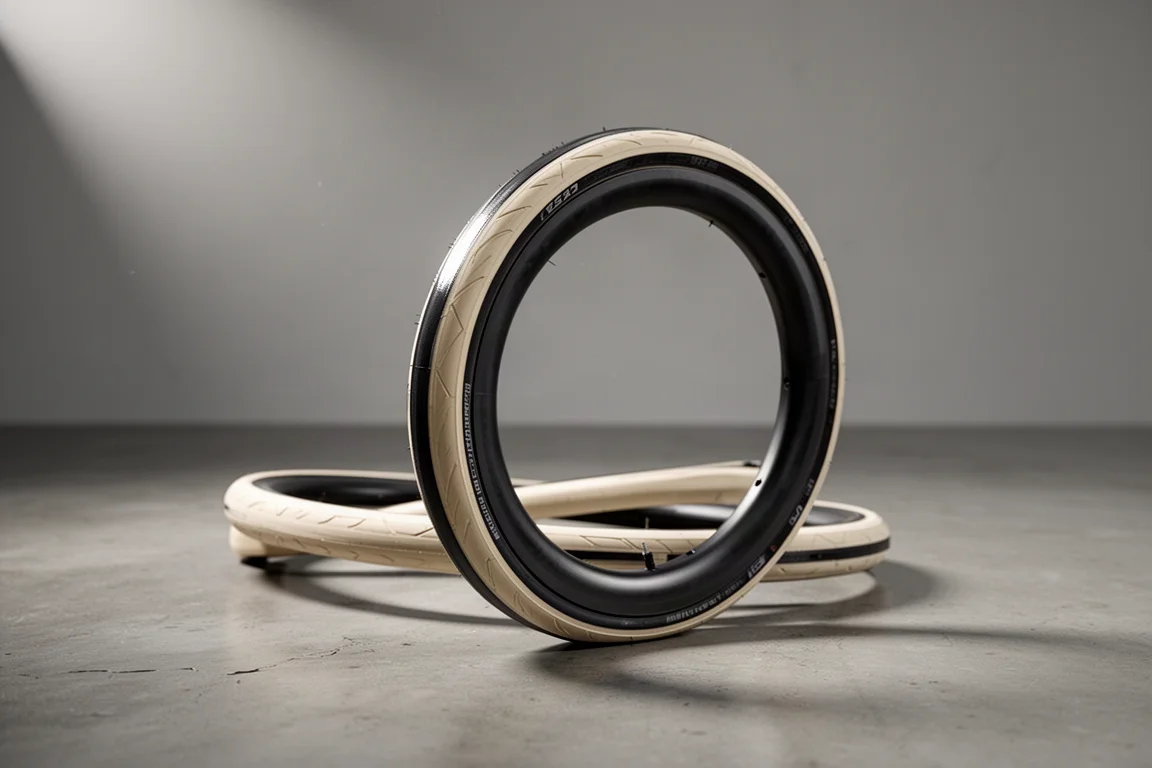
If outright weight and speed matter more than durability, time trial tires take things further. The Vittoria Corsa Speed is being used increasingly in road racing stages, and it offers very little in the way of puncture resistance.
That is the trade. On perfect tarmac it is one of the fastest and lightest choices around, but it is not a tire for rough lanes or long days on unknown roads.
Groupsets: Where Weight Gets Expensive
A groupset makes up a large share of a bike’s overall weight, so changes here can be significant. Moving from a Shimano 105 groupset to Dura-Ace saves roughly 400 g, but it is one of the most expensive ways to lose weight.
A smarter route is to look for discounts and secondhand parts. Older 10-speed and 11-speed components are often heavily reduced, and they can be lighter than current 12-speed equivalents. Older SRAM Force mechanical derailleurs and shifters remain a popular choice, and the smaller cassettes that go with them are frequently lighter too.
Free Weight Savings
Not every saving costs money. On a short ride or a hill climb attempt, leaving the bottles at home removes real weight, since two 500 ml bottles add up to about a kilogram. Saddle bags and mini pumps can stay behind on those days as well.
Do put them back for longer rides, and never be tempted to drill holes in components to save a few grams. That approach damages the bike rather than improving it.
Buying Advice
The right upgrade depends on where you ride and what you want the bike to feel like. If climbs are your focus, wheels and tires deliver the most noticeable change per pound spent. If you want a quick, cheap improvement, brakes on a rim brake bike and a light alloy stem are hard to argue with.
If budget is not a constraint, premium wheels and carbon cockpit parts will take a build to its lightest possible state, though the returns diminish sharply at the top of the market. Whatever you choose, budget for a torque wrench alongside the components, and set realistic expectations about how much difference each gram actually makes on the road.
Conclusion
Making a bike lighter is a project you can approach in stages. Wheels and tires give the most noticeable improvement, brakes and cockpit parts offer strong value at the affordable end, and premium carbon components exist for riders who want the absolute minimum weight regardless of cost.
Start with the upgrade that matches how you actually ride, keep the installation torque correct, and the result will be a bike that feels quicker without feeling fragile.
Further reading
Related Reviews
Cycling Components
A 20,000-Mile Budget Race Bike Build: Five Parts Worth Knowing
A rim brake race bike assembled from low-cost components and ridden for 20,000 miles. Here is what delivered real speed, what caused problems, and what to weigh before copying the formula.
Cycling Components
7 Bike Fit Products Fitters Avoid: What to Check Before You Buy
Seven bike components that regularly cause knee, foot and saddle problems, with the specific concerns behind each one and what to look for instead.
Cycling Components
Four Affordable Bike Upgrades That Improve Ride Feel
Four low-cost cycling products that make a real difference to ride feel, plus the free setup changes worth trying first.