Cycling Components
How to Choose the Right Road Bike Saddle: Shapes, Fit, and Comfort
A practical guide to traditional, pressure relief, and short-nose road bike saddles, plus six models that cover the main categories.
Introduction
Saddle discomfort is one of the most common complaints in road cycling, and it is also one of the most misdiagnosed. Riders tend to assume the saddle itself is the problem and start buying replacements, when position and shape usually matter far more than the model name on the rails.
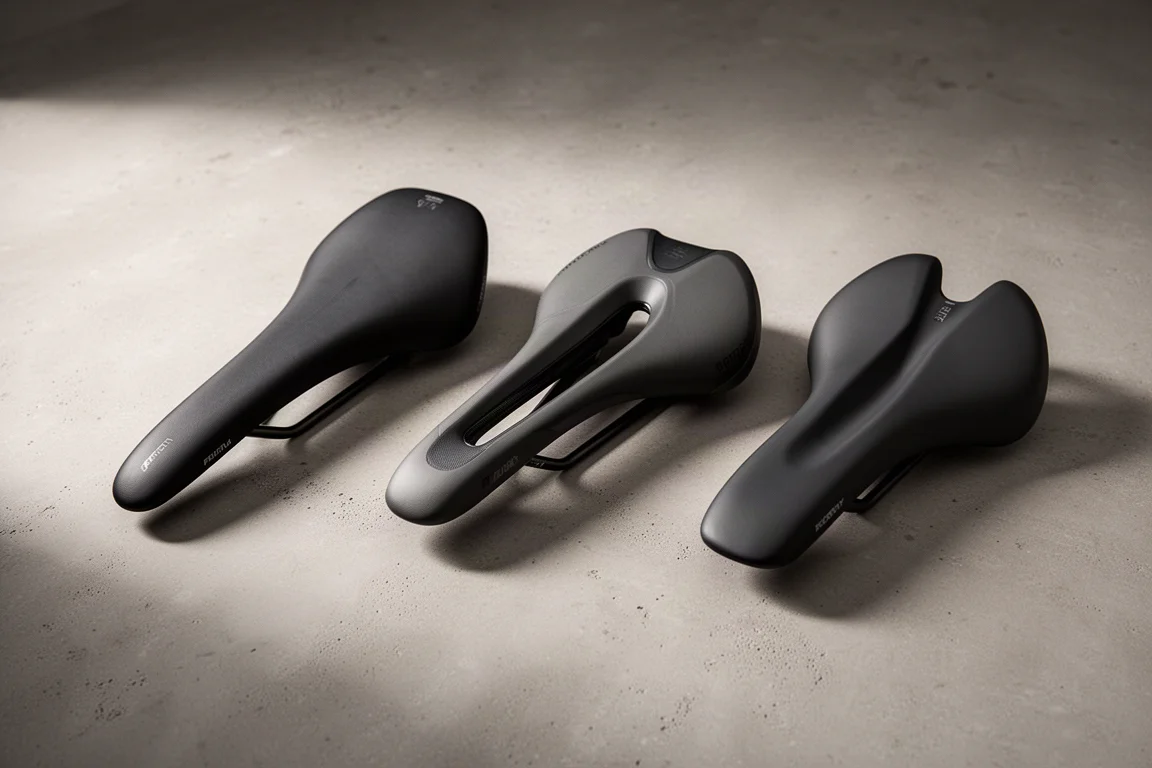
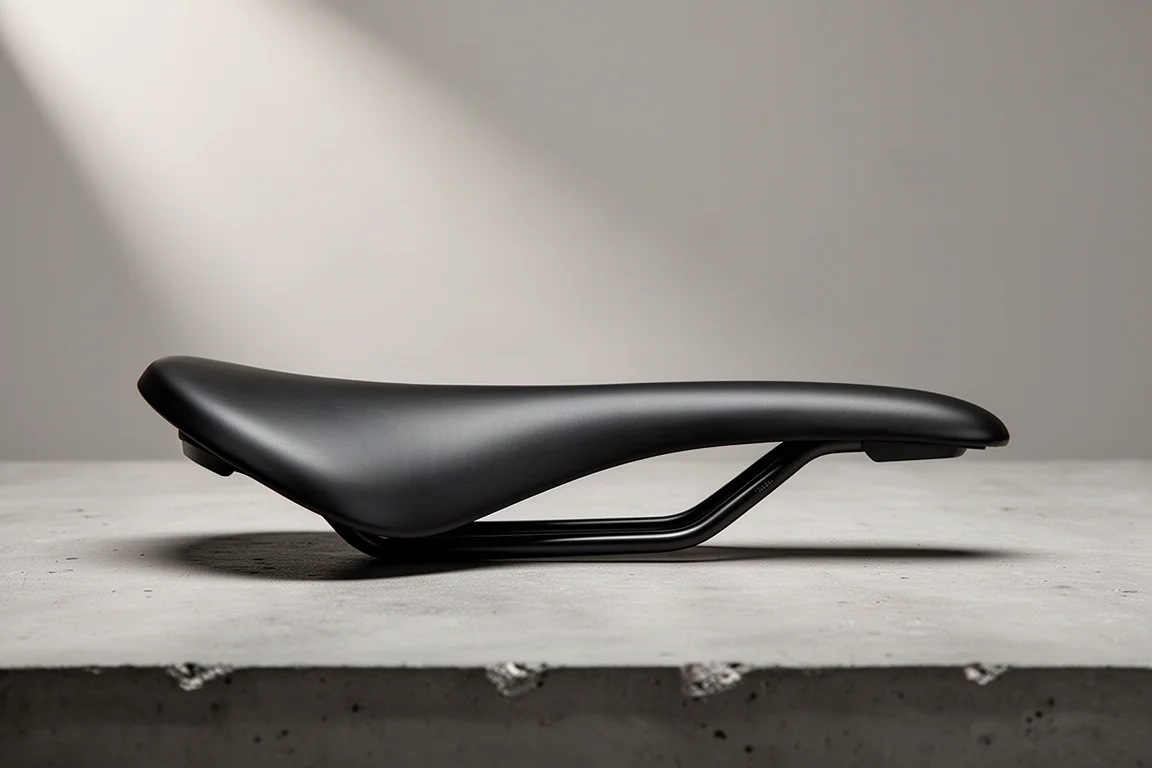
Road saddles broadly fall into three shapes. Traditional saddles are long and have no pressure relief channel. Pressure relief saddles keep a similar outline but add a central cut-out to move load away from soft tissue. Short-nose saddles shorten the front of the saddle so it can sit further forward while still complying with racing rules. Each shape suits a different rider, and choosing the wrong one for your position is the most common reason a new saddle fails to fix anything.
What Actually Causes Saddle Discomfort
Most saddle comfort does not come from the saddle. It comes from position. A rider sitting on the nose of an expensive saddle will still have problems, and pressure through the saddle can drop substantially simply by improving foot support, with insoles cited as reducing saddle pressure by up to 50 percent. Shape also has more influence on whether a saddle works for you than its nominal width.

That is why saddle experimentation should be done in an informed way. Keep the saddle height, setback, and reach to the handlebars the same each time you test a new shape. Swapping saddles every few weeks without controlling those variables tells you very little, and it is a self-fulfilling cycle that rarely ends well.
Best Overall: Selle Italia SLR Boost
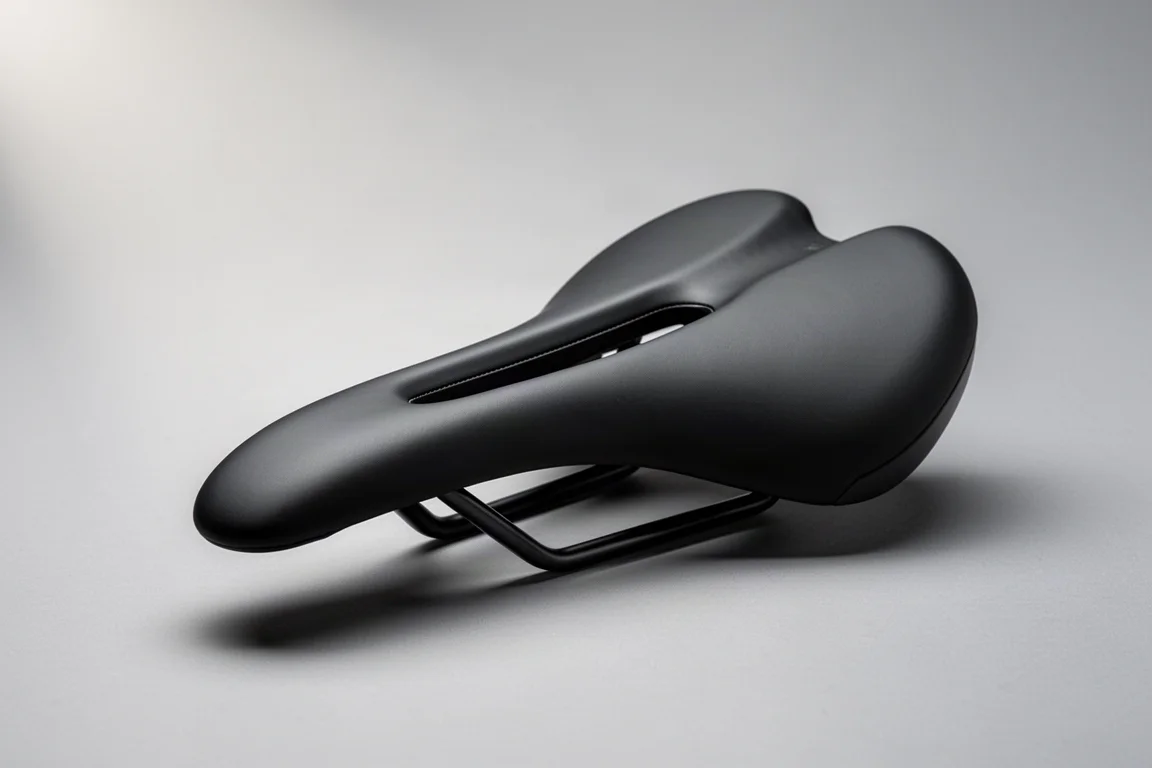
The SLR Boost is a short-nose design that is reported as the best-selling recommendation by a very long way, and it covers a wide spread of riders. In the naming, SLR refers to the range, Boost refers to the shortened nose, and the S3 suffix describes the width. The narrow profile lets the rider sit further back into the saddle and reduces the chance of the wings catching the thighs as they pass through the pedal stroke.
The range runs from a relatively accessible base model up to a 3D-printed version at the top of the line. The Endurance version adds a little more gel and uses a titanium rail, which makes it the natural pick for long-distance riding.
Best Short-Nose All-Rounder: Specialized Power
The Power helped popularise the short-nose category. The idea behind it is simple: a shorter nose lets the saddle sit significantly further forward while still satisfying the rule that the nose stays at least 50 mm behind the bottom bracket. A Mimic version is also offered, which fills in the pressure relief channel and is marketed mainly at women riders.
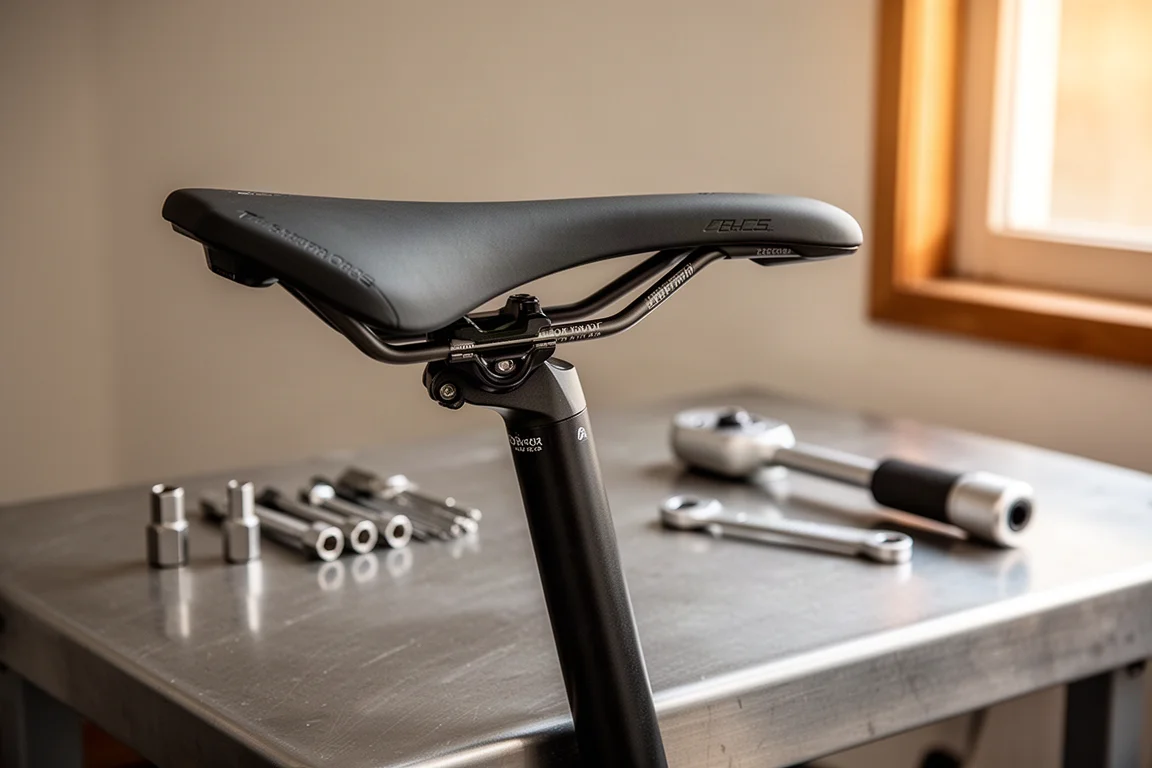
The trade-off with this family is width. Wider versions of short-nose saddles can interfere with the legs as they pass through the bottom of the stroke, which pushes the rider towards the nose. On a short saddle there is very little support at the front, so that drift tends to show up as neck, shoulder, and hand problems. Narrower widths in the same family often work better for riders who need to sit further back.
Best for Skeleton Pressure Relief: Specialized Toupe
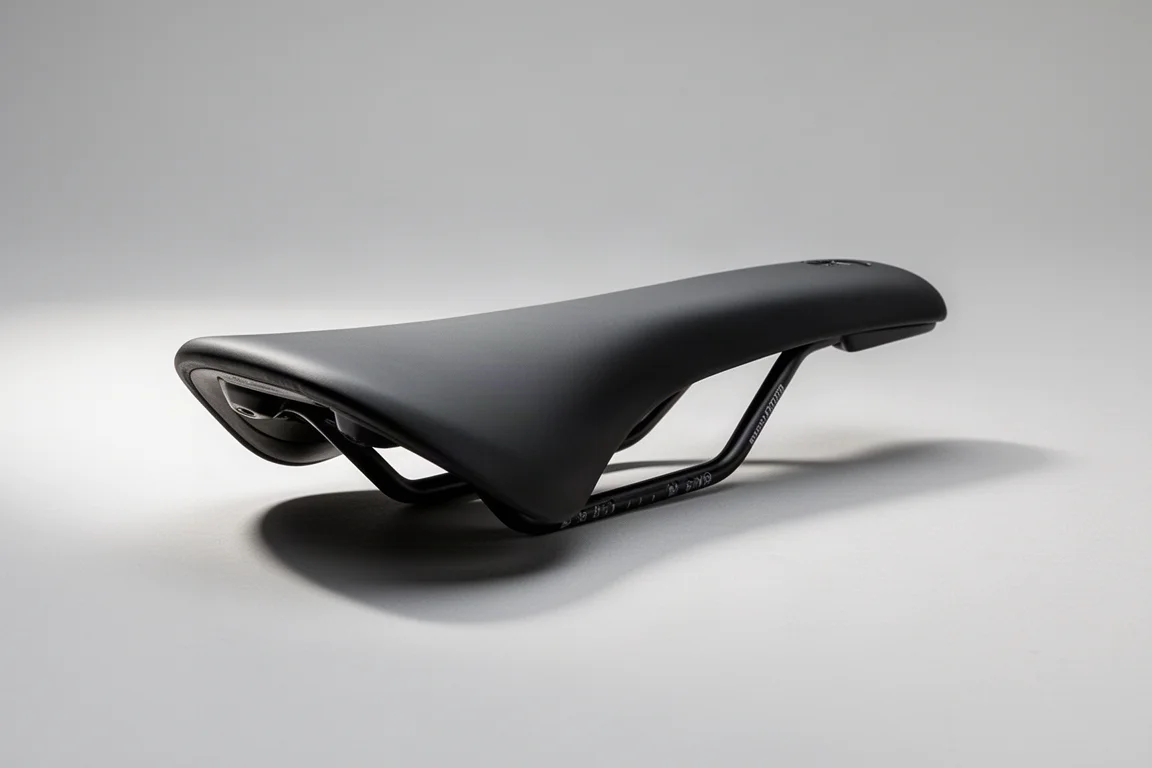
The Toupe is one of the earliest pressure relief designs, and it remains the reference point for the category. It keeps a fairly conventional outline but adds a central channel that moves load off soft tissue and onto the sit bones. Almost every cyclist, male or female, benefits from some form of soft tissue relief, which is why this shape is so widely used.
Expect a short adaptation period when moving across from a traditional saddle. Pressure does not vanish when it is relieved through soft tissue, it is redistributed to the skeleton. That is generally a good trade, because the skeleton is much better suited to carrying load, but it can take a few rides to feel normal.
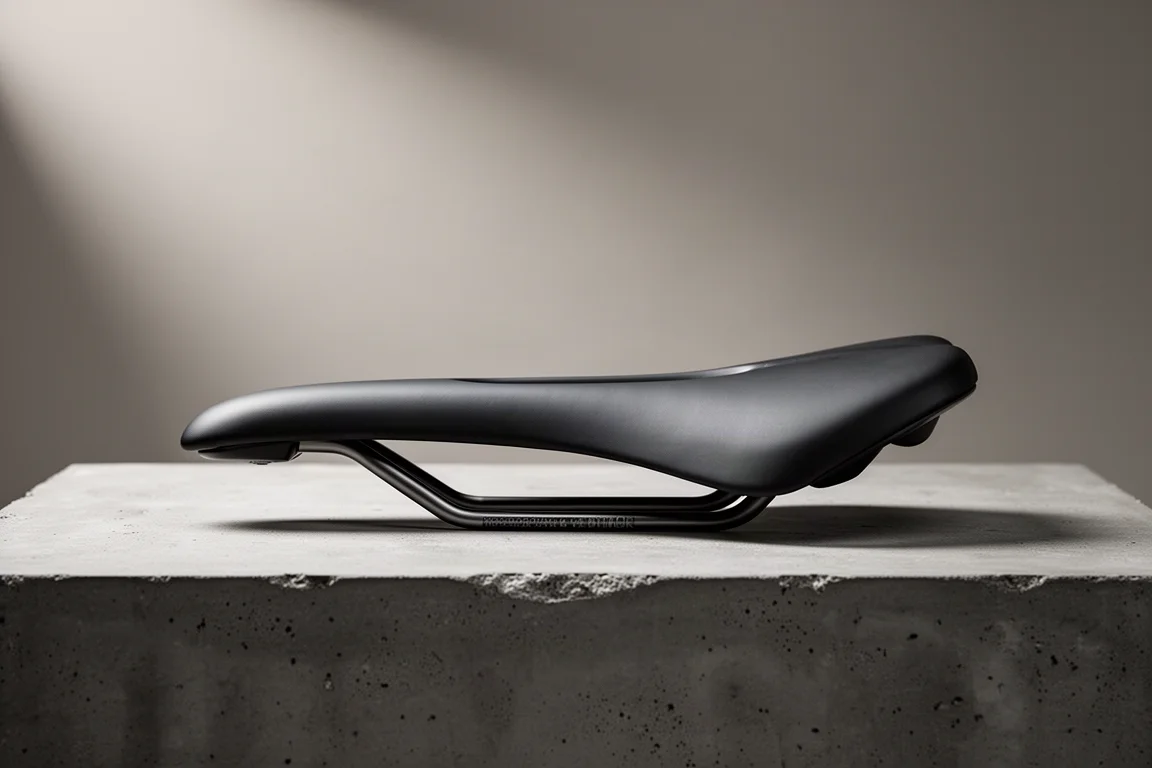
Best Flat-Profile Shape: Pro Turnix
The Turnix is a pressure relief saddle with a flatter profile than most cut-out designs. Its wings are less flat than a traditional saddle, which can ease the build-up of pressure on the skeleton, and the slightly more pronounced nose helps stop riders sliding forward into the front of the saddle. When setting it up, the goal is to get the middle third of the saddle level.
This shape suits riders who moved away from a traditional saddle, found a deep cut-out uncomfortable, and still want soft tissue relief. It is a useful middle step rather than an extreme.
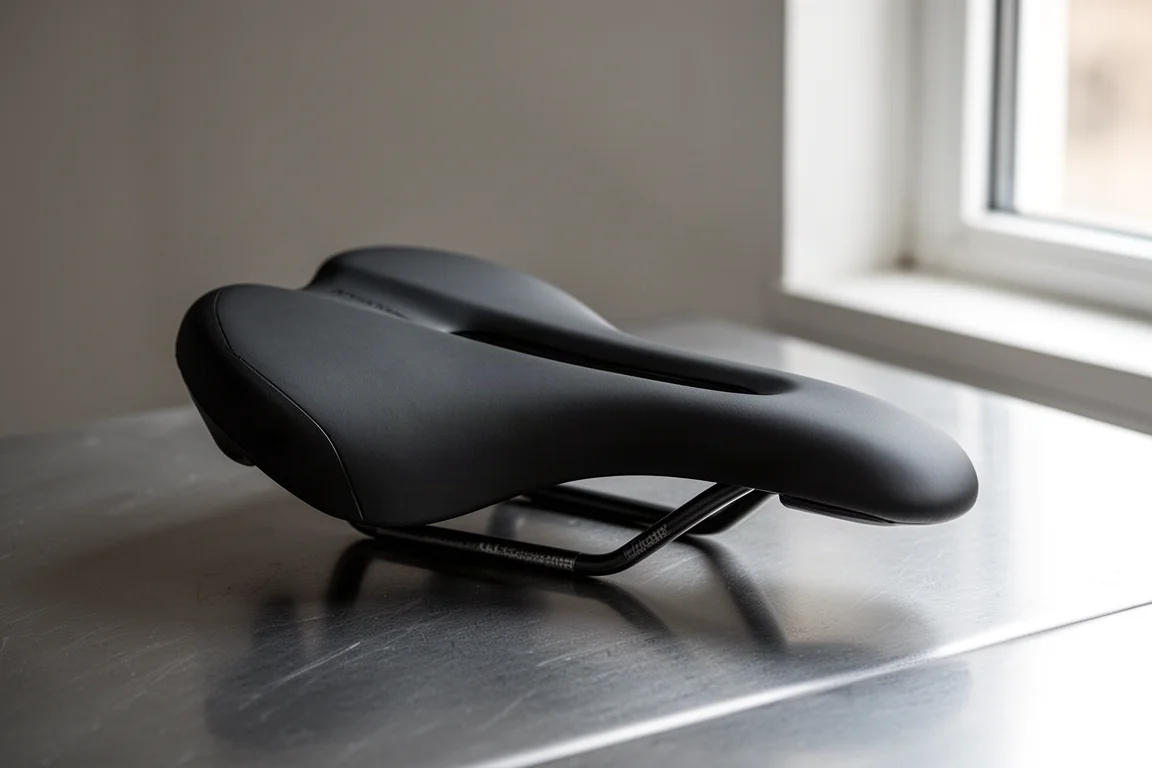
Best for Women Riders: Ergon SR
Ergon built its reputation on mountain bike grips and now produces saddles developed with pressure mapping. The SR range for women starts around £90 and pairs a broad flat seating section with a large pressure relief channel positioned further forward than most. The line runs up to a carbon-railed, very light model for riders who want to save weight.
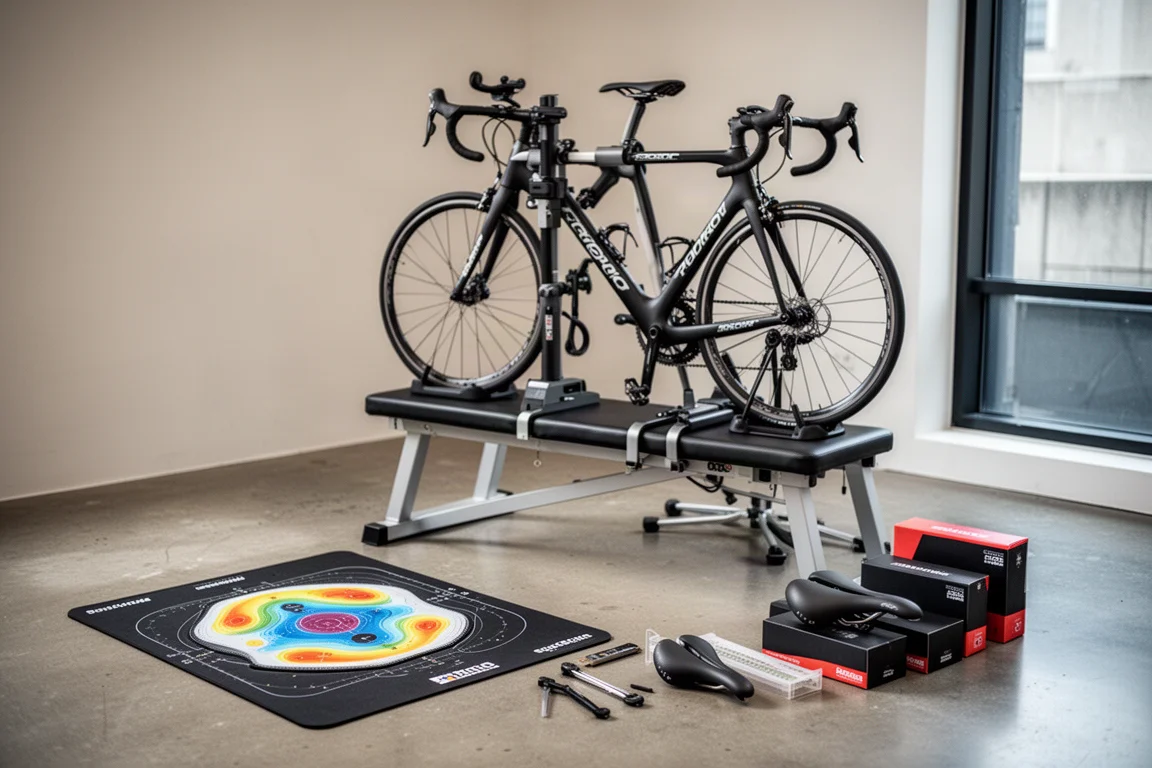
A forward-oriented channel is worth testing if you have found that a rearward cut-out does not reach the pressure points that bother you. The flat section also gives a stable platform, which helps riders hold a consistent position over longer distances.
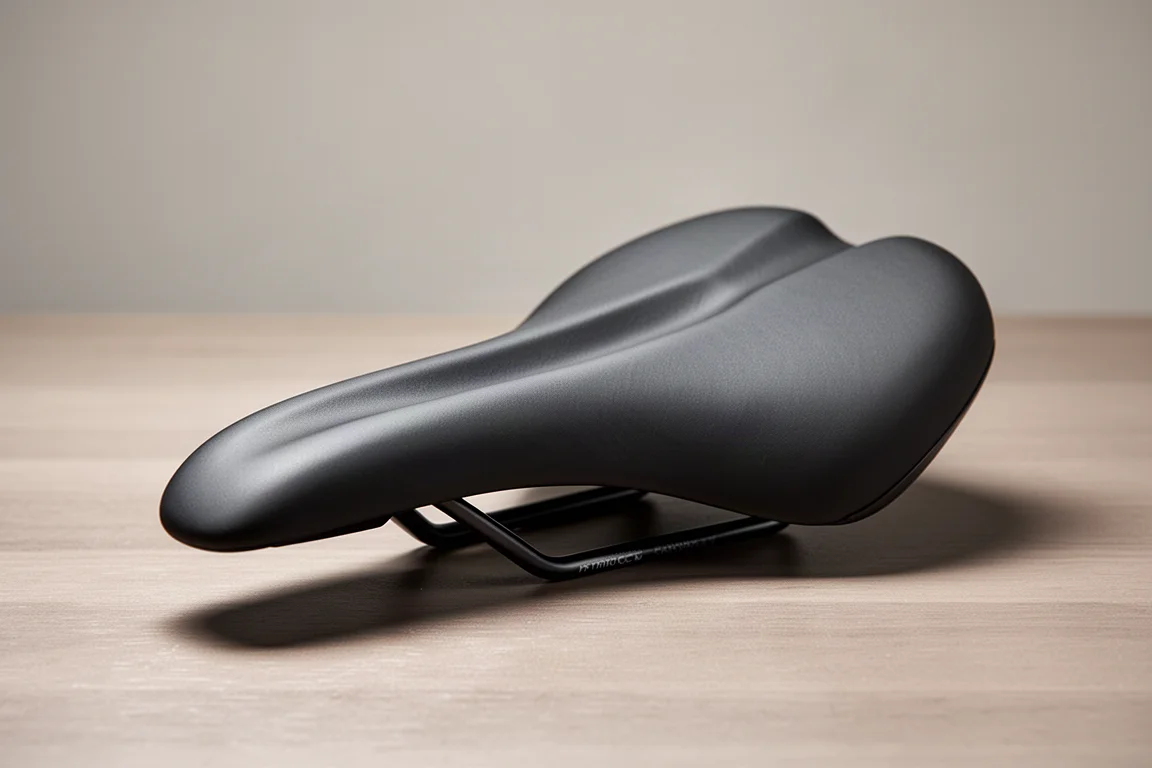
Best Traditional Shape: Fizik Aliante
Traditional saddles have a longer profile and no pressure relief channel. They suit a narrow group of riders: those who sit symmetrically on the bike, or who have a deeply ingrained rotated position from another sport. For most other riders, a traditional shape encourages posterior rotation of the pelvis, which can lead to excessive extension of the spine and lower back pain, or to sitting off to one side.
Fizik also produces the Aliante shape with a pressure relief option, which makes it a useful reference point if you want to compare cut-out and non cut-out versions of the same outline. That kind of controlled comparison is far more informative than changing shape, width, and brand at the same time.
Buying Advice: Position First, Saddle Second
Before buying anything, check your position. Saddle problems usually have almost nothing to do with the saddle itself, and the industry has become very effective at turning a fit issue into a product purchase. If your current setup is comfortable, leave it alone. If it is not, try lowering the saddle slightly and retest before spending money.
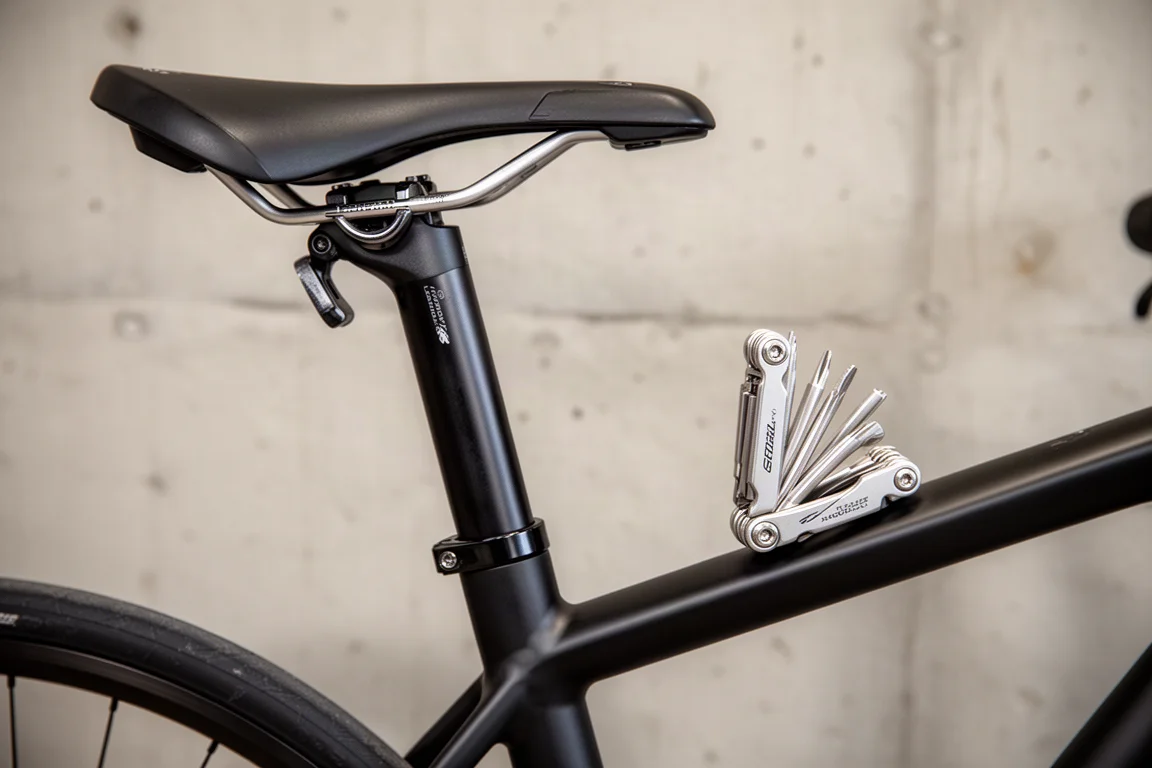
Sit bone measurement is widely offered in shops, but it is normally taken with the pelvis in a posterior state, which is not how you sit on a bike. Measured that way, it tends to point riders towards a saddle that is too wide, and a saddle that is too wide encourages drifting onto the nose. If you are still uncomfortable after adjusting position, a professional bike fit is the sensible next step, and most saddle experimentation should follow that advice rather than lead it.
Conclusion
Short-nose saddles now work for a large majority of riders, and the Selle Italia SLR Boost is the strongest all-round starting point thanks to its narrow profile and the breadth of its range. Pressure relief shapes such as the Specialized Toupe, Pro Turnix, and Ergon SR cover the mainstream and women-specific options, while the Fizik Aliante stays relevant for the small number of riders who genuinely sit symmetrically. Whichever you choose, sort the position first and test consistently, because that is where most comfort gains actually come from.
Further reading
Related Reviews
Cycling Components
A 20,000-Mile Budget Race Bike Build: Five Parts Worth Knowing
A rim brake race bike assembled from low-cost components and ridden for 20,000 miles. Here is what delivered real speed, what caused problems, and what to weigh before copying the formula.
Cycling Components
7 Bike Fit Products Fitters Avoid: What to Check Before You Buy
Seven bike components that regularly cause knee, foot and saddle problems, with the specific concerns behind each one and what to look for instead.
Cycling Components
Four Affordable Bike Upgrades That Improve Ride Feel
Four low-cost cycling products that make a real difference to ride feel, plus the free setup changes worth trying first.