Backpacking Gear
How to Choose the Right Backpack Size for Backpacking: 40 L, 50 L, and 70 L Explained
A practical guide to backpack volume, weight capacity, and fit, with two packs that show how differently a 40 L and a 50 L design can behave on the trail.
Introduction
Buying a first backpacking pack is less about picking a favourite model and more about matching a pack to the trips you will actually take. Volume, weight capacity, and fit all interact, and a pack that works beautifully for one style of backpacking can feel like the wrong tool for another.
The order in which you buy things matters too. Some people suggest choosing the pack last, once all the other gear is in hand. That advice is sound, but only after you have answered a few questions about the kind of backpacking you plan to do. Get those answers first and the size decision becomes far more straightforward.
Decide What Kind of Backpacking You Are Doing
Before looking at any pack, define the style of trips you have in mind. A weekend hiker heading out for a night or two has different priorities from a section or thru hiker covering long distances, who in turn has different priorities from someone planning expedition style trips or specialized outings that require unusual, bulky gear.
That distinction shapes everything that follows. An ultralight, low volume pack that suits a fast thru hiker very well may not match the style of backpacking you are planning, and buying it anyway tends to lead to a poor experience on the trail. The pack needs to be the right tool for the job you have described.
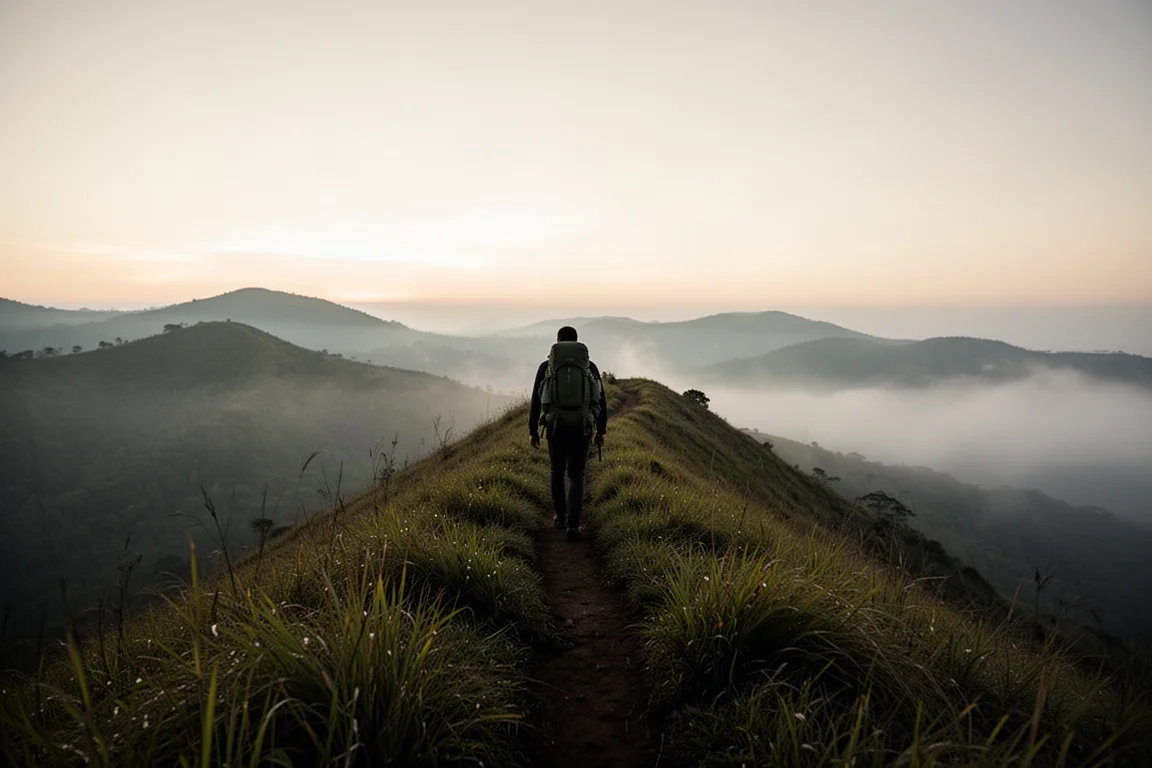
Once the style is settled, the gear list follows naturally. If the goal is to travel light and simply, the gear you buy should reflect that so the pack can stay small and efficient. If the goal is comfort on shorter trips where weight matters less, the gear can be bulkier and more forgiving, and the pack needs enough room and support to carry it well.
Volume, Weight, and Fit: The Three Questions That Matter
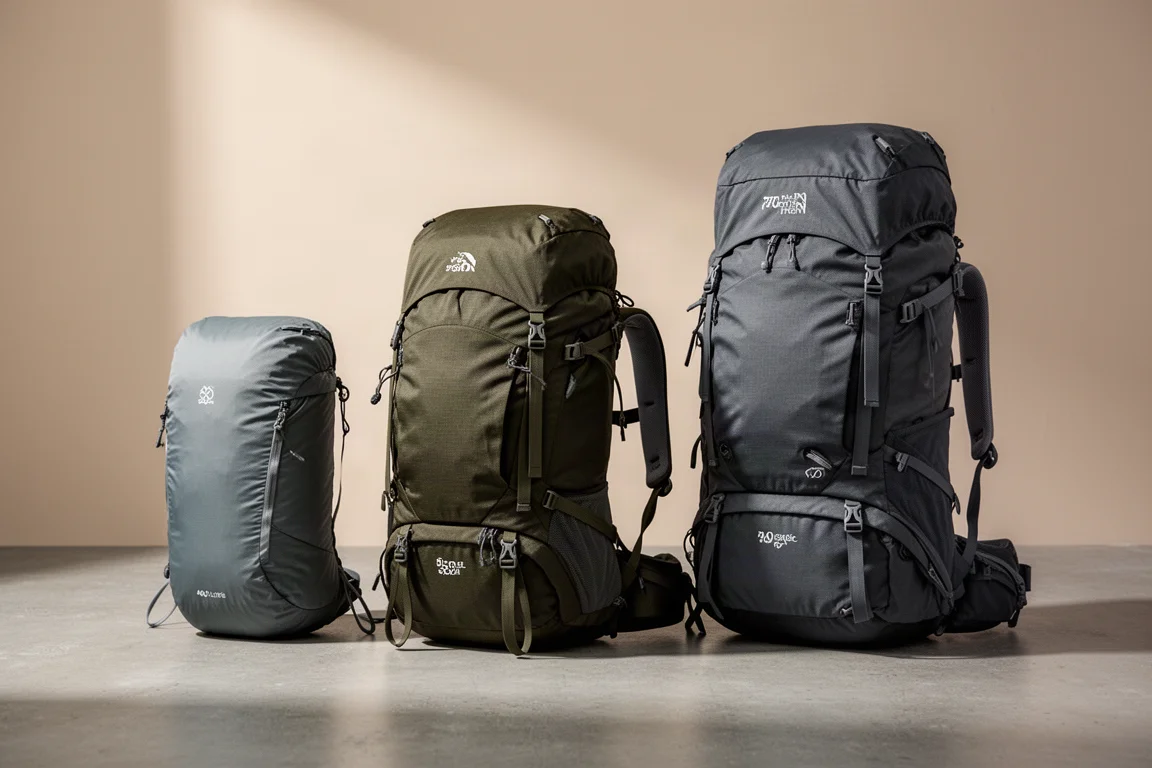
The first question is volume. How much space does the pack need to hold everything you are bringing? A 40 L pack, a 50 L pack, and a 70 L pack each serve different trips. A 40 L pack is often simply not enough for a winter trip, where bulky insulation takes up a great deal of room. A 70 L pack exists to handle the extra bulk of specialized trips such as pack rafting and cold weather outings. Somewhere in the middle, a 50 to 55 L pack is a genuinely useful all-round size for longer trips.
As a general starting point for a first pack, a 50 to 65 L model is a sensible place to begin. It leaves room to grow into longer trips without being unwieldy on shorter ones.
The second question is weight capacity. Volume alone does not tell you how much a pack can comfortably carry. An ultralight 40 L pack with a frame may still be limited to roughly 30 lb of gear before it stops being comfortable, because of how it is built. A 50 L pack with a more robust frame can carry around 35 to 40 lb. A 70 L pack with a heavier duty frame system is designed for much larger loads, and will carry them far more comfortably. The design of the pack, not just its litre rating, determines how much weight it handles well.
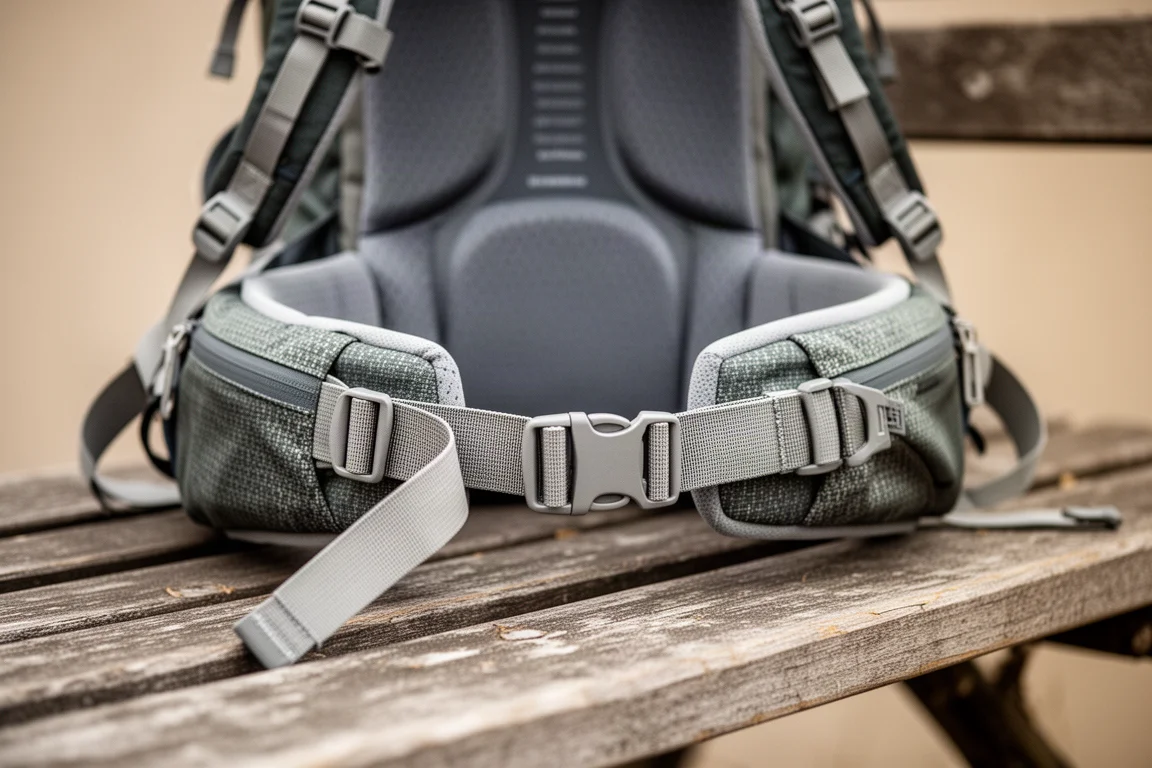
The third question is fit. Some packs offer adjustable torso length and hip belt adjustment, which lets you fine-tune the pack to your body for maximum comfort. Others use a fixed fit, with set shoulder strap lengths and hip belt sizing, which relies on the pack happening to match your frame. Adjustability is worth thinking about carefully, because a pack that fits properly is the difference between a long day that feels manageable and one that does not.
Best Ultralight Option: Outdoor Vitals CS40
The Outdoor Vitals CS40 is a 40 L pack built around an ultralight design. It carries a frame, but it is not intended to handle heavy loads, and it stays comfortable only up to roughly 30 lb of gear. That trade-off is deliberate: the low weight and simple construction come at the cost of load support.
For the right trip, that is a good deal. Shorter outings with compact, lightweight gear suit this kind of pack well, and the reduced weight is felt on every climb. It is also a useful reference point for understanding why volume and capacity are separate questions. Two packs can both be rated near 40 L and behave very differently once loaded.
The limitation to keep in mind is bulk. If your gear is large or your trips involve cold weather insulation, a 40 L capacity may not be enough space regardless of weight, and the pack’s modest frame will not help with a heavy load. It rewards a disciplined, compact kit.
Best Traditional All-Rounder: Gregory Paragon 50
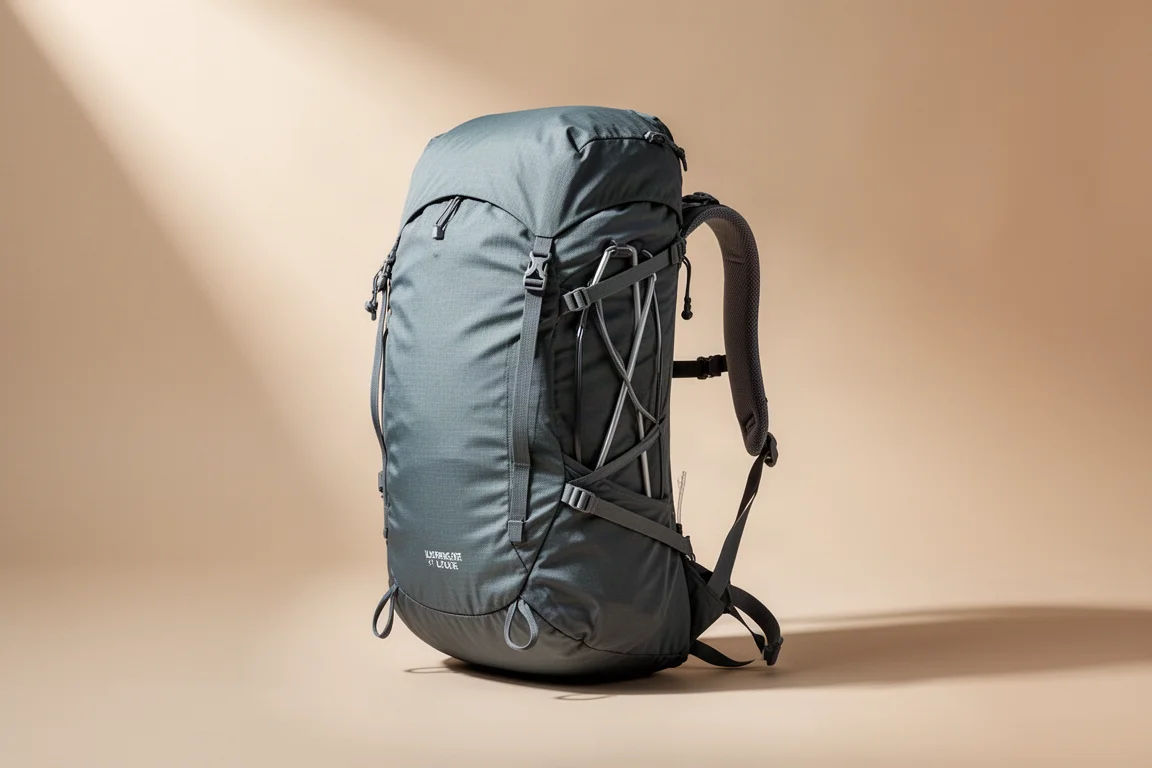
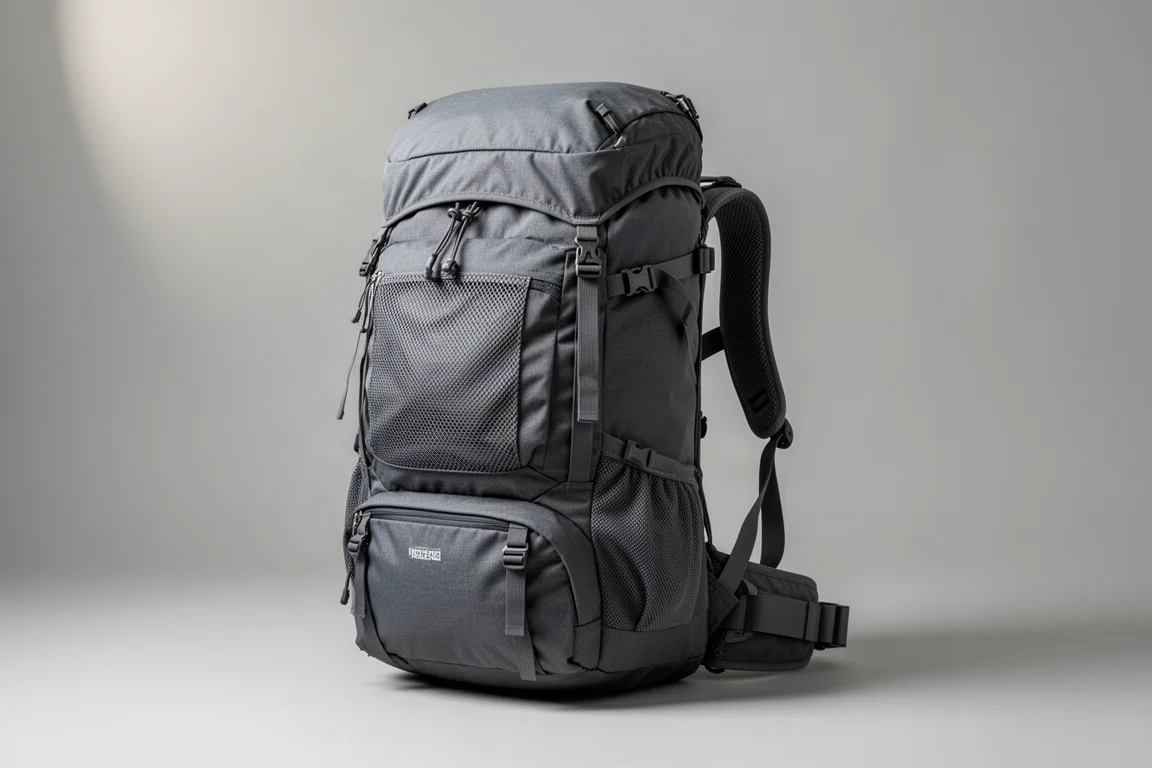
The Gregory Paragon 50 is a more traditional hiking and backpacking pack, the style most people picture when they think of a multi-day pack. At 50 L it sits in the range that handles longer trips comfortably, and its more robust frame allows it to carry roughly 35 to 40 lb.
It also offers a genuine fit advantage. The Paragon 50 features adjustable torso length along with hip belt adjustment, so the pack can be tuned to your body rather than relying on a fixed sizing arrangement. That adjustability makes it a friendlier choice for a first pack, since you can dial in the carry rather than hoping the default fit works.
The trade-off compared with an ultralight pack is weight and simplicity. A more substantial frame and a fuller feature set add mass, which matters most to hikers counting every gram. For anyone prioritizing comfort and load support across a range of trips, that is usually the right compromise.
Matching Pack Size to Trips, Seasons, and Gear Bulk
Trip length and season change the volume you need more than almost anything else. Winter trips add insulation, which is bulky even when it is light. Specialized trips that involve extra equipment demand even more space, which is why a 70 L pack exists as a category at all.
Body size plays a role as well, and it is entirely legitimate. A smaller person’s gear is often smaller in bulk, so a 40 L pack may genuinely be enough. A larger person’s clothing and sleeping system may take up more room, making a 60 L or even 70 L pack the practical choice. Neither outcome is a problem, and there are plenty of options in every size class.
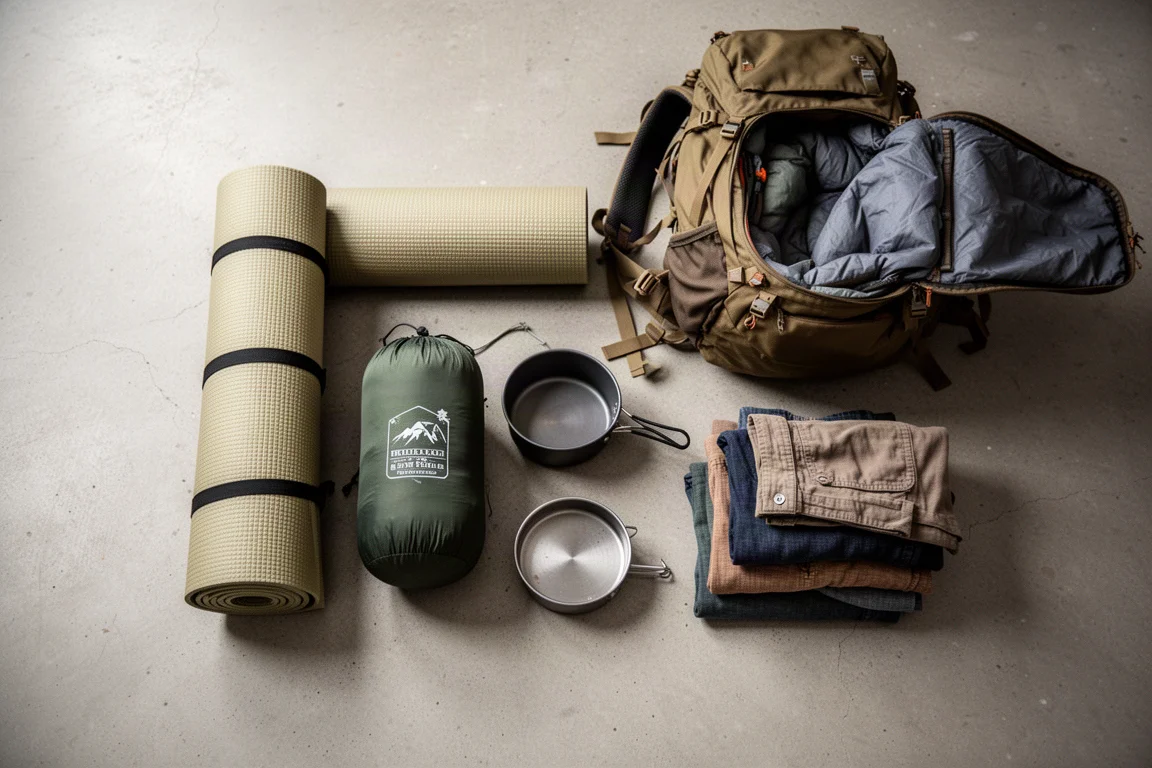
The most reliable method is to gather your main gear first: shelter, sleeping system, clothing, and cook kit. Lay it all out and look at two things. First, the total weight, so you can choose a pack rated to carry it properly. Second, the total bulk, so you can judge how many litres it actually occupies once packed rather than how it looks spread across a floor.
What to Check Before You Buy
Several checks are worth running before committing to any pack. Confirm that the volume matches the bulk of your gear for the trips you have planned, not just for a single fair-weather weekend. Confirm that the pack’s comfortable load range sits above the weight you expect to carry, with some margin for food and water.
Then look at fit. If the pack offers adjustable torso length and hip belt adjustment, you have room to tune it. If it uses a fixed fit, be honest about whether the sizing genuinely matches your body, because a pack that does not fit will not become comfortable later.
Finally, consider features against your intended use. An ultralight pack keeps things simple and light but will not carry a heavy load. A traditional pack adds structure and adjustability but adds weight. Both are correct answers to different questions.
Buying Advice: Get Your Gear First
The practical sequence is to decide your backpacking style, buy gear that matches it, and only then choose the pack. Once your main gear is assembled, you will know both the weight it adds up to and the volume it occupies, which are the two numbers that actually determine the right pack size.
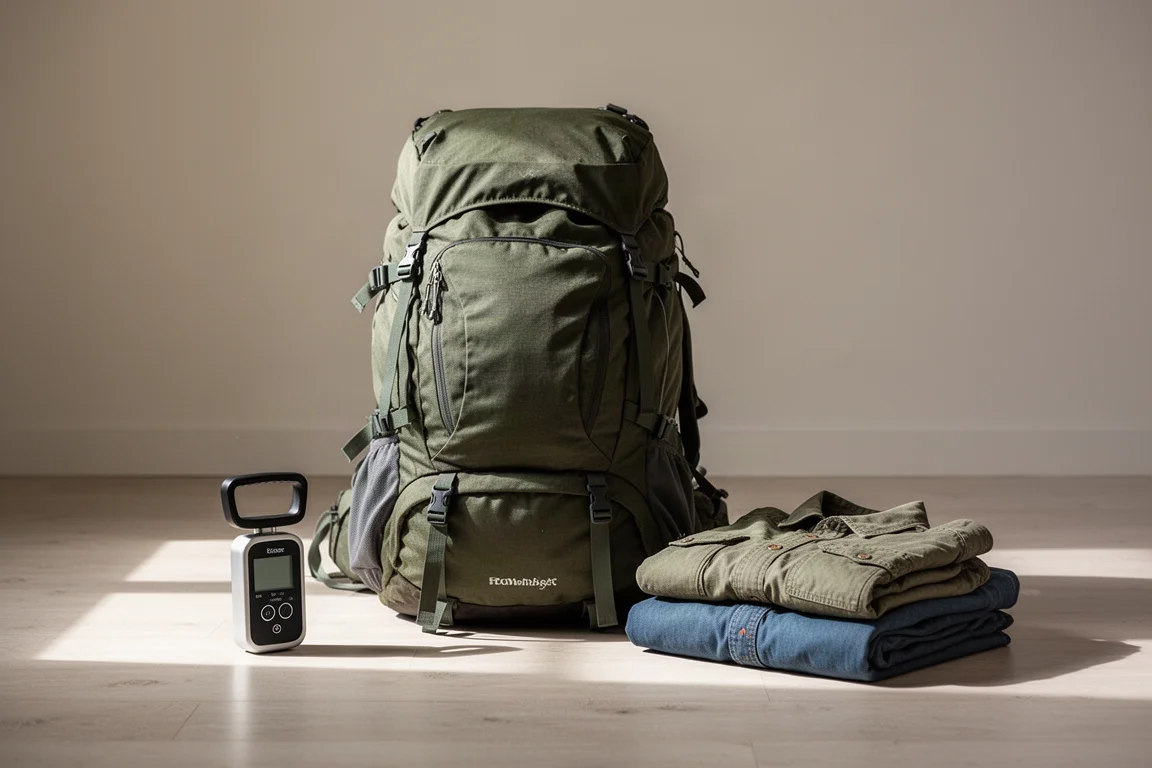
That approach also protects you from the most common regret, which is buying a pack before the rest of the kit exists and discovering later that it cannot carry the weight, is not large enough, or lacks a feature you now need. Taking the time to define your style, your seasons, and your gear list ahead of the purchase makes the final decision far easier to get right.
If you would rather start with a pack and build around it, lean toward the 50 to 65 L range and prioritize fit and load support over headline weight figures. If you already know your kit is compact and your trips are short, a lighter 40 L design like the Outdoor Vitals CS40 can be an excellent match, provided you respect its comfortable load limit.
Conclusion
Pack size comes down to three questions answered in order: what kind of backpacking you are doing, how much your gear weighs, and how much space it takes up. Volume alone is not enough to judge a pack, and neither is weight alone. A 40 L ultralight pack and a 50 L traditional pack can both be excellent choices, for entirely different trips.
Answer those questions first, buy your main gear before the pack, and the right size tends to reveal itself.
Further reading
Related Reviews

Backpacking Gear
Building a 10 lb Base Weight: An Ultralight Backpacking Gear List
A practical walkthrough of the ultralight pieces behind a 10 lb base weight, from a 765 g pack and a roomy one-person tent to a full camp chair and a dependable water filter.

Backpacking Gear
A 15-Pound Lightweight Backpacking Gear List for Solo Trips
A beginner-friendly 15-pound backpacking setup built from easy-to-find gear, with notes on what each piece does, how it packs, and where to spend your attention.
Backpacking Gear
8 Ultralight Backpacking Gear Upgrades Worth Carrying
Eight small, affordable backpacking upgrades that solve real trail annoyances, from a pillow that stays put to a fuel valve that rescues leftover canister gas.