Cycling Components
How to Choose the Right Road Bike Saddle: Shapes, Fit, and What Actually Works
A practical guide to the three main road saddle shapes, how each one changes the way you sit on the bike, and how to test saddles without wasting money.
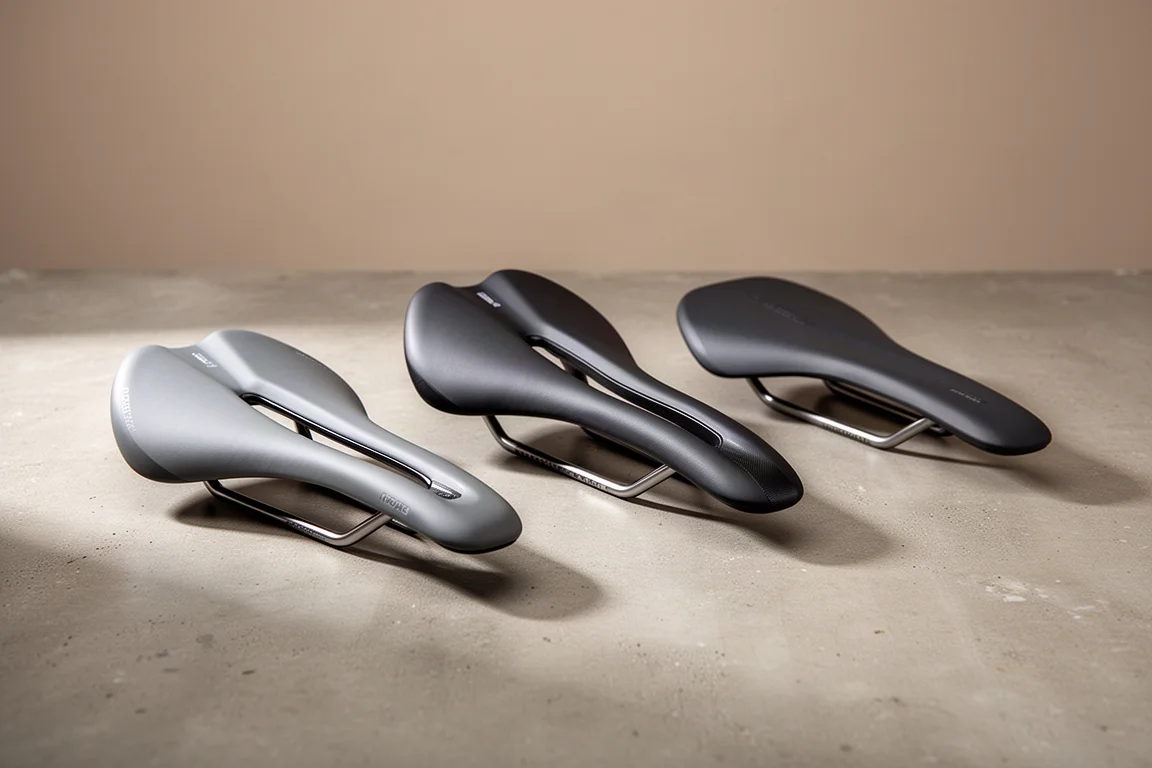
Introduction
Saddle discomfort is one of the most common complaints in road cycling, and it is also one of the most frequently misdiagnosed. The saddle itself is rarely the root cause. Saddle height, setback, reach to the bars and foot support all influence how much pressure the body puts through the contact point before a single gram of saddle foam is involved.
Shape still matters, and it matters more than most riders expect. Road saddles fall into three broad families: traditional, pressure relief and short nose. Each one changes how the pelvis sits, how the thighs pass the saddle, and how load is shared between soft tissue and the skeleton.
This guide walks through those three families, looks at saddles that represent each approach well, and finishes with the advice that matters most: test in a controlled way, and treat the saddle as one part of a larger fit question.
How to Think About Saddle Shape
Traditional saddles have a reasonable amount of length and no pressure relief channel. They are the original design. Pressure relief saddles keep a broadly conventional outline but add a channel or a cut-out, which moves load away from soft tissue and onto the sit bones. Short nose saddles push the idea further: a shorter overall length lets the rider sit further forward while still respecting the rule that the saddle nose sits at least 5 cm behind the bottom bracket.
The logic behind pressure relief is straightforward. The skeleton is far better at carrying load than soft tissue, which is why the sit bones are the intended contact points. Relieving pressure through soft tissue does not make that pressure disappear. It redistributes it to the skeleton, and that redistribution can take a short period of acclimatisation.

Shape also changes posture. A pressure relief design allows the pelvis to rotate forward, which tends to improve gluteal engagement and produce a more neutral spinal position, particularly through the lumbar spine. That combination explains a large part of why riders often report better comfort after switching, and it is why pressure relief shapes suit the vast majority of cyclists regardless of gender.
Traditional Saddles: Selle San Marco Rolls
A traditional saddle is long, has no pressure relief channel, and follows the outline road saddles have used for decades. The Selle San Marco Rolls is a clear example of the format.
The trade-offs are worth understanding before buying. Without a channel, riders frequently compensate to relieve pressure on soft tissue. The most common compensation is posterior rotation of the pelvis, where the rider rolls the pelvis and the soft tissue away from the saddle. That can lead to excessive extension of the spine, a frequent source of lower back pain. Some riders instead sit off to one side, or sit rotated on the saddle. A traditional shape can also make the bike feel longer than it actually is.
There is one scenario where this shape makes sense: a rider who is already naturally rotated or asymmetric through the pelvis, and who therefore cannot interact symmetrically with a pressure relief channel. That is a narrow case, and it is not the same as sitting off to one side because the saddle is too high or the reach is too long. Those are position problems rather than saddle problems, and they are worth diagnosing properly before changing hardware.
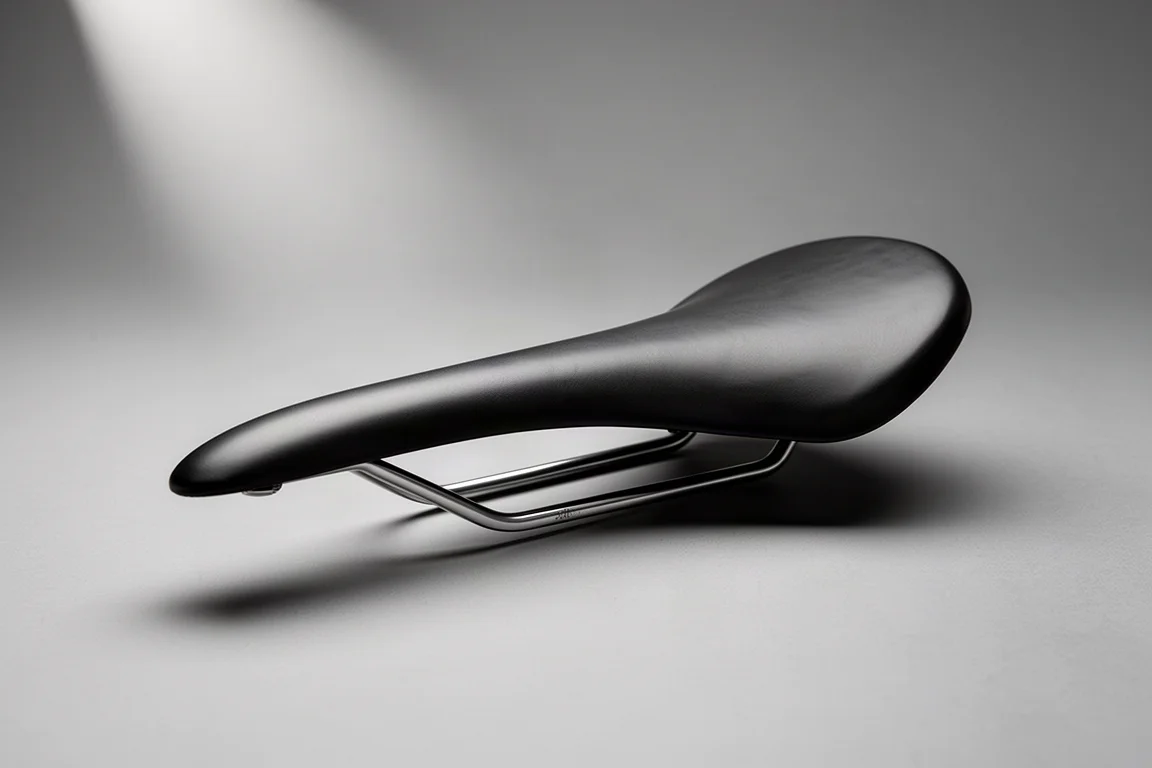
Pressure Relief Saddles: Selle Italia SLR Max Gel Flow
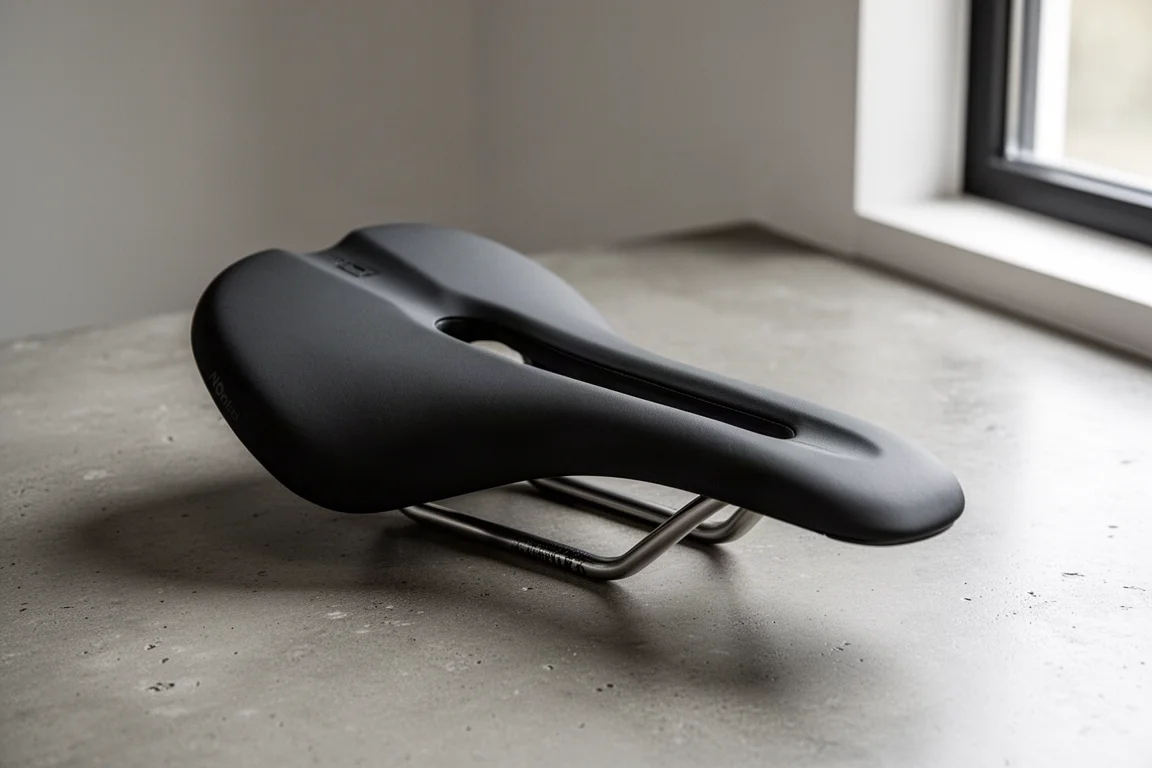
Pressure relief saddles take the conventional outline and add a channel or cut-out, with the aim of moving load off soft tissue and onto the sit bones. The Selle Italia SLR Max Gel Flow is a well established example of the format, and it sits alongside a number of similarly shaped designs from other brands.
For most riders this is the safest starting point. Almost everyone benefits from some form of soft tissue pressure relief, and the benefits are not limited by gender. The channel allows the pelvis to rotate forward, supporting better gluteal engagement and a more neutral lower back position.
One thing to expect: when you move from a traditional saddle to a pressure relief design, pressure on the skeleton often increases noticeably. That is the design working as intended rather than a fault, and it usually settles with time on the bike.

Comfort here is about more than the cut-out alone. Wing profile, the flatness of the seating area and the width of the channel all influence how the saddle feels after an hour or two, which is why two saddles with similar openings can behave quite differently on a long ride.
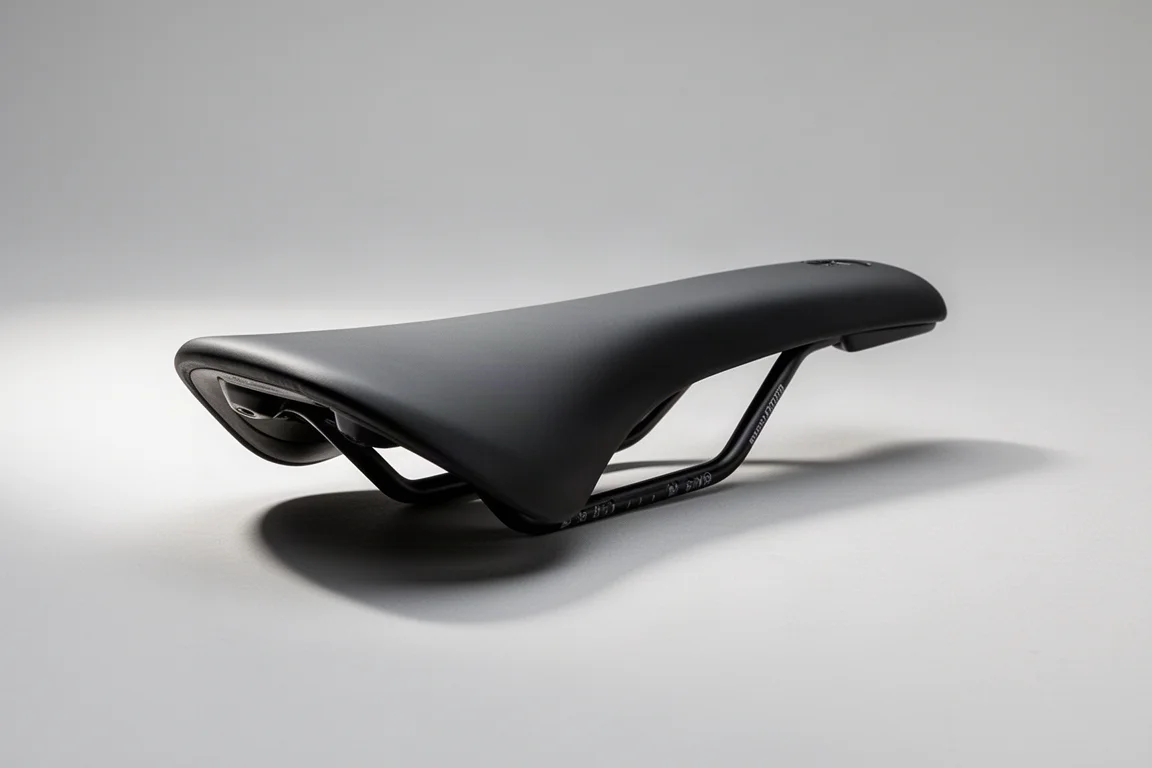
Short Nose Saddles: Specialized Power
Short nose saddles began as a racing solution. A shorter nose lets the saddle sit further forward while still complying with the rule that the nose must be at least 5 cm behind the bottom bracket, and the Specialized Power is the design that popularised the format.
In practice the shape has become the default for a much wider group of riders, largely because a shorter nose is less likely to interfere with the thighs as they pass the saddle through the pedal stroke.
Width is where short nose saddles get tricky. Wider versions can catch the rider’s legs at the bottom of the stroke, which pushes the rider forward onto the nose. Sitting on the nose of a saddle that offers little support there commonly shows up as neck, shoulder and hand issues rather than obvious saddle discomfort. Narrower versions let the rider sit further back, where the saddle can actually support them.
Curved Profile Saddles: PRO Turnix
Not every pressure relief saddle is flat. The PRO Turnix has gently curved rear wings, a slightly more pronounced nose and a middle third that is roughly flat. That combination suits riders who find a very flat saddle builds pressure on the skeleton, and it is a common choice when moving someone from a traditional saddle to a pressure relief design.
The pronounced nose has a practical benefit. It can help stop the rider sliding into the front of the saddle or gravitating onto the nose, which is one of the more persistent causes of discomfort on longer rides.
If you have tried flat pressure relief saddles and found them uncomfortable, a profile like this is a sensible next step before you conclude that pressure relief is not for you.
The Bestseller: Selle Italia SLR Boost S3
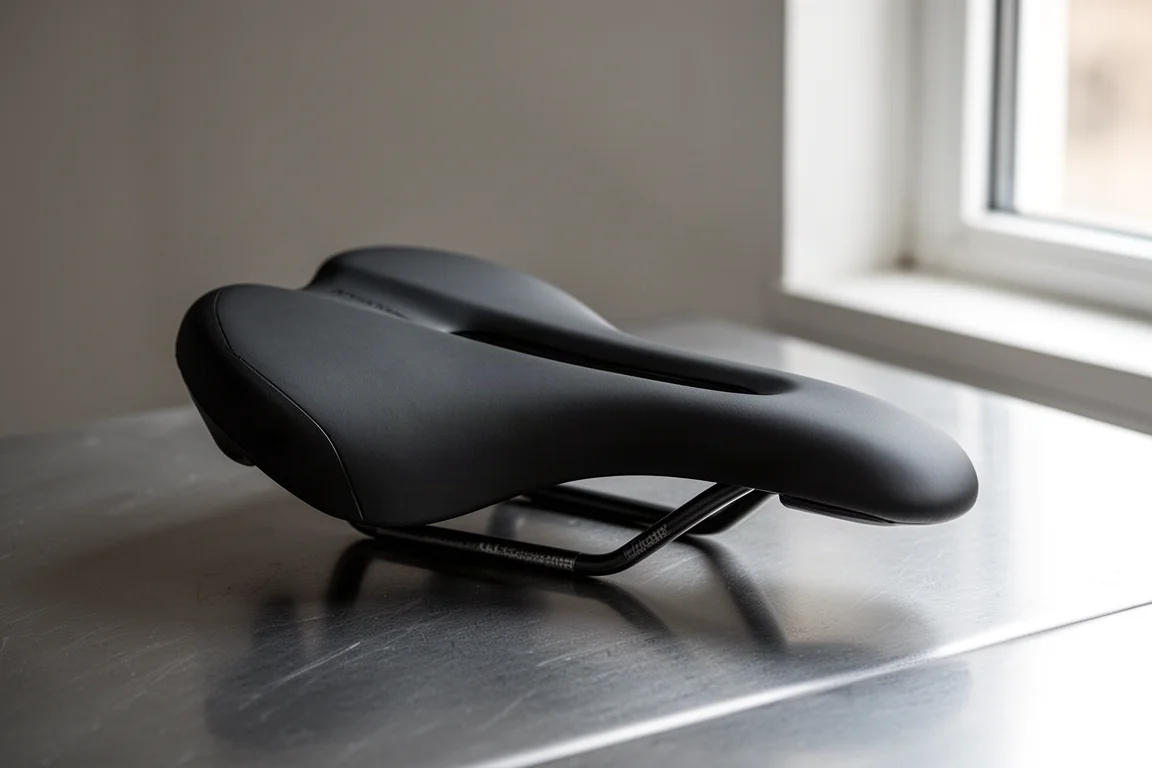
If one model had to cover the majority of riders, the Selle Italia SLR Boost S3 is the strongest candidate. SLR is the range, Boost refers to the slightly short nose, and S3 refers to the width.
The line spans a number of iterations, from a model around the £100 mark up to a 3D-printed version that costs considerably more. The endurance version, with a little more gel in the padding and a titanium rail, is generally regarded as the most comfortable of the range.
The shape is deliberately narrow, which runs against the idea that width is the most important number in saddle selection. A narrow profile lets the rider sit much further back into the saddle and avoids interference with the thighs as they pass the wings, and it is the single most widely fitted shape across a broad range of riders.

The trade-off is that the top 3D-printed iteration is expensive for a component that most riders will replace before it wears out, so the lower-cost versions in the same shape are usually the smarter buy.
Saddles for Women Riders: Ergon SR
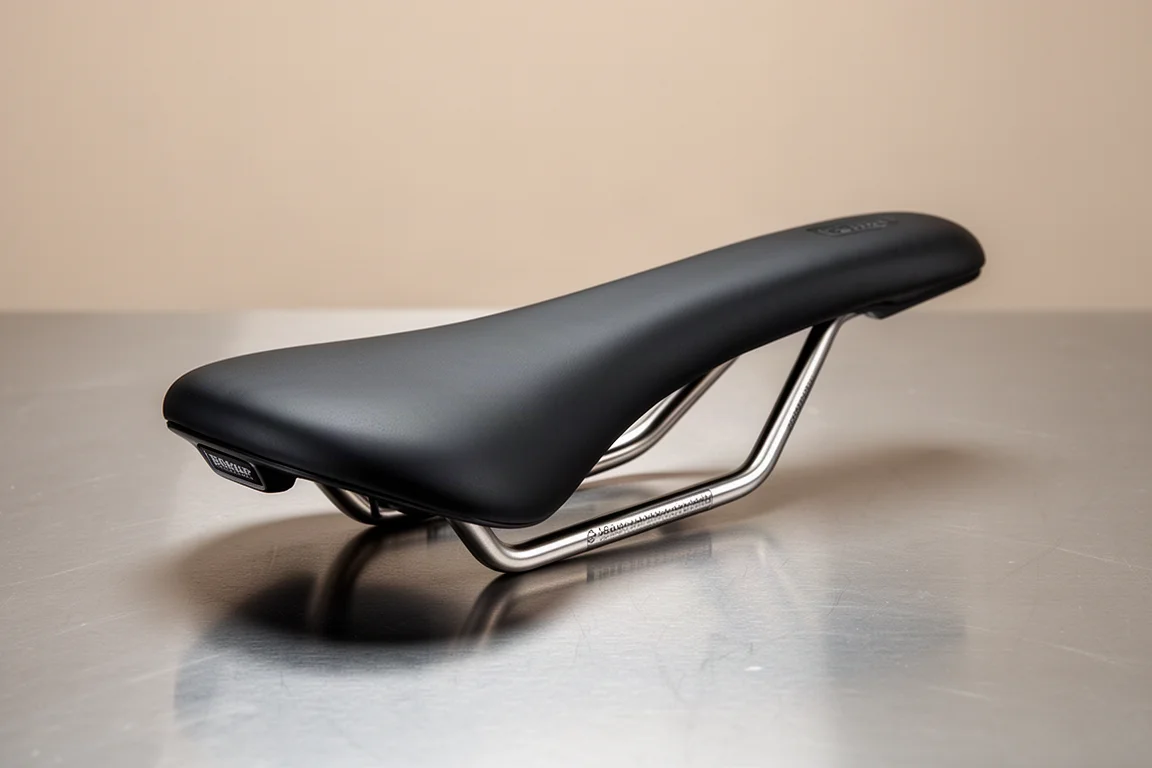
Ergon is a German brand that built its reputation in mountain bike grips and now produces a range of saddles designed using the same pressure mapping systems used in bike fitting. The Ergon SR is widely used by women riders and starts around £90.
The shape has a notably flat seating section and a large pressure relief channel that is positioned further forward than on many comparable saddles. That combination tends to work well for riders who need relief concentrated toward the front of the contact area.
The range runs through a number of iterations, up to a carbon-railed, very light model for riders who care about weight as well as comfort. At the entry point, the price is reasonable for a saddle built around pressure mapping rather than guesswork.
Buying Advice: Width, Testing, and Position
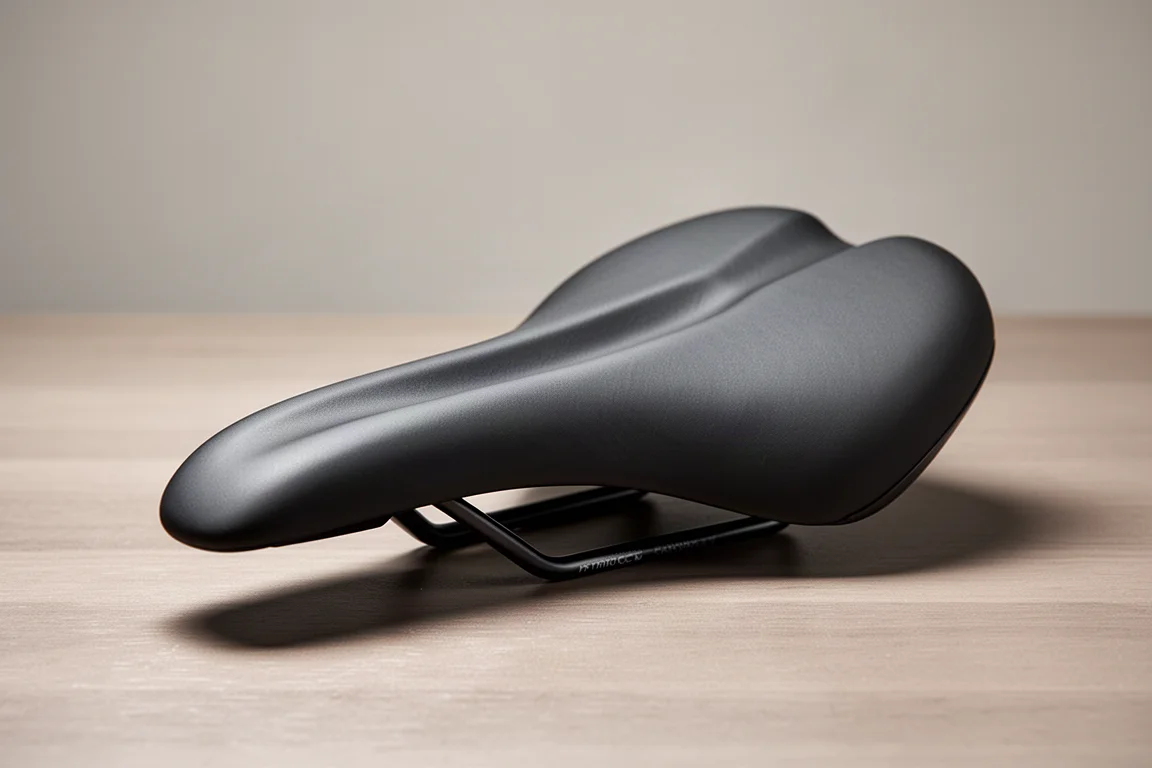
Sit bone measurement is the standard ritual in bike shops, and it deserves some scepticism. The measurement is usually taken with the pelvis in a posterior state, which is not how a rider actually sits on a saddle. Because of that mismatch, the result often points toward a saddle that is too wide, and a saddle that is too wide tends to push the rider onto the nose and cause problems elsewhere.
Width still has a role. Saddles commonly come in a small and a large option, roughly 130 mm and 145 mm, and the choice is not reliably predicted by rider size. Larger riders end up on the narrow option and smaller riders on the wide one more often than most people expect. Shape has more influence on whether a saddle works for you than width alone.
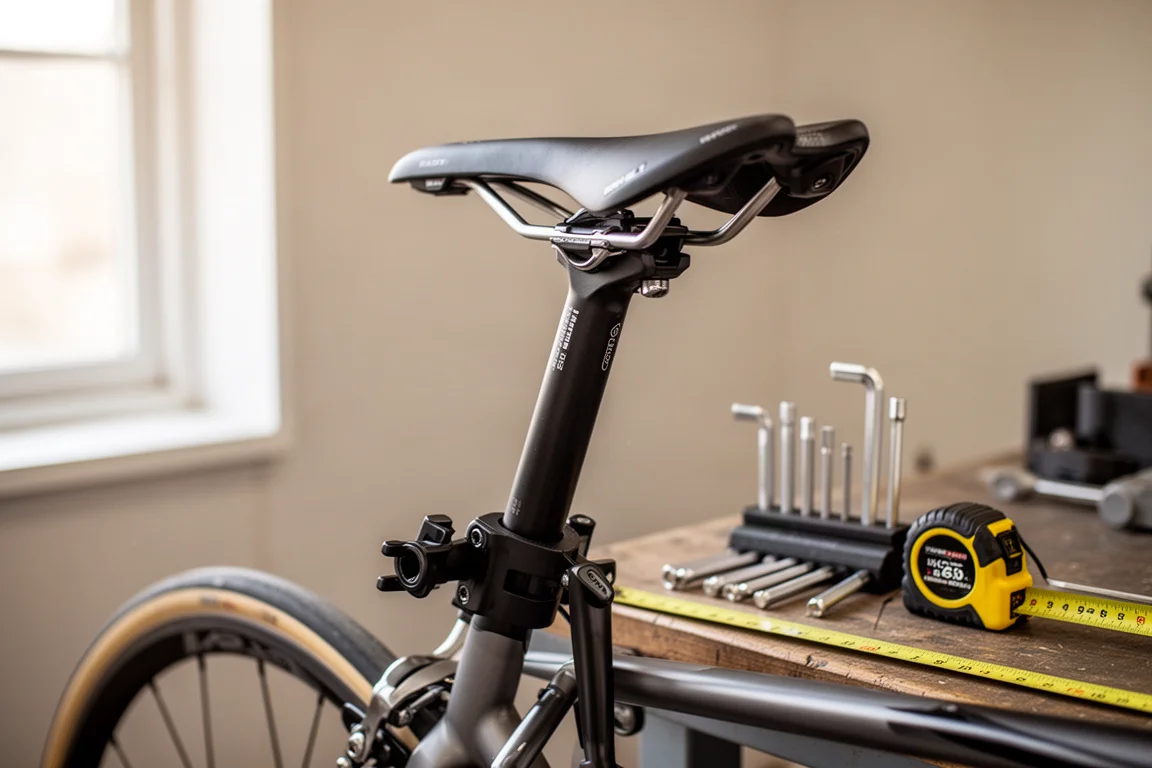
Testing is the only dependable method, and it only works when it is controlled. Keep saddle height, setback and reach to the bars identical between test saddles so that you are comparing shape and width rather than position. Swapping saddles at different heights and drawing conclusions from the result is the fastest way to waste money.
One further point is worth weighing before you buy anything. Most saddle comfort does not come from the saddle. Foot support alone can cut pressure through the saddle substantially, and changes elsewhere on the bike often deliver more relief than a new saddle will. If you are uncomfortable, try lowering the saddle first. If the problem persists, a professional bike fit is a better investment than a shelf of saddles.
Conclusion
The three families covered here solve different problems. Traditional shapes suit a narrow group of riders who are already naturally rotated. Pressure relief shapes suit almost everyone, and are the sensible default. Short nose shapes add a shorter, narrower profile that lets riders sit further back and forward without thigh interference, which is why they now dominate real-world fitting.
Pick the shape first, then the width, then test properly with everything else held constant. And remember that a saddle is rarely the whole answer. Position, foot support and saddle height all feed into how a saddle feels after two hours, and getting those right makes almost any well-chosen saddle work better.
Further reading
Related Reviews

Cycling Components
A 20,000-Mile Budget Race Bike Build: Five Parts Worth Knowing
A rim brake race bike assembled from low-cost components and ridden for 20,000 miles. Here is what delivered real speed, what caused problems, and what to weigh before copying the formula.
Cycling Components
7 Bike Fit Products Fitters Avoid: What to Check Before You Buy
Seven bike components that regularly cause knee, foot and saddle problems, with the specific concerns behind each one and what to look for instead.
Cycling Components
Four Affordable Bike Upgrades That Improve Ride Feel
Four low-cost cycling products that make a real difference to ride feel, plus the free setup changes worth trying first.