Power & Energy
How to Choose a Portable Power Station: A Practical Guide to Watts, Features, and Avoiding Costly Mistakes
Learn the essential calculations and decision criteria for selecting a portable power station that matches your actual needs, from battery capacity to inverter size to real-world reliability.
Introduction
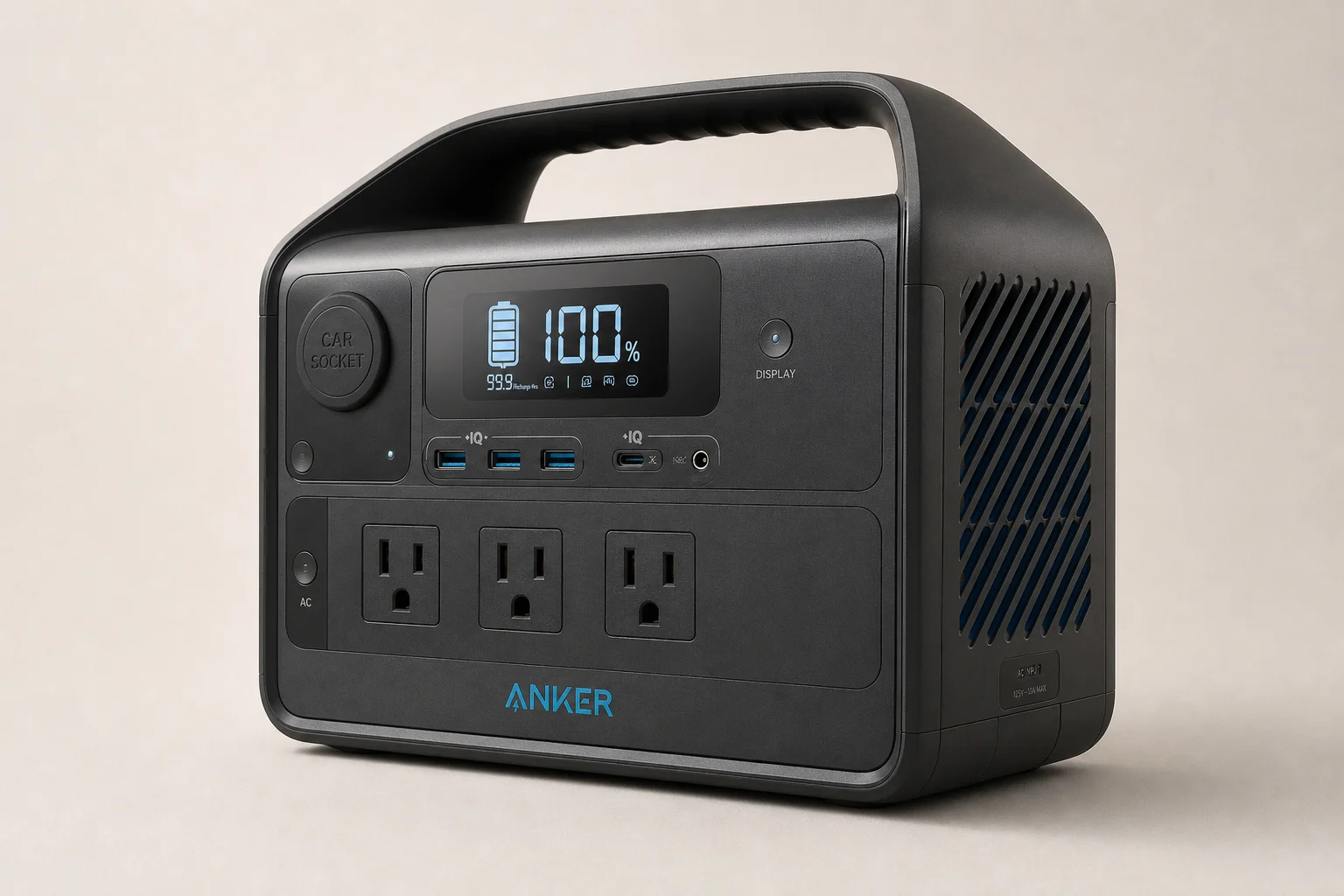
Portable power stations have grown tremendously in popularity, and with good reason. They offer genuine flexibility for off-grid cabins, emergency home backup, RV travel, camping, and overlanding. The challenge is that the market has become crowded, and choosing the right unit can feel overwhelming. The key is understanding what you actually need before you spend your money.
This guide walks you through the essential calculations and decision criteria so you can select a unit that matches your real requirements, not marketing claims.
Understanding Watts, Volts, and Amps
Before comparing specific models, you need to understand the basic electrical concepts that determine whether a power station will work for your needs.
Think of electricity like a garden hose. Volts are the pressure at the faucet. In a house, this is standardized at 120 or 240 volts, so you don’t need to worry much about it. Amps are the size of the hose itself. A 15-amp hose is thinner than a 20-amp hose, and the thicker hose allows more flow. Watts are the water flowing out the end. If you fill a bucket for one hour, the amount of water represents watts per hour.
This matters because your equipment has specific power requirements. A 100-watt light bulb uses 100 watts per hour. If you run it for only 30 minutes, it uses 50 watts that hour. To find watts, multiply volts by amps. If a device is rated at 120 volts and 5 amps, it draws 600 watts.
Your power station’s inverter must be large enough to handle the peak power draw of all devices you plan to run simultaneously. If your inverter is only 50 watts and you try to power a 100-watt device, it will not work. The inverter must be at least as large as your largest single load, or larger if you plan to run multiple devices at once.
Calculating Your Battery and Inverter Needs
Now that you understand watts, calculating your battery size becomes straightforward. You need to determine two things: the total power you need and how much power you need to output at one time.
Start by listing what you want to power and how long you need it to run. For example, a 45-watt refrigerator that runs 24/7 would use 45 watts per hour. However, most appliances like fridges, heaters, and air conditioners don’t run continuously. A typical fridge runs about 40 to 50 percent of the time. If you account for 50 percent duty cycle, that 45-watt fridge effectively uses 22.5 watts per hour.
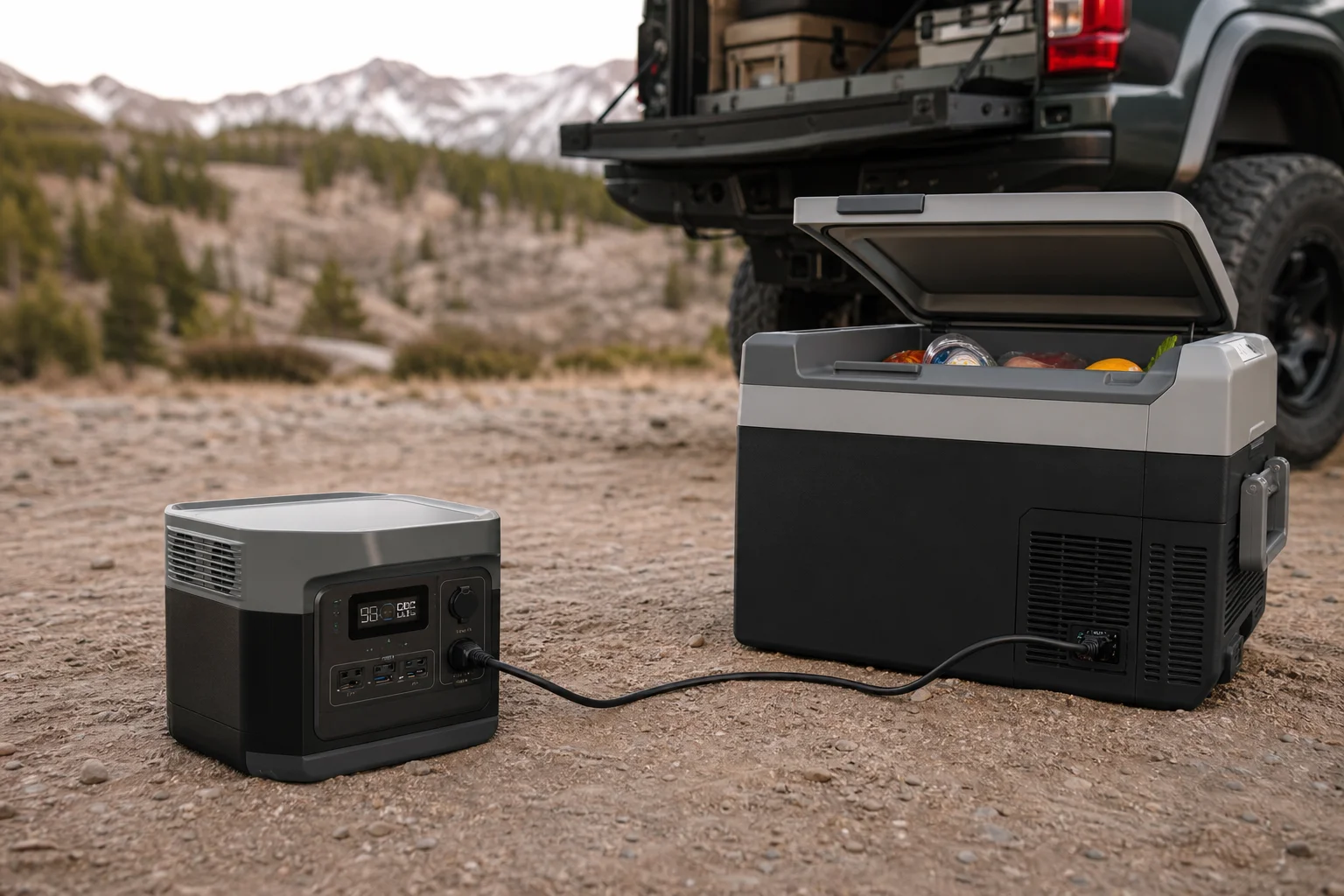
If you plan to camp for 2.5 days (60 hours) and only power the fridge, multiply 22.5 watts by 60 hours to get 1,350 watt-hours of total energy needed. A 1,000-watt-hour battery would fall short, but a 1,200-watt-hour battery would comfortably cover your needs with a safety margin.
For the inverter, you only need it to be large enough to handle the simultaneous load. If you’re only running the fridge at any given time, a 1,000-watt inverter is more than sufficient. If you plan to run the fridge and a microwave at the same time, you need an inverter rated for the sum of both loads.
Charging Methods: AC and Solar
You have two primary ways to charge a portable power station: AC (wall outlet) and solar panels.
AC charging is the fastest and simplest. Most units charge fully in under two hours when plugged into a standard wall outlet. This works well if you’re camping near a cabin with power, running a mobile business trailer that you charge overnight, or simply want a backup power source at home that you top up before leaving.
Solar charging requires more planning but offers true off-grid capability. The math is simple: a 100-watt solar panel produces roughly 100 watts per hour under good sunlight. If you have a 1,000-watt-hour battery and a 100-watt panel, it takes 10 hours of full sunlight to fully charge the battery. In practice, you can count on about four good hours of useful sunlight per day in most locations.

If you’re designing a system for a cabin with a 3,000-watt-hour battery and want to charge it in four hours, you need 750 watts of solar input. You can achieve this with two 400-watt panels, four 200-watt panels, or eight 100-watt panels. The combination depends on your roof space and budget.
Features, Portability, and Real-World Reliability
Once you’ve determined your power and charging needs, the decision becomes about features and practical usability.
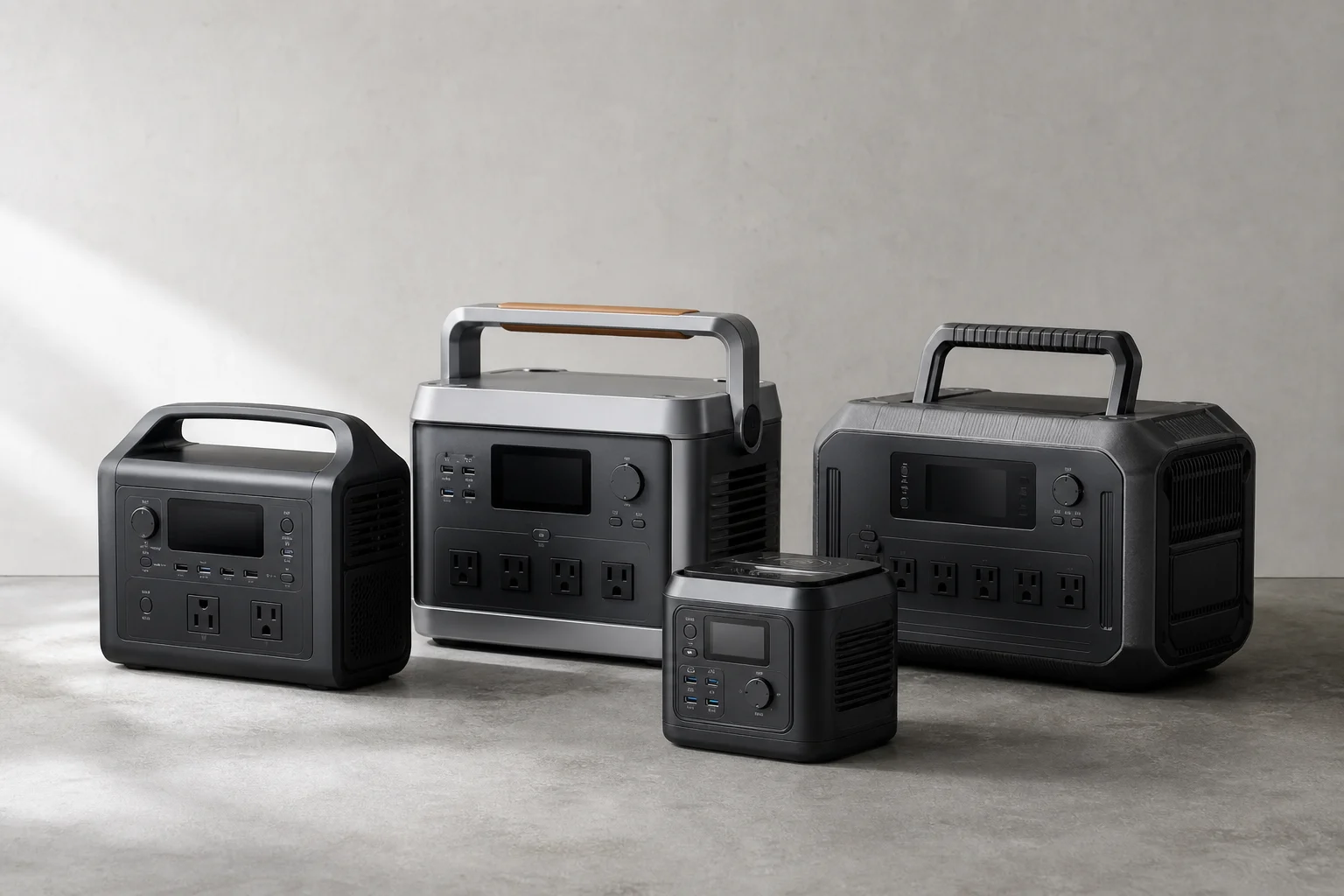
Consider how you’ll physically use the unit. If you’re powering an RV or trailer, a model with a dedicated 30-amp plug on the front eliminates the need for adapters. If you’re moving the unit frequently, wheels and a handle make a significant difference because these units become heavy quickly. If you’re installing a whole-home backup system, look for a unit with an L14 generator plug so it connects directly to a transfer switch. For job sites or high-power applications, a 50-amp plug gives you the flexibility to run large compressors or other equipment.
You also need to know whether your devices run on 120 volts or 240 volts, as this affects which units will work for you.
Price is important, but don’t let it be your only guide. Cheaper units often have lower surge capacity, which matters when devices first start up. A motor or compressor might need 6,000 watts to start even though it only needs 3,000 watts to run. Cheaper units also tend to have shorter battery lifespans and weaker customer support.
If a new unit is out of budget, consider buying a used model from a reputable brand. A three-year-old Delta Pro is still a solid unit with all the features that are standard today, and older models often drop in price when newer versions launch. Many manufacturers, including Jackery, also offer expandable systems where you can buy a base unit now and add expansion batteries later as your needs or budget grows.
What to Avoid When Buying
Several red flags should make you hesitant before purchasing.
Avoid companies that are brand new or have no track record. A solar generator from an unknown brand might work, but you have no way to know how long it will last, what customer service is like, or whether the company will still exist in five years. A 10-year warranty from a company that has been in business for six months is worthless.
Do not trust manufacturer claims about runtime or capacity. Companies routinely overstate how long their units will power a home. The average US house uses 30 kilowatt-hours per day. Even the largest portable power stations cannot deliver more than three days of typical home power, yet marketing materials often claim a week or more. Do your own math based on the actual watt-hour capacity and your real power draw.
When researching specific models, watch multiple independent reviews from different creators. Look for reviews that honestly discuss both strengths and weaknesses. Be cautious of reviews that seem sponsored or only present positive information. Seek out creators who have no financial incentive to recommend a particular brand, and pay attention to long-term user feedback about reliability and customer service.
Conclusion
Choosing a portable power station comes down to honest math about your power needs, realistic assessment of your charging situation, and careful research into which brands and models have proven reliability. Start with your actual power requirements, not marketing claims. Then match features and portability to your use case. Finally, verify that the manufacturer has a solid reputation and genuine customer support. With this approach, you’ll find a unit that delivers real value for your money.
Product link
View more details for Jackery 1000 Plus
This product is mentioned in the review. Check the specifications, options, and compatibility before buying.
View more details for Jackery 1000 PlusFurther reading
Related Reviews
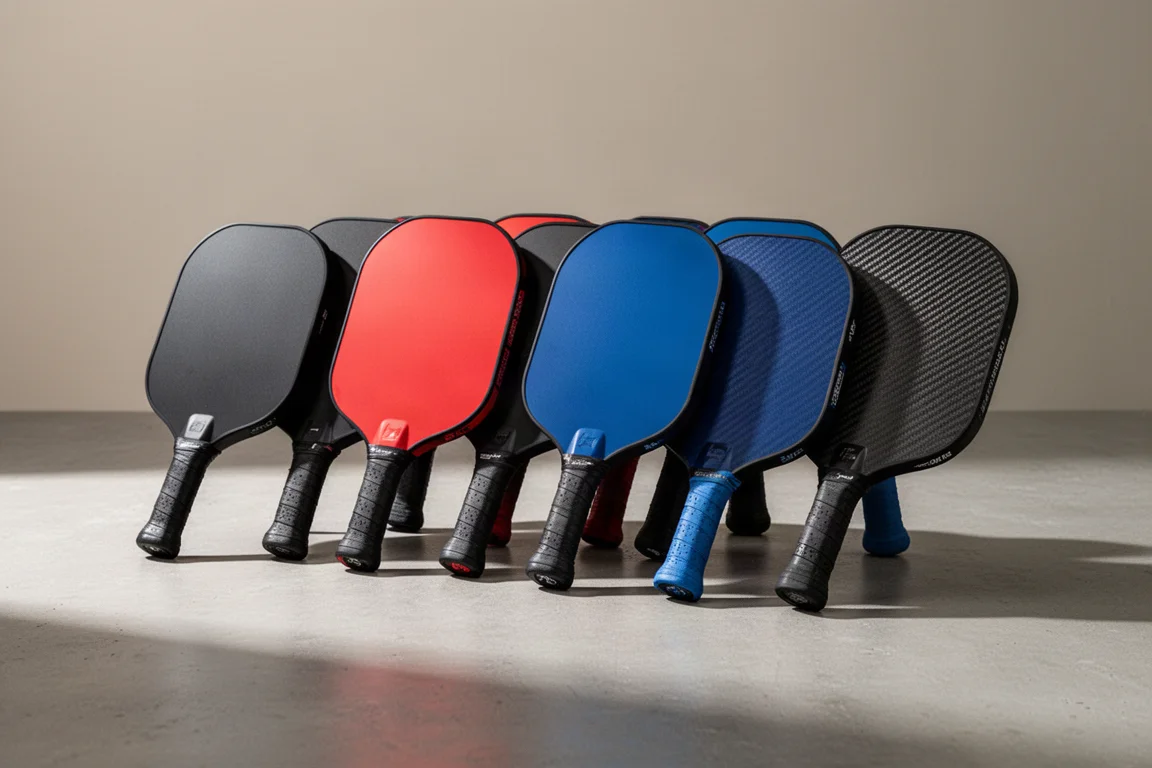
Pickleball Paddles
2025 Paddle Awards: The Best Pickleball Paddles of the Year
A category-by-category breakdown of the best pickleball paddles of 2025, covering value, control, all-court, power, and paddle of the year.
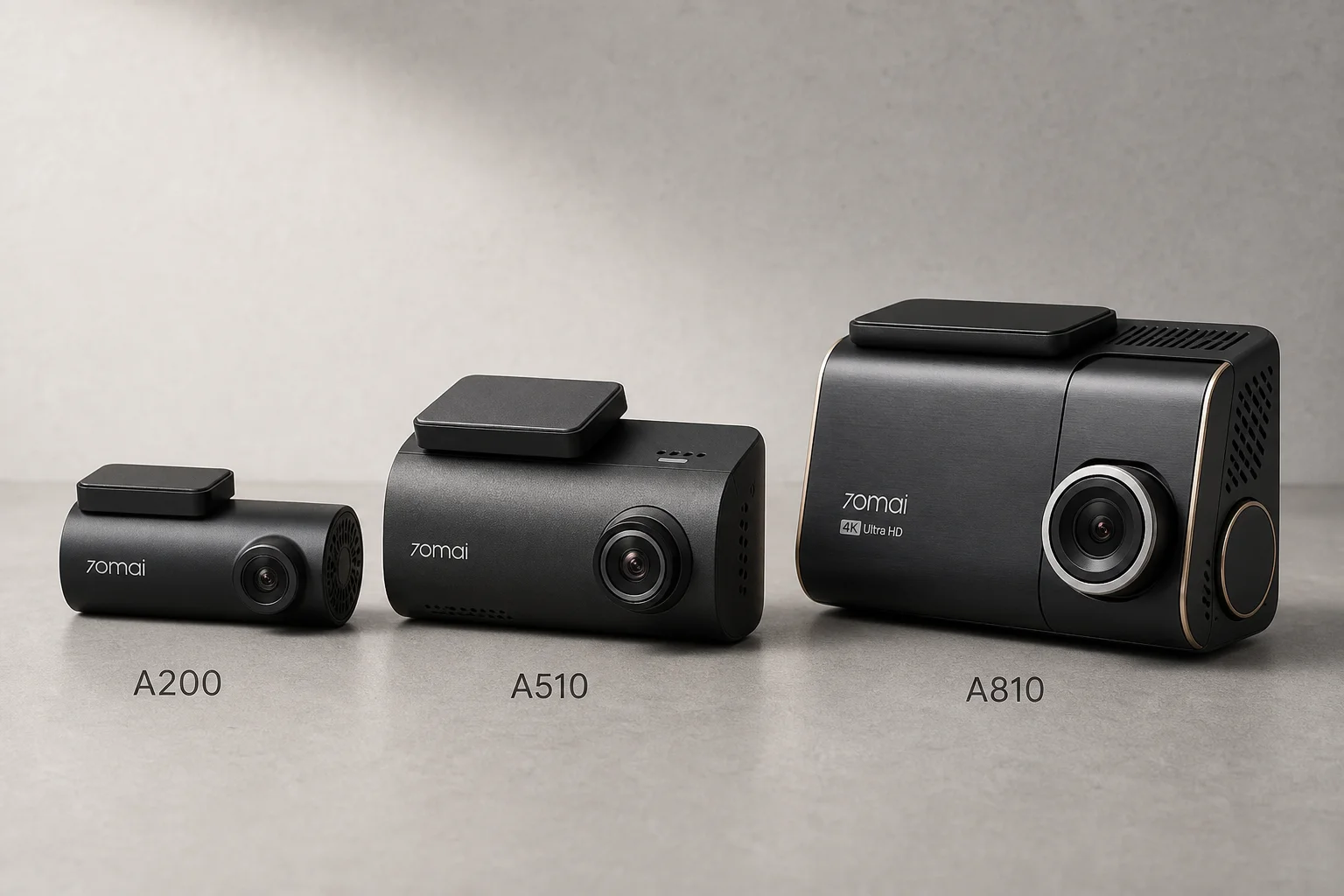
Automotive Accessories
70mai Dash Cam Comparison: A200 vs A510 vs A810
Three dash cameras from 70mai across different price points reveal how resolution and sensor quality impact real-world footage clarity, especially for number plate visibility and low-light performance.
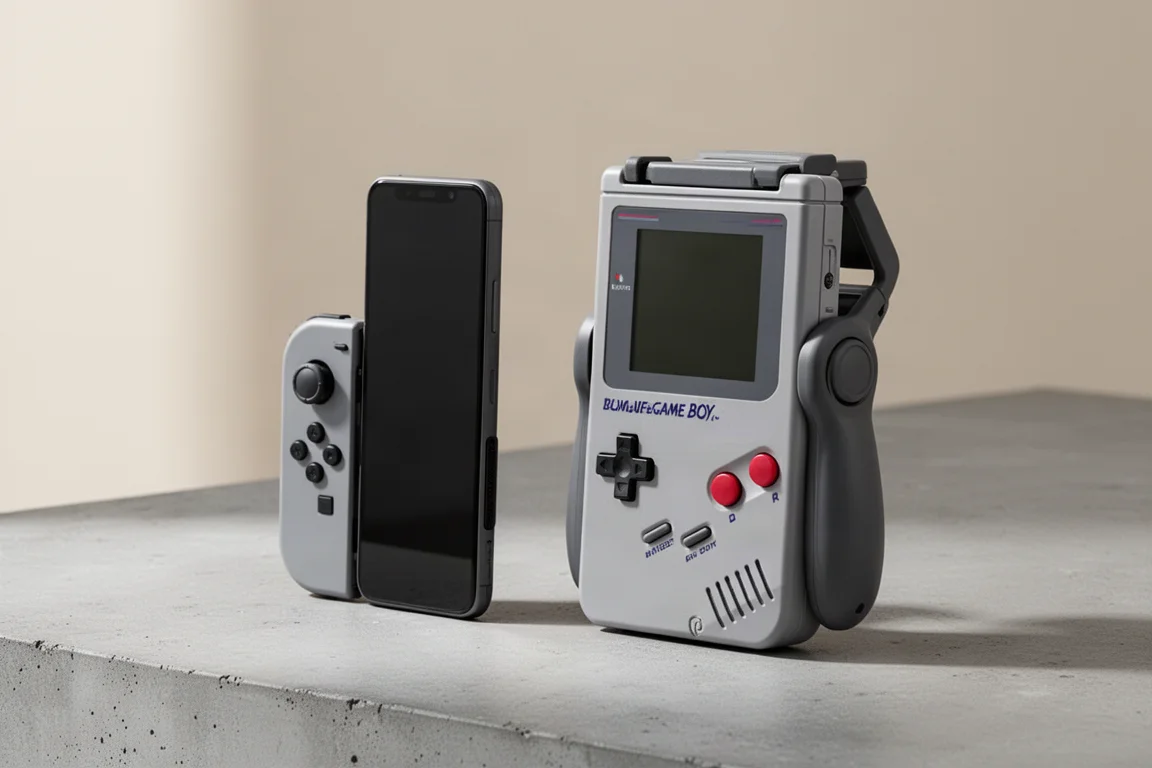
Mobile Gaming Accessories
8BitDo FlipPad vs GameSir Pocket Taco: Which Vertical Phone Controller Fits You Best?
Two compact vertical phone controllers with very different approaches to connectivity, controls, and everyday use. Here is how they compare across seven practical categories.