Backpacking Footwear
How to Choose Backpacking Footwear: Shoes, Trail Runners, Boots, and Socks
A practical guide to matching hiking shoes, trail runners, boots, and merino socks to your pack weight, terrain, and foot shape.
Introduction
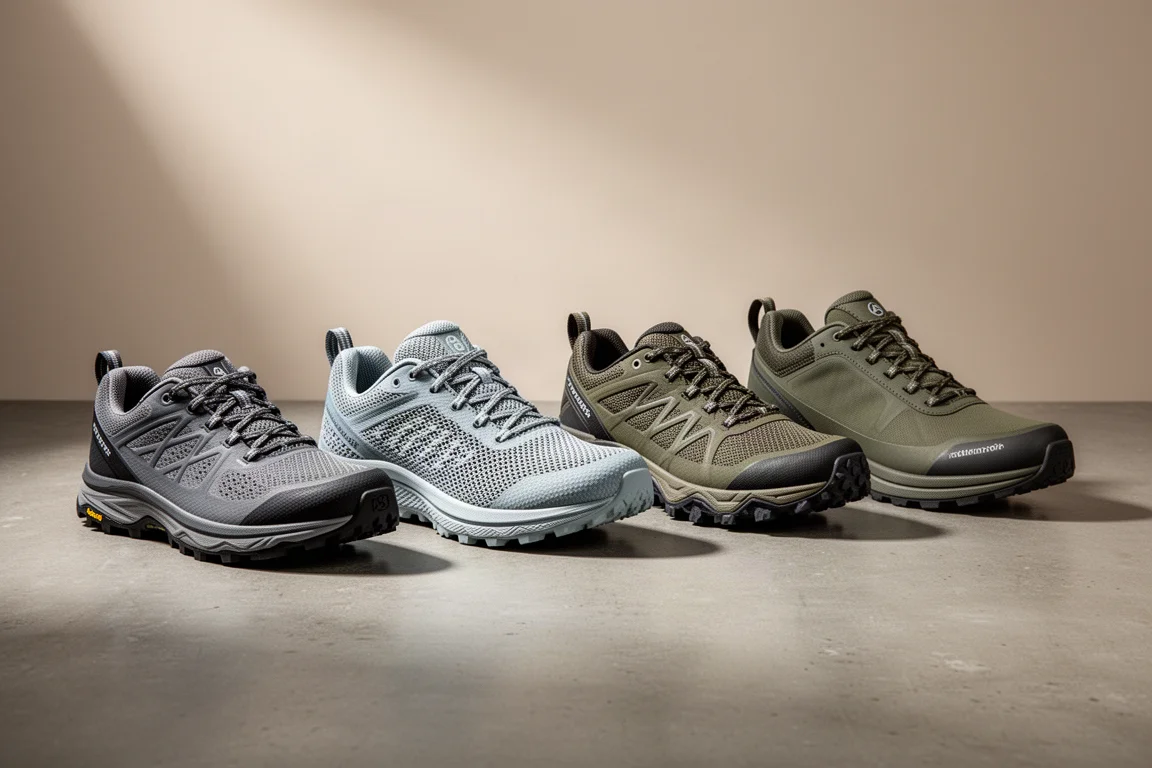
Choosing footwear for backpacking comes down to matching a shoe to the load on your back, the terrain underfoot, and the shape of your own foot. The trend in long-distance hiking has moved toward lightweight trail runners, and for many hikers that is a genuinely good choice. Less weight on the foot is less tiring over a long day, and trail runners offer excellent mobility.
That said, lightweight is not automatically better. A softer, more flexible shoe can leave feet feeling beaten up on rocky ground, and it offers less support when you are carrying a heavier pack. Boots have become less common on the trail, but they still make sense for some hikers and some conditions.
This guide works through how hiking shoes, trail runners, boots, and socks function as one system, using several specific models to illustrate the differences.
Matching Footwear to Your Backpacking System
Construction is the first thing to understand. Running shoes use different densities of foam than hiking shoes, and the foam in a trail runner is often softer. That softness is comfortable, but it is also why trail runners tend to wear out faster. They are designed for runners who rotate between several pairs, giving the foam time to recover and rebound between outings instead of being compressed day after day.
A hiking shoe is built differently. It is stiffer and denser, with noticeably less flex when you twist or bend it. That stiffness can feel like more effort early on, but it transfers support to the foot and holds up better under heavier loads.
Conditions matter just as much. On rocky trails, scree, or boulder-hopping terrain, look for a shoe with a protective plate in the midsole. Some models use a plastic plate, sometimes called a trail guard, that sits within the midsole to add support and shield the underside of the foot from sharp edges.
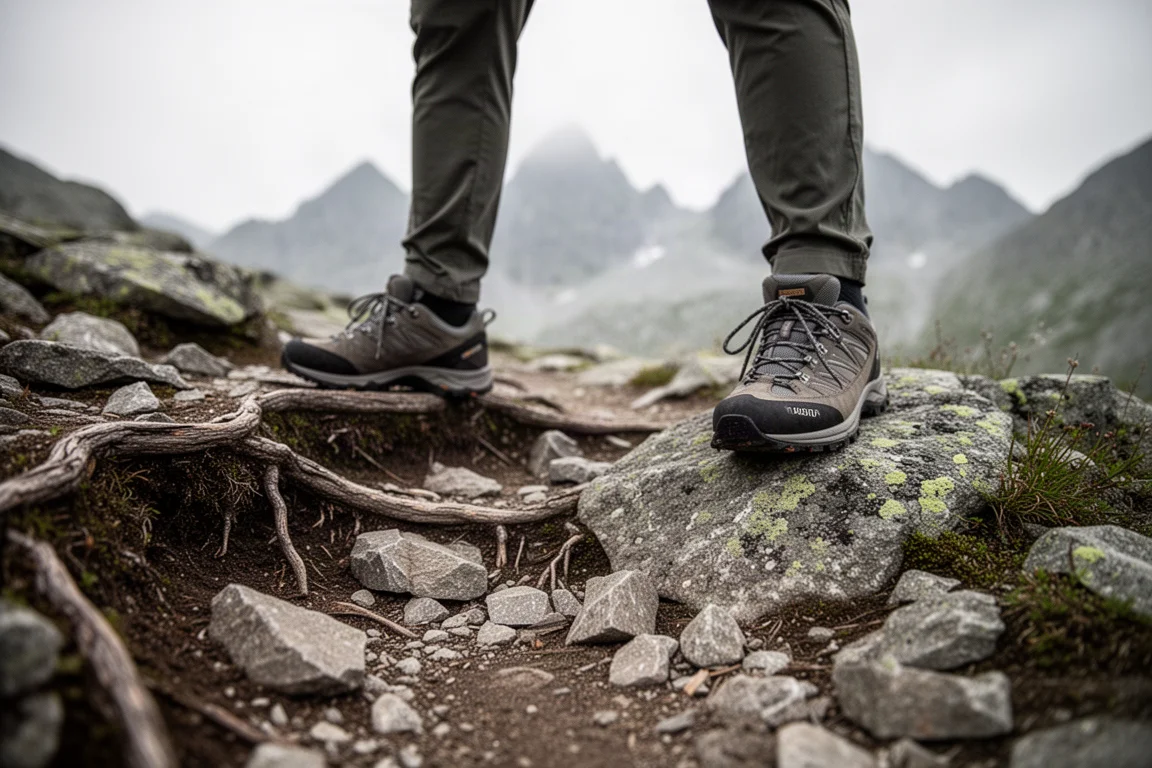
Foot shape decides the rest. Toe box width varies enormously between models, and a shoe that feels wonderful on one hiker can cause constant lateral movement on another. High arches and flat feet may also call for a different insole than the one that ships in the box.
Danner Trail 2650: Support for Heavier Loads
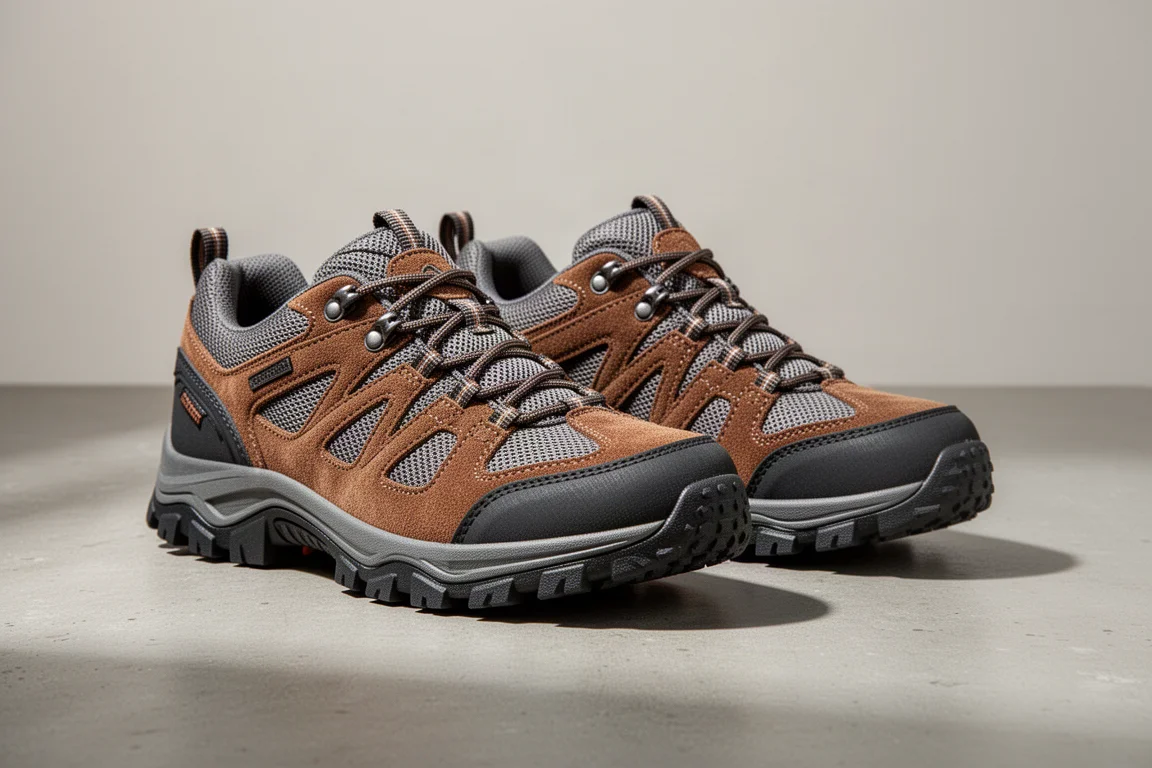
The Danner Trail 2650 is a hiking shoe rather than a trail runner, and the difference is obvious the moment you handle it. It resists flexing, which is exactly the point: a stiffer, denser midsole is built to handle heavier loads and deliver more support than a soft running shoe.
Inside the midsole, a plastic plate adds extra support and protection for the underside of the foot. That makes the Trail 2650 a sensible pick for rocky trails and for hikers carrying a substantial pack, where a little more structure underfoot translates into less fatigue over the day.
It is also worth remembering that a hiking shoe does not have to be heavy. A well-built hiking shoe can stay reasonably close in weight to lighter options while offering noticeably more structure.
Altra Superior 3.0: Soft Foam and a Roomy Toe Box
The Altra Superior 3.0 is a trail runner, and its softer foam gives it a very different feel from a hiking shoe. The generous toe box lets the foot splay out naturally, which many hikers find extremely comfortable over long distances.
That same softness is the trade-off. The shoe is not designed for all-day, every-day use, so it wears out faster than a stiffer hiking shoe. Runners typically rotate between pairs to let the foam rebound, and hikers who want the Superior 3.0 to last should treat it the same way.
A wide toe box is a fit question rather than a quality question. On a narrow foot, all that extra volume lets the foot slide side to side, which creates instability on uneven ground.

That is why the Superior 3.0 works best for hikers whose feet are wide enough to fill it, and who want a light, flexible shoe for fast trips with modest loads.
La Sportiva Helios: Comfortable but Minimal Underfoot
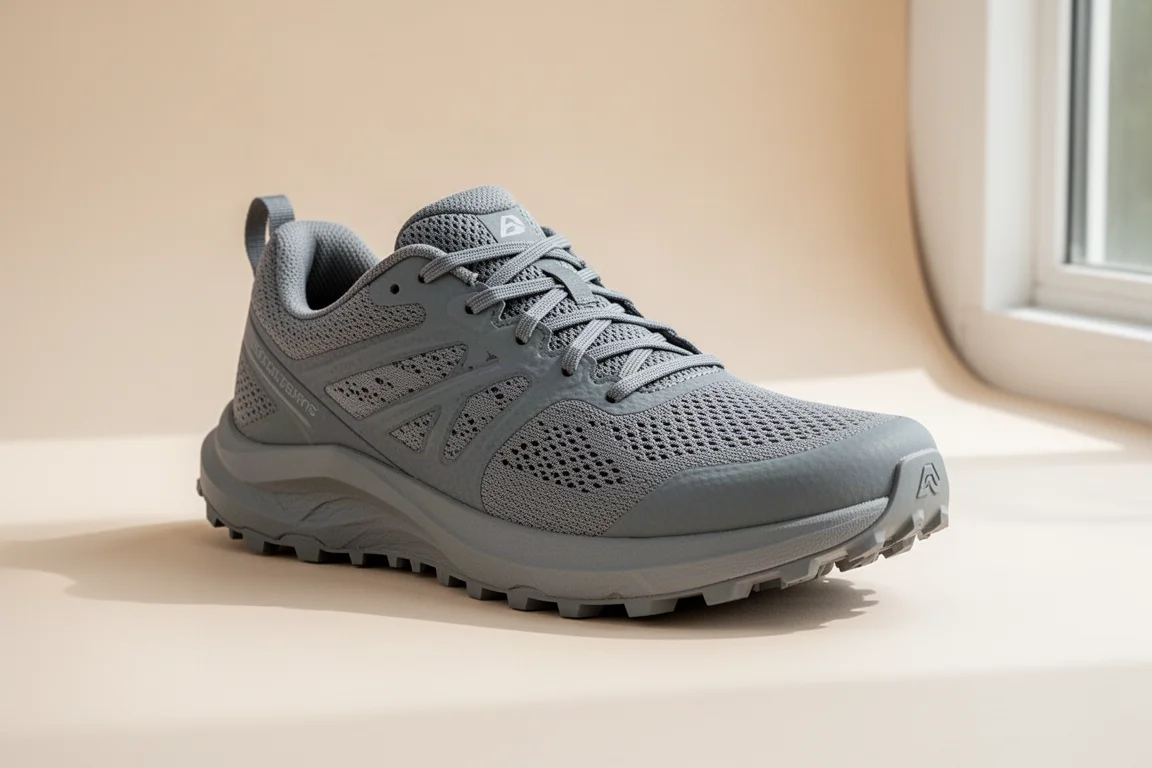
The La Sportiva Helios is another trail runner, and it is among the softest and most malleable options in this group. On smooth ground it feels extremely comfortable, and the flexibility is genuinely pleasant.
The limitation shows up on technical terrain. With so little structure underfoot, the foot tires faster because there is limited protection between the sole and the rocks and roots beneath it. For backpacking on rough trails, that makes the Helios the least protective choice here.
It can still make sense for light loads on smooth, well-groomed paths, where comfort and flexibility matter more than underfoot protection.
La Sportiva Bushido: Protection and a Narrow Fit
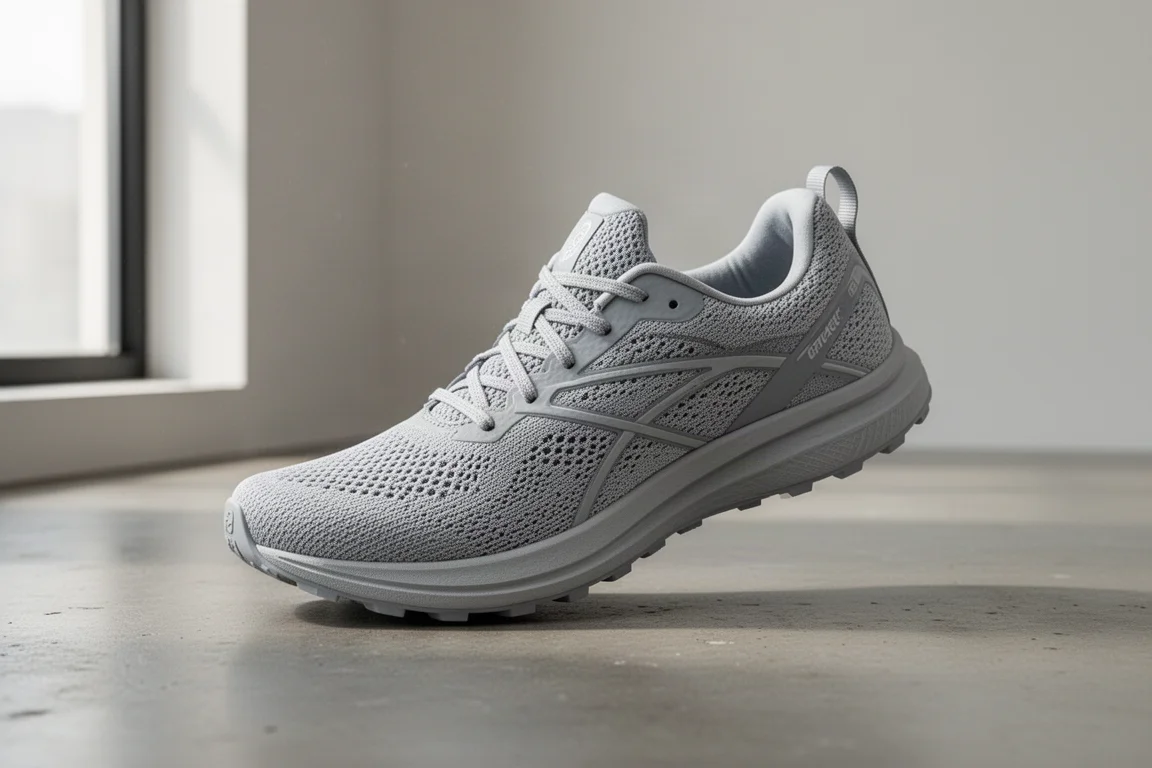
The La Sportiva Bushido takes the opposite approach. It has a protective plate in the bottom of the shoe, a deep lug pattern that provides strong traction, and a narrow toe box that holds a narrow foot firmly in place.
For hikers with narrow feet, that combination is hard to beat: plenty of protection over rocks, reliable grip on loose ground, and no lateral sliding. For hikers who love a wide, splayed toe box, the same shoe will feel restrictive.
The lesson is that protection and fit are separate decisions. A shoe can be highly protective and still be the wrong shape for your foot.
Merrell Nova: Breathable and Non-Waterproof
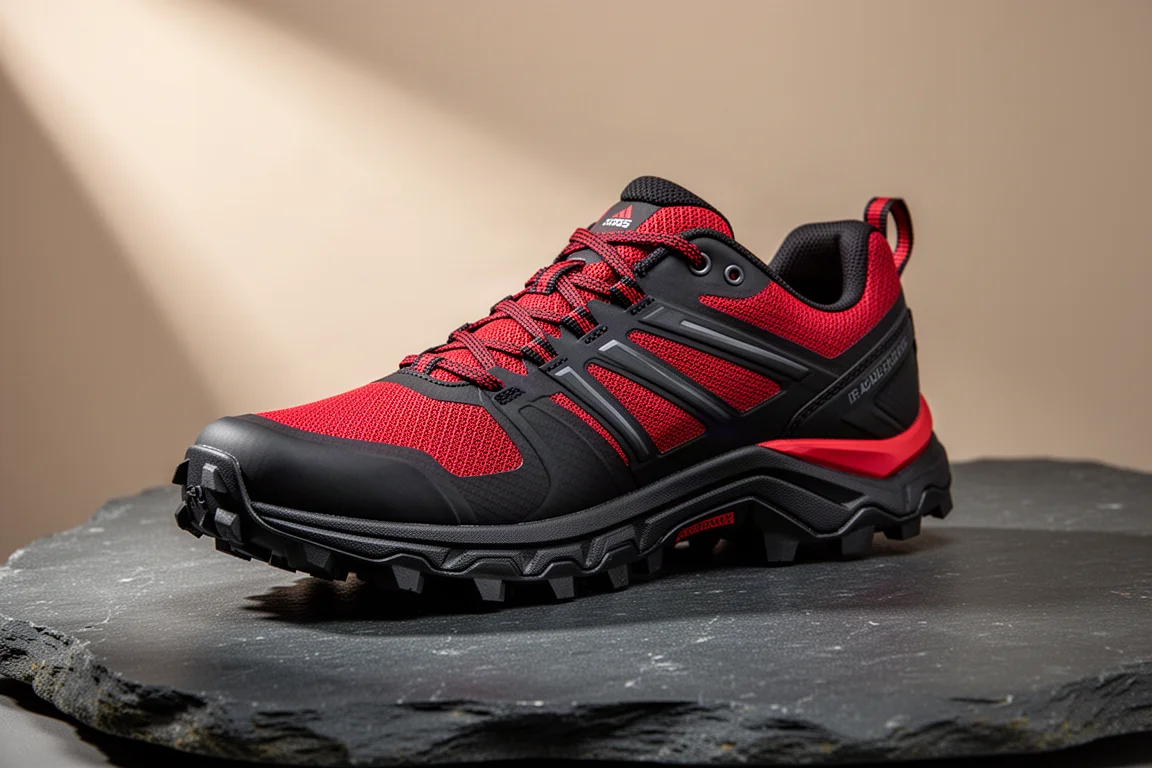
The Merrell Nova has no waterproof liner. That makes it a breathable shoe, and breathability is a real performance feature rather than a marketing detail: feet stay drier over a long day, and there is less need to stop and air them out.
The trade-off is equally clear. Without a liner, wet grass, morning dew, and shallow stream crossings will get your feet wet, and a wet foot is far more prone to blisters and discomfort.
For dry, warm conditions and hikers who run hot, a breathable shoe is often the more comfortable choice.
Lycan GTX: Waterproof With a Gore-Tex Liner
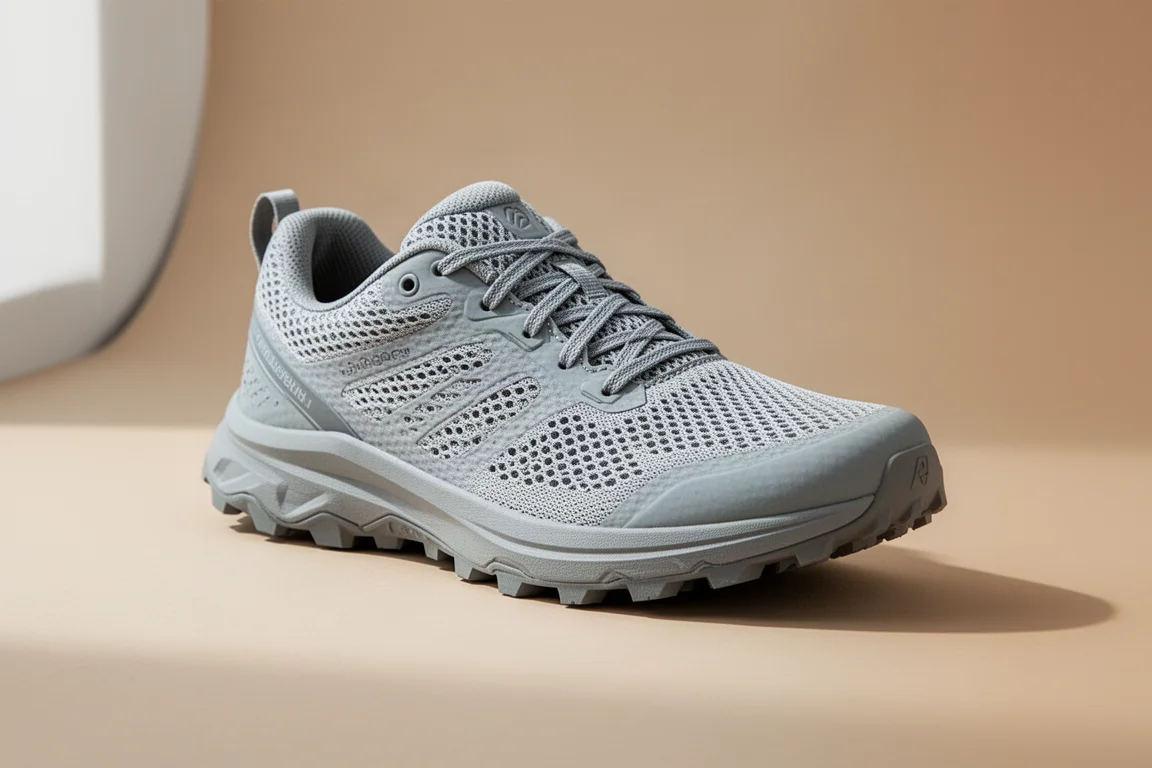
The Lycan GTX uses a Gore-Tex liner to keep water out. In wet brush and morning dew, or when a trail gaiter is worn over the top, that liner keeps feet dry in conditions where a breathable shoe would soak through.
It has a second, less obvious benefit in dry country. In desert and sandy environments, a waterproof shoe keeps sand out of the sock and out of the shoe, which is a meaningful comfort gain when the alternative is a toe box packed with grit.
The downside is ventilation. A waterproof liner does not breathe, so feet sweat more over a long day. On extended trips, plan to take the shoes off during breaks and let your feet dry out.
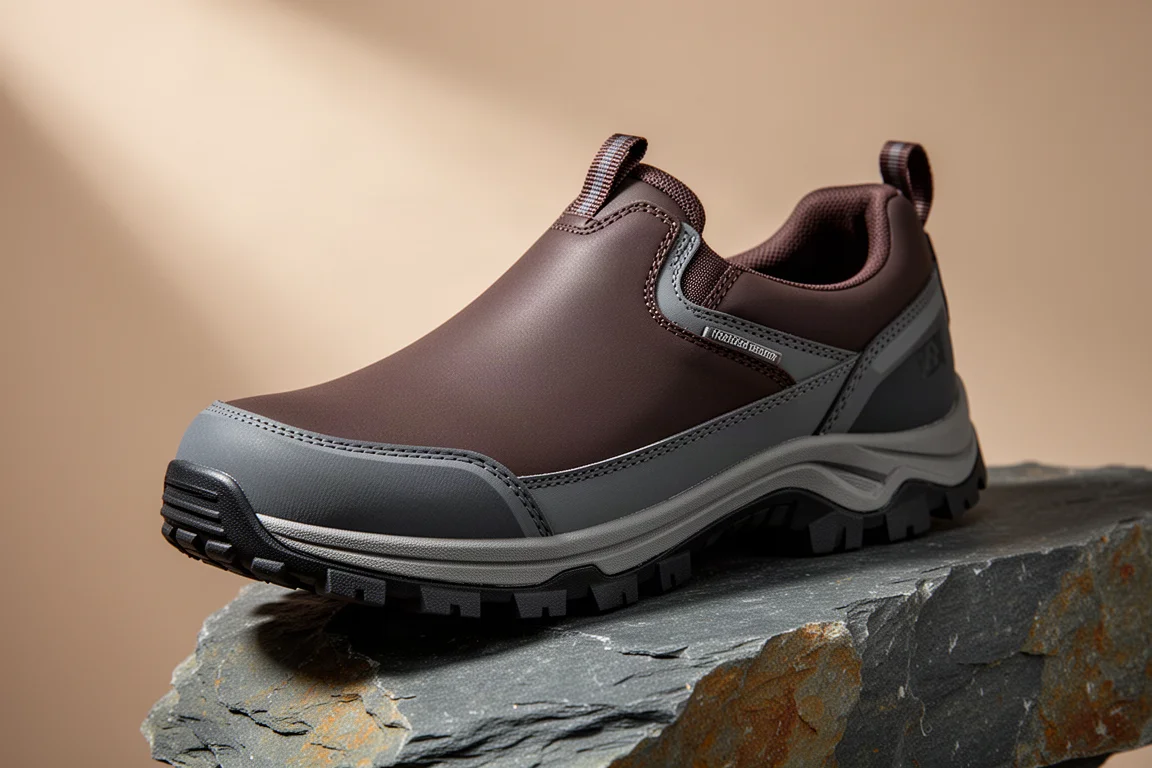
Smartwool Merino Socks: Cushion and Seam-Free Comfort
Socks are part of the footwear system, not an afterthought. A shoe only performs as well as the sock inside it. Too thick a sock pushes the toes against the front of the toe box, which can lead to black toe and, eventually, a lost nail. The right thickness should match how the shoe fits: tighter shoes take thinner socks, roomier shoes can take more cushion.
Smartwool socks are merino wool rather than cotton, which helps with blister prevention. They come in different weights, from a heavily cushioned version to a lighter one with padding only in the toe and heel. Critically, there is no seam running across the front of the toe, where friction does the most damage.
For hikers who blister easily, Smartwool also makes a thin liner sock that can be worn under a second sock. The liner creates a barrier so friction happens between the two socks rather than against the skin.
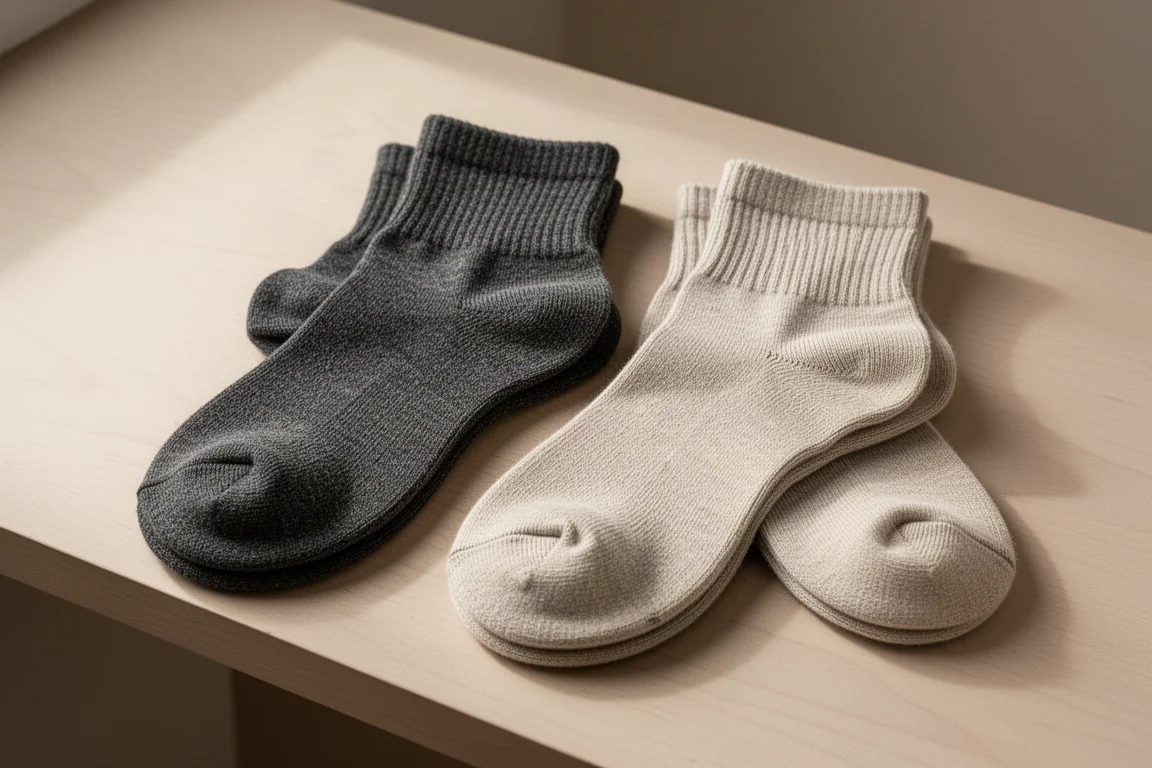
Darn Tough Merino Socks: Durable Merino Protection
Darn Tough socks follow the same principle. They are merino wool, they come in different cushioning levels, and they avoid seams in the high-friction areas that cause blisters in the first place.
Matching sock thickness to shoe volume is the key habit. A thin sock in a loose shoe allows the foot to move around; a thick sock in a tight shoe crowds the toes. Getting that pairing right is often the difference between a comfortable trip and a painful one.
Overall Buying Advice
Start with the load and the terrain, then fit the shoe to your foot. If you carry 30 to 40 pounds, a boot or a more supportive hiking shoe will protect your ankles and reduce fatigue, especially if you have rolled an ankle before or naturally have weaker ankles. A mid-height boot offers a middle ground between a low shoe and a full high-top, and a gaiter fits over a boot to keep snow and debris out.
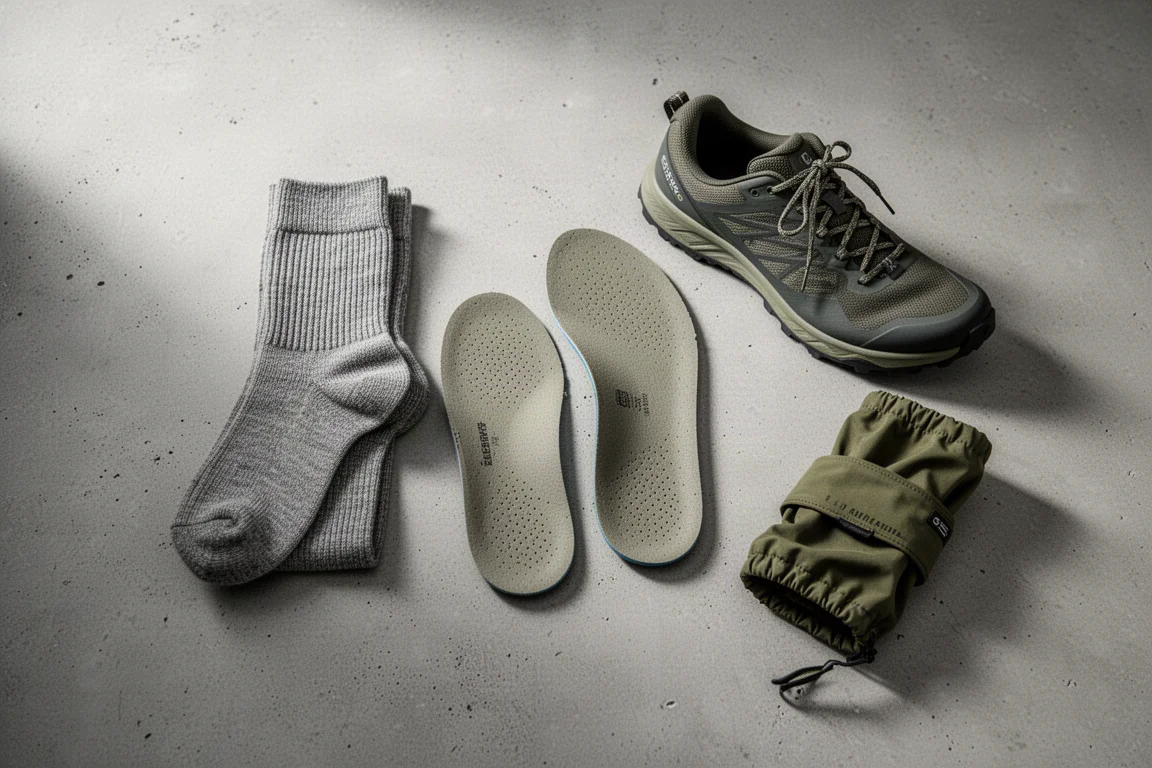
For lighter loads and faster movement, a supportive trail runner is a strong option, provided it has enough underfoot protection for the ground you plan to cover. Winter conditions call for an insulated boot. Waterproof liners suit wet brush, shallow crossings, and sandy desert terrain, while breathable shoes suit warm, dry trips. Insoles are worth swapping if you have high arches or flat feet. And if a shoe fits your foot and your trip, nobody else’s preference should override that.
Conclusion
Backpacking footwear is a system: the shoe, the sock, and the conditions all have to line up. Trail runners are light and mobile but wear faster and offer less protection. Hiking shoes are stiffer and more supportive under load. Boots add ankle support and insulation when a trip demands it. Merino socks in the right thickness complete the picture. Choose for your feet, your pack weight, and the trail ahead, and the miles will be far more enjoyable.
Further reading
Related Reviews

Backpacking Gear
Building a 10 lb Base Weight: An Ultralight Backpacking Gear List
A practical walkthrough of the ultralight pieces behind a 10 lb base weight, from a 765 g pack and a roomy one-person tent to a full camp chair and a dependable water filter.

Road Bikes
10 New Road Bikes Worth Watching: Aero, Titanium, Steel and Endurance Standouts
A practical roundup of 10 new road bikes, from aero flagships chasing single-watt gains to titanium, steel and endurance platforms built for real roads.
Bikepacking Gear
11 Bikepacking Essentials for Long-Distance Cycling
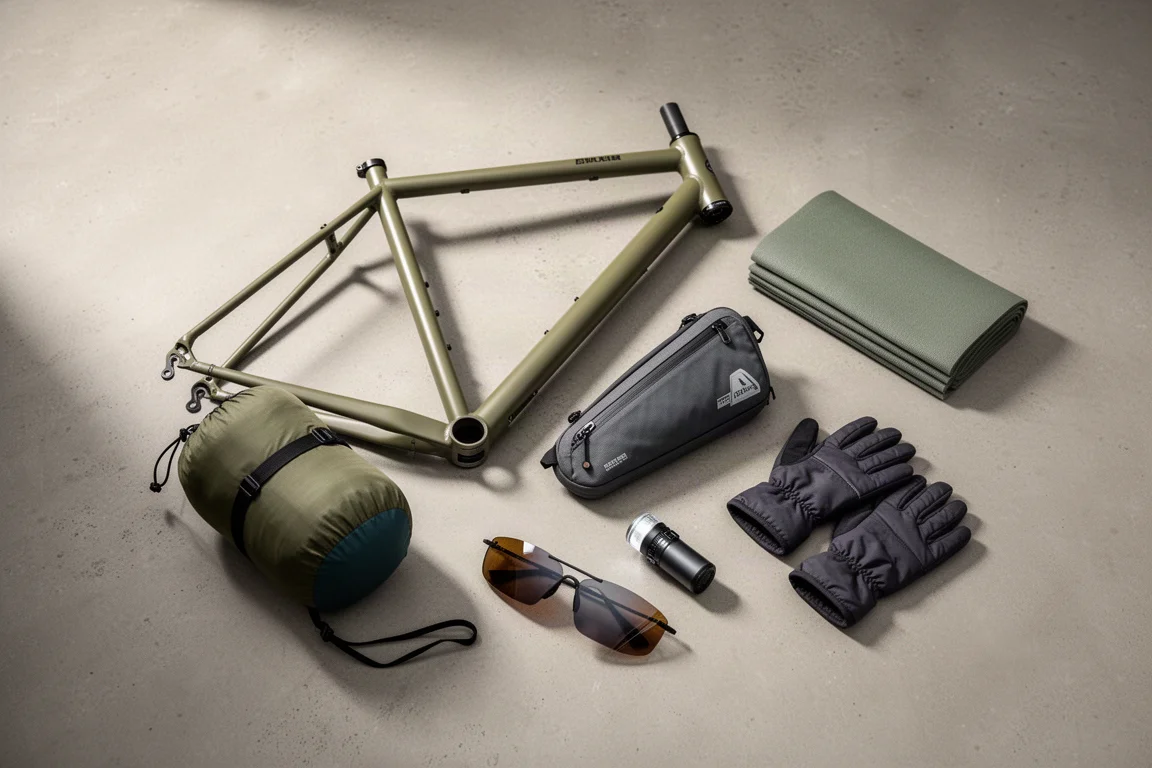
Eleven bikepacking essentials for long-distance cycling, from a steel gravel frame and a two-person tent to helmet lights, packable gloves, and a frame bag that puts weight in the right place.