Backpacking Footwear
Choosing Lightweight Backpacking Shoes: Why Lighter Footwear Wins on the Trail
How shoe weight, stiffness, waterproofing, and fit affect comfort on the trail, plus a lightweight trail shoe and a durable wool sock worth considering.
Introduction
Footwear is one of the most consequential purchases in a backpacking kit, and it is also one of the easiest to get wrong. A shoe that is heavier, stiffer, or more waterproof than the trip requires tends to add fatigue, heat, and friction, and those problems compound over miles. The guiding principle is simple: do not overshoe yourself. Buy the least shoe that comfortably covers the terrain, the load, and the season you are actually planning for, then put real miles on it before a major trip.
That principle covers trail runners, mid-height boots, and insulated winter boots alike, and it applies just as much to what you wear inside them.
Why Weight on Your Feet Matters More Than You Think
Weight carried on the feet is far more fatiguing than the same weight carried on the back. The often repeated rule of thumb that one pound on the feet costs as much as roughly ten pounds on the back is difficult to prove exactly, but the direction of the effect is not in doubt: every ounce on the foot has to be lifted, planted, and stabilized thousands of times a day.
A practical comparison makes the point. One winter boot weighs 1 lb 10.9 oz per shoe, while a mid-height option weighs 1 lb 1.5 oz per shoe. That is roughly eight and a half ounces lighter per shoe, or close to a full pound across the pair, before anything else about the design is considered.
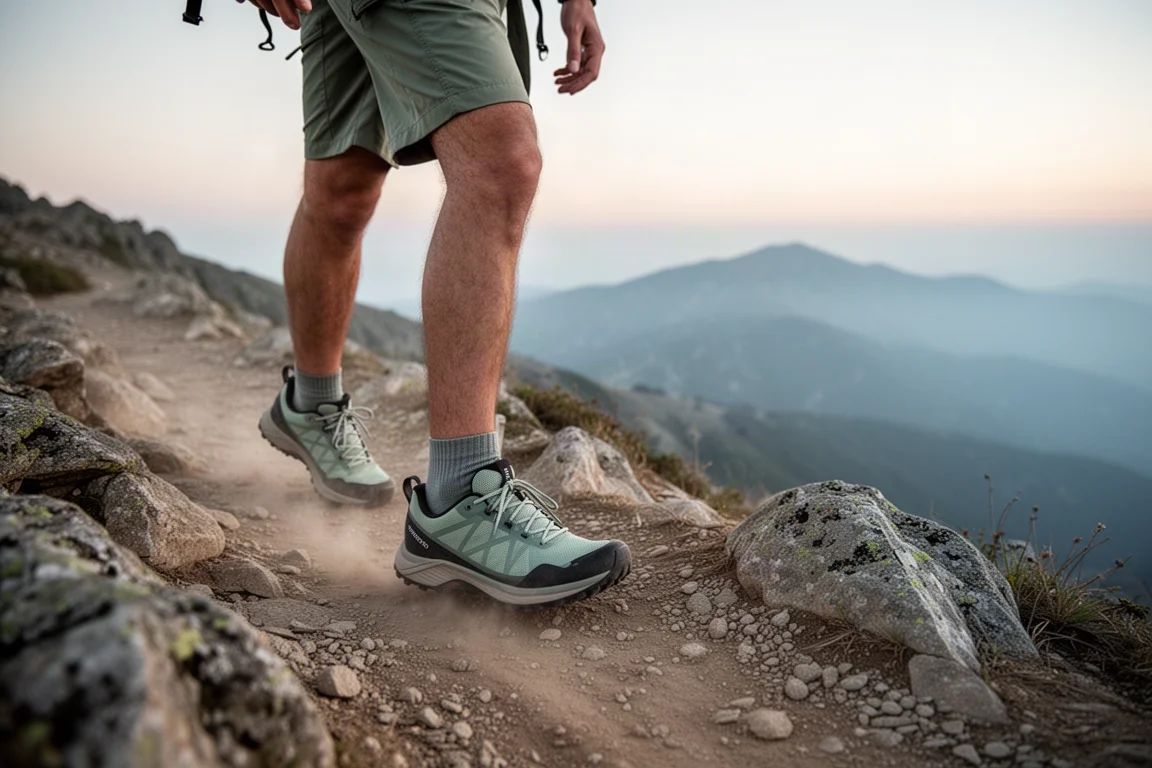
Weight differences rarely show up in the first mile. They show up on the last climb of the day, when the accumulated cost of moving a heavier shoe has already been paid several thousand times.
Stiffness, Waterproofing, and Insulation: What You Actually Need
Stiffness is a genuine trade-off. Very rugged ground, off-trail travel, or unusually heavy loads can justify a stiffer boot, and some hunters and load carriers prefer that platform. The cost is friction: a stiffer shoe is more likely to abrade the foot and create blisters when the fit is not perfect. Ankle protection works the same way. The right answer is the minimum amount of support you are comfortable with and trained for, not the maximum available.
Waterproofing deserves the same scrutiny. A membrane makes sense for off-trail travel, wet brush, morning dew, and repeated creek crossings. It makes much less sense for a shoe used mostly on established trails in three-season conditions, where it mainly traps heat, and heat is one of the factors that contributes to blisters. A well-ventilated shoe generally runs cooler and reduces that risk. There is also a durability argument: once the inside of a waterproof boot gets wet, it typically will not dry out during the trip, which means cold feet for the remainder of the outing.
Insulation follows the same logic. Insulated boots with thicker soles and a waterproof membrane belong in snow and sustained cold. Buying insulation for a single cold summit in summer is usually the wrong call; carrying a spare pair of socks and changing them is the better solution. The exception is a late-season trip where feet are expected to be wet day after day. In that case insulation can keep feet warmer even when damp, because it holds warmth inside the membrane rather than relying on the boot drying out. Published temperature ratings on winter boots are best treated with caution.
Best Lightweight Trail Shoe: Salomon Sense Ride 4
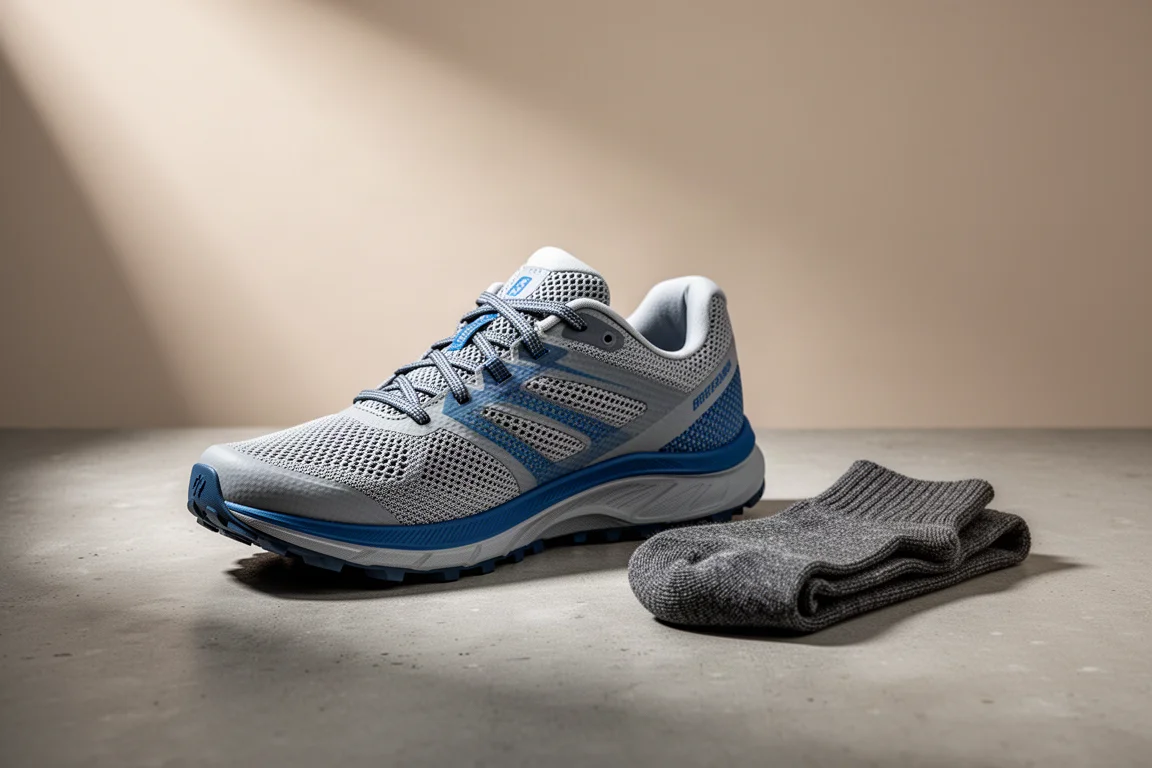
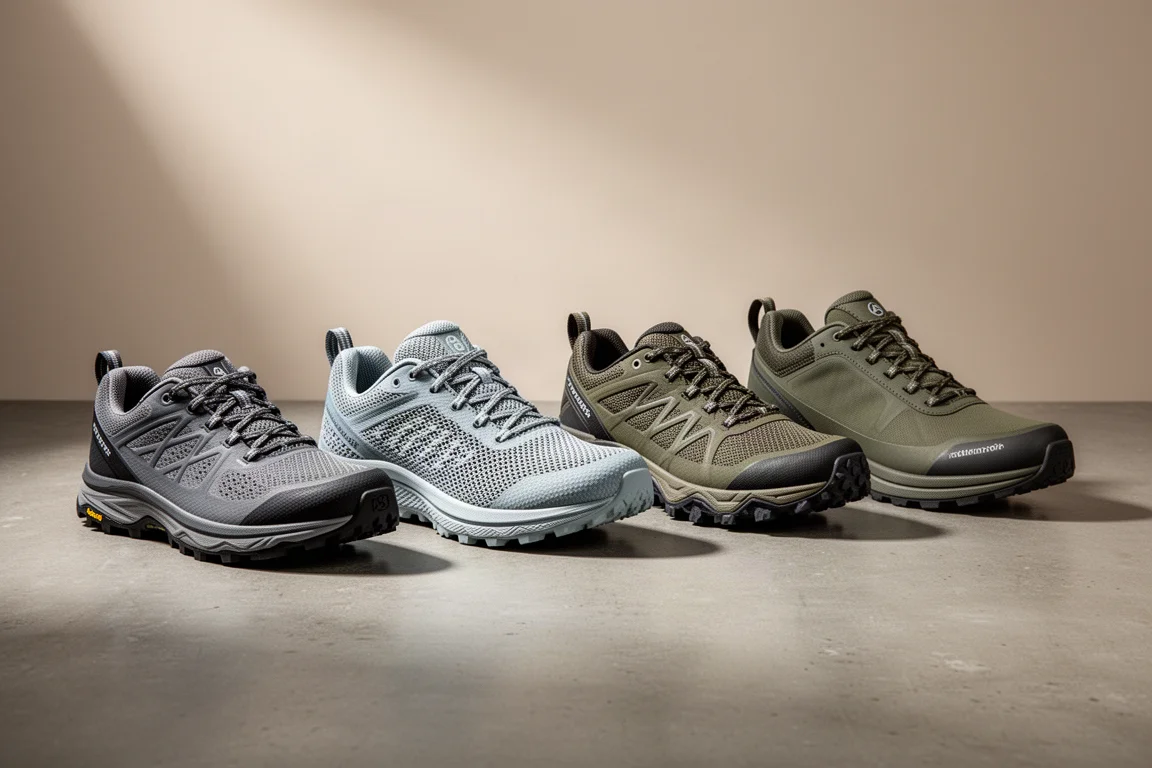
The Salomon Sense Ride 4 is a lightweight, flexible trail runner that has become a default choice for long trail days. It is light, it flexes with the foot, it is exceptionally comfortable, and it ventilates well, which keeps feet cooler than a membrane-lined boot. For ultralight backpacking and trail running, that combination is hard to beat.
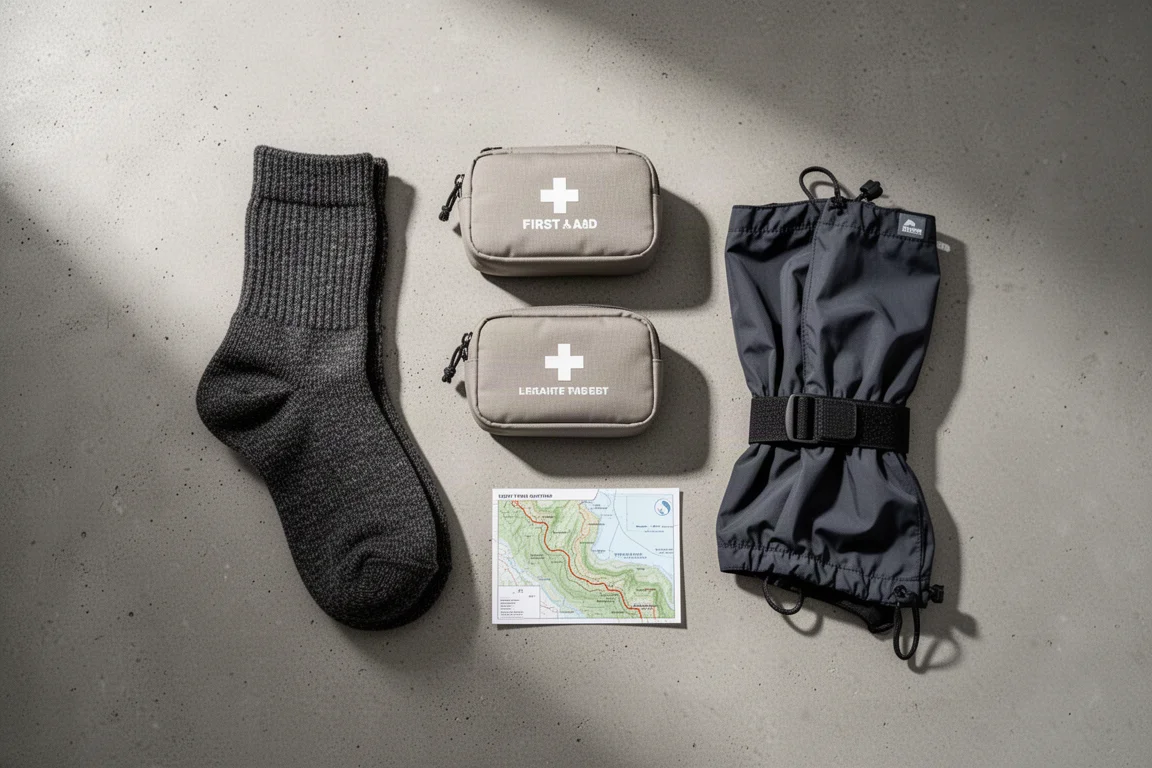
Support is the trade-off to understand. With loads under roughly 30 lb, the shoe provides enough support to feel confident on trail. Above that, a mid-height boot is the more sensible choice. The low collar also means debris can find its way in, and a pair of gaiters solves that problem cheaply.
The Sense Ride 4 is not a shoe to jump into blindly. Minimal, flexible footwear rewards hikers who have built up ankle, knee, and joint strength over real miles. Runners and experienced hikers adapt quickly; newer hikers are better served by something with more structure while they build that base. Fit is personal, and some widely popular trail brands simply do not work for every foot.
Getting the Fit Right Before a Big Trip
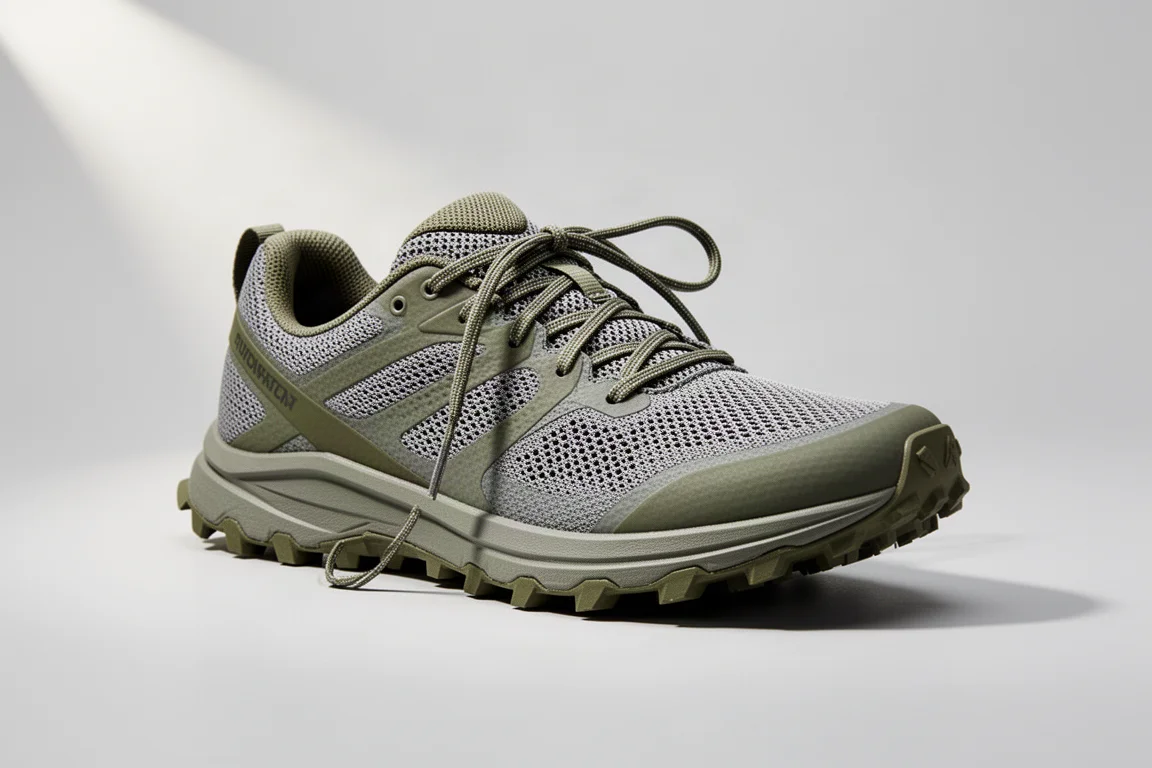
Fit is the hardest variable to get right, because trying a shoe on in a shop reveals hot spots and rubbing but says nothing about how it behaves after twenty miles. Time in the shoe is what matters, and that argues for caution: do not switch to a brand you have never worn, or a completely different style of shoe, right before a major trip.
The practical solution is a shakeout day. A day hike or a short overnighter with the new footwear, loaded the way the real trip will be loaded, surfaces problems while they are still cheap to fix. Flexible shoes are also more forgiving of an imperfect fit than stiff boots, which is one more reason lighter footwear suits a wider range of people. Once a brand and last have proven themselves over many miles, staying with them is a reasonable shortcut to a predictable fit.
None of this replaces paying attention to your own feet. Hot spots, numbness, and pressure points are information, and they are worth acting on before a long trip rather than during one.
Best Sock Companion: Darn Tough Socks
Socks do more work than most hikers give them credit for. They manage moisture, they add a small amount of warmth, and they are the simplest way to regulate foot temperature when insulation is not appropriate. Darn Tough socks are a durable wool option that holds up to repeated washing and long trips, which makes carrying a spare pair a genuinely useful habit rather than wasted pack weight.
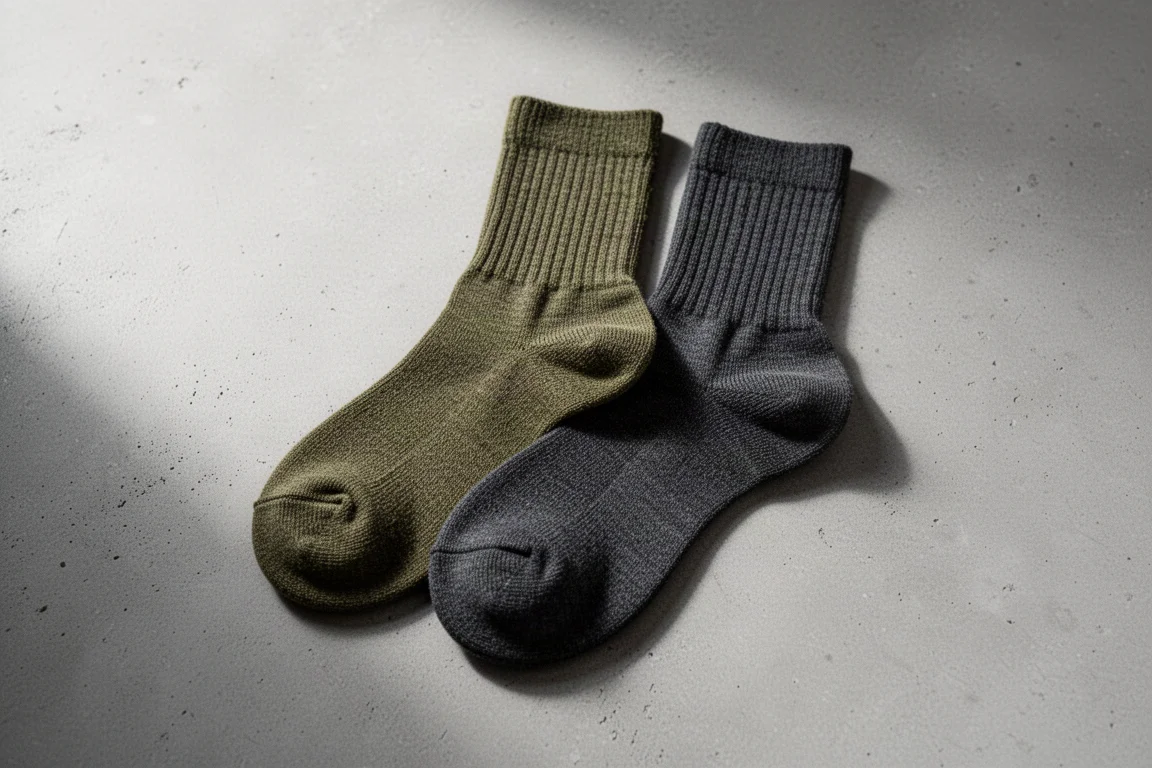
On a cold summit in summer, swapping to a dry pair of socks does more for comfort than adding an insulated boot, and it costs a fraction of the weight.
Matching Footwear to the Terrain and Season You Expect
The right shoe is a function of the trip, not of personal preference alone. Established trails in three-season conditions with little standing water point toward a light, breathable trail runner without a membrane. Off-trail routes, wet brush, and repeated creek crossings make a waterproof membrane worth the heat penalty. Snow and sustained cold call for an insulated boot with a thicker sole. Heavy loads or exceptionally rugged ground may justify more stiffness and a higher collar.
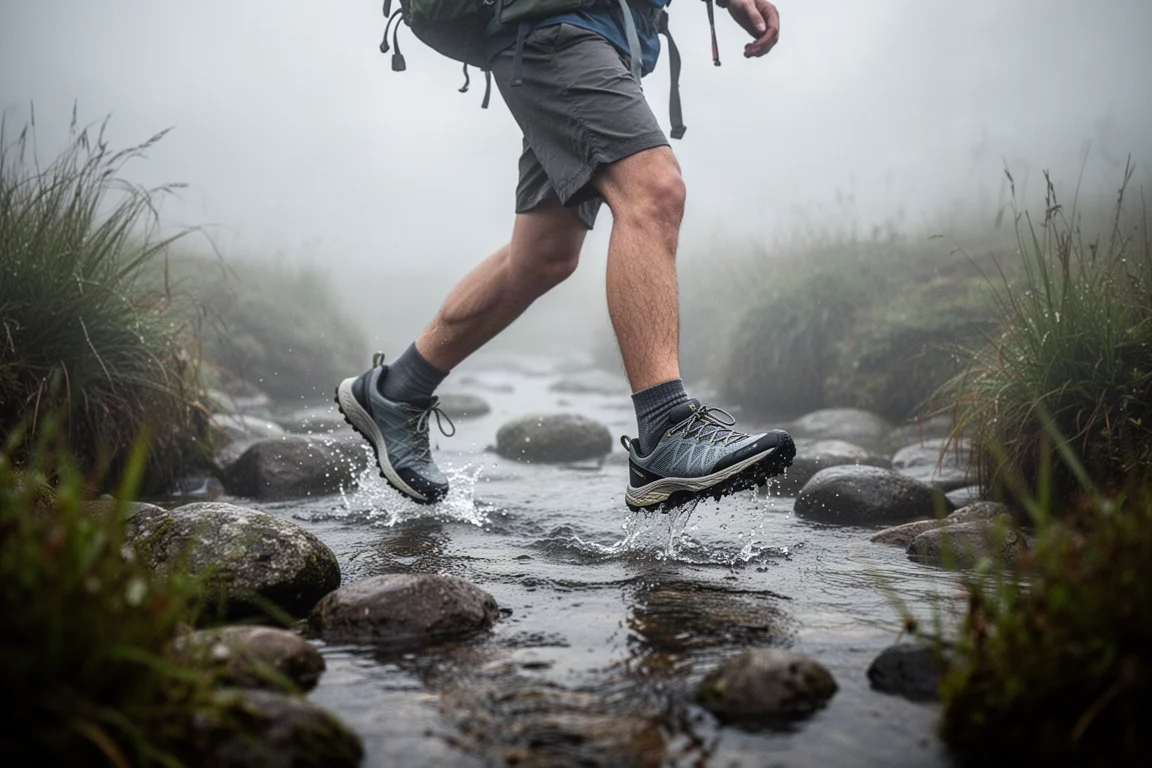
It helps to plan for the worst realistic conditions of the trip rather than the worst imaginable ones. Many hikers overestimate how much shoe they need and underestimate how much a lighter, more flexible option would improve their day.
How to Tell When a Shoe Is Worn Out
Support is the first thing to go, and it matters more than the appearance of the upper. A shoe that tilts and rolls outward under hand pressure has lost the stability it started with. So have shoes with compressed midsoles, worn-through outsoles, or holes in the upper.
Wear patterns tell a story too. If you know your own stance, you can watch for the places where you wear shoes out, and you can notice when you start walking on the outside of your feet. Knee flare-ups on routes that were previously comfortable are another reliable signal. When support is gone, retire the shoe from the trail even if it still looks serviceable enough for errands.
Buying Advice: What to Prioritize Before You Commit
Prioritize in this order: fit, then weight, then stiffness and ankle protection, then waterproofing, then insulation. Fit comes first because nothing else compensates for a shoe that rubs. Weight comes second because it is paid on every step. The remaining choices should be driven by the specific conditions you expect, and each one should be justified rather than assumed.
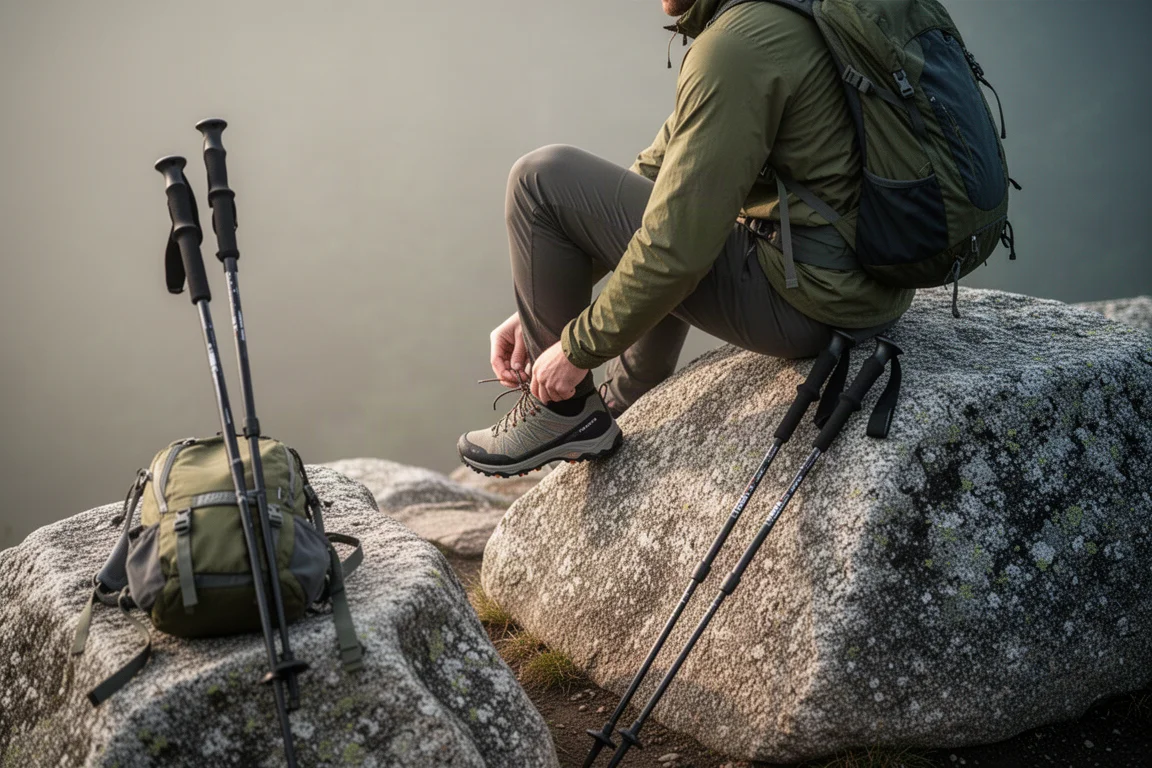
Two practical habits make the decision safer. Check whether a listed weight refers to a single shoe or a pair before comparing options, and test any new footwear on a shakeout trip before committing it to a long route. Experienced hikers can generally go lighter than they think; newer hikers should stay conservative and build up mileage before moving to minimal shoes.
Conclusion
Lighter, simpler footwear is usually the more comfortable answer when conditions allow it, and the discipline of not overshoeing yourself pays off in less fatigue, fewer blisters, and warmer feet. The Salomon Sense Ride 4 is a strong starting point for three-season trail use and lighter loads, while a durable wool sock such as Darn Tough gives you a low-cost way to manage moisture and temperature on the trail. Match the shoe to the trip, test it before you rely on it, and replace it once the support is gone.
Further reading
Related Reviews
Backpacking Footwear
How to Choose Backpacking Footwear: Shoes, Trail Runners, Boots, and Socks
A practical guide to matching hiking shoes, trail runners, boots, and merino socks to your pack weight, terrain, and foot shape.

Backpacking Gear
Building a 10 lb Base Weight: An Ultralight Backpacking Gear List
A practical walkthrough of the ultralight pieces behind a 10 lb base weight, from a 765 g pack and a roomy one-person tent to a full camp chair and a dependable water filter.

Backpacking Gear
A 15-Pound Lightweight Backpacking Gear List for Solo Trips
A beginner-friendly 15-pound backpacking setup built from easy-to-find gear, with notes on what each piece does, how it packs, and where to spend your attention.