Electric Mountain Bikes
How to Choose an Electric Mountain Bike: Hardtail, SL, or Full Power?
A practical guide to electric mountain bike types, motor and battery choices, real-world range, and the myths worth ignoring before you buy.
Introduction
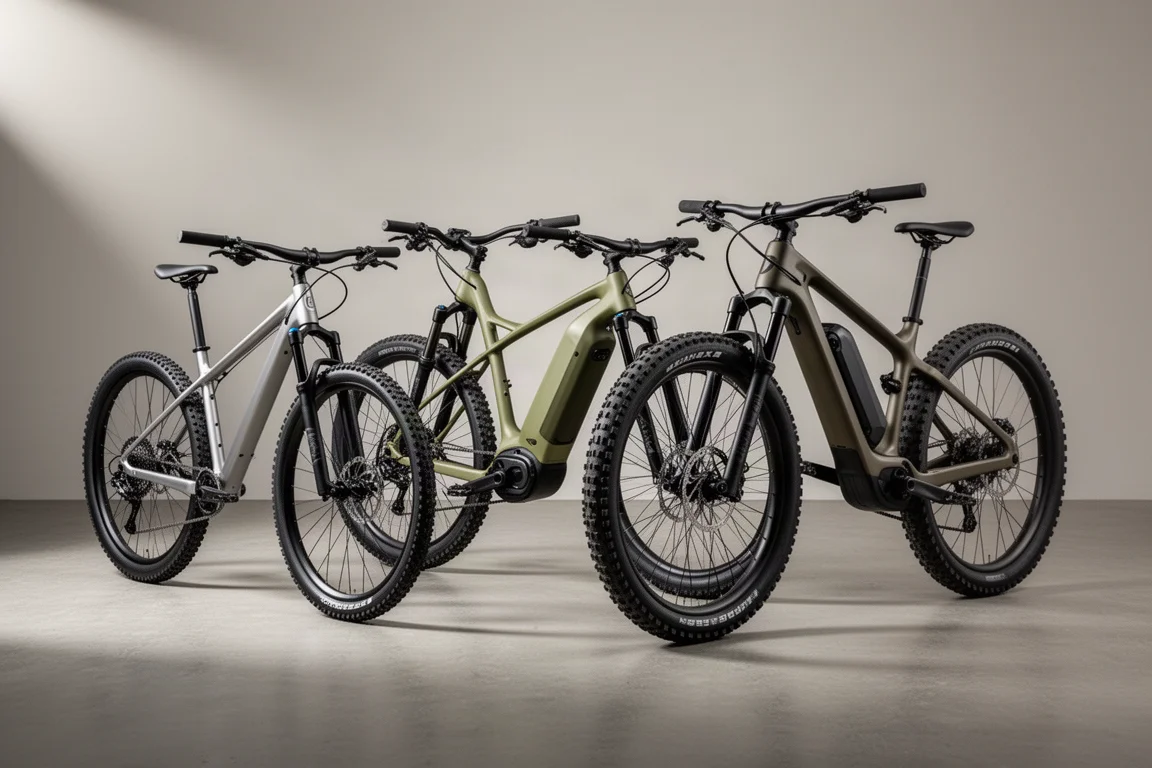
Electric mountain bikes open up terrain and ride lengths that many riders simply cannot reach on an unassisted bike, but the category is wide enough to be genuinely confusing. Hardtails, lightweight trail bikes, long-travel enduro machines and downhill-oriented models all sit under the same three-letter label, and they are built for very different riders.
The good news is that the decision usually comes down to a handful of questions: what kind of trails you ride, how much assistance you actually want, and how much weight you are willing to live with. This guide walks through the main categories, explains where the money goes in a motor and battery, and clears up a few persistent myths.
Hardtail EMTBs: The All-Rounder Starting Point
Hardtail electric mountain bikes are the most accessible entry into the category and arguably the jack of all trades. They are a sensible fit for casual riders and newer mountain bikers who want a versatile, comfortable bike that is easy to live with, without stepping into a hybrid-style electric bike.
Typical hardtails use aluminium frames, short-travel suspension forks and cross-country style tyres. That combination keeps costs down while improving comfort, control and rolling speed off-road compared with a regular electric bike. They handle lower-graded trail centre routes and less technical singletrack comfortably, and they are equally at home on a daily commute or a cycle tour.
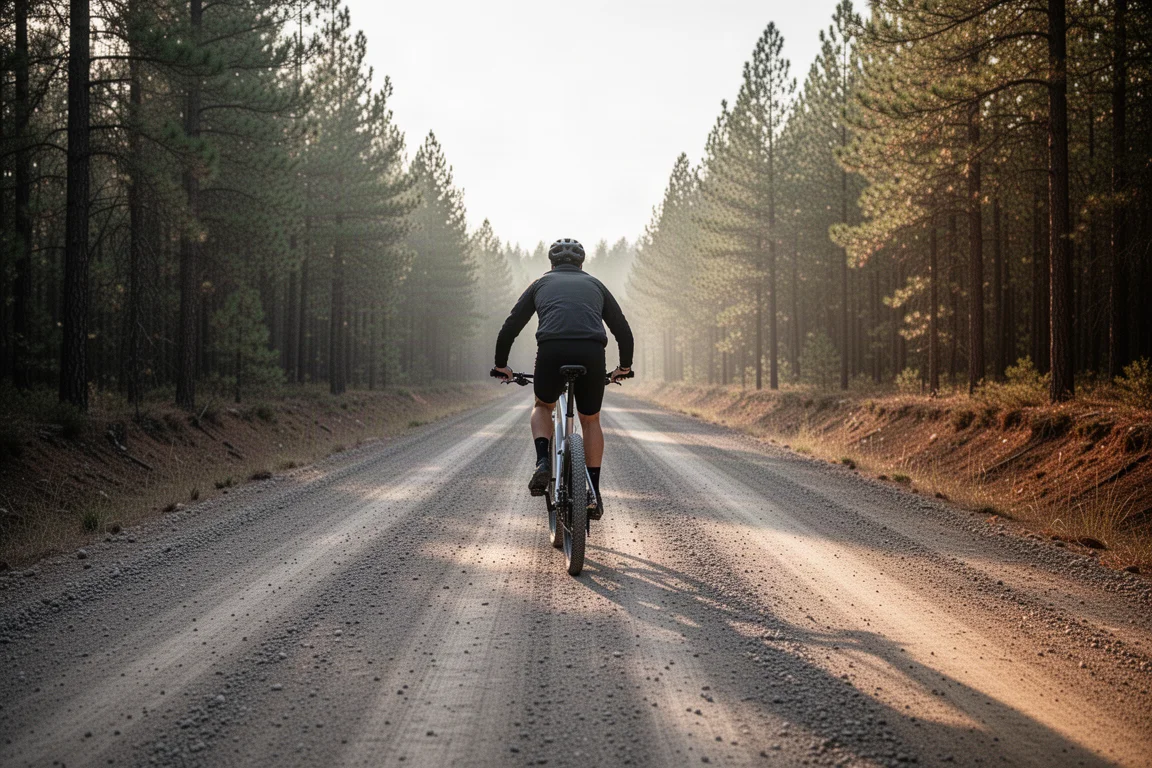
Most hardtail EMTBs come with full power motors and high-capacity batteries, which gives them the range and grunt to cover that wide mix of riding. Pricing generally starts from around the mid three-figure range in pounds or dollars and climbs from there, which makes this the most value-focused way into electric mountain biking.
Full Suspension EMTBs: Trail, Enduro and Downhill
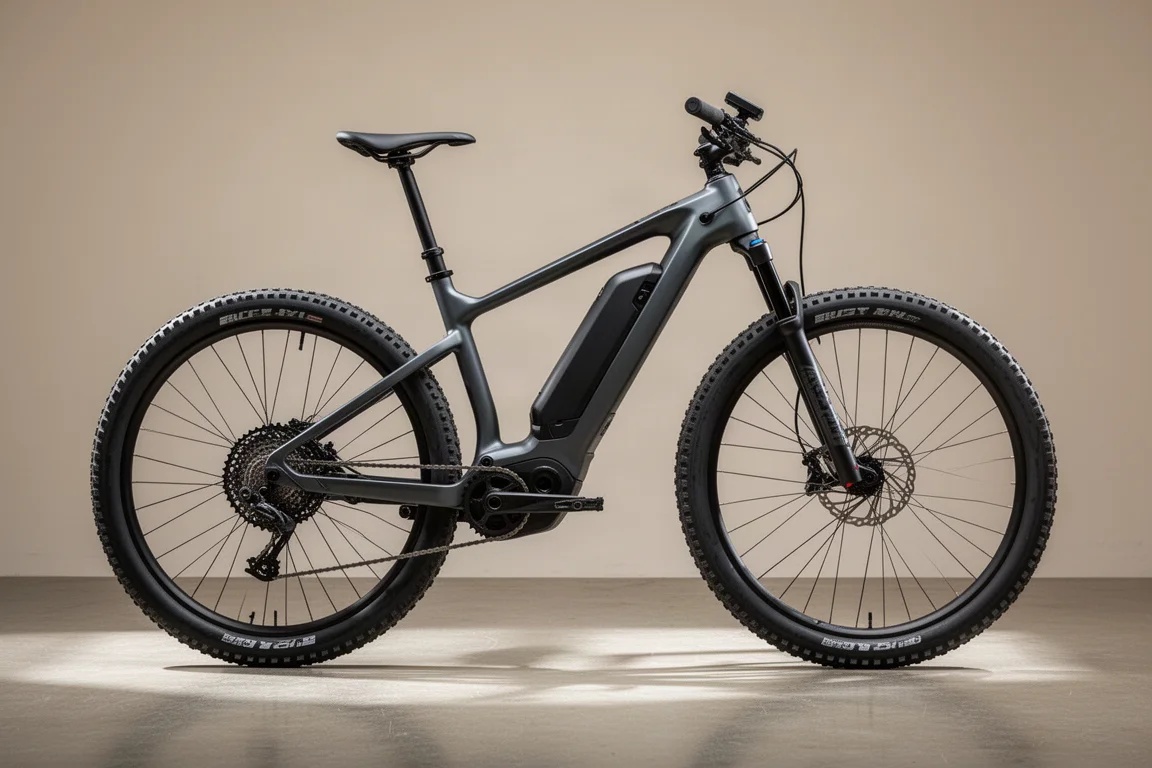
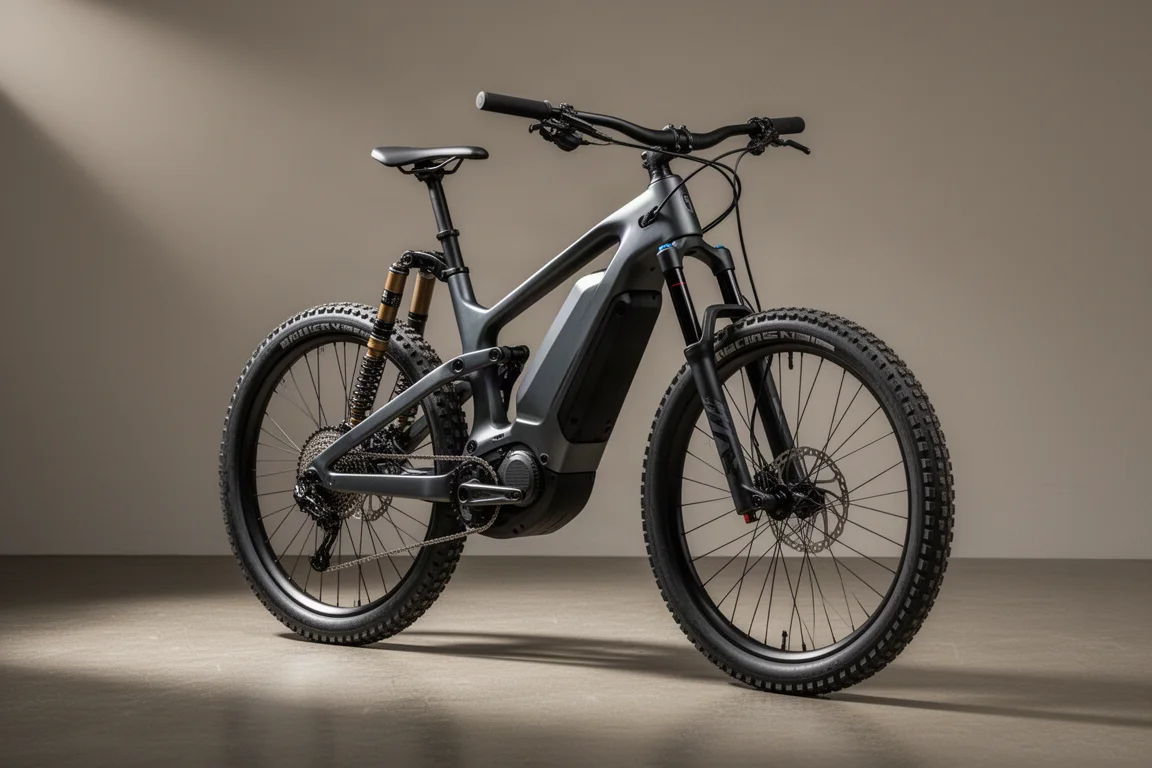
Full suspension electric mountain bikes split into two broad camps: lightweight SL models and heavier full power machines. Both come in a range of suspension travel and wheel size options, mirroring the layout of unassisted full suspension bikes.
Trail bikes sit around 120mm to 150mm of travel, enduro bikes roughly 160mm to 180mm, and downhill-oriented bikes run 180mm to 200mm. Wheel setups are usually full 29-inch, or a mixed arrangement with a 29-inch front wheel and a smaller 27.5-inch rear wheel. Some smaller frame sizes use full 27.5-inch wheels instead.
Frames are available in aluminium or carbon fibre, with many models offering both materials so you can choose based on budget. Carbon frame versions carry a clear price premium. Full suspension pricing varies widely, with many bikes starting from around the low to mid four-figure range in pounds or dollars and some models running considerably higher.
Why Motor Placement Matters
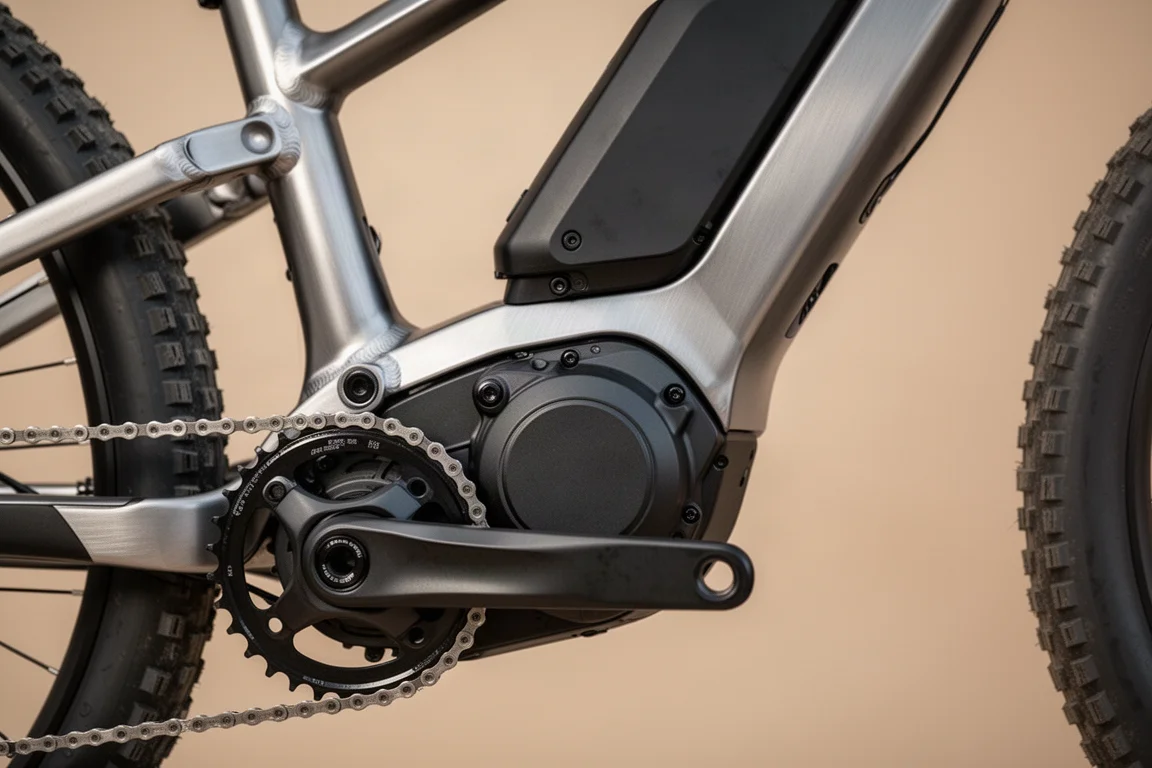
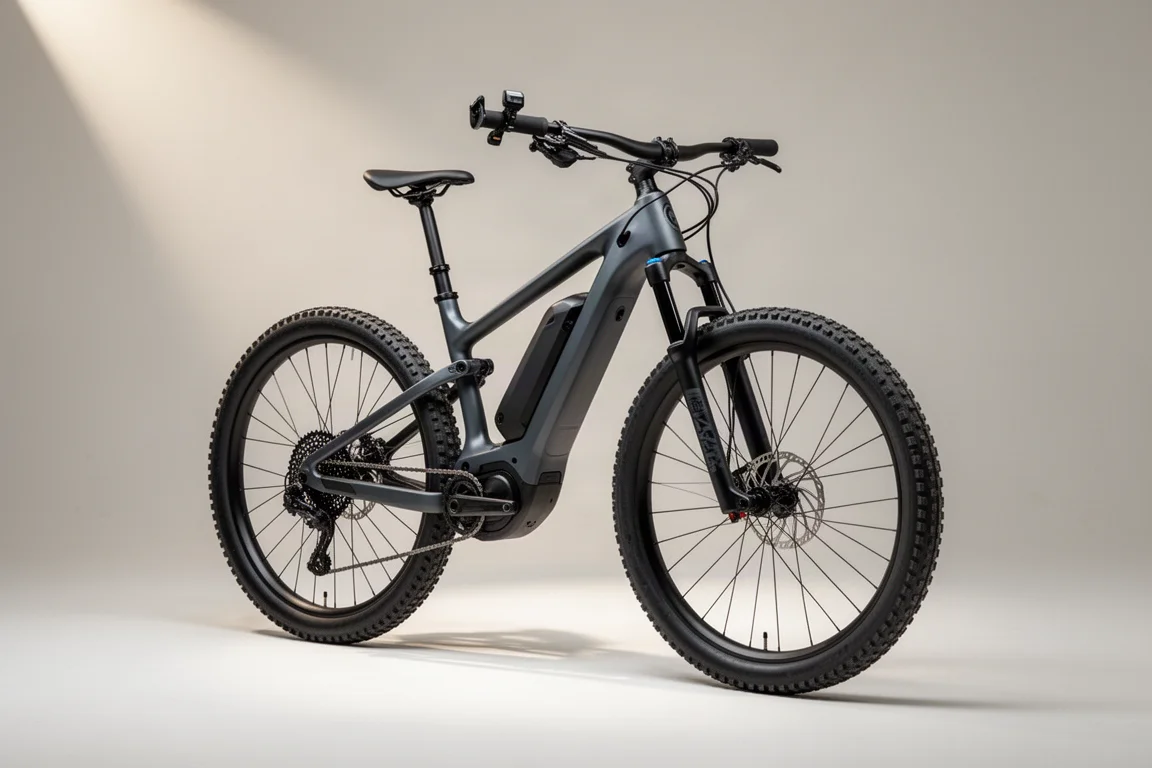
The motor and battery are the centrepieces of any electric bike, and where the motor sits changes how the bike behaves. Rear wheel motors are typically found on more budget models. If you want a powerful, robust and great handling electric mountain bike, a frame-mounted motor is the better choice.
Frame-mounted motors keep the substantial weight of the motor centralised, which makes the bike feel more balanced. That translates into a more fun ride and practical benefits too, whether you are riding the bike or lifting it into or onto a car.
Lightweight SL vs Full Power: Which Suits You
The next decision is whether you want an SL bike or a full power machine. The differences come down entirely to the motor and battery.
SL EMTBs use smaller, lighter and less powerful motors paired with smaller capacity batteries. Expect roughly 50 to 60 Newton metres of torque and 300 to 600 watts of assistance, usually teamed with a 250 to 500 watt-hour battery. Full power bikes deliver considerably more, typically 75 to 100 Newton metres of torque and around 600 to 700 watts of assistance, drawing on larger high-capacity batteries.
A useful reference point is the Neuron:ONfly, which pairs a 400 watt-hour battery with a Bosch SX motor producing 55 Newton metres of torque and up to 600 watts of assistance. Full power bikes generally carry batteries from around 500 watt-hours up to 900 watt-hours or more, and many can be extended with an additional range extender battery that mounts to the frame and plugs into the bike, at a cost in both weight and money.
Weight is the real dividing line. Full power EMTBs are hefty, with some models close to 28kg, which can make them more cumbersome to ride. SL bikes are designed to be light, around 20kg or less, and mimic a traditional bike more closely in how they ride. If you want maximum assistance and the biggest range, go full power. If you want your electric mountain bike to feel closer to an unassisted bike that simply helps on the climbs, SL is the answer.
Range in the Real World
Range depends on many of the same variables as a car: the motor mode you are using, rider weight, terrain and even the weather. From practical experience, smaller battery lightweight bikes can deliver roughly 20 miles with 1,000m to 1,300m of elevation, while the bigger battery full power bikes manage around 25 to 30 miles with 1,300m to 2,000m of climbing. A separate range extender battery adds a little more where one is available for your bike.
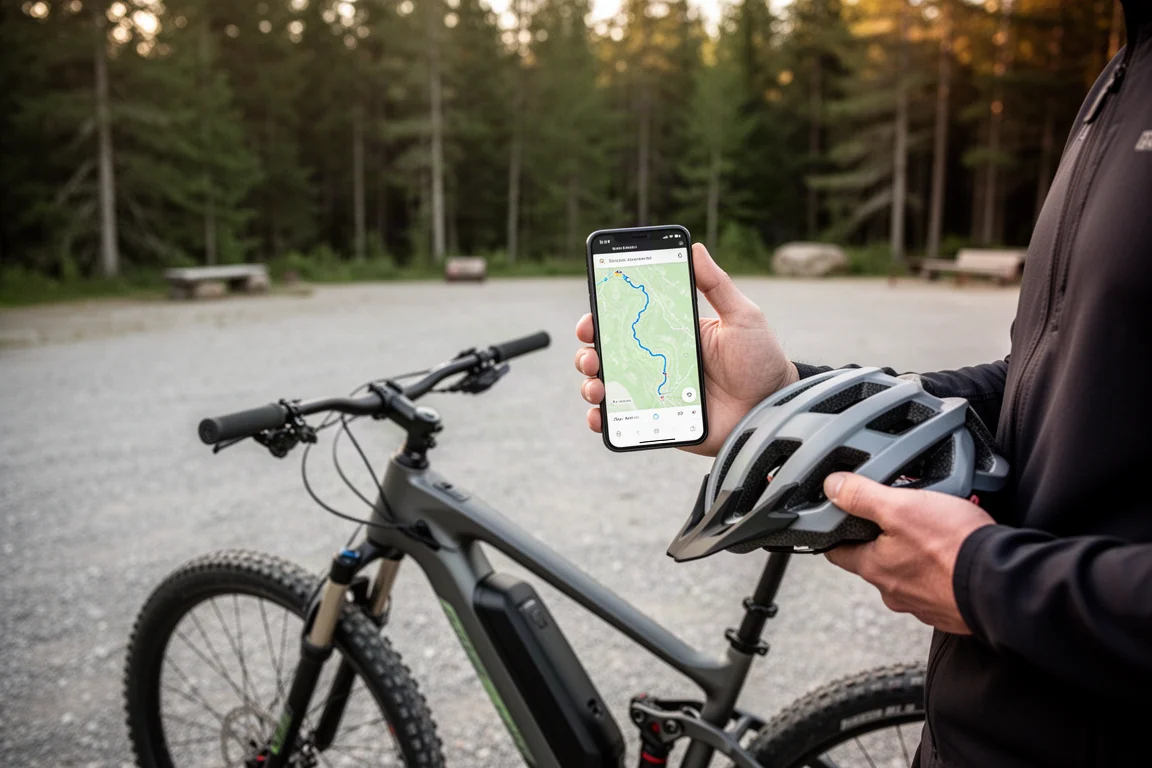
Almost all EMTBs let you switch between motor power modes to eke out range. Some motors offer adaptive modes that adjust assistance on the fly, while others can be tuned through a companion app so you can set how much power is delivered in each setting and tailor it to your terrain, riding style and preferences. A range calculator tool is also a useful planning aid if your motor brand provides one.
The key takeaway is simple: more battery capacity means more range but a heavier bike. Be realistic about how far you actually ride. If your typical outing is 10 to 15 miles rather than 25-plus, you do not need the extra weight of a bigger battery.
Common EMTB Myths, Cleared Up
A few persistent myths are worth addressing directly.
EMTBs are not mopeds or motorbikes, and you do not need tax or insurance to ride them on the road or on trails. There are laws around the minimum age for legally riding an electric bike, and these vary from country to country, so check the legislation where you live. That matters particularly if you are considering an EMTB for a younger rider.
The idea that electric mountain bikes are cheating does not hold up for everyday riders. Unless you are entering a race that explicitly prohibits them, riding an EMTB is not cheating, and you can absolutely get fit on one. Many riders struggle to fit a decent ride into a busy schedule, and if assistance means they get out when they otherwise could not, they are doing exercise they would not otherwise do. Any riding helps fitness, assisted or not.
Reliability concerns are also overstated. EMTBs can go wrong, just like any other bike, sometimes in the first year, the first month or rarely the first day. But electric bikes are popular enough now that most bike shops are set up to get you back on the trails quickly. Direct-to-consumer brands should not be overlooked here: Canyon, for example, has numerous service centres and certified mechanics across the UK, Europe and the US to handle warranty and maintenance. If you buy direct, check the brand’s warranty and service commitment in advance for peace of mind.
Buying Advice
Start with the terrain you actually ride rather than the specification sheet. A hardtail covers lower-graded trail centre routes, less technical singletrack, commuting and touring, and it does so at the lowest cost. If your riding is mostly trail centre loops and mixed-surface days out, that is where your money goes furthest.
Move to full suspension only when the trails demand it. A trail bike in the 120mm to 150mm range is the natural step up, with enduro and downhill-oriented travel reserved for riders genuinely chasing bigger descents and bike park laps. Choose aluminium if budget matters and carbon if you want the lighter frame and are prepared for the premium.
On the motor and battery, prioritise a frame-mounted motor for balance and handling, then decide between SL and full power based on how much assistance you want and how much weight you will accept. Finally, be honest about range. If your rides are short, the lighter SL platform will feel better far more often than the bigger battery will help.
Conclusion
Choosing an electric mountain bike is less about finding the single best model and more about matching the platform to your riding. Hardtails deliver versatility and value, lightweight SL bikes keep the ride feeling natural with help on the climbs, and full power machines provide the most assistance and the longest range at the cost of weight.
Get the category right, prioritise a frame-mounted motor, and stay realistic about the distances you ride. Do that and the bike you choose will keep earning its place on the trail long after the novelty of the motor wears off.
Further reading
Related Reviews
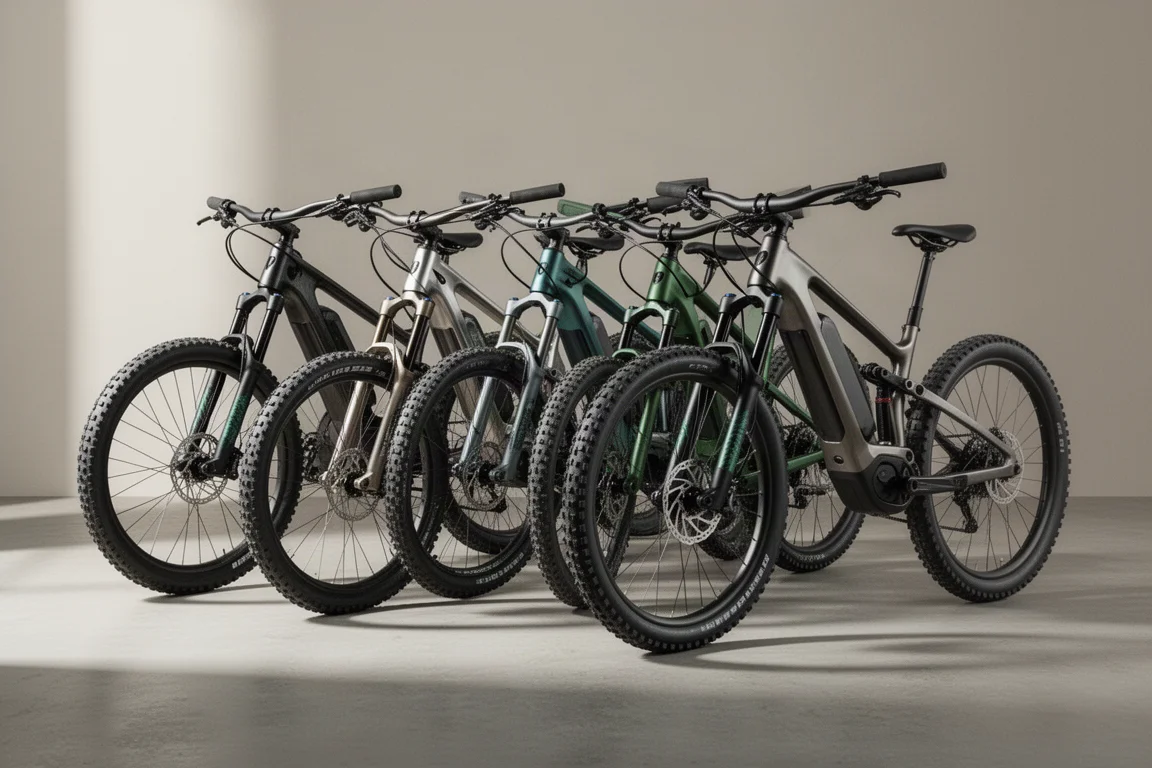
Electric Mountain Bikes
Best E-Mountain Bikes: Five Electric Trail and Enduro Bikes Compared
A practical look at five electric mountain bikes, from a lightweight carbon trail build to long-travel enduro machines, with the trade-offs that matter before you buy.
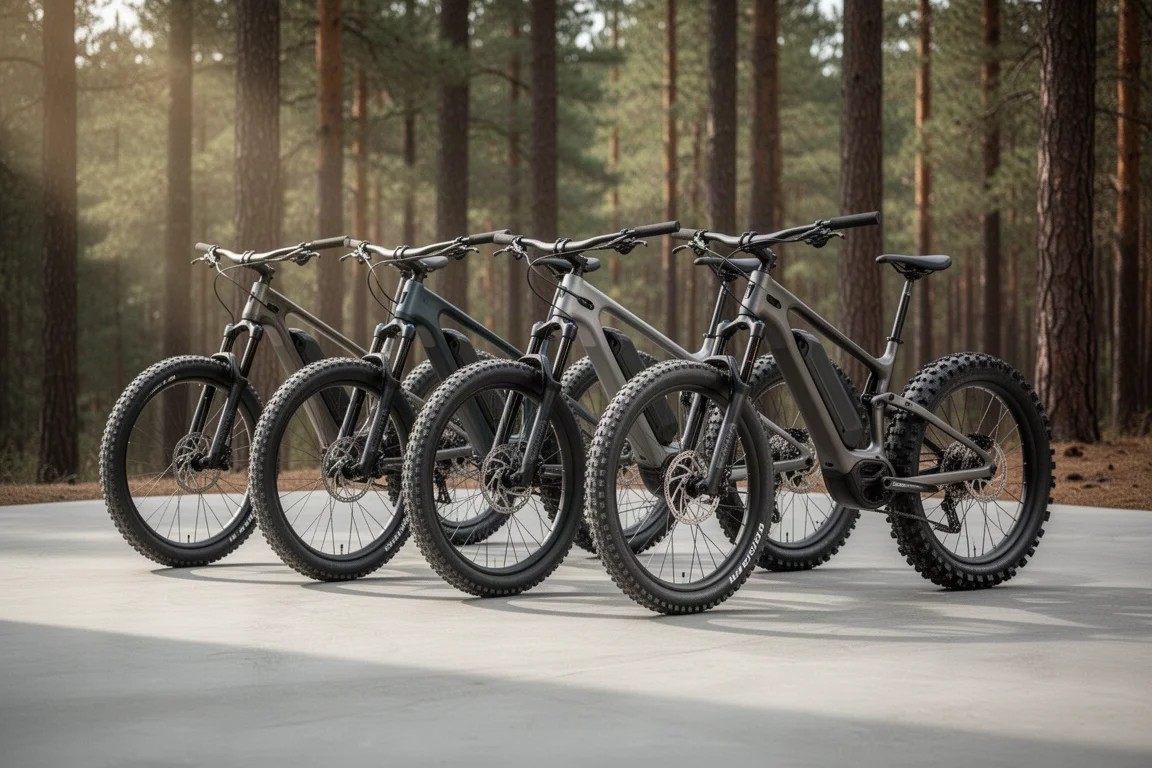
Electric Mountain Bikes
Best Electric Mountain Bikes 2026: Four Price Points Compared
Four electric mountain bikes from £999 to £9,999 compared on motor power, battery capacity, weight, and trail performance.
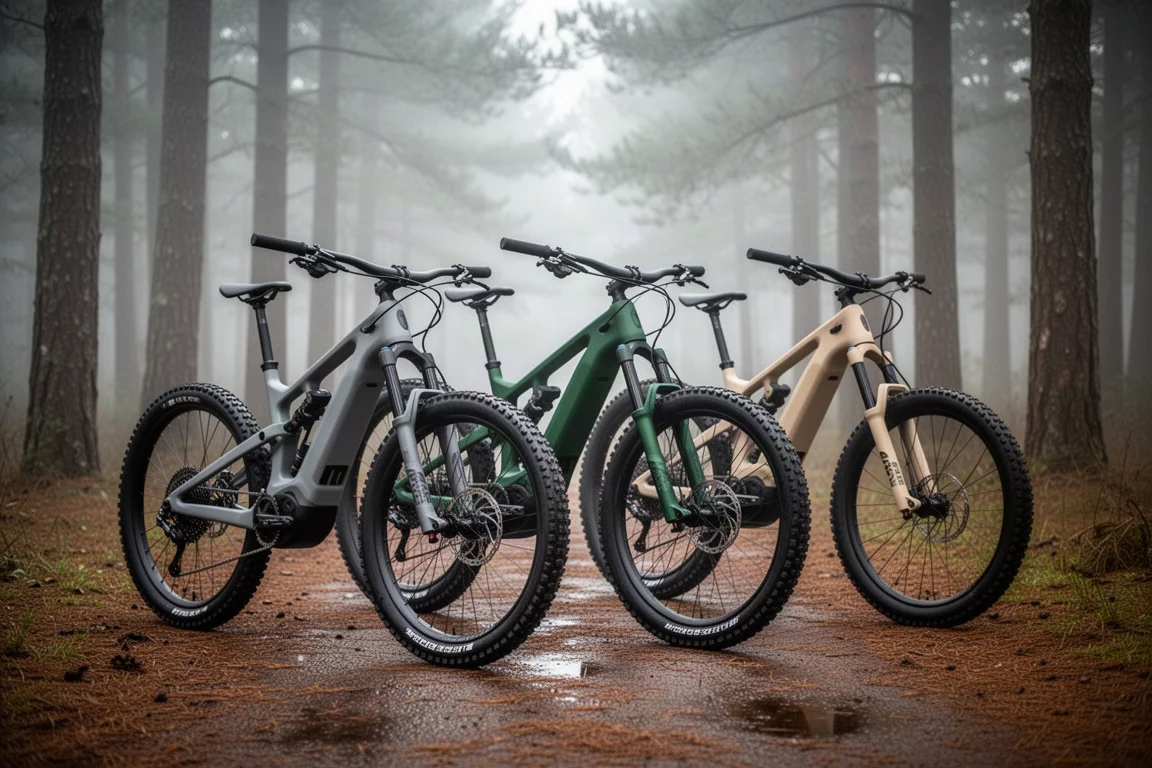
Electric Mountain Bikes
Best Electric Mountain Bikes: Five E-MTBs Worth Shortlisting
Five full-suspension electric mountain bikes compared, from lightweight trail machines to full-power enduro rigs, with the strengths and trade-offs to weigh before buying.