Hi-Fi Audio
How to Choose a DAC: When an External Converter Is Worth It
A practical guide to external DACs and the converters already built into streamers and amplifiers, with six converters worth considering from around £700 to £4,600.
Introduction
Adding an external DAC is one of the most popular upgrades in hi-fi, and one of the easiest ways to spend money without gaining much. Plenty of CD players, streamers and integrated amplifiers already contain a converter that suits the circuit around it, and in a lot of systems that internal DAC is the better-sounding option.
This guide covers when a separate converter earns its place, what the difference between R2R ladder and chip-based designs means in practice, and which converters stand out at each level, from two streaming sources that do a fine job on their own at £699 and £759 to a £4,600 flagship at the top of the group.
When an External DAC Makes Sense
The most useful starting point is easy to overlook. If a designer has done the job properly, the internal converter will have enough resolution not to limit the amplifier, and it will play to the amplifier’s strengths while masking some of its weaknesses. That combination often sounds better than a more expensive external DAC, which means adding one can simply be a way of throwing money away.
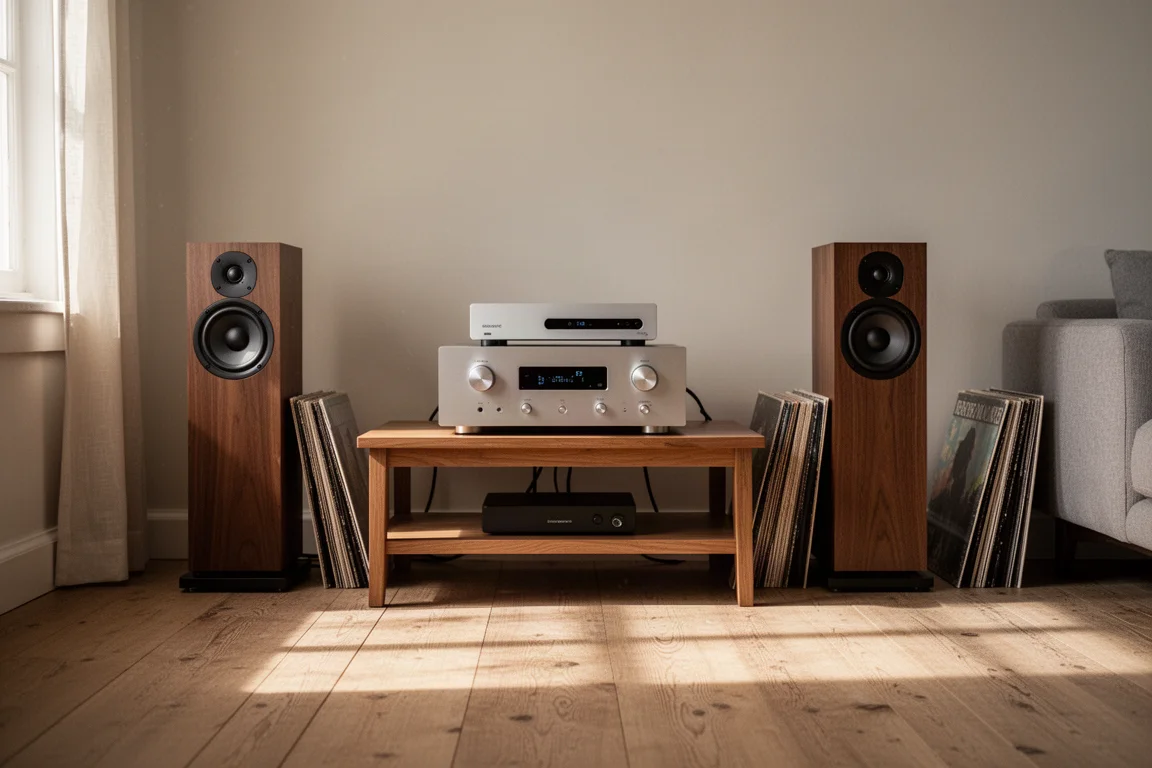
Several integrated amplifiers make the case clearly. An amplifier with an ESS Sabre 9038Q2M converter inside can perform comfortably alongside the internal DACs of well-regarded streamers, and a big, warm amplifier with HEOS streaming and an older ESS 9016 chip still has a personality and dynamic range that its internal converter lets shine, with external DACs sounding a little polite beside it. A dual-mono amplifier with a colossal power supply and an AKM AK4490 converter goes further again, adding detail and control on top of the warmth. In each of those cases the internal converter was preferred to reference DACs costing several times as much.
The picture changes as the amplifier becomes more revealing. Once you step up to around £2,000, qualities such as natural tone, soundstage layering, detail and refinement become the point of the amplifier, and those qualities have to be preserved by everything upstream. A streamer with a capable internal DAC may lack the refinement or the scale to deliver them, while one with plenty of scale but limited resolution and too much coloration will hold the system back. The practical answer is to use the streamer as a transport and feed a better external converter from its USB output.
Denafrips Terminator 12th Anniversary
At £4,600 in the UK, the Terminator 12th Anniversary is the flagship of this group. It is a full-width unit weighing 19 kg (42 lb), and its footprint is larger than that of a Hegel H190 integrated amplifier, so it takes up serious rack space and needs room behind it for the cables that hang off the back.
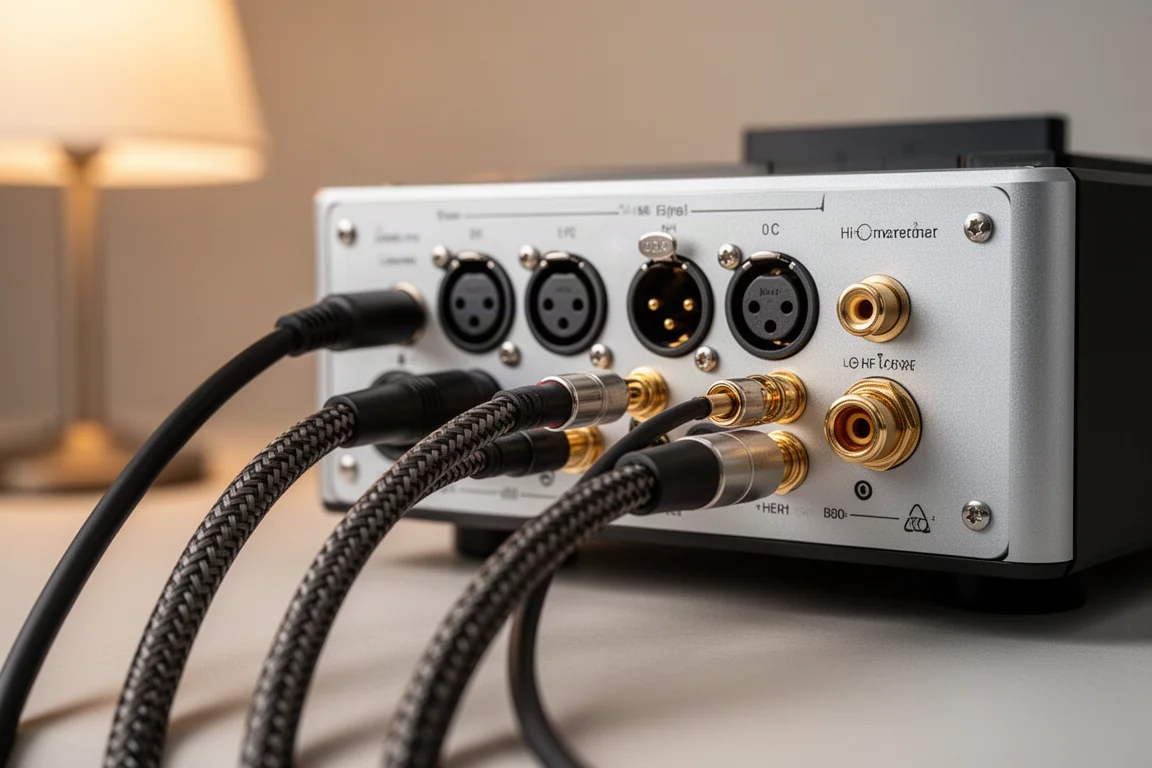
Most of the extra cost sits in the power supply and the clock rather than the conversion stage. The Terminator has a bigger supply with a much larger bank of capacitors, which keeps impedance down and the voltages feeding the circuits stable. Its balanced 26-bit R2R ladder network appears to use the same number of 0.005% precision resistors as the Venus, so the difference in character comes from elsewhere. The clearest change is the clock: the Venus 12th uses temperature-compensating crystal oscillators, while the Terminator 12th encloses its oscillators in an oven so that temperature changes inside the chassis have far less effect on the output. Around the back, the analogue outputs match the Venus with balanced XLR and single-ended RCA, but the digital side adds a couple of master clock inputs and extra I2S inputs for external clocks and DDCs.
In listening, the Terminator 12th is a collection of subtle improvements that add up to more clarity and focus. The soundstage is a little wider and noticeably deeper, and the position of performers in the mix is more secure. Bass is a touch tighter, which helps instrument separation and makes individual players easier to follow, and fine details such as cymbal decay come across with a little more refinement.
Those differences were heard in a vintage preamplifier and monoblock system. With amplifiers and speakers at £10,000 or more, the gap between the Venus and the Terminator would become more apparent. In that system the differences between the firmware versions on the Venus were actually easier to hear than the differences between the two DACs, which says more about how much firmware can change than about any weakness in the Terminator. It is the best-sounding converter in this group, but it lives up to expectations rather than exceeding them.
Denafrips Venus II
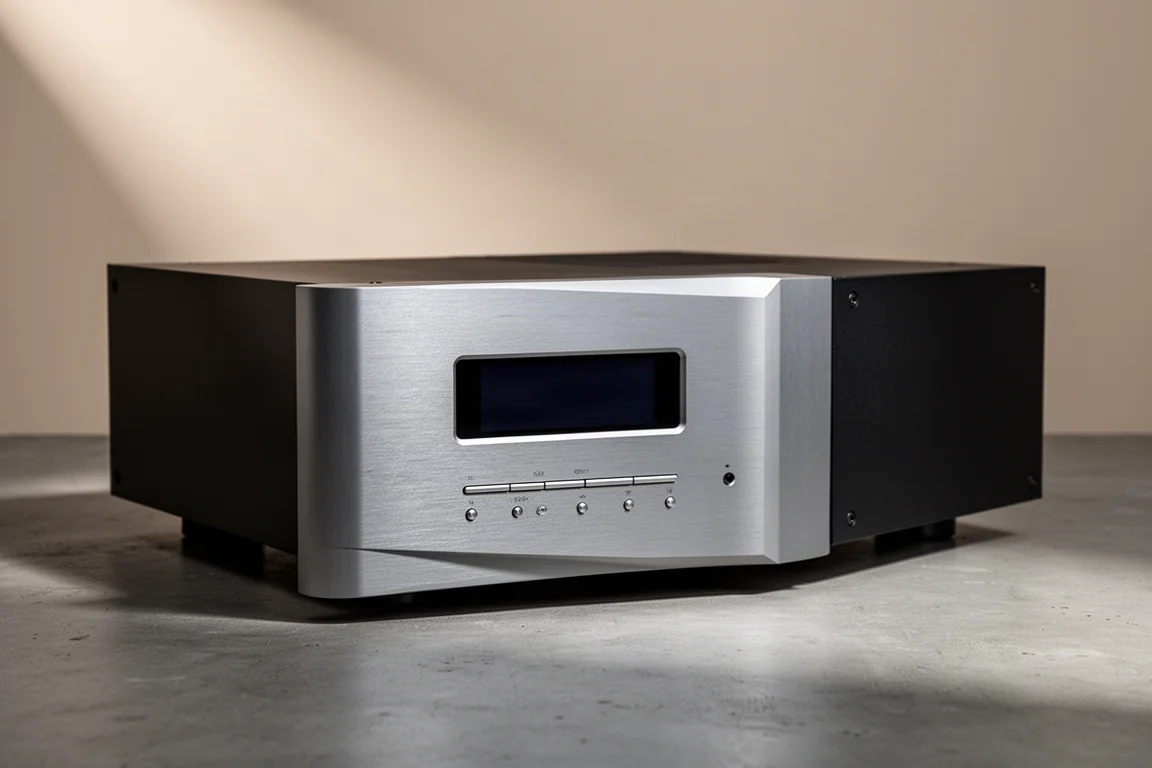
The Venus II is a little over £3,000 and, for many listeners, it is where the search ends. It combines strong resolution with natural tone, and it lays performers out in front of you in a realistic way. That mix of tone and spatial layering is what makes it such a beguiling amplifier partner, and it is the reason it stays in a reference system built around a vintage preamplifier and super monoblocks.
Compared with the Gustard R26, the Venus II adds scale, acoustic richness and finesse, and an amplifier of the calibre of a Hegel H190 is revealing enough to show the difference. The catch is the price: the Venus II costs roughly twice as much as the R26, and pairing a converter with an amplifier of a similar price is difficult to justify. The Venus line has also moved on quickly, first to a 12th Anniversary version with larger 80VA transformers in place of the earlier 60VA parts, then to a 12-1 revision. In a direct comparison, the transformer change was not obviously audible.
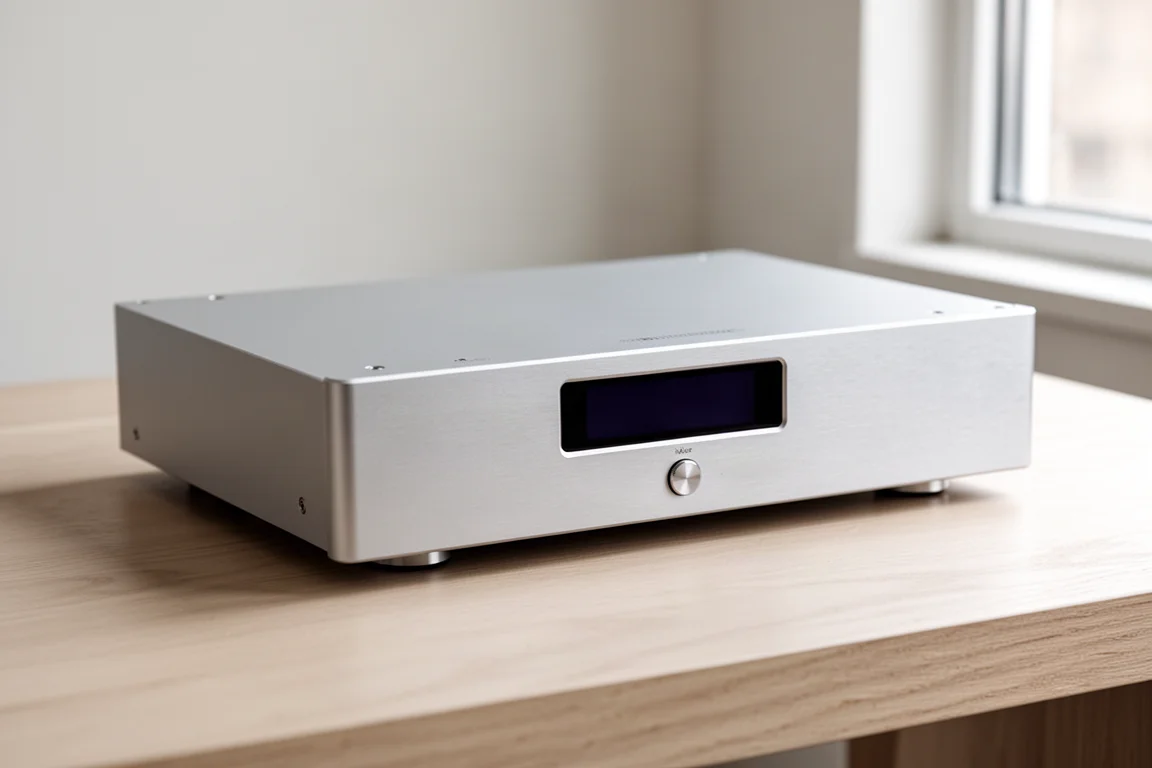
Gustard R26
The Gustard R26 is the most resolving converter below £2,000 in this group, and it is an impressive piece of engineering. Its R2R ladder topology gives it plenty of three-dimensionality, and it delivers extra detail and noticeably better bass control than the Ares 12-1.
The trade-offs are tonal rather than technical. The soundstage is a touch narrower than the Ares 12-1, and the R26 does not have the richness and scale of an equivalent Denafrips. In a system built around an amplifier with plenty of power and a high damping factor, though, the extra detail and the firmer grip in the low end are exactly what is wanted.
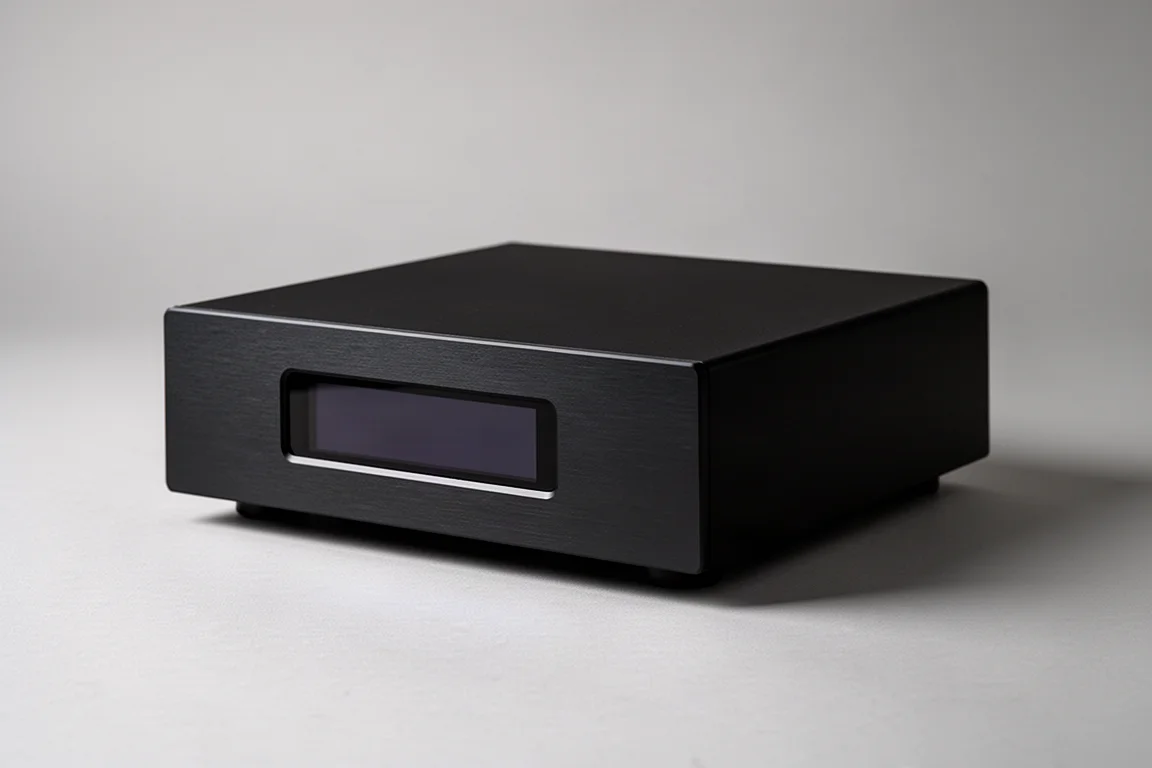
Denafrips Ares 12-1
At circa £1,000, the Ares 12-1 is the value pick of the group. Its fully balanced R2R ladder design gives up a tiny amount of resolution to the best ESS and AKM delta-sigma converters, and more than makes up for it with natural tone and soundstage width and depth. It is the favourite at the price for good reason.
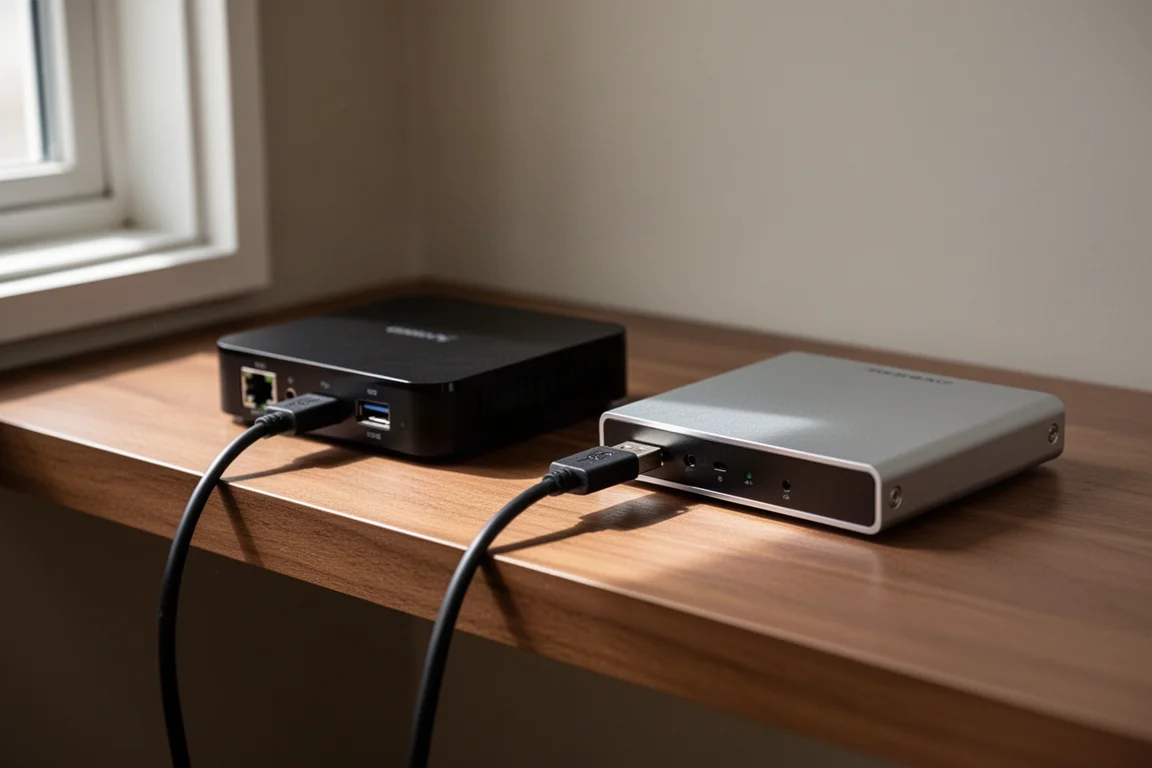
It is also an effective partner for a streamer used as a transport. Feeding a streamer’s USB output into the Ares 12-1 produces a combination that is easy to live with in a reference system, and it is a sensible way to raise the performance of a mid-priced streamer without replacing it. The limits appear with more powerful amplifiers: a high-damping design with strong bass control, such as a Hegel H190, will show where the Ares 12-1 runs out of grip. That is the point at which the R26, or a Venus, becomes the more sensible choice.
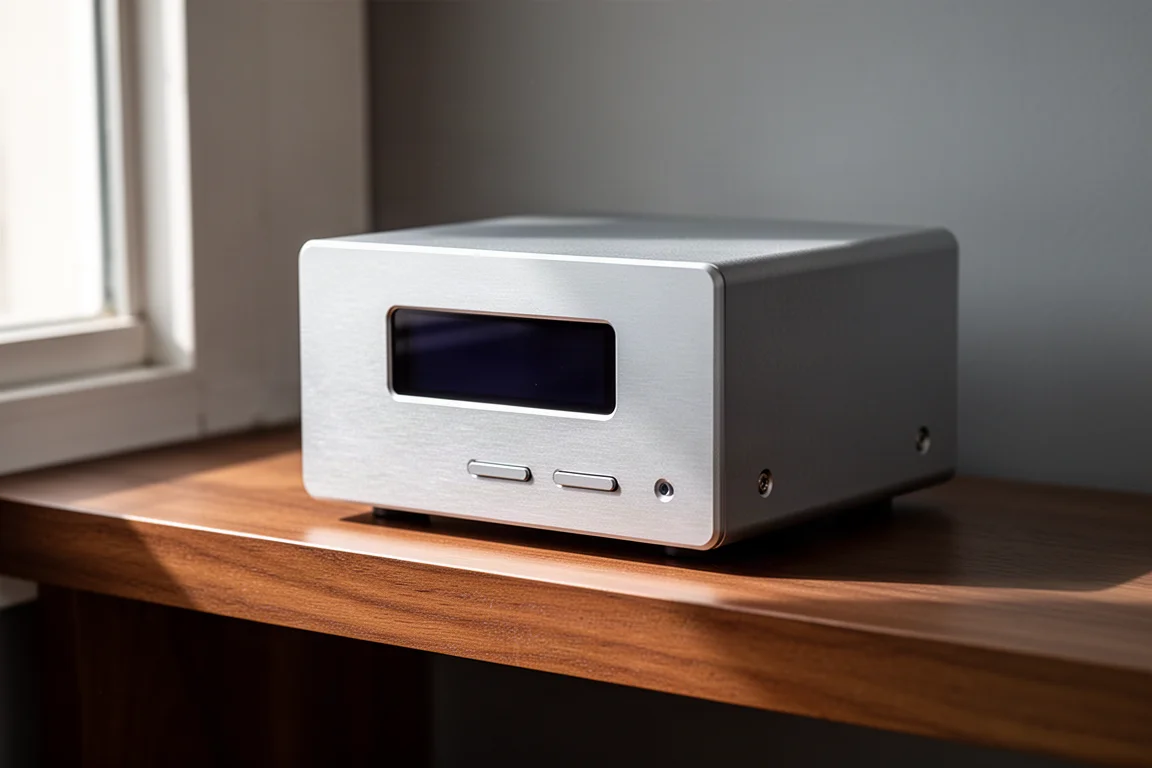
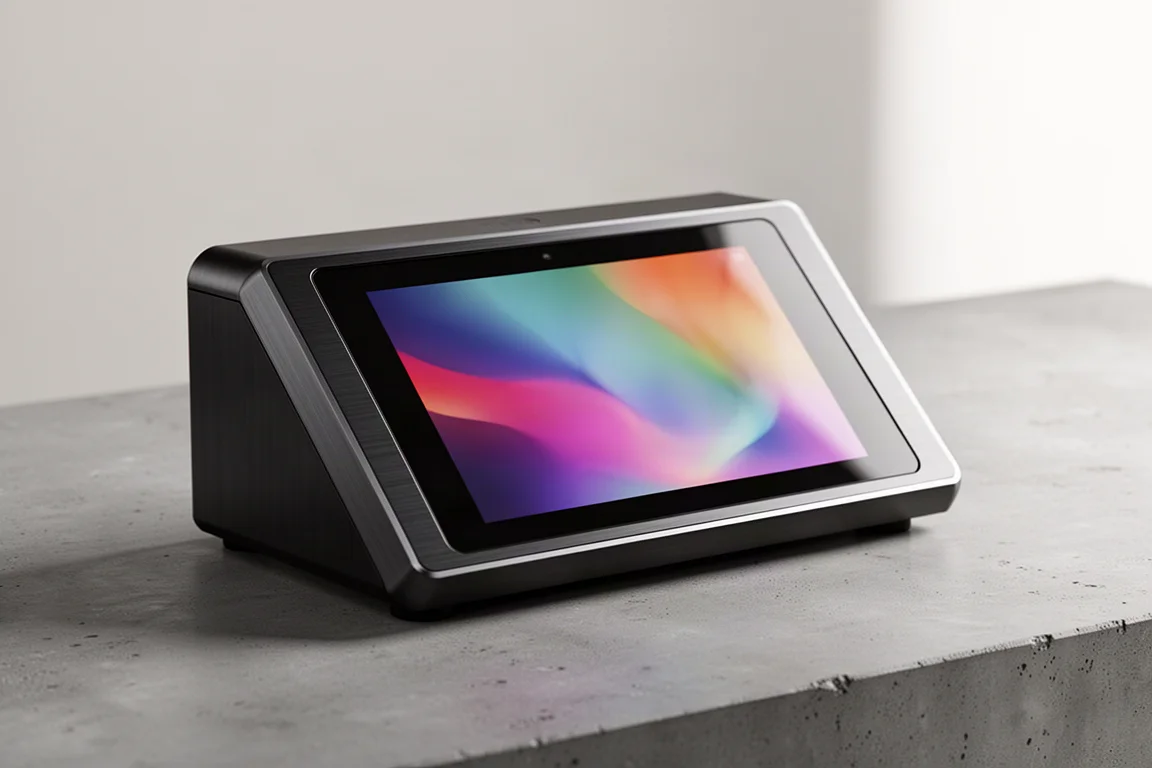
Eversolo DMP-A6
At £759, the Eversolo DMP-A6 uses a fully balanced internal architecture built around two ESS 9038Q2M chips. Its converter is competitive with standalone DACs below £500, and its slightly forward, bright character matches well with a rounded-sounding amplifier, which makes it an easy recommendation in a modest system.
The limits appear as the amplifier improves. As good as the DMP-A6 is, its internal DAC does not have the refinement or the scale to keep up with an amplifier that majors on natural tone and soundstage layering. At that level the DMP-A6 is better used as a streaming transport, feeding an external converter from its USB output.
Bluesound Node X
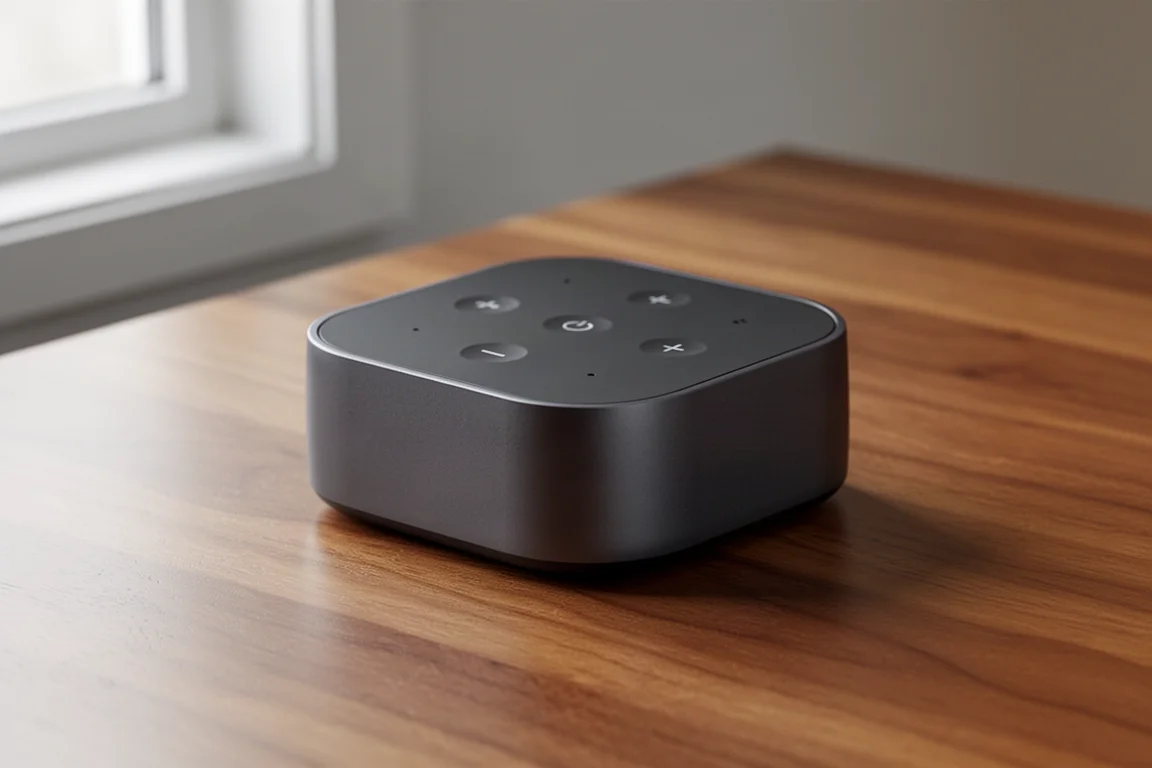
The Bluesound Node X is £699 and its internal DAC is built around an ESS 928 Q2M chip. It sounds warm and has plenty of scale, which makes it a comfortable partner for a leaner-sounding amplifier.
Resolution is where it gives ground. It is the less resolving of the two streamers here, and it carries more sonic coloration, which is why it works better as a transport into an external DAC in a resolving system than as the digital source in its own right.
Firmware, Updates and Long-Term Ownership
Denafrips DACs have three firmware versions: the original, the version released in the summer of 2022, and the current release. They do not sound the same. The 2022 version is cleaner than the original but changes the tonal character of the DAC, with lighter bass and less weight through the midrange, which is why some owners objected to it. The current version is also cleaner than the original but not as clean or as analytical as the 2022 release, and it keeps the tonality of the original, which is why most owners will be happiest with it.
The updates are provided free of charge, and the process is not straightforward on Windows PCs. It involves downloading software to install and configure the USB driver, going through a reboot procedure that bypasses the Windows driver signature check, and then following the instructions to apply the firmware. The critical step is choosing the version that matches the FPGA chip inside the DAC. Installing the wrong one renders the DAC unusable, so if there is any doubt, the safe approach is to open the case and send a photo of the FPGA chip to the distributor for confirmation.
Long-term ownership is worth weighing up as well. The 12-1 revisions replaced 12th Anniversary models that had been on sale for less than a year, and the changes amounted to power supply tweaks, an AC inlet filter and gold-plated screws. A converter that is replaced twice in a short space of time is frustrating for owners, and it is more sensible to buy the version that suits your system than to chase every revision.
Buying Advice
The aim is not to buy the most expensive converter you can afford, but to get every part of the system performing at a similar level. A DAC that outclasses the amplifier will not transform the sound, and one that lags behind it will hold the system back. There is little point in spending a large sum to squeeze out a small amount of extra performance, so upgrades should be sized to the system rather than to the specification.
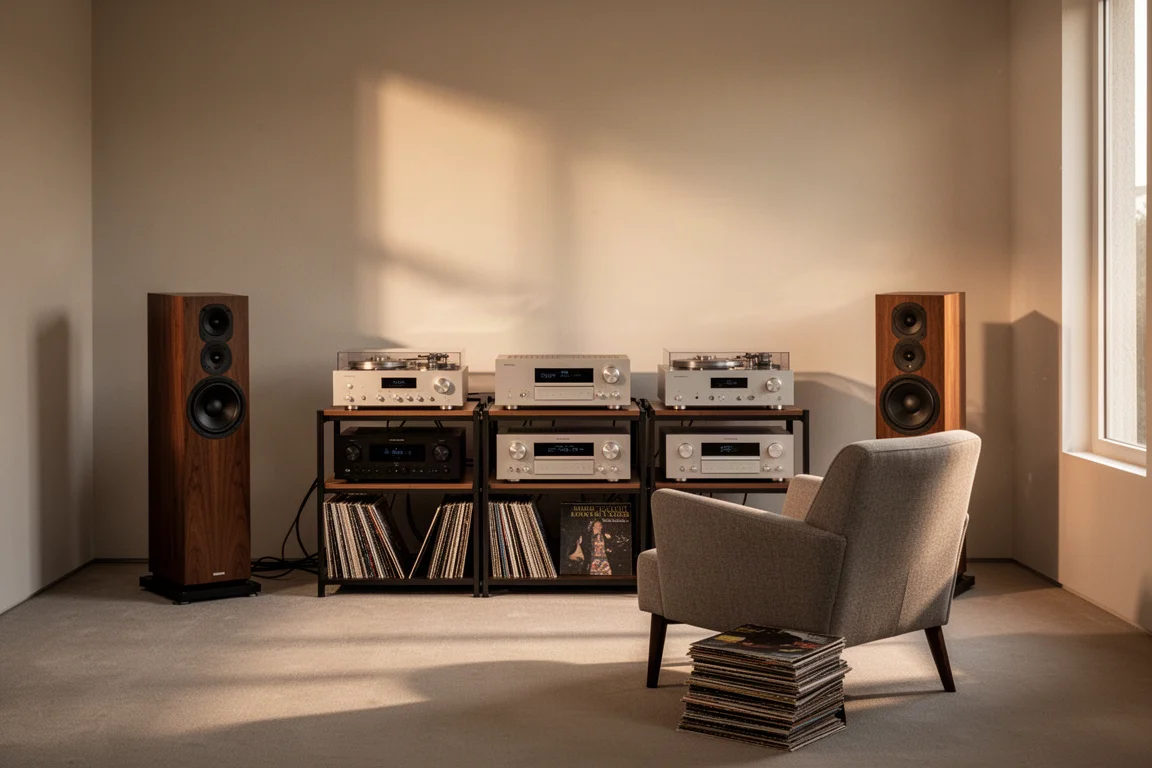
The choices here line up neatly by budget. At around £700 to £800, the Bluesound Node X and the Eversolo DMP-A6 are complete streaming sources whose internal converters are competitive with standalone DACs below £500, and neither needs an external converter in a system at that level. At around £1,000, the Denafrips Ares 12-1 is the natural upgrade, particularly when a streamer is used as a transport. Below £2,000, the Gustard R26 adds resolution and bass control. Above that, the Denafrips Venus II brings natural tone, scale and soundstage layering, and the Terminator 12th Anniversary goes further again for listeners whose amplifiers and speakers can show the difference.
Purist amplifiers without an internal converter, and systems where the streamer is the only digital source, are the clearest cases for a separate DAC. In systems below £1,000, the converter fitted to the amplifier, streamer or CD player is usually the better answer.
Conclusion
The Denafrips Terminator 12th Anniversary is the best-sounding converter in this group and also the most expensive, and it is easy to recommend to listeners whose systems can reveal what it does. The more useful conclusion, though, is that the right DAC depends on the rest of the chain. Internal converters in good amplifiers and streamers are often better matched to their circuits than an external upgrade would be, and money is better spent on a converter that solves a specific limitation, such as bass control or soundstage layering, than on one that simply sits higher in a range.
Further reading
Related Reviews
Hi-Fi Audio
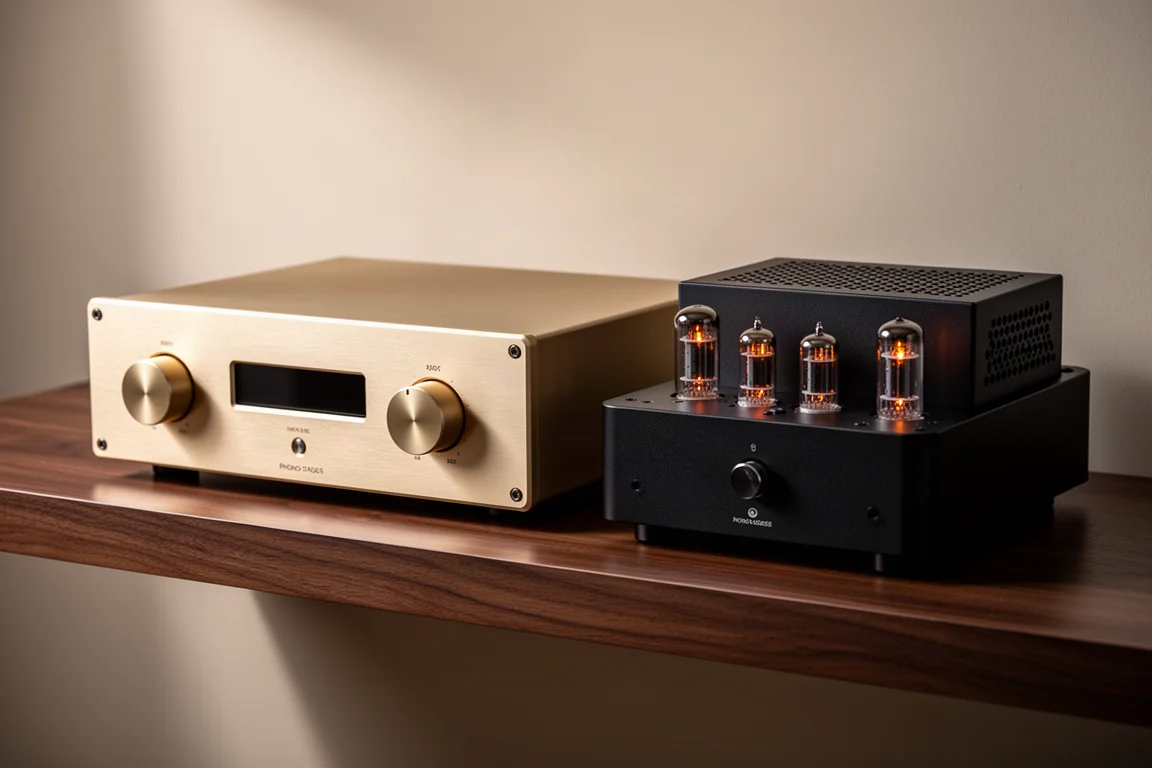
Accuphase C-57 vs Allnic H-7000V: Two High-End Phono Stages Compared
A fully balanced solid-state phono stage with a pitch-black noise floor meets a tube design built for well-loved records. Here is how to choose between them.
Hi-Fi Audio
Active vs Passive Hi-Fi: Five Components for a Modern System
Five components that define modern active and passive hi-fi systems, with the strengths, trade-offs and setup details worth weighing before you buy.
Hi-Fi Audio
Advance Paris A10 Apex Review: A Hybrid Integrated Amplifier That Covers a Lot of Ground
A French hybrid integrated amplifier with a class A tube preamp stage, analogue power meters, and an internal DAC and phono stage good enough to make extra boxes unnecessary.