Cycling Buying Guide
How Much Should You Spend on a New Bike? Four Price Tiers Compared
A practical look at what you actually get at four road bike price points, from a sub 500 alloy starter to a race-ready carbon build, and where the value sweet spot really sits.
Introduction
Ask any group of cyclists how much a new bike should cost and you will get answers from every corner of the market. Some will insist that a modest alloy machine is all anyone needs, while others will argue that stretching the budget pays off in ways you feel on every ride. The honest answer is that your own budget sets the ceiling, but within that ceiling there are clear tiers of value, and the differences between them are surprisingly concrete.
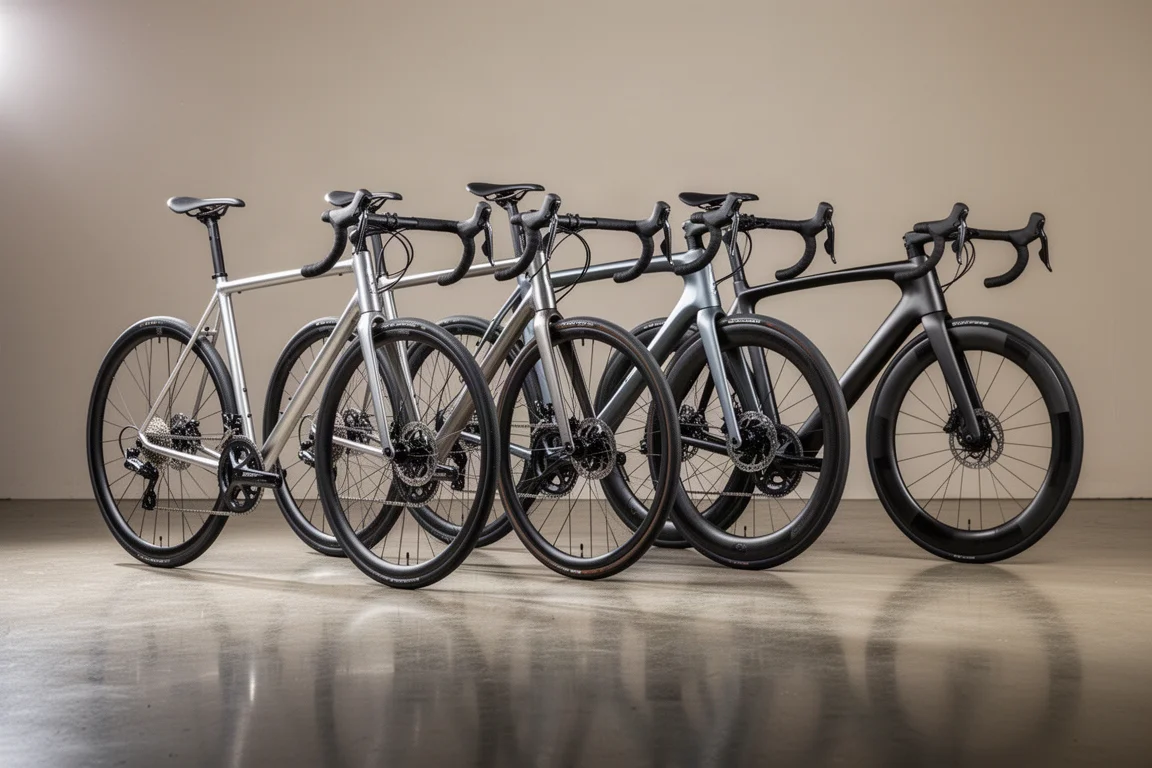
The four bikes below represent four distinct price bands, from an entry-level alloy road bike to a carbon machine built on the same frame shape raced at World Tour level. Each one earns its place, and each one tells you what your money is actually buying at that point in the range.
How Much Should You Spend on a New Bike?
The most useful way to think about bike spending is in tiers rather than in a single number. Below roughly the 500 mark you are buying access: a reliable drop bar bike that gets you riding, commuting and exploring without punishing your wallet. Move up towards 1,000 and the components become recognisable brands, the gearing gets denser, and the frames start to be shaped for comfort as well as function.
The bigger jumps happen further up. Crossing into carbon fibre strips meaningful weight from the build, and crossing into electronic shifting and hydraulic braking changes how the bike feels to operate day to day. The question worth asking is not which tier is best, but which tier removes the specific compromises that bother you. A rider who only wants dependable transport stops being rewarded somewhere around the mid range. A rider chasing performance keeps finding real gains well beyond it.
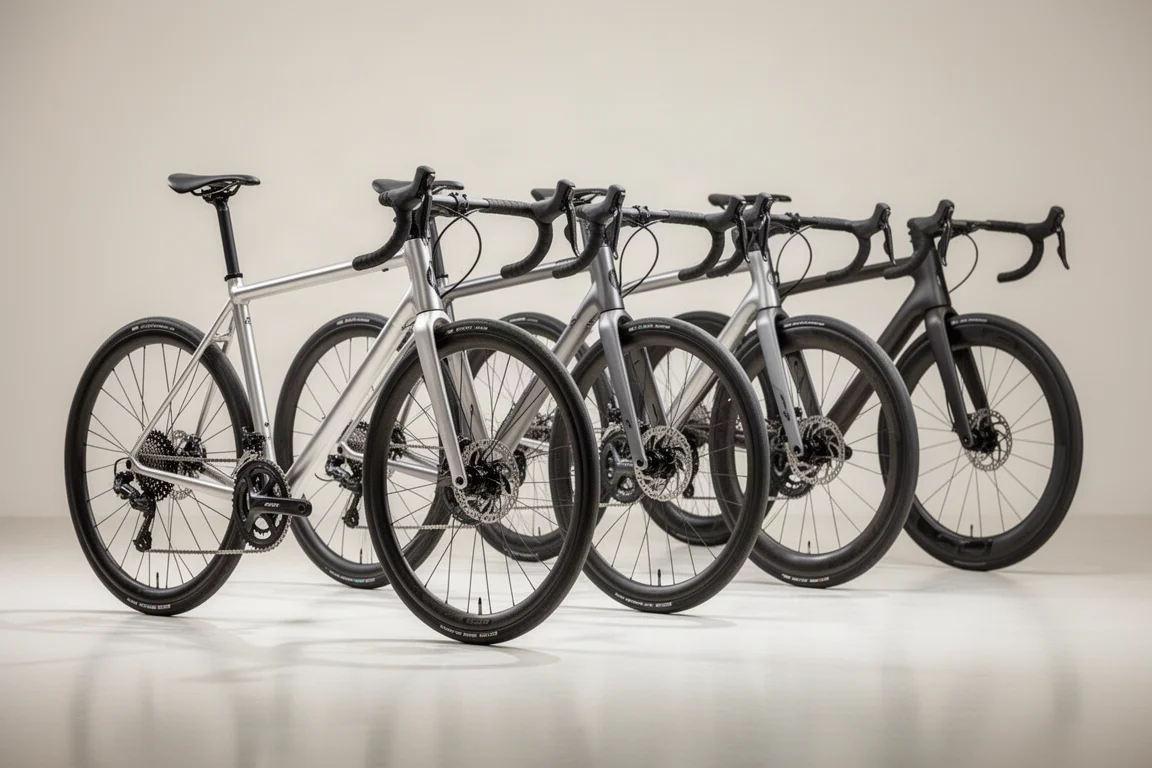
For most people, the strongest balance of price and performance sits in the middle of the range rather than at the very top, where each additional pound buys progressively less.
Best Under 500: Triban RC120
The Triban RC120 is the most affordable drop bar bike in the range, and it is a genuinely sensible starting point. It pairs an aluminium frame with a carbon fibre fork, which is a real bonus at this price, and it comes with disc brakes as standard. The drivetrain is a 2x8-speed setup, which is more than enough range for steep climbs and for pushing along on the flats.
Practicality is where this bike quietly excels. Tyre clearance is decent and the stock tyres are robust enough to survive real roads. There are plenty of rack mounts, mudguards will fit, and there are no proprietary parts, so replacing or upgrading components later is straightforward.
The trade-off is weight. This is a heavier build than anything further up the range, and that is the compromise you accept at the entry point. What you get in return is a versatile, low-maintenance bike that will happily cover long distances, handle a commute and cope with poor surfaces.
Best Mid-Tier Value: Triban RC520
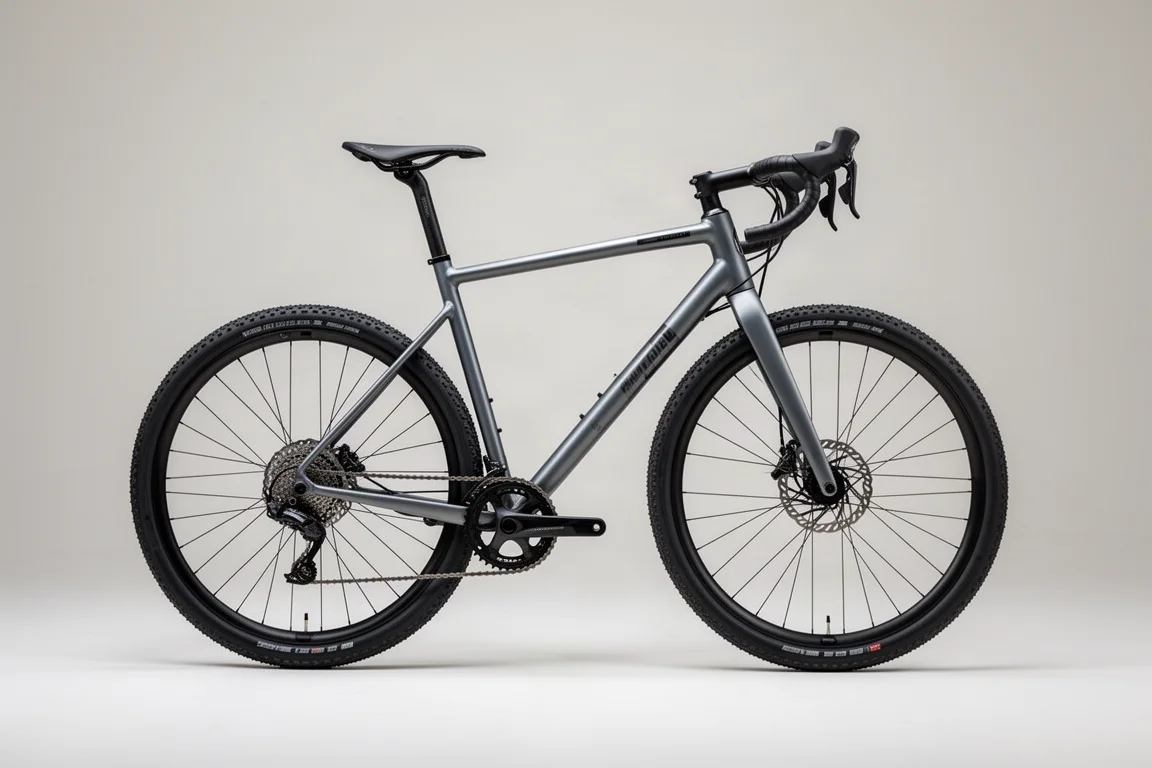
The Triban RC520 sits in the 500 to 1,000 band and has built a reputation for value. The step up from the entry model is most visible in the components: this bike uses Shimano branded groupset parts throughout, and the drivetrain moves to 2x11 speed. The extra sprockets at the back close the gaps between gears, which matters far more than it sounds.
That denser gearing shows up in group riding. When you are holding someone else’s pace rather than your own, having more ratios makes it much easier to settle into a comfortable cadence instead of grinding or spinning. The frame itself keeps the aluminium construction and carbon fibre fork, with external cables running along the outside for easy servicing.
The rear triangle uses dropped seatstays, which add compliance by giving the frame more area to flex over rough surfaces. Mounting points remain generous, tyre clearance stays wide, and disc brakes are still present, so this bike is happy commuting, touring or joining a local group ride.
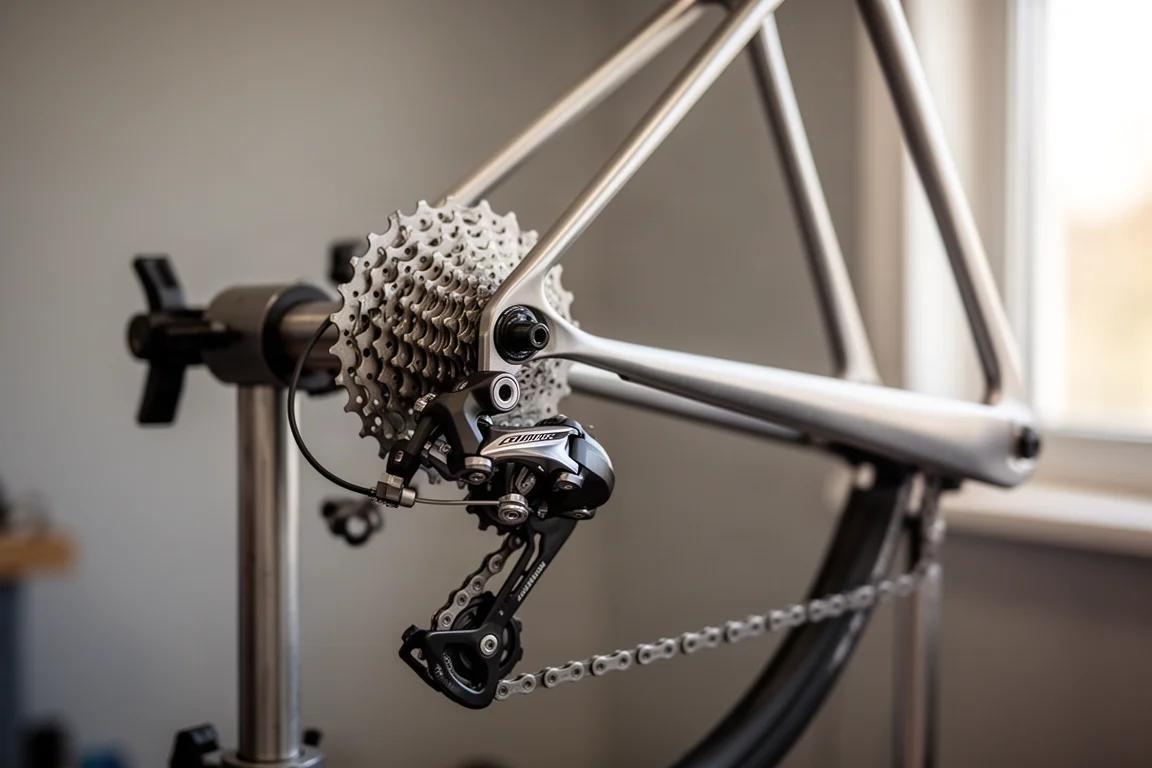
Disc brakes deserve a special mention at this price. They mean the braking surface on the wheel rim stays intact and the wear happens on a replaceable rotor instead, which keeps performance consistent in wet weather and cuts long-term costs. Rim brake road bikes are becoming harder to find, and for most riders disc brakes are now the sensible default.
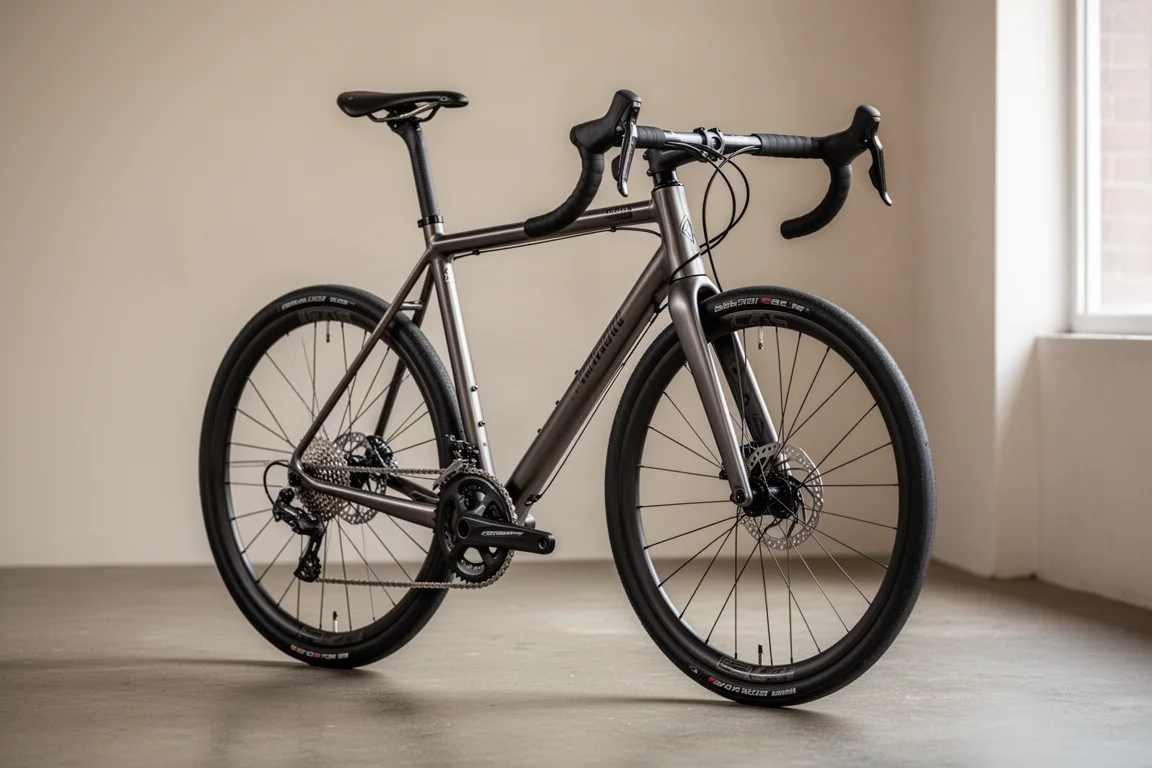
Best First Carbon Bike: Van Rysel NCR CF Tiagra
The Van Rysel NCR CF Tiagra marks the point where the frame itself becomes the headline feature. It uses a full carbon fibre frame along with a carbon fibre fork, and that combination removes a significant amount of weight from the total build, bringing it to just over 9kg.
The gearing is a 2x10-speed setup with Tiagra components. Ten speeds at the back is plenty for most riders, and the rest of the spec more than compensates. Braking moves to hydraulic disc brakes, which are actuated by fluid rather than cables, giving stronger stopping power and far less maintenance. Cabling is routed internally through the frame, which looks cleaner and adds a marginal aerodynamic benefit.
At this price point, branded parts become the norm rather than the exception. Shimano components run throughout, right down to the brake calipers, and the wheels come from Mavic. This is the tier for riders who want a tangible performance edge, whether that means chasing friends on a local loop or simply enjoying a livelier, lighter bike.
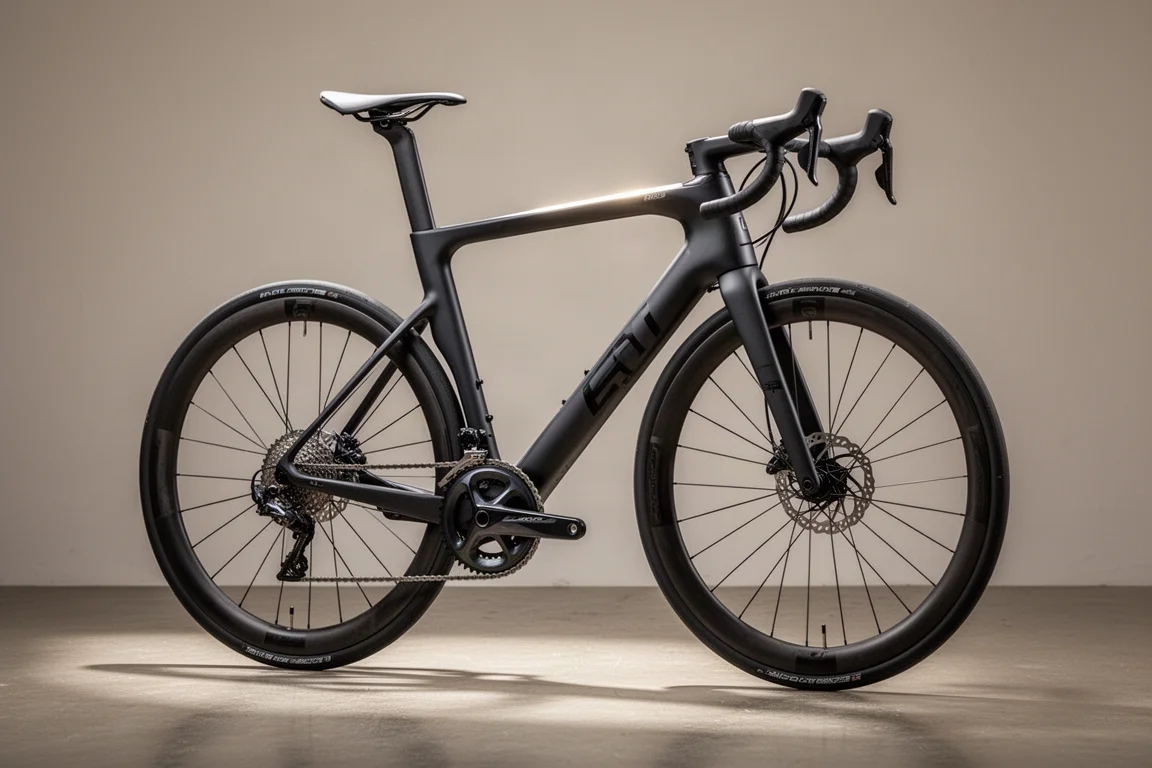
Best Performance Value: Van Rysel RCR
The Van Rysel RCR is where the value curve peaks. For under 4,000, it uses the same frame shape found on bikes raced at World Tour level, and the specification reads like a serious race build. The frame and fork are full carbon fibre, the shifting is electronic, and the frame has been shaped with wind tunnel time behind it, which pays off most noticeably on flat roads.
It is also genuinely light, so climbs do not feel like a penalty. This is the first tier in the range where carbon wheels appear, and they are lighter, stiffer and more aerodynamic than shallow aluminium equivalents. The stock tyres are Continental GP5000 STRs, which is a quality touch that is not guaranteed at this price, and a power meter is included for riders who take training seriously.
Finishing details are tidy too. Cabling is semi-integrated and neatly tucked under the stem before running through the frame. Crucially, there is nothing here that begs to be replaced straight away, which is what makes this bike the strongest price-to-performance proposition in the line-up.
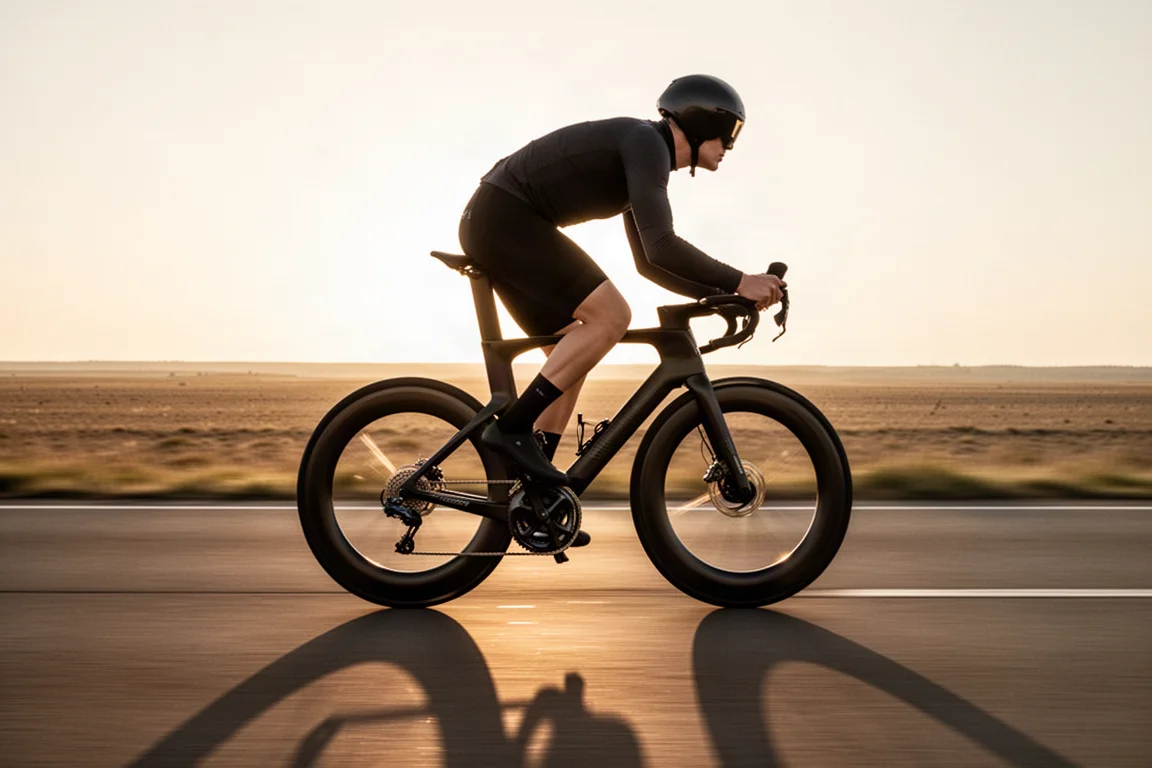
Put a capable rider on this bike and the performance gap to far more expensive machines becomes very small indeed.
Spending More: What You Actually Gain
Above this point, the improvements become narrower and more specialised. In the 4,000 to 6,000 band you start to see dedicated aero bikes with the same frame layouts used in professional racing, very deep carbon wheels, fully internal cable routing and aero-optimised tyres. Fully integrated bikes look exceptionally clean and may save a fraction of a watt at speed, though they are noticeably less friendly to service at home or in a workshop.
At the very top of the range, around 10,000, you can buy the genuine article: the same frame layup, the same colour and effectively the same build as a professional team rides. That means top-tier Shimano Dura-Ace componentry, a double-sided power meter, a carbon rail saddle and wheels with ceramic bearings. It is a dream build in every sense.
It is also where returns diminish sharply. The gains over a bike costing half as much or less are marginal, and for most riders the money is better spent on the tier below. A realistic target for a rider spending their own money is somewhere between 3,000 and 5,000, where performance is genuinely high and the compromises have largely disappeared.
Buying Advice
Start by deciding which compromises you are unwilling to live with, then buy the cheapest tier that removes them. If reliability and versatility matter most, the entry and mid-tier alloy bikes cover commuting, touring and steady group rides with no fuss, and both accept racks and mudguards.
If you want a lighter, faster bike, carbon fibre is the meaningful step, and the first carbon tier delivers most of the ride-quality benefit for a fraction of a top-end price. Hydraulic disc brakes are worth prioritising wherever your budget allows, and denser gearing at the rear is a quiet quality-of-life upgrade if you ride with others. Carbon wheels and electronic shifting are the last things to chase, because they improve the experience without transforming it.
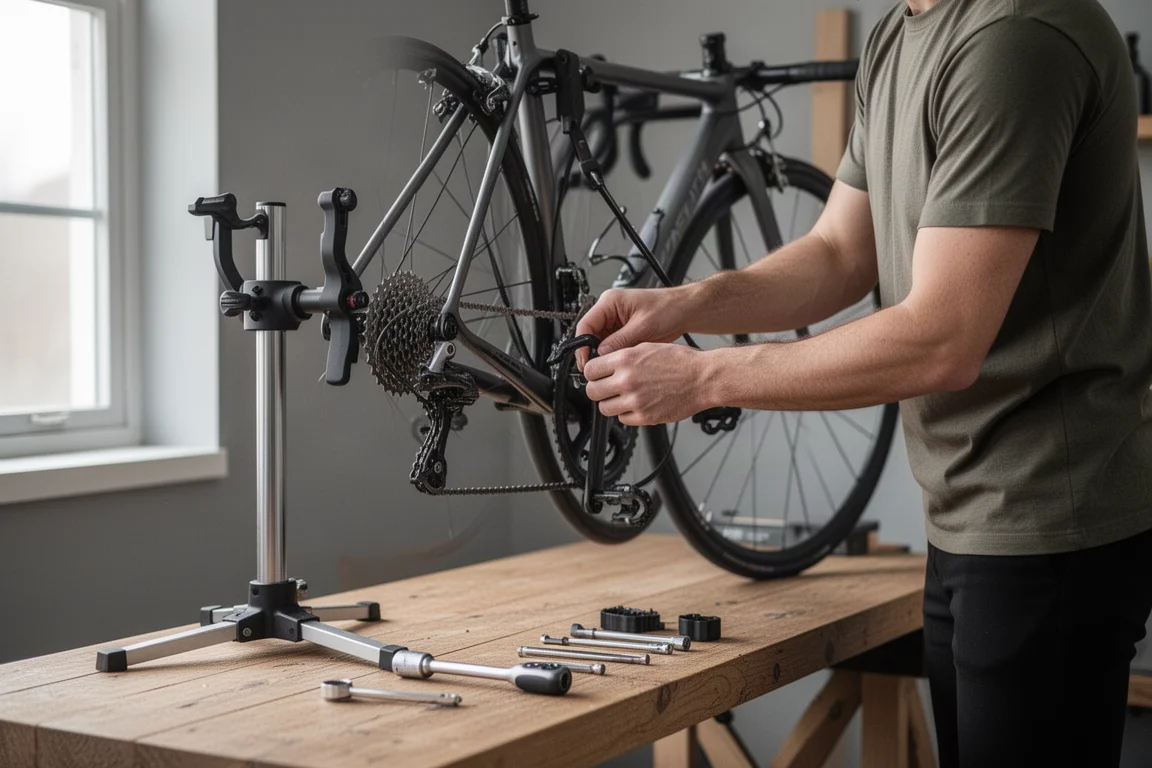
The performance sweet spot sits well below the top of the market. Spend enough to get the frame and braking you want, and put the rest of your budget towards riding it.
Conclusion
There is no single correct number, but there is a clear shape to the market. Entry-level bikes buy access and dependability. Mid-tier bikes buy better components and more comfortable gearing. The first carbon tier buys real weight savings and better braking. And the performance tier just above it buys a bike with essentially nothing left to upgrade.
Spend to the point where the bike stops holding you back, and stop there. Beyond that, you are paying for smaller and smaller gains.
Further reading
Related Reviews
Cycling Buying Guide
Big Bike Brands Explained: Where to Look Before You Buy
A practical guide to the biggest bike brands, what each one is known for, and how to decide where to spend your money.
Cycling Buying Guide
Bike of the Year 2025: The Best Gravel, Race, and Endurance Bikes
Three category winners from a year of testing, plus what to check before you buy a gravel, race, or endurance road bike.
Cycling Buying Guide
Bike Types Explained: Five Models That Show What Each Category Does Best
A practical walk through the main bike categories, using five well-known models to show what each type is built for and who it suits.