Music Streamers
How Much Should You Spend on a Music Streamer? Three Tiers Compared
A practical look at what roughly $330, $1,000, and $1,700 buys in a modern music streamer, from software and connectivity to sound quality.

Introduction
A dedicated music streamer solves a fairly simple problem. Instead of routing music through a phone or tablet with AirPlay, Chromecast, or Bluetooth, the streamer pulls the audio down from the internet itself and does the heavy lifting on its own. Your phone or tablet becomes a remote control, and the audio path stays inside the hi-fi system.
The question is how much that convenience and sound quality should cost. This guide compares three streamers at three very different price points: the WiiM Ultra at around $330, the Cambridge Audio CXN100 at around $1,000, and the Cambridge Audio EXN100 at around $1,700. Each one covers the basics well, but they are not the same product wearing different price tags.
The differences show up in four places: the software platform, the physical connections, the display, and ultimately the sound. Working through those four areas makes it much easier to decide which tier actually fits your system.
What to Look For in a Music Streamer
Software comes first. A streamer lives or dies by how easy its control app is to use and which streaming services it can reach. Service support varies more than most buyers expect, so it is worth checking before anything else.
Connectivity comes second. Digital inputs and outputs, USB, and HDMI ARC determine how the streamer slots into a system, and HDMI ARC in particular decides whether the same box can handle television audio as well as music.
The display matters more than it sounds. A larger screen makes it easier to see what is playing from across the room, and screen size scales fairly predictably with price in this category.
Finally, there is sound. The DAC chip is not the whole story. Clocking and jitter handling also shape what you hear, which is why a streamer with a newer chip is not automatically the better-sounding one.
Best Value: WiiM Ultra
The WiiM Ultra is the entry point here at around $330, and it is the most feature-dense of the three. The software is genuinely easy to use, and it goes well beyond basic playback: room correction, parametric and graphic equalisers, and bass management are all included. Service support is the broadest of the group, covering Amazon Music, Tidal, Qobuz, and a long list of other options.
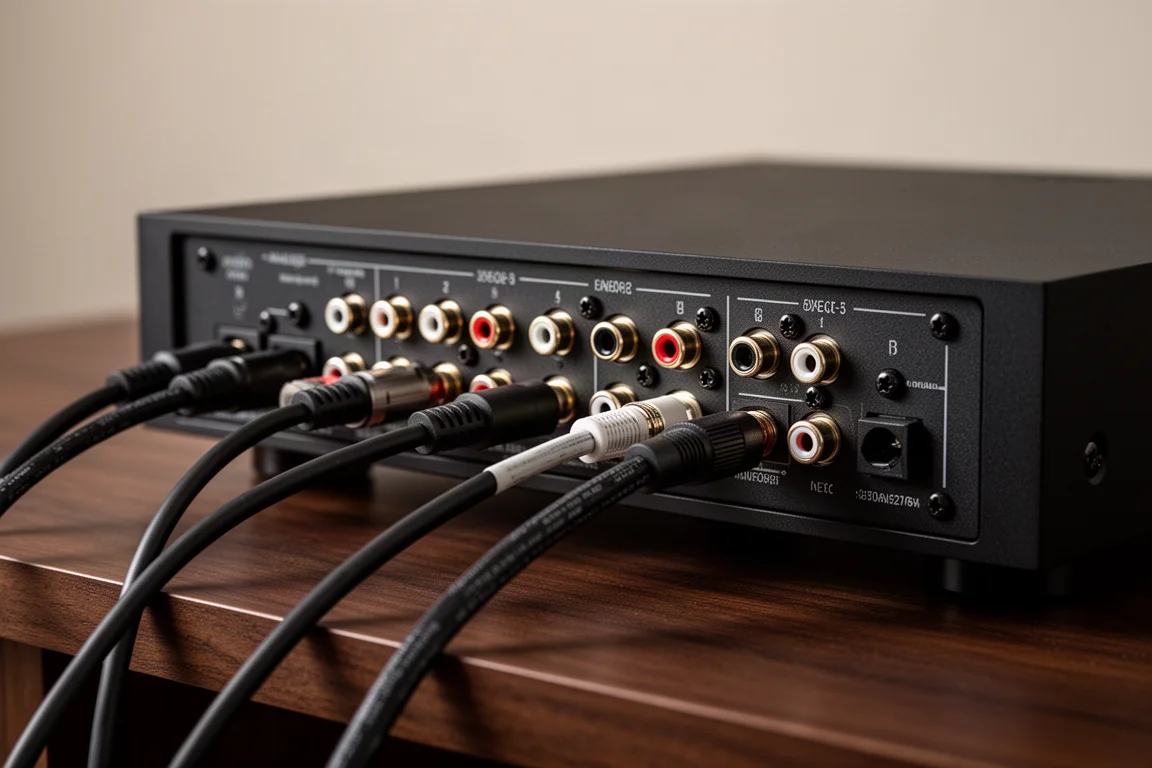
On the back, the highlights are HDMI ARC plus digital inputs, digital outputs, and a USB output. The 3.5-inch screen is the smallest of the three, and the DAC is an ESS ES9038Q2M, which on paper offers slightly better dynamic range and onboard jitter control than the chips used in the two more expensive units.
In listening, the WiiM Ultra sounds good, but it is audibly the least refined of the trio. There is more smearing, and the soundstage is more nebulous, with less depth and grandeur around instruments and vocals. That gap can be narrowed: adding an outboard reclocker and a better external DAC takes the WiiM closer to the CXN100, and it lets you build the system in stages rather than paying for all of it at once.
That staged approach is the real argument for the WiiM Ultra. Buyers who are happy to upgrade over time get a lot of functionality for the money, and buyers who want a finished solution in a single box will want to keep reading.
Step-Up Pick: Cambridge Audio CXN100
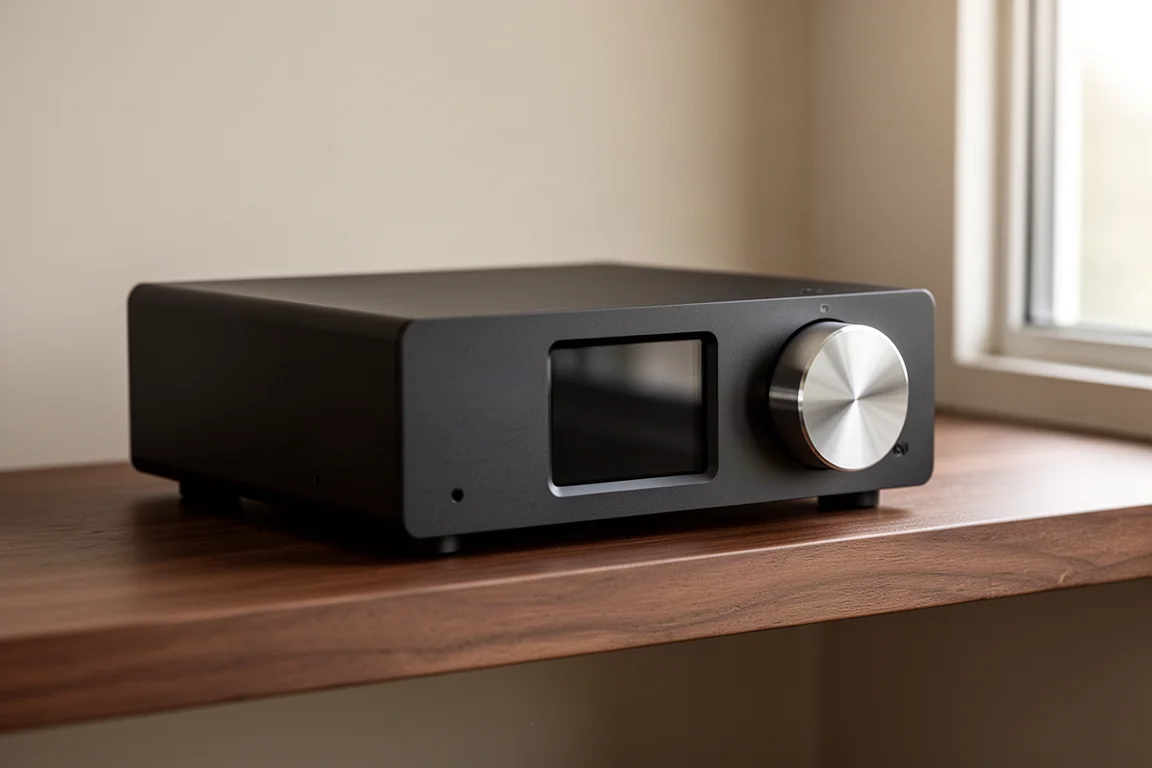
The Cambridge Audio CXN100 sits in the middle at around $1,000, and the jump is most obvious in sound. It uses the same ESS Saber DAC chip as the EXN100, but with a different analog output section, and its clocking is a clear step up from the WiiM Ultra. The result is a cleaner, better-defined presentation rather than a different tonal character.
The CXN100 runs Cambridge’s StreamMagic platform, which is easy to use. The trade-off is service support: StreamMagic does not include Amazon Music, so listeners are limited to Tidal, Qobuz, Roon, Spotify, and the other services the platform carries.
One listening note is worth flagging. Compared with the EXN100, the CXN100 initially sounds beefier and more dynamic at the bottom end. Spend more time with it and that impression changes: the bass is less cleanly defined rather than genuinely more dynamic. The screen measures 4.8 inches, and unlike the EXN100, this model does not include HDMI ARC.
Premium Pick: Cambridge Audio EXN100
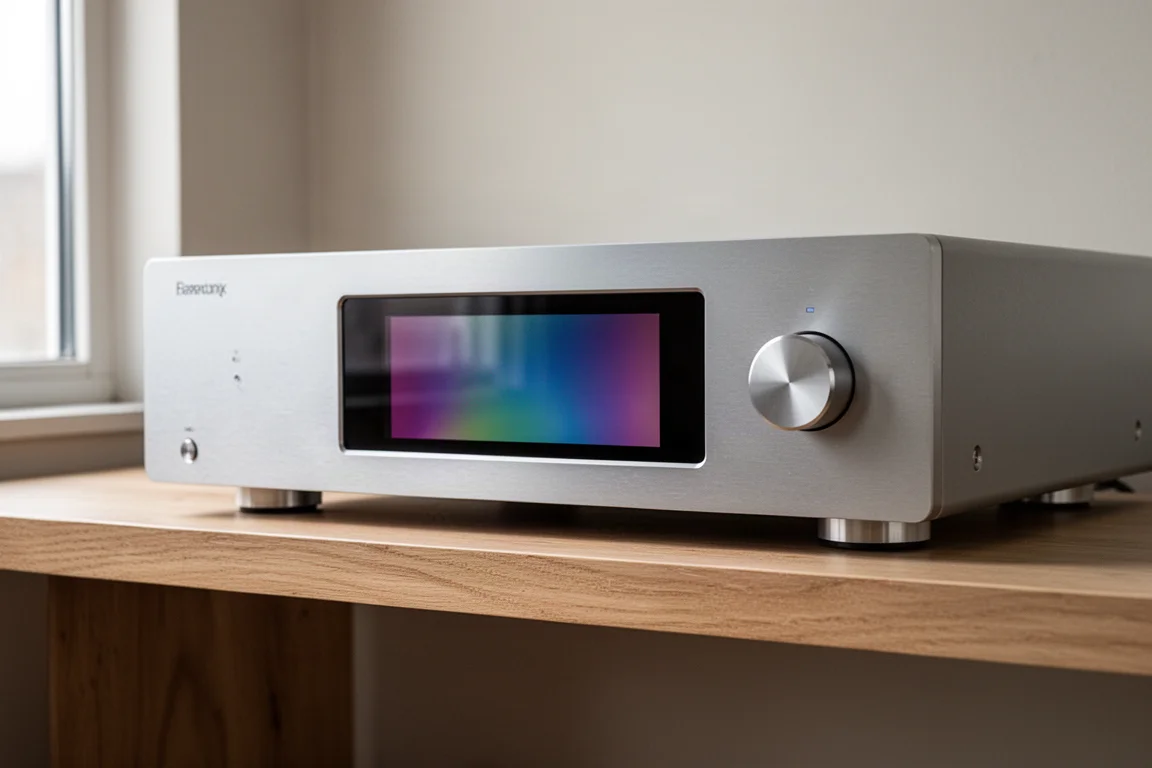
The Cambridge Audio EXN100 is the most expensive of the three at around $1,700, and it is the one that sounds best. It shares its ESS Saber DAC chip with the CXN100, but the analog output section uses different op amps, and considerable time went into tuning the sound. Pricing was based on hardware cost rather than that tuning effort, which is why the EXN100 does not cost dramatically more than the CXN100.
The improvements are easy to hear on a revealing system. In layered material, the top end is noticeably cleaner, with percussion and cymbals coming through with more sizzle and clarity, and there is more definition across the board. Detail that simply was not audible on the CXN100, including a background harmony inside a dense mix, comes through on the EXN100. The presentation is also larger and more cleanly separated.
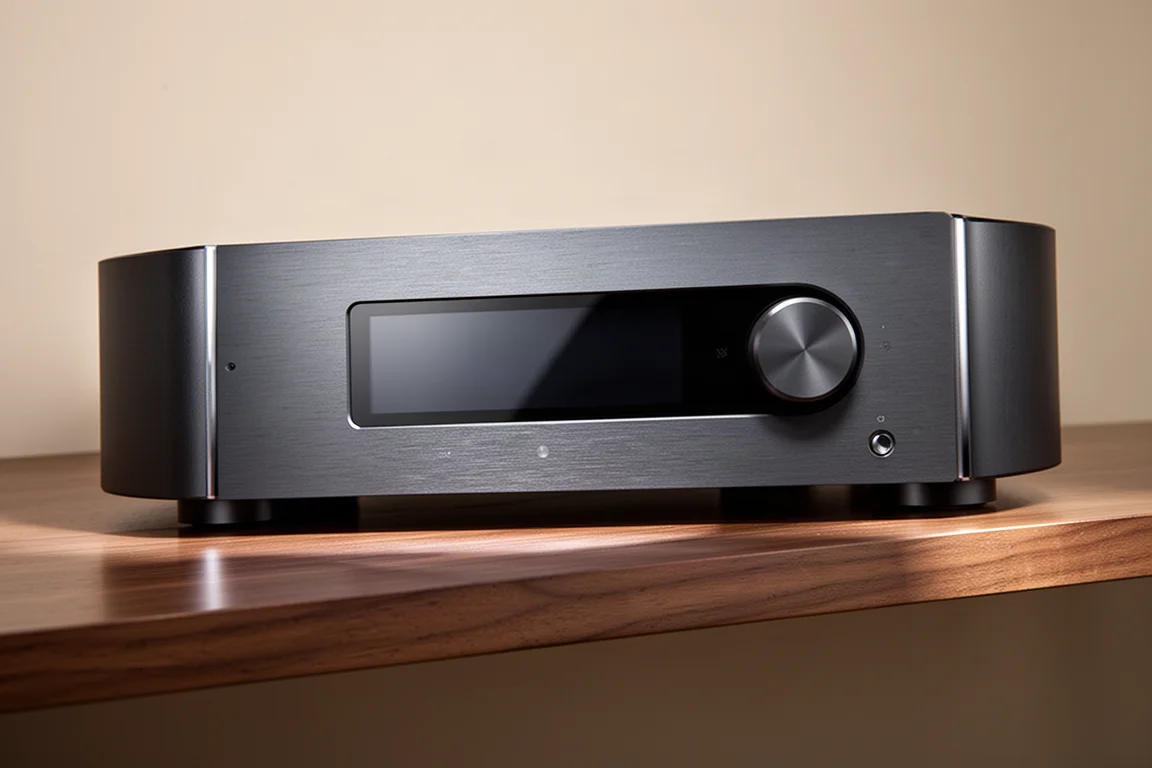
The hardware differences are just as practical. The screen is 25 percent larger than the CXN100’s 4.8-inch display, and HDMI ARC is included, which turns the EXN100 into a living room hub for both television and music.
The step from the CXN100 to the EXN100 is smaller than the step from the WiiM Ultra to the CXN100, but it is the kind of difference that is difficult to unhear once you have heard it. With roughly a $700 gap between the two Cambridge models, the decision comes down to how much HDMI, the bigger screen, and the extra top-end clarity are worth to you.
Matching a Streamer to Your System
The differences between these three streamers are not equally audible on every system. With clean electronics and speakers that resolve detail, the gap between the WiiM Ultra and the Cambridge units is clear, and the gap between the two Cambridge models is noticeable as well. On a less revealing setup, those margins shrink, and the cheaper streamer makes more sense.
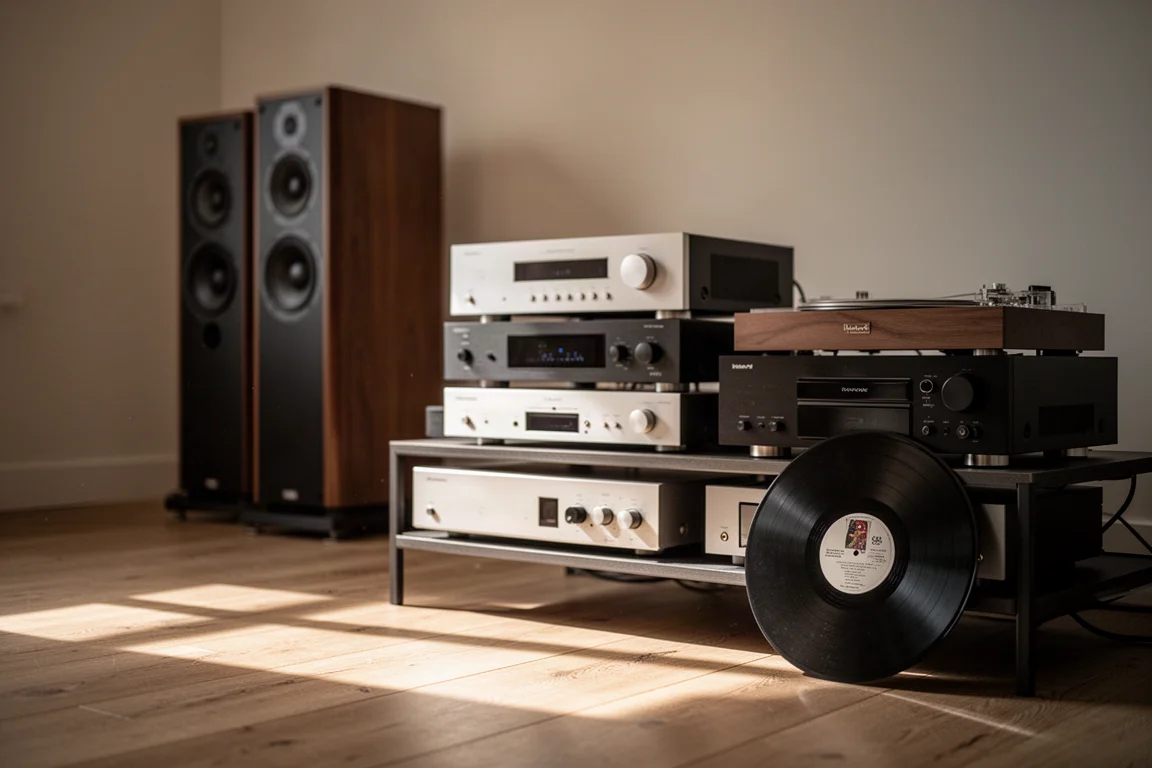
System architecture matters too. The WiiM Ultra plus an outboard reclocker and a better external DAC can get close to the character of the CXN100, which suits listeners who enjoy building a system piece by piece. The Cambridge models suit listeners who would rather not deal with that extra hardware.
Service support is the other deciding factor. Listeners who rely on Amazon Music should look elsewhere in the Cambridge range, because StreamMagic does not carry it. Listeners on Tidal, Qobuz, Spotify, or Roon can choose freely.
Finally, think about the television. If you want one box to handle both television audio and music, HDMI ARC narrows the field to the WiiM Ultra and the EXN100.
Overall Buying Advice
If the budget is the priority, the WiiM Ultra is the clear choice. It costs roughly a third of the CXN100, supports the widest range of streaming services, and includes room correction, equalisation, and bass management. Its sound quality is the weakest of the three, but it is also the only one that can be upgraded toward the next tier with outboard hardware.
If you want a single finished component and you mostly listen to Tidal, Qobuz, Spotify, or Roon, the CXN100 is the sensible middle ground. It delivers a cleaner, better-defined sound than the WiiM Ultra with no extra boxes and no extra setup.
If the budget stretches, the EXN100 is the one worth saving for. The larger display, HDMI ARC, and cleaner top end with better instrument separation make it a genuinely better product rather than a marginally nicer one, and the price gap to the CXN100 is smaller than the gap between the two lower tiers.
Conclusion
Spending more on a music streamer does buy better sound here, but the returns are not evenly distributed. The largest jump in sound quality comes between the WiiM Ultra and the CXN100, while the most practical hardware gains, including HDMI ARC and a larger display, arrive with the EXN100.
Match the tier to your system and your habits. A revealing setup rewards the Cambridge models, a service library that includes Amazon Music points toward the WiiM Ultra, and a living room that needs one box for television and music makes the EXN100 the easiest recommendation of the three.
Further reading
Related Reviews
Music Streamers
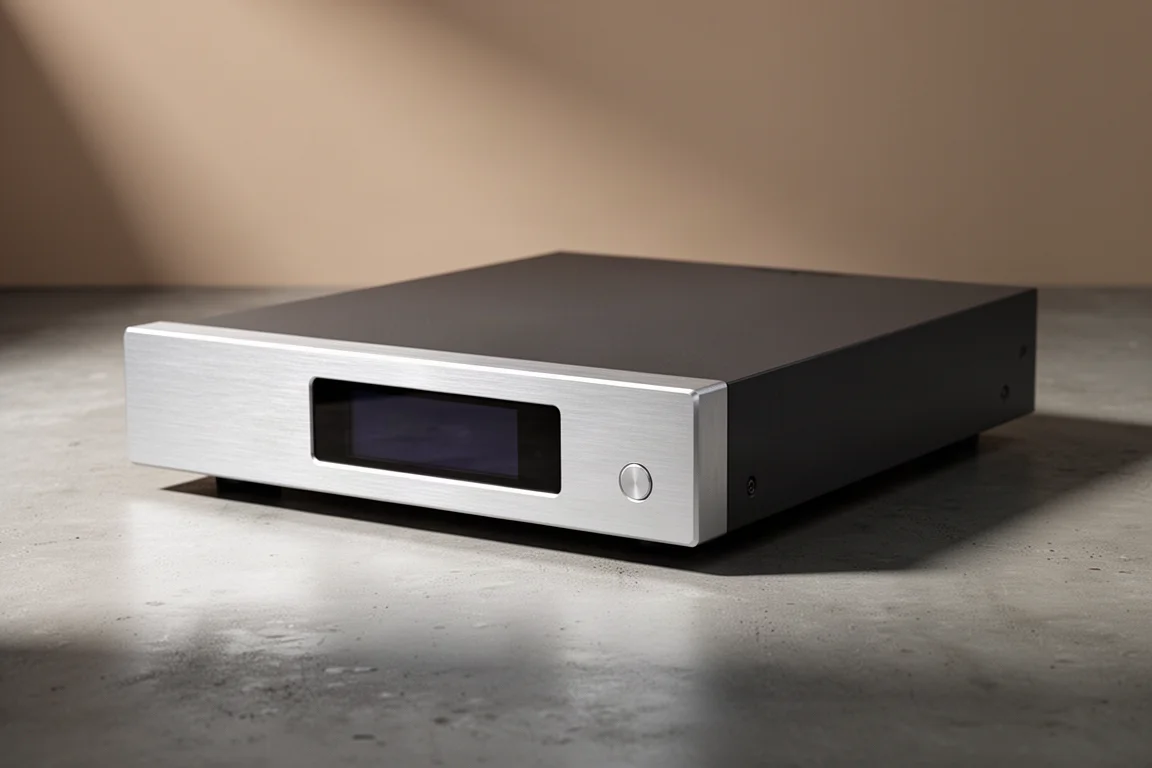
Arylic S10 Plus vs WiiM Mini: Two Affordable Music Streamers Compared
A practical comparison of the Arylic S10 Plus and the WiiM Mini, covering connections, apps, tone controls, and how each internal DAC actually sounds.
Music Streamers
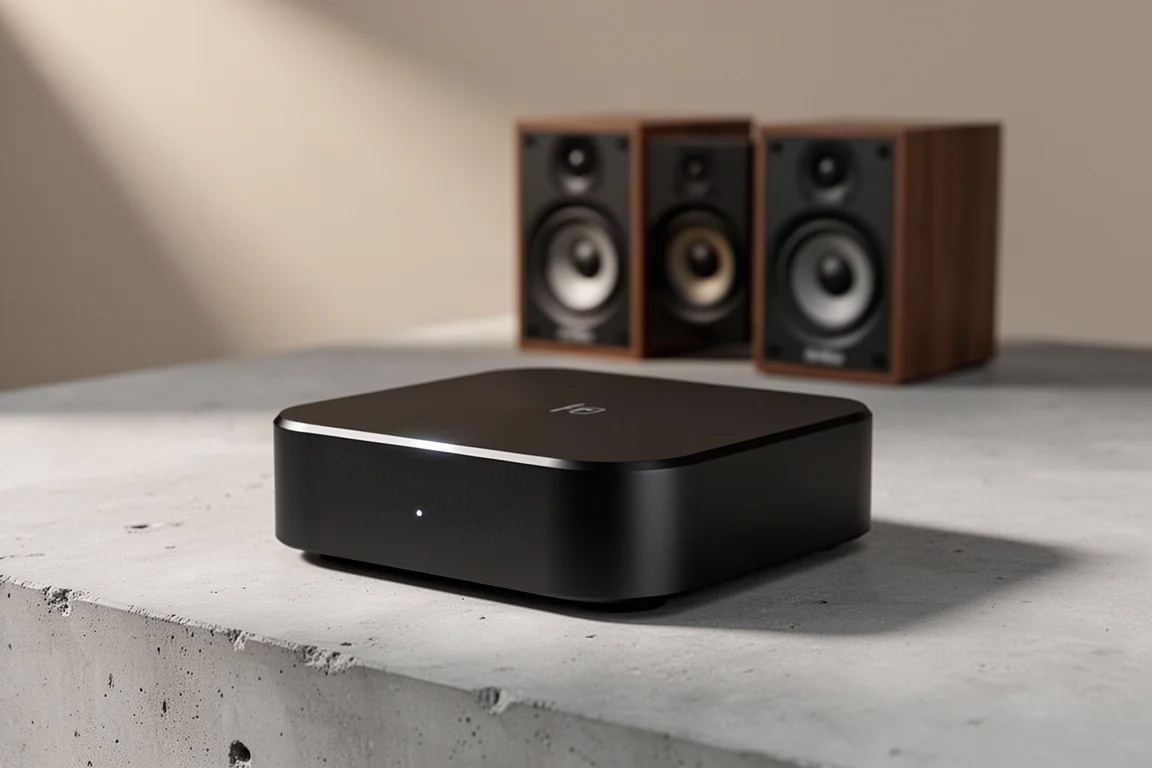
Auralic Aries G1.1 Review: A Streaming Transport That Lifts a Resolving System
A close look at the Auralic Aries G1.1 streaming transport, covering its twin-transformer power supply, Tesla G2 processing, Lightning DS app and the systems where it genuinely pays off.
Music Streamers
Bluesound Nano Review: A Compact Streamer That Keeps Things Simple
The Bluesound Nano is a stripped-down network streamer at $299, with a solid chassis, quick setup, and a clean, punchy sound. Here is what to know before buying.