Camera Drones
Hover Air X1 Pro Review: A Pocket Drone That Flies Itself
A practical look at the Hover Air X1 Pro, a folding drone that tracks cyclists automatically, plus its runtime, tracking modes, durability, and price.
Introduction
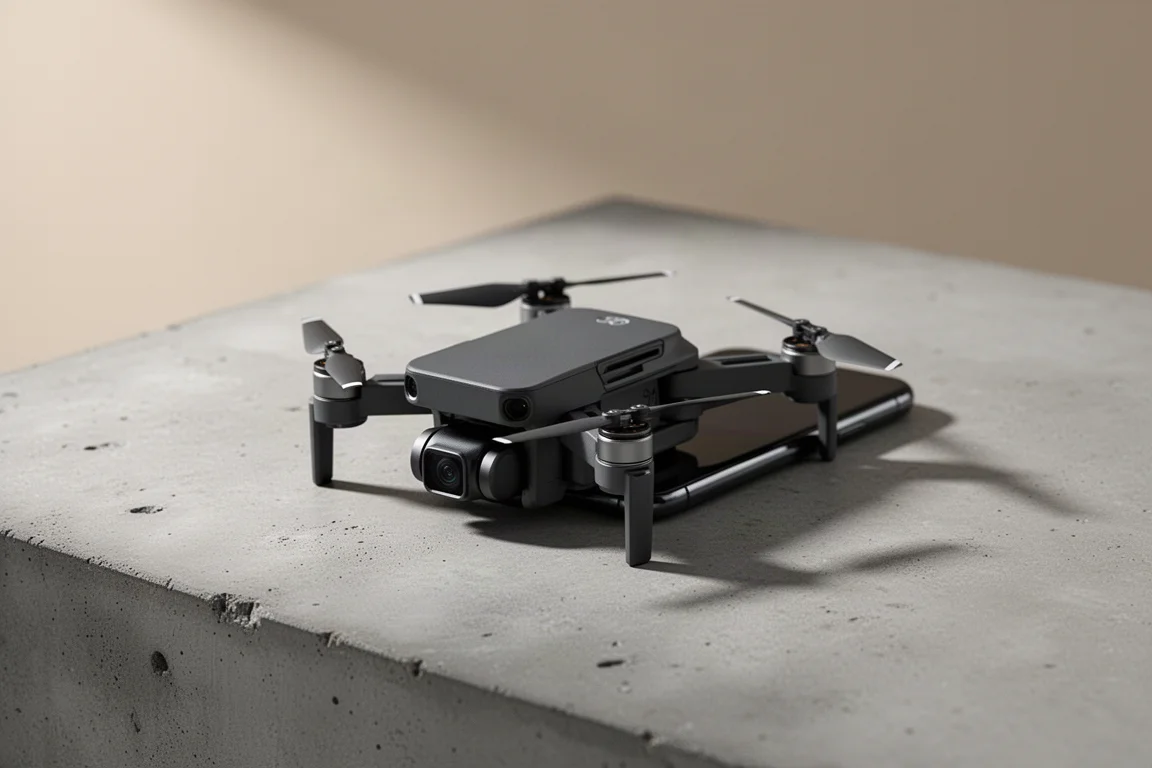
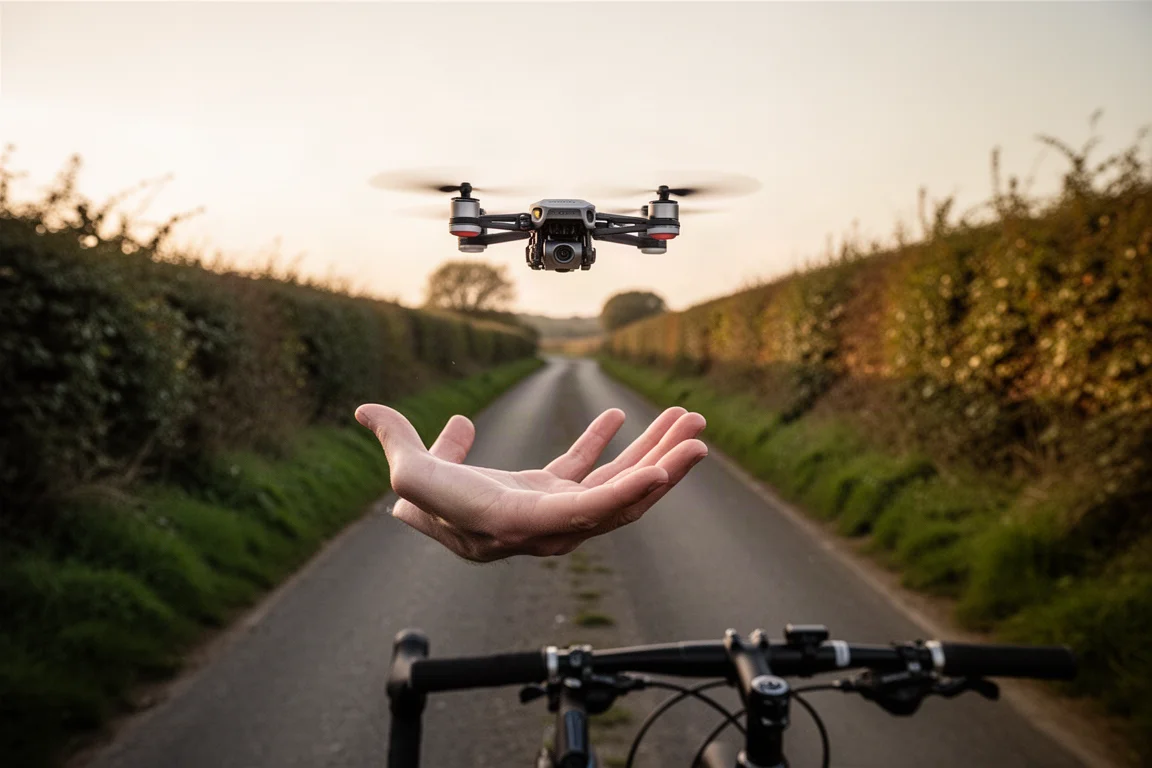
The Hover Air X1 Pro is a folding camera drone that flies itself. It launches from the palm, tracks a rider through woodland and along open road, and folds back down small enough to sit in a jersey pocket. For cyclists who want moving footage of their own riding without a second person holding a camera, that combination is unusual.
It is not a drone in the traditional sense of manual stick control. The whole appeal runs the other way: a compact device weighing under 200 g that handles the flying so the rider can concentrate on the ride itself.
That idea shapes everything about the product, from the way it is carried to the shooting modes it offers and the compromises it makes along the way.
Who the Hover Air X1 Pro Is For
This drone suits riders who already film their rides and want angles a handlebar mount or helmet camera cannot reach. It is aimed at people who share ride footage on social media and want a follow shot that keeps them in frame without help from anyone else.
It also works as a straightforward first drone. The controls are simple enough for someone with no drone experience at all, and the palm launch and landing remove the need for a flat takeoff surface.
Riders who want to film fast technical trails should weigh that against the runtime and the side tracking limitations covered below.
Main Strengths
Simple to Fly and Land
Launching from an open palm and landing back onto it sits at the centre of the experience. There is no controller setup to master and no need to find a clear patch of ground. The drone folds into a compact shape, and the folding mechanism closes with a magnet that snaps shut in a satisfying way.
Reliable Subject Tracking
Tracking is the standout feature. Even with a helmet and glasses on, the drone holds the rider in frame. In cycling mode it follows from behind at speeds up to 42 km per hour. Collision detection relies on a front camera and a rear sensor, which covers the directions the drone travels while it is following.
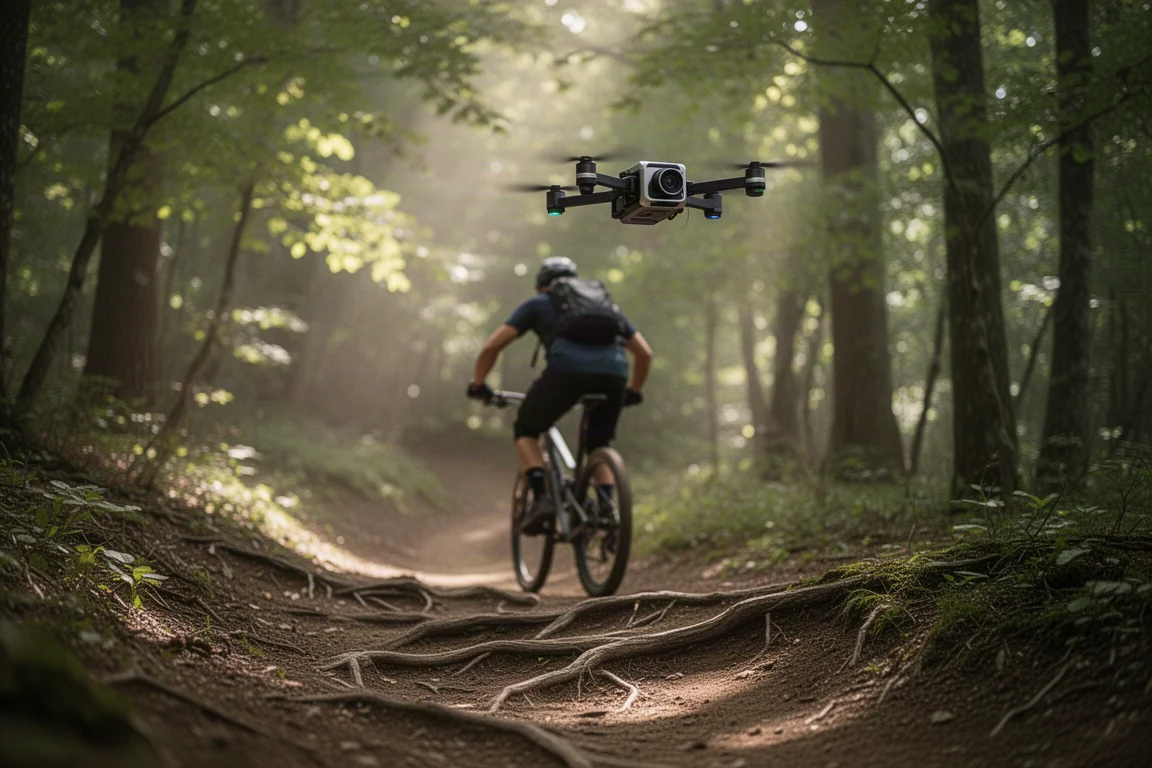
A run through a twisting woodland trail with trees close on both sides showed the drone both keeping the rider in frame and avoiding the obstacles in its path, which is a demanding scenario for a device this small.
Compact and Pocketable
At under 200 g the drone is light enough to carry on a ride, and it genuinely fits in a jersey pocket. The pattern that works well is to ride to a quiet stretch of road or trail, launch, capture a short clip, land, and pocket it again before moving on.
Video Quality and Stabilisation
The gimbal camera records 8K at up to 30 frames per second. Footage stays smooth even when the camera tilts over to hold a subject in strong wind, and the stabilisation keeps results silky. Image quality is good for a sensor this small, though dynamic range does not match a larger action camera, and results are clearly stronger in bright sunlight than in low light or under heavy tree cover.
Durability
The body is plastic and very light, which can make it feel less robust than it turns out to be. Low weight helps here: it tends to bounce on impact rather than absorb the full force. Repeated collisions with signposts, trees, and bushes left the frame, the propeller blades, and the camera all working. The battery can pop loose in a hard knock, but it is held in reasonably securely.
Things to Consider Before Buying
Battery Runtime
The claimed runtime is 16 minutes from the removable top-mounted battery. That figure is a ceiling rather than a typical result. Wind and higher riding speeds make the drone work harder and cut flight time, so the calmest conditions give the longest sessions. Using the drone in short bursts spreads a single battery across a whole ride. Spare batteries are available, and a two-battery charger keeps a reserve ready to swap in.
Side Tracking Modes and Obstacle Detection
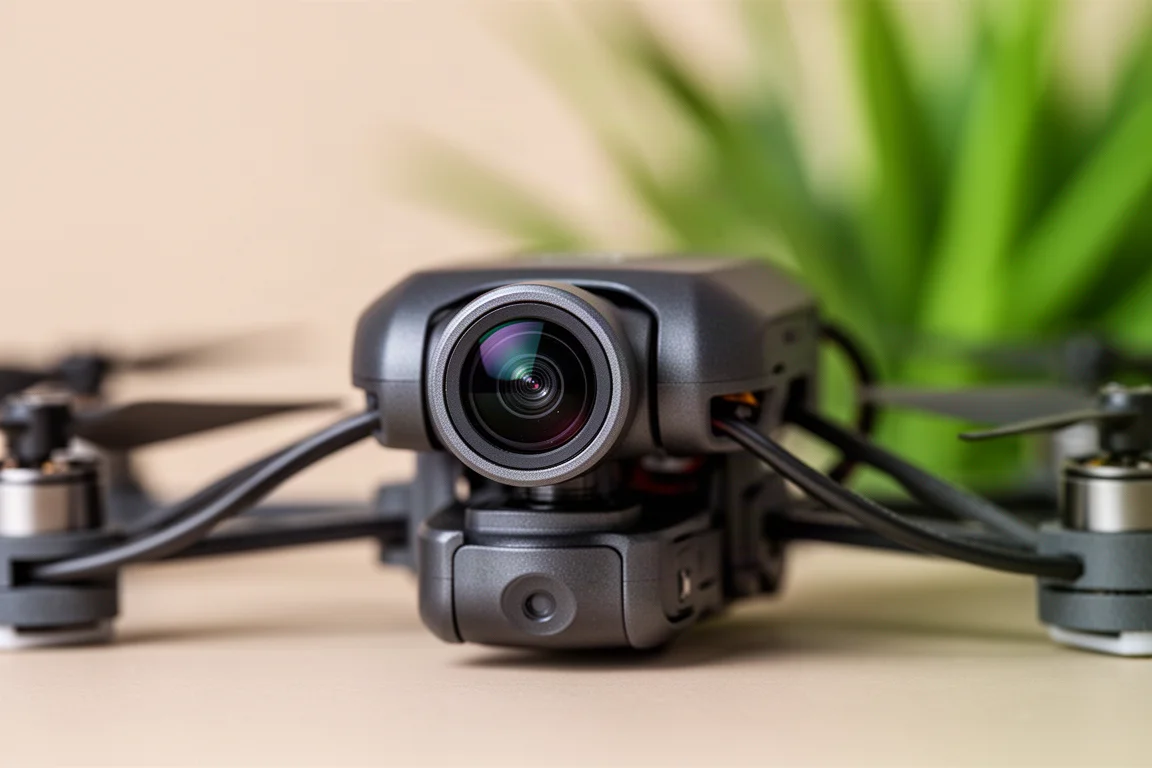
Cycling mode follows from behind and is covered by the front and rear sensors. Dolly track and side track produce more interesting angles by moving around or alongside the rider, but there are no sensors on the sides, so the drone is effectively blind to whatever it passes while travelling sideways. Those two modes need wide open space without trees, hedgerows, or signposts, and they should be used with caution.
Not Waterproof
The drone is not waterproof, so flying near puddles or over open water is a genuine risk. A water-focused version exists in the range for that kind of flying; this model is not it. A storage pouch is included.
No Lens Guard
There is no lens guard, which leaves the camera lens more exposed in a crash than the rest of the body. Everything else has proven resilient, but the lens is the part worth protecting.
Price
The drone starts from around $700, with kits available. That is a serious outlay next to a typical action camera. It makes most sense as a tool for people who will use the footage regularly, or as a deliberate addition to an existing camera setup.
Buying Advice
Decide first whether the follow shot is something you will genuinely use. The Hover Air X1 Pro earns its place when the answer is yes: it flies itself, tracks reliably in cycling mode, and folds away between clips. Budget for spare batteries if you plan longer sessions, and choose routes with open space if you want to make use of the side and dolly tracking modes.
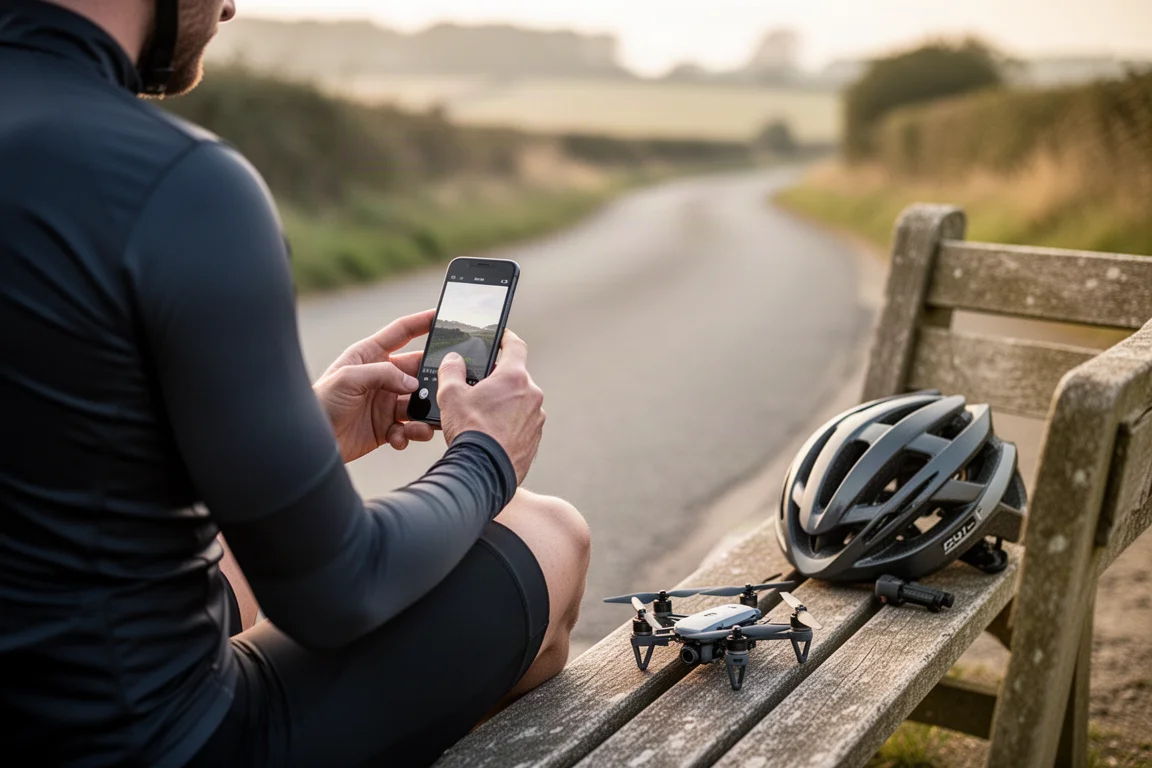
It is also worth being realistic about conditions. Bright, calm days deliver the sharpest footage and the longest flights, while gusty afternoons and dense woodland shorten runtime and complicate the more ambitious camera moves. If your riding mostly happens on quiet lanes and open trails, the drone slots into a routine easily. If it mostly happens under tree cover on narrow paths, expect a steeper learning curve and plan your locations in advance.
Conclusion
The Hover Air X1 Pro is impressive for its size. It flies itself, tracks a rider through woodland and along the road, and captures smooth 8K footage from a device that fits in a jersey pocket. The compromises are real: limited runtime, no side sensors for the more dynamic tracking modes, no water resistance, no lens guard, and a price that puts it well above a standard action camera. For riders who film regularly and want follow footage without a second person, those trade-offs are easier to accept than they first appear.
Product link
View more details for Hover Air X1 Pro
This product is mentioned in the review. Check the specifications, options, and compatibility before buying.
View more details for Hover Air X1 ProFurther reading
Related Reviews
Camera Drones
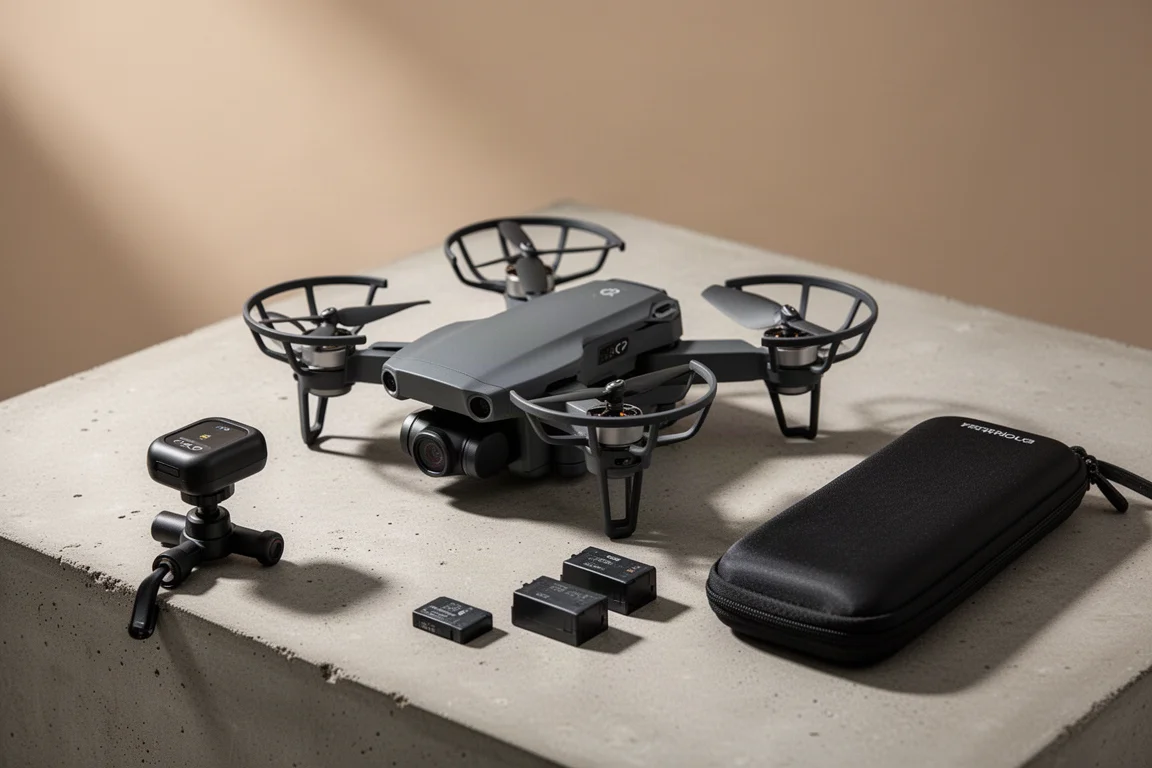
Hover Air X1 Pro Max Review: A Pocket-Sized Flying Camera for Cyclists
A hands-free follow drone that records up to 8K and keeps pace with a rider at up to 42 km/h, with a cycling bundle that adds batteries, a bar beacon and ND filters.
Action Cameras
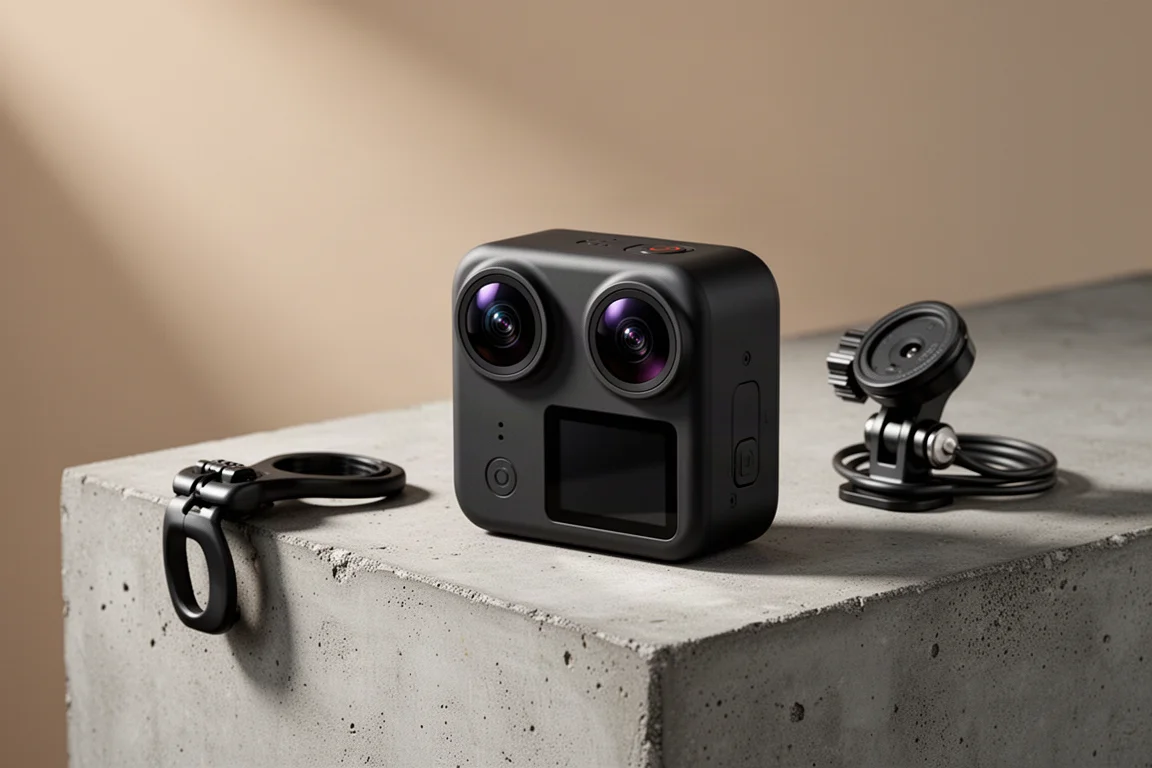
DJI Osmo 360 Review: A Compact 8K 360 Camera Built for Riding
The DJI Osmo 360 pairs a 1-inch square sensor with native 8K capture, 105 GB of built-in storage and a magnetic mount, in a body smaller than most 360 cameras.
360 Cameras
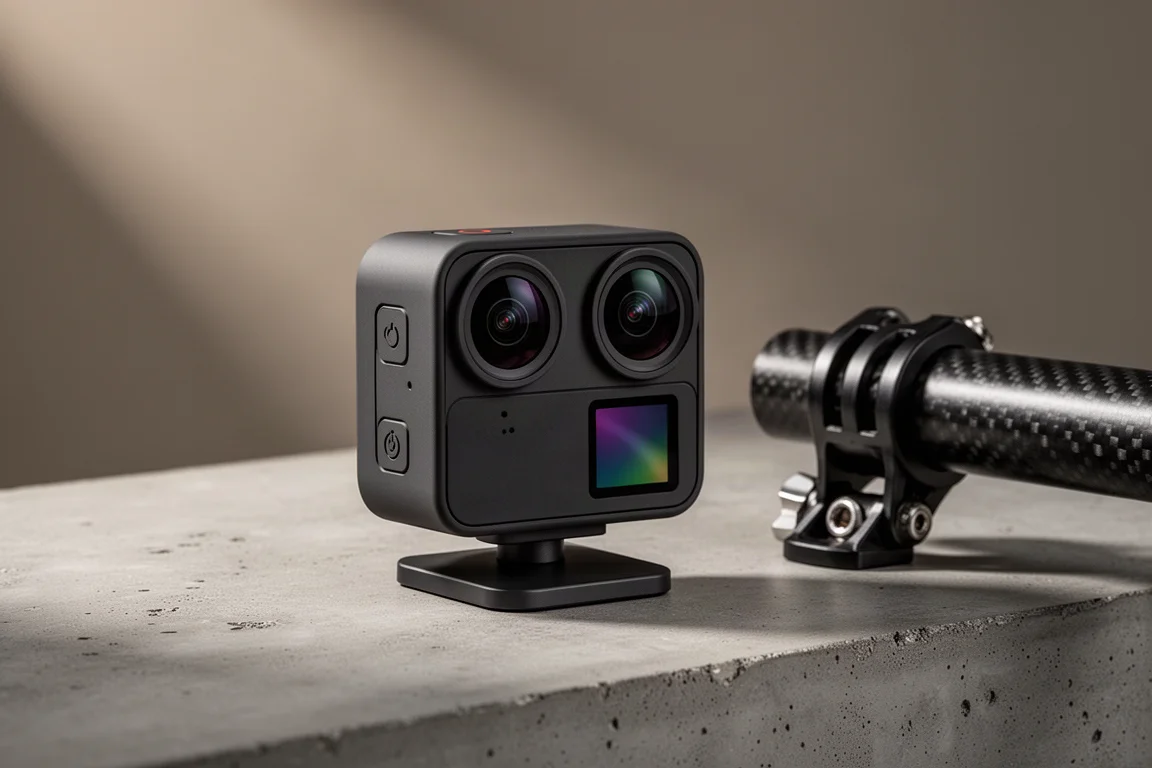
DJI Osmo 360 Review: A Compact 8K 360 Camera for Riders and Creators
A close look at the DJI Osmo 360, covering its 1-inch 360 sensor, native 8K capture, magnetic mounting, battery life, built-in storage, and single-lens mode.