Astronomy Eyepieces
Houdini Coma-Correcting Eyepieces Review: Built-In Coma Correction for Fast Reflectors
Three focal lengths, an ultra-wide 86-degree field, and coma correction built into each eyepiece. A month of testing on the moon, Jupiter, and deep sky targets.
Introduction
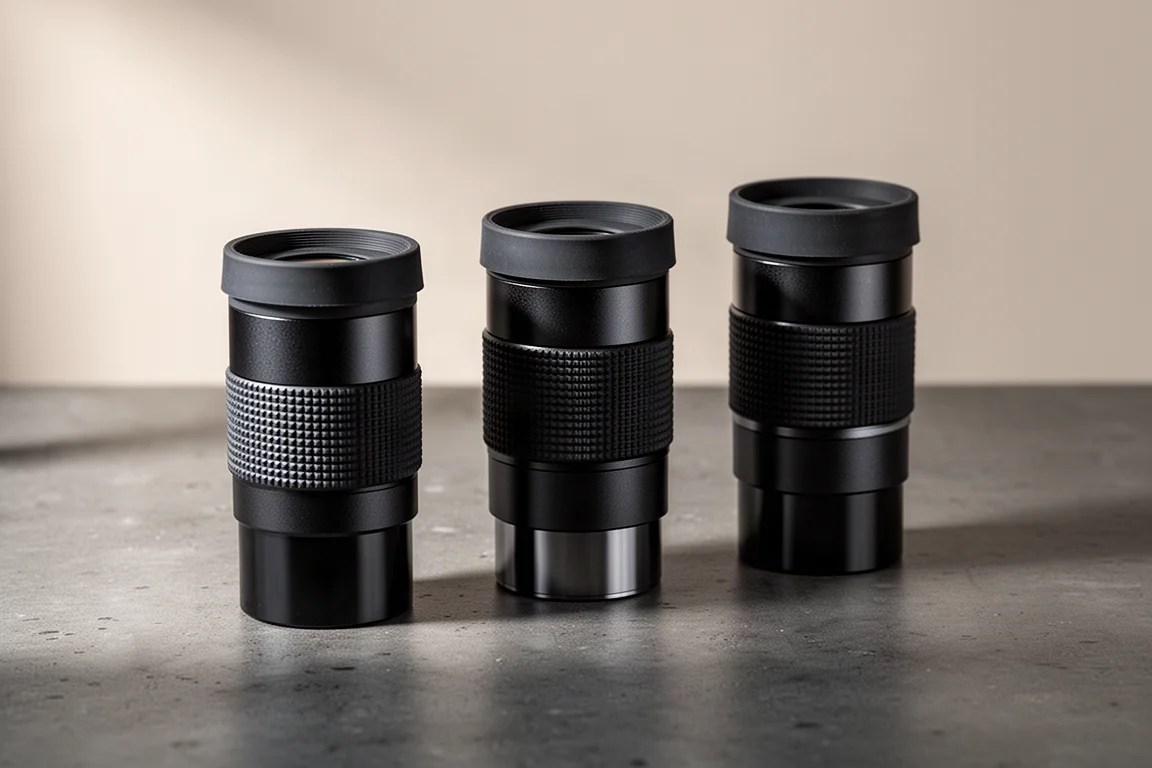
Few new eyepieces have generated as much attention among amateur astronomers as the Houdini coma-correcting series. Instead of buying a separate coma corrector and tuning it for each eyepiece, these eyepieces build the correction directly into each unit. Over the past month, they have been used on the moon, Jupiter, and a range of deep sky objects from the Herschel 400 list through an F5 12-inch Dobsonian, and the results have been impressive.
What the Houdini Eyepieces Are Designed to Solve
Coma is present in all reflectors, but it becomes particularly apparent and annoying in telescopes with an F5 or faster mirror, distorting and elongating stars the farther out you look from the center of the field. The traditional fix is a separate coma corrector, but those add weight to the telescope, must be fine-tuned for different eyepieces, and most add a small amount of magnification.
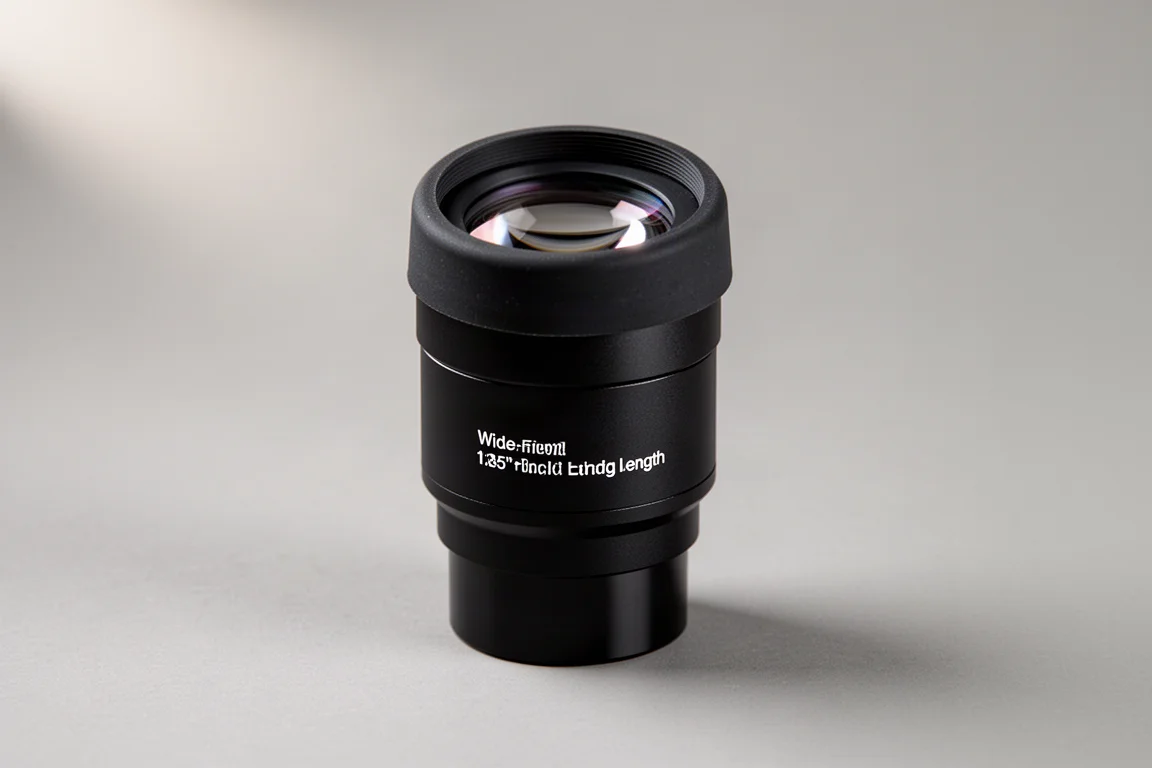
The Houdini eyepieces take the best aspects of a coma corrector and build them into each eyepiece, saving weight, money, and time at the telescope. Even without the coma correction, the specifications tick nearly every box: an ultra-wide 86-degree apparent field of view, a comfortable 19 mm of eye relief, and fully multi-coated optics that deliver excellent contrast.
The 7mm: The Planetary and Lunar Specialist
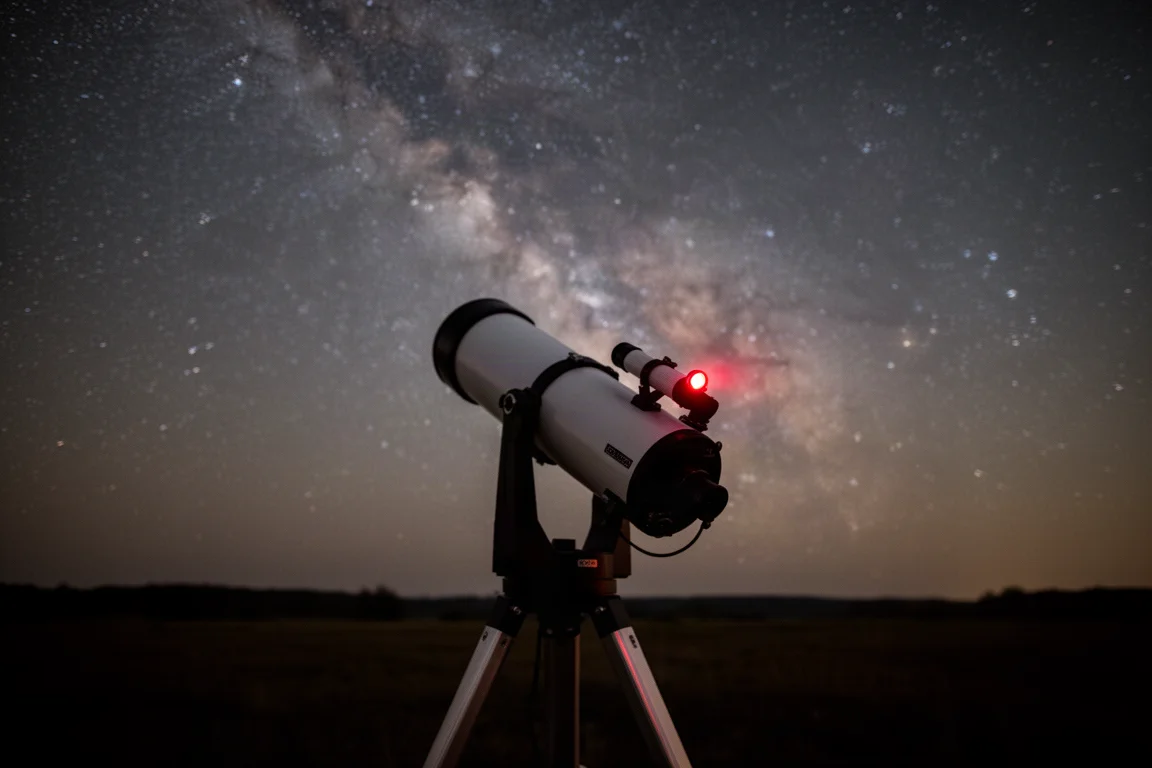
The 7mm has been the go-to eyepiece for planetary observing and the lunar surface. It does an excellent job of controlling light scatter, and on Jupiter the view stayed sharp from the extreme edges of the field of view to the center as the planet sailed across. The Great Red Spot was clearly visible in fine-tuned seeing.
The coma correction matters even on the moon and planets, keeping sharpness across the entire field where non-correcting eyepieces often show sweet spots that are not always dead center. A little color fringing can appear at the extreme edge near the field stop on bright objects, but since bright targets are rarely viewed there, it is not distracting.
Moving up from a 72-degree Tele Vue Delos, the jump to 86 degrees is surprisingly noticeable and adds a genuine “lost in space” feel at the eyepiece.
The 12mm: The Workhorse of the Set
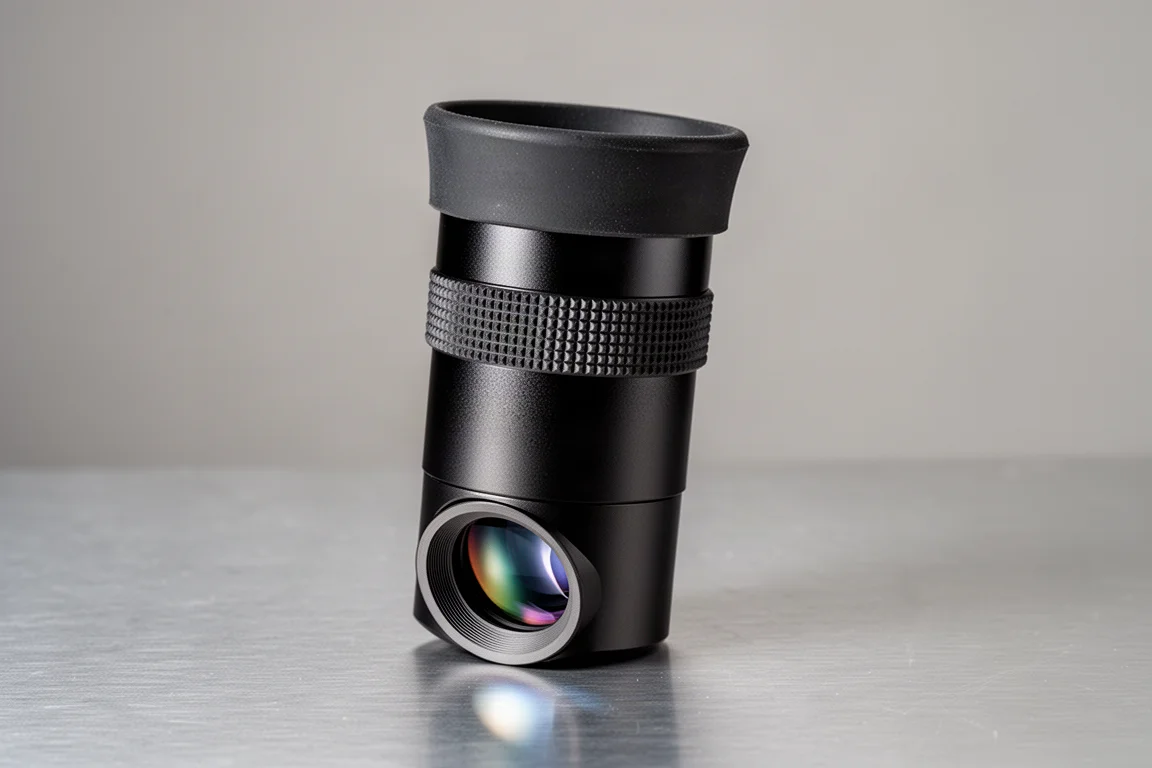
Alongside the 7mm, the 12mm has seen the most use, particularly for open clusters while working through the Herschel 400 list. The coma correction really becomes apparent when a star field fills almost the entire field of view, as larger open clusters can. Dim stars and bright stars alike show none of the elongation typical near the field edges, giving a perfectly sharp, pleasing view.
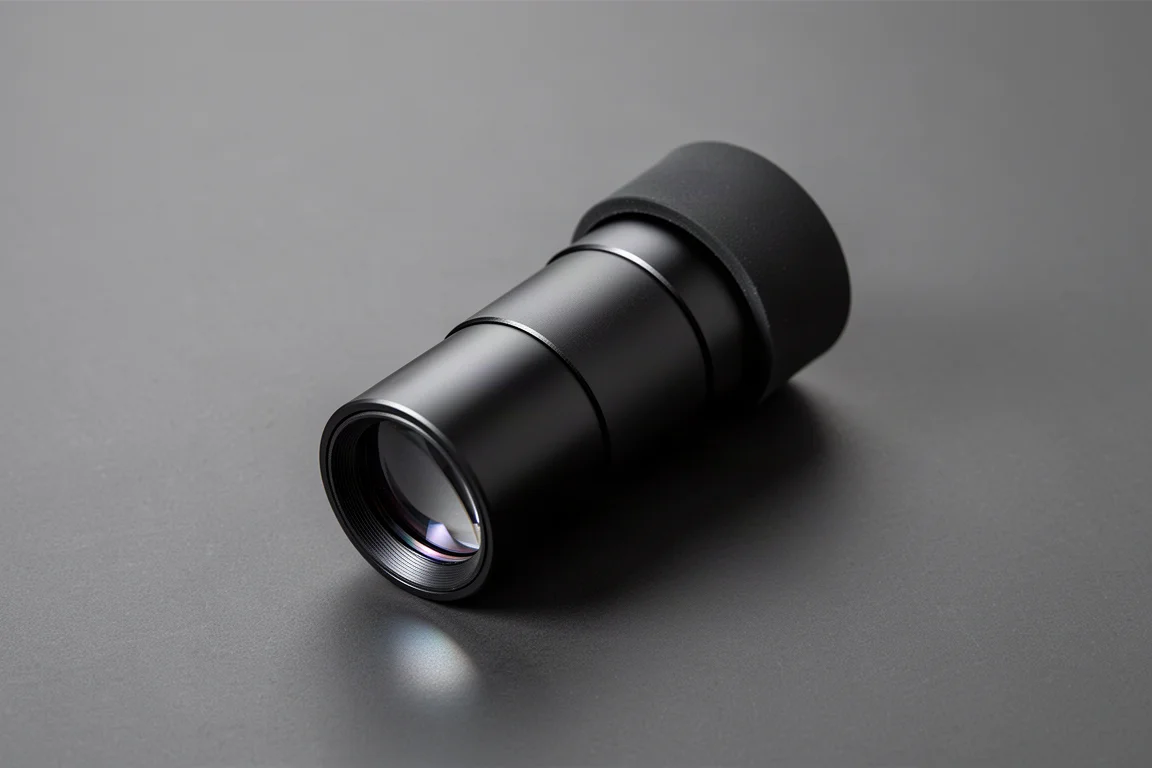
The 20mm: Your Starting Point for Star Hopping
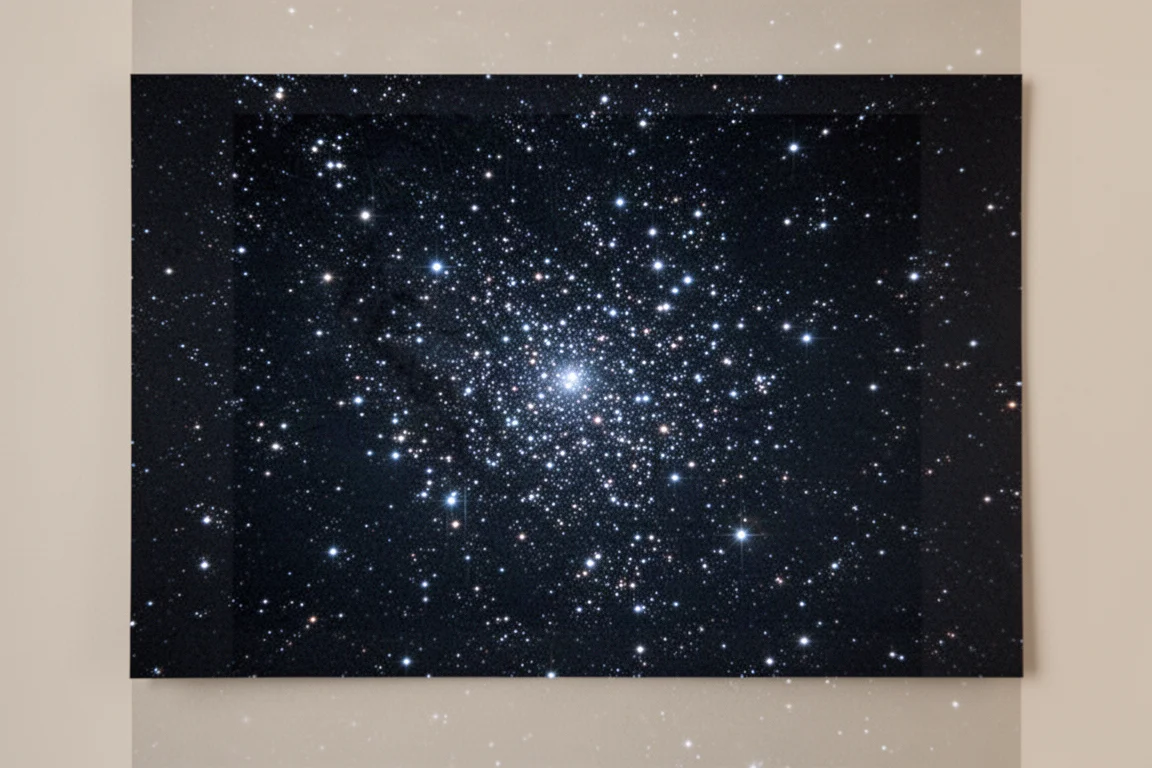
The 20mm has served as the starting eyepiece for star hopping, the step between finder scope and eyepiece when hunting down faint deep sky objects. It also gives wonderful views of the moon. Eye placement is effortless across the whole line: you put them in, focus, and enjoy the view without struggling to hold the exit pupil.
Buying Advice for Reflector Owners
If there is one way to summarize these eyepieces, it is that they are effortless to use and the results are remarkable. The built-in coma correction removes the extra steps a fast reflector owner would otherwise take, especially with F5, F4, or even F3.5 mirrors. Going from design to consumer delivery within a single year is a remarkable journey in itself.
If you own a reflector telescope, these are a no-brainer if you can afford them. They deliver some of the best views available at the telescope, and the experience of using them is genuinely enjoyable.
Conclusion
The Houdini series delivers on its promise: coma correction without the hassle, an immersive 86-degree field, comfortable eye relief, and views that hold sharpness to the edge. For reflector owners tired of juggling a separate coma corrector, the 7mm, 12mm, and 20mm make a compelling and refreshingly simple case.
Further reading
Related Reviews
Astrophotography
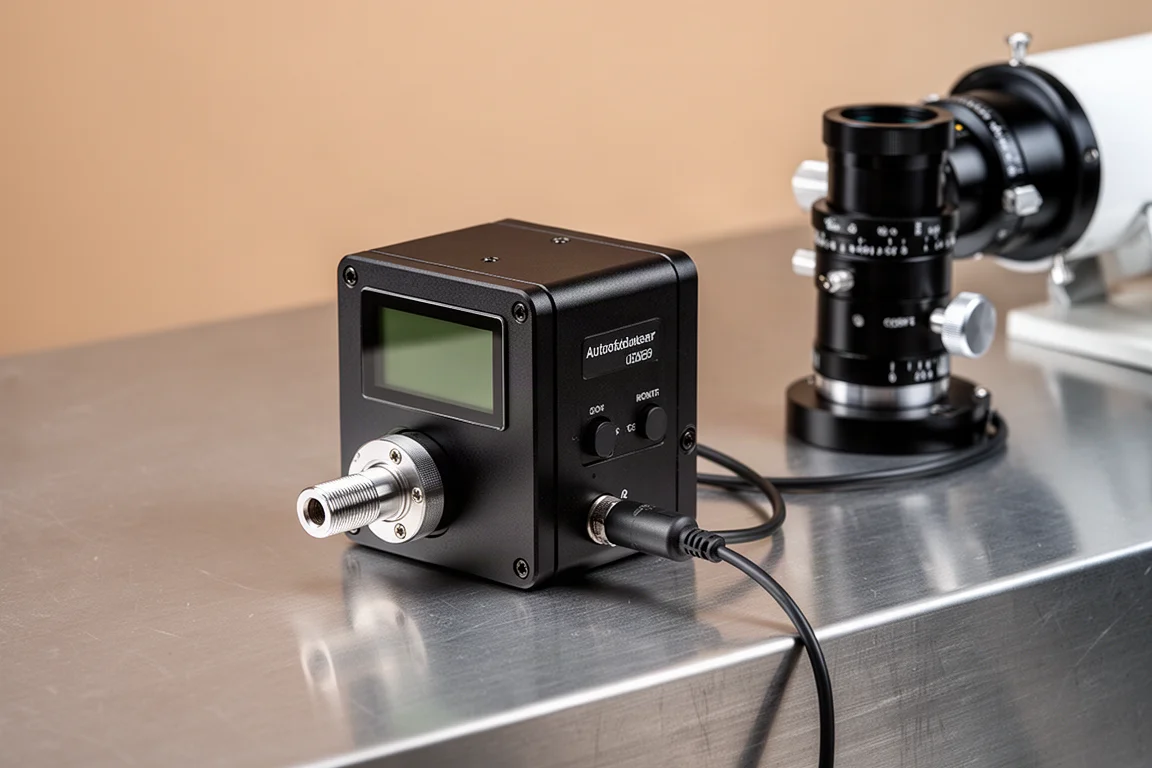
RBFocus Merlin Autofocuser Review: A Premium Focuser Without the Premium Price
A detailed look at the RBFocus Merlin autofocuser, covering its easy installation, zero backlash performance, and the 12V power requirement you need to know about.
Astrophotography
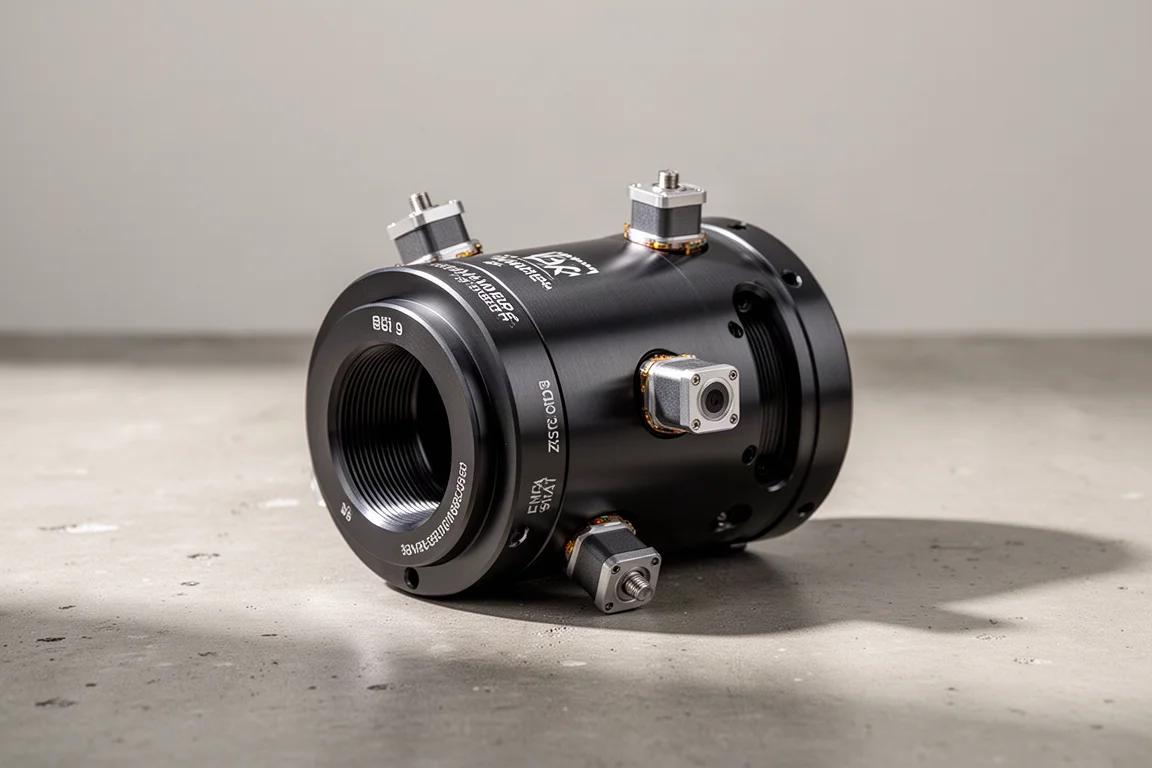
Wanderer Astro ETA Review: Automatic Tilt Adjustment for Astrophotography
The Wanderer Astro ETA promises to solve one of astrophotography's most frustrating problems: sensor tilt. We tested it on a full-frame camera to see if it delivers.
Fountain Pens
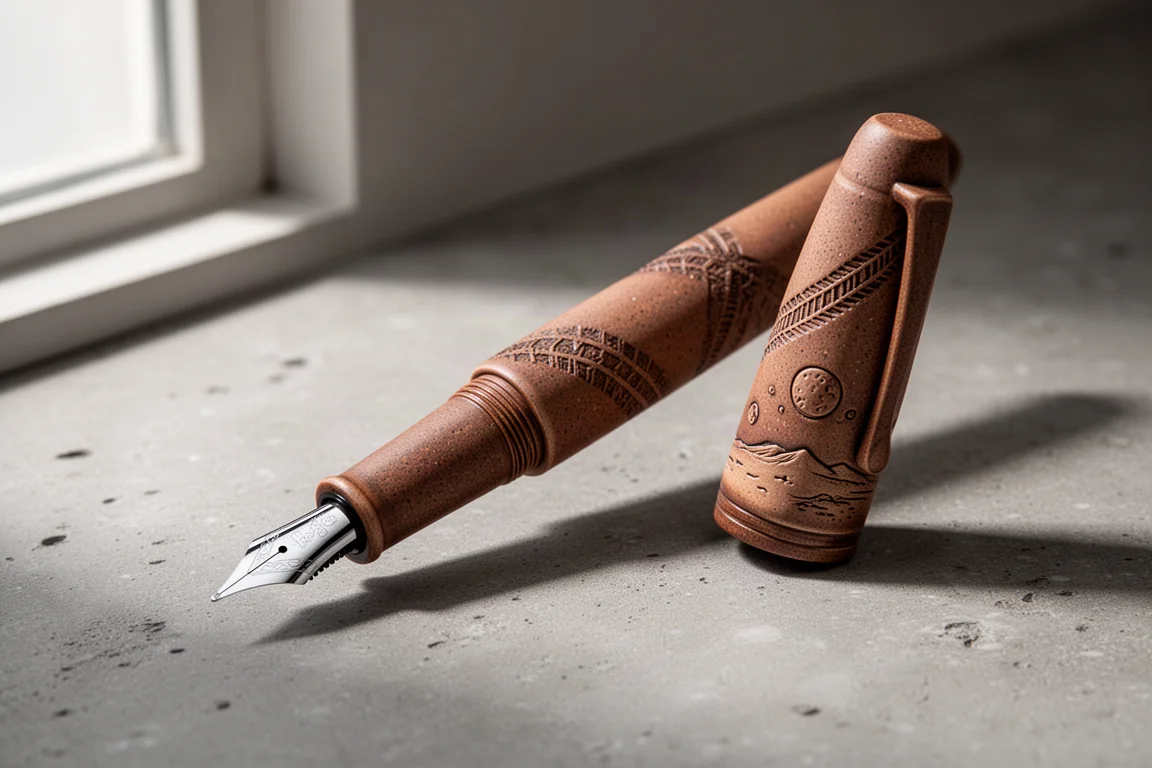
Artcraft Mars Rover Pen Review: A Handmade Fountain Pen With Real Martian Detail
John Hubbard's Artcraft Mars Rover pen packs 47-piece limited-edition charm, ceramic coating, a Franklin-Christoph nib, and thoughtful extras into a well-priced astronomy-themed writer.